How to Wash Leather Clothes Safely with 8 Expert Steps and Tips
To wash leather clothes safely at home, use gentle hand washing with mild soap and lukewarm water, avoiding soaking or harsh scrubbing. Always test cleaning products on a hidden spot and condition leather afterward to keep it soft and protected. Proper drying in a well-ventilated area is essential to maintain the material’s shape and finish.
This advice suits anyone owning leather garments, such as jackets or pants, who wants to clean them without causing damage. You’ll find clear steps for choosing cleaning supplies, handling stains, drying, conditioning, and knowing when professional care is needed for your leather clothes.
Key Takeaways
- Hand wash leather clothes gently with mild soap and lukewarm water; avoid machine washing bright colors to prevent fading.
- Test cleaning solutions on a concealed area and wait 24 hours to check for any color or texture changes before full use.
- Use a specialized leather conditioner every 3-6 months or more frequently if exposed to sun or heat.
- Let cleaned and conditioned leather dry in a cool, well-ventilated space for at least 8 hours or overnight.
- Remove germs by soaking leather in a diluted bleach solution, 1 teaspoon per gallon of water, for no longer than 30 minutes.
- Oil-based products like beeswax or light olive oil can substitute commercial conditioners if used sparingly and tested first.
1. How to Wash Leather Clothes Safely at Home
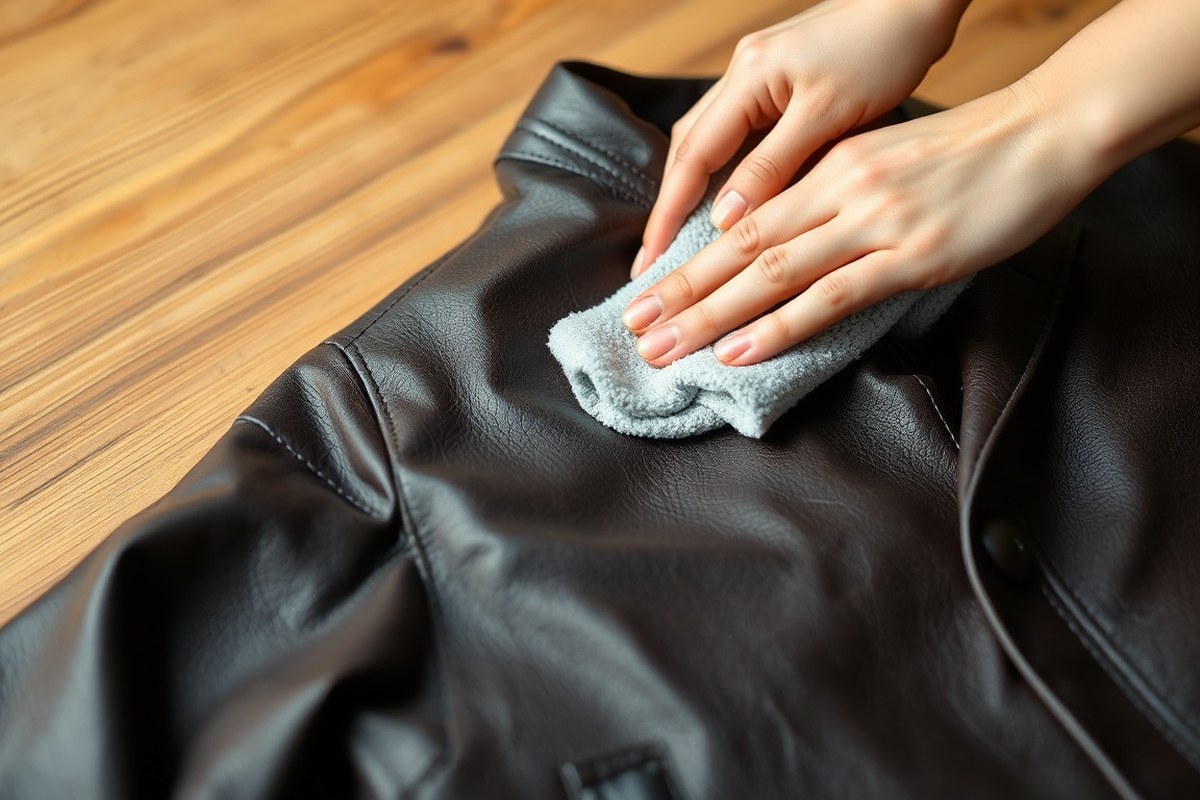
Washing leather clothes safely at home means avoiding washing machines and soaking while focusing on gentle hand cleaning. Using a soft cloth with mild soap and minimal water helps maintain leather’s look without drying or damaging it. Always follow specific care label instructions to protect your garment.
Hand Washing vs. Machine Washing
Most leather clothes should never be machine washed. Washing machines can saturate leather, causing stiffness, shrinkage, or color loss. Only certain sturdy leather items, like some boots or jackets, might be machine washable if the manufacturer explicitly allows it on the care label.
Hand washing is the preferred method for basic maintenance and cleaning. It involves carefully wiping the surface without soaking or rubbing aggressively, which means you clean while preserving leather’s softness and finish. Machine washing risks permanent damage, especially for brightly colored leather, which can fade.
Step-by-Step Surface Cleaning Process
To clean leather clothes gently and effectively, follow these steps that focus on surface care using a damp cloth and mild soap. This method removes dust, dirt, and light stains without harming the leather.
- Remove dust and surface dirt using a soft, dry cloth to prepare the leather for cleaning.
- Dampen a clean cloth with lukewarm water (not wet; just slightly moist).
- Apply a small amount of mild soap designed for leather or a gentle, pH-neutral soap to the cloth.
- Wipe the leather gently using light, circular motions, focusing on dirty spots without saturating the leather.
- Use a second clean, damp cloth to wipe off any soap residue.
- Dry the leather surface immediately with a dry towel, blotting rather than rubbing.
- Let the garment air-dry away from direct sunlight or heat sources on a flat or padded hanger.
For tough stains or areas with caked-on dirt, increase pressure slightly but avoid over-wetting. Do not soak the leather, as water can cause damage by drying out the material or causing mineral deposits.
Key Precautions to Avoid Damage
Avoid soaking leather clothes or submerging them in water. Even gentle soaps can cause dryness if the leather remains wet too long. Strong detergents, bleach, and harsh chemicals should never be used. Always test any cleaning method on an inconspicuous part first if unsure.
Never put leather items in washing machines or dryers unless the garment’s care label explicitly states it is safe. Fast, high heat or tumbling can permanently deform or crack the leather. After cleaning, protect the leather with appropriate conditioners to restore oils and maintain softness.
2. Choosing the Right Cleaning Products and Supplies
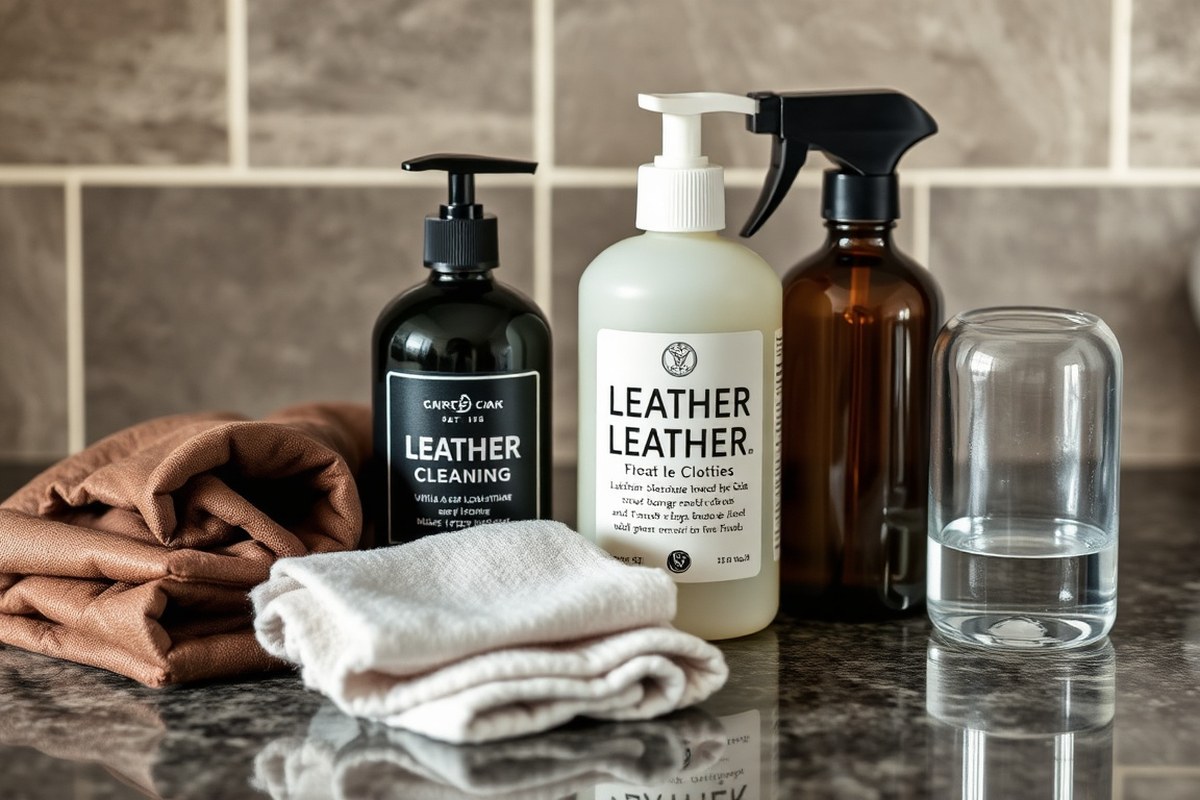
Select cleaning products based on your leather type to avoid damage and maintain softness. Use gentle, pH-balanced cleaners or mild soap solutions prepared with care. Proper tools like soft cloths and sponges help clean without scratching, while conditioning products restore oils after washing.
Leather Types and Suitable Cleaning Methods
Different leather finishes require distinct cleaning methods. Finished leather, commonly found in jackets and coats, benefits from mild soap solutions or commercial leather cleaners. Suede and nubuck need special suede brushes and erasers instead of liquid cleaners to prevent staining or texture change. Aniline leather, being more delicate and porous, should only get very mild cleaning and conditioning. Always identify your leather by checking the label or texture before selecting a product.
For example, finished leather tolerates gentle wiping with a solution of unscented mild soap diluted in lukewarm water (about one teaspoon per cup). Avoid saturating the material. Suede reacts poorly to water; only use dry cleaning methods or specially formulated suede products.
Essential Supplies for Cleaning Leather Clothes
Having the right tools simplifies cleaning and prevents accidental damage. Gather these supplies before you begin:
- Soft, lint-free microfiber cloths or cotton rags
- Natural sponges or soft-bristle brushes for finished leather
- Special suede/nubuck brushes and erasers for rough grain leather
- Mild, pH-balanced leather cleaner or mild unscented soap
- Leather conditioner appropriate for your leather type
- Clean spray bottle for mixing and applying solutions
- Small bowls or containers for preparing diluted cleaning solutions
Trying to substitute harsh detergents or abrasive tools risks drying out or scratching your leather. Having a dedicated set keeps cleaning safe and consistent.
Preparing Homemade Cleaning Solutions
Mixing your own leather cleaning solution keeps control over ingredients and reduces exposure to chemicals. For finished leather, dissolve 1 teaspoon of mild, unscented liquid soap in 1 cup of lukewarm distilled water. Use distilled water to avoid minerals that might leave deposits.
Pour the mixture into a spray bottle or bowl. Apply sparingly with a slightly damp cloth or sponge, then wipe off with a dry cloth to prevent moisture buildup. For disinfecting, use 1 teaspoon of household bleach in 1 gallon of water and soak leather clothes for up to 30 minutes only if stains or germs are a concern, but this is risky and rarely recommended for regular care.
Test your solution on an inconspicuous area and wait 24 hours to watch for any color shift or texture change before cleaning visible parts. This step is important because different dyes and finishes react differently to solutions.
Why Conditioning Matters After Cleaning
Leather contains natural oils that keep it flexible and resistant to cracking. Cleaning removes dirt but also strips these oils. Using a quality leather conditioner replenishes moisture and protects the material’s surface. Avoid mink oil and leather wax on finished leather as they can clog pores or darken colors.
Apply a small amount of conditioner with a soft cloth evenly over dry leather after cleaning. Let it absorb for about 15 minutes, then buff gently with a clean cloth for a soft, supple finish. Regular conditioning every few months keeps leather clothes looking new longer.
Always test any cleaning or conditioning product in a hidden spot for at least 24 hours before full use to prevent permanent damage or discoloration.
3. Testing Cleaning Solutions and Stain Removal Methods
Testing cleaning products and stain removal methods on leather first helps avoid damage to your garment. Start with a spot test on a hidden area to ensure the solution won’t change the leather’s color or texture. For common stains like oil, ink, and water marks, use gentle, targeted approaches that protect the leather’s finish.
How to Perform a Spot Test Correctly
Performing a spot test means applying a small amount of your chosen cleaner in an inconspicuous area, such as inside a pocket or under a seam. This step confirms the product won’t cause discoloration, dryness, or surface damage. Follow these steps to do a safe spot test:
- Pick a hidden spot on the leather garment.
- Apply a small amount of the cleaning solution using a cotton swab or soft cloth.
- Wait 10 to 15 minutes, allowing the leather to react to the cleaner.
- Check for any color change, texture difference, or residue.
- Test a slightly bigger area next and watch for any problems if the first test shows no issues.
- Discard or dilute the cleaner if you see damage, or choose a milder product.
Spot testing takes only a few minutes and can save you costly damage later. Never skip it, especially on expensive or finished leather.
Removing Popular Stains Safely
Different stains require different care to avoid harming the leather’s finish. Oil stains, ink spots, and water marks are among the most common issues.
To treat oil and grease stains, start by gently blotting the extra oil with a dry cloth. Next, use a microfiber cloth dampened with warm water mixed with a few drops of baby shampoo or castile soap to softly rub the spot. Keep the leather from getting too wet during the process. Keep blotting and rubbing until the stain starts to fade, then let the leather air dry.
Ink stains can be difficult to fully remove. Dab the spot gently with a cotton ball dipped in isopropyl alcohol (70% concentration) or use a commercial leather ink remover, but only after a successful spot test. Use light strokes to avoid spreading the ink.
Water marks can appear as light or dark patches. Try wiping the entire affected panel lightly with a damp cloth, then allow it to air dry at room temperature. Avoid heat sources, which cause cracking. Buff lightly with a soft cloth once dry.
Using Household Items vs. Leather-Specific Products
Household items like mild soap and water can clean many stains effectively if you proceed carefully. Baby shampoo or castile soap mixed with warm water is a gentle option for routine spot cleaning.
Leather-specific products, like formulated leather cleaners and conditioners, are designed for safe use on finished leather and help maintain the material’s softness and look. Avoid mink oil or leather waxes on finished leather as they may darken or dull the surface.
Household remedies work best on smooth, finished leather and minor stains. For suede or nubuck, specialized cleaners are required to avoid matting or water damage. Professionals can safely handle hard-to-remove or extensive stains but usually charge $50 to $150 depending on garment size and condition.
4. Cleaning the Interior Lining and Hard-to-Reach Areas
The interior lining of leather garments often attracts dirt, oils, and sweat that regular surface cleaning misses. Cleaning these areas protects the garment’s overall freshness and prevents odors or bacteria buildup. Since the lining is usually fabric, it requires a gentle approach that avoids soaking and damaging the leather exterior. Specialty leathers like suede or nubuck need extra care, using minimal moisture and soft tools to avoid staining or water spots.
To clean the lining properly without harming the leather, follow these precise steps. Use only mild detergent or fabric cleaner diluted in water, and always test any solution on a small hidden section of lining first. Avoid heavy scrubbing or soaking, which can seep through and damage the leather. For suede and nubuck, restrict cleaning to dry brushing or products specifically designed for those materials, avoiding water-based cleaners inside.
- Turn the garment inside out if possible. This helps access the lining more easily while protecting the leather outside from contact with water or detergent.
- Mix a small amount of mild detergent with lukewarm water. Use about one teaspoon of detergent per cup of water to create a gentle cleaning solution suitable for most linings.
- Dampen a soft cloth or sponge with the solution. Wring it out well so it is just barely moist, reducing the risk of water seepage into the leather.
- Gently blot or wipe the lining. Focus on stained or soiled areas, using light pressure to avoid damaging delicate lining fabrics.
- Use a second clean cloth dampened with plain water to rinse. Blot the cleaned areas again to remove any detergent residue.
- Pat with a dry towel to absorb excess moisture. Avoid twisting or rubbing, as this can stretch or distort the lining fabric.
- Allow the garment to air dry completely away from direct heat or sunlight. Keep it hanging in a well-ventilated area for 24 to 48 hours to ensure the lining and leather dry evenly.
- For suede or nubuck interiors, skip water and cleaning solutions. Use a suede brush or rubber eraser to lift dirt gently from the lining surface without risking water damage.
Good results show a fresh, clean lining free of visible stains or odors while the leather exterior remains dry, supple, and unstained. Sharp smells or damp spots after cleaning indicate incomplete drying or moisture intrusion, which can lead to mildew or leather damage. These issues require professional attention if severe. Proper care costs only time, a mild detergent under $5, and soft cloths, versus expensive repairs or garment replacement.
5. Proper Drying and Conditioning to Protect Leather
After cleaning leather clothes, properly drying them is essential to keep their shape and strength intact. Leather usually takes between 12 and 24 hours to dry in room temperature, depending on its thickness and the surrounding humidity. Hang the garment in a spot with good airflow, away from direct sunlight and heat sources such as radiators. Exposure to sun and heat can strip leather of its natural oils, leading to brittleness and fading. Avoid dryers or heaters since fast drying can cause cracks and distort the leather’s form.
Let the leather air dry before continuing if it becomes soaked during the cleaning process. This pause helps prevent saturation that can weaken the leather. Remove excess water with a clean, soft cloth by gently blotting, not rubbing, to avoid damaging the surface. You’ll want to grab the garment from the washing machine or basin immediately at the end of the cleaning cycle to prevent moisture from setting inside the textile.
Once dry, conditioning leather is necessary to restore moisture lost during cleaning and drying. Conditioning helps maintain softness, flexibility, and appearance while preventing cracks. Look for a high-quality leather conditioner designed specifically for the type of leather you have, whether smooth or suede. Apply a small amount of conditioner evenly with a soft cloth, rubbing it gently in circular motions. Let the conditioner absorb for at least an hour before buffing off any excess. Expect to spend about 10 to 15 minutes per garment on this step.
Regular conditioning is a must after every cleaning and around every three to six months for leather you wear frequently or store for long periods. Conditioning replenishes the natural oils that keep leather supple, similarly to how lotion hydrates skin. Without it, leather can dry out and become stiff, increasing the risk of cracking over time. Conditioning also helps preserve the leather’s color and sheen by protecting it from fading and drying.
Taking care to dry and condition leather correctly will greatly extend the life of your clothes. A rough or stiff feeling after drying usually means the leather requires additional conditioning. Conversely, over-conditioning can leave a greasy residue, so apply conditioner conservatively and gradually. Proper storage between wears supports this maintenance, keeping your leather in the best shape possible.
Always air dry leather away from direct heat or sunlight to prevent drying out and cracking, patience during this step protects your investment.
6. Preventing Damage: What to Avoid When Washing Leather
Washing leather clothes incorrectly can cause permanent damage, discoloration, or loss of texture. Avoid putting expensive leather garments in a washing machine, as agitation and water exposure may shrink or distort the leather. Spot cleaning and careful wiping are safer for these types of items. Heat and moisture especially affect leather’s durability. Excessive heat dries out the leather’s natural oils, causing cracks and stiffness, while too much moisture risks warping or staining.
Direct sunlight accelerates drying and fading, which weakens leather fibers. Keep your leather clothes out of the sun during cleaning and drying. Avoid placing them near heaters or using hair dryers, since temperatures above 100°F can strip natural oils and cause the leather to become brittle. It’s better to let leather air dry naturally in a shaded, well-ventilated space to preserve softness.
Leather with delicate seams, embossing, or painted finishes requires special care. Rough treatment or strong cleaning agents may cause the seams to loosen, coloring to fade, or surfaces to peel. Use mild leather cleaners and test on a hidden area before applying anything broadly. Some cleaners contain harsh detergents or bleach which break down the leather’s protective layer and dry it out excessively. Consistent conditioning every 2-3 months will help restore oils lost to cleaning or sun exposure.
- Avoid machine washing expensive or detailed leather garments
- Do not expose leather to direct sunlight during or after cleaning
- Keep leather away from heaters and hair dryers to prevent drying out
- Refrain from using harsh detergents, bleach, or strong chemicals
- Never wear leather clothes while they are still damp
- Steer clear of aggressive scrubbing around seams and detailing
- Condition leather every 2-3 months if exposed frequently to heat or sun
Avoiding these mistakes ensures your leather clothes retain their smooth appearance and flexibility. On the other hand, neglecting these precautions can lead to cracking, stiffening, uneven color, and irreversible damage. Treat leather gently and carefully to keep it looking stylish for years.
7. When to Get Professional Leather Cleaning and Restoration
Leather clothing may need professional cleaning or restoration if you notice stiffness, cracking, or deep stains that home methods cannot remove. Fading, discoloration, or unusual odors often signal that leather fibers have absorbed substances beyond surface dirt or water spots. Suede and white leather are especially prone to damage and should be assessed by leather cleaning specialists rather than general dry cleaners who might use harsh chemicals.
Look for these signs as a decision rule: if your leather garment shows color loss in large areas, feels brittle or flaky, has ingrained dirt after careful spot-cleaning attempts, or smells strongly of mildew or smoke, professional service is advisable. Trying intensive DIY treatments on these conditions can cause irreparable damage like further color loss, shrinking, or stiffening. Minor surface dirt and small smudges remain suitable for home care, but persistent or unusual problems call for expert help.
Professional leather cleaners use methods tailored to the leather type and damage level, including gentle solvents, conditioners, or restoration techniques unavailable to consumers. Experts for leather can properly treat fiber structure, prevent color fade, and restore suppleness. Facilities specializing in leather often warn against traditional dry cleaners, who may lack the expertise or use treatments that dry out or stiffen the leather.
| Service Type | Typical Cost Range | When to Choose |
|---|---|---|
| Basic cleaning and conditioning | $40 to $100 | Light stains, minor odors, routine maintenance |
| Advanced stain removal and odor treatment | $100 to $200 | Persistent stains, unusual odors, beginning fading |
| Complete restoration and repair | $200 and up | Severe discoloration, cracks, stiff areas, structural damage |
Cost depends on the garment’s size, leather type, and damage severity. For example, a standard leather jacket’s basic cleaning is typically between $40 and $100, while restoring cracked or heavily stained leather can reach several hundred dollars. Consulting with a leather specialist provides a clear quote based on the garment assessment, which varies greatly by condition and leather variety.
Choose a professional leather specialist if your garment fits the advanced or restoration criteria above, or if you own delicate leather like suede or white leather. Always verify they have experience with leather apparel, standard dry cleaners might not be prepared for these materials.
Scheduling a professional assessment is the best step when you are unsure, especially before attempting risky home treatments. Early professional cleaning protects your investment by preserving leather’s appearance and flexibility. Avoid waiting too long, as severe damage sometimes exceeds repair capability and costs rise substantially.
8. Storing and Maintaining Leather Clothes After Cleaning
After cleaning your leather clothes, proper storage is key to maintaining their condition and preventing issues like mold, odor, and degradation. Avoid folding leather garments for long periods, as creases can become permanent and damage the material. Instead, hang your leather clothes on wide, padded hangers to support their shape and prevent stress points.
Choose a storage location that is cool, dry, and well-ventilated. Excess humidity promotes mold growth and unpleasant odors, while direct sunlight can dry out and fade leather. Aim for a closet with stable temperature and no exposure to heat sources such as radiators or vents. When your storage space is damp, use a dehumidifier or put silica gel packets nearby to reduce moisture.
Do not store leather clothes in plastic bags or airtight containers. These restrict airflow and trap moisture against the leather, increasing the risk of mold and mildew. Instead, use breathable garment bags made of cotton or linen if extra protection is needed during seasonal storage or transport.
After cleaning and conditioning, allow sufficient time for products to absorb fully, generally 15 to 30 minutes depending on the conditioner instructions, before storing. This helps the leather stay supple and prevents stiffness or cracking. Conditioning should be done regularly, roughly every 3 to 6 months depending on how often you wear the item and environmental conditions. More frequent conditioning can be helpful in dry climates or during winter months when indoor heating dries out materials.
Check on your leather clothes periodically during storage. Look for signs of mold, dryness, or odor. When you notice mold, clean that spot quickly with leather cleaner and dry the item in a well-ventilated area. Avoid harsh chemicals or excessive water, which can worsen damage.
Never store leather clothes in plastic bags, lack of airflow traps moisture and causes mold.
By following these practices, your leather garments will stay in good shape longer. Proper hanging, choosing the right environment, allowing conditioning products to absorb, and monitoring stored items all help leather maintain its natural texture and appearance. This routine requires only a few minutes every few months, but it can prevent costly repairs or replacement later on.
Step-by-Step Action Plan for Washing Leather Clothes at Home
Follow these steps to safely clean and care for your leather clothes without damage.
- Before you start: Test your chosen cleaning solution on a hidden patch to check for color change or texture damage. If the leather looks unchanged after 24 hours, proceed.
- Day 1: Gently dust off the leather with a soft cloth or brush to remove surface dirt before applying any cleaner.
- Day 1: Apply a small amount of cleaner designed for leather using a soft cloth, working in circular motions. Wipe off excess with a clean damp cloth and let the garment air dry away from direct heat.
- Day 1: Clean the interior lining and seams with a mild detergent and a soft brush or cloth, avoiding leather contact where possible.
- After drying: Condition the leather with a leather conditioner recommended for your type of leather. This keeps it supple and prevents cracking.
- Weekly: Inspect your leather clothes for any signs of damage or dryness and reapply conditioner as needed to maintain softness.
- Seasonally: Store leather garments in a cool, dry place using breathable covers. Avoid plastic bags to prevent moisture buildup and mold.
- When stains or damage persists: Contact a professional leather cleaner for help to avoid worsening the condition.
Frequently Asked Questions
Can Leather Clothes Be Washed in a Washing Machine?
Most leather clothes should not be machine washed as it can cause damage and color fading. Only durable items like some leather boots or heavy jackets might withstand gentle machine washing, but check labels and avoid brightly colored leather in machines to prevent fading.
How Often Should You Clean Leather Clothes at Home?
Clean leather clothes at home as needed when they show dirt or stains, typically every few months. Regular light cleaning with a soft cloth helps maintain their look and prevent buildup without over-washing the material.
Can You Use Regular Soap to Clean Leather Clothes?
Regular soap is too harsh for leather and can dry it out or cause cracking. Use a mild soap specifically designed for leather or a gentle leather cleaner to protect the material and maintain its suppleness.
Is It Safe to Soak Leather Clothes in Water?
Soaking leather in water is not recommended because it can damage the leather’s texture and structure. Instead, use a damp cloth for cleaning and avoid submerging leather to preserve its quality.
What Should You Do If Leather Clothes Get Stained?
Treat stains promptly by testing a mild cleaning solution on a hidden area before gently wiping the stain with a cloth. Avoid scrubbing hard because leather can be sensitive, and seek professional help for tough stains.
How Do You Dry Leather Clothes After Cleaning?
Air dry leather clothes away from direct heat or sunlight to prevent drying out and cracking. Lay them flat or hang them in a well-ventilated area to maintain shape and avoid stiffness.
Final Thoughts
Taking care of leather clothes starts with cautious cleaning and ends with proper conditioning and storage to keep the material durable and comfortable. Regular attention prevents damage and extends the life of your garment. Start by testing your cleaner before tackling the whole piece to ensure the safest results.