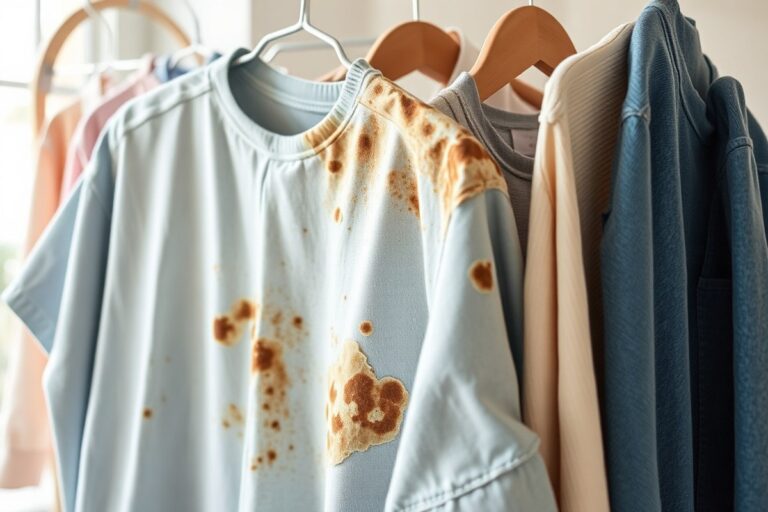
How to Clean Leather Clothes: Simple Steps for Lasting Care and Stain Removal
Cleaning leather clothes safely at home means using gentle products that protect the leather’s natural oils and avoid harsh chemicals. To clean leather properly, use a soft cloth with mild leather cleaner, spot treat stains carefully, and always condition afterward to maintain softness and durability.
This guidance suits leather clothing owners who want simple, effective methods for caring for their garments without risking damage. You’ll learn how to select the right products, handle different leather types, and remove common stains while preserving your leather’s quality.
Key Takeaways
- Identify your leather type first; suede requires more delicate care than smooth leather.
- Use cleaners designed to preserve leather’s oils, such as Meltonian All Purpose or Woolite Everyday.
- Spot treat oil stains by applying cornstarch and letting it sit 15, 20 minutes before brushing off.
- Create a paste with lemon juice and cream of tartar for tougher stains, letting it sit 10 minutes.
- Apply leather conditioner evenly with a soft cloth after cleaning and drying the garment.
- Store leather clothes in a stable environment with 40, 60% humidity and moderate temperature.
How to Clean Leather Clothes Safely at Home

Cleaning leather clothes at home requires a gentle, deliberate process to maintain their look and extend their life. Dirt and oils can build up over time, so regular surface cleaning prepares the leather for conditioning and helps prevent damage. Using a suitable leather cleaner protects the material from drying out or losing its natural texture. Avoiding harsh scrubbing and excess moisture preserves the leather’s integrity.
Before you begin, gather soft microfiber cloths, a soft-bristle brush, a gentle leather cleaner like Quick ’n Brite diluted at 1/4 oz per 16 oz water, and access to cool, indirect airflow for drying. Clean your leather clothes in a well-ventilated area to help them dry faster without heat, which can cause cracking.
- Remove surface dirt and dust. Use a soft-bristle brush or a dry microfiber cloth to gently brush off any loose particles. This step prevents dirt from embedding during cleaning.
- Test the cleaner on a hidden spot. Apply a small amount of diluted leather cleaner on a discreet area to check for any discoloration or texture change. Wait a few minutes before proceeding.
- Apply the cleaner sparingly. Dampen a clean microfiber cloth with the diluted solution and gently wipe the leather in circular motions. Avoid soaking the leather; use just enough moisture to lift dirt.
- Focus on stained or soiled areas. For tougher spots, apply a little more cleaner with a soft cloth, still avoiding scrubbing motions. Let the cleaner work for a few minutes without letting the leather stay wet.
- Dry the garment naturally. After cleaning, gently blot excess moisture with a dry microfiber cloth. Hang or lay the garment flat in a cool spot away from direct sunlight or heat sources until completely dry. This may take several hours.
- Inspect and repeat if necessary. Once dry, check your leather for any remaining dirt or stains. Repeat the gentle cleaning steps if needed, but avoid over-cleaning as it weakens the leather.
- Prepare for conditioning. After thorough drying, the leather will be ready for conditioning to restore softness and suppleness, but only if the surface feels dry or stiff.
Identifying Leather Types and Their Cleaning Needs

Knowing your leather type is key for choosing the right cleaning approach and avoiding damage. Start by examining the surface and texture of your leather clothing. Smooth leather, like lambskin or cowhide, has a flat, slightly glossy finish. Suede features a soft, velvety nap, while nubuck is similar but with a finer, sturdier texture. Shearling has leather on one side and a woolly pile on the other, and faux leather often has a synthetic feel and backing.
The reason this matters is that cleaning methods differ sharply between types. Smooth leather can usually withstand gentle cleaning with mild solutions, but suede and nubuck are sensitive to water and traditional cleaners, which can stain or mat the nap. Faux leather generally requires milder care that avoids harsh chemicals. Using the wrong method risks discoloration, stiffness, or permanent texture damage. Here’s a simple way to identify your leather type that guides you in getting the right cleaning:
| Material | What It Looks and Feels Like | What to Tell the Cleaner |
|---|---|---|
| Smooth leather (lambskin, cowhide) | Flat, slightly glossy surface | Any scuffs, ink marks, or water spots |
| Suede | Soft, napped, velvety | Oil, food or water stains, and any matting |
| Nubuck | Fine nap, sturdier than suede | Same as suede |
| Shearling | Leather outside, wool pile inside | Which side is stained, and any odor |
| Faux leather | Looks like leather, with vinyl or urethane backing | That you believe it is fake leather |
Once you identify the type, check product labels carefully. Many general-purpose leather cleaners work well on full grain, top grain, and finished smooth leather, cleaning and conditioning simultaneously without stripping natural oils. Specialized products exist for suede and nubuck, which call for dry cleaning or specific care to avoid water damage. Faux leather needs products that won’t crack or peel the synthetic surface, often very affordable compared to natural leather care.
Conditioning also varies by type. Smooth leather benefits from creams that nourish while adding a protective barrier. Suede and nubuck should avoid creams, using sprays made just for them or professional care. Knowing the leather type helps balance cleaning effectiveness, appearance preservation, and longevity, so take the time to assess your garment before applying any product.
Do not use water-based cleaners on suede or nubuck; instead, opt for a dry brush or specialized spray to prevent stains and matting.
Essential Supplies for Cleaning and Conditioning Leather
To clean and condition leather clothes effectively and safely, you need specific products that protect the leather’s natural oils and texture. The essential supplies include gentle leather cleaners, conditioners that replenish moisture, and soft tools designed to avoid damage. Using the right items helps maintain your leather’s color and prevents cracking or stiffness over time.
Recommended Leather Cleaners and Conditioners
Look for leather cleaners labeled as gentle and designed to preserve natural oils, such as Meltonian All Purpose Shoe Cleaner & Conditioner or Woolite Everyday, which typically costs around $14. These products clean dirt and stains without stripping oils responsible for the leather’s softness and shine.
Conditioners play a important role after cleaning. They restore moisture lost during washing, keeping the leather flexible and preventing flakes or cracks. Select conditioners that match the leather type and avoid harsh chemicals like bleach or alcohol, which dry out the material.
Tools for Gentle Cleaning and Maintenance
Use tools that support gentle cleaning to avoid scratching or dulling leather surfaces. Soft, clean cloths (like microfiber) are essential for applying cleaners and conditioners without causing abrasion. Also, a soft-bristled brush helps remove surface dust without damaging leather fibers.
Maintaining a schedule by dusting leather weekly with a dry microfiber cloth helps extend the garment’s life by removing surface dirt and preventing buildup. Always test cleaners first on a hidden area to check for any unwanted color changes.
- Soft microfiber or cotton cloths for application and wiping
- Soft-bristled brush for dust removal
- Leather-specific cleaner and conditioner
- Small bowl or container for diluting cleaners if needed
- Dry towel for blotting excess moisture
- Spot test area on the garment
Having these tools ready allows you to clean leather efficiently and reduces the risk of damage from rough materials or improper techniques.
Safe Household Alternatives and What to Avoid
Some household items can help in a pinch but are generally less recommended than products made for leather. Mild, unscented soaps diluted in water can work for light cleaning on smooth leather but should be used sparingly. Vinegar or saddle soap, used carefully and in small amounts, may also clean without harsh effects if thoroughly diluted.
Avoid all-purpose cleaners, harsh detergents, dish soaps, bleach, ammonia, and alcohol-based solutions. These can strip essential oils, dry out the leather, and cause color fading or cracking. Using non-toxic, leather-safe products also benefits your health by limiting exposure to respiratory irritants and harsh chemicals.
Removing Common Stains from Leather Clothes
Identifying and removing common stains on leather clothes requires careful attention to the type of stain and the leather’s sensitivity. Oil, water, ink, and mildew each demand specific treatments to avoid damage. Using safe, mild methods helps preserve your garment’s texture and appearance without harsh chemicals.
Tackling Oil and Grease Stains
Oil and grease stains come from substances like food, skin oils, or lotions. These stains can darken leather and seep into the fibers, risking permanent marks. Talcum powder or cornstarch provides a simple, inexpensive way to absorb these oils while protecting the leather. Follow these steps to treat oil and grease stains effectively:
- Sprinkle a generous layer of talcum powder or cornstarch directly onto the affected area.
- Let the powder sit for at least 4 to 6 hours, or overnight for heavy stains, to absorb the oil fully.
- Gently brush off the powder using a soft brush or clean cloth, avoiding rubbing the stain deeper.
- Repeat applying the powder once more when the stain remains before trying a cleaner that is safe for leather.
- Optionally, use a mild leather cleaner formulated to remove oil stains, applying it sparingly with a soft cloth.
- Let the leather dry on its own in a shaded place, avoiding any direct heat or sunlight that might cause it to crack.
- Finish by applying a leather conditioner to restore moisture and suppleness.
The powder costs just a few dollars and uses common household items, making this a low-cost home method. Avoid using water directly on oil spots, as it can spread the stain and damage the leather’s surface.
Treating Water and Ink Marks
Water stains usually appear as lighter or darker spots after moisture hits the leather unevenly. Quick blotting with a dry cloth can prevent damage, but treated incorrectly, water can warp or stiffen leather. Ink stains require faster action because ink penetrates leather fibers swiftly, making removal harder over time. Steps to manage water and ink stains carefully:
- For water stains, blot the area immediately with a clean, dry, absorbent cloth without rubbing.
- Allow the leather to dry naturally at room temperature away from heat sources.
- Lightly dampen the whole stained section using distilled water on a soft cloth to blend the color when water stains are still noticeable.
- Always let the leather dry fully after any moisture treatment to avoid swelling or warping.
- For ink stains, use a leather-safe ink remover sparingly, applying it with a cotton swab to the affected spot.
- Test the remover first on a hidden spot to avoid discoloration or damage.
- Seek professional cleaning if the ink stain won’t come off with remover to avoid making it worse.
Light cleanup can be done by wiping down with a damp cloth and mild soap solution, but avoid soaking the leather. Proper drying after treatment is essential for both water and ink stains.
Handling Mold and Mildew Safely
Mold and mildew appear as small, fuzzy patches usually caused by humidity or improper storage. These fungi weaken leather and create health concerns. Treating them early with a safe cleaning solution helps bacteria removal and leather preservation. To remove mold or mildew:
- Create a cleaning solution of equal parts distilled water and white vinegar.
- Dampen a clean cloth with the solution and gently wipe the affected leather surface.
- Avoid saturating the leather; use just enough moisture to clean mold without soaking.
- Allow the leather to air dry completely in a well-ventilated area.
- Once dry, apply a leather conditioner to restore moisture lost during cleaning.
- Keep leather stored in a dry, breathable space to prevent future mold growth.
This method uses inexpensive household ingredients and prevents mold spread without harsh chemicals that degrade leather. Avoid using bleach or ammonia-based cleaners, as they may discolor or weaken the material.
How to Condition Leather Clothes for Softness and Longevity
Conditioning leather clothes is essential to keep them soft, prevent cracking, and extend their lifespan. You should condition leather after cleaning and approximately every two to six months depending on use and climate. Proper application followed by sufficient absorption and buffing helps restore moisture and flexibility effectively.
Choosing the Right Leather Conditioner
Use a conditioner specifically formulated for leather garments, not for shoes or furniture, as the formulation differs. Products containing natural oils like mink or jojoba, or modern synthetic conditioners, work well to replenish the leather’s moisture content. Avoid heavy wax-based conditioners that can clog the pores and reduce breathability.
The frequency of conditioning varies by environment and use: condition every two to three months in hot, dry climates; every four to six months in mild climates; and every three to four months for items with heavy use, like leather jackets you wear often. Leather clothes used seasonally typically need conditioning twice a year.
Application and Absorption Guidelines
Apply leather conditioner only to clean, dry leather to maximize absorption. Use a small amount to avoid saturating the leather, which may cause a sticky feel or discoloration. Follow these steps for applying conditioner:
- Test the conditioner on an inconspicuous patch to check for color change or damage.
- Apply a thin, even layer with a clean, soft cloth or sponge using circular motions.
- Cover the entire surface, paying attention to dry or stiff areas.
- Allow the conditioner to sit and absorb for at least 30 minutes to 1 hour at room temperature.
- When leather is very dry, applying a second light coat may help; however, avoid over-conditioning.
Avoid applying conditioner on wet or soiled leather to prevent trapping dirt or causing damage.
Buffing and Final Finishing Techniques
Buffing the leather after conditioning restores its natural sheen and removes any excess product. Use a clean, dry microfiber cloth and gently rub the surface in circular motions. Proper buffing completes the conditioning process and helps even out the leather’s appearance.
After buffing, let the leather air out for another hour before storing or wearing. This allows residual moisture from the conditioner to dissipate evenly, preventing stickiness or uneven texture. Regular buffing after each conditioning keeps your leather clothes looking polished and soft.
Maintaining and Storing Leather Clothes Between Cleanings
Proper storage is essential to maintaining the condition of your leather clothes between uses. Use wide, padded hangers to support the garment’s shape and prevent unwanted creases. Keep leather pieces in a cool, dry area away from direct sunlight and heat sources, which can dry out the material and cause fading. Avoid plastic garment bags for long-term storage since they trap moisture and increase the risk of mold or mildew, which leads to unpleasant odors and damage.
To reduce the need for deep cleaning, develop simple routines that keep your leather fresh. After wearing, wipe the surface gently with a slightly damp cloth to remove surface dirt and sweat. Airing out your leather outdoors (but not in direct sunlight) helps dissipate odors, especially if the garment has been exposed to smoke or light rain. Using these habits consistently slows buildup of grime and odor-causing bacteria.
- Hang leather clothes on wide, padded hangers to maintain shape
- Store in a cool, dry place away from sunlight and heat
- Wipe down leather lightly with a damp cloth after each use
- Air out garments in fresh air for a few hours to reduce odors
- Use a breathable cloth bag for storage instead of plastic
- Keep humidity below 60% in storage areas to prevent mold
- Brush suede pieces monthly with a suede brush to preserve texture
Controlling humidity is key for preventing mold growth. Use a dehumidifier or moisture absorbers like silica gel packets when storing leather in basements or humid climates. Regular checks of stored items can catch early signs of mold or mildew so you can clean them promptly. Keeping your leather clothes well cared for with these storage and maintenance habits will keep them looking fresh and odor-free without frequent intensive cleaning sessions.
Common Mistakes When Cleaning Leather and How to Fix Them
A common harmful error in cleaning leather garments is making them too wet. Because leather soaks up water, it can become stiff, lose its shape, and develop dark spots. If your leather gets overly damp during cleaning, gently pat it dry with a soft cloth and allow it to dry naturally at room temperature. Keep it away from heat sources such as radiators or hair dryers to prevent cracking. Once fully dry, use a leather conditioner to help recover softness and fix slight stiffness caused by moisture.
Harsh chemicals, including bleach, ammonia, and household detergents not designed for leather, strip away the natural oils and damage the surface. You might see discoloration, rough patches, or peeling as a result. After applying a harsh chemical by accident, carefully wipe the leather with a cloth dampened with distilled water to clear away any residue. Follow this by allowing the item to dry slowly and evenly. After drying, use a high-quality leather conditioner to replenish lost oils. In cases where discoloration or damage is significant, professional cleaning and restoration are strongly recommended. Leather specialists have access to treatments and dyes that can improve or fix these problems.
Another common error is using abrasive cleaners, furniture polish, or even baby wipes, which can remove the leather’s finish or cause buildup. Instead, choose products specifically formulated for leather care. Storing leather items in damp or overly warm places fosters mold growth and deformation. Keep them in cool, dry areas with good air circulation to avoid this problem.
- Never soak leather heavily during cleaning.
- Avoid all bleach, ammonia, or non-leather detergents.
- Use only cleaners and conditioners made for leather.
- Dry naturally at room temperature, away from heat sources.
- Store leather in cool, dry, ventilated places to prevent mold.
- Get professional cleaning for tough stains or damage.
Knowing when to stop DIY efforts is essential. Leather stains that penetrate deeply, severe discoloration, cracking, or extensive water damage usually need professional help. Qualified leather cleaners use specialized additives to restore suppleness and can perform spray dyeing to even out color variations, though some color change may still occur. Professional cleaning costs vary widely but typically run from $50 to $150 for an average-valued garment. Investing in expert care can extend your leather’s lifespan and preserve its look better than persistent home attempts with the wrong products.
Choosing Between Homemade and Commercial Leather Cleaners
You can use both homemade and commercial leather cleaners safely, but effectiveness and preservation of your leather clothes depend on choosing the right approach. Homemade cleaners often rely on gentle, non-toxic ingredients like diluted vinegar or mild soap, reducing exposure to harsh chemicals. This safer environment helps avoid skin irritation or damage to the leather’s surface, especially if you prefer a natural method. However, homemade solutions may not always remove tougher stains or penetrate as well into the leather.
Commercial leather cleaners, especially those formulated for multiple leather types, typically contain carefully balanced ingredients to clean without stripping oils or dulling finishes. Products like Ferber Painting’s Leather Cleaner offer versatility for different leather kinds, reducing the risk of damage. These cleaners are designed to soak into dry leather directly, making it easier to remove dirt and restore the natural look without pre-wetting cloths or using multiple cleaners. On the downside, commercial products can be more expensive and sometimes include chemicals that irritate sensitive skin or harm certain leather finishes.
| Aspect | Homemade Cleaners | Commercial Cleaners |
|---|---|---|
| Safety | Non-toxic, natural ingredients; good for sensitive skin | Usually safe but may contain mild chemicals; check label |
| Effectiveness | Good for light dirt and basic stains; less effective on tough stains | Effective on a wide range of stains; designed for diverse leather types |
| Preservation | Gentle but may not maintain oils well; requires follow-up conditioning | Formulated to clean and preserve oils; often improves shine |
| Ease of Use | Mix ingredients yourself; requires knowledge of ratios | Ready-made; easier application with instructions |
| Cost | Low cost; affordable common ingredients | Higher cost; can range from $10 to $30 per bottle |
| Suitability | Best for unfinished or natural leather types | Works across multiple leather types and finishes |
To decide what cleaner suits your leather, begin by identifying the leather type and finish. Unfinished or suede leathers respond better to gentle homemade cleaners, while finished or coated leathers benefit from commercial products made for multi-leather care. For tougher stains or heavily soiled garments, commercial cleaners usually deliver better results.
Always test any cleaner on a small, hidden area of your leather clothing before full application to avoid unexpected damage.
Apply your chosen cleaner with a soft cloth using light circular motions, focusing on soiled spots. No need to wet the cloth first; most leather cleaners absorb better on dry leather. After cleaning, conditioning is important to restore moisture and maintain softness. You can expect to spend a few minutes on cleaning and conditioning each session to keep your leather clothes looking their best and lasting longer.
Step-by-Step Action Plan for Cleaning and Maintaining Your Leather Clothes
Follow this plan to keep your leather clothes clean, soft, and well-maintained without damage.
- Before you start: Identify the type of leather and check for care labels to select appropriate cleaning methods.
- Day 1: Perform a spot test with your chosen cleaner on an inconspicuous area to ensure no discoloration or damage occurs.
- Day 2: Gently clean the leather with a soft cloth and mild cleaner, focusing on stained or dirty areas until they fade.
- Day 3: Apply a leather conditioner evenly to restore oils and maintain leather softness; wait until it is fully absorbed.
- Week 1: Store your leather clothes in a cool, dry place using breathable garment bags to avoid moisture buildup and wrinkles.
- Every 3 months: Repeat cleaning and conditioning to preserve the leather’s appearance and flexibility.
- As needed: Address new stains promptly with appropriate stain removal techniques to prevent permanent marks.
- After any mistake: Apply mild leather cleaner and conditioner immediately to repair superficial damage and keep leather supple.
Frequently Asked Questions
How to Clean a Leather Purse?
Clean a leather purse gently with a soft cloth and a mild leather cleaner or a mild soap solution. Avoid soaking; use a damp cloth to wipe off excess cleaner, then let it air dry completely before applying a leather conditioner to keep it soft.
Is Murphy’s Oil Soap Good for Leather?
Murphy’s oil soap is not recommended for leather since it can strip natural oils, causing dryness and damage. Use a cleaner specifically made for leather to preserve its softness and durability.
What Is the Best Homemade Leather Cleaner?
A mixture of a few drops of castile soap with distilled water works well as a gentle homemade leather cleaner. Use it sparingly with a soft cloth to avoid over-wetting and always follow with conditioning.
Is Dawn Dish Soap Good for Cleaning Leather?
Dawn dish soap is not ideal for leather because it can remove the leather’s natural oils, leading to dryness and cracking. Stick to pH-neutral or specially formulated leather cleaners for safe cleaning.
Can You Machine Wash Leather Clothes?
Machine washing leather clothes is unsafe as it can cause shrinkage, stiffness, and damage to the material. Hand cleaning with appropriate cleaners is necessary to maintain leather’s quality.
How Often Should You Condition Leather Clothes?
Condition leather clothes every 3 to 6 months, depending on use and climate, to keep them soft and prevent cracking. Conditioning restores oils lost during cleaning and wear.
Final Thoughts
Cleaning leather clothes safely at home requires patience and using the right products for your leather type. Regular conditioning and careful stain removal will extend your garments’ life and keep them looking their best. Start today by inspecting your leather and choosing a safe cleaner for a spot test to protect your investment.