How to Remove Mold Odor: 8 Practical Steps for Lasting Freshness
To remove mold odor permanently, you must eliminate the moisture source and physically remove the mold before treating the area with effective cleaners. Maintain indoor humidity below 60 percent and ensure good ventilation to prevent the smell from returning. This approach tackles both the cause and the lingering smell for lasting freshness.
Homeowners and renters dealing with musty smells will find practical advice to identify hidden mold, choose the right cleaning solutions, and manage indoor humidity. Each step focuses on safe and proven methods to restore clean indoor air and keep your living space mold-free.
Key Takeaways
- Fix all moisture problems before mold removal to stop odor at its source.
- Physically remove visible mold growth before applying cleaning solutions.
- Use undiluted, distilled white vinegar to effectively kill and remove mold odor.
- Apply 3% hydrogen peroxide or a baking soda, vinegar, water mix for cleaning walls.
- Run a dehumidifier to keep indoor humidity ideally between 30 and 50 percent.
- Ventilate areas well to prevent mold odor from returning after cleaning.
1. How to Remove Mold Odor Permanently by Targeting Its Source

Removing mold odor permanently involves more than just masking the smell; it requires eliminating both the mold and the moisture that feeds it. Since mold produces gases known as microbial volatile organic compounds (MVOCs) during its growth, these compounds create the persistent musty odor. Stopping this odor means targeting the mold colony directly and fixing the conditions that allow it to thrive. Once you remove the mold and moisture source, the odor typically fades within 3 to 14 days, depending on ventilation and cleanup thoroughness. Follow these detailed steps to kill mold and remove its odor safely and effectively:
- Locate and fix the moisture source. Mold cannot grow without moisture, so inspect areas like leaks under sinks, around windows, or in basements. Repair any plumbing issues, seal leaks, and improve drainage to remove the mold’s food supply. Without stopping moisture, mold and its smell will return.
- Ventilate the area well. Open windows and use fans to increase airflow. This speeds drying and reduces humidity, preventing mold from thriving again. Consider running a dehumidifier to keep indoor humidity below 50% after cleaning.
- Remove visible mold growth. Wear gloves, a mask, and eye protection. For hard surfaces, use undiluted distilled white vinegar or 3% hydrogen peroxide applied with a spray bottle. Let sit for 10 to 15 minutes, then scrub with a brush and rinse. Avoid bleach except on nonporous surfaces; never mix bleach and ammonia.
- Clean porous materials carefully. Porous items like ceiling tiles, drywall, or carpet with mold often need removal because mold can embed deeply. Removal not being an option calls for using a borax solution made with 1 cup borax per gallon of water to clean the area and prevent mold from growing back.
- Sanitize and deodorize surfaces. Once the mold is eliminated, clean the spot with a solution made from 2 parts baking soda, 1 part white vinegar, and 1 part water. This combination helps neutralize smells and prevents mold spores from growing back, all without harsh chemicals.
- Clean and refresh the air. Use an air purifier with a HEPA filter or an air scrubber designed to remove mold spores and MVOCs. These machines can be especially helpful if the mold odor is widespread or recirculates through HVAC systems.
- Monitor and maintain dryness. Keep humidity low with ventilation or a dehumidifier, particularly in basements or bathrooms. Regularly inspect areas prone to moisture to catch mold early and prevent smells from returning.
Expect the mold smell to gradually disappear within one to two weeks after cleaning. Odors lasting more than 14 days usually indicate that some mold is still present, moisture problems continue, or there are hidden mold spots yet to be addressed. Calling a professional mold remediation service is wise if mold covers more than 10 square feet, if the smell continues despite your efforts, or if it spreads through HVAC ducts. Professionals can assess, contain, and remove mold safely and thoroughly, ensuring the odor does not come back.
2. How Mold Odor Develops and Why It Lingers

The musty smell you notice in your home comes from microbial volatile organic compounds, or MVOCs, that mold releases while it grows. These gases are byproducts of mold metabolism as it consumes organic material like wood, fabric, or drywall. The odor is often described as damp, earthy, or similar to wet socks. The intensity of this smell directly relates to the size and activity of the mold colony producing these compounds.
MVOCs are different from the mold spores themselves, they are tiny chemical molecules that float in the air, causing that distinct odor even if you don’t see visible mold. The smell tends to linger because MVOCs can seep into porous materials such as carpets, upholstery, ceiling tiles, and drywall. These materials act like sponges, absorbing the gases and slowly releasing them back into the air over time, which keeps the smell around long after a surface appears clean.
Environmental factors strongly affect how persistent mold odor can be in your home. High humidity above 60 percent encourages mold growth and MVOC production, making the odor more noticeable and harder to eliminate. Poor airflow also allows these compounds to concentrate inside rooms. Consistently maintaining indoor humidity between 30 and 50 percent with a dehumidifier reduces mold activity and MVOC levels, helping odors fade faster. Sunlight exposure helps dry out affected materials and prevents mold spores from spreading, which also decreases future odor issues.
Many times, the presence of a mold smell without visible mold means hidden growth. Mold can be growing behind walls, under floors, inside air ducts, or in crawl spaces. These hidden colonies continue to release MVOCs into your home’s air. Removing the visible mold source is important because just masking the smell with air fresheners won’t stop the odor-producing gases. Also, many commercial sprays add other volatile chemicals that could worsen indoor air quality instead of improving it.
Clearing mold odor requires physically removing mold and controlling moisture to stop MVOC production. For example, using undiluted distilled white vinegar can kill about 80 percent of mold species on surfaces, reducing the source of odor. Allowing cleaned items to dry thoroughly in sunlight helps reduce trapped odors in fabrics or cushions. Without addressing mold growth and environmental conditions like humidity and ventilation, MVOCs will continue to cause a persistent musty smell.
Remove mold growth before trying to eliminate the smell; as long as mold is active, the musty odor will keep coming back no matter what you spray or mask it with.
3. Locating Hidden Mold Odor Sources Effectively
Locating the source of a mold odor without visible signs requires careful inspection and the right tools. Focus your search on areas prone to mold growth where moisture is likely present but hidden. Using moisture detection tools and checking hard-to-see spots can help you find mold behind walls, under floors, or inside HVAC systems.
Check Common Mold-Prone Areas
Start by investigating places where moisture collects regularly. Bathrooms, basements, crawl spaces, and around windows or plumbing fixtures are typical spots for hidden mold. A strong, musty odor often points to mold growing behind drywall or beneath flooring.
Look for subtle signs like water stains, warped surfaces, or peeling paint. These clues indicate possible mold growth even if you can’t see the mold itself. Mold often hides in damp, dark corners or around leaks and drips.
Use Moisture Meters and Humidity Readers
Moisture meters and humidity readers can help identify damp areas that encourage mold growth. These tools measure the moisture level inside building materials like wood or drywall without damaging them.
To use a moisture meter, press the sensors against walls, floors, or ceilings in suspected areas. Moisture levels above 16% often indicate conditions suitable for mold growth. A humidity reader shows the air moisture percentage; indoor humidity above 60% increases mold risk.
Renting moisture meters typically costs between $30 and $50 per day, or you can buy inexpensive models for about $50 to $100. Accurate readings guide you to spots that may harbor hidden mold but look dry on the surface.
Inspect Hidden Spots Like Behind Walls and Under Carpets
Hidden mold commonly grows behind drywall, wallpaper, cabinetry, or under carpets. Pull back carpets or furniture to check for dampness, musty smells, or visible mold on the underside or floorboards. Mold can also grow inside HVAC systems and ductwork, spreading odors throughout your home.
Use a flashlight to inspect dark areas, including behind baseboards and inside closets. You might find mold around insulation or in crawl spaces where ventilation is limited. Although cutting open walls can reveal mold, avoid this unless you are sure of the location or have professional advice to prevent unnecessary damage.
- Identify rooms and areas with strong moldy odors or reported water issues.
- Visually inspect for water stains, peeling paint, warped surfaces, or condensation buildup.
- Use a moisture meter to test walls, floors, and ceilings, especially near plumbing or exterior walls.
- Check indoor humidity levels with a hygrometer and aim to keep it below 60% to prevent mold.
- Lift carpets, rugs, or furniture in smelly areas to examine floorboards and carpet padding for moisture or mold.
- Use a flashlight to look behind furniture, inside cabinets, and along baseboards for mold or dampness.
- Inspect HVAC vents and ductwork for musty smells or visible mold and consider professional duct cleaning if needed.
- Call a licensed mold inspector for further testing or if steps identify hidden mold but you cannot remove it safely yourself.
4. Cleaning Solutions Compared: What Works Best on Mold Odor?
Choosing the right cleaning solution to remove mold odor depends on several factors: the type of surface, safety concerns, and how effectively it kills mold rather than just masking the smell. Natural agents like white vinegar, hydrogen peroxide, baking soda, borax, and tea tree oil offer a balance of mold-killing power and safety. Chemical solutions can sometimes act faster but come with risks like harmful fumes and surface damage.
White vinegar is a popular natural option. At full strength, it kills most mold species and neutralizes odors without toxic fumes. Apply it directly to the moldy area, let it sit for at least 10 minutes, then scrub with a medium-bristle brush. Repeat as needed. Avoid bleach on porous surfaces like painted walls or drywall because bleach only cleans surface mold and won’t reach deeper layers where mold hides.
Hydrogen peroxide at a 3% concentration disinfects moldy spots effectively and breaks down mold structures. Spray it onto the area, allow it to sit for 10 minutes, then scrub and dry completely. Hydrogen peroxide is safe for most surfaces, including wood, tile, and fabric, without leaving toxic residues.
| Cleaning Agent | Effectiveness on Mold | Best Surfaces | Safety & Precautions |
|---|---|---|---|
| White Vinegar (full strength) | Kills most mold types; reduces odor | Hard, non-porous surfaces, tile, glass | No toxic vapors; avoid on sensitive surfaces (natural stone) |
| Hydrogen Peroxide (3%) | Disinfects well; breaks down mold | Wood, tile, fabric, painted surfaces | No harmful fumes; avoid mixing with vinegar/bleach |
| Baking Soda (with water) | Deodorizes; mild mold-killer | Grout, carpets, fabrics | Safe; may need repeated application |
| Borax (mixed with water) | Kills mold; prevents regrowth | Wood, concrete, tile | Toxic if ingested; keep away from children/pets |
| Tea Tree Oil (diluted) | Effective antifungal; deodorizes | Non-porous surfaces, fabrics | Strong scent; potential allergen; test first |
| Bleach (diluted) | Kills surface mold only | Non-porous surfaces only | Produces harmful fumes; avoid on porous surfaces |
Baking soda is less potent at killing mold but helps absorb moisture and odors, making it useful for regular maintenance or light mold issues. Borax mixed with water kills mold and prevents its return, but it must be handled carefully because it’s toxic if swallowed. Tea tree oil works well as a natural antifungal on fabrics and non-porous surfaces but may cause allergic reactions in some people.
Regular cleaning with these agents should always start by spraying or applying the solution, waiting about 10 minutes for it to penetrate, then scrubbing in circular motions with a medium-bristle brush. Fully drying the area afterward is essential to stop mold from returning. Avoid using bleach in areas where mold grows deep beneath the surface, such as painted drywall or wood. It can also damage some materials and won’t remove the odor completely.
Natural remedies typically do not pose the same risks as chemical cleaners but may require more time or repeated treatments for stubborn mold. Choose cleaning solutions based on the surface type and personal safety concerns, and always ventilate the area well during cleaning. Avoid mixing solutions, especially bleach with vinegar or hydrogen peroxide, because harmful gases can form.
5. How to Clean Mold Odor from Different Surfaces Safely
Mold odor sticks differently to porous and nonporous surfaces, so tackling it means choosing the right cleaning approach for each type. Fabric, carpets, and furniture can trap smells deep inside, while HVAC systems spread odors throughout your home if not cleaned properly. Some materials heavily affected by mold smell may require disposal to avoid ongoing issues.
Fabric, Clothing, and Upholstery Care
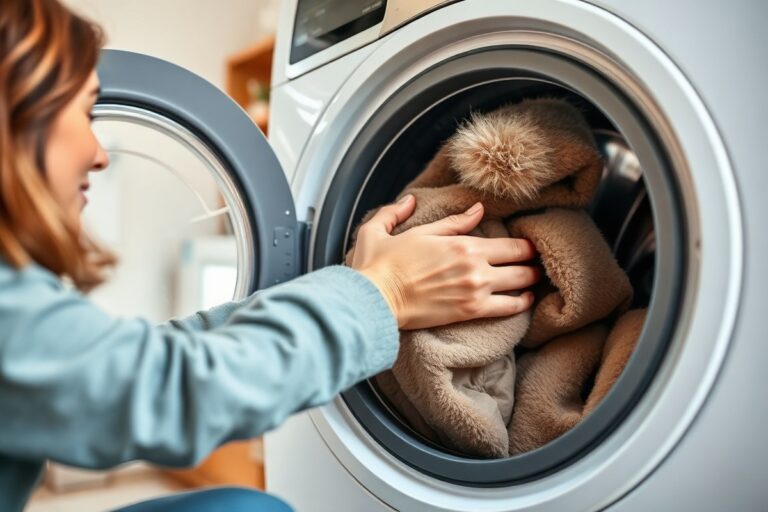
Fabrics like clothing, curtains, and upholstery absorb mold-related microbial volatile organic compounds (MVOCs) quickly, carrying the odor long after moisture is gone. To remove musty odors from washable fabrics, start by washing them in the hottest water safe for the material combined with a mold-fighting detergent or half a cup of white vinegar. Sun-drying these fabrics helps reduce smell since UV rays break down mold compounds naturally.
For upholstery, sprinkle baking soda or cornstarch directly on the surface and let it sit overnight. Vacuum thoroughly the next day to lift out odor-causing particles. When the smell lingers, deep mold growth in cushions could be the issue, often needing professional cleaning or replacement of the affected items. Avoid using ammonia or bleach on fabric, as these can damage fibers and increase fumes.
Carpets and Rugs Cleaning Methods
Since carpet padding and upholstery can absorb mold odor deeply, surface cleaning alone often isn’t enough. Sprinkle baking soda or cornstarch liberally over carpets or rugs to neutralize odors. Allow it to sit for at least 12 hours before vacuuming with a vacuum that has a HEPA filter to trap mold spores effectively.
Visible mold growth or areas larger than 10 square feet call for hiring a mold remediation professional. Heavily musty carpets and padding may need to be removed and replaced, as the odor can continue to off-gas even after cleaning. Blotting mold stains with a mixture of white vinegar and water can help on smaller spots but should be followed by thorough drying to prevent regrowth.
Throw away items like heavily moldy upholstery, rugs, or carpet padding; odor removal may not be possible and can pose health risks.
HVAC and Vents Mold Odor Removal
Mold inside HVAC systems, including ducts, drip pans, and air handlers, often causes musty smells throughout the home. Start by turning off the system and replacing all air filters with new ones rated for mold spore filtration. Clean visible mold growth on accessible components using a commercial mold cleaner or diluted vinegar solution, allowing it to sit on surfaces for 10-15 minutes before wiping.
For mold confirmed inside ductwork, professional duct cleaning is advisable since ducts are difficult to access and improper cleaning can spread spores further. Regular maintenance, including checking drip pans for standing water and improving ventilation around HVAC units, prevents mold buildup. Running the system with fresh filters and clean ducts should reduce musty odors over time.
6. How Humidity and Ventilation Affect Mold Smell and Its Prevention
Mold odors primarily result from mold spores releasing microbial volatile organic compounds (MVOCs) in damp environments. Controlling indoor humidity prevents mold growth and the return of musty smells. Keeping relative humidity below 50% is critical since mold thrives in moisture above that level. Dehumidifiers play a key role by removing excess moisture from the air. Using a dehumidifier in damp spaces like basements can reduce humidity to optimal levels, slowing mold development and cutting down on odor over time.
Ventilation helps by increasing air movement and exchanging moist indoor air with drier outdoor air. Proper airflow dries surfaces and decreases the chance for mold to settle and grow. Rooms should have well-functioning exhaust fans in bathrooms and kitchens. Opening windows when weather permits also improves ventilation. Without adequate ventilation, humidity can accumulate even if a dehumidifier is running, allowing mold and its odor to reappear.
Preventing mold smell from coming back depends on combining humidity control and ventilation with prompt repairs of water leaks. Fix dripping pipes, roof leaks, or any sources of persistent dampness. Cleaning the affected areas with anti-fungal agents after moisture removal prevents mold colonies from reforming. Painting cleaned areas with mold-resistant paint adds a barrier against future growth, especially on drywall and wood surfaces.
- Measure indoor humidity with a hygrometer, aiming for 30-50% relative humidity.
- Use a dehumidifier sized for the room, running continuously in damp areas like basements.
- Ensure bathroom and kitchen exhaust fans vent outside and run during/after use.
- Open windows periodically to increase cross-ventilation when weather allows.
- Repair leaks in plumbing, roofs, and windows promptly to stop moisture entry.
- After cleaning mold, apply antimicrobial treatment and consider mold-resistant paint.
- Avoid heavy carpets or upholstery in poorly ventilated, moisture-prone rooms.
Dehumidifiers cost between $150 and $300 for average models, with larger units or whole-house systems priced higher. They require low maintenance, such as emptying water tanks or ensuring drainage. Ventilation upgrades might include installing or repairing exhaust fans, costing from $100 to $300 depending on complexity. Achieving the right balance of low humidity and good airflow typically stops mold from returning and removes associated odors. Without these controls, even thorough cleaning may only provide temporary relief, as mold will thrive again in moist, stagnant air.
7. Common Mistakes When Removing Mold Smell and How to Fix Them
Attempting to remove mold odor often leads to common mistakes that keep the smell lingering or even worsen it. One frequent error is masking the odor with air fresheners or candles without addressing the underlying mold. This only covers the scent temporarily because mold’s smell comes from volatile compounds the mold releases, and these fade only when the source is eliminated.
Another mistake is using the wrong cleaning products. For example, some household cleaners fail to kill mold spores or penetrate materials deeply enough. Bleach can remove surface mold but won’t reach mold inside porous materials like drywall or wood, allowing odor and mold to return. Use EPA-approved mold removers or solutions with at least 70% isopropyl alcohol for effective cleanup, but always follow product instructions carefully.
People often miss hidden mold patches. Mold can grow behind walls, under carpets, or inside HVAC systems, which means cleaning visible mold won’t stop the mold odor. Persistent smells after cleaning usually mean some mold remains out of sight. Removing the mold and fixing moisture problems that feed it are important for success.
- Masking odor with sprays or candles instead of cleaning
- Using bleach alone on porous materials
- Ignoring hidden mold behind walls or under flooring
- Cleaning only visible mold patches
- Not drying areas completely after cleaning
- Failing to fix leaks or humidity issues causing mold growth
- Trying to DIY with mold covering over 10 square feet (0.93 m²)
Drying cleaned areas thoroughly within 24-48 hours prevents mold from returning. Use dehumidifiers or fans to lower indoor humidity below 60%, ideally between 30-50%, as recommended by the CDC. If odor persists after thorough cleaning and drying, recheck for hidden mold or moisture sources. Sometimes removing baseboards or inspecting behind drywall is needed, or an HVAC professional might be required to clean ductwork.
DIY mold removal works best for small areas, but larger infestations need a professional who can safely remove mold and treat building materials. Persistent mold odors often mean moisture remains or mold was only partially removed. Fixing leaks, improving ventilation, and monitoring humidity are necessary to keep odor from returning over time.
8. When to Call a Professional for Mold Odor Issues
You can often remove mild mold odors yourself using thorough cleaning and proper ventilation. However, certain situations require a professional mold remediation specialist to ensure safety, effective cleanup, and to prevent health risks.
Mold Coverage Size Thresholds
The size of the mold-affected area is one of the clearest markers for when to call a professional. Visible mold covering more than 10 square feet meets the threshold for which government and health agencies recommend hiring experts. This limit reflects the complexity and health risks tied to larger infestations. Professional remediation involves specialized equipment like HEPA-filter vacuums, air scrubbers, and UV light technology, which homeowners typically do not have. Attempting a large-scale cleanup without proper gear can spread spores and worsen contamination rather than solve it.
Smaller mold spots, under 10 square feet, can often be cleaned safely with appropriate protective gear and cleaning products. However, be cautious about the mold type and location. Black mold or mold in HVAC ductwork poses more serious hazards, often needing professional help regardless of size, since duct contamination can distribute spores throughout the home.
Health Conditions and Risks
Call a professional immediately if you or anyone in your household has existing respiratory conditions like asthma or COPD, immune-compromise, or allergy to mold. Mold exposure can trigger or worsen symptoms such as coughing, wheezing, dizziness, or allergic reactions. Presence of these symptoms tied to mold odor suggests deeper contamination or high spore counts requiring expert removal. Evacuate the area and seek professional remediation to reduce health risks.
Some people do not notice symptoms immediately but can develop chronic issues over time from prolonged exposure. Professionals follow guidelines from organizations like the EPA and IICRC to safely remove mold and prevent further health problems. Suspecting that mold odor is affecting someone’s health calls for relying on licensed mold removal specialists for safety.
Persistent or Hidden Mold Odors
When mold smell lingers after 48 hours of thorough cleaning and ventilation, it often signals hidden mold colonies in places like wall cavities, carpets, or ductwork. Persistent odors reveal ongoing moisture problems that simple surface cleaning cannot fix. Professionals use specialized tools to locate hidden mold and contamination that homeowners usually miss. They also treat the underlying moisture sources to prevent recurrence.
Professional remediation includes air purification using HEPA filters and UV technology to remove airborne mold particles and reduce odors effectively. This complete approach helps tackle contamination at its source and improve indoor air quality. When DIY methods don’t remove mold smell or the odor comes from ductwork, turning to a licensed HVAC or mold remediation expert is the best next step.
Practical warning: Avoid trying to remove large or black mold infestations yourself; improper handling can spread spores and increase health risks, so contact a professional when in doubt.
Step-by-Step Action Plan to Remove Mold Odor
Follow these steps to eliminate mold odor effectively and keep it from returning.
- Before You Start: Inspect your home to locate visible mold and check areas with high humidity. Confirm potential sources using a moisture meter if available.
- Day 1: Fix any leaks or water problems causing dampness. You’ll know you’re successful when no new water stains or drips appear.
- Day 2: Clean affected surfaces with an appropriate cleaner, use vinegar for non-porous surfaces and baking soda or detergent solutions on porous surfaces. The mold odor should noticeably lessen after cleaning.
- Day 3-4: Improve ventilation by opening windows and using exhaust fans; run a dehumidifier to reduce indoor humidity below 50%. The air should feel fresher, and the musty smell should decrease.
- Week 1: Dispose of items that cannot be cleaned or dried properly, such as heavily damaged drywall or carpet. The source of persistent odor should be eliminated.
- Week 2: Use activated charcoal or baking soda as natural odor absorbers in problem areas. Check if the smell has significantly faded.
- After 3 Weeks: Regularly monitor humidity levels and inspect for any new mold growth. Consistent absence of mold odor indicates lasting success.
Frequently Asked Questions
What Is the Fastest Way to Reduce Mold Odor Indoors?
The fastest way is to remove the mold source and improve ventilation. Using a dehumidifier helps lower humidity below 60%, reducing mold growth and odor over several days.
Can Mold Odor Linger After the Visible Mold Is Gone?
Yes, mold odor can linger for 3 to 14 days after mold removal due to residual microbial volatile organic compounds. Proper cleaning and airflow are key to clearing the smell completely.
Does Using Vinegar Eliminate Mold Odor?
Vinegar, especially undiluted distilled white vinegar, is effective for removing mold and reducing odor on many surfaces. It kills mold spores, which helps stop the source of the smell.
Is Bleach a Good Option for Removing Mold Smell?
Bleach can remove surface mold but does not penetrate porous materials, so it may not fully eliminate mold odor inside walls or fabrics. Vinegar and hydrogen peroxide are often better for odor removal.
How Long Should I Run a Dehumidifier to Prevent Mold Odor?
Run a dehumidifier continuously until indoor humidity stays between 30% and 50% to prevent mold regrowth and recurring odors. This might take several days depending on moisture levels.
Can Air Scrubbers Help with Mold Odor After Cleaning?
Yes, air scrubbers remove mold odor molecules and airborne contaminants, which is especially helpful after serious mold infestations in large spaces.
Key Points to Remember
Removing mold odor is possible by addressing the root cause and following a careful cleaning and prevention routine. Acting quickly to dry out and ventilate your space limits mold growth and keeps your home smelling fresh. Start by identifying damp spots and fixing them to stop mold from spreading further.