Can You Wash Mold Off Clothes? 8 Proven Ways to Remove It Safely
Yes, you can wash mold off clothes effectively, but it requires more than just a regular wash cycle. Using hot water, appropriate cleaning agents, and proper soaking helps eliminate mold spores and their odor. This is essential for anyone dealing with moldy laundry to avoid allergy triggers, skin irritation, and mold spreading to other garments.
This article is designed for homeowners, renters, and laundry caretakers who want to remove mold safely from their clothing. You’ll learn proven methods to kill mold, handle delicate fabrics, prevent mold growth, and recognize when it’s better to discard mold-infested items.
Key Takeaways
- Use water above 140°F or a washer sanitize cycle to kill most mold spores on clothes effectively.
- Soak moldy clothes for at least 8 hours or overnight to loosen and kill mold thoroughly.
- Vinegar kills around 82% of mold species and helps remove the musty smell from fabrics.
- Apply stain remover or a hydrogen peroxide solution on mold spots and let it sit for 15-30 minutes before washing.
- Wash moldy clothes separately in hot water to prevent mold spores from spreading to other garments.
- Dry clothes completely, including thick seams and waistbands, to stop mold from regrowing within 24 to 48 hours.
1. Can Washing Remove Mold from Clothes Completely?

Washing can remove mold from clothes, but it rarely eliminates it completely in one wash. The success depends largely on how severe the mold growth is and how quickly you treat the fabric. Mold that has just started growing can often be washed out using hot water combined with mold-fighting agents such as white vinegar, oxygen bleach, or specialized laundry additives. Washing on the hottest setting the fabric can handle and drying the clothes in direct sunlight improve the removal and kills many of the remaining spores.
However, mild washing alone typically kills about 80% of mold spores rather than all of them. Mold spores cling deeply to fabric fibers and can be difficult to fully clear without pre-treatment or multiple washes. For instance, applying a stain remover and pre-soaking garments in a mixture of warm water and oxygen bleach or vinegar for several hours before washing improves results significantly. Using an additive like EC3 in the rinse cycle helps rinse away stubborn spores and counteract musty odors, making it a useful step for heavy mold contamination.
Limitations to complete mold removal include how long the mold has been on the fabric and the fabric type. Mold that has set in for days or weeks can damage textiles permanently by weakening fibers or causing discoloration, which means no amount of washing will restore the fabric fully. Clothes left damp and unused in the washing machine drum for extended periods can also develop mold growth, which highlights the need to air clothes promptly.
Repeated washing with hot water and appropriate mold-killing additives may be needed to reduce mold spores to safe levels, but expect diminishing returns for very old or severely moldy clothes. Washing separately from other garments is advisable to prevent spores from spreading. If mold damage leaves stains, discoloration, or a persistent mildew smell even after multiple washes, it may be time to consider discarding the garment to avoid health risks like allergies or respiratory issues.
2. Effective Cleaning Agents to Kill Mold on Clothes
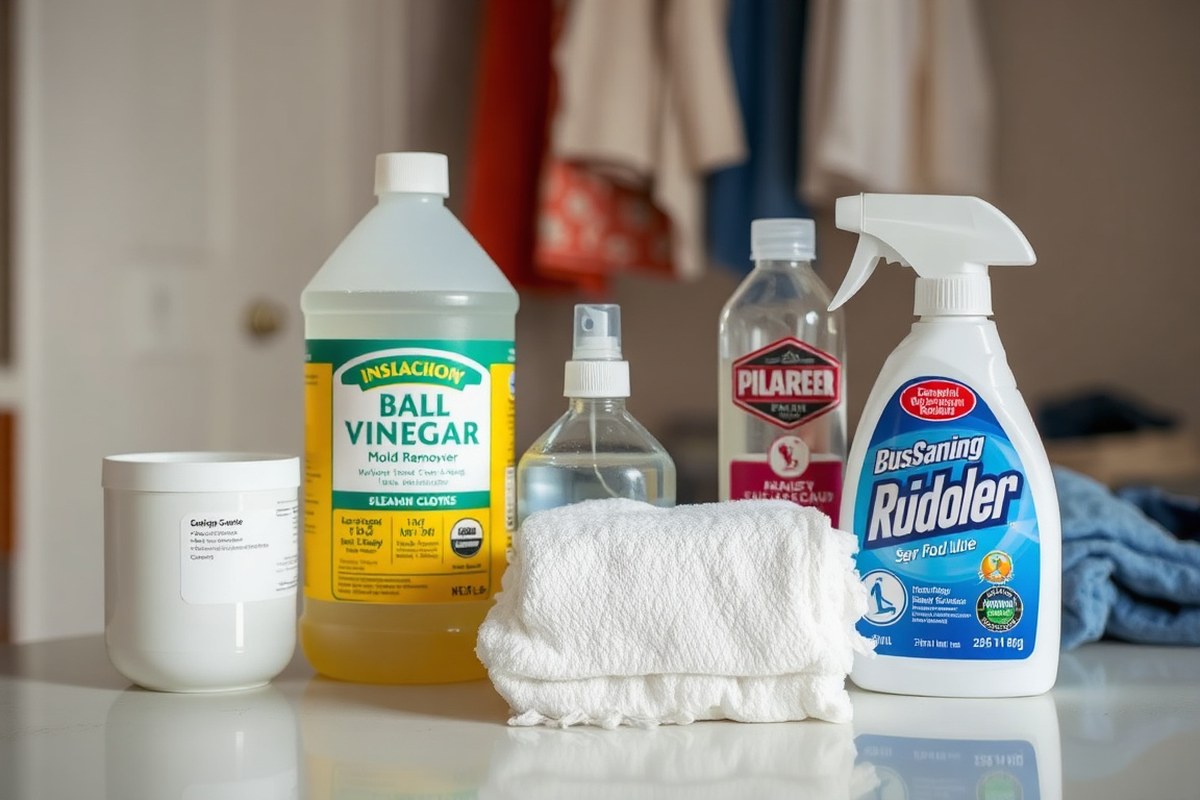
To kill mold on clothes effectively, you can use white vinegar, bleach, hydrogen peroxide, or commercial additives, depending on the fabric type and stain severity. Each agent offers different mold-killing power and safety levels for various fabrics. Using the right cleaner with proper application improves mold removal and helps control odors.
White Vinegar and Its Effectiveness
White vinegar kills about 82% of mold species and works well to remove both mold stains and the musty odor. It is safe on most colored fabrics and some synthetics, making it a versatile natural option. Use white distilled vinegar by spraying it directly on the moldy areas or adding 1 to 2 cups to the washing machine along with detergent.
For best results, soak the affected clothing in undiluted vinegar for at least an hour before washing. Vinegar also helps inhibit further mold growth, leaving clothes fresher. Avoid using vinegar on delicate fabrics like silk or wool, since the acid might weaken those fibers.
Bleach and When to Use It Safely
Bleach is a powerful mold killer, best suited for white, durable cotton fabrics with heavy mold stains. For a full wash, add 3/4 cup of chlorine bleach to a hot water cycle with detergent. Avoid bleach on colored, delicate, or synthetic fabrics unless the care label explicitly says it is safe.
Spot test any colored fabric before applying bleach, as it may cause fading or damage. Using bleach improperly, like on delicate fabrics such as silk or wool, can ruin the garment. After washing, rinse and dry clothes thoroughly to prevent mold from returning.
| Fabric Type | Bleach Safe? | Recommended Use |
|---|---|---|
| White Cotton | ✓ Yes | Mold, heavy stains |
| Colorfast Fabric | ⚠ Maybe (patch test) | Spot cleaning only |
| Delicate / Silk / Wool | ✕ No | Never |
| Synthetic Colors | ⚠ Rarely (patch test) | Only if labeled safe |
This table guides which fabrics tolerate bleach usage to kill mold and when you should avoid it to protect fabric integrity.
Always perform a small patch test with bleach or other cleaners on colored or delicate fabrics to check for damage before treating the entire garment.
Hydrogen Peroxide and Commercial Additives
Hydrogen peroxide diluted at a 1:4 ratio with water is an effective alternative for mold removal, especially if you want a milder option than bleach. Apply it as a spray on mold spots or scrub with a bar of Fels-Naptha soap before washing. It works safely on many fabric types but should be tested first on colored items.
Commercial mold laundry additives can boost mold removal when mixed with detergent in the wash cycle. Products like Micro Balance EC3 Mold Laundry Additive specialize in killing mold spores and neutralizing odors. These may be more costly but offer strong antifungal benefits, useful when mold stains persist after home treatments. Baking soda works well as a follow-up in the rinse cycle to deodorize and remove residual mold smells but is not strong enough on its own for heavy mold.
3. Step-by-Step Guide to Washing Moldy Clothes
To effectively wash mold off clothes, you need to follow a thorough process that includes pre-soaking, washing at the right temperature, and drying properly. These steps ensure mold spores are killed and removed, preventing the smell and stains from returning.
Pre-Soaking Clothes for Mold Removal
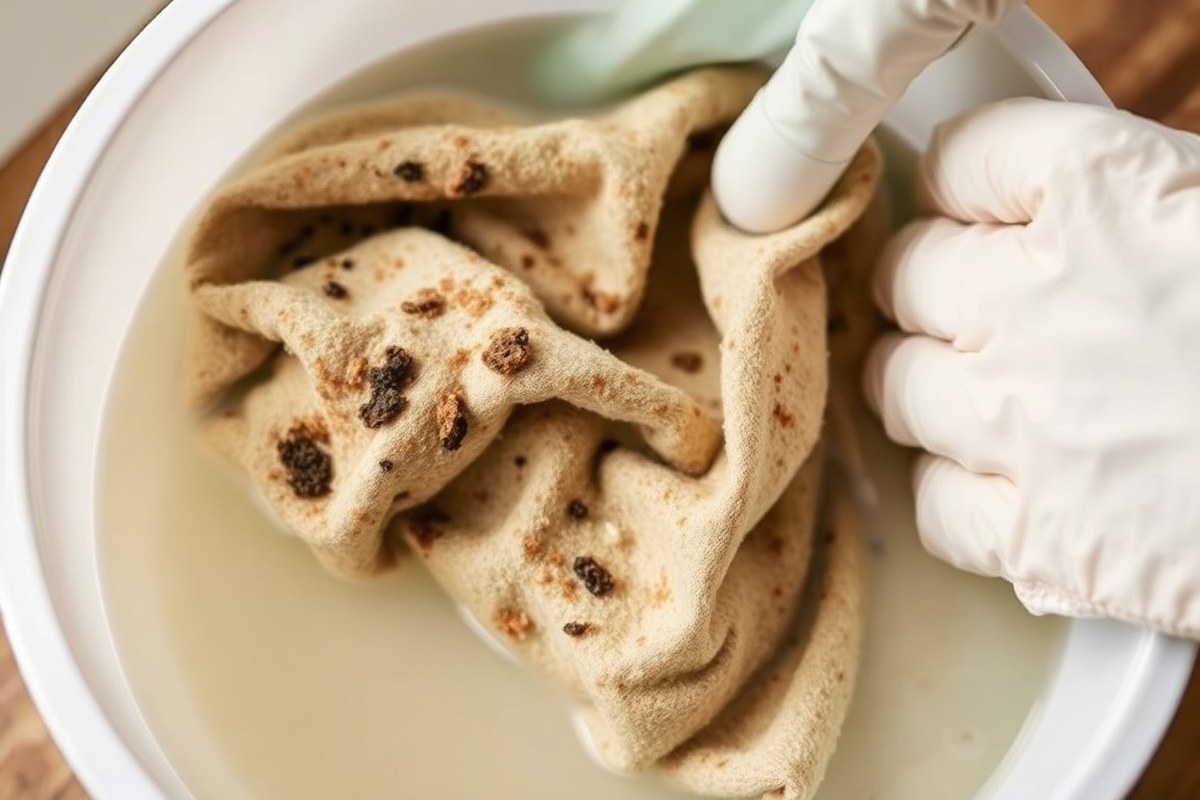
Pre-soaking clothes helps loosen and kill mold spores before the main wash. Use a solution of water and a mold-fighting agent such as borax or a specialized laundry additive. Soaking for at least 20 minutes improves cleaning by breaking down stains and odors caused by mold.
For deeper mold contamination, a vinegar soak after washing can help eliminate lingering odors and spores. Mix 1 cup of white vinegar per gallon of water and soak the clothes for 30 to 60 minutes. This extra step is especially useful if your clothes still smell musty after the first wash.
Choosing the Right Wash Cycle and Temperature
Hot water improves mold removal by killing spores and loosening residues. Wash moldy clothes using the hottest water safe for the fabric, typically at least 130°F (54°C). Add a mold-killing detergent or laundry additive formulated to fight mold and mildew during the wash cycle.
Select a regular or heavy-duty cycle to allow enough agitation and rinse cycles for thorough cleaning. Avoid leaving wet, moldy clothes sitting in the washer after the cycle finishes, as dampness can allow mold to redevelop.
Proper Drying Techniques to Prevent Mold
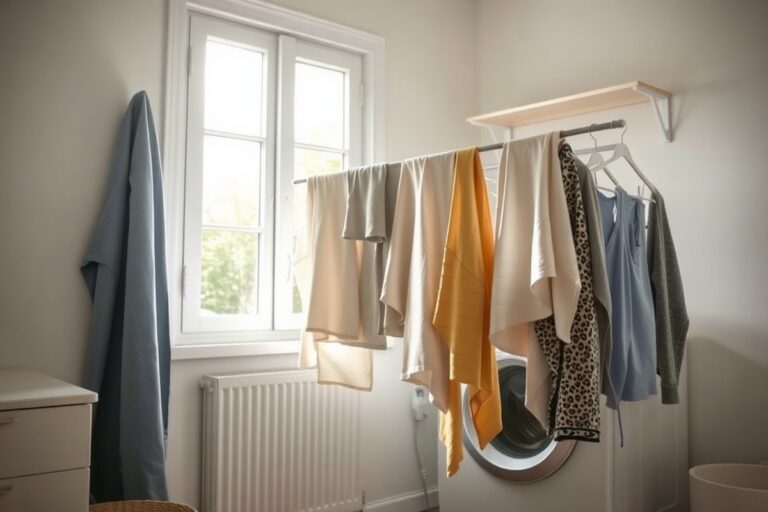
Drying clothes completely after washing is critical. Mold can return quickly on damp fabric, especially in seams, collars, or thick areas like waistbands. Use direct sunlight when possible; the UV rays help disinfect and deodorize clothes naturally.
When sun drying is not an option, use a high-heat setting on your dryer and ensure clothes are 100% dry before storing. Avoid leaving clothes in a closed washer or laundry basket if they are not dry yet, since mold can grow within 24 to 48 hours in moist, closed environments.
- Sort clothes to isolate heavily mold-contaminated items.
- Pre-soak moldy clothes in a solution of water and borax or a mold-fighting laundry additive for at least 20 minutes.
- Wring out excess water gently before placing clothes in the washing machine.
- Use the hottest water safe for the fabric, adding detergent plus a mold-fighting additive if available.
- Choose a regular or heavy-duty wash cycle to ensure enough agitation and rinse.
- Run a vinegar soak after washing if musty odors persist, soaking for 30 to 60 minutes.
- Dry clothes completely in direct sunlight or on a high-heat dryer setting.
- Do not store clothes until fully dry to prevent mold regrowth.
4. Handling Mold on Delicate and Specialty Fabrics
Delicate fabrics can be washed to remove mold, but it requires gentle care to avoid damage. Using lukewarm water and mild cleaning agents like white vinegar helps kill mold while preserving fragile fibers. When in doubt, professional dry cleaning is the safest way to protect valuable or highly sensitive garments.
Choosing Safe Cleaning Agents for Fragile Fabrics
Delicate fabrics like silk, wool, and rayon can shrink or lose texture with harsh chemicals or hot water. Avoid using chlorine bleach or oxygen bleach since these can weaken fibers or cause discoloration. White vinegar is a safer option because it kills most mold species and helps eliminate mold odor without damaging the fabric. Use about one cup of distilled white vinegar mixed with lukewarm water for hand washing.
Ammonia is not recommended for delicate textiles as it may cause color fading and fiber degradation. Mild, fragrance-free detergents formulated for delicate fabrics also work well when combined with vinegar during hand washing. Using lukewarm water (not cold or hot) helps maintain the shape and softness of the material.
Hand Washing Steps for Moldy Delicates
Fill a clean basin with lukewarm water and add the vinegar and a small amount of gentle detergent. Submerge the garment and gently agitate to loosen mold particles. Let it soak for 15 to 30 minutes to allow the vinegar to kill the mold. Avoid scrubbing harshly, which can damage the fabric’s delicate surface.
After soaking, rinse the clothing well in cool water to remove all vinegar and detergent residue. Avoid wringing or twisting the garment; instead, press out excess water gently. Lay the item flat on a clean towel to air dry in indirect sunlight. Avoid direct sun on silk as it may fade colors; wool benefits from air drying away from heat sources to prevent shrinkage.
When to Use Professional Dry Cleaning
Clothes labeled “dry clean only” or those made of leather, suede, or valuable materials are best taken to a professional dry cleaner when mold is present. Dry cleaners use solvents and methods designed to safely remove mold and odors without risking irreversible damage you might cause at home. Mold on expensive or irreplaceable items, or mold that has deeply set in, especially warrants professional help.
Dry cleaning costs can range from $10 to $30 per item depending on the fabric and location. Inform the cleaner that the garment has mold so they can use appropriate treatments. This approach prevents wasting money and time on home remedies that may not fully remove mold or might harm delicate textiles.
Drying and Storage Tips After Cleaning
Drying delicate fabrics properly after mold removal prevents mold regrowth and fabric damage. Air drying is preferred, but it must be done in a well-ventilated area with indirect sunlight to avoid fading and shrinking. For silk and wool, avoid high heat. If you need to use a dryer, select the lowest heat or a “fluff” setting, and remove the garment while slightly damp.
Proper storage is essential to keep delicate garments mold-free. Store completely dry clothes in breathable bags or containers, avoiding plastic, which traps moisture. Use moisture absorbers in closets and wardrobes to maintain a dry environment, as dampness encourages mold growth on fabric.
5. How Humidity and Storage Cause Mold Growth on Clothes
Mold grows on clothes stored indoors when humidity levels remain high and moisture is trapped in or on the fabric. Mold spores need moisture to settle and thrive, so environments with more than about 50% relative humidity create perfect conditions for mold growth. Spaces like basements, closets with poor ventilation, or laundry rooms where dampness lingers are especially prone to this problem. Controlling humidity with a dehumidifier is often necessary to keep the air dry enough to prevent mold from taking hold.
Improper drying after washing clothes is one of the most common causes of mold development. Clothes that are left damp or even slightly moist can start growing mold within 24 to 48 hours. It’s important to make sure garments are completely dry before putting them away. Hanging clothes in a well-ventilated area or using a dryer until fully dry can stop moisture from providing a foothold for mold. Any residual dampness, including in thick folds or seams, invites mold spores to settle and multiply.
Storage conditions matter greatly. Tightly sealed containers, plastic bags, or closets without air circulation trap humidity and keep clothes damp, promoting mold. Using breathable cotton storage bags allows air exchange, preventing moisture build-up. In damp spaces, sealing clothes in airtight containers without moisture control can backfire. It’s better to store clothing in ventilated areas and avoid piling items tightly together, which can retain moisture near the surface. Regularly airing out stored clothes can reduce hidden damp spots.
Common scenarios that lead to mold include leaving wet swimsuits or workout wear shoved in bags after use, storing clothes in damp basements or closets, or leaving damp laundry inside washers for hours. Any spills that aren’t promptly cleaned and dried can also cause localized mold patches on garments. Attention to prompt drying and proper air circulation in storage creates an environment where mold spores struggle to grow.
Always ensure clothes are completely dry before storage and maintain indoor humidity below 50% to prevent mold growth on fabrics.
6. Preventing Mold Growth on Clothes and in Washing Machines
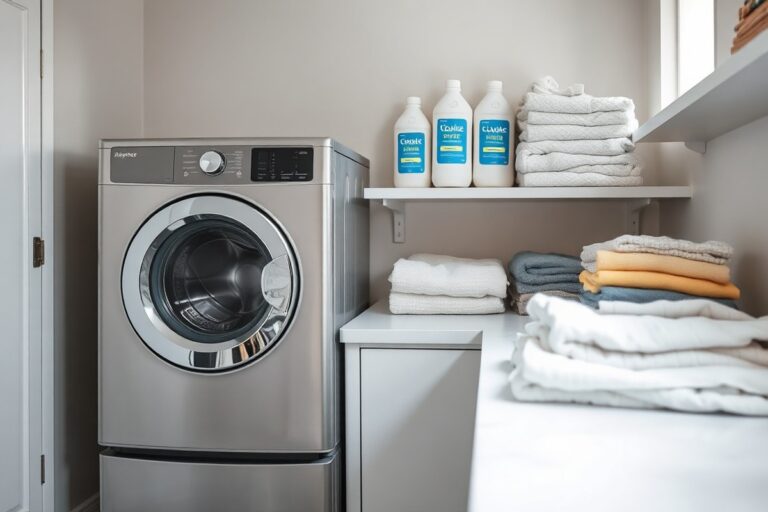
Keeping your washing machine mold-free helps prevent mold from transferring back onto your clothes. Run a maintenance wash cycle with hot water and a mold-killing additive like EC3 Laundry Additive or about 4 ounces of Superstratum Everyday Cleaner in the bleach compartment once a month. After every laundry day, leave the washing machine door open for several hours to air out and dry the drum completely, reducing moisture buildup. Also, clean detergent dispensers and rubber seals regularly, since these areas can trap dampness and debris where mold thrives.
Controlling humidity in your laundry area and storage spaces is key to stopping mold growth. Aim to keep humidity below 50% by using a dehumidifier, especially in basements or humid climates. You can also place moisture absorbers such as silica gel packs or desiccants near clothing storage. Avoid air-tight containers without ventilation, which trap moisture and promote mold. Instead, allow proper airflow by using mesh bags, open shelving, or breathable fabric garment bags.
- Run a monthly hot cycle with EC3 Laundry Additive or 4 oz of Everyday Cleaner
- Leave washing machine door open post-wash to air dry for several hours
- Regularly clean detergent dispensers and door seals with vinegar or mold cleaner
- Maintain closet humidity below 50% using a dehumidifier or moisture absorbers
- Store only fully dry clothes in ventilated or breathable storage containers
- Use fans or sunlight to help thoroughly dry clothes after washing
- Check laundry area for leaks or standing water that increase humidity
Storing clothes properly reduces chances of mold returning. Always dry them completely before putting them away. Even slightly damp clothes can develop mold if stored in dark, poorly ventilated places. Direct sunlight exposure or fan drying can accelerate the drying process and lower moisture risk. Regularly inspect your storage environment for mold spores or mildew mustiness, and ventilate it well. Tight closets may need a small electric dehumidifier that costs around $30 to $50 or moisture absorber packets starting near $5 and lasting a few months.
Applying these humidity controls, smart drying habits, and washing machine maintenance steps creates a cleaner, drier environment. This prevents mold from gaining a foothold on your clothes and reduces the need for repeated washing treatments. Monitoring humidity with a simple hygrometer, costing about $10, can help you keep conditions ideal. Preventive care usually takes just a few minutes weekly and pays off by keeping your clothes fresh and mold-free.
7. Common Mistakes That Reduce Mold Removal Success
Washing clothes doesn’t always remove mold because the temperature or treatment isn’t sufficient to kill and wash away the spores. Cold water alone is often ineffective, as it does not reach the temperature needed to kill mold, which requires at least 140 degrees Fahrenheit. Most home tap water runs around 120 degrees, so using the hot water setting or a washer’s sanitize cycle improves the chance of complete mold removal. Cold water can help protect colors and delicate fabrics, but it should be balanced with proper pretreatment to avoid spreading or embedding the mold further.
Another frequent mistake is washing moldy clothes with clean items. Mold spores can easily transfer during the wash cycle, contaminating your whole laundry load and making the issue worse. Separating moldy clothes prevents cross-contamination and keeps other items safe. Pretreating moldy spots with a mold-killing solution before laundering is also important to breaking down the growth and stains.
Drying practices often cause mold to return if clothes are not dried completely and quickly. Mold thrives in damp fabric, so allowing clothes to remain damp or air-drying in a humid environment can lead to rapid regrowth. It’s best to dry clothes in direct sunlight or use a dryer on the highest safe heat setting for the fabric. Avoid leaving washed clothes in the machine or laundry basket for extended periods.
- Not pretreating mold stains before washing, always use a mold-killing spray or soak in a solution before laundering.
- Washing in cold water only, use hot water or the sanitize cycle when fabric allows it.
- Mixing moldy garments with clean laundry, instead, wash moldy clothes separately.
- Using insufficient detergent, ensure enough detergent is used to penetrate and clean mold spores.
- Leaving clothes damp after washing, dry immediately and thoroughly to prevent mold revival.
- Ignoring mold growth inside the washing machine, regularly clean and disinfect the washer to avoid recontamination.
Following these corrective actions can significantly improve your success in removing mold from clothes. For heavily affected or delicate fabrics where hot water is not an option, pretreatment and careful drying become even more important. Keep in mind that some mold stains or odors might persist despite proper washing and care, which could indicate deeper fabric damage or active mold growth requiring other solutions.
8. When to Discard Moldy Clothes Instead of Washing
Determining when mold damage on clothes is permanent requires careful inspection of stains, fabric integrity, and odor. Clothes with deep-set black or green mold stains that do not fade after multiple washes or treatments are likely irreversibly damaged. Also, fabrics that become brittle, worn, or develop holes where mold was present show structural failure and should not be salvaged. A faint musty smell can sometimes be washed out, but persistent sour or mildew odors after at least two thorough wash cycles indicate permanent contamination.
Heavily moldy clothes create health hazards, especially for people with allergies, asthma, or weakened immune systems. Mold spores can trigger respiratory irritation, skin rashes, and allergic reactions. Continuing to wear or handle garments with visible mold patches exposes you to these risks. Handling clothes that have caused symptoms like sneezing, coughing, or skin irritation calls for immediate discarding of the items to protect your health and indoor air quality.
Replacing clothes instead of cleaning them is advisable when mold covers large areas, typically more than 25% of the fabric, or after failed attempts to remove stains and odors through washing with detergent and vinegar. Persistent discoloration, fabric damage, and unpleasant smells after at least two wash cycles combined with high mold coverage usually make cleaning efforts unproductive. Discarding such clothing avoids ongoing exposure to mold spores and the inconvenience of repeated unsuccessful cleaning attempts.
Exceptions exist for valuable or delicate garments, such as heirlooms, designer wear, or specialty fabrics that can’t withstand harsh washing or bleach. For these, professional dry cleaning or mold remediation services may help. However, even professionals may advise discarding items if mold infiltration is severe or the risk to fabric integrity and health is too high. You should weigh the cost of specialist cleaning, often ranging from $20 to over $100 per item, against replacement expenses and potential health problems.
Use this decision checklist to evaluate moldy clothes: Does the fabric show deep, dark mold stains that resist fading? Has the fabric weakened or developed holes? Does the odor remain strong after at least two washes with detergent and 1, 2 cups of vinegar? Does mold cover more than a quarter of the item’s surface? Has anyone experienced allergic or respiratory symptoms after handling the clothes? If you answer yes to one or more questions, discarding the garment is safest.
Always isolate moldy clothes during transport and storage to prevent spreading spores; never mix them with clean laundry until you decide to discard or thoroughly clean them.
Handling moldy clothes involves weighing health risks and fabric condition carefully. Early mold detection and treatment improve chances of salvage. For persistent or heavy mold contamination, replacing garments protects your health and limits mold spread in your home environment. Store moldy clothes in sealed bags away from clean clothes before discarding, and wash hands thoroughly after handling.
Step-by-Step Action Plan to Remove Mold from Clothes
Follow these steps to clean moldy clothes safely and effectively, while preventing mold from returning.
- Before Washing: Take moldy clothes outside to brush off loose mold spores. Check fabric care labels to choose proper cleaning methods.
- Wash Immediately: Use hot water if the fabric allows, combined with a detergent plus one effective cleaning agent like white vinegar or a mold-killing laundry additive.
- After Washing: Inspect clothes for odors or visible mold spots; repeat washing if necessary.
- Dry Thoroughly: Use direct sunlight where possible or a hot dryer setting to kill remaining mold spores and prevent regrowth.
- After Drying: Store clothes in a dry, well-ventilated area. Avoid plastic bags that trap moisture.
- Regular Maintenance: Clean your washing machine monthly to avoid mold build-up inside the appliance.
- Ongoing Prevention: Use moisture absorbers or dehumidifiers in closets and laundry areas, especially in humid climates.
Frequently Asked Questions
Can You Wash Mold Off Clothes Without Damaging Them?
Yes, you can wash mold off clothes safely by using the hottest water the fabric allows and pre-soaking with oxygen bleach or vinegar. Always test a small area first to avoid damage, especially on delicate fabrics.
Does Washing Machine Mold Affect Clothes?
Yes, mold in your washing machine can transfer to clothes, causing spots and odors. Regularly clean your machine and use mold laundry additives to prevent this.
Is It Safe to Wear Clothes with Mold Before Washing?
It’s best to avoid wearing moldy clothes as mold spores can cause allergies and spread to other garments. Handle them carefully and wash separately in hot water.
How Long Should I Soak Clothes to Remove Mold?
Soak moldy clothes for several hours in warm water mixed with oxygen bleach or white vinegar before washing. This pre-treatment helps loosen spores and reduce odors.
Can You Remove Mold Smell from Clothes Completely?
You can reduce or remove mold smells by washing clothes with white vinegar or baking soda. Use these in addition to a strong laundry detergent and dry clothes in sunlight.
What Should I Do If Mold Stains Persist After Washing?
If mold stains remain after cleaning with bleach or mold additives, it may be time to discard the garment to avoid health risks and spore spread.
Wrapping Up
You can successfully wash mold off clothes by acting quickly and using the right cleaning agents combined with proper drying and storage. Mold damage may require discarding heavily affected items, but many clothes respond well to targeted care. Start today by inspecting any suspect clothes and addressing moisture sources where you store them.