How to Shrink a Cotton T Shirt: 8 Proven Methods for Perfect Fit
To shrink a cotton T-shirt effectively, wash it in hot water and dry it on high heat. The heat causes cotton fibers to tighten, reducing the shirt’s size. This method works best for 100% cotton shirts but requires care to avoid over-shrinking or damage.
This advice is for anyone with oversized or stretched cotton T-shirts who wants a better fit at home. You’ll learn practical ways to shrink your shirts safely, including targeted techniques and how to handle blends and printed garments.
Key Takeaways
- Use water heated to 130°F (54°C) or above and set your dryer to a high temperature to achieve the most shrinkage in cotton T-shirts.
- 100% cotton shirts can shrink between 2% and 20%, roughly 1.5 to 2 clothing sizes.
- Wait 5 to 15 minutes before soaking to control how much a cotton shirt shrinks.
- Boiling a cotton shirt causes fast, maximum shrinkage but may risk fabric damage.
- Use a hot iron to shrink specific T-shirt areas without affecting the whole garment.
- Cotton-polyester blends shrink only about half as much as pure cotton shirts.
1. How to Shrink a Cotton T-Shirt at Home Effectively
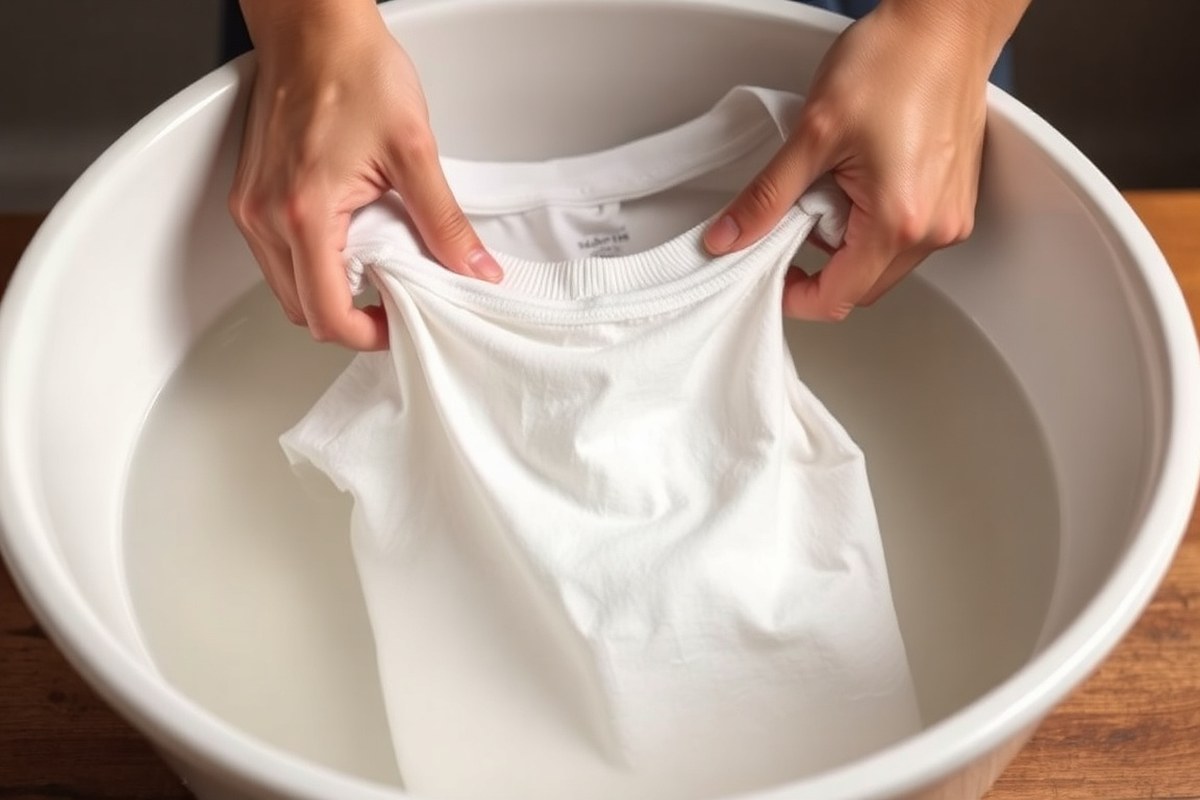
Shrinking a cotton T-shirt at home works best by combining hot water washing with high-heat drying. Cotton fibers contract when exposed to heat and moisture, making these conditions essential for effective shrinkage. Using water at around 130°F (54°C) or higher maximizes fiber tightening, and the hot dryer further reduces size by evaporating moisture while heat shrinks the fabric. This method can shrink your shirt up to 20%, roughly one to two sizes smaller.
Following a clear sequence of washing and drying steps prevents damage while achieving noticeable shrinkage. You’ll also want to check the shirt often during drying to avoid over-shrinking, especially if it’s organic or untreated cotton, which shrinks more aggressively. For blended fabrics, expect less shrinkage. The process requires time, heat, and careful monitoring, but the costs stay low since you’re using your home appliances.
- Choose the hottest water option on your washing machine, aiming for at least 130°F (54°C) to trigger the cotton fibers to shrink naturally. Stay away from cold or warm water cycles since they don’t shrink the fabric effectively.
- Place your T-shirt alone or with similar fabrics in the washer to ensure even exposure to heat and water. Using a small load helps maintain temperature consistency and better results.
- Run a normal wash cycle with detergent, no fabric softener. Fabric softener can coat fibers and reduce their ability to shrink.
- Remove the shirt promptly after the wash ends to prevent cooling or uneven drying that can reduce shrinkage.
- Transfer the T-shirt to the dryer, setting it to the highest heat possible. The hot dryer supplements the shrinking process by continuing fiber contraction and moisture evaporation.
- Check your shirt every 5 to 10 minutes while drying to control the final size. Stopping the dryer when the desired fit is reached prevents excess shrinkage or fabric damage.
- Repeat the washing and drying process as many times as necessary to shrink the shirt more. Multiple cycles allow gradual adjustment and avoid ruining the shirt by overheating once.
Good results show the shirt fitting snugger without stretching or distortion in the fabric. Avoid ironing before shrinking; heat from irons can reshape fibers but won’t provide consistent shrinkage like washing and drying. Shirts that were pre-shrunk in manufacturing may shrink less, so adjusting your expectations for those is key. This approach requires only standard home equipment and brief monitoring during drying for best results.
2. What Factors Affect Cotton T-Shirt Shrinkage
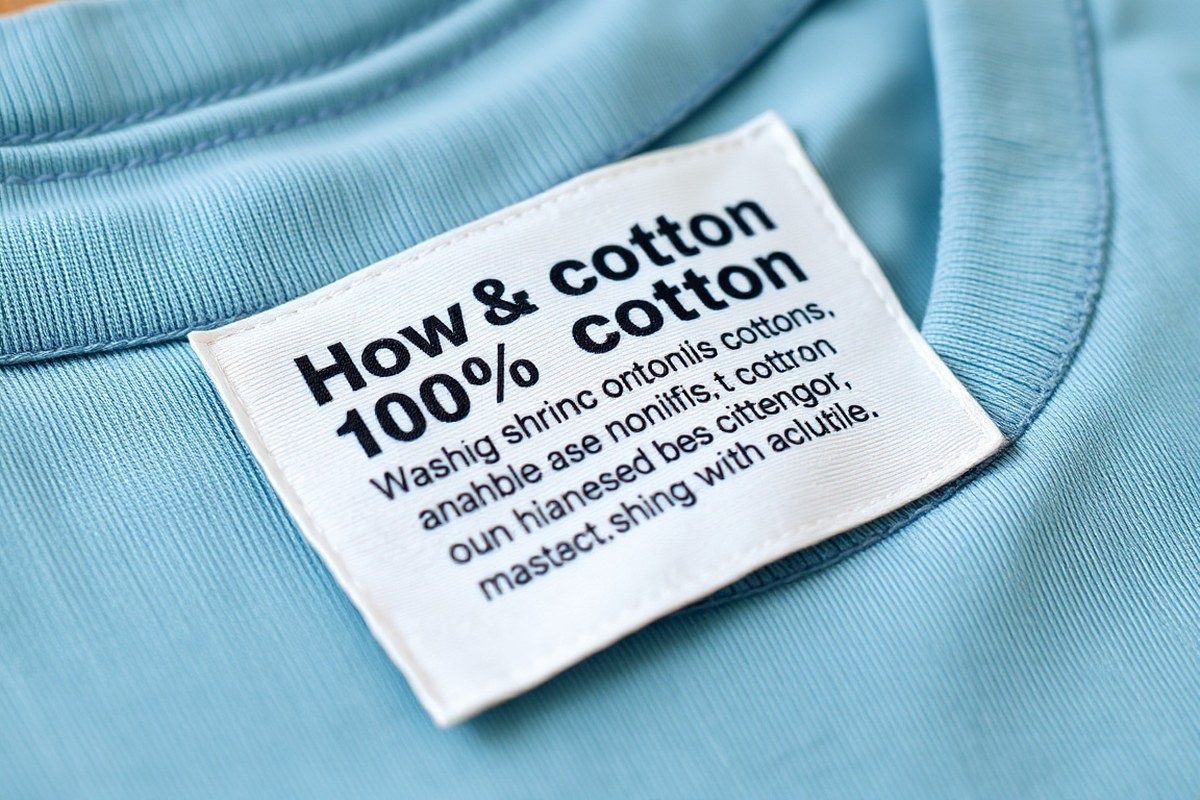
Cotton T-shirts shrink mainly because of heat, moisture, and the fabric’s structure. Shirts made from 100% cotton have the highest shrinkage potential, up to about 20%. This can reduce the size by one and a half to two full sizes, such as from XL down to M. Blends that mix cotton with polyester or other synthetic fibers shrink less, generally between 5% and 10%. The polyester fibers resist shrinking, so the fabric doesn’t change as much in size or shape during washing or drying.
The water temperature you use directly influences how much your cotton shirt will shrink. Hot water at temperatures above 130°F (54°C) encourages the cotton fibers to contract. Using warm or cold water results in less shrinkage. Adding heat during drying further impacts shrinkage because the fibers tighten when exposed to high dryer temperatures. For example, drying on high heat for 30 minutes after washing in hot water will shrink a cotton shirt noticeably. Polyester blends need water temperatures closer to 140°F (60°C) to shrink effectively, so some methods that work well with 100% cotton won’t work as well on blends.
The way the cotton fabric is woven affects shrinkage, too. Shirts made from ring-spun cotton typically shrink about 10% to 15%, a bit less than regular 100% cotton T-shirts. This is because ring-spun cotton has smoother, tighter fibers that resist some shrinkage but still respond well to heat and water. Pre-shrinking during manufacturing also changes how much a T-shirt will shrink later. If the shirt has been pre-shrunk, expect less noticeable size reduction. On the other hand, untreated or “raw” cotton fabrics shrink more because they were stretched or relaxed less in the factory.
When shrinking a cotton T-shirt, heat exposure should be controlled to avoid over-shrinking. Keep an eye on the drying time and check the shirt’s size frequently, taking it out too late can make it too small and stiff. Also, using hot water helps because the moisture allows fibers to relax and tighten as they dry. Using cold or lukewarm water slows this process. For significant shrinkage, submerging the shirt in near-boiling water can speed things up, but it may cost more energy than using a washer if you’re only shrinking one shirt.
Always wash and dry your shirt inside out to protect the colors and prevent damage to any prints or designs.
3. Boiling Method: Fast and Maximum Cotton T-Shirt Shrinkage
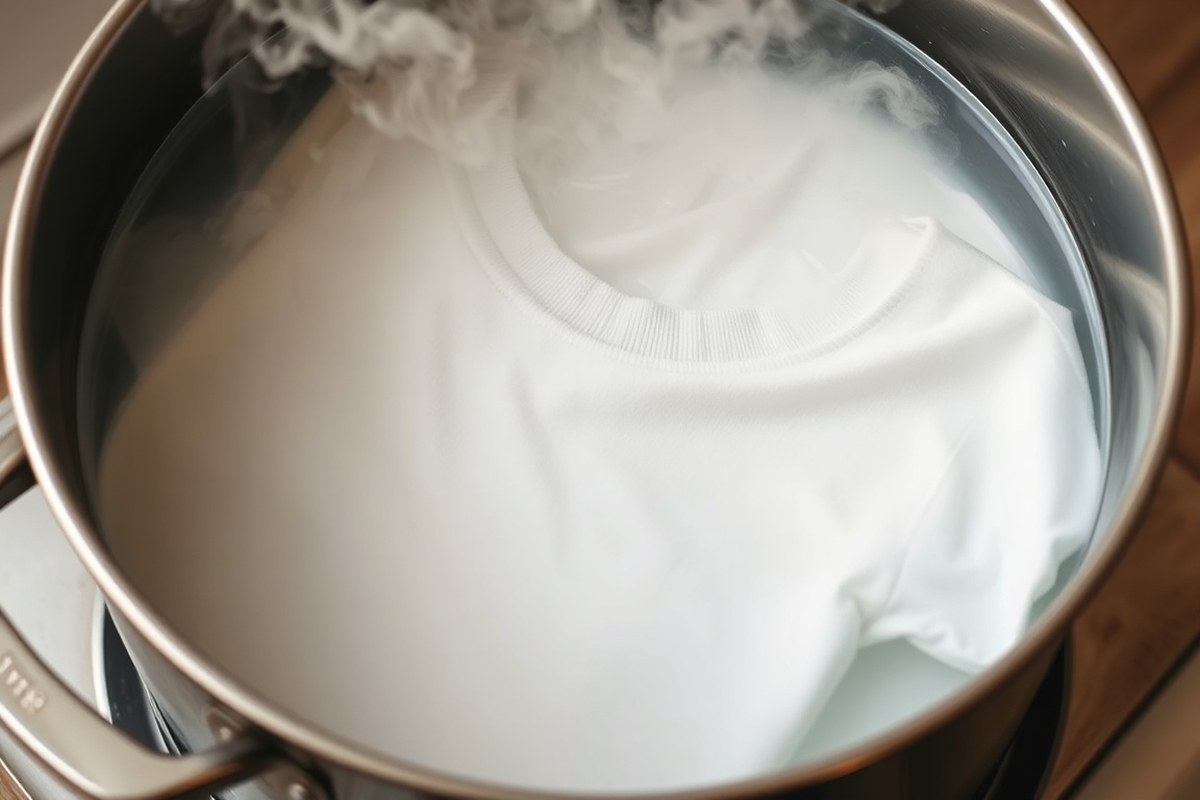
Boiling water is an effective way to shrink 100% cotton T-shirts quickly and achieve noticeable size reduction. Soaking the T-shirt in boiling water for about 5 minutes results in minor shrinkage, while extending the soak to 20 minutes yields the maximum shrinkage you can expect, often around two sizes smaller. This method works best for plain cotton shirts and should be used with caution on printed or colored fabrics to avoid damage or fading.
Preparation Steps Before Boiling
Select a 100% cotton T-shirt that you want to shrink. Avoid blends or heavily printed shirts if you want to prevent damage, as boiling can cause prints to fade or peel. Check the fabric for any weak spots or tears, since the high heat might worsen these. Pre-soaking the shirt in warm water for 5 to 10 minutes can make the shrinkage process more even by relaxing the cotton fibers.
Gather a large pot or deep heatproof container to hold enough water to submerge the entire shirt without crowding. Using distilled or filtered water may reduce the risk of fabric discoloration if your tap water is hard or chlorinated.
Boiling Procedure and Timing
Carefully bring a full pot of water to a rolling boil on the stove. Turn off the heat just before submerging the shirt to avoid splashing, then fully immerse the shirt using tongs or a heat-resistant glove. Keep the shirt submerged, stirring gently to ensure even exposure to heat. For minor shrinkage, soak for 5 minutes; for maximum shrinkage, leave the shirt in for up to 20 minutes. Avoid leaving it longer to prevent fabric weakening.
- Fill a large pot with enough water to fully submerge the T-shirt.
- Heat the water to a rolling boil on your stove.
- Turn off the heat before adding the shirt to avoid splashing.
- Use tongs to carefully place the shirt into the boiling water.
- Submerge the shirt completely and stir gently to distribute heat.
- Soak for 5 to 20 minutes, depending on desired shrinkage.
- Remove the shirt carefully with tongs and squeeze out excess water.
- Proceed promptly to drying to lock in the shrinkage.
Post-Boil Drying Options
After boiling, gently squeeze excess water from the shirt without wringing, which can stretch it back out. Air drying is the safest method to prevent over-shrinking or fabric stress. Lay the shirt flat on a clean towel in a warm, dry environment; this preserves shape while completing the shrinkage process.
To maximize shrinkage, you can tumble dry the shirt on high heat after it cools slightly. This step is especially effective for adding one or two more sizes of shrinkage beyond what boiling achieves. Watch the drying progress closely to avoid over-shrinking or uneven results.
4. Using Washing Machine and Dryer for Gradual Shrinkage
Shrinking a cotton T-shirt gradually with a washing machine and dryer involves using the hottest water and longest wash cycle your cotton fabric can handle, followed by tumble drying on medium to high heat. Controlling these settings helps reduce the size while minimizing damage or uneven shrinking. Adjusting drying time and temperature carefully limits excessive shrinkage or fabric stress.
Optimal Machine Settings for Cotton Shrinkage
Begin by setting your washing machine to the hottest water temperature recommended for cotton shirts. Hot water relaxes the cotton fibers, allowing them to contract. Choose the longest wash cycle to ensure the fabric stays saturated and agitated thoroughly, which assists in gradual shrinkage. Use the high spin option on your washer to remove more water; less moisture leads to quicker drying and better shrinkage outcomes.
Top-loading machines usually agitate more than front-loading ones, so your shrinkage might be more pronounced if you use a top-loader. Washing the shirt with similar colors reduces the chance of color transfer or staining. Remove the shirt promptly at the end of the cycle to avoid stretching out the fabric before drying.
Drying Techniques and Timing
After washing, place the T-shirt inside the dryer set to medium or high heat. The tumbling action in the dryer compresses cotton fibers further, promoting additional shrinkage. Dry the shirt completely to maximize shrinkage, which typically takes 30 to 45 minutes on medium heat, or 20 to 30 minutes on high heat depending on your dryer and shirt thickness. Avoid partial drying that leaves moisture in the fibers, this can lead to uneven shrinking when the shirt finishes drying.
Using high heat repeatedly may cause shrinkage beyond your goal and reduce the shirt’s softness over time. To maintain control, shrink incrementally by drying on medium heat first and repeating if more shrinkage is needed. Always check the shirt’s size after drying, so you can stop when the desired fit is reached.
Preventing Color Fading and Fabric Weakening
High heat and harsh agitation accelerate color fading and can weaken fibers over time, especially in colored or delicate cotton shirts. To protect the fabric, turn the shirt inside out before washing and drying, which reduces direct heat and friction on the surface. Avoid washing with abrasive fabrics or heavy items that might rub against the shirt.
Consider using the shortest possible drying time at the hottest setting your shirt tolerates to minimize wear. For shirts with bright colors or prints, test medium heat first before applying high heat to prevent fast fading. For delicate cotton blends, a gentler cycle with warm water and a medium dryer setting can help preserve softness while still enabling some shrinkage.
5. How to Shrink Specific T-Shirt Areas with a Hot Iron
You can shrink specific areas of your cotton T-shirt without a full wash by using a hot iron with steam. This method works well for sleeves, collars, or necklines that have stretched out or become loose. Applying targeted heat and moisture tightens the fibers in these spots, reducing size without affecting the entire shirt.
Preparing the Shirt for Ironing
Start by dampening the specific area you want to shrink. Using a spray bottle or a wet cloth, moisten the sleeves, collar, or neckline lightly but thoroughly. Choose a high heat setting on your iron suitable for cotton and ensure the steam function is on. The fabric should be damp enough to produce steam but not soaked to drip water.
Dampening is essential because heat combined with moisture relaxes and then tightens cotton fibers as they dry. Setting your iron to the cotton setting usually means a temperature around 400°F (204°C), which is effective without being too harsh for a short session.
Ironing Technique for Shrinking
Place a clean, damp cloth over the dampened area on the T-shirt to protect it from direct iron contact. Press the hot iron firmly on this cloth for about 10 to 15 seconds at a time. Lift the iron; don’t slide it, then re-wet the cloth if it dries out, and repeat until the area feels noticeably smaller or tighter.
This pressing action, rather than continuous sliding heat, focuses shrinking on just the treated section without stretching the rest of the shirt. Keep the iron moving between presses to prevent scorching or damage. Iron small sections at a time, particularly on collars or cuffs where fabric layers can be thicker.
- Lightly wet the target area of the shirt with water.
- Set your iron to the cotton setting and turn on steam.
- Lay a damp cloth over the area you want to shrink.
- Press the hot iron onto the cloth covering the shirt for 10, 15 seconds.
- Lift the iron and check the moisture of the cloth; re-wet if dry.
- Repeat pressing until the area shrinks to the desired size.
- Allow the ironed area to dry completely before trying on the shirt.
Do not slide the hot iron over the shirt; use pressing motions only to avoid stretching or shining the fabric.
Finishing Up and Checking Results
Let the shirt cool and dry completely after ironing to fix the shrinkage. The cotton fibers contract as they dry, making the adjustment permanent in the treated spots. Try on the shirt to assess the fit of the sleeves, collar, or neckline.
If more shrinking is needed, you can repeat the process, but allow the fabric to rest between sessions to prevent damage. Keep in mind that repeated heat and moisture cycles can weaken cotton fibers, so limit this method to minor, targeted adjustments rather than large size reductions.
6. How to Shrink Cotton-Polyester Blends and Printed Shirts Safely
Cotton-polyester blends and printed T-shirts require gentler care to shrink them without harming the fabric or designs. Blends typically shrink less than 100% cotton, usually about 5 to 10 percent, or roughly half to one full size down. Pure cotton can shrink one to two sizes, so expect less change with blends. Heat can damage synthetic fibers and printed graphics, so it’s critical to use lower temperatures and shorter exposure times.
To shrink these shirts safely, start by washing them in warm water rather than hot. Set your washer to a warm or medium cycle at around 90 to 110°F. Avoid very hot water because polyester and other synthetics melt or distort at higher temperatures. After washing, dry the shirt using a medium or low heat setting in your dryer, around 120 to 140°F. Tumble dry for 20 to 30 minutes and then check the shirt’s size. Repeat if needed, but never use the highest heat setting as this risks damaging prints or causing irregular shrinkage.
Heat applied directly to printed areas can cause fading, cracking, or peeling. When using a dryer, turn the shirt inside out to protect prints. When the shirt has delicate graphics, air drying is best after a warm wash, or drying on low heat for a short time. Avoid ironing printed areas directly; if you must iron, place a thin cloth between the iron and shirt and use the lowest heat setting safe for polyester blends.
Decide how much shrinkage you need before starting. Choose higher temperatures and longer drying times only if small shrinkage is not enough and the shirt’s care label allows. When the shirt contains a higher percentage of polyester, expect less shrinkage, and stop early to avoid damage. For cotton shirts with heavy printing, prioritize protecting the graphics over maximizing shrinkage.
This gentler approach prevents weakening the fabric or ruining designs, balancing shrinkage with shirt longevity. It typically takes two to three cycles of warm washing and medium drying to see measurable size reduction in blends. Shrank shirts should fit better without feeling overly stiff or misshapen. Excessive heat can cause fabric distortion that’s hard to reverse, so caution is key. This method costs no more than your usual laundry routine but requires patience and monitoring during the process.
7. How Much Will My Cotton T-Shirt Shrink Realistically?
Shrinking a cotton T-shirt can reduce its size by about 1 to 2 sizes with proper treatment. Typically, you can expect a cotton shirt with a 24-inch chest width to shrink down to around 19 to 20 inches after effective shrinking methods. The amount of shrinkage depends on how long you expose the shirt to heat and water, with longer soaking times causing greater shrinkage in both width and length.
Shrinkage happens because cotton fibers contract when exposed to hot water or heat. A short soak of about 5 minutes generally produces slight shrinkage, roughly half a size smaller. Soaking for 15 minutes yields moderate shrinkage, close to 1 size, and soaking up to 30 minutes can shrink the cotton shirt by 1.5 to 2 sizes. After soaking, drying with heat will help the shirt maintain its shrunken size.
| Soaking Time | Expected Shrinkage | Approximate Chest Width After Shrinkage (from 24 inches) | Size Reduction |
|---|---|---|---|
| 5 minutes | Slight | 22.5 – 23 inches | About 0.5 size |
| 15 minutes | Moderate | 21 – 22 inches | About 1 size |
| 30 minutes | Maximum | 19 – 20 inches | 1.5 to 2 sizes |
For example, if you want to reduce a large cotton T-shirt to a medium size, aim for soaking times around 15 to 30 minutes, depending on how much smaller you need it to be. It’s best to test by pulling the shirt out every few minutes once you approach a one-size shrink to avoid overshrinking. Using tongs to handle the hot shirt helps prevent burns.
Attempting to shrink more than two sizes usually risks damaging the fabric or making the shirt too small to be wearable. Moderate size reductions are safer and more reliable. Also, drying the shirt completely with heat after soaking locks in the shrinkage but may cause uneven results if rushed or done inconsistently.
8. Troubleshooting: Fixes for Over-Shrinking or Uneven Shrinkage
Over-shrinking your cotton T-shirt can leave it too tight or distorted, but you can often soften and slightly stretch it back. Start by soaking the shirt in lukewarm water mixed with a mild hair conditioner or baby shampoo at a ratio of about one tablespoon per cup of water. Let it soak for 30 minutes to relax the cotton fibers. After soaking, gently stretch the fabric, especially in tight or uneven areas, while it’s still damp. Lay it flat on a towel and reshape it carefully. Avoid wringing or twisting, which might cause further distortion.
Uneven shrinkage often happens when one part of the shirt is exposed to more heat or agitation than another, such as a dryer that tugs on sleeves more than the body. To improve this, use a spray bottle with warm water to dampen the affected areas lightly, then stretch them gently with your hands. For targeted fixes, a handheld steamer or a hot iron set on “cotton” with a damp cloth between the iron and shirt can help relax tighter spots. Move slowly and evenly to avoid creating new wrinkles or unevenness.
Sometimes, over-shrunk areas may be resistant to home stretching techniques. In these cases, seeking professional help is advisable, especially if the shirt has sentimental or high monetary value. A tailor or alteration specialist can add panels, restitch seams, or adjust measurements with techniques that maintain the shirt’s shape and integrity. Costs for basic alterations generally start around $15 to $40 but vary by region and complexity. Professional advice will also tell you if the fabric’s damaged beyond repair and if replacement is the best option.
For shirts repeatedly shrunk through boiling or dryer heat, expect diminishing returns in further shrinking or stretching attempts, as the cotton fibers can permanently tighten over time. Each shrinking attempt carries the risk of increased distortion, so assess carefully before proceeding. Consider alternate strategies such as layering the shirt under a jacket or saving it for casual or workout wear if reshaping isn’t effective.
To avoid uneven shrinkage, always distribute heat exposure evenly and use gentle stretching techniques right after towel-drying the shirt while damp.
Step-by-Step Action Plan for Shrinking Your Cotton T-Shirt
Follow these steps to safely shrink your cotton T-shirt and track your progress as you go.
- Before You Start: Check the care label to confirm the shirt is 100% cotton or mostly cotton. This helps you choose the right method, since cotton-poly blends shrink less.
- Step 1 – Boil for Maximum Shrinkage: Boil the T-shirt in water for 10 minutes to trigger quick shrinkage. Remove and check if it has reduced enough.
- Step 2 – Machine Wash and Dry: After boiling, wash the shirt on hot setting and dry on high heat. Repeat if you want gradual shrinking while avoiding damage.
- Step 3 – Use a Hot Iron: For targeted shrinking, apply a hot iron with steam to stretched areas. Keep the fabric damp for best results.
- Step 4 – Cool and Measure: Let the T-shirt air dry completely, then measure to ensure desired shrinkage. Note uneven spots for potential re-treatment.
- Step 5 – Adjust for Blends and Prints: If the shirt has polyester or prints, limit the boiling and drying time to avoid damage. Use warm wash and low dryer heat.
- Step 6 – Troubleshoot over-shrinkage: Stretch damp spots gently if the shirt shrinks too much. Air drying flat helps avoid further uneven shrinking.
Frequently Asked Questions
Can I Use Bleach When Shrinking a Cotton T-Shirt?
Bleach is not recommended for shrinking as it can weaken the fibers and damage the shirt’s color or print. Stick to heat-based methods like washing in hot water and drying on high heat instead.
Does Shrinking Cotton T-Shirts Affect Their Softness?
Shrinking may make cotton feel slightly stiffer due to tighter fibers but usually softens again with regular wear and washing. Avoid excessive heat to keep the fabric comfortable.
Can I Shrink a T-Shirt Multiple Times?
Shrinking multiple times is possible but each attempt yields less results and increases wear risk. Aim for one controlled shrink process for best results.
Will Shrinking a Cotton T-Shirt Damage Printed Designs?
Heat can cause some prints to crack or fade, so use moderate temperatures or spot-shrink areas with a hot iron while avoiding the print.
How Long Should I Dry a Cotton T-Shirt to Shrink It?
Dry the shirt on high heat for at least 30 minutes; longer drying can increase shrinkage but may risk wrinkles or damage.
Does Soaking a Cotton T-Shirt in Hot Water Shrink It Faster?
Soaking speeds up shrinkage by fully saturating the fibers before heat exposure. Submerge for 5 to 15 minutes depending on how much you want to shrink.
Before You Go
Shrinking a cotton T-shirt works best when you control water temperature and drying time carefully. Each method provides you options for quick or gradual results, but patience helps you avoid damaging your shirt. Start with boiling or hot wash cycles based on your shirt’s fabric, then fine-tune with ironing or repeated steps. Your next step is to identify your shirt’s fabric type and test your preferred shrinking method on an inconspicuous area.