How to Eliminate Mildew Smell from Clothes: 8 Effective Methods That Work
To eliminate mildew smell from clothes quickly and effectively, start by soaking garments in a vinegar and water solution for 30 minutes, then wash with baking soda or oxygen bleach. Proper drying and machine maintenance are essential to prevent the smell from returning. These steps target the source of mildew odor and remove the bacteria causing it.
This advice is ideal for homeowners or renters who want practical solutions to treat and prevent mildew smells in their laundry. You will find straightforward methods to identify, treat, and stop mildew odors for everyday fabrics and special items.
Key Takeaways
- Soak mildewed clothes in equal parts white vinegar and water for 30 minutes before washing.
- Use half a cup of baking soda in the wash cycle to neutralize persistent mildew odors.
- Pre-soak heavily affected towels in warm water with oxygen bleach for 30 to 60 minutes.
- Avoid fabric softeners and excessive detergent to prevent residue that traps odors and promotes bacteria.
- Dry clothes thoroughly in sunlight or a well-ventilated area to stop mildew growth.
- Do not store clothes in plastic bags; use breathable storage to keep moisture away.
1. How to Remove Mildew Smell from Clothes Quickly and Effectively

To quickly remove mildew smell from clothes, using distilled white vinegar and baking soda during your wash is one of the most effective methods. Vinegar acts as a natural deodorizer and disinfectant that breaks down mildew spores. Baking soda, which is alkaline, neutralizes odors that vinegar loosens. Soaking clothes first in a vinegar solution can help if the odor is especially strong. These household products are inexpensive, safe for most fabrics, and work well without harsh chemicals. Follow these steps to eliminate mildew smells fast and effectively:
- Sort your mildewed clothes. Separate heavily mildewed items from lightly affected ones to treat properly.
- Pre-soak if needed. For stubborn mildew smells, soak clothes in a mixture of equal parts distilled white vinegar and water for about 30 minutes. This will help break down mildew before washing.
- Add vinegar to the wash. Pour 1 cup of distilled white vinegar into the washing machine’s detergent dispenser. Vinegar will disinfect fabrics and neutralize odors during the cycle.
- Wash normally with detergent. Use your regular detergent and select the hottest safe water temperature for the fabric to maximize mildew removal.
- Add baking soda for extra deodorizing.Should odors persist after washing with vinegar, run a second wash cycle adding 1/2 cup (120 mL) of baking soda directly to the wash basin along with detergent.
- Rinse with a splash of vinegar. Adding a small amount of vinegar in the rinse cycle can further neutralize lingering smells.
- Dry clothes thoroughly. Line drying in direct sunlight can help remove mild mildew odors and freshen clothes naturally. Otherwise, use a dryer on the appropriate setting.
- Repeat washing if necessary. Leaving clothes sitting wet in the washer can worsen mildew smell. Should the odor return, wash again using vinegar or baking soda treatments before drying.
This process typically costs under $5 for household vinegar and baking soda, making it an affordable and fast way to restore freshness. Avoid overwashing or harsh chemicals that can damage fabric over time. Sun drying also supports fast odor removal, especially for light mildew smell. Proper soaking and multiple wash cycles with vinegar and baking soda give the best results against strong mildew odors in clothes.
2. What Causes Mildew Smell on Clothes and How to Spot It
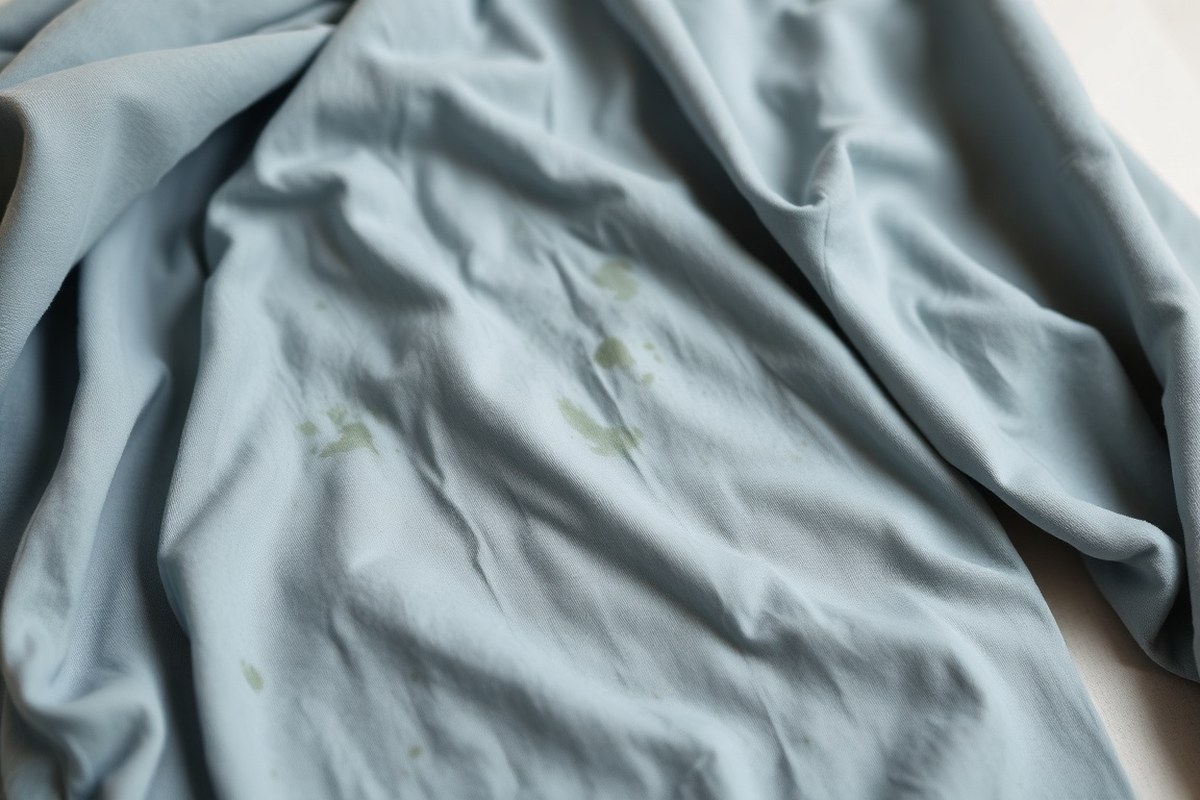
Mildew smell on clothes happens because tiny fungi, called mildew, grow in damp fabric. These fungi thrive in warm, moist conditions often created when clothes stay wet for too long without drying. A common scenario is leaving damp clothes or towels inside the washing machine, laundry basket, or gym bag for several hours or overnight, which gives mildew a chance to develop. The musty, sour aroma you notice comes from the fungi producing enzymes and odor-causing compounds as they break down organic matter in the fabric.
Clothes that don’t dry completely or are stored in poor airflow environments allow mildew to build up. Washing machines that don’t fully rinse soap or fabric softener residue can worsen the problem by trapping moisture and encouraging mildew growth. Excess detergent or fabric softener leaves behind films that block water and trap bacteria, increasing the musty smell even after washing.
Often, you can detect mildew by smell before any visible signs appear. The odor is a sharp, persistent mustiness, different from regular body odor or detergent scent. Dark-colored or thick fabrics may hide visible mildew longer, so if clothes smell off, give them a thorough check. Look for fuzzy spots or discoloration, white, gray, or greenish patches, from fungal growth. Mold, which is related to but different from mildew, may also cause similar smells and stains. It’s important to treat both the smell and any visible residue because mildew can penetrate deeper into fibers if left untreated.
If your workout clothes came home smelling particularly bad, it’s likely a mix of bacteria from sweat and mildew caused by being trapped wet in your gym bag. This combination makes the odor harder to remove and can leave a long-lasting smell. Regularly airing out your gym bag and thoroughly drying clothes after washing reduces the chance of mildew formation.
Taking quick action once you notice the odor is key. Mildew smell is a hygiene concern because bacteria and fungi continue to grow in untreated damp fabrics. Also, leaving clothes wet too long not only causes mildew but can lead to fabric damage over time.
Check your clothes regularly for that musty smell, especially if they’ve been stored damp, and don’t leave wet laundry sitting in places without airflow to prevent mildew from developing.
3. Safe and Effective Pre-Treatment Options for Mildewed Clothes
Pre-treating mildewed clothes with a soak before washing helps break down the mildew and neutralize the smell. Soaking with white vinegar, borax, or oxygen bleach are common methods, each safe for certain fabrics and effective for removing mildew odors. Soak times usually range from 30 minutes to an hour in warm or hot water to get the best results.
Using White Vinegar for Soaking
White vinegar is a natural option that kills most mold species on fabrics and reduces mildew odor without harsh chemicals. To prepare the soak, mix one part distilled white vinegar with four parts warm water in a bucket or basin. Submerge the affected clothes completely and let them soak for about 30 minutes before washing.
This method is safe for most washable fabrics, including cotton and synthetics, but avoid using vinegar on acetate, rayon, or silk as it can weaken those fibers. Vinegar is affordable and easy to find, costing roughly $1 to $3 per gallon from grocery stores.
Borax Solution Preparation and Benefits
Borax is a mineral-based laundry booster that neutralizes odors and helps remove mildew effectively. To make the soaking solution, dissolve ½ cup of borax in about 1 cup of hot water, then add this to a larger bucket filled with warm water enough to cover your clothes fully. Let the garments soak for at least an hour for stronger mildew smells.
Borax is safe for a wide range of fabrics except silk and wool, where it can cause damage. It also helps balance water pH to improve detergent performance. A box of borax typically costs around $5 to $7 and lasts for many uses.
- Use warm or hot water to help borax dissolve fully
- Do not exceed recommended amounts to avoid residue on fabrics
- Wear gloves if you have sensitive skin to prevent irritation
- Perform a patch test on delicate fabrics before soaking
- Rinse thoroughly before washing to remove borax traces
After soaking, wash clothes with detergent using the hottest water safe for the fabric to ensure mildew spores and odors are removed.
Oxygen Bleach Soak Instructions
Oxygen bleach is a color-safe alternative to chlorine bleach, effective for removing mildew stains and odors on many colored fabrics. To use, dissolve an oxygen bleach powder like sodium percarbonate into a bucket of hot water following the product instructions, usually about 1 scoop per gallon. Soak clothes for 30 minutes to an hour.
This solution is safe for most washable fabrics except silk, wool, and leather. Oxygen bleach works by releasing oxygen ions that break down mildew organic matter without harsh chemicals or discoloration risks. After soaking, wash the clothes normally with detergent.
Precautions for Delicate Fabrics
Delicate fabrics such as silk, wool, and rayon require special care to avoid damage from soaking solutions. Avoid borax and oxygen bleach on these fabrics, as they can cause fiber breakdown or discoloration. Vinegar diluted with water can be used for a short soak of 15 to 30 minutes, but a patch test on an inconspicuous area is best.
For delicate items, soak in cool water rather than warm or hot water to preserve fabric integrity. Use a mild detergent specifically formulated for delicates during washing. If mildew odor persists, consider professional cleaning services to avoid further damage.
4. Choosing the Right Washing Method and Additives for Mildew Smell
Using the right washing method and additives plays a major role in tackling mildew smell in clothes safely and effectively. Hot water is generally better for killing mildew spores, so washing your clothes at the highest temperature allowed by the fabric care label helps reduce the odor. Most mildew spores cannot survive temperatures above 130°F. However, always check the garment’s tag to avoid damage.
Regular detergent can remove dirt and some odors but often isn’t enough to eliminate strong mildew smells. Detergents with enzymes are more effective because the enzymes break down organic matter that causes odor, including mildew. Your detergent lacking enzymes? Add a laundry booster or a special odor-fighting additive to boost cleaning power.
Borax is a popular laundry additive to fight mildew odors. When dissolved in hot water, typically ½ cup of borax mixed with 1 to 2 cups of hot water, it forms a solution you add to your wash. Borax helps neutralize odors and boosts detergent effectiveness. Washing with borax is safe for most washable fabrics but avoid delicate materials. Vinegar is also effective, adding 1 to 2 cups to the wash can help deodorize mildew smells without harsh chemicals. Here is a table summarizing key washing method choices and additives for mildew smell removal:
| Washing Parameter | Recommended Option | Why It Matters | How to Apply |
|---|---|---|---|
| Water Temperature | Use hottest possible (generally 130°F or higher) | Kills mildew spores and prevents odor retention | Check fabric tag, set washer accordingly |
| Detergent | Enzyme-based detergent | Breaks down organic mildew odor compounds | Use as usual, follow instructions |
| Laundry Additive | Borax solution (½ cup borax + 1-2 cups hot water) | Neutralizes odors, boosts detergent action | Add borax solution to wash along with detergent |
| Laundry Additive | White vinegar (1-2 cups) | Deodorizes and breaks down mildew odor molecules | Add vinegar during wash cycle, along with detergent |
| Additional Tips | Wash clothes promptly, remove immediately after cycle | Prevents new mildew growth and odors | Do not leave clothes sitting wet in machine |
After pre-treating and washing with the right temperature and detergents, run a second wash cycle with your regular detergent to remove any remaining additive residues. Skipping temperature or detergent type can lead to lingering odors or mildew spores surviving. Garments that can’t handle hot water benefit from enzyme detergents, which help break down odors at lower temperatures. Using borax or vinegar adds disinfecting and deodorizing properties without heavy chemicals.
5. How Drying Methods Impact Mildew Smell Removal and Prevention
Sunlight is an effective natural agent for removing mildew smell from clothes because it has antimicrobial properties that can kill mildew spores. Hanging clothes outside on a sunny day allows ultraviolet (UV) rays to penetrate the fabric, reducing the fungal growth that causes odor. To use sun drying effectively, clip your clothes with clothespins to a line or rack in direct sunlight for several hours until they are completely dry. This straightforward step not only helps eliminate the smell but also prevents mildew from returning by keeping the fabric dry and exposed to fresh air.
When sun drying is not an option, machine drying provides a reliable alternative. Using a dryer on a high heat setting helps remove moisture quickly, which is important since mildew thrives in damp environments. Run the dryer until clothes are fully dry, checking that no damp spots remain. Be aware that some fabrics require lower heat settings to avoid damage, so always check care labels before choosing the dryer setting. A full drying cycle typically takes between 30 to 60 minutes depending on the dryer and load size.
Air drying indoors can work but requires careful attention to airflow and humidity. Hang clothes near a fan or open window to promote consistent circulation of air, which speeds up drying and reduces the chance of mildew growth. Avoid folding or stacking damp clothes as that traps moisture and encourages odors. If humidity levels inside are high, using a dehumidifier or placing clothes in a well-ventilated room can help prevent the smell from developing again. Allow clothes to dry completely before storing to eliminate any lingering moisture.
Proper drying is one of the most effective steps to prevent mildew smell from returning once clothes are clean. Avoid leaving wet laundry sitting in the washing machine or laundry basket for long periods, since stagnant moisture creates ideal conditions for mildew. After washing, transfer clothes promptly to sun, dryer, or air drying setup. Keeping the washing machine door open between uses also helps the machine dry out and reduces the chance of mold and mildew within the appliance.
Always ensure clothes are 100% dry before folding or storing to prevent mildew and unpleasant odors from coming back.
6. Cleaning and Maintaining Your Washing Machine to Stop Mildew Odors
Washing machines can develop mildew odors that transfer to clothes because moisture and detergent residue build up inside the drum, rubber gasket, and detergent drawer. Regular cleaning of these parts stops mold growth and keeps your laundry smelling fresh. Cleaning your machine every one to two months is usually enough to prevent mildew smells.
Inspecting and Cleaning the Drum
The drum can trap moisture and detergent residue where mildew thrives, causing clothes to smell musty. Checking the drum for visible grime or dark spots helps catch mildew early. Clean the drum by wiping it down and running a hot water cycle with cleaning agents to remove buildup.
To clean the drum, first remove any loose debris or lint. Wipe the interior with a cloth dampened with warm water and a mild detergent. After wiping, run a hot water wash cycle (at least 140°F) without clothes to rinse away residues and kill mildew spores. This extra cycle flushes out leftover dirt and odors that might not be removed during regular washes.
Cleaning Detergent Compartments and Seals
The detergent drawer and rubber gasket around the door are prone to moisture buildup, creating ideal conditions for mildew. Residue from detergent and fabric softener collect in the drawer and gasket crevices, causing persistent odors. Cleaning these parts regularly is key to preventing smell transfer to your laundry.
Remove the detergent drawer and soak it in hot water mixed with a bit of dish soap. Use an old toothbrush or small brush to scrub away residue from all compartments. For the rubber gasket, carefully pull back the seal and wipe the folds with a cloth soaked in a solution of one part water to one part mild detergent. Rinse with clear water and dry thoroughly with a towel to remove any trapped moisture. Make sure to dry these parts completely before reassembling to reduce the chance of mildew returning.
Running Cleaning Cycles with Vinegar or Bleach
Using vinegar or bleach in a cleaning cycle helps kill mildew spores and remove odors in the washing machine. However, use these substances carefully to avoid damage. Bleach is highly effective at disinfecting but requires a rinse cycle afterward to protect your machine and clothes. Vinegar can neutralize odors but may harm rubber seals and gaskets if used too frequently.
For a bleach cleaning cycle, add 1 cup of chlorine bleach to the detergent dispenser and run a hot water cycle with the machine empty. After this cycle, run an extra rinse cycle to remove bleach residue. Do this cleaning every one to two months to keep mildew at bay.
If you prefer vinegar, add 2 cups of white distilled vinegar to the drum and run a hot water cycle without clothes. Avoid mixing vinegar with bleach or other cleaners. Limit vinegar use to once every two months to minimize risk to machine parts. Always inspect your washing machine manual before using these cleaners, as some manufacturers advise against vinegar or bleach.
- Remove and inspect the drum, detergent drawer, and rubber gasket for visible mildew or residue.
- Wipe the drum inside with a cloth moistened with warm water and mild detergent.
- Take out the detergent drawer and soak it in hot, soapy water; scrub all compartments with a brush.
- Clean the rubber gasket folds with a detergent solution and rinse thoroughly.
- Dry the drawer and gasket completely before reinstalling.
- Run an empty hot water cycle with 1 cup of bleach or 2 cups of white vinegar (not both) added as a cleaner.
- Follow with an extra hot rinse cycle if bleach was used to remove any residue.
- Repeat this cleaning process every one to two months to keep mildew odors from returning.
7. Treating Mildew Smell on Delicate and Special Fabrics
Delicate fabrics like silk, wool, and some synthetics require special care to remove mildew smells without damaging the fibers. Using gentle methods such as hand washing with enzyme detergents and avoiding harsh chemicals protects the fabric while effectively reducing odors. Vinegar and oxygen bleach can work but must be used cautiously and in diluted forms to prevent harm.
Hand Washing with Enzyme Detergents
Hand washing is the safest way to treat mildew smell on delicate fabrics. Enzyme detergents break down mildew spores and dirt without aggressive agitation or high temperatures that can damage fibers. To wash by hand, fill a basin with cool or lukewarm water (around 80°F to 90°F), add a small amount of enzyme detergent according to label instructions, and gently submerge the garment. Soak it for 15 to 30 minutes, then lightly rub the fabric together to loosen odor-causing residue.
Rinse thoroughly with cool water to remove all detergent and odor traces. Press out excess water by rolling the garment in a clean towel instead of wringing, which can cause stretching or distortion. Dry the item flat or hang it away from direct sunlight if the fabric is heat sensitive or prone to fading.
Soaking Guidelines for Delicate Fabrics
Soaking can help release mildew smells but should be short and careful for delicates. Use lukewarm water and add a mild solution like one cup of white vinegar per gallon of water to break down odors and spores gently. Vinegar is less likely to damage fibers than strong bleach and can help balance pH in fabrics.
Do not soak for more than 30 minutes, especially with silk or wool, to avoid weakening the fibers. Avoid agitation during soaking to prevent felting or distortion of wool. After soaking, rinse the fabric thoroughly with cool water and air dry. Things to keep in mind:
- Always test vinegar solution on a hidden area first to check for colorfastness
- Do not use undiluted vinegar or soak for extended periods on silks or wools
- Use lukewarm water; hot water may shrink or damage fibers
- Limit soak time to 15, 30 minutes for silk and wool
- Rinse thoroughly to remove all vinegar smell
- Dry in shade or indoors to avoid sun damage on bright or dark delicates
- Use enzyme detergents after soaking for added odor removal if needed
Avoiding Harsh Chemicals and Bleach
Harsh chemicals and standard chlorine bleach can quickly weaken delicate fabrics, causing loss of strength, color fading, or texture changes. Oxygen bleach is a safer alternative but still requires caution. Even oxygen-based bleach should be diluted according to the label and tested on a small, inconspicuous area first.
For delicate fibers, skip machine washing with bleach altogether. Instead, stick to enzyme detergents, mild soaps, or diluted vinegar treatments. This avoids fabric damage and maintains the fabric’s softness and appearance while reducing mildew odor. Removing mildew smell from delicate clothes takes patience and gentle handling, but careful hand washing, short soaking with mild solutions, and avoiding harsh products keeps your clothes fresh without damage.
8. Best Practices for Preventing Mildew Smell in Clothes Long Term
Storing clothes properly is key to preventing mildew smells. Clothes should be completely dry before you put them away because mildew thrives in moisture. Avoid packing laundry in tight spaces or plastic bags where air can’t circulate. Instead, use breathable fabric storage bins or cotton garment bags to keep air flowing around your clothes. Closets and storage areas should be well ventilated and kept below 70% humidity to stay dry and mildew-free.
Maintaining laundry routines that minimize mildew risk involves washing clothes regularly and drying them promptly. Leaving wet or damp laundry in the washer for more than 8 hours increases mildew risk. Always dry clothes fully, ideally with a dryer set to at least 140°F for cotton fabrics. When air drying, hang clothes in a well-ventilated space and keep laundry racks from getting overcrowded to speed drying. Rewashing and drying gym or sweaty clothes immediately also helps prevent mildew buildup.
- Wash clothes at least once every 7 days to prevent sweat and moisture buildup
- Always ensure clothes are completely dry before storage
- Store clothes in fabric bins or ventilated areas, not plastic bags
- Use a dehumidifier or moisture absorber in closets if humidity rises above 60%
- Keep closet doors open periodically to air out the space
- Clean and dry laundry hampers regularly to avoid damp smells
Environmental controls greatly influence the freshness of stored clothes. Humidity levels above 60% favor mildew growth, so using a dehumidifier or moisture-absorbing packs in closets can keep humidity in check. Temperature also plays a role; cooler, dry environments reduce mildew risk. Storing clothes in basements or garages is best avoided; use a better-ventilated area or airtight containers with desiccants to keep moisture away.
Never store clothes that are even slightly damp; this small moisture can cause mildew to take hold quickly during storage.
Step-by-Step Action Plan to Eliminate Mildew Smell from Clothes
Follow these precise steps to clear mildew odors from your clothes and keep them fresh.
- Before washing: Inspect clothes for visible mildew spots and apply a pre-treatment like white vinegar or a specialized mildew remover. A faint vinegar smell fading after washing shows success.
- Day 1: Wash clothes in the hottest water safe for the fabric. Add laundry detergent plus a half cup of baking soda to neutralize odors. A clean, fresh scent after washing indicates progress.
- Immediately after washing: Dry clothes thoroughly in direct sunlight or a well-ventilated area. Clothes should feel completely dry and smell fresh to ensure mildew is defeated.
- Day 2: Clean your washing machine using a commercial cleaner or a vinegar and baking soda cycle to remove leftover mildew and odors. No musty smell from the machine means it’s ready for use.
- Within the first week: Check infrequently used items for mildew signs and repeat the washing and drying process if needed. Clothes free of musty odors mean you’ve cleared the mildew effectively.
- Ongoing: Store clothes in a dry, well-ventilated space and avoid leaving damp laundry in the machine or hampers. Consistently fresh-smelling clothes show your prevention methods are working.
Frequently Asked Questions
Can Mildew Smell Cause Health Problems?
Mildew smell can trigger allergies and respiratory issues. Removing the smell improves indoor air quality and comfort.
Does Freezing Clothes Help Remove Mildew Odor?
Yes, freezing can kill bacteria causing mildew smell. Place clothes in a sealed bag and freeze overnight for best results.
Can Baking Soda Alone Remove Mildew Smell from Clothes?
Baking soda helps neutralize odors but is less effective alone on mildew. Combine it with vinegar for better mildew odor removal.
Is It Okay to Use Bleach on All Mildewed Clothes?
Bleach works on whites and color-safe fabrics cautiously. Avoid bleach on delicate or dark clothing to prevent damage or discoloration.
How Long Can Mildew Smell Stay on Clothes If Untreated?
Mildew smell can last weeks or months without treatment. Prompt cleaning prevents odor from setting deeply into fabrics.
Does Leaving Clothes in a Hot Dryer Kill Mildew Odor?
Heat reduces mildew odor but might not kill all spores. Combine drying with vinegar wash for thorough mildew smell removal.
The Bottom Line
Eliminating mildew smell from clothes depends on prompt treatment, proper washing, and thorough drying. Taking these steps helps you restore freshness and prevent mildew from returning. Start by treating a small batch of affected clothes today to regain clean-smelling laundry quickly.