Do Clothes Shrink in the Dryer? 8 Key Facts and Prevention Tips
Yes, clothes do shrink in the dryer, especially natural fibers like cotton. Shrinkage usually happens due to heat, moisture, and mechanical action during drying. This information is useful for anyone wanting to keep their clothes fitting well or purposely shrink specific garments.
You will learn how different fabrics react to dryer heat, the role of temperature and time, and effective ways to prevent or reverse shrinkage. This knowledge helps protect your wardrobe and saves money by avoiding unwanted size changes.
Key Takeaways
- Cotton can shrink 3-5% after the first wash and dry, mainly if dried at temperatures above 90°F (32°C).
- New 100% cotton clothes may shrink roughly 20% if dried on high heat without precautions.
- Low agitation and checking halfway through the drying cycle help control shrinkage in cotton garments.
- Moisture combined with mechanical stress during tumbling contributes more to shrinking than heat alone.
- Skipping the dryer or using air drying reduces the risk of fabric shrinkage significantly.
- Soaking shrunken clothes in water and gently stretching them can help reverse some shrinkage.
Do Clothes Actually Shrink in the Dryer?

Clothes do shrink in the dryer, and it is the main cause of permanent shrinkage. The shrinkage happens because of a combination of factors working together: heat, moisture, and mechanical stress from tumbling. When clothes go through a drying cycle, the high temperatures cause the fibers to contract. This contraction leads to a tighter weave, making the garment smaller than before.
Besides heat, the tumbling action in the dryer plays a significant role. As clothes tumble, the fibers stretch and then contract repeatedly, intensifying the shrinkage process. This mechanical stress is especially effective at reducing the size of fabrics like cotton, which respond well to both heat and movement. On average, clothes can shrink about 3 to 5 percent in one drying cycle, though this varies widely depending on the fabric type, garment construction, and drying time.
Some might assume hot water in the washer is mainly responsible for shrinking clothes, but the dryer actually causes more permanent shrinkage. While clothes can shrink in the washer due to heat and agitation, this tends to be temporary or less noticeable because fibers remain wet and relaxed. In contrast, the dry heat environment of the dryer locks in the shrinkage by setting those fibers in their shorter form.
Several things change how much a piece of clothing shrinks in the dryer. The fabric is the biggest factor, natural fibers such as cotton and wool shrink more than synthetics like polyester. The initial size and weave of the garment also matter; loosely woven garments have more room to shrink. The dryer’s heat setting and cycle length affect shrinkage too. High heat speeds up fiber contraction, causing more shrinkage. Longer drying times increase exposure to heat and mechanical stress, which can lead to excessive shrinkage or damage.
To control shrinkage, you can dry clothes on lower heat settings or remove them while still slightly damp. Over-drying not only shrinks fabrics further but can also cause wear and stiffness. Some people use drying as a method to shrink cotton deliberately, since just using a dryer is an effective way to achieve this. However, the exact amount of shrinkage depends on the interaction of heat, moisture, and tumbling, so results will vary with different clothes and dryers.
How Different Fabrics Respond to Dryer Heat and Tumbling
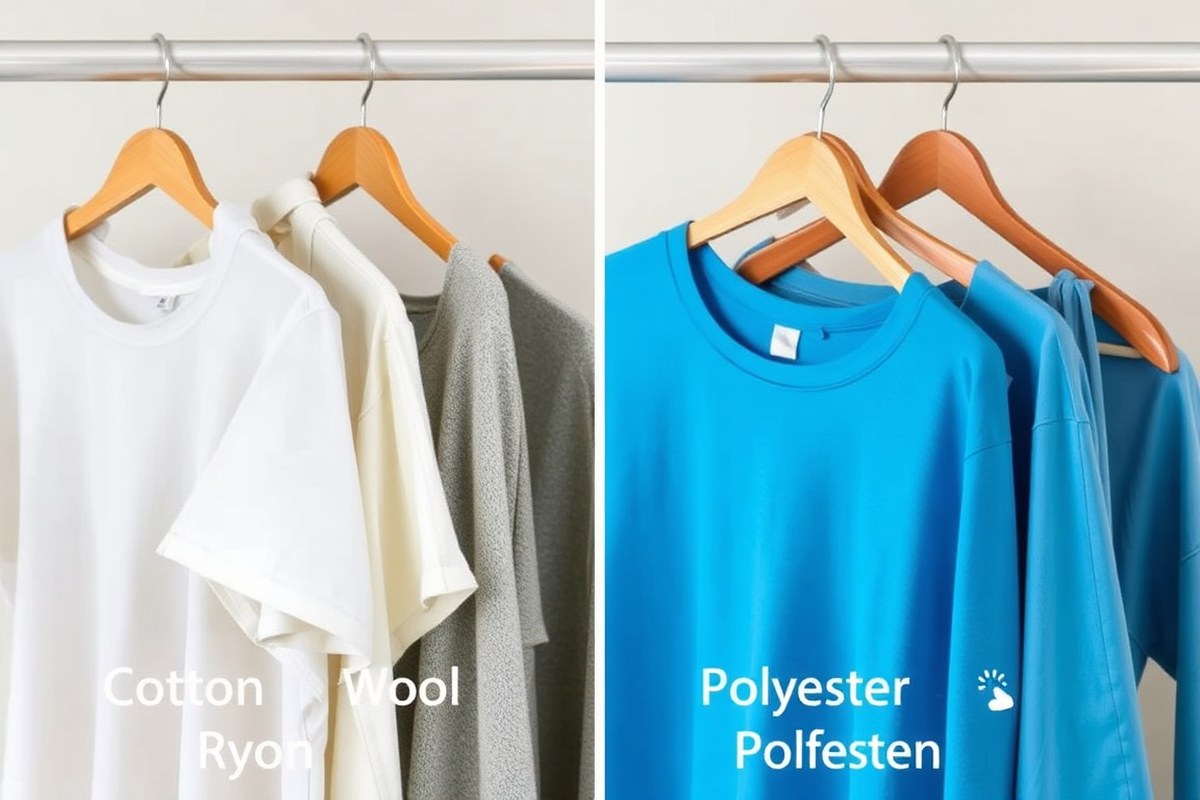
Different fabrics shrink at different rates when exposed to the heat and tumbling action of a dryer. Natural fibers like cotton and wool tend to shrink more because their fibers contract when heated and wetted, causing the fabric to draw in. Synthetic fabrics such as polyester generally resist shrinking due to their more stable fiber structure. Fabric blends can vary depending on the ratio and type of fibers involved, which affects how much they shrink in the dryer.
Fabric weave and construction also influence shrinkage. Tightly woven fabrics shrink less because the fibers have less room to move closer together, while loosely woven fabrics have more flexibility to contract under heat and moisture. This means cotton denim may shrink less than a loosely woven cotton shirt even if they are made from the same fiber.
| Fabric Type | Expected Shrinkage | Care Instructions |
|---|---|---|
| Cotton | 3, 10% | Wash in cold water, dry on low heat |
| Wool | Up to 5, 30% | Wash in cold water, dry flat; avoid dryer heat |
| Polyester | 1, 2% | Wash in warm water, dry on medium heat |
| Linen | 3, 5% | Wash in cold water, dry on low heat |
| Rayon | 10, 15% | Best to air dry or use steam; avoid high dryer heat |
| Cotton-Rayon Blends | Variable, up to 10% | Safe to dry, but use low heat |
Synthetic fabrics like polyester shrink less than natural fibers because their polymers are thermoplastic and maintain shape under moderate heat. Rayon and wool are more sensitive: wool can shrink severely if dried on high heat because its scales lock together during tumbling. Rayon may shrink 10, 15%, especially if exposed to high temperatures. While rayon can be put in the dryer occasionally, it’s safer to air dry or use steam to avoid serious shrinking.
For blended fabrics, the shrinkage depends on the dominant fiber. A cotton-rayon blend will react more like cotton but can handle dryer heat better if kept on low settings. The fabric weave affects how much room the fibers have to contract, so stretchy knits may shrink less than loosely woven shirts made of the same fiber content.
Tip: Use low or medium heat cycles and remove clothes promptly to limit shrinkage and preserve fabric quality.
Temperature and Time: How Dryer Settings Affect Shrinkage
The temperature setting and drying duration heavily influence how much clothes shrink in the dryer. High heat speeds up shrinkage, especially for fabrics like cotton, while longer drying times allow more time for fibers to contract. Careful selection of low to medium heat and limiting drying times reduces the risk of shrinking your garments.
Critical Dryer Temperatures for Shrinkage
Cotton fabrics tend to start shrinking once dried above 90°F (32°C). High heat dryer settings, such as “High” or “Heavy Duty,” can cause noticeable shrinkage, sometimes reaching 20% on new cotton items. Synthetic materials usually withstand higher heat without shrinking, whereas natural fibers like cotton and wool require more care.
Setting your dryer to “Low” or “Air Fluff” keeps temperatures generally below the shrinkage threshold. This careful temperature control helps preserve garment size and fabric integrity over time.
Dryer Settings That Minimize Shrinkage Risk
Using dryer settings designed for delicate or permanent press cycles can substantially reduce shrinkage. These settings combine lower temperatures with gentler tumbling. Here’s how different settings affect your clothes:
- Low Heat/Delicate: Maintains temperatures below 90°F, ideal for preventing shrinkage in cotton and wool.
- Medium Heat/Permanent Press: Slightly warmer but shorter cycles; suitable for blended fabrics without excess shrinkage.
- High Heat/Heavy Duty: Often reaches temperatures above 130°F, risking significant shrinkage, especially on natural fibers.
- Air Fluff/No Heat: Avoids heat exposure but may require longer drying time, reducing shrinkage but increasing drying duration.
Choose a cycle that prioritizes temperature control and an appropriate drying time for each fabric type to protect your clothes better.
Impact of Drying Duration on Shrinkage
Longer drying times give heat more time to break down fabric fibers and tighten the weave, causing more shrinkage. Even at moderate temperatures, extending drying cycles beyond what is needed can lead to smaller garment size.
For best results, use the shortest drying time that fully dries your clothes. Removing clothes while slightly damp and air drying the rest of the way can also limit shrinkage.
How to Adjust Settings Based on Fabric and Garment Condition
Heavier fabrics or tightly woven cottons shrink less than lightweight or loosely woven ones but still respond to heat and time. Older clothes tend to have less shrinkage because previous drying cycles have already tightened fibers. Brand new garments, especially 100% cotton, are most prone to shrinking in high heat over long cycles.
Owners of wool or delicate materials should choose the lowest heat setting and shortest drying cycle to protect the fabric. Cotton blends tolerate more heat but still benefit from reduced temperature and drying time.
Steps to Set Your Dryer to Minimize Shrinkage
- Check the care label for recommended drying temperatures and cycle types.
- Select the lowest heat setting that can dry the fabric without leaving it damp.
- Set a shorter drying time or use moisture sensors if your dryer has them.
- Remove garments promptly when the cycle ends to prevent overdrying.
- Consider drying sensitive items in small loads for better air circulation.
- Use wool dryer balls to reduce drying time and minimize tumbling friction.
- When uncertain about fabric care, air drying or using a drying rack offers a safer option than machine drying.
Following these steps helps balance drying efficiency with preserving garment size and quality over time.
The Role of Moisture and Mechanical Stress in Shrinkage
Moisture plays a key role in fabric shrinkage by allowing fibers to swell and become malleable. When clothes exit the washer, they retain moisture that softens fibers such as cotton and wool. In the dryer, heat causes this moisture to evaporate, but as the fibers lose water, they contract and pull closer together. This contraction shrinks the fabric, especially under the combined influence of heat and movement. Typically, drying cycles running between 120°F and 140°F accelerate this process, making heat and moisture the primary causes of shrinkage during drying.
The mechanical action of tumbling in the dryer also contributes significantly to shrinking fabrics. As the drum spins, clothes tumble over each other, causing constant friction and pressure on the fibers. This mechanical stress can break or tangle fibers, especially those already weakened by moisture, leading to permanent changes in fabric structure and size. For example, a heavy load or an overpacked dryer increases this tumbling effect, raising the risk of shrinkage. Some fabrics, like knit cotton, are particularly vulnerable to mechanical shrinkage because their loops can tighten under agitation.
Drying clothes flat versus hanging can also influence shrinkage. Hanging wet garments puts weight on the fabric, which can stretch certain areas but also cause uneven shrinkage as parts dry and contract differently. Avoiding hang-drying heavy or wet items reduces such distortion. Instead, placing them flat on a drying rack helps the fabric retain shape and shrink more uniformly. Flat drying is especially useful for delicate fabrics or garments prone to stretching and shrinking from gravity’s pull. Using a dryer to tumble can evenly distribute heat and movement, reducing the uneven shrinkage caused by hanging, but it must be done on proper heat settings with moderate loads.
The cycles in both washer and dryer add mechanical and moisture-related stress that impacts shrinkage. Washers with high spin speeds can pull and tug on fibers, starting the shrinkage process before clothes even hit the dryer. Following that, the dryer’s heat combines with tumbling to finalize the shrinkage by locking fibers into a tighter formation. Minimizing shrinkage involves controlling moisture levels by using dryer settings that allow gradual drying and limiting tumbling intensity through smaller loads. You can also separate heavier fabrics from lightweight ones to prevent excessive mechanical action on the more delicate items.
Avoiding fabric softeners and dryer sheets can help since residues left on clothes might weaken fibers and cause additional shrinkage over time. While fabric softeners make clothes feel smoother, they sometimes reduce fiber strength, making them more prone to shrinking under heat and motion. Choosing drying methods and settings tailored to fabric type and moisture content prevents unnecessary mechanical stress. For instance, using a low-heat or air-dry cycle preserves moisture balance and fiber integrity, limiting shrinkage caused by both moisture loss and tumbling friction.
How to Prevent Clothes from Shrinking in the Dryer
Preventing clothes from shrinking in the dryer starts with reading the care labels on each garment. These labels tell you the safest drying temperature and method for the fabric. Using the correct dryer settings can reduce the risk of shrinkage significantly. For example, cotton and linen are prone to shrinking when dried at high heat, so choosing a low-heat or air-dry setting works best to keep them their original size.
Air drying is a highly effective alternative to using the dryer, especially for delicate fabrics or clothes labeled “dry flat” or “hang to dry.” Hanging or laying clothes flat to dry avoids heat exposure altogether, preventing fiber contraction. While air drying takes more time, it costs nothing extra and preserves the shape and size of your clothes much better than machine drying.
Common mistakes that lead to excessive shrinkage include over-drying clothes, ignoring care labels, and using high heat settings regardless of fabric type. Over-drying removes too much moisture, causing fibers to tighten and shrink. Also, piling a full load into the dryer reduces airflow and can trap heat, encouraging shrinkage.
- Set your dryer to low heat or “fluff” cycle for cotton, linen, and blends
- Remove clothes promptly when slightly damp to avoid over-drying
- Use fabric softeners or dryer sheets to reduce static and fiber damage
- Separate heavy and light fabrics to dry separately or adjust drying time
- Consider air drying or using a drying rack for delicate or shrink-prone items
- Do not expose clothes to direct sunlight for prolonged periods as heat can shrink fabrics
- Check and follow garment care labels on every load
Pull clothes out of the dryer before the cycle finishes if they feel slightly damp to avoid unnecessary shrinking.
Using a professional laundry service with controlled washing and drying temperatures can also extend the life of clothes by preventing shrinkage. In the home dryer, paying close attention to the fabric type and drying duration can help you keep your clothes fitting well and looking their best for longer.
Step-by-Step Guide to Unshrinking Clothes at Home
Unshrinking clothes at home is possible with gentle care and the right supplies. Using warm water and a fabric conditioner or baby shampoo can relax the fibers. Then, carefully stretching and drying your garment flat helps it regain its original size without damaging the fabric.
Preparing Your Unshrinking Solution
Start by gathering the supplies you’ll need: mild fabric conditioner or baby shampoo, a clean basin or sink, lukewarm water, and two large towels. The fabric conditioner or baby shampoo softens the fibers, making them easier to stretch. Lukewarm water, generally around 90°F (32°C), is ideal because too hot or cold water may shrink or stress the fabric even more.
Using a plastic basin or sink allows you to soak the garment fully without stretching it prematurely. This preparation stage is essential to prevent further shrinkage and to gently loosen the fibers for reshaping.
Soaking and Stretching Techniques
After preparing the soaking solution, submerge your shrunken garment and let it sit for about 20 to 30 minutes. This waiting period ensures fibers absorb moisture and relax. Gently squeeze out excess water without wringing, which could distort the fabric.
Lay the damp garment on a flat, clean towel and roll it up to remove more moisture. Once damp (not wet), stretch the garment back to its original shape and size. Focus on areas that shrank the most by stretching slowly and evenly. Pinning the garment in place on a towel or blocking it helps hold the shape as it dries.
Drying Methods to Maintain Reshaped Size
Drying is a critical step to keep your garment’s reshaped size. Avoid using a dryer, as the heat can cause the fabric to shrink again. Instead, lay your garment flat on a new, dry towel in an airy place away from direct heat or sunlight. This allows it to dry evenly while holding its new size.
For better shape retention, you can flip the garment over every few hours and gently reshape it again if needed. Depending on thickness, drying can take from a few hours to over 24 hours, so patience is necessary to ensure good results. Follow these steps carefully to unshrink your clothes:
- Fill a basin with lukewarm water and add 1 to 2 tablespoons of mild fabric conditioner or baby shampoo.
- Submerge the shrunken garment fully and soak for 20 to 30 minutes to relax fibers.
- Gently squeeze out excess water without twisting or wringing.
- Lay the garment flat on a clean towel and roll it up to absorb additional moisture.
- Carefully stretch the garment to its original size and shape, focusing on shrunken areas.
- Pin or block the garment on a flat surface to maintain the stretched shape.
- Allow the garment to air dry flat away from direct sunlight or heat sources, flipping occasionally.
- Check the fit after drying and repeat stretching if needed before completely dry.
How the Age and Condition of Clothes Affect Shrinkage
New clothes tend to shrink more than older ones because their fibers have not yet relaxed from the manufacturing and finishing processes. When garments are freshly made, the fabric often contains tension from being stretched, dyed, or pressed. Washing and drying can release this tension, causing the garment to shrink. After several washes and dries, the fabric stabilizes, so shrinkage normally slows and becomes less noticeable over time.
Fabric treatments that pre-shrink clothes before sale can reduce the risk of shrinkage later. Manufacturers might use techniques like heat setting or chemical treatments to relax fibers during production. These steps take time and increase costs, which might add a few dollars to the garment’s price. However, treated garments usually keep their size better through normal washing and drying cycles, especially when you follow recommended care instructions closely.
Pre-shrunk labeling often appears on cotton and cotton-blend clothing. You can recognize these items by wording such as “pre-shrunk” or “sanforized.” Despite this, some mild shrinkage may still happen with heat and tumbling, especially if drying at high temperatures over extended periods. To keep shrinkage minimal, use lower dryer settings and shorter drying times on these garments.
Older clothes show less shrinkage partly because their fibers are already relaxed. With repeated washing, natural fibers like cotton absorb water, swell, and then dry, allowing the fabric to adjust gradually. This can cause minor changes during early washes but more stable dimensions afterward. Garments that have been washed primarily in cold water tend to maintain size better since cold water reduces fiber swelling compared to hot water.
The condition of clothes matters, too. Worn or stretched items may not shrink evenly or could even stretch out further in the dryer due to weakened fibers. Dryers subject clothing to heat and tumbling motion that applies mechanical stress; older fabrics with wear can react differently than newer, sturdier ones. If you want to preserve the fit of older clothes, air drying is often safer, especially those with visible wear or delicate fabric.
Pre-shrinking your own clothes at home is possible but requires caution. Washing new garments separately in warm water and drying on a low to medium heat setting can promote gradual fiber relaxation. Do this only once or twice to avoid exposing clothes to excessive heat repeatedly, which might damage textiles. Avoid high temperatures initially to reduce risks of excessive shrinking or fabric damage. This gentle approach helps set fabric size closer to its expected fit before regular use.
Shoppers can ask retailers about pre-shrinking treatments if garment size retention is a concern. Some brands specialize in shrink-resistant fabrics or offer guarantees on size stability. Knowing the fabric content and manufacturing processes behind your clothes helps you decide how much shrinkage risk to expect. Cotton-heavy clothes without pre-shrinking treatments will shrink the most if dried on high heat soon after purchase. Conversely, blended fabrics like polyester-cotton blends tend to resist shrinking better over the garment’s life span.
When to Trust Care Labels and When to Seek Professional Help
Care labels provide essential instructions about the fabric and drying methods that affect shrinkage risk. You should trust care labels to guide dryer settings and drying times, but when shrinkage is severe or the garment is delicate, consulting a professional cleaner or tailor may be necessary.
Understanding Common Care Symbols
Care labels use symbols to show how to wash, dry, and iron garments properly. The drying section often includes a square with a circle inside, indicating the recommended dryer setting. Look for these common symbols:
- A plain circle in a square means tumble drying is allowed without restrictions.
- A circle with one dot suggests tumble drying on low heat (typically around 125°F or lower).
- A circle with two dots means tumble dry at medium heat (between 125°F and 135°F), a balance between drying speed and shrinkage risk.
- A crossed-out circle means do not tumble dry, which preserves fabric size but requires air drying.
- A line under the dryer symbol means use a gentle or delicate cycle, lowering mechanical stress that contributes to shrinking.
Pay close attention to instructions for cotton and natural fibers, which are most prone to shrinking. Labels might note if the cotton is pre-shrunk, in which case it will resist much of the shrinkage during drying, reducing your risk.
Limitations of Home Care for Shrunk Clothes
Even following care label instructions, some shrinkage may occur if the fabric is new, untreated, or made from loosely woven fibers. Home methods to unshrink clothes can help in many cases but have limits.
For example, gently stretching damp clothes or using cold water washes can regain some size, but permanently changed fibers may not return fully to their original dimensions. You’ll notice most improvements happen immediately after washing, before drying.
Repeated attempts to fix shrinkage at home might damage the garment by warping the fabric or stressing seams. Overheating or mechanical agitation beyond label recommendations often worsens shrinkage or causes other problems like pilling and fading.
Situations That Require Professional Cleaning
Shrinkage issues beyond mild size loss usually benefit from professional handling. Dry cleaners and specialty laundry services have experience with delicate fibers, structured garments, and fabrics labeled “dry clean only.” Professional care can:
- Use specialized solvents instead of water or heat.
- Reshape garments while damp using controlled pressing equipment.
- Apply fabric conditioners that relax fibers gently, reducing shrinkage.
- Restore or replace parts like linings or padding affected by shrinkage.
- Offer tailored adjustments to improve fit after shrinkage.
Costs vary by region and fabric type but expect $10 to $30 per item for basic treatments. Tailoring work may cost more depending on complexity.
Always disclose any home treatments you’ve tried to your professional cleaner to avoid unintended damage during their process.
Step-by-Step Action Plan to Manage Shrinkage in Your Dryer
Use this plan to keep your clothes fitting well and avoid unwanted shrinkage starting with your next laundry load.
- Before washing: Check fabric type and care labels to pick the safest wash and dry settings.
- Start laundry day: Use cold water washing to reduce heat exposure and shrinkage risk.
- Right before drying: Select a low heat or air-dry setting on your dryer to limit fabric stress.
- During drying: Remove clothes promptly once dry or slightly damp to avoid over-drying.
- After drying: Stretch or reshape garments gently if you notice any tightness or shrinking.
- Weekly check: Inspect older or delicate items to adjust care based on how they respond to drying.
- Monthly routine: Treat any shrunken cotton or wool items with water and gentle stretching techniques to regain size.
Frequently Asked Questions
Will 70% Cotton Shrink When I Put It in the Dryer?
Yes, 70% cotton can shrink in the dryer, though less than 100% cotton. Blends shrink less because synthetic fibers resist heat and moisture better.
What Temperature Shrinks Clothes?
Clothes generally begin to shrink when exposed to dryer temperatures exceeding 90°F (32°C). Lowering heat settings can reduce how much they shrink.
Will Shrunken Clothes Unshrink?
Shrunken clothes can often be partially unshrunk by soaking in water and gently stretching them. This works best soon after shrinking occurs.
Does Cotton Always Shrink?
Cotton usually shrinks, especially when new and exposed to heat and moisture. Older, pre-washed cotton shrinks less.
Can Drying Clothes on Low Heat Prevent Shrinkage?
Drying on low heat reduces shrinkage but may increase drying time and crease risk.
Is Air Drying Better Than Machine Drying to Avoid Shrinkage?
Air drying usually prevents shrinkage more effectively than machine drying, especially for delicate fabrics.
Key Points to Remember
Clothes can shrink in the dryer mainly due to heat and tumbling, but careful settings and handling reduce this risk significantly. Focus on adjusting your dryer temperature and removing clothes promptly to protect their shape. For your next load, try drying delicate fabrics on a low heat or air-only cycle and see the difference it makes in maintaining their size and comfort.