How Hot Does a Clothes Dryer Get? Exact Temps, Risks & Tips
How hot does a clothes dryer get? Most home dryers heat between 120°F and 160°F depending on the setting, with high heat reaching up to about 175°F. Temperatures above 160°F are generally too hot and can damage fabrics or cause safety risks. Understanding your dryer’s temperature ranges helps you protect clothes and prevent hazards.
This overview is for homeowners and renters who want to use their dryers safely and effectively. Knowing the temperatures on different settings, signs of overheating, and when to adjust cycles can improve drying results and extend appliance life.
Key Takeaways
- High heat settings typically operate between 140°F and 170°F for heavy fabrics and sanitizing laundry.
- Delicate cycles usually maintain temperatures between 90°F and 110°F to avoid fabric damage.
- A dryer vent can reach temperatures up to 200°F, necessitating regular cleaning to prevent fire risks.
- To kill bed bugs, expose clothes to at least 120°F for 30 minutes inside the dryer.
- Persistent hot spots or burning smells indicate your dryer may be overheating and need professional inspection.
- Permanent press settings hold around 135°F, effectively drying most everyday clothes without excess heat.
How Hot Does a Clothes Dryer Get on Each Heat Setting?
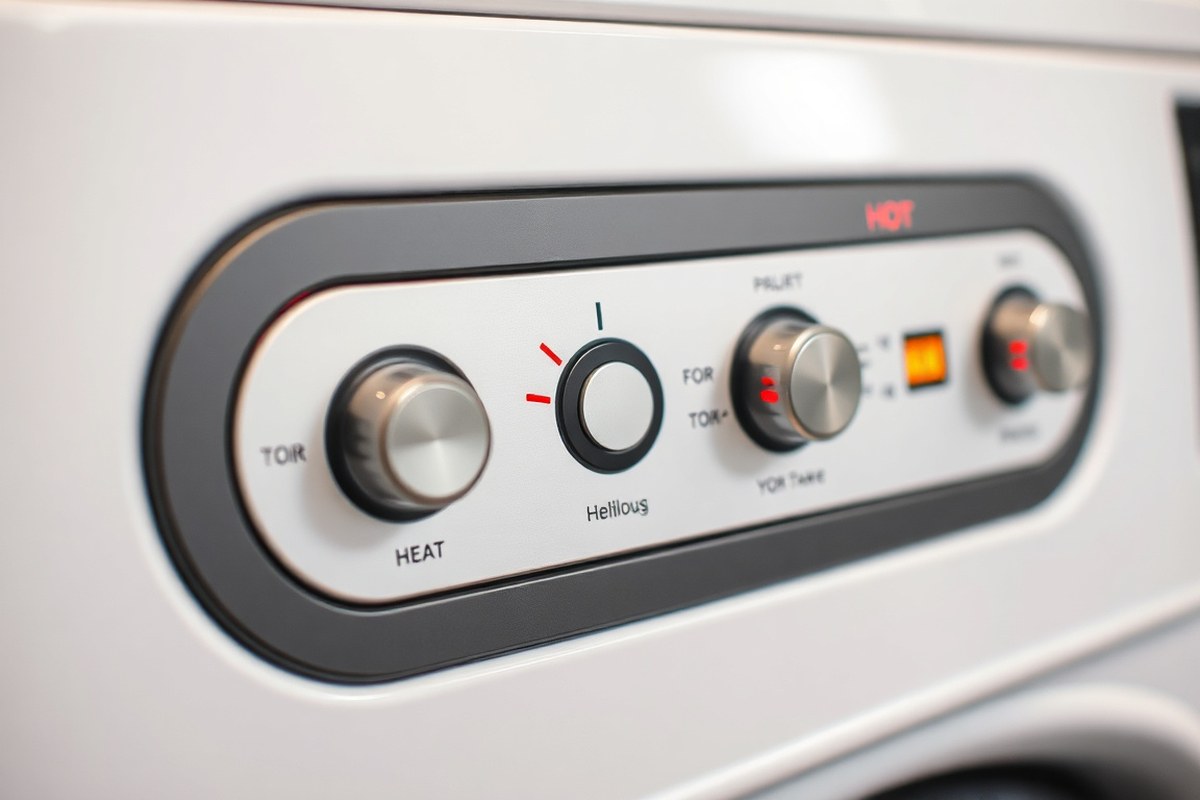
Typical clothes dryer temperatures vary by heat setting to balance effective drying with fabric care. Low heat usually runs between 125°F and 135°F, suitable for delicate items like silk or lace that are prone to shrinking or damage. Medium heat operates around 135°F to 145°F, targeting permanent press fabrics and blends that need careful wrinkle prevention. High heat ranges from about 145°F to 170°F and works best for sturdy fabrics such as cotton towels, denim, and bedding, enabling faster drying.
These temperature settings influence drying performance by adjusting both drying time and fabric safety. Low heat settings extend drying times but minimize heat damage risks. Medium heat shortens drying time while lightly protecting garments that tolerate some warmth. High heat offers the quickest drying but carries a higher chance of shrinking or fading if used on improper fabrics. It’s important to follow garment care labels to apply the right heat level consistent with fabric types.
| Heat Setting | Estimated Temperature Range (°F) | Best Used For |
|---|---|---|
| Low Heat | 125°F, 135°F (52°C, 57°C) | Delicates, synthetics, lace |
| Medium Heat | 135°F, 145°F (57°C, 63°C) | Permanent press, blends |
| High Heat | 145°F, 170°F (63°C, 77°C) | Cotton towels, jeans, bedding |
Common dryer cycles correspond closely to these temperature ranges. For example, the delicate cycle maintains close to 125°F to avoid fabric damage. A permanent press cycle uses around 135°F to reduce wrinkles on mixed fabrics. The normal or sanitize cycle runs hotter, often between 140°F and 170°F, helping thoroughly dry thick cotton fabrics or sanitize items by killing bacteria with heat.
Choosing the appropriate heat setting also depends on load size and fabric mix. Smaller loads of delicate items benefit from low heat to preserve condition, while bulky cotton towels dry most efficiently on high heat. Trying to dry delicates on high heat risks shrinkage or fabric wear, whereas using low heat for thick cottons slows drying significantly and wastes energy.
Understanding these temperature ranges helps you select dryer settings that protect your clothes and improve efficiency. It’s wise to adjust settings according to fabric care instructions and to be mindful that dryer models and vent conditions can cause temperature variations within these typical ranges.
What Factors Influence the Actual Dryer Temperature During Cycles?
Dryer type plays a major role in the actual temperature your clothes experience during a cycle. Electric dryers use heating coils and typically reach internal temperatures between 135°F and 175°F on high heat. Gas dryers operate with a gas burner, which can push the temperature slightly higher, ranging from about 150°F to 175°F. Because gas dryers use a combustion process, the air output near the vent can even reach up to 200°F. Knowing your dryer’s heat source helps you understand why your clothes might dry faster or feel hotter depending on the model.
Load size directly affects the internal temperature because a heavier load requires more heat and airflow to evenly dry all items. Small loads heat up quickly and can maintain higher air temperatures throughout the drum, often drying clothes faster. Larger loads spread out the heat and moisture, causing lower average temperatures inside the dryer. A full load can take longer to dry because the air needs to circulate more, and the moisture removal process cools the air moving through the clothes. To maintain consistent drying temperatures, avoid overloading the dryer or drying only one or two items at a time.
Good airflow and clean dryer vents are key to managing your dryer’s temperature. The vent moves hot, moist air away from the drum, stopping too much heat from building up and keeping everything balanced. If lint or debris blocks the vent, airflow drops, causing heat to get trapped inside, which could damage your clothes or the dryer itself. Indicators of vent problems include clothes taking more time to dry, strange burning smells, lint gathering around the dryer, and garments feeling hotter post-drying. Make sure to clean the lint trap before each load and inspect the vent for lint buildup every few months. For longer or more complex vent systems, consider having a professional clean it every one to two years to maintain airflow and safe temperatures.
Never ignore a clogged vent; it can raise your dryer’s temperature dangerously and increase fire risk.
Cycle selection also affects dryer temperature. Most dryers adjust heat and drying time based on the chosen cycle to protect fabrics. Timed dry cycles typically apply heat continuously at the selected setting, which can lead to higher temperatures. Sensor or automatic cycles use moisture sensors to regulate heat, often reducing overall temperature and drying time by stopping the cycle when clothes reach the desired dryness. Choosing the right cycle for the fabric type and load size helps prevent overheating and prolongs garment life.
What Temperature Inside the Dryer Is Needed to Sanitize Clothes?
To effectively sanitize clothes and kill most germs, bacteria, and even bed bugs, your dryer needs to reach and maintain a temperature of at least 120°F for a minimum of 30 minutes. Bed bugs, in particular, are known to die when exposed to this heat level for that duration. For germs and bacteria that tolerate heat better, temperatures closer to 145°F are more effective, with about 30 minutes of exposure required. Most household dryers on the high heat or sanitize setting can achieve temperatures between 140°F and 170°F, which is suitable for sanitizing items like heavy towels, bedding, and work clothes.
The time factor is as important as the temperature. A quick cycle that reaches high heat but runs for less than 30 minutes may not effectively sanitize your clothes. Conversely, extended drying at moderate heat below 120°F will unlikely kill bed bugs or tougher bacteria. The sanitize or high heat setting is designed to produce the steady temperatures and air circulation necessary for this process. It typically heats the drum to at least 140°F, maintaining those levels long enough during the cycle to reduce microbial contamination.
For best results, use the dryer’s sanitize or highest heat setting and run the cycle for at least 30 minutes. Avoid mixing delicate fabrics that might get damaged by this heat. Heavy cotton or polyester blends handle the high temperatures better and let the heat penetrate deeply. Monitoring your dryer’s actual temperature can be done by placing an oven thermometer inside the drum (without clothes) during a running cycle, although actual temperatures may vary slightly based on the dryer model and airflow.
Washing clothes in hot water before drying helps kill most germs early in the cleaning process. However, some stubborn germs that survive washing are tackled during the drying phase with these higher heat settings. Dryers rarely exceed temperatures above 170°F, as excessive heat risks damaging fabric and the machine itself. A worn or missing door seal can cause heat loss, preventing the dryer from sustaining temperatures needed for effective sanitation.
Using the permanent press setting or moderate heat cycles will likely fall short of sanitizing since these typically do not reach or maintain the required temperature threshold for sufficient time. If sanitation is a priority, say for bedding after illness or clothes exposed to bed bugs, stick to the high heat or sanitize cycle. This approach balances efficiency with the safety of your fabrics. Clothes that remain dry, warm, and exposed to air at these temperatures for the recommended time offer the best chance to reduce bacteria and eliminate pests without causing unnecessary wear.
Signs Your Dryer Is Overheating and How to Prevent It
Excessive heat in a clothes dryer can cause both safety hazards and damage to your garments. Physical signs include burn marks or scorched spots on clothes, and clothes that feel unusually hot when you remove them. The dryer’s exterior may become excessively warm to the touch, and you might notice a burning smell during operation. These symptoms suggest the dryer is running hotter than it should, which risks damaging fabrics and creating a potential fire hazard.
Overheating can also strain the dryer’s internal parts, leading to reduced efficiency and costly repairs. High temperatures can trigger the dryer’s high-limit thermostat, a safety feature designed to cut off heat if the unit surpasses safe levels. Frequent activation of this thermostat indicates a consistent overheating issue, often caused by blocked vents, defective heating elements, or problems with sensors.
Preventing dryer overheating starts with regular maintenance. Keeping the dryer vent clean ensures proper airflow, which is essential for temperature control. Clogged lint filters or vents force the dryer to work harder, increasing heat buildup. You should clean the lint screen after every drying cycle and inspect the vent system every few months. Inspect heat sensors periodically to confirm they function correctly. Avoid overloading the dryer, which can prevent clothes from drying evenly and cause the machine to overheat.
- Regularly inspect and remove lint from the filter after every laundry cycle to maintain dryer efficiency.
- Inspect and clear dryer vents every 3 to 6 months
- Avoid overloading the dryer to allow proper airflow
- Look for scorch marks or a burning smell
- Test if the dryer exterior feels unusually hot during use
- Replace faulty thermostats or heating elements promptly
- Ensure the dryer’s exhaust vent directs air safely outside
Pay attention to how your dryer performs and responds. Detecting warning signs calls for prompt troubleshooting or arranging professional maintenance to prevent further damage. Ignoring overheating can lead to permanent fabric damage and fire risks. Routine upkeep and immediate attention to problems help keep your dryer operating safely and extend the life of your clothes and appliance.
How Hot Does the Dryer Vent Get and Why Is It Important?
Dryer vents typically reach temperatures between 120°F and 160°F during normal operation, with possible peaks up to 200°F. Maintaining proper airflow through the vent is important to prevent overheating inside the dryer and reduce fire risks. Blocked or crushed vents restrict hot air escape, causing heat to build up and potentially damage the dryer or household safety.
Normal Vent Temperatures and Ranges
The air exiting a properly functioning dryer vent usually registers between 120°F and 160°F (49°C to 71°C). Peak temperatures can hit about 200°F (93°C) briefly, depending on the dryer’s heat setting and cycle phase. These temperatures are hot enough to evaporate moisture in clothes but controlled to avoid damage to fabrics or dryer components.
Knowing this typical range helps you detect when the vent is hotter than usual, which could indicate airflow problems or blocked ducts. Unlike internal dryer temperatures, often much higher, the vent temperature is a measure of exhaust air, which needs to stay within this safe range for effective drying and safety.
Effects of Vent Blockages on Heat Buildup
Blocked, crushed, or kinked dryer vents severely reduce airflow. This restriction traps hot air inside the dryer, raising internal temperatures beyond safe levels. Overheating can damage clothing, shorten dryer lifespan, and increase fire risk due to accumulated lint and heat buildup.
Heat trapped by a blockage can also raise vent temperature well above the normal 160°F ceiling. This extra heat may transfer to surrounding structures, which is why installing vent components like boxes rated for fire resistance is recommended, especially when passing through fire-rated walls.
Clean your lint trap regularly and inspect the entire vent length for blockages to avoid overheating risks and maintain dryer efficiency.
Recommended Vent Maintenance and Cleaning Frequency
Keeping your dryer vent clean regularly helps maintain strong airflow and safe vent temperatures. Clean your dryer vent at least once annually, increasing frequency if you run your dryer a lot. Households with more members or heavy dryer use may need to clean vents every six months.
Using metal vent ducts and fire-resistant vent boxes improves airflow and safety. Also, routinely checking the vent for crushing or kinks, especially behind the dryer, helps prevent airflow restrictions. Vent cleaning can often be done by homeowners with a vacuum attachment or vent brush, or by a professional, costing around $100 to $200 depending on the job’s complexity.
| Condition | Typical Vent Temperature | Risk Level | Action |
|---|---|---|---|
| Clear, unrestricted vent | 120°F – 160°F | Low | Regular annual cleaning |
| Partially blocked vent | 160°F – 200°F | Moderate | Clean vent, inspect ducts |
| Severely blocked/crushed vent | Above 200°F | High (fire hazard) | Immediate vent repair/cleaning |
| Use of fire-resistant vent box | 120°F – 160°F | Low | Improve safety |
Monitoring vent temperatures periodically, either with a handheld infrared thermometer or during regular checks, gives early warning of airflow problems before they cause overheating. Keeping vents clean and clear not only protects your home but also improves your dryer’s drying effectiveness and energy efficiency.
How to Test and Troubleshoot Dryer Temperature Issues Safely
To test and troubleshoot dryer temperature issues properly, you need to measure the temperature inside the drum accurately, check key components like the thermostat and heating element for faults, and adjust settings if necessary. Doing this helps you pinpoint if the dryer is heating too little, too much, or erratically, which affects drying performance and safety. Correct use of tools and methodical checks reduce guesswork and the risk of damage.
Tools Needed to Measure Dryer Temperature
Measuring your dryer’s temperature requires a few common tools you can buy or borrow. A reliable digital or analog thermometer that can read up to at least 180°F is essential to track the temperature inside the drum during a cycle. A multimeter is needed to test electrical components like the thermostat and heating element for continuity and proper operation.
You may also want to have a screwdriver set to open your dryer’s panel and access internal parts safely. Avoid taking chances with exposed wiring or components. Gloves and safety glasses are recommended for protection. These tools together cost around $30 to $50 if you don’t already have them, and provide a solid setup for troubleshooting your dryer’s heat issues.
How to Check If the Thermostat or Heating Element Is Faulty
Testing these parts involves checking that the heating element warms up correctly and that thermostats regulate temperature properly during operation.
- Unplug the dryer to ensure no power is running through it.
- Remove the dryer’s back panel or lower front panel, depending on your model, to get access to the heater assembly and thermostat.
- Visually inspect the heating element for obvious damage, breaks, or burn marks.
- Set your multimeter to the continuity or resistance setting and touch the probes to the thermostat terminals. No continuity indicates a bad thermostat.
- Test the heating element terminals with the multimeter for continuity. Lack of continuity means the element is faulty.
- Check the high-limit thermostat the same way to ensure it hasn’t tripped or failed.
- Replace any components found defective with the exact parts recommended for your dryer model.
Faulty thermostats will cause the dryer to heat too little or not at all, while a broken heating element can prevent heat generation or cause unsafe overheating if stuck on.
Steps to Adjust or Reset Dryer Temperature Settings
Incorrect temperature settings can cause poor drying or overheating. Adjusting these settings typically involves using the dryer’s control panel or accessing internal controls if your model has manual adjustments.
- Check the user manual for your dryer’s temperature settings and recommended adjustments.
- Turn the dryer off and unplug it for safety before opening any control panel covers.
- Locate the cycling thermostat on the control panel or inside the dryer and use a multimeter to test its resistance.
- If the thermostat is adjustable, set it to regulate a maximum temperature around 140°F to 160°F inside the drum. Temperatures higher than 160°F risk damaging clothes.
- Reset the control panel by unplugging the dryer for a few minutes and plugging it back in to clear any electronic errors affecting temperature control.
- Close all access panels securely, plug the dryer back in, and run a test cycle with an empty load while monitoring the temperature with your thermometer.
- Adjust venting as needed to maintain proper airflow, which affects heat levels and dryer efficiency.
Adjustments that fail to restore proper heat or safety levels suggest faulty thermostats or heating elements, requiring component replacement or professional service.
Optimal Dryer Temperatures for Different Fabric Types and Cycles
Choosing the right temperature and cycle for drying your clothes protects fabric quality and ensures thorough drying. Different fabric types require specific heat settings to avoid shrinkage, elasticity loss, or damage. Below are recommended temperature ranges and cycle types tailored for common fabric categories.
Recommended Heat for Cotton, Denim, and Towels
Durable fabrics like cotton, denim, and towels tolerate higher temperatures, allowing for faster drying times. These items typically benefit from a “high heat” cycle, which can reach temperatures of around 135 to 150 degrees Fahrenheit. This setting efficiently removes moisture but can risk shrinkage if clothes stay in the dryer too long. For cotton and denim, removing clothes promptly after the cycle reduces wrinkling and maintains fit.
Towels also dry best on high heat because they are thick and absorbent. The higher temperature helps evaporate trapped water quicker without damaging fibers. Dryers often offer a “regular” or “heavy duty” setting for these fabrics, designed to reach the appropriate heat level while balancing drying time.
Safe Settings for Synthetic Blends and Activewear
Synthetic fabrics, including polyester blends, nylon, and activewear, require lower temperatures to preserve elasticity and prevent melting. These materials usually dry best at medium heat settings ranging approximately from 110 to 130 degrees Fahrenheit. Many dryers label this as the “permanent press” or “medium heat” cycle.
Using a medium heat setting reduces the risk of shrinking or warping while still effectively drying clothes. Extended drying on too high a temperature can break down fibers and cause synthetic clothes to lose their shape or develop static cling. For items like gym wear, choosing specific “activewear” or “low heat” cycles when available can extend garment life.
Delicate Fabrics and Heat Damage Risks
Delicate fabrics, such as wool, silk, lace, and items with elastic or rubber components, need the lowest possible heat settings, often below 110 degrees Fahrenheit. Many dryers include a “delicate” or “air fluff” cycle, operating without heat or with minimal temperature to gently dry these sensitive materials. This approach avoids damage such as shrinkage, fiber breakage, or loss of elasticity.
Drying delicate fabrics at high heat can cause irreversible shrinkage, especially in wool and 100% cotton. Elastic bands and trims may melt or degrade, and silks can become stiff or brittle. Always check garment care labels and sort laundry accordingly. Air-drying delicate items or removing them from the dryer while slightly damp also helps maintain fabric integrity. The table below outlines fabric types, recommended dryer temperature ranges, typical drying cycles, and key risks when ignoring these guidelines.
| Fabric Type | Recommended Dryer Temp (°F) | Common Cycle Names | Damage Risk at High Heat |
|---|---|---|---|
| 100% Cotton, Denim, Towels | 135, 150 | High Heat, Heavy Duty, Regular | Shrinkage, slight color fading if overdried |
| Synthetic Blends, Activewear | 110, 130 | Medium Heat, Permanent Press | Fiber melting, loss of shape, static buildup |
| Wool, Silk, Delicates, Elastic | <110 (or Air Fluff) | Delicate, Air Fluff, Low Heat | Shrinkage, brittleness, elastic damage |
Following these fabric-specific heat ranges and cycle setups helps maintain your laundry’s fit, feel, and appearance over time. Sorting clothes by fabric type before washing and drying, along with checking label instructions, supports safe drying practices. Adjusting drying duration and temperature to fabric needs prevents costly wear or replacement of garments.
When to Call a Professional for Dryer Temperature Problems
Call a professional if you notice a persistent burning smell while the dryer runs, which often signals excess lint buildup or blocked vents causing unsafe overheating. Also seek expert help if clothes come out scorched or unusually hot, or if the dryer shuts off unexpectedly due to overheating, as these signs may indicate a failing thermostat or heating element. Avoid using the dryer until a certified technician performs a full inspection and necessary repairs to prevent damage or fire.
Checking the condition of the heating element is important because damage or disconnection can cause erratic temperature spikes. At-home visual checks can spot obvious breaks or corrosion, but replacing the element should be left to professionals who can safely test and install the correct part. Similarly, lint accumulation in exhaust vents restricts airflow and raises dryer temperature beyond safe thresholds of roughly 150 to 170 degrees Fahrenheit, increasing fire risk.
- Persistent burning odor during operation
- Clothes scorched or hot after drying
- Dryer cycles shutting off mid-process
- Visible damage or disconnection of heating element
- Excessive lint buildup in vents or drum
- Dryer vent temps exceeding normal range (150, 170 °F)
- Unusual noises or smells accompanied by overheating signs
Professionals typically start by testing the thermostat and thermal fuse to confirm proper function. They check vent systems for blockages using a vent scope or camera inspection, then clean or replace compromised sections. Pricing varies by region and service complexity but expect $100 to $300 for diagnosis and repair, depending on parts and labor. Effective service restores safe and consistent drying temperatures, preventing burnt fabrics and reducing the risk of fire.
Despite thorough cleaning and maintenance, persistent temperature problems point to internal faults best handled by a licensed technician. Attempting repairs on electrical components without expertise risks injury or voids warranties. Scheduling annual professional dryer inspections helps catch early issues, keeping your appliance safe and efficient over time.
Never ignore a burning smell or signs of overheating; immediate professional attention can prevent costly damage or fires.
Step-by-Step Action Plan for Safe and Effective Dryer Use
Follow these steps to keep your dryer running safely and drying efficiently, while protecting your clothes from damage.
- Before you start: Check your dryer vent and clean the lint filter to avoid overheating; success means airflow feels strong and lint buildup is minimal.
- Day 1: Use recommended heat settings for fabric types and confirm dryness without overheating; fabrics should feel dry but not burnt or stiff.
- Week 1: Observe the dryer temperature with a thermometer or temperature sensor during cycles to verify it matches the selected setting.
- Week 2: Look for signs of overheating like a burning smell or clothes hotter than normal; if spotted, reduce heat or clean vents again.
- After 1 month: Test the vent temperature during a cycle to ensure it doesn’t get excessively hot, which can indicate blockage or malfunction.
- After 3 months: Schedule a professional inspection if you notice persistent temperature inconsistencies or suspect electrical issues.
- Each use: Avoid overloading the dryer, as too much laundry restricts airflow and raises internal temperature dangerously.
Frequently Asked Questions
How Hot Can the Dryer Drum Get During Operation?
The dryer drum typically reaches around 120°F to 160°F, depending on the heat setting. High heat cycles usually hit the upper end of this range, but temperatures above 160°F risk damaging fabrics or causing hazards.
Can a Dryer Heat Setting Damage Delicate Fabrics?
Yes, high heat can shrink or burn delicate fabrics. To protect sensitive materials like silk or lace, use low-heat or air-dry settings designed to keep temperatures safer and avoid shrinkage or damage.
What Causes a Dryer to Overheat Beyond Normal Temperatures?
Blocked vents, a faulty thermostat, or a damaged heating element can cause overheating. Keeping vents clear and maintaining your dryer helps prevent overheating risks and expensive repairs.
How Does Dryer Temperature Affect Energy Consumption?
Higher heat settings use more energy, making drying less efficient if not needed. Drying at medium heat or using moisture sensors can save power while still protecting clothes.
What Is the Maximum Safe Temperature to Dry Clothes?
Generally, temperatures should stay at or below 160°F for safe drying. Going over this can scorch fabrics or create fire hazards, so avoiding extreme heat is safest.
How Do Moisture Sensors Impact Dryer Temperature?
Moisture sensors help regulate heat by detecting dampness and shutting off the dryer when clothes are dry. This prevents overheating and saves energy by avoiding unnecessary high heat cycles.
Final Thoughts
Clothes dryers typically reach temperatures between 125°F and 180°F depending on settings and fabric needs. Controlling heat properly helps sanitize clothes without damage or fire risks. Start by using the right heat settings and maintaining your dryer to ensure safe operation and good results with every load.