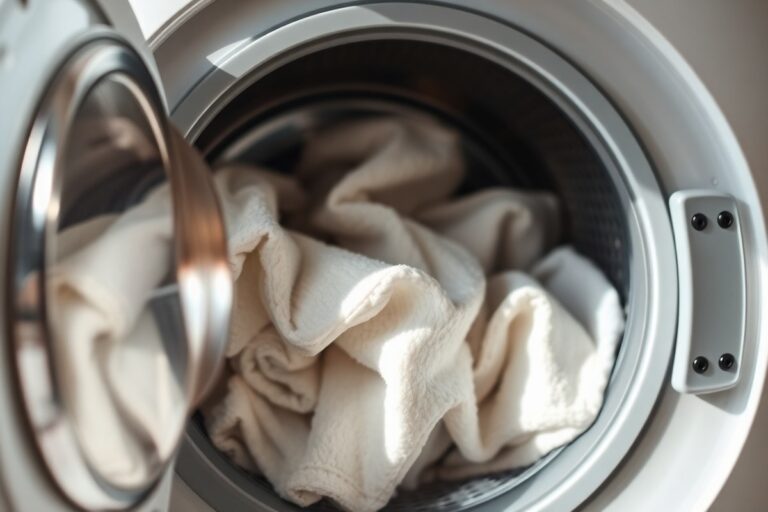
How to Clean a Down Comforter at Home: Simple Steps for Fluffy Results
Cleaning a down comforter at home means using gentle methods to keep the fill fluffy and the fabric intact. You should spot-treat stains first, wash on a delicate cycle with mild detergent, and dry slowly using low heat to avoid clumping. Proper care helps your comforter last for years while staying fresh and cozy.
This advice is for anyone looking to maintain or refresh a down comforter without professional cleaning. You’ll get straightforward steps for washing, drying, stain removal, and storage that preserve the comforter’s softness and loft.
Key Takeaways
- Spot clean stains by spraying and lifting fabric away from the fill, letting it sit for at least 10 minutes before washing.
- Wash your down comforter every 2 to 3 years, or more often if you sleep without a cover or have allergies.
- Use a front-loading washer with a gentle or delicate cycle and mild detergent to prevent damage.
- Avoid twisting or wringing the comforter; instead, flat-press to remove excess water after soaking.
- Dry on the lowest heat setting, pausing every 30 minutes to shake and fluff the comforter to prevent clumps.
- Use 100% wool dryer balls during drying to soften fabric, reduce wrinkles, and minimize static safely.
How to Wash a Down Comforter Safely at Home

Washing a down comforter at home requires care to avoid damaging the delicate down filling and fabric. Most down comforters can be safely machine washed if your washer is large enough and you follow the right steps. Begin by checking the care label closely. It may recommend dry cleaning or home washing; many comforters labeled “dry clean only” can still be washed at home carefully. Use a front-loading washing machine that can hold at least 3.5 cubic feet to avoid compressing the comforter too tightly.
Choose a gentle, enzyme-free detergent specifically designed for down or delicate fabrics. Avoid harsh detergents or bleach, which can harm the feathers and fabric. Select warm water, not hot or cold, to keep the down fluffy and prevent clumping. Hand washing is an option for very small comforters or if you lack a large enough washing machine. However, machine washing on a delicate cycle is usually more efficient and effective when done properly.
- Inspect and prepare the comforter. Double-check the care label and look for any tears or weak seams. Close any zippers or fasteners to avoid snagging. Shake the comforter out to fluff the down as much as possible before washing.
- Select the right washer. Use a front-loading washing machine with at least 3.5 cubic feet capacity, especially for queen-size or larger comforters. Top-loading washers with agitators may damage down fillings, so opt for front-loading whenever possible.
- Add gentle detergent and set water temperature. Pour an enzyme-free, down-safe detergent into the machine. Set the washer to a delicate or gentle cycle with warm water (around 90°F or 32°C) to protect down quality and fabric.
- Load the comforter properly. Place the comforter loosely inside the drum; do not stuff it tightly. Let it move freely to ensure even cleaning and rinsing.
- Run a rinse cycle. After the wash, run an extra rinse cycle to make sure all detergent is fully removed. Residual detergent can cause down to clump and reduce softness.
- Remove promptly and check for cleanliness. Take the comforter out immediately after washing to prevent mildew. Look for any residual stains or soap; treat and wash again if needed.
- Prepare for drying. Gently press out excess water without wringing. This helps speed drying while protecting down integrity.
Removing Stains from Down Comforters Before Washing

Removing stains from down comforters safely requires using gentle, effective stain removers and allowing enough time for them to work without harming the down filling. Treat common stains by lifting the fabric away from the fill, applying a safe cleaner, and letting it sit for 10 to 20 minutes before washing. Using mild products ensures the comforter’s loft and temperature-regulating ability stay intact.
Identifying Types of Stains
Different stains require different treatments. Protein-based stains like sweat or body oils respond well to enzyme-based cleaners or mild detergents. Grease or oil stains from food or skin benefit from gentle degreasers designed for delicate fabrics. For dirt or mud, brushing off dried particles before wet treatment minimizes spreading. Recognizing the stain type helps you choose a product that won’t damage the down filling or shell fabric. Some common stain types on down comforters include:
- Food and drink spills (coffee, wine, sauce)
- Body oils or sweat
- Dirt and mud
- Pet stains or dander
- Ink or makeup
Applying Stain Removers Safely
Select stain removers labeled safe for delicate fabrics or down. Products containing natural enzymes or oxygen-based bleach work well without harsh chemicals. Avoid chlorine bleach, as it can harm the down feathers and fabric. For homemade options, mixing a few drops of gentle liquid detergent with cold water creates a mild spot treatment. Always test any cleaner on a small, hidden area before wider use. Here’s how to apply the stain remover properly to protect your comforter:
- Lift the stained fabric away from the down fill to avoid saturating the feathers.
- Use a spray bottle or soft cloth to apply the stain remover directly on the fabric, targeting only the stain.
- Gently blot the area without rubbing to prevent damage to the fabric and down inside.
- Allow the stain remover to sit for at least 10 minutes; for tougher stains, let it sit up to 20 minutes.
Applying stain remover directly to the fabric while lifting it away from the fill keeps the down dry and prevents clumping or damage.
Waiting and Preparing for Wash
Let the stain remover work on the fabric for a minimum of 10 minutes, ideally 20 minutes for stubborn stains. This timing allows enzymes or cleaning agents to break down the stain without prolonged exposure that risks fabric damage. After waiting, gently blot the treated area with a dry cloth to absorb moisture, avoiding wringing or twisting the comforter.
Once stains are treated, prepare the comforter for washing by removing any duvet covers or protective layers. Always check the comforter is completely dry after washing to prevent mildew and odors. Proper drying restores the down’s fluffiness and temperature control.
Choosing the Right Washer and Dryer for a Down Comforter
The best washer for a down comforter is a large, front-loading machine with enough capacity to hold the comforter loosely and allow it to tumble freely. You need a washer and dryer with sufficient size to avoid damaging the comforter or the machines. Using a washer that is too small can lead to uneven cleaning, damage to the filling, or strain on the appliance.
Washer Types: Front Load vs Top Load
Front-loading washers are preferred for down comforters because they use a tumbling action that is gentler on the filling and allow water to circulate better. They typically have larger drums and no agitator in the center, reducing the risk of clumping or tearing the down. Top-loading washers with a central agitator can be harsh and may cause damage by compressing or twisting the comforter during the cycle.
Top-loading washers without agitators can be more suitable, but these machines often have smaller capacities compared to front loaders. Front-loaders also tend to use less water and are more efficient when washing bulky items like comforters.
Minimum Capacity Needed by Comforter Size
Choosing a washer and dryer with enough capacity is essential. This table shows rough minimum recommendations for machine size based on comforter size:
| Comforter Size | Minimum Washer Capacity (cubic feet) | Minimum Dryer Capacity (cubic feet) |
|---|---|---|
| Twin | 3.5 | 7 |
| Full/Double | 4.5 | 8 |
| Queen | 5.0 | 9 |
| King | 5.5 or larger | 10 or larger |
Allow some extra room in the drum so the comforter isn’t crammed or folded on itself. This helps water circulate freely, promoting even cleaning and preventing filling clumping. The dryer should be at least twice the size of the washer to allow the comforter to tumble without compression.
Alternatives When Machine Is Too Small
When your home washer and dryer have smaller capacities than recommended, the safest choice is to use a laundromat with commercial-sized front-loading machines. These machines are designed to handle bulky bedding like down comforters without damage. Laundromat machines typically cost around $4 to $6 per wash and dry cycle, but this price includes the assurance your comforter is cleaned properly and dried thoroughly.
Another option is handwashing the comforter in a large clean basin or bathtub. This requires care to avoid compressing the down too much and may take longer to rinse and dry properly. Alternatively, dry-cleaning can be considered, especially if the comforter carries a ‘dry clean only’ label.
How to Dry a Down Comforter Without Damaging It
Drying a down comforter properly involves using a low heat setting in the dryer combined with dryer balls or equivalents to keep the fill fluffy and prevent clumping. This method avoids mildew formation by ensuring the comforter dries completely without overexposing the down to heat. Avoid line drying unless your climate is warm and dry, and be prepared to spend up to several hours drying the comforter to get the best results.
Setting Dryer Temperature and Time
Choose the lowest heat setting or the air fluff setting on your dryer. High heat can damage the down filling, causing it to lose loft and become uneven. Drying times vary with the size and thickness of the comforter but expect somewhere between 2 to 4 hours on low heat. Some comforters may require up to 12 hours if you use very gentle or no heat settings.
Make sure your dryer is large enough to hold the comforter with plenty of room for air circulation. Crowding the dryer slows the process and risks uneven drying or clumping. Never rush by raising the temperature just to save time; damaged down fills won’t warm you as well.
Using Dryer Balls or Alternatives
Adding dryer balls helps speed drying and maintain fluffiness. Use wool dryer balls or tennis balls wrapped in clean socks or a clean shoe without laces to prevent the down from bunching. These items bounce around inside the dryer, breaking up clumps and helping air circulate evenly through the comforter.
Avoid dryer sheets since their coating can harm the down and reduce loft. Instead, toss in two or three dryer balls or tennis balls with your comforter each drying cycle. This simple addition makes a noticeable difference in drying speed and comforter texture.
Fluffing Intervals During Drying
Interrupt the drying process every 30 minutes to shake and fluff the comforter by hand. This redistributes the down, preventing clumps and speeding up drying by exposing damp areas. Fluffing intervals also give you a chance to check the comforter for damp spots and adjust dryer settings if needed.
Once the dryer run finishes, press gently on different sections to check for residual dampness. If any areas feel moist, repeat the low-heat drying and fluffing cycle. Ensuring the comforter is fully dry before storage or use is critical to avoid mildew or odor buildup.
- Set your dryer to the lowest heat or air fluff setting.
- Add your down comforter along with 2-3 wool dryer balls or tennis balls wrapped in clean socks.
- Run the dryer for 30 minutes.
- Pause drying, remove the comforter, and shake it out thoroughly.
- Return the comforter and dryer balls to the dryer, continuing on low heat.
- Repeat shaking and drying cycles every 30 minutes until completely dry, usually 2 to 4 hours.
- Check several spots by pressing lightly to ensure no dampness remains.
- Once fully dry, air out the comforter in a clean, dry space for an hour before use or storage.
How Often Should You Wash Your Down Comforter?
Washing a down comforter too often can actually damage the delicate down feathers that provide warmth. Most manufacturers suggest cleaning a comforter every 3 to 5 years unless there are spills or stains that need immediate attention. Daily use, body oils, and skin flakes can slowly build up, but using a duvet cover reduces how often you need to wash the comforter itself by protecting it from these oils and dirt.
The frequency varies depending on your specific situation. If you have allergies, asthma, or sensitive skin, washing the comforter more frequently may help reduce allergens trapped in the down. Homes with pets or smokers might also require more regular cleaning to keep odors and dander under control. In contrast, guest or seasonal comforters that see little use can go longer between washings.
To freshen your comforter without a full wash, lay it flat outside in indirect sunlight for 2 to 3 hours a few times a year. This helps reduce odors and moisture. Shaking or fluffing the comforter regularly encourages the down to loft back up, maintaining its insulation. Also, using a fabric refresher spray designed for bedding can help without risking damage to the down feathers.
Always use a duvet cover when possible. It acts as a protective barrier to handle daily wear and makes cleaning easier since you only need to wash the cover as often as you would your sheets. Changing and washing the duvet cover about once a week is common for frequent sleepers. This practice dramatically lowers the chance of spills or skin oils reaching the down, extending the time before you need to launder the entire comforter.
Over-washing a down comforter can strip the natural oils from the feathers, reducing warmth and loft, so protect it with a duvet cover and wash only when truly needed.
Common Mistakes to Avoid When Cleaning a Down Comforter
Cleaning a down comforter at home often leads to mistakes that can harm its fill and fabric. One common error is using hot water or harsh chemicals like bleach, which break down the natural oils in the down feathers, reducing loft and insulation. Always choose cold or lukewarm water with a gentle detergent formulated for delicate fabrics. Another frequent problem is adding fabric softeners. These leave residues that cause the down fill to clump together, cutting down its fluffiness and warmth.
Using the wrong washing machine is another factor that can damage a comforter. Machines with agitators create excessive friction, which can tear the delicate fabric and compress the down. Instead, use a front-loading machine without an agitator to ensure gentle cleaning. Before placing the comforter in the washer, check for holes or tears and stitch them up with matching thread to prevent feathers from escaping.
- Do not use bleach or fabric softeners; choose gentle, down-safe detergents.
- Avoid washing machines with agitators; pick a front-loading machine.
- Always patch up any holes or tears before washing.
- Use cold or lukewarm water, not hot, to protect the down’s natural oils.
- Do not iron your comforter; heat can damage the feathers.
- Ensure the comforter dries fully to prevent mildew and odors.
Clumping of the down fill often occurs when the comforter doesn’t dry completely or if water-resistant covers or sprays are used. Incomplete drying allows moisture to remain in the fill, encouraging mildew growth and unpleasant smells. To fix clumped fill, gently shake and fluff the comforter after washing and during drying. You can add clean tennis balls or dryer balls to the dryer to help break up clusters and maintain loft. Make sure to dry the comforter thoroughly on a low-heat setting, which can take several hours depending on thickness.
If mildew appears despite preventive steps, airing the comforter outside on a sunny, dry day can help eliminate odors. Spot-clean affected areas with a mix of mild detergent and water, then dry immediately. Avoid putting on heavy sprays or treatments that repel water, as these often contribute to clumping and poor drying performance. Following these corrective tips preserves the integrity of your down comforter and extends its lifespan.
Can You Wash a Down Comforter Labeled ‘Dry Clean Only’?
Washing a down comforter labeled “dry clean only” at home is possible but requires extra caution. The label means the manufacturer recommends professional dry cleaning to avoid damage, usually to the fabric, filling, or construction. Down comforters are delicate because water, detergents, and agitation can cause the feathers to clump, lose loft, or damage the outer fabric. You should only consider washing it yourself if the label does not explicitly state that water or washing machine use will void your warranty or ruin the item.
Start by carefully inspecting the care tag and any manufacturer instructions. When the tag clearly says “dry clean only,” consider whether you want to handle cleaning on your own or trust a professional instead. For down comforters with older or fragile fabric, stitching, or if they contain special finishes like water resistance, professional dry cleaning or wet cleaning is safer to avoid irreversible damage.
Deciding to wash the comforter yourself? Follow these steps carefully. First, use a front-loading washing machine on a gentle cycle with cold water; top loaders with agitators can be too rough. Use a very mild, down-specific detergent to protect the feathers. Do not use fabric softeners or bleach. Before washing, spot-treat any stains gently with a mild soap and a soft cloth. Place the comforter loosely in the washer so it has room to move freely, which helps prevent clumping.
After washing, dryness is critical. Down takes much longer to dry than synthetic fills. Use a large-capacity dryer on the lowest heat setting, placing clean tennis balls or dryer balls with the comforter to break up clumps and restore loft. It could take several hours, so pause periodically and manually fluff the comforter to redistribute the down. Do not air dry or poorly dry it because any moisture left can cause mildew or odor problems.
Risks of washing a “dry clean only” comforter yourself include damage to the fabric, loss of down insulation, shrinkage, or uneven drying that results in mildew. A professional dry cleaner has equipment and solvents designed for delicate items and may offer wet cleaning, which uses water and specialized detergents but with expert control. Unsure about your comforter’s fabric, size, or value? Getting it professionally cleaned, which typically costs between $20 and $50 or higher, is a safer option.
Carefully check your comforter’s tag and condition before choosing to wash it at home. Use gentle water washing and drying methods only if you fully commit to proper precautions aimed at preserving the down’s loft and fabric integrity. Otherwise, relying on professional cleaning services for “dry clean only” down comforters protects your investment and avoids common pitfalls that require costly repairs or replacement.
Proper Storage Tips for a Down Comforter After Cleaning
Storing your down comforter properly after cleaning is essential to keeping it fluffy, fresh, and free from odors or mildew. The biggest risks during storage are moisture buildup and compression, both of which can cause clumping of the down filling and musty smells. Avoid using vacuum-sealed bags or airtight plastic containers. Though they might seem convenient, these materials trap moisture and restrict airflow, which encourages mildew growth and damages the insulation qualities of your comforter over time.
Instead, opt for loose cotton storage bags or large, breathable fabric sacks specifically designed for bedding. These materials allow air circulation while protecting your comforter from dust and pests. When you don’t have a cotton storage bag, a clean pillowcase or lightweight cloth cover serves as a temporary option. Store your comforter in a cool, dry place, away from direct sunlight and away from damp areas like basements or bathrooms to reduce the risk of moisture absorption.
Before placing the comforter into storage, make sure it is completely dry; any trapped dampness will lead to musty odors and mildew, which can be difficult or impossible to remove later. Let the down comforter air out for several hours on a flat surface or a drying rack, ideally in a room with good ventilation. Avoid folding it tightly, loosely folding or gently rolling the comforter with plenty of space helps maintain its loft and prevents the down from clumping.
Plan to check on your comforter every few months during long-term storage. Take it out, fluff it, and air it to keep the down filling evenly distributed and fresh. This simple step helps avoid flat spots that happen when down is compressed for too long. Proper storage can extend the life of your comforter, which typically lasts between 10 and 15 years with regular use and care. Here is a checklist to ensure proper storage: confirm the comforter is fully dry; use a breathable cotton bag or fabric cover; store in a cool, dry area with good airflow; loosely fold or roll instead of tightly packing; and periodically air it out during storage.
Store your down comforter in a breathable cotton bag, not plastic, and be sure it’s completely dry to prevent mildew and maintain its fluffiness.
Step-by-Step Action Plan for Cleaning Your Down Comforter
Follow these steps to clean your down comforter safely at home and keep it fresh and fluffy.
- Before you start: Inspect your comforter for stains and treat them with a gentle, down-safe stain remover. Check for any care labels and confirm if it’s safe to machine wash.
- Washing day: Use a large-capacity washer with an approved down detergent. Select a gentle cycle with cold water to prevent damage and preserve loft.
- Right after washing: Run an extra rinse cycle to make sure all detergent is removed, preventing buildup that can affect softness.
- Drying phase: Place the comforter in a large dryer on low heat. Add clean tennis balls or dryer balls to help break up clumps and maintain fluffiness.
- Mid-drying check: Every 30 minutes, take the comforter out and gently fluff and redistribute the down. Continue until completely dry to avoid mildew.
- Post-drying: Air out the comforter for a few hours in a well-ventilated space to remove residual moisture and odors.
- Storage prep: Store the comforter loosely in a breathable cotton bag or on a bed rather than compressed, keeping its loft intact.
Frequently Asked Questions
Can You Use Bleach to Clean a Down Comforter?
Avoid bleach as it can damage the down fill and fabric; mild detergent is safer.
Is It Necessary to Use Special Detergent for Down Comforters?
Yes, using a detergent formulated for down helps preserve loft and prevents clumping.
How Can I Restore Loft to a Down Comforter After Washing?
Gently fluff and shake it periodically during drying to help redistribute the down fill.
Should I Unzip My Down Comforter Before Washing?
Unzip your comforter to allow water and detergent to reach all areas evenly during washing.
Can I Spot Clean My Down Comforter Instead of Washing the Whole Thing?
Spot cleaning is fine for small stains and can extend time between full washes.
How Long Does It Typically Take to Dry a Down Comforter in a Dryer?
Drying usually takes several hours; use low heat and add dryer balls to speed drying.
The Bottom Line
Cleaning your down comforter at home can keep it fresh without risking damage if you follow safe washing and drying methods. Handling stains promptly and drying thoroughly preserves its loft and comfort. Start with treating any stains on your comforter today, ensuring it’s ready for a gentle wash that maintains its warmth and fluffiness.