Can I Wash My Down Comforter in the Washer: A Complete Guide with Practical Tips
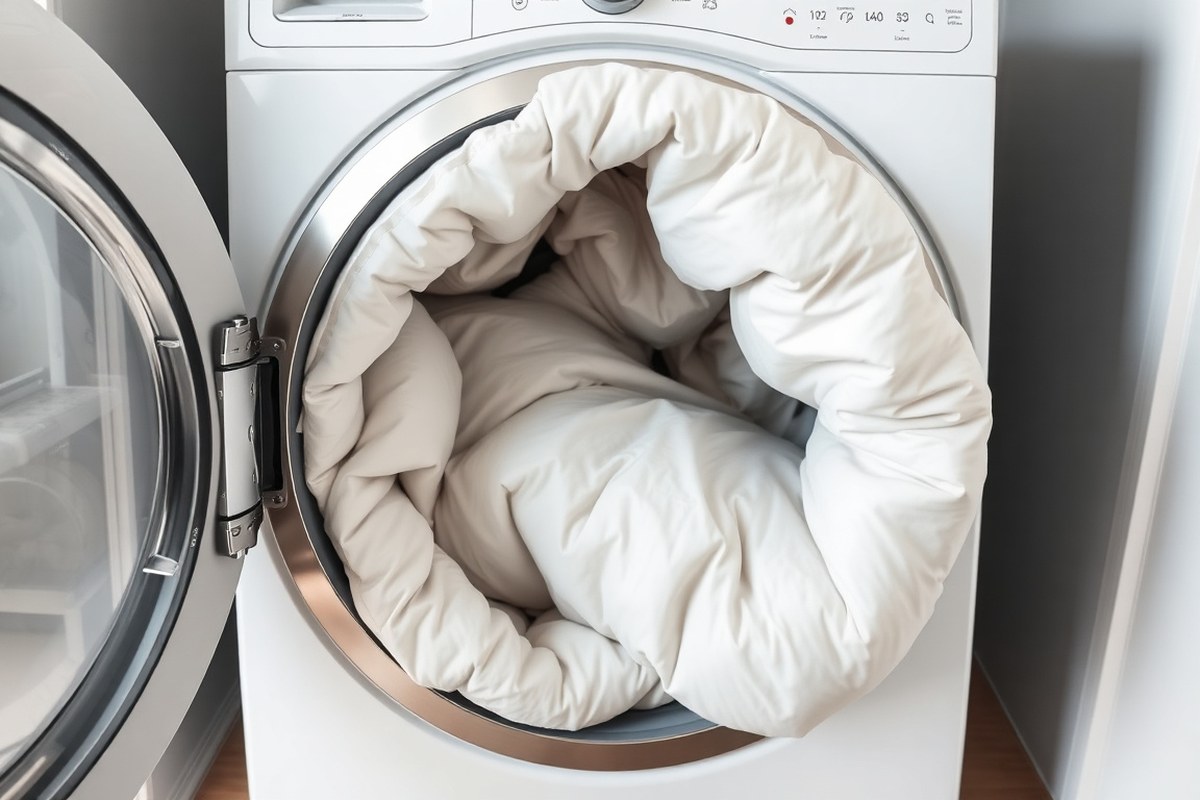
You can wash your down comforter in the washer, as long as your machine is large enough and you use gentle settings. Choosing the right temperature, spin speed, and detergent will protect the fill and keep your comforter fluffy. This advice suits anyone who wants to clean their down comforter at home safely without the expense of professional dry cleaning.
This article provides practical tips on which washers work best, how to wash and dry your comforter properly, how often to clean it, and signs that call for professional care. You’ll learn simple steps to keep your down bedding fresh and comfortable while avoiding common mistakes.
Key Takeaways
- Use a front-loading or large-capacity washing machine to prevent damage and allow thorough cleaning.
- Select a gentle wash cycle at 30, 40°C with a spin speed of no more than 800 rpm.
- Choose a mild detergent designed for down or delicate fabrics to protect the fill material.
- Dry your comforter on low heat (max 135°F/57°C) until completely dry to avoid mildew and odors.
- Wash your down comforter every 2 to 3 months to remove dirt and maintain loft.
- Fluff the comforter after washing and allow it to rest 5, 10 minutes to regain fullness.
Can You Wash a Down Comforter in a Washing Machine?
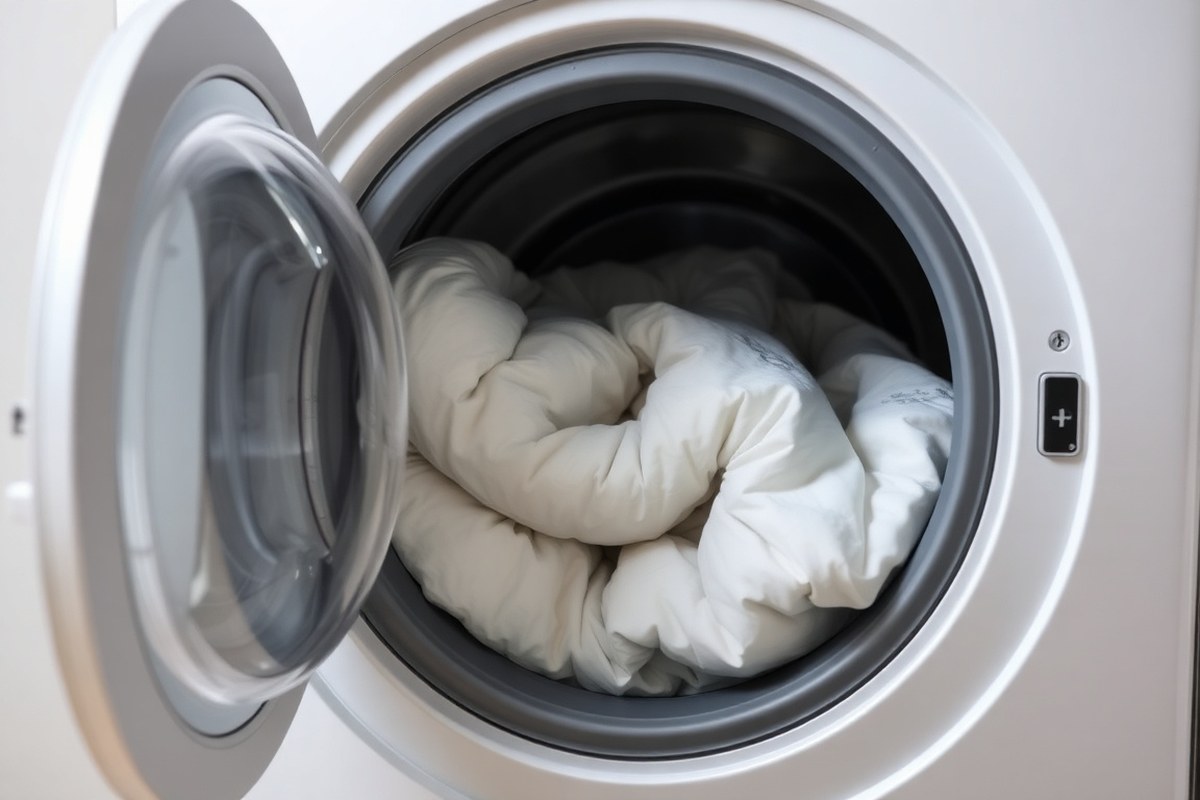
Yes, you can wash a down comforter in a washing machine safely, provided you take certain precautions and use the right equipment. The key factor is ensuring your washing machine has enough capacity; larger front-loading washers work best, especially for queen or king-sized comforters. Standard top-loading machines with agitators often damage the delicate down filling and can be too small to handle the bulk of a comforter evenly. Overloading your machine can cause uneven cleaning and strain both the appliance and bedding.
Even down comforters labeled as “dry clean only” can be washed safely at home if you follow appropriate steps. Use a gentle, enzyme-free detergent designed for down or delicate fabrics, and wash with cold water on a gentle or delicate cycle. Avoid harsh chemicals or hot water, which can strip oils from the down and reduce its loft. Adding a clean tennis ball or dryer balls to the dryer helps break up clumps and restore fluffiness during drying, which should be done on low heat to prevent damage.
Washing your down comforter too often can harm its quality over time. Each wash and dry cycle causes the down to lose some of its natural loft and insulating power. Washing monthly will reduce the life of your comforter far faster than washing annually or every few months while maintaining a clean cover between washes. Also, ensure your comforter is thoroughly dry after washing to avoid mildew and odors. If you can’t fully dry it at home, consider using a laundromat with large dryers or professional services.
This approach saves you money compared to dry cleaning, which often costs upward of $60, depending on size and location. Washing at home with a proper machine and gentle settings is both cost-effective and safe. Checking your comforter’s care label for a machine wash symbol is helpful; if present, it confirms the item is designed to withstand home machine washing. The washing temperature should be kept around 40°C (104°F) and cycles should be gentle to protect the down filling.
For heavy or large down comforters that might not fit well in your home machines, the best option is a laundromat with commercial-sized washers and dryers. These machines provide enough space for the comforter to move freely, ensuring a thorough clean without damaging the loft. Always use low heat for drying and check periodically that the comforter dries evenly. Proper home washing prolongs the life and comfort of your down bedding without the expense or chemicals of dry cleaning.
Which Washing Machines Are Suitable for Down Comforters?
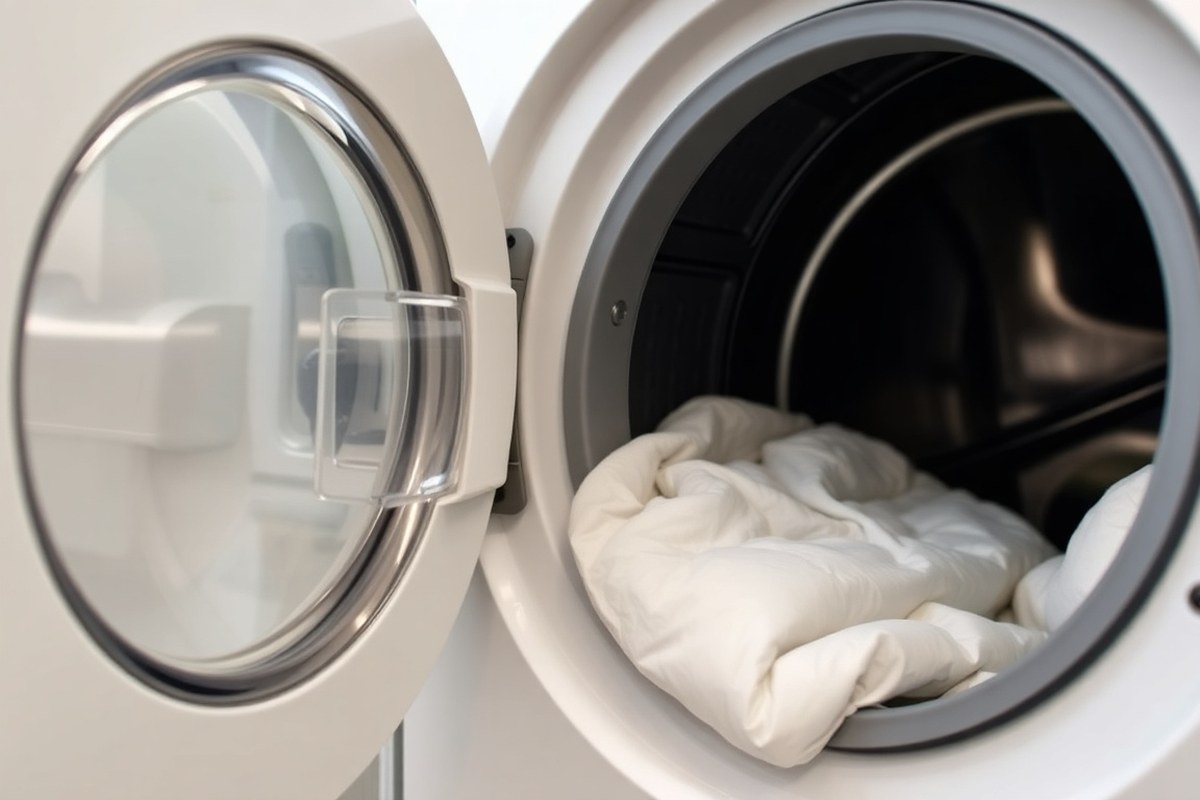
You need a washing machine large enough to handle your down comforter without compressing it tightly. Generally, a front-loading washer is best because it lacks a center agitator, which can damage the delicate down filling. For twin-size comforters, most home front loaders with a capacity around 3.5 cubic feet work well. Queen-size comforters usually require a large-capacity machine, approximately 7 kilograms or more, while king-size comforters almost always exceed home machine limits and need a commercial laundromat washer.
Top-loading washers with agitators in the middle are typically too rough on down comforters. The agitator can cause the down clusters to break apart or the fabric to tear during the wash cycle. Having only this type of machine at home means you might want to take your comforter to a laundromat that provides oversized front-loading washers without agitators. These machines provide more gentle tumbling and space for the comforter to move freely, reducing the risk of damage.
Choosing between a home washer and a laundromat depends mostly on your comforter’s size and your washing machine’s capacity. Laundromats have the advantage of large, industrial-style machines that handle bulky bedding more efficiently and thoroughly. Although using a laundromat may cost between $3 and $6 per wash cycle, it helps prevent damage from overstuffing home machines or using unsuitable agitators.
- Check your machine’s capacity: at least 3.5 cubic feet for twin, 7 kg or more for queen-sized comforters
- Prefer front-loading machines without center agitators
- Do not mix other items with your comforter during washing
- Use a laundromat for king-size comforters or if your home washer is too small
- Verify your comforter’s care label for machine wash suitability
- Promptly remove the comforter after washing to prevent mildew
Washing in an undersized machine or one with a center agitator can shred your down comforter and ruin its insulation.
Avoid washing your down comforter in a crowded or small machine to maintain loft and insulation quality. Proper space allows the down to shift, ensuring thorough cleaning and rinsing without harming the filling or fabric. When your home washer feels tight or the comforter is compressed, the safest choice is to visit a laundromat with larger machines. This approach usually conserves your comforter’s life and maintains its warmth over time.
Best Washing Settings and Detergents for Down Comforters
Wash your down comforter using cool to warm water at no more than 40°C, selecting a gentle cycle with a medium spin speed around 800 rpm. Use a mild detergent designed for down or a low-sudsing gentle detergent, and reduce the amount to about half the usual. These settings help protect the delicate down filling and preserve the comforter’s loft and color.
Recommended Wash Temperatures
Keep the water temperature between 30°C and 40°C. Water warmer than this can damage the natural oils in the down feathers, causing them to clump or lose loft. Cooler water around 30°C suits lightly soiled comforters or when you need extra caution for delicate fabrics. Use 40°C for more thorough cleaning when the comforter is heavily soiled or has body oils and sweat.
Temperature control matters because sudden changes or too hot water stresses the down, leading to flattening or damage. Many modern washers have a “warm” or “cold” setting. Select the warm option when available, but never exceed 40°C. Consistently warm water helps remove dirt without shrinking or weakening seams.
Cycle Type and Spin Speed Settings
Choose the gentlest cycle your machine offers, often marked as “delicate,” “hand wash,” or “wool.” These cycles use slower agitator movements that reduce wear on the fabric and down filling. Avoid regular or heavy-duty cycles, which spin too aggressively and can cause down bunching or break the stitching.
Set the spin speed between 800 and 1000 rpm. This moderate speed balances removing excess water with preventing damage caused by high-speed spinning, which can tangle the comforter or compress the down unevenly. If your washer allows, run an extra rinse cycle or two to completely eliminate detergent residue, which otherwise harms the softness and loft.
Be careful not to pack the comforter tightly against the drum walls. A loosely positioned comforter moves better during the cycle, ensuring thorough cleaning and rinsing across the whole item.
Choosing the Right Detergent
Select a detergent specifically formulated for down, sleeping bags, or delicate fabrics when possible. These detergents contain milder surfactants that clean without stripping the natural oils in the feathers, preserving loft and softness.
Use only half the typical detergent volume to avoid soap buildup. Excess detergent may not rinse out completely, clumping the down and making the comforter stiff. Avoid detergents with bleach, fabric softeners, or enzymes, as these can discolor the fabric or degrade the down fill over time.
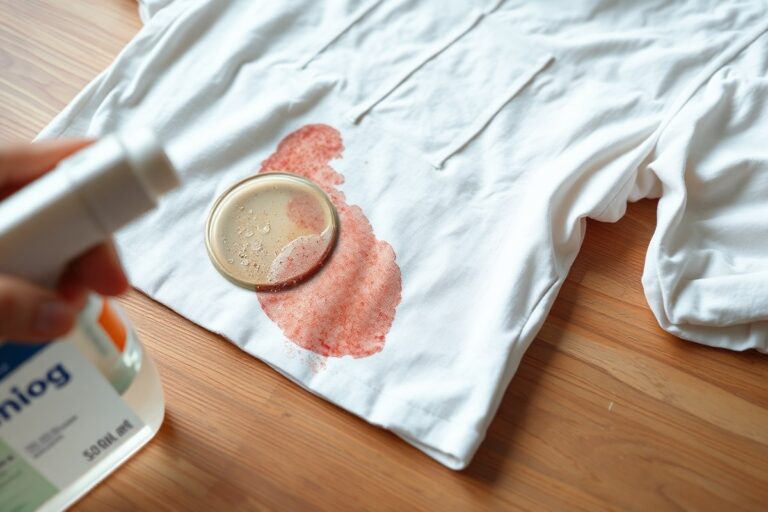
You may pre-treat any visible stains with an oxygen-based stain remover or mild spot cleaner before washing. Make sure to test stain removers on a hidden area first to prevent color loss. Follow these steps for the best results washing your down comforter:
- Inspect the comforter for damage or repairs before washing to avoid worsening tears or holes.
- Pre-treat stains lightly with an oxygen stain remover, testing a small area first.
- Load the comforter loosely into the washer, avoiding packing it tight against the drum.
- Add half the normal amount of a down-specific or gentle detergent.
- Select a gentle or delicate wash cycle, set water temperature to 30, 40°C, and spin speed to about 800 rpm.
- Run one or two extra rinse cycles to fully remove detergent residues.
- Remove promptly after washing to prevent moisture buildup and prepare for thorough drying.
How to Dry a Down Comforter Without Damaging It
Drying a down comforter with care is important to prevent damage, clumping, or mildew growth. Use low heat or air fluff settings in a large capacity dryer, combined with dryer balls and regular fluffing, to keep the filling evenly distributed and fully dry. Avoid long air drying alone, as it slows the process and risks mildew inside the comforter.
Tumble Dry on Low Heat with Dryer Balls
Set your dryer to the lowest heat setting available, making sure it doesn’t go above 135°F (57°C), to avoid damaging the down filling. Toss in three or four clean wool dryer balls or tennis balls to break up clumps and help the comforter dry evenly. Using low heat while tumbling restores the feathers’ loft and keeps them from sticking together after washing.
Stop the dryer every 30 minutes to manually pull apart any clumps forming inside the comforter. This prevents wet spots that can cause mildew or permanent feather matting. Drying typically takes 2 to 3 hours depending on your dryer’s size and the comforter’s thickness.
Air Drying Tips and Monitoring Moisture
Air drying is not ideal as the sole drying method, since down takes a very long time to dry fully and may clump or mildew if moisture remains trapped. Choose air drying by laying the comforter flat in a space with good airflow, preferably under direct sunlight, and give it a good fluffing often to help air circulate.
Check for moisture by feeling inside the baffles or squeezing sections of the comforter; it should feel dry and lightweight throughout. Avoid putting the comforter away until it is completely dry to prevent mildew. Fully drying inside a dryer reduces this risk significantly.
Fluffing to Restore Loft After Drying
Fluffing your down comforter after drying is essential to maintain its softness and insulating properties. Use your hands to gently break up any remaining clumps every time you stop the dryer or during air drying. This distributes the feathers evenly and helps restore the loft.
For extra loft, run the comforter in the dryer on low heat for an additional 5 to 10 minutes with the dryer balls. After drying, shake the comforter vigorously and fluff it evenly before making the bed or storing it. This step ensures your comforter retains its natural puffiness and warmth.
- Set the dryer on air fluff or the lowest heat setting, not exceeding 135°F (57°C).
- Place the down comforter in the dryer with 3 to 4 clean dryer balls or tennis balls.
- Run the dryer, stopping every 30 minutes to remove the comforter and manually break up clumps with your hands.
- Repeat the drying and fluffing cycles until no moisture remains; this can take 2 to 3 hours.
- Spread the comforter flat in a warm spot with plenty of ventilation, fluffing it regularly to encourage airflow during the drying process.
- Check inside the comforter baffles for dryness; it should feel light and free of dampness.
- After drying, toss the comforter in the dryer for a short 5 to 10 minute burst with balls to boost loft.
- Shake and fluff the comforter before use or storage to evenly distribute down filling.
How Often Should You Wash Your Down Comforter?
Washing your down comforter too often can cause the delicate down filling to clump and lose its loft, reducing warmth and comfort. Most recommends washing a down comforter only once or twice a year unless it gets visibly stained or soiled. Regular airing and spot cleaning can keep it fresh and extend the time between full washes.
A good routine helps maintain the comforter’s insulation and appearance while saving you time and energy costs. Airing your comforter in a dry, shaded area for a few hours every few weeks removes moisture and odors without a full wash. Spot clean visible stains promptly using a mild detergent and a soft cloth, which avoids wetting the entire filling.
| Use or Condition | Recommended Washing Frequency | Cleaning Between Washes |
|---|---|---|
| Comforter with Duvet Cover, No Spills | Once or twice a year | Wash duvet cover weekly |
| Comforter Without Cover, Skin Contact | Weekly | Airing regularly, spot cleaning stains |
| Visible Spill or Stain | Immediate spot clean | Follow with normal washing if stain persists |
| Off-Season Storage | Wash before storing | Air the comforter before use again |
For comforters with a duvet cover, washing the cover weekly keeps your bedding hygienic without stressing the comforter itself. If you don’t use a duvet cover, skin oils, sweat, and body debris build up faster, which means washing the entire comforter weekly helps prevent odors and allergens. Paying attention to spills or stains with immediate spot cleaning reduces the need for full washing.
A well-ventilated room or shaded outdoor spot is best for airing your down comforter to prevent mildew and maintain fluffiness.
Spot cleaning requires only a damp cloth and a small amount of gentle detergent applied directly to the stain. After spot cleaning, make sure the comforter dries completely before placing it back on your bed or storing it. This routine can save wear and tear on your comforter while keeping it fresh between washes.
Step-by-Step Guide to Washing Your Down Comforter Safely
Washing a down comforter in your washing machine requires a careful process to keep the feathers lofted and prevent damage. You’ll spend about an hour washing and multiple hours drying it slowly on low heat to avoid clumping. Follow a clear step-by-step routine for best results.
Preparing Your Comforter and Washing Machine
Start by inspecting your comforter for any tears or weak spots to avoid leaks or further damage during washing. Check the washing machine capacity; front-loading machines or large-capacity top-loaders are best to give the comforter enough room to move freely. Ensure there’s enough space inside the drum to prevent overstuffing. Here’s how to prep:
- Check for and mend any rips or holes in the comforter cover.
- Place the comforter evenly inside the washer to balance the load.
- Set your washing machine to a large capacity or bulky item cycle if available.
- Clear the washing machine drum of any leftover debris.
Setting the Wash Cycle and Detergent Use
Select a gentle or delicate cycle with cool or warm water, never hot, to protect the down filling. Use a detergent specifically designed for down or a mild, liquid detergent, avoiding fabric softeners or bleach as they can strip natural oils. Measure detergent carefully; too much can cause residue buildup that leads to clumping. Recommended settings include:
- Choose a gentle or delicate cycle with warm or cold water (95°F/35°C maximum).
- Use about half the detergent amount indicated on the detergent label for a normal load.
- Add an extra rinse cycle to fully remove detergent residues.
Post-Wash Handling and Drying Timeline
After washing, gently remove excess water by pressing the comforter without twisting or wringing. Drying takes significant time, plan for 4 to 6 hours on low heat using a large dryer or air dry in a warm, dry environment. Include clean tennis balls or dryer balls to help fluff the down and prevent clumps. Keep the dryer on the lowest heat setting and check periodically to break up any down clusters. If you notice clumping or dampness after the drying cycle, repeat the drying steps or rewash with less detergent and additional rinses.
- Press out excess water carefully; avoid wringing.
- Place the comforter in the dryer with two or three clean tennis or dryer balls.
- Run the dryer on the lowest heat setting for 4 to 6 hours, checking every hour to fluff and break up clumps.
- Remove and air out the comforter if still damp or clumped, repeating drying as needed.
Common Washing Mistakes and How to Fix Them
Using the wrong washing method on a down comforter can lead to clumping, mildew growth, incomplete rinsing, and color fading. These issues reduce the comforter’s warmth, softness, and lifespan. Clumping happens when the down clusters together during washing or drying, leaving cold spots. Mildew can develop if the comforter stays damp for too long, especially inside its folds. Incomplete rinsing leaves detergent residue that dries stiff and irritates skin. Harsh detergents or hot water can also fade colors and weaken fabric fibers.
To fix and avoid these problems, it’s important to follow specific steps during washing and drying. First, prevent clumping by washing the comforter alone or with a few large items that allow plenty of water flow. Use a front-loading washer or a large-capacity top-loader because agitators in smaller machines can damage the down. Run two rinse cycles to ensure detergent gets fully washed out. Use a mild liquid detergent designed for delicate fabrics or down specifically, and avoid bleach or fabric softeners.
Addressing mildew requires thorough drying. The comforter should be dried completely at a low heat setting, which often takes several hours. Adding clean tennis balls or dryer balls helps fluff the down and break up clumps during drying. You may need to pause the dryer and manually fluff the comforter a few times throughout the cycle. Check for damp spots by pressing on the down, no wetness should remain to avoid musty odors and mold growth.
Avoid color loss and fabric damage by washing the comforter in cold or warm water, never hot. Hot water can cause dyes to bleed or fade and may weaken down feathers. Spot clean any stains before washing to reduce overall washing cycles and keep fabrics vibrant. If the comforter has delicate fabrics or colored piping, test a small hidden area first or consider professional cleaning.
- Use a front-loading or large-capacity washing machine without an agitator
- Wash the comforter alone or with a few bulky items to allow movement
- Choose a mild, down-friendly liquid detergent and run two rinse cycles
- Wash in cold or warm water, never hot
- Dry on a low heat, fluffing frequently with tennis or dryer balls
- Spot clean stains promptly before washing whole comforter
- Pause drying to manually separate and fluff down if clumps appear
Following these steps reduces the risk of damage and keeps your comforter soft and warm. Skipping any can result in clumps that stay wet inside or a stiffness caused by detergent residue. Keep drying times generous to avoid mildew and odors. This process takes more time but preserves the comforter’s craftsmanship and extends its usable life.
When Should You Choose Professional Cleaning Instead?
Choosing professional cleaning is the better option when your down comforter has stubborn stains that home washing can’t remove safely or if the care label specifically states “dry clean only.” Dry clean only labels usually indicate that the fabric or fill may be damaged by water or agitation, so ignoring them risks ruining the comforter’s structure or loft. While dry cleaning uses chemicals that can strip natural oils from down, laundering at home might be impossible without causing shrinkage or clumping in such cases. A professional cleaner has the equipment and expertise to handle delicate materials and tough stains without compromising the comforter.
Another sign professional cleaning is necessary is if your comforter is very old or fragile. Frequent home washing can weaken fabrics and stitching over time. Professionals often use gentle methods and controlled drying processes that maintain the comforter’s integrity. If your comforter has mold, mildew, or a strong odor, especially from moisture damage, a deep clean by a pro is safer and more effective. These issues often require specialized treatments not feasible in a standard washing machine.
Use a clear decision rule to decide: if your comforter looks heavily soiled, smells musty, or the label says “dry clean only,” it’s best to take it to a professional cleaner. For regular maintenance, spot cleaning and occasional home washing work well, but deep, thorough cleaning once or twice a year by a professional extends your comforter’s life. Professional washes typically cost between $30 and $70 depending on size and region, which can be a worthwhile investment to avoid damaging a valuable comforter.
When using a professional service, ask about their experience with down bedding and the cleaning methods they use. Some cleaners avoid harsh dry cleaning solvents and instead use wet cleaning techniques better for maintaining down’s loft and softness. Getting a deep clean from a skilled service ensures your comforter comes back fluffy, fresh, and free from allergens without the risk of home washing errors like uneven drying or clumping.
Do not attempt to home wash down comforters labeled “dry clean only” to avoid irreversible damage; opt for a trusted professional cleaner instead.
Step-by-Step Action Plan for Washing Your Down Comforter
Follow these clear steps to safely wash your down comforter at home without risking damage.
- Before you start: Check the comforter’s care tag to confirm it is machine washable and note any specific instructions.
- Day 1: Use a front-loading washing machine without an agitator if possible, as it reduces the risk of tearing the fabric or down filling.
- During washing: Wash on a gentle or delicate cycle with cold water, using a mild detergent designed for down or delicate fabrics.
- After washing: Run an extra rinse cycle to ensure all detergent is removed from the comforter.
- Drying phase: Tumble dry on low heat with clean tennis balls or dryer balls to help fluff the down and prevent clumping; expect multiple cycles totaling several hours.
- After drying: Shake and fluff your comforter gently to evenly distribute the down; ensure it is completely dry before use to avoid mildew.
- Every 3 to 6 months: Air out your comforter by hanging it in a well-ventilated area for several hours to keep it fresh between washes.
Frequently Asked Questions
How to Clean a Comforter Without Washing?
Spot clean stains with mild detergent and air it out regularly to reduce odor. This method helps maintain loft and extend time between washes.
Should I Throw Away Old Down Comforter?
Not necessarily, unless it’s severely damaged or smells bad permanently. Consider professional cleaning or repurposing it before discarding.
Can You Wash a Comforter in a Regular Washing Machine?
Only if it fits comfortably without compressing; large front loaders work best. Smaller machines may damage the comforter or your washer.
How Long Does It Take a Comforter to Dry?
Drying usually takes several hours on low heat with periodic fluffing. Adding clean tennis balls helps break up down clumps and speeds drying.
Can I Wash a Down Comforter If It Says “Dry Clean Only”?
Yes, by washing gently at home with cold water and enzyme-free detergent, you can safely clean it. Avoid harsh cycles that harm the down fill.
Is It Okay to Wash a Down Comforter Frequently?
Frequent washing reduces loft and lifespan, so limit to every few months unless heavily soiled. Use a duvet cover to keep it cleaner longer.
The Bottom Line
Washing your down comforter at home can be safe and effective with the right machine, settings, and care. Keeping your comforter clean maintains its loft and comfort while extending its lifespan. Start by confirming your washer’s suitability and following the gentle washing process outlined here. Taking this first step preserves your bedding’s quality and your comfort all year long.