How to Remove Stains: 8 Proven Ways for Quick, Safe Results
Removing stains quickly and safely starts with knowing the right methods and ingredients. Acting fast with common household items like cold water, vinegar, or hydrogen peroxide can effectively lift many stain types. Follow specific treatments designed for each kind of stain to avoid damage and achieve the best results.
This guide is for anyone who wants reliable, easy ways to remove stains at home without harsh chemicals. You’ll learn how to identify stain types and use proven techniques to get your clothes and surfaces looking clean again.
Key Takeaways
- Soak fresh blood stains in cold water with a dash of ammonia for 20 minutes before washing.
- Apply hair spray to machine-washable lipstick stains, wait 10 minutes, then dab with a damp cloth.
- Pour white vinegar on stains, let sit 10 to 15 minutes, then wash as usual for general stain removal.
- Use a 50/50 mix of hydrogen peroxide (3%) and water to treat grass or tough deodorant stains.
- Pour boiling water from at least 2 feet high over berry, ketchup, or red wine stains for better removal.
- Make a paste of hydrogen peroxide and baking soda to tackle stubborn yellow stains on white fabrics.
1. How to Remove Stains Effectively at Home
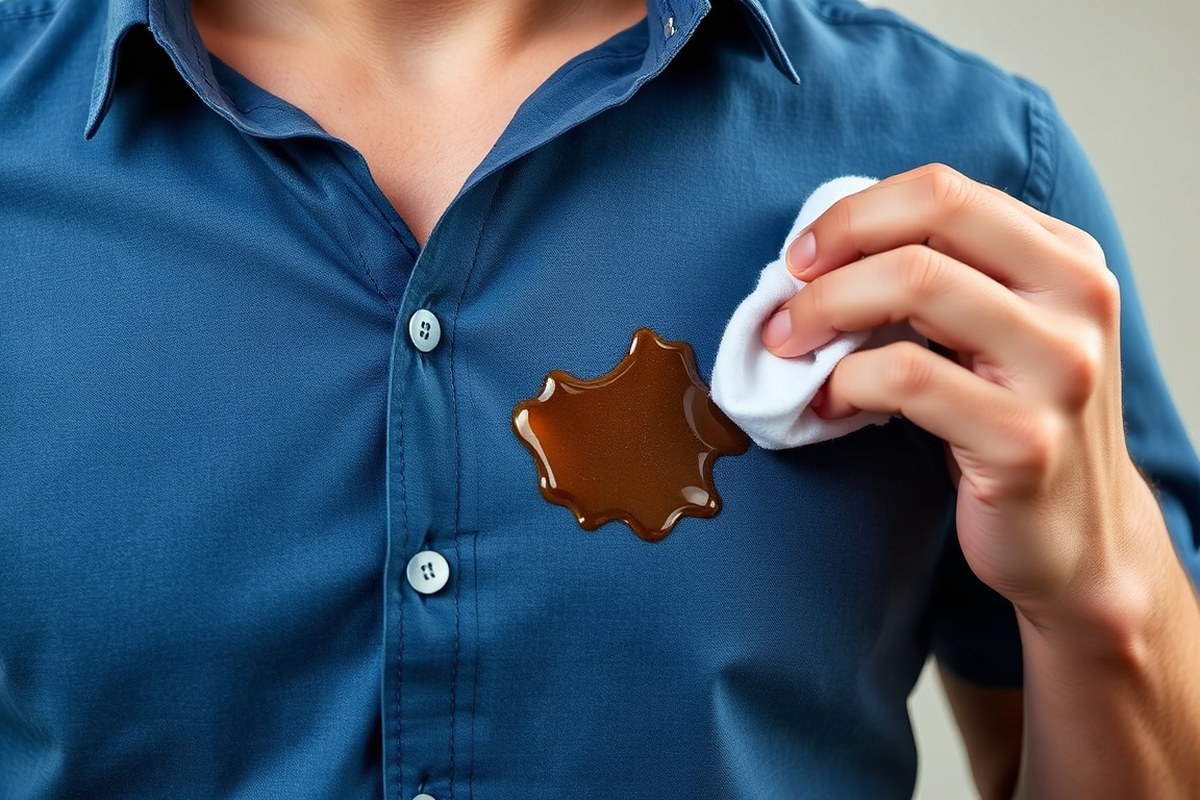
Acting quickly and carefully is key to removing stains effectively at home. The first thing to do is to stop the stain from spreading or setting deeper into the fabric or surface. Avoid rubbing the stain harshly, which can push it further in or enlarge it. Instead, gently blot or scrape off any excess material before starting treatment. The goal is to keep the stain area as contained and fresh as possible.
Preparing the stained item properly ensures the best chance for successful removal. For fabrics, turn the item inside out to rinse the stain from the back. This flushes the stain out instead of pushing it in. Use cold water first on protein-based or fresh stains to prevent them from bonding further, warm or hot water can cause stains to set permanently. On hard surfaces, vacuum or sweep away loose dirt or debris carefully before applying any cleaning solutions. Follow these step-by-step actions to begin cleaning stains safely and effectively at home:
- Blot or scrape off any excess stain material. Use a clean cloth, paper towel, or spoon to gently remove grease, mud, or food. Avoid rubbing to prevent spreading the stain.
- Rinse or dab the stain from the back or outside edges. Use cold water on fabrics, especially with protein stains like blood or milk. This reduces the chance of the stain setting.
- Vacuum or sweep away loose debris on carpets or upholstery. This makes cleaning more effective and prevents particles from embedding deeper.
- Apply a small amount of mild detergent or household stain remover. Test it on an inconspicuous spot first to check for colorfastness or damage. Use gentle dabbing motions.
- Let the cleaning solution sit briefly, usually 5 to 10 minutes. This helps break down the stain before rinsing it out.
- Rinse or blot with cold water to flush the loosened stain out. Repeat the process if necessary, working from the outside of the stain inward.
- Air dry or use low heat when drying stained fabrics. High heat from dryers or irons can set remaining stains permanently.
Following these steps minimizes the chances of making the stain worse or permanent. Avoid using warm or hot water initially unless the stain type specifically calls for it, such as with some poop stains where warm water can help loosen proteins. Cleaning products should match the surface and fabric type to prevent damage, especially on delicate materials. Acting promptly after a spill and focusing on gentle, targeted cleaning will lead to the best results with the least expense or effort.
2. How to Identify Stain Types for Better Treatment

Recognizing the type of stain you’re dealing with can save time and prevent damage to fabrics or surfaces. Stains generally fall into four main categories: protein-based, oil-based, tannin, and inorganic. Each type reacts differently to cleaning methods, so knowing the category guides you toward the best removal strategy.
Protein-based stains come from living things like blood, sweat, or chocolate. They often require cold water and enzyme detergents to break down the proteins without setting the stain. Oil-based stains, foods like grease or motor oil, respond better to hot water and alkaline cleaners because heat helps dissolve oils through saponification, turning the oils into a soap-like substance that washes away.
Tannin stains come from plant-based items such as coffee, tea, or wine. These stains usually need water and a detergent specifically designed to break down plant pigments, often with mild bleach solutions to brighten fabrics safely. Inorganic stains, like ink or rust, often resist common treatments and may require specialized stain removers or professional cleaning. Here is a quick reference table to help identify stain types and their best treatment approach:
| Stain Type | Common Examples | Water Temperature | Best Cleaning Agents | Why This Works |
|---|---|---|---|---|
| Protein-Based | Blood, sweat, chocolate | Cold | Enzyme detergents | Cold water prevents cooking protein; enzymes break proteins down |
| Oil-Based | Grease, cooking oil | Hot | Alkaline cleaners, baking soda | Heat melts oils; alkalis convert oils to soap for removal |
| Tannin | Coffee, tea, red wine | Warm to cold | Detergent, mild bleach solutions | Detergents and mild bleach break down pigments safely |
| Inorganic | Ink, rust | Varies | Specialized removers | Resistant to general cleaners; require targeted methods |
Correctly classifying a stain also helps you avoid mistakes like using hot water on a protein stain, which can set it permanently. Costs vary from a few cents for baking soda or basic enzyme detergent to a few dollars for specialized stain removers. Accurate identification reduces the risk of multiple attempts that waste time and damage the fabric.
Always test a stain remover on a hidden part of the fabric first to avoid discoloration or damage.
3. Best Household Ingredients for Stain Removal
Several common household ingredients effectively remove various stains when applied properly and safely. Baking soda, vinegar, hydrogen peroxide, dish soap, and rubbing alcohol are some of the most versatile options. Each works differently on stains like grease, grass, ink, or protein, and they require specific application steps and caution with certain fabrics.
Baking Soda and Vinegar Uses
Baking soda is a natural absorbent ideal for soaking up oil-based stains and freshening fabrics. You can make a paste by mixing baking soda with water and apply it directly to stains such as fruit marks on kitchen counters or sweat stains on clothing. Let the paste sit for about 30 minutes before washing or rinsing.
White vinegar works well as a gentle acid to break down stains and grime. Combining vinegar and baking soda into a paste can be effective on stubborn spots by creating fizzing action, breaking down dirt or discoloration. Rub the paste on the stain and let it remain at least 30 minutes before laundering. Avoid using vinegar on natural stone surfaces like marble, as it can cause etching.
- Use baking soda paste for oil-based and sweat stains
- Apply vinegar/baking soda paste for stubborn stains; wait 30 minutes
- Test vinegar on fabric colorfastness before full use
- Do not use vinegar on marble or natural stone surfaces
- Rinse or wash fabrics promptly after treatment
Hydrogen Peroxide Applications
Hydrogen peroxide at 3 percent concentration is a mild bleach and disinfectant, helpful on protein stains such as blood or sweat and on grass stains when diluted. You can mix equal parts hydrogen peroxide and water into a 50/50 solution and apply it to grass-stained fabric, scrubbing gently before washing. It also pairs well with baking soda on light-colored clothing: applying it as a bubbling paste directly to the stain can lift discoloration.
For tough stains, adding 1/2 cup hydrogen peroxide plus 1/2 cup baking soda to your washing machine’s load can boost stain removal. Soaking stubborn protein stains in cold water with a small amount of hydrogen peroxide before washing will also help break down the proteins gently.
Dish Soap and Alcohol Tips
Dish soap is effective for breaking down grease and many food stains. To use, rub a drop of liquid dish soap into the stain and let it set for 10 to 15 minutes. Then, rinse or soak the fabric in warm water for about 30 minutes before washing as usual. Dish soap is generally safe for most washable fabrics but avoid prolonged soaking on delicate materials.
Rubbing alcohol is a solvent useful for ink and some marker stains on colorfast fabrics only. Lightly dab the stain with alcohol using a sponge to lift the ink; after 10 minutes, rinse carefully. Alcohol is not recommended on delicate or non-colorfast fabrics and can dry out some textiles, so test on a hidden area first.
4. Step-by-Step Treatments for Common Tough Stains
Tackling tough stains like blood, red wine, grease, and grass requires prompt action and the right materials. Treating fresh stains quickly improves your success, while dried stains often need soaking or stronger agents. Follow these detailed steps with specific timings to remove these common but stubborn stains effectively.
Blood and Protein Stains
Blood stains are protein-based and respond best to cold water and enzyme-based treatments. Fresh blood should be rinsed immediately with cold water to prevent setting. For dried blood, soaking and oxidizers like hydrogen peroxide work better but handle carefully to avoid fabric damage.
- Rinse the stain thoroughly under cold running water to flush out as much blood as possible.
- Soak the garment in cold water mixed with a teaspoon of ammonia per quart for 20 minutes if the stain is fresh.
- Apply a small amount of 3% hydrogen peroxide directly on dried blood stains; let it fizz for 5 to 10 minutes.
- Blot with a clean cloth to lift loosened stain particles; repeat the peroxide step if needed but test fabric first.
- Launder the item using the warmest water safe for the fabric with a high-enzyme detergent.
- Air dry and check if the stain is gone; avoid machine drying as heat can set any remaining stain.
Red Wine and Beverage Stains
Red wine and similar beverages contain pigments that stain quickly. Acting fast by flushing with boiling water from a height can lift the pigment out before it sets. Club soda is a common alternative, helping dilute and lift the stain without harsh chemicals.
- Hold the stained fabric over a sink or tub.
- Boil water and carefully pour at least a kettle-full from a height of two feet onto the back side of the stain to flush it out.
- Pour club soda directly on the stain and use a clean cloth to absorb the moisture by blotting repeatedly when boiling water is unavailable.
- Apply a stain remover or liquid laundry detergent to the area, working it into the fibers gently.
- Let the fabric sit for 10 to 15 minutes to break down the pigment.
- Wash the item in the warmest water allowed by the care label.
- Air dry and repeat treatment if necessary before machine drying.
Grease and Grass Stains
Grease stains come from oils which need a degreasing agent, while grass stains contain chlorophyll and dirt best treated with alkali or enzyme cleaners. Both respond well to spot treatments followed by laundering.
- Blot excess grease gently with a paper towel; avoid rubbing the stain further into the fabric.
- Apply a liquid dish detergent directly to the grease stain to dissolve the oil; let it sit for 5 to 10 minutes.
- Rub gently or use a soft brush and rinse with warm water to remove loosened grease.
- For grass, mix warm water with a teaspoon of baking soda or an enzyme detergent and soak the stain for 30 minutes.
- Scrub the grass stain lightly with a brush or cloth to break up the stain.
- Wash the garment in warm water using the heaviest detergent recommended for the fabric.
- Air dry and repeat if the stain persists; avoid heat drying which can make grease stains worse.
5. Stain Removal Tips by Fabric and Surface Type
Adjusting your stain removal method to fit the fabric or surface is key to removing stains effectively without causing damage. Clothing, carpets, upholstery, and delicate fabrics each require specific approaches based on their material composition and sensitivity. Understanding what works best for each helps protect your belongings and improves stain removal success.
Clothing Fabrics
Different clothing fabrics call for tailored stain treatments, since some handle water and cleaning agents better than others. For most washable fabrics like cotton and polyester, applying a pre-treatment such as rubbing alcohol, hand sanitizer, or an alcohol-based hairspray directly on the stain can break down many marks. After 10 minutes, gently scrub the area, then wash according to the garment’s care label using a sustainable detergent to lift remaining residue.
Heavier fabrics tolerate vigorous cleaning, but delicate or synthetic materials can weaken if treated roughly or exposed to strong chemicals. Avoid hot water on protein stains like blood, as it sets these stains. Use cool water instead for rinsing before washing.
Carpet and Upholstery
Removing stains from carpets and upholstery often resembles clothing stain removal but requires more patience and care due to fabric thickness and padding underneath. Start by blotting the stain immediately with a clean, dry cloth to absorb excess liquid without rubbing it deeper. Next, try applying a mixture of water and mild detergent or rubbing alcohol on the spot, then gently dab instead of scrubbing to protect the fibers.
For tough stains like red wine, a combination of detergent and white vinegar offers effective results. Thoroughly rinse the treated area with water and blot dry to avoid residue buildup or mold growth. Steam cleaning can be used occasionally on carpets to remove set-in stains and refresh fibers but might not be suitable for delicate upholstery fabrics.
- Blot upholstery and carpet stains immediately; never rub
- Test cleaning solutions on a hidden area first
- Use mild detergents or rubbing alcohol for general stains
- Vinegar and detergent mix works well on red wine and similar stains
- Rinse with water and blot dry to prevent residue
- Steam clean carpets occasionally to remove deep stains
- Avoid excess water on upholstery to prevent mold
Always test any stain removal solution on an inconspicuous spot before applying it broadly, especially on upholstery and carpet.
Carpet and upholstery stains often require multiple treatments and longer drying times. Patience with gentle methods reduces risk of damage and extends fabric life.
Delicates and Leather
Delicate fabrics like silk or wool and leather need very careful stain removal to avoid shrinking, discoloration, or surface damage. For dry clean only fabrics, most stain removal should be left to professionals who have access to solvent-based cleaners. Trying home remedies risks ruining the fabric.
For other delicates, use mild soap diluted in cold water and dab stains gently with a soft cloth. Avoid soaking or rubbing aggressively. After treatment, air dry flat away from direct heat or sun.
Leather requires immediate wiping with a clean, dry cloth to prevent stain absorption. Avoid water or household cleaners unless specified safe for leather. Specialized leather cleaners or conditioners should be used sparingly for stains. For oily stains, a small amount of talcum powder can help absorb excess grease before gently brushing it away.
6. When and How to Use Commercial Stain Removers Safely
Commercial stain removers can be very effective at tackling various stains, but choosing and using them properly is essential to avoid fabric damage or discoloration. Look for a stain remover that matches the type of material and stain you are treating. For example, products designed for delicate textiles work better on silks and wools, while stronger formulations target grass, sweat, and berries on cotton or synthetics. Brands like Seventh Generation offer options for laundry stains, and some removers are specially formulated for mattresses or upholstery.
Before applying any commercial stain remover, perform a spot test on an inconspicuous area of the fabric. This step checks for adverse effects like fading or color bleeding. Dab a small amount of the remover onto the spot, wait 5 to 10 minutes, then blot it with a clean cloth. If the spot looks unchanged, it’s usually safe to proceed. Avoid skipping this test because chemicals in stain removers can break down fibers or react with dyes, causing permanent damage.
Apply the remover exactly as directed on the label. Typically, you will saturate the stained area with the product and let it sit for 5 to 15 minutes. Avoid letting the remover dry out completely, as this can reduce effectiveness and stress the fabric. After the dwell time, gently blot or lightly rub the stain, then rinse or wash the item as recommended. For machine-washable fabrics, pre-soaking tough food stains before the stain remover can improve results. For example, applying hair spray on lipstick stains, waiting 10 minutes, and then dabbing with a damp sponge can help lift the stain without harsh scrubbing.
Keep in mind some commercial products are not suitable for certain surface types. Using vinegar-based removers on natural stone, hardwood floors, or furniture can cause etching or discoloration. Also, set-in stains like blood or old food often require a formulated stain remover rather than household ingredients alone. Check the manufacturer’s care label and instructions carefully to prevent irreversible damage.
Handling stain removers safely means working in a well-ventilated area and wearing gloves if the label suggests to avoid skin irritation. Store stain removers out of reach of children and pets. The cost of commercial stain removers typically ranges from $5 to $15 per bottle, considering the concentration and brand. Choosing the right product and following application guidelines ensures you protect your fabrics while increasing the chances of complete stain removal.
7. Common Stain Removal Mistakes and How to Fix Them
Rubbing stains often does more harm than good. When you rub a stain, you risk spreading it further across the fabric and driving it deeper into the fibers. This makes the stain harder to remove and can result in a larger, more noticeable blemish. Instead, gently blot the stain using a clean, absorbent cloth or paper towel. Blotting lifts the stain without pushing it around.
If you notice a stain has spread, stop rubbing immediately. Blot the edges to minimize further spreading and switch to treating the affected area with an appropriate stain remover or mild detergent. Avoid pressing hard or scrubbing, as it might only embed the stain more firmly.
Heat is another common culprit in setting stains permanently. Using a dryer, ironing, or hot water on an untreated stain can cause it to set into fabrics, making removal much more difficult. To prevent this, always use cold or lukewarm water when rinsing or washing stained items. Only apply heat once you are sure the stain is completely gone.
Certain chemicals can also cause permanent damage or set stains if misused. For example, bleach can whiten or damage colored fabrics if applied incorrectly. Always test a stain remover or chemical on a hidden part of the fabric first. Follow label directions carefully and avoid mixing different cleaning agents, as they can react poorly and worsen the stain or damage the material.
- Avoid rubbing stains; blot gently instead.
- Stop treatment if the stain spreads; reposition and blot carefully.
- Use cold or lukewarm water on stains before washing.
- Never put stained clothes in the dryer until the stain is gone.
- Test stain removers on hidden fabric areas before full use.
- Do not mix cleaning chemicals to avoid harmful reactions.
- Use mild detergents or natural ingredients for delicate fabrics.
Some stains consist of more than one type of substance, which requires treating layers separately. For instance, a stain containing both oil and dye needs an oil-targeting pretreatment before a water-based cleanser. Ignoring this can leave part of the stain behind. Simple soaking under running water sometimes removes fresh stains and prevents the need for aggressive treatments.
Following these approaches helps you avoid common pitfalls that make stain removal harder or worse. A gentle, patient strategy paired with the right treatment ensures better outcomes for your fabrics and surfaces.
8. Deciding When to Call a Professional Cleaner
Some stains are too difficult or too risky to remove effectively with home methods. Oil-based stains deeply embedded in carpets or upholstery often require professional cleaning to avoid damage or spreading. Protein stains like blood or wine on delicate fabrics can also become permanent if treated incorrectly with DIY products. A stain still visible after one or two tries with household remedies might be permanent, which means it’s time to consider expert help.
Professionals use industrial-grade machines and specialized cleaning agents designed to target stubborn residues without harming fabrics or fibers. They often offer steam cleaning, dry cleaning, or oxidation treatments that go beyond what home kits can provide. You can expect a deep clean that reduces or removes stains while freshening the affected area. The cost generally varies by item and stain type but expect $50 to $150 for single garments or $75 to $200 for carpet cleaning of a small area.
To decide whether you should call a cleaner, use this checklist: Was your stain untreated for more than 24 hours? Have you tried recommended home methods twice without success? Does the stain cover a large area or appear on a valuable or sensitive material? Saying yes to any of these points suggests that professional cleaning would be a safer option. Avoid harsh chemicals on vintage or dry clean-only fabrics, as they can cause fading or damage.
Look for licensed and insured services with good customer reviews and clear pricing. Ask about their experience with your type of stain and fabric. A reputable cleaner will provide a written estimate and a satisfaction guarantee. Red flags include pressure to prepay, vague explanations of methods, or refusal to provide references. Checking for certifications from organizations like the Institute of Inspection, Cleaning and Restoration Certification (IICRC) can help ensure quality.
Scheduling a professional cleaning usually involves an on-site assessment or sending in the garment. Inform the technician about prior treatments and any allergies you may have to chemicals. After cleaning, review the stain area carefully before paying, as some types of damage or discoloration may be permanent and outside their control. Professionals can sometimes prevent worsening stains or costly replacement but cannot restore every item perfectly.
Persistent stains should not be scrubbed repeatedly at home; call a professional if your initial treatments don’t improve the stain within 24 to 48 hours to avoid permanent damage.
Step-by-Step Action Plan for Removing Stains at Home
Follow these clear steps to tackle most stains effectively while protecting your fabrics and surfaces.
- Before you start: Identify the stain type and the fabric or surface involved so you can choose the right treatment.
- Within the first 5 minutes: Blot or gently scrape off excess stain without rubbing to prevent spreading or setting it deeper.
- After initial blotting: Apply a suitable household stain remover like white vinegar, baking soda paste, or dish soap depending on the stain and fabric. Wait 5 to 10 minutes to see if the stain starts to lift.
- Within 30 minutes: Rinse the treated area with cool water to remove the cleaning agent and loosened stain particles. Check if the stain has lightened noticeably.
- If stain persists: Use a commercial stain remover designed for your fabric, following label instructions exactly to avoid damage.
- After treatment: Launder washed fabrics as recommended on care labels, using the warmest water safe for the fabric to fully remove both stain and cleaner.
- Final check: Inspect the stained area before drying; if any stain remains, repeat treatments because drying can set the stain permanently.
- After drying: For tough, set-in stains or delicate fabrics that don’t respond, consider calling a professional cleaner to avoid damage.
Frequently Asked Questions
What Removes Stains at Home?
Common household ingredients like baking soda, white vinegar, and enzyme laundry detergents effectively remove many stains. Using these with proper steps can handle most everyday stains safely and affordably.
How Do You Remove Chocolate Stains?
Chocolate stains respond well to enzyme laundry detergents that break down protein stains. Treat the stain quickly by scraping off excess, pre-soaking if needed, then washing with detergent for best results.
Can Toothpaste Remove Stains?
Yes, plain white toothpaste can remove some stains like grass on clothes when gently brushed on before rinsing. Avoid gel or colored kinds, which may cause more staining or damage.
What Stains Are Easily Removed?
Fresh, protein-based stains such as blood and chocolate are easier to remove using cold water and enzyme detergents. Acting promptly makes removal more effective.
How Can I Remove Stains from Carpet at Home?
Use a mixture of mild dish soap and water applied gently with a cloth to blot the stain. Avoid scrubbing, which can spread or embed the stain deeper into carpet fibers.
Does Lemon Juice Help Remove Stains?
Lemon juice can lighten some stains like rust or sweat due to its natural acidity but use it cautiously on colored fabrics to avoid bleaching or damage.
Before You Go
Removing stains successfully hinges on quick action and using the right method for the specific stain and fabric. Try one targeted treatment from your home first to minimize damage and save money. Keep stain removers on hand and treat stains as soon as you see them for the best results.