How to Take Stains Out of Clothes: 8 Proven Methods for Every Stain
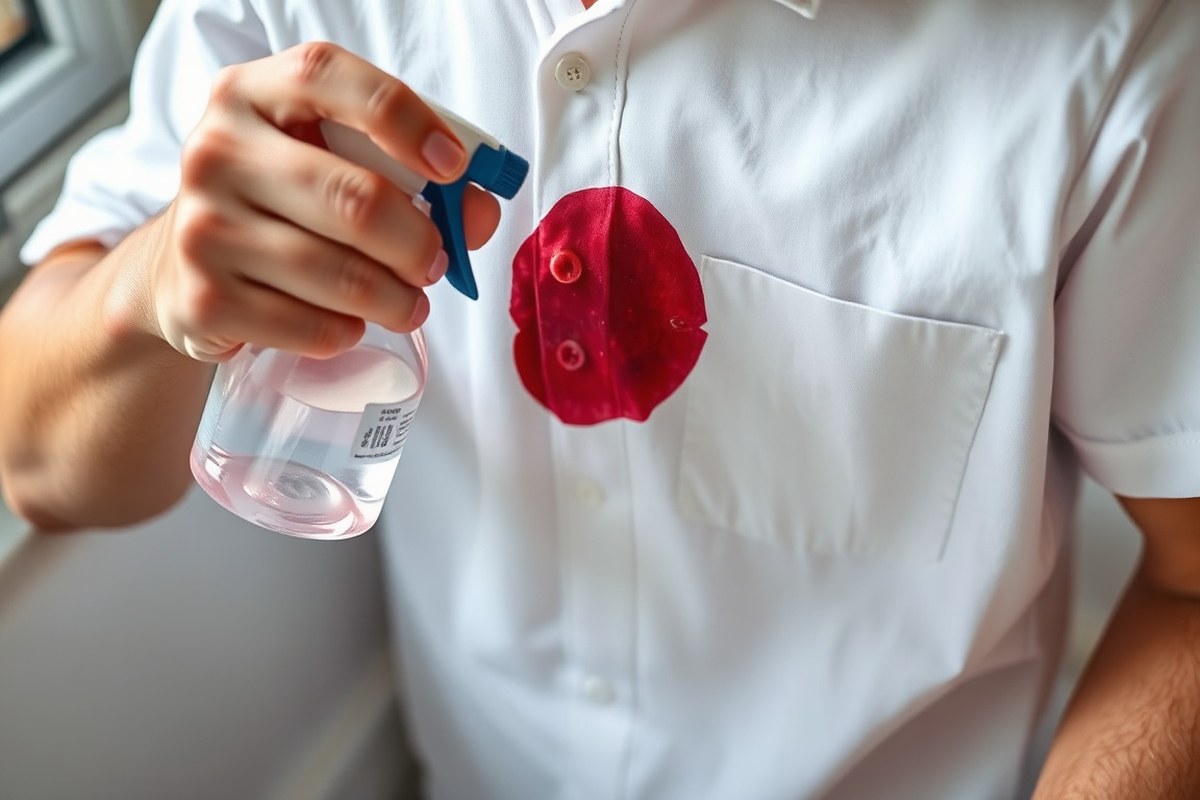
To take stains out of clothes effectively, treat the stain immediately by blotting excess liquid and avoiding rubbing, which spreads it. Use the right stain remover based on the stain type, and always check your fabric’s care label before applying any treatment. Proper pretreatment can prevent permanent damage and make washing much more effective.
This information helps anyone handling laundry at home remove common and tough stains safely and efficiently. It covers immediate actions, identifying stains, appropriate home remedies, and tips on fabric care to keep your clothing looking fresh longer.
Key Takeaways
- Blot fresh stains gently with a clean cloth instead of rubbing to avoid spreading them further.
- Refer to your garment’s care label symbols to choose suitable stain treatments and avoid damage.
- Use petroleum-based solvents for grease and oil stains but test on a hidden area first.
- Soak grass stains in undiluted vinegar for 30 minutes before laundering to lift the discoloration.
- Apply a thick paste of baking soda and water on fresh spills and let it sit 20 minutes to absorb stains.
- Mix dish soap with 3% hydrogen peroxide for blood stains on washable whites and wash cold afterward.
1. Immediate Steps to Treat Stains Before Washing
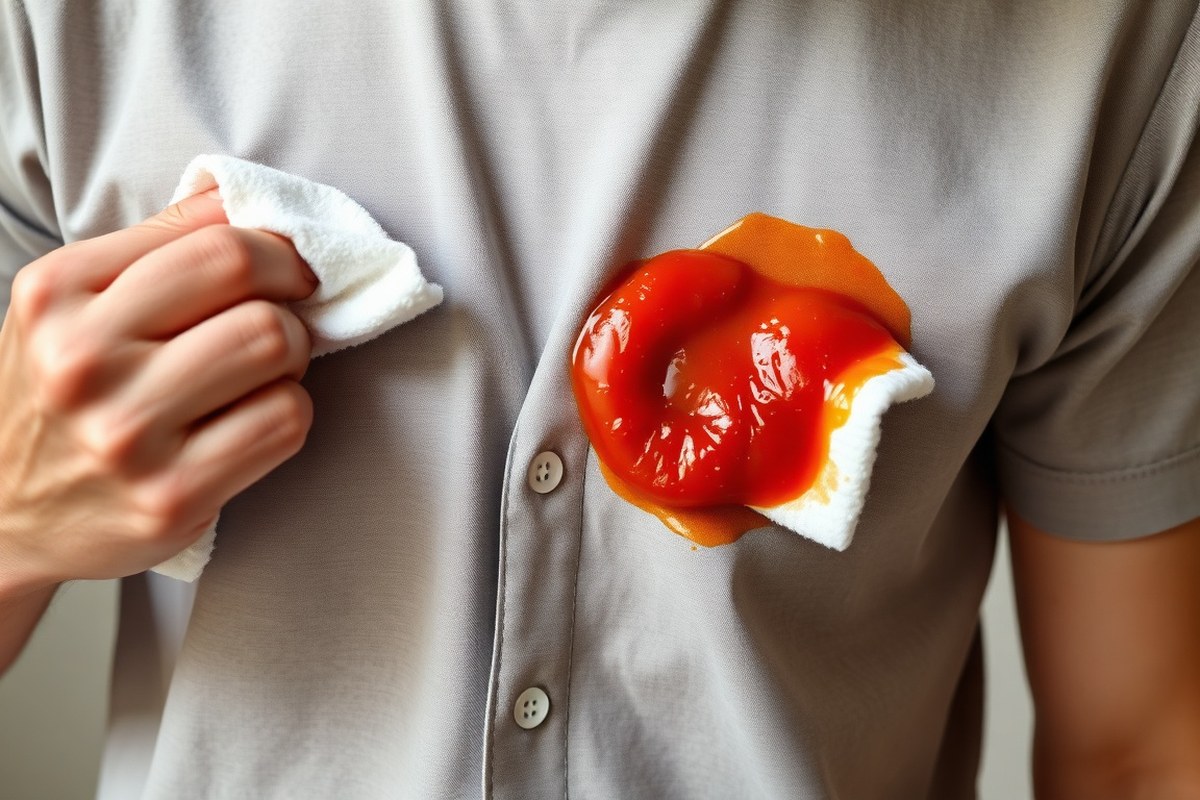
Acting quickly on a fresh stain can prevent it from setting permanently into your clothing. The first minutes after a stain occurs matter most because dry stains are much harder to remove than fresh ones. Using cold water right away slows stain molecules from bonding with fabric fibers while preventing some stains from spreading further.
It’s best to avoid rubbing a stain, which can push the substance deeper into the fibers or enlarge the stained area. Blotting gently with a clean white cloth helps lift the stain without causing damage or color transfer. Many stains respond well to cold water treatment, especially blood or coffee stains. Keeping the stain moist until you can treat it ensures it doesn’t dry out and become more difficult to remove.
- Blot the stain gently using a clean white cloth or paper towel. Avoid rubbing as it can embed the stain further into the fabric.
- Run cold water through the back of the stained fabric. This flushes out the stain from behind without pushing it deeper.
- Spritz or soak the stain with cold water. Keeping the stain wet is key to preventing it from setting, except in cases of oil stains where water only spreads the grease.
- Apply a small amount of liquid laundry detergent or dish soap to the stain. Rub it lightly with cold water and let it sit for 5 to 10 minutes for best results.
- If you’re away from home, keep the stain moist using a damp cloth or stain removal pen. Products like the Tide To Go Stain Remover Pen cost about $3 and are convenient for on-the-go treatment.
- Avoid heat exposure before the stain is removed completely. Hot water or drying can permanently set stains like blood or coffee.
- Do not place stained clothing in the dryer until the stain is fully gone. Heat will make removal much harder and sometimes impossible.
This checklist takes just a few minutes but can save you from costly garment damage. Certain stains such as blood especially need cold water flushing first. Remember that every stain reacts differently so quick response and correct steps create the best chance for full removal.
2. Identifying Stain Types and Their Characteristics

Understanding different stain types makes all the difference in choosing the right removal method. Protein-based stains, oil-based stains, tannin stains, and dye or pigment stains each require different treatments. Mixed stains need a combination approach. The type of stain also guides the water temperature to use during washing for better results.
Protein and Organic Stains
Protein stains come from natural sources like blood, dairy, sweat, and eggs. These stains are water-soluble but tend to set when exposed to heat. Because of that, cold water is essential for treating fresh protein stains to prevent them from bonding permanently to the fabric.
Organic stains, such as grass or food particles, generally respond well to soaking and enzyme-based detergents that break down protein molecules. Avoid hot water or dryers before the stain is removed, as heat will cook the protein into the fabric fibers.
Oil-Based and Grease Stains
Oil-based stains include grease, cooking oil, makeup, and petroleum products like gasoline. These stains repel water, so water-soluble stain removers won’t break them down effectively. Instead, solvents or detergents designed to dissolve oils are needed.
Act quickly on oil-based stains because they become harder to remove once they settle. Use petroleum-based solvents or dedicated grease removers at home for the best results. Avoid hot water until the stain is fully treated, as heat can set oil stains further.
Dye and Pigment Stains
Dye and pigment stains come from substances like ink, wine, coffee, and colored drinks. Coffee and wine are tannin stains, which are water-soluble but sensitive to heat. Using cold water and oxygen bleach (non-chlorine) helps lift these stains without damaging fabric colors.
Removing permanent dye stains is more challenging because they bond deeply with fibers. Color removers or specialized detergents can help, but they might fade fabric colors or require professional treatment for delicate materials.
Mixed and Compound Stains
Mixed stains contain two or more types of substances, such as makeup (oil plus pigment) or a sauce (protein and oil). Identifying each component helps determine the proper treatment sequence. Usually, start with targeting the oil component, then treat the protein or pigment parts.
Reading fabric care labels to know the right water temperature and detergent type further improves success. Often, pre-treating mixed stains is necessary before laundering to break down all parts properly.
| Stain Type | Common Sources | Water Temperature | Treatment Focus |
|---|---|---|---|
| Protein | Blood, dairy, sweat | Cold | Enzyme detergents, soaking |
| Oil-based | Grease, makeup, petroleum | Cool or warm (after pretreat) | Petroleum solvents, degreasers |
| Tannin | Coffee, tea, wine | Cold | Oxygen bleach, vinegar soak |
| Dye/Pigment | Ink, colored drinks | Cold | Color removers, oxygen bleach |
| Mixed | Makeup, sauces | Cold to warm (depends on stain) | Sequential treatment by components |
- Protein stains react poorly to heat, so always use cold water first.
- Oil stains need solvents or special detergents; water alone won’t cut it.
- Tannin stains like coffee or tea respond well to vinegar and oxygen-based bleaches in cold water.
- Dye stains can be tough and sometimes require color-safe bleach or professional help.
- Mixed stains demand treatment targeting each stain type in order.
- Check fabric care tags for water temperature guidance to prevent damage.
Cold water is often your safest bet to start with since many stain types, especially protein and tannin stains, will set if exposed to heat too soon.
3. Selecting Safe Treatments by Fabric Type
Different fabrics need different stain removal treatments to avoid damage and keep them looking good. Choosing the right method depends on the fabric type because some materials are sensitive to harsh chemicals, heat, or scrubbing. Testing treatments carefully helps you avoid color loss, shrinkage, or fabric weakening.
Cotton and Linen
Cotton and linen are durable natural fibers that tolerate a wide range of stain removal methods. They can handle stronger chemicals like diluted chlorine bleach and hydrogen peroxide, which makes them good candidates for tough stains such as coffee, blood, or sweat. Use a 3% hydrogen peroxide solution on white cotton for blood stains by applying it, letting it fizz for a few minutes, blotting gently, then rinsing. Avoid using bleach on colored cotton and linen unless the product label specifically says it is color-safe.
These fabrics tolerate warm water washing, usually around 104°F to 140°F (40°C to 60°C), to loosen stains effectively. Repeated treatments with oxygen-based bleach can brighten whites without the harshness of chlorine bleach.
Synthetics and Blends
Fabrics like polyester, nylon, rayon, and synthetic blends are strong but react poorly to acids and strong bleaches. Avoid chlorine bleach on these, as it can cause yellowing or break fibers down, especially on dark or bright colors. Oxygen bleach or color-safe bleach is safer and still effective at removing many types of stains.
Stain removers containing solvents should be tested carefully, as synthetic fibers may discolor or weaken under harsh chemical exposure. Washing synthetics in warm water around 86°F to 104°F (30°C to 40°C) helps avoid shrinking or misshaping. For stain removal on synthetics:
- Use oxygen bleach or color-safe bleach, not chlorine bleach
- Avoid acidic stain removers like aspirin solution
- Test any solvent-based treatment on a hidden seam first
- Use mild detergent and avoid hot water
- Blot stains gently rather than rubbing
Delicate Fabrics (Silk, Wool, Rayon)
Silk and wool need special care since harsh chemicals, high temperatures, and vigorous scrubbing can damage their fibers or cause shrinkage. Rayon can behave like a synthetic or delicate natural fiber, so treat it gently as well. These fabrics usually tolerate only mild detergents and some oxygen-based stain removers formulated for delicates.
Hydrogen peroxide can discolor delicate fabrics quickly, so testing on a hidden spot is essential. Most experts recommend taking silk and wool garments to professional dry cleaners when dealing with tough stains. For at-home pretreatments, use gentle stain removers designed for delicate fibers or spot treat lightly. Your checklist for caring for delicate fabrics includes:
- Check garment care label before treating
- Test any stain removal solution on an inconspicuous area
- Use mild detergent and cold water only
- Blot stains gently without rubbing
- Consider professional cleaning for persistent stains
Colorfastness and Testing Methods
Confirming colorfastness before applying any stain treatment is critical. Always test on a hidden seam or inner fold before the whole stain area. Use a cotton swab or a small amount of the treatment product and wait 5 to 10 minutes to see if discoloration, fading, or fabric damage occurs. Avoid using that treatment on visible areas when the test spot changes color or texture. Follow this decision rule before stain treatment:
- Read the fabric care label carefully
- Identify the fabric type and stain type
- Select a stain remover safe for that fabric
- Spot test the solution in a hidden area
- Apply the treatment to the stain when it is safe to do so.
- Rinse or wash according to fabric requirements
- Repeat testing or use professional services if unsure
Using this checklist helps avoid accidental damage. Always remember that some fabrics require professional stain removal despite the availability of home remedies.
4. Effective Home Remedies for Common Stains
Common household ingredients can effectively remove many everyday stains from clothes. Vinegar, baking soda, hydrogen peroxide, dish soap, and alcohol each target specific types of stains and work best following simple, precise steps. Using these remedies correctly can save you a laundry trip or costly dry cleaning.
Using Baking Soda and Vinegar
Baking soda and vinegar work well on grass and sweat stains due to their mild abrasiveness and acidic properties. Baking soda absorbs oils and lifts grime, while vinegar’s acidity helps break down stain residues. They also serve as odor neutralizers.
To remove grass stains, soak the garment in undiluted white vinegar for 30 minutes before washing. For grease or oil stains, sprinkling baking soda directly on the stain absorbs the oil, especially if left for 10 to 15 minutes before treatment.
- Sprinkle baking soda generously onto the grass or sweat stain.
- Let it sit for 10 to 15 minutes to absorb oils or loosen dirt.
- Using an old toothbrush, gently scrub the baking soda into the stain to lift it.
- For grass stains, soak the fabric in undiluted white vinegar for 30 minutes after scrubbing.
- Launder the garment as usual, following fabric care instructions.
Results look best when the stain visibly lightens before washing. Baking soda costs under $0.10 per tablespoon, making it affordable. Avoid vigorous scrubbing on delicate fabrics to prevent damage.
Hydrogen Peroxide for Protein Stains
Hydrogen peroxide at 3% concentration, commonly sold in the first-aid section, oxidizes and breaks down protein stains like blood. It’s effective on washable white fabrics but requires caution with colored fabrics to prevent fading. Always spot-test first.
Leave a mixture of 3% hydrogen peroxide and a small amount of dish soap on protein stains for up to 30 minutes. Using cold water prevents proteins from setting and ensures better stain removal.
- Spot-test hydrogen peroxide on a hidden area of fabric to check for colourfastness.
- Mix equal parts 3% hydrogen peroxide and dish soap for stubborn protein stains.
- Apply the mixture to the stain with a cotton cloth or sponge gently.
- Let the garment sit for up to 30 minutes without drying out.
- Rinse under cold water to remove the solution and lifted stain.
- Wash the garment according to the care label instructions using cold water.
Proper use costs about $0.20 to $0.40 per treatment. Avoid heat on blood and protein-based stains until fully removed to prevent setting.
Dish Soap for Grease and Oil
Dish soap is highly effective at tackling grease, pizza cheese fat, and cooking oil stains due to its grease-cutting surfactants. Treat stains before washing or heating the fabric, as heat can set oil stains permanently.
Sprinkle baking soda on the stain first to absorb excess grease, then scrub gently with dish soap. Wait about 10 minutes after applying dish soap to allow it to penetrate.
- Sprinkle baking soda liberally onto the grease or oil stain.
- Let it absorb the grease for 5 to 15 minutes.
- Apply a few drops of grease-cutting dish soap (not detergent) directly to the stain.
- Work the soap in gently with your fingers or a soft brush.
- Leave the garment for 10 minutes to let the soap break down the oils.
- Launder as warm as the fabric care label allows.
- Do not put the garment in the dryer until the stain is fully gone to avoid setting.
This straightforward method costs pennies per use. Avoid harsh scrubbing that might damage fabric texture.
Alcohol-Based Treatments for Ink
Isopropyl alcohol and rubbing alcohol help dissolve ink stains safely on many fabrics. Pressing, rather than rubbing, with a cotton ball soaked in 70% or higher isopropyl alcohol releases ink without pushing it deeper into fibers.
Hairspray containing alcohol is another option; spray it on the ink stain, wait a few minutes, then dab vinegar on top to lift the ink further. Be careful with delicate or synthetic fabrics as alcohol can cause discoloration or weakening.
- Place a clean cloth under the stained area to catch ink leaks.
- Moisten a cotton ball or pad with 70%+ isopropyl alcohol.
- Press gently, do not scrub, the stained area to transfer ink onto the cotton.
- If using hairspray, spray the stain and wait 2 to 3 minutes.
- Dab white vinegar over the hairspray-treated stain to help lift ink.
- Rinse the garment with cold water and launder as usual.
Costs vary but generally run under $1 per treatment. Testing alcohol on a hidden spot first is recommended to avoid damage or discoloration. Avoid using on acetate or dry-clean-only fabrics.
5. Targeted Removal Methods for Difficult Stains
Removing tough stains like red wine, ink, grease, and set-in spots requires targeted methods with specific commercial products or household treatments tailored for each type. The best commercial stain removers for stubborn spots often contain enzymes or solvents designed to break down complex stains without damaging fabric. For example, enzyme-based removers excel on protein and food stains, while solvent-based products handle grease and ink effectively. Dry-cleaning fluids, usually priced around $10 online, work well for pretreating ballpoint ink, candle wax, and makeup stains but should be used carefully on delicate fabrics.
Red wine stains can be tackled effectively by acting fast. Blot the excess wine immediately, then soak the fabric in cold water mixed with distilled white vinegar (about one part vinegar to two parts water) for 30 minutes before laundering. This method helps break down red wine pigments and prevents setting. For coffee stains, a similar vinegar and water soak or applying a paste of baking soda and water before washing can be effective. Both stains respond best when treated before drying, as heat tends to set them permanently.
Grease stains often require petroleum-based solvents because water alone doesn’t dissolve oils. Products containing petroleum distillates dissolve grease and lift it from fibers without harsh abrasion. Applying a small amount of petroleum jelly around the edge of an ink stain can prevent the ink from spreading while the solvent works. After application, blot gently and rinse with warm water. Always spot test solvents on an inconspicuous area first to avoid damage or discoloration.
Old, set-in stains pose a greater challenge. Liquid glycerin applied directly to the stain can soften aged stains before washing. Let it sit for at least 30 minutes or overnight for better results. Lemon juice also helps with rust and some ink stains, especially on whites or colorfast fabrics, by naturally bleaching the spot. However, avoid lemon juice on delicate or colored items to prevent fading. For deeply set stains that resist home treatments after repeated attempts, professional cleaning is advisable to avoid fabric damage from over-treating or harsh chemicals.
When treating any stain, follow the product instructions carefully. Avoid mixing different chemicals, as this can damage your clothing or create harmful fumes. Use the recommended amount and soak time. Rushing through steps or using home remedies unsuitable for the stain type or fabric may worsen the stain or weaken the material. For example, bleach can remove color as well as stain, so it’s not always the go-to for set-in spots.
Avoid using heat like hot water or a dryer on any stain before it’s fully treated, as heat can permanently set the stain into fabric fibers.
6. Water Temperature and Washing Tips for Stain Removal
Choosing the right water temperature plays a key role in effective stain removal and fabric care. For most stains, washing clothes in cold water works best because hot water can cause stains to set permanently. For example, grass stains should be soaked with laundry detergent, rubbed briskly, and rinsed with cold water to prevent embedding the stain deeper. Hot water might help with oily or greasy stains, but use caution to avoid damage on mixed or delicate fabrics.
When you find a stubborn stain still visible after initial treatment, soaking the garment can increase removal success. Use a bucket of water with a couple of tablespoons each of vinegar and laundry detergent, and soak the item overnight. Soaking times shorter than a few hours often don’t loosen tough stains, especially pigments like turmeric, which bond deeply to fabric fibers and resist standard washing.
Using bleach requires care and knowledge of your fabric type. Chlorine bleach can damage delicate fibers and should never be mixed with ammonia or vinegar. For whites or colorfast items, a diluted bleach solution can aid stain removal but always follow the product label. For colored or sensitive items, oxygen-based bleach provides a safer alternative, though it works best at warmer water temperatures. When unsure, spot test first by applying a small amount to a hidden area and checking for color loss or fabric weakening after rinsing.
Avoid putting stained clothes in the dryer before confirming the stain is gone. Heat often locks stains into fabric, making future removal nearly impossible. Instead, air dry treated garments. After washing, let them dry naturally in a well-ventilated area away from direct sunlight to minimize fading. When stains remain, reapply detergent or pretreatment spray and wash again with cold water before drying.
Here’s a simple checklist and timeline to follow: immediately soak or treat the stain to prevent it from setting. Rub the area gently and rinse with cold water. For tougher stains, soak the clothing overnight in a vinegar and detergent solution. Wash the item in cold water, avoiding hot cycles unless handling grease or mold (which needs hot water and a disinfecting booster). Air dry the garment rather than using a dryer. Repeat treatment and washing if stains persist before drying again.
These choices cost little beyond your usual detergent and vinegar, but they save your clothes from permanent damage by stains and harsh heat. Washing at proper temperatures protects fabric fibers and colours, extending your garments’ life. On the other hand, skipping soaking or using hot water on fresh stains frequently leads to setting that’s costly or impossible to fix. Taking time to soak and air dry after proper washing ensures the best outcome for removing stains and preserving your clothes’ appearance.
7. Avoiding Common Stain Removal Mistakes
Harsh scrubbing on stains can do more harm than good. When you rub aggressively, you risk pushing the stain deeper into the fabric fibers or damaging the material, especially delicate ones like silk or wool. Instead, gently blot or dab the stain with a clean cloth using the appropriate cleaner. This preserves the fabric’s integrity and lifts the stain without spreading it.
Drying clothes before a stain is fully removed often sets the stain permanently. Once heat from a dryer hits the stain, many substances bind tightly with the fabric and become much harder to remove. Always make sure the stain is completely gone before using any heat source. When the stain stays after washing, apply the stain remover again and run another wash cycle. This might take several rounds depending on the stain type and fabric.
Mixing different stain removers or laundry chemicals can damage fabric or cause colors to fade unexpectedly. Some chemicals react poorly together, weakening fibers or removing dyes. Use only one stain remover at a time and follow product instructions carefully. When uncertain, test a small hidden area first to check for colorfastness or damage.
Color bleeding during stain treatment occurs when dyes from one garment run onto another, especially in mixed-color loads. Prevent this by separating laundry by color, wash whites, darks, and bright colors separately. When color bleeding occurs, soak the item in cold water mixed with a bit of oxygen-based bleach or use a color catcher sheet to help remove the dye transfer. Avoid harsh chemicals on dyed fabrics to reduce the risk of fading.
When a stain does not come out after washing, do not dry the garment. Repeat the stain removal steps using the same gentle blotting technique or switch to a targeted remover designed for the specific stain type. Patience pays off; some stubborn stains require multiple treatments before completely disappearing. For stains that won’t come out after several attempts, think about getting the item professionally cleaned, especially if the fabric is delicate or expensive.
Fixes for water stains, which look like tide lines, include re-wetting the entire stained area evenly and allowing it to dry uniformly. This prevents concentrated pigment from settling along unevenly dried parts. Avoid scrubbing these rings, as this usually worsens the patchy appearance.
Following these practices protects your clothes, improves stain removal success, and extends garment life. Taking care in how you treat stains can prevent permanent damage, keep colors vibrant, and save money over time.
8. When to Use Professional Dry Cleaning Services
Stains that typically require professional dry cleaning include oil-based spots like grease, ink, and some dyes. These stains often penetrate deep into fabric fibers, making home treatments less effective. Similarly, delicate fabrics such as silk, wool, and cashmere, or garments marked “Dry Clean Only” on the care label, should be entrusted to professionals to avoid damage. Not all stains can be removed at home because certain solvents and techniques used by dry cleaners break down substances in ways that water and household products can’t without harming the fabric.
Before handing over clothes to dry cleaning services, prepare them by gently blotting any fresh stains without rubbing. Cold water rinses can remove some residue, but avoid soaking delicate items. Note the stain type and age, as older stains may require more intensive treatment. Write down relevant details to communicate clearly with the cleaner, such as “red wine stain on left sleeve, present for 2 days,” or “oil stain on back collar, untreated.” Showing the garment and pointing out the stains also helps the cleaner choose the best method.
Dry cleaning uses chemical solvents, commonly perchloroethylene or newer, less hazardous alternatives. These solvents dissolve oily, greasy stains but carry risks if not handled properly, such as skin irritation or environmental harm. Professional facilities follow specific safety and disposal protocols, so avoid home dry cleaning kits that only freshen clothes without truly removing tough stains. The cost of professional dry cleaning varies by garment and stain type but usually ranges from $5 to $30 per item, with additional fees for complex stain removal.
After professional cleaning, handle items carefully to maintain results. Avoid exposing garments to heat or direct sunlight immediately and always follow the cleaner’s advice on storing and wearing the clothes. Check that stains are fully removed before use, as heat from ironing or drying can set remaining stains permanently. Minor residues might be retreated or brought back to the cleaner for additional service, though repeated attempts can stress fabrics.
Always check the care label and communicate specific stain details to your dry cleaner; this helps ensure they use the correct treatment and protects your clothes from damage.
Step-by-Step Action Plan
Follow these steps right after a stain appears to improve your chances of removing it completely.
- Immediately: Blot or gently scrape off excess material without rubbing to avoid spreading the stain.
- Within 5 minutes: Rinse the stained area under cold water if the stain is from food or beverages; this helps prevent it from setting.
- Before washing: Treat the stain with an appropriate home remedy or stain remover suitable for the fabric type and stain, check for fading or damage after application.
- During washing: Use the recommended water temperature based on fabric to avoid setting stains further; cold water for protein-based stains and warmer for grease or oil.
- After washing: Check the stain before drying; if it’s still visible, repeat treatment since heat from the dryer can set it permanently.
- If stain persists: Consider a targeted removal method designed for tough stains or consult professional dry cleaning services for delicate items.
Frequently Asked Questions
Can Clorox Wipes Remove Stains on Clothes?
Clorox wipes are not recommended for stain removal on clothes because they may bleach or damage fabrics. It’s better to use products designed for laundry to avoid discoloration or fabric weakening.
Can Toothpaste Remove Stains?
Toothpaste, especially the paste variety, can help remove grass stains when applied with a toothbrush. Avoid gel toothpaste as it may not clean as effectively or could leave residue.
Does Isopropyl Alcohol Remove Stains from Clothes?
Yes, isopropyl alcohol can remove some stains like ink if applied with a cotton ball and pressed gently. Avoid scrubbing to prevent spreading the stain or damaging fabric fibers.
Does Vinegar Remove Stains?
Vinegar is effective on many stains and can lift grass stains when soaked undiluted for 30 minutes before washing. It works well as a mild acid to break down some types of stains.
Can Baking Soda Remove Odors from Stained Clothes?
Baking soda can neutralize odors and help lift stains when mixed with water into a paste. It’s a good option for freshening clothes along with stain removal.
Is It Okay to Put Stained Clothes in the Dryer?
No, drying stained clothes can set the stain permanently. Always treat and wash stains before using heat from the dryer to avoid setting them.
Final Thoughts
Stain removal depends on quick response, understanding the stain type, and using the right treatment for your clothes. Acting promptly and following these precise steps increases the chance you can save your garments without damage. The next time a stain happens, start with immediate blotting and rinsing to set yourself up for success.