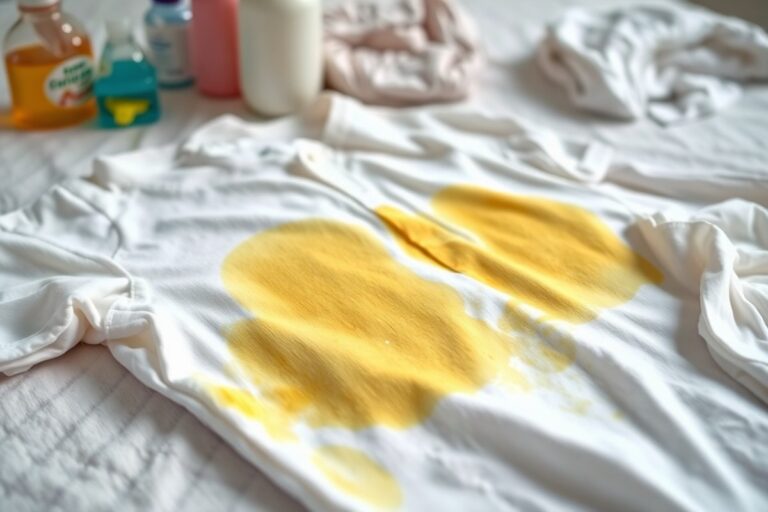
How to Get Rid of the Stain on Clothes 8 Proven Methods for Fast, Safe Removal
To get rid of the stain on clothes quickly and safely, start by identifying the stain type and applying the right pretreatment method. Use gentle rubbing of baking soda paste or apply targeted stain removers based on the stain’s source, then soak or wait as instructed before laundering. These steps reduce damage and improve removal success. This advice suits anyone dealing with everyday stains, from food spills to ink marks.
This article outlines practical approaches, including how to select treatments for different stains, when to use natural remedies, and how washing and drying impact stain outcomes. It also covers safe use of commercial products and when to consult a professional for tough or delicate stains.
Key Takeaways
- Identify the stain type first to choose the best removal method for effective treatment.
- Mix baking soda and water to form a paste, spread it on the stains, and let the fabric soak for half an hour.
- Use boiling water poured over berry or juice stains, then soak with lemon juice for 15 minutes.
- Remove grease stains by applying a stain remover, letting it sit 20 minutes, then washing as usual.
- Repeat stain removal steps if the stain doesn’t vanish completely after the first try.
- Use commercial stain removers designed for specific stains, such as Carbona Stain Devils, for targeted treatment.
1. How to Get Rid of the Stain on Clothes Step-By-Step

Act quickly to improve the chances of removing a stain completely. The first thing you want to do is address the stain spot without delay to prevent it from setting into the fabric. Avoid rubbing or scrubbing as this can spread the stain or damage the fibers. Instead, gently blot the area with a clean cloth or paper towel to lift excess liquid or residue.
Next, pre-treat the stain before washing by applying a stain remover or laundry detergent directly to the spot. This targeted approach breaks down the stain and makes washing more effective. Using cold water to rinse or soak the stained area first helps, especially for protein-based stains like blood or dairy, since warm water can set those types of stains.
Washing the garment properly without heat or prolonged drying is critical to stop the stain from becoming permanent. Use the warmest water temperature safe for the fabric as indicated on the care label, and avoid putting the item in the dryer until you confirm the stain is fully gone. Heat from dryers can permanently set stains that are still visible after washing.
- Blot the stain immediately. Use a clean cloth or paper towel to gently dab the stain and absorb excess material, never rubbing or scrubbing.
- Apply a stain remover or liquid detergent. Put a small amount directly onto the stain and work it in gently with your fingers or a soft brush.
- Rinse or soak the stained area in cold water. Soak for 15 to 30 minutes if possible to help loosen stain particles.
- Check fabric care labels. Always read washing instructions to choose the right water temperature and cycle for your garment.
- Wash in the warmest water safe for the fabric. Use your regular laundry detergent and the pre-treat area should be exposed to the water and detergent during the wash cycle.
- Inspect the garment before drying. Confirm that the stain is fully removed; if not, repeat the pre-treatment and washing steps.
- Air-dry the clothing. Avoid using heat from the dryer until you’re sure the stain is completely gone to prevent setting it permanently.
2. Identifying Stain Types and Selecting the Right Treatment

Stains generally fall into two main categories: water-soluble and oil-based. Water-soluble stains usually come from organic sources such as food, drinks, plants, or bodily fluids. Oil-based stains originate from greasy substances like salad dressing, lipstick, or motor oil. Knowing the type of stain helps you pick a treatment that works best without harming the fabric.
Protein-based stains, such as blood or sweat, are a subset of organic stains. They often have a dark red or yellowish color and are best treated with enzyme-based detergents or cold water soaking. Oil-based stains feel greasy or sticky and require petroleum-based solvents or dish soap to break down the oils. Dye-based stains, like ink or coffee, can be water or solvent soluble depending on the source and may need specialized removers or spot treatments.
To determine the stain type, look at texture and origin. For example, if the stain feels slick or has a smell of oil, it is likely oil-based. Blood or food stains are usually protein-based and respond well to enzyme cleaners. Ink and paint are dye-based, often needing stronger, specifically formulated removers. Here is a table matching common stain types to their best removal methods and products:
| Stain Type | Common Sources | Recommended Treatment | Example Product |
|---|---|---|---|
| Water-Soluble (Organic) | Food, drinks, sweat, grass, blood | Cold water rinse, enzyme detergents, heavy-duty laundry detergent | Carbona Stain Devils (blood, grass), standard laundry detergent |
| Oil-Based | Grease, lipstick, salad dressing, motor oil | Blot excess, use dish soap or petroleum solvent, warm water rinse | Tide dish soap, K2r Spotlifter (petroleum-based solvent) |
| Dye-Based | Ink, coffee, tea, paint | Specialty removers, spot treatments, test first on fabric | Carbona Stain Devils (ink, coffee), Whink rust remover (for rust stains) |
| Rust | Metal contact, iron | Acid-based removers; use with caution | Whink stain remover ($15) |
The key to success is starting quickly and matching your stain to the right kind of treatment. For instance, protein stains clean better when treated with enzyme detergents in cold water, while greasy stains respond to dish soap or solvents that dissolve oils. Spot test any product on a hidden area before applying it, especially with strong cleansers like rust removers that contain oxalic or hydrofluoric acids, which can damage fabrics and are toxic.
Blot grease stains gently without rubbing, then apply a few drops of dishwashing detergent to break down the oil before rinsing in warm water.
Ready-to-use products vary in price and convenience. Travel-size stain pens like Tide To Go ($3) work well for immediate treatment away from home, while larger bottles of Carbona Stain Devils ($4) or Whink ($15) offer strength for stubborn stains. Choosing the right product depends on the stain’s nature, fabric sensitivity, and whether you have quick access to water for rinsing. Acting fast with the right approach keeps stain removal manageable and clothes looking their best.
3. Pre-Treatment Techniques for Stubborn Stains That Really Work
Effective pre-treatment is key to removing stubborn stains, helping your regular wash perform better. By tailoring the approach to the fabric and stain severity, you can improve results while protecting your clothes. Natural options like baking soda and vinegar suit many stains and fabrics, while commercial stain removers offer stronger, targeted action when needed.
Using Baking Soda, Vinegar, and Lemon Juice for Pre-Treatment
Baking soda, white vinegar, and lemon juice are versatile, affordable options that often remove recent stains and odors effectively. Baking soda works well on grease and oil stains by absorbing residue. White vinegar helps break down mineral-based stains and freshens laundry without damaging most fabrics. Lemon juice is particularly helpful on berry or juice stains and also acts as a mild bleach on white fabrics.
Apply these natural products directly on the stain, adjusting for fabric type to avoid damage. Let them sit long enough to penetrate but not so long that they cause color fading, especially on delicate or colored fabrics.
- Sprinkle baking soda over the stain to absorb oils and moisture.
- Pour white vinegar onto the baking soda; it will fizz and help lift the stain.
- Allow the mixture to sit for 15 minutes on sturdy fabrics or 5 minutes on delicate materials.
- For fruit or berry stains, soak the area with lemon juice for 15 minutes after pouring hot water over it.
- Gently blot the stain with a clean cloth before washing as usual.
- If the stain remains, make a paste of equal parts vinegar and baking soda, rub gently, then rinse.
Applying Commercial Stain Removers Safely
Commercial stain removers offer stronger chemicals designed to break down tough stains, such as ink or latex, and can be more reliable for set-in or large stains. Choose a product based on the stain type and fabric care label instructions. Some removers target specific stains, and others can discolor or weaken fabric if misused.
Latex-specific spot removers usually cost around $10 and are available at hardware and home stores. Color removers and bleaches like Rit color remover ($5 on Amazon) help with dye-based stains but must be used cautiously on colored or delicate fabrics.
- Read the product label carefully to confirm it suits your fabric and stain.
- Apply the remover directly on the stained area using the applicator or a cloth.
- Allow it to sit for 5 to 10 minutes to penetrate.
- Avoid letting it dry out completely, which can reduce effectiveness or damage fabric.
- Wash the clothing item promptly according to label instructions.
- Repeat treatment only if necessary, avoiding excessive chemical exposure.
Pre-Soaking Instructions for Set-In Stains
Pre-soaking is recommended when dealing with old or stubborn stains that have penetrated the fabric fibers. It loosens the stain before washing and can improve removal results. Common pre-soak solutions include a mixture of baking soda and water or diluted white vinegar or lemon juice for natural bleaching effects on whites.
Use cold water on protein-based stains (blood, sweat) to prevent setting them. Warm water works well for grease and oil stains, whereas hot water can be used for white cottons with non-protein stains.
- Fill a basin or sink with water set to the appropriate temperature for the fabric and stain.
- Add 1/2 cup baking soda for odor and grease removal or 1 cup white vinegar for mineral-based stains.
- Submerge the stained garment completely.
- Soak for 2 to 6 hours depending on stain severity.
- Check stain progress and gently rub the fabric if needed before washing.
- Wash the item as usual right after soaking to prevent re-depositing the stain.
Spot Testing and Safety Precautions
Perform a spot test before applying any pre-treatment to avoid damaging or discoloring the fabric. Test the treatment on a hidden area like the inside hem or seam. Wait 5 to 10 minutes to check for any adverse reaction, such as fading or texture change.
Use only white vinegar, never colored vinegar, to avoid additional staining. Avoid mixing commercial stain removers with natural treatments unless the labels indicate it is safe. Protective gloves and good ventilation help reduce skin irritation and inhalation of fumes, especially when handling bleach or strong chemical removers.
4. Special Methods for Removing Common Tough Stains Like Ink, Grease, and Blood
Ink, grease, and blood stains each require specific treatments to remove them effectively without damaging your clothes. Using the right solvent and method for these tough stains improves your chances of success, whether you’re dealing with fresh or set-in marks.
Ink Stain Removal Options and Solvents
Ink stains from pens or markers can be stubborn, and choosing the wrong treatment might spread the stain or damage fabric. Rubbing alcohol is a common household solvent that works well on ink stains by breaking down the ink’s pigments. Milk offers an old-fashioned but gentle alternative that can lift fresh ink stains without harsh chemicals.
For best results, test the solvent on an inconspicuous fabric spot to avoid damage. Apply rubbing alcohol or milk to a clean white cloth or cotton ball and blot the stained area gently, working from the outside inward to prevent spreading. After blotting, rinse the fabric with cold water to remove residue.
Degreasing Grease Stains with Detergents and Solvents
Grease stains need immediate attention since they soak deep into fabric fibers. Liquid dish soap or laundry detergent with grease-fighting agents helps break down oil and lift the stain. For more stubborn grease, using specific oil solvents like K2r or Carbona can dissolve the grease without harming most fabrics.
- Act quickly to prevent grease from setting in
- Apply a small amount of liquid detergent or dish soap directly onto the stain
- For dry stains, first gently scrape off excess grease without rubbing it deeper
- Use an oil solvent on clean, dry fabric and follow package instructions carefully
- Rinse with cold water and repeat if needed before washing
These methods avoid heat, which can set grease stains permanently. Avoid heavy scrubbing, as it may spread the grease or damage the fabric.
Blood Stain Removal Using Cold Water and Peroxide
Blood stains are protein-based, and heat can cook the stain into the fabric, making it nearly impossible to remove. Always rinse blood stains with cold water first, soaking the fabric to loosen blood particles. Saltwater can act as a gentle pre-treatment, using about 1 tablespoon of salt per cup of cold water.
For tougher stains, 3 percent hydrogen peroxide (found in most first-aid kits) works well by breaking down the blood proteins. Apply a small amount directly to the stain, allowing it to bubble and lift the mark. Blot gently and rinse with cold water immediately to avoid weakening the fabric or causing bleaching.
When to Rely on Dry-Cleaning Fluids
Dry-cleaning fluids are specially formulated solvents that handle delicate or persistent stains like ink, candle wax, crayons, or oily makeup. These products are usually safe on dry fabrics and can be applied before laundering. Popular brands like K2r and Carbona are available at drugstores for around $10 and allow spot treatment at home.
Before starting, test the dry-cleaning solvent on an inconspicuous area to check for colorfastness. Apply it sparingly to the stained area with a cloth, blotting gently to dissolve the stain. Avoid rubbing or soaking the fabric completely. Follow label directions carefully to minimize risks to fabric and skin.
5. How Washing and Drying Affect Stain Removal Success
Washing and drying choices directly impact how well stains come out of your clothes. Start with the wash temperature: always check the fabric care label for the maximum safe temperature. Hot water (above 130°F or 54°C) can help break down oily or protein-based stains like grease or blood. However, delicate fabrics or cold-water stains need cooler temps (around 60°F to 80°F or 16°C to 27°C) to avoid damage or setting the stain further. When you’re unsure, using warm water (about 90°F to 110°F or 32°C to 43°C) provides a safe middle ground for many sturdy fabrics and common stains.
Detergent quality and type also matter. Use a heavy-duty laundry detergent that’s designed to tackle tough stains and grime. These detergents often contain enzymes that break down stain molecules, making them more effective than regular detergents. Apply the detergent directly to the stained area before washing for better results. For whites or colorfast fabrics, adding a small amount of bleach after the first wash can help if stains persist, but always follow the garment’s care instructions to avoid fading or damage.
Before drying, inspect the stained area closely. Drying clothes in a machine or with heat while stains are still present tends to set them permanently. Air-drying is the safest choice until you’re certain the stain is fully gone. After washing, if the stain remains, repeat the pre-treatment and wash cycle once or twice before drying. Usually, two washes with proper stain treatment are enough. Beyond that, heat can make stains impossible to remove later.
To manage this effectively, try this approach: first, treat the stain with detergent or a stain remover, wait 15 to 30 minutes, then wash on the warmest water safe for the fabric. Check the stain after washing before drying. When you still see it, treat and wash again. Finally, air-dry the item until you are confident the stain is gone. This method may add extra time but saves clothes and avoids permanent stains.
Machine drying stained clothes sets the stain, making it almost impossible to remove, always air-dry until the stain is fully gone.
6. Using Natural Stain Removers: Benefits, Limits, and Recipes
Natural stain removers often work well on fresh, light stains, offering a gentle alternative to harsh chemicals. Common natural agents include white vinegar, baking soda, lemon juice, and salt. White vinegar is effective against sweat, deodorant, and mild food stains, while baking soda acts as a mild abrasive and deodorizer, useful for greasy or oily spots. Lemon juice can brighten stains and works well on rust or mildew, but avoid using it on delicate fabrics as its acidity might cause damage. Salt helps absorb fresh liquid stains like wine or blood by drawing moisture out.
Begin by dabbing the stain with a clean cloth to lift off any surplus material. For spills, sprinkle salt right away to draw out the liquid. For other stains, mix one part white vinegar with two parts water, or blend baking soda with water to form a paste. Put a small amount of your chosen solution directly on the stain, softly rub it in, and let it rest for 5 to 20 minutes based on how tough the stain is. Rinse well with cold water afterward. Avoid hot water at first, since it can fix protein stains like blood or sweat permanently. For more stubborn stains, apply a paste made from powder dish detergent (without dyes or fragrances) and water, then keep it in a warm place for around 30 minutes before washing off.
Natural stain removers are generally safe for most cotton and synthetic blends, but caution is necessary with delicate fabrics such as silk, wool, or rayon. Acidic agents like lemon juice or vinegar may weaken or discolor these materials. Before applying any natural solution, test a small, hidden area for colorfastness. Delicate fabrics often require professional cleaning or specially formulated pretreatments approved for that material to avoid damage.
Natural methods cost little and depend mostly on ingredients that might already be in your kitchen. A bottle of white vinegar or a box of baking soda usually runs a few dollars and can treat many stains if applied promptly. For changing stains, repeat treatments or combining multiple natural agents might improve results, but keep in mind that stubborn or set-in stains often need stronger commercial products designed for those challenges.
Choosing natural stain removers is best for small, fresh stains on everyday fabrics and when you want to avoid chemicals. However, avoid relying on these solutions for large, old, or protein-based stains like blood or ink. These often require commercial cleaners with enzymes or solvents to break down the stain molecules effectively. Using natural agents alone on tough stains can lead to incomplete removal, causing the stain to persist or become harder to remove later.
7. How to Choose and Use Commercial Stain Removal Products Safely
Commercial stain removal products come in various types, such as spot removers, enzymatic detergents, solvents, and stain removal pens or sprays. Choosing the right one depends on the stain type, fabric, and product instructions. Always read product labels carefully and follow safety guidelines for usage and storage to prevent damage to clothes and harm to yourself.
Spot Removers vs. Enzymatic Detergents
Spot removers are designed for quick, targeted treatment of specific stains and often use solvents or detergents to break down the stain chemicals. Enzymatic detergents contain enzymes that digest protein-based stains like blood, sweat, and food, making them effective for organic stains. For example, products like OxiClean’s MaxForce use oxygen bleach and enzymes combined to treat a variety of stains effectively.
Using these correctly means applying the product directly to the stain, letting it sit for the time recommended on the label, usually between 5 and 15 minutes, before laundering as usual. Overuse or leaving them too long can cause fabric damage or discoloration. Check if the product suits your fabric type; some enzymes may not be safe on delicate materials like silk or wool.
Solvents for Oil and Grease Stains
Oil and grease stains require solvents that can break down fats and oils. Clear dish soap is a common home remedy, but commercial products like Goo Gone specialize in dissolving automotive grease and household oil stains. Combination solvent stain removers like Shout or Spray ‘n Wash attack oily stains as well as food and makeup marks. These products often come as sprays or gels.
Use a small dab of the stain remover on the affected area and let it work for 10 to 15 minutes without vigorous rubbing, which might spread the stain. Then wash the item using the warmest water temperature allowed by the fabric care label. Prices for Goo Gone and Shout products typically range between $5 and $10 per bottle, varying with size and formula.
Using Stain Removal Pens and Sprays
Stain removal pens and sprays provide convenient, on-the-go treatment for fresh stains. Pens like Tide To Go cost about $2.50 and are effective for food and drink stains, making them handy to carry in purses or backpacks. Spray products combine enzymes and oxygen bleach for at-home use with easy application. One common method is to spray the stain, wait 5 to 10 minutes, then rinse or wash.
For best results, test the pen or spray on a hidden seam or inside hem first to check for colorfastness. Apply gently to avoid pushing the stain deeper into the fibers. Stain pens work best on fresh spots; older or set-in stains generally require more intensive treatment.
Safety and Storage Guidelines
Always wear gloves when using stain removers to protect your skin from irritation caused by chemicals like enzymes or solvents. Avoid inhaling vapors by using products in well-ventilated areas. Follow label instructions exactly, especially regarding exposure time and rinsing requirements. Keep all stain removal products out of reach of children and pets to prevent accidental ingestion.
Store products in a cool, dry place away from direct sunlight and excessive heat, which can degrade active ingredients. Never mix different stain removers or bleach products, as this can cause dangerous chemical reactions. The label may advise washing your hands thoroughly after using the product to prevent potential skin irritation or allergic responses.
8. When to Seek Professional Help for Stubborn or Delicate Stains
Stubborn stains like ink, paint, or certain dye transfers often resist removal with home methods. These stains usually require professional cleaning to avoid permanent damage. Fabrics labeled as dry-clean only, such as silk, wool, cashmere, or vintage textiles, are also best handled by experts to prevent shrinking, color loss, or fabric weakening.
Attempting to treat these stains yourself can risk setting the stain further or harming the garment. For example, hot water may set protein-based stains like blood or egg, making removal nearly impossible. Professionals have specialized solvents and equipment that penetrate fibers without damaging delicate materials. They also use precise temperature controls and chemical combinations tailored to the stain and fabric type, which you typically can’t replicate at home.
Deciding whether to call a professional often depends on the stain’s age, type, and the garment’s value. Fresh stains under 24 hours old respond better to home treatment. For older, dried-in stains or those on expensive or delicate clothes, professional cleaning is safer. Also, if the item requires dry cleaning only, avoid water-based methods and seek expert service.
When you bring a stained item to a professional cleaner, expect to pay between $10 and $30 per garment for standard treatments, with specialty fabrics or severe stains costing more. Professionals assess the stain and fabric, select tailored solutions, and handle garments with care. Good results show the stain visibly reduced or eliminated without fabric damage or color loss. Home attempts may leave stains partially visible or alter fabric texture and color.
In summary, seek professional help when stains are old, highly pigmented, or on delicate fabrics that can’t tolerate water or harsh chemicals. Avoid aggressive scrubbing or common household products on silk, wool, or dry-clean only items. Taking quick action and knowing when to rely on professionals helps preserve your clothes and improves stain removal success.
Attempting to remove stains on dry-clean-only fabrics at home can lead to irreversible damage; when in doubt, consult a professional cleaner.
Step-by-Step Action Plan for Removing Stains from Clothes
Follow these clear steps to tackle stains effectively and keep your clothes looking fresh.
- Before you start: Identify the type of stain to select the right treatment. Check if the fabric can handle water or solvent-based cleaners.
- Immediately after the stain occurs: Blot excess liquid gently with a clean cloth, avoid rubbing, to prevent spreading.
- Within 30 minutes: Apply an appropriate pre-treatment, such as a stain remover or a natural solution, and let it sit according to product instructions or at least 5 minutes.
- Before washing: Test any stain remover on a hidden part of the fabric to check for damage or color loss.
- Wash promptly: Use the warmest water safe for the fabric with your usual laundry detergent, targeting the stained area.
- After washing: Inspect the stain before drying; if still visible, repeat pre-treatment and washing to avoid setting the stain permanently.
- Use careful drying: Air dry stained clothes or use a low-heat setting if the fabric allows; avoid high heat that can fix stains.
- If stain persists after multiple attempts: Consider professional cleaning to avoid damaging delicate fabrics or tough stains.
Frequently Asked Questions
Can You Remove a Stain After It’s Set?
Removing set stains is harder but possible with strong treatments like oxygen bleach or professional cleaning. Avoid drying stained clothes before treating to prevent setting further.
Can Toothpaste Remove Stains?
Yes, plain white toothpaste can help remove grass stains using an old toothbrush and scrubbing gently. Avoid gel types as they won’t be effective.
How to Use Shout Laundry Stain Remover?
Spray Shout directly on the stain and let it sit for 5 to 10 minutes before washing as usual. It contains enzymes that break down tough stains efficiently.
How to Spot Bleach White Clothes?
Use diluted household bleach carefully to spot treat whites, applying with a cotton swab and rinsing immediately. Test a small area first to avoid damage.
Can You Use Vinegar to Remove Ink Stains?
White vinegar can help lift fresh ink stains but should be used cautiously on colored fabrics to prevent new stains. Try a small hidden area first.
Will Freezing Clothes Help Remove Stains?
Freezing doesn’t remove stains but can prevent them from setting temporarily before treatment. Avoid drying stained items before treating them.
The Bottom Line
Removing stains from clothes requires acting quickly with the right treatment for the stain type and fabric. Using proper pre-treatment, washing techniques, and cautious drying can greatly improve your chances of full stain removal. Take the first step by identifying the stain on a recent piece of clothing and applying a suitable pre-treatment; working carefully will save your clothes from permanent marks.