How to Get Set in Stains Out of Clothes: 8 Proven Steps for Effective Removal
To get set in stains out of clothes, treat the stain quickly and select a removal method that matches the stain type and fabric. Use household remedies like dish soap for grease or baking soda paste for sweat stains, then wash with the correct water temperature. Avoid rubbing harshly and reuse commercial stain removers safely to prevent damage.
Homeowners and renters who struggle with persistent stains will find clear steps to remove old stains effectively. This article explains how different stains react, the best treatments, fabric care tips, and common mistakes that worsen stains.
Key Takeaways
- Apply dish soap directly to grease stains and rinse with warm water after 5-10 minutes.
- Mix baking soda with water to form a paste, apply it to sweat or oil stains, and allow it to sit for 30 minutes prior to laundering.
- Soak grass stains in undiluted vinegar for 30 minutes to lift the stain effectively.
- Use a white vinegar and water mix for deodorant or yellowing stains before laundering.
- Spray commercial stain remover like Zout on stains and let it sit for 5, 10 minutes before washing.
- Cold water soaking for about 30 minutes helps loosen set-in stains without setting them further.
1. How to Remove Set-In Stains from Clothes Effectively
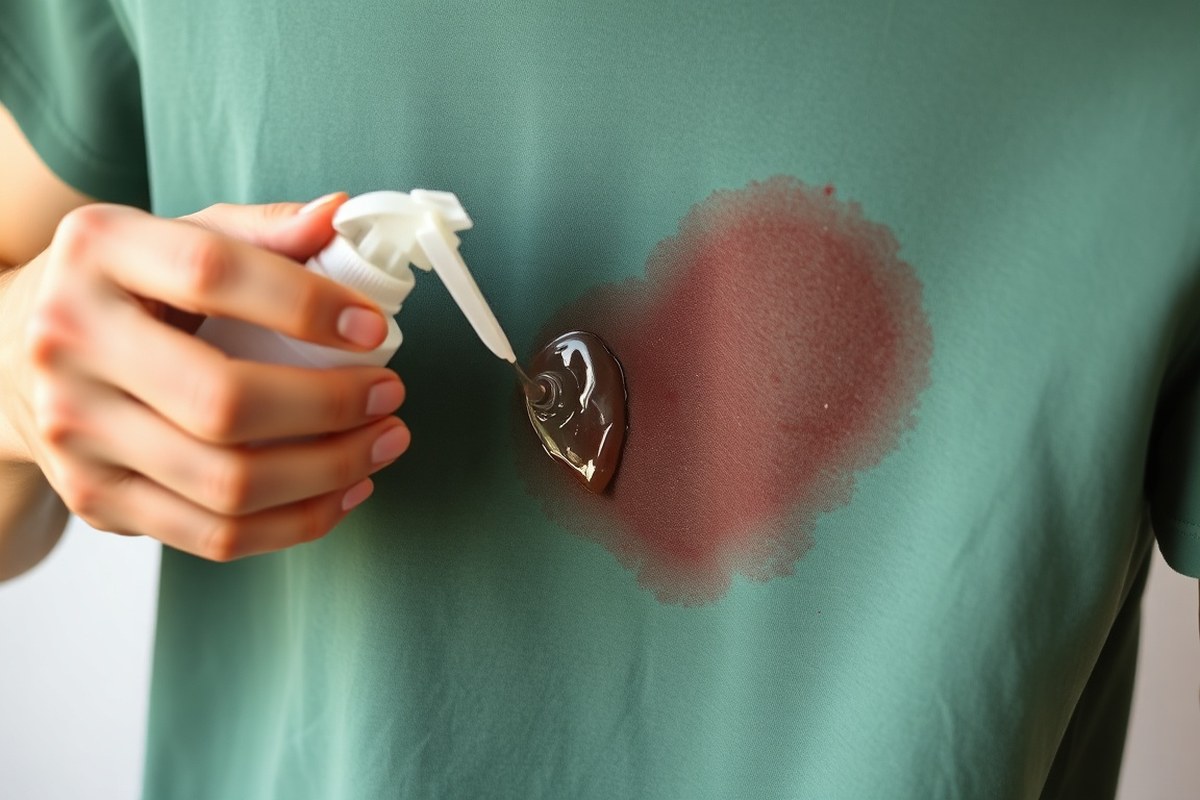
Set-in stains require careful treatment to avoid damaging your clothes while working to lift the stain effectively. The key is acting methodically: pre-treating with the right product, gently working the remover in, and avoiding heat until the stain is completely gone. Soaking and pretreating help loosen the stain fiber binding, increasing your chances of full removal without fading or color bleeding. Follow these detailed steps to treat and remove set-in stains safely and efficiently:
- Identify the fabric and stain type. Check the care label on your garment to understand washing limitations. Use stain removers suitable for the fabric and color to prevent damage or fading, especially on dark or colorful clothes.
- Apply a small amount of stain remover directly on the stain. Prefer prewash stain removers or dish soap for grease stains. For old sweat or oil stains, make a paste of baking soda and water and apply it.
- Gently rub the stain remover into the fabric. Use your fingers or a soft-bristled toothbrush to work the solution into the stain. Let it sit for 5 to 30 minutes depending on the stain type, grease stains around 5-10 minutes, baking soda paste on oil stains up to 30 minutes.
- Soak the garment in cold water if needed. Submerge the stained section in cool water to help loosen the old stain. Avoid hot water, as it may set some stains permanently. Soaking can last 30 minutes to several hours for tough stains but don’t leave fabric soaking excessively to avoid damage.
- Wash the garment using the warmest water allowed by the care label. Use your usual detergent and avoid bleach unless the label permits it. Check that the stain has faded before drying.
- Inspect the garment before drying. Rinse and recheck the stained area. Avoid using the dryer if any stain remains, since heat can set stains permanently. Repeat treatment if necessary, applying stain remover again and rewashing.
- Air dry the garment once you confirm the stain is gone. This helps prevent any trace stain from setting due to dryer heat. Once dry, store or wear as usual.
The process takes patience and attention, with total treatment time ranging from 30 minutes to a few hours, depending on stain severity. Expect effective stain removal when the area looks consistent with the surrounding fabric without color loss or residue. Common issues include using hot water prematurely, skipping soaking or pretreatment, and drying stained clothes, a cycle that makes stains harder to remove later.
2. Different Types of Set-In Stains and How They React
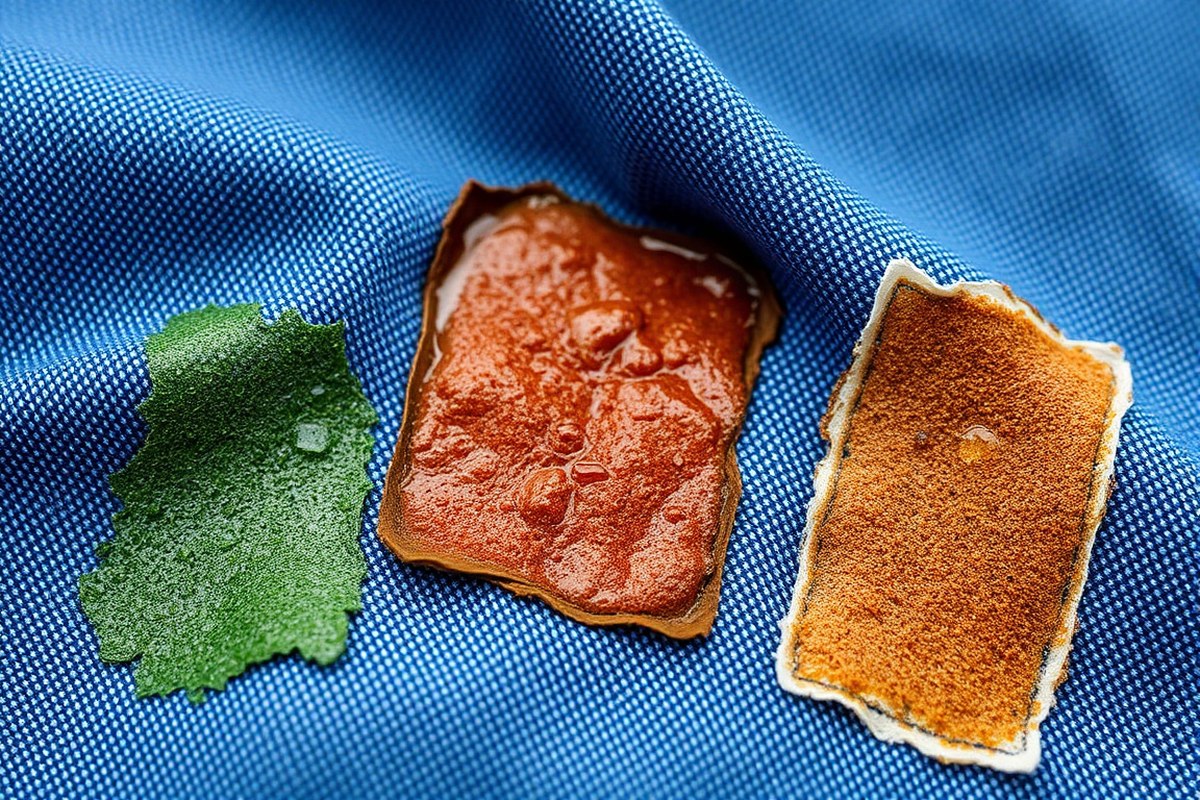
Set-in stains come from different sources like protein, oil, tannin, and dyes, and they each react differently to stain removal efforts. Knowing what type of stain you’re dealing with will guide you to the right treatment, because some stains get worse with heat or the wrong cleaning agents. Tailoring your approach helps prevent permanent marks and keeps your clothes looking their best.
Protein-Based Stains
Protein stains include blood, sweat, milk, and egg. These stains are sensitive to temperature, so cold water works best to rinse and soak such stains. Hot water can actually cook the protein into the fabric fibers, making the stain permanent. Pre-soaking the stained fabric in cold water with a bit of laundry detergent for 30 minutes can help loosen these stains before washing. Avoid using chlorine bleach on protein stains, as it can make them worse.
For older or fully set protein stains, repeat the cold water soak and apply an enzyme-based stain remover before washing. Enzymes break down the protein molecules, which gently lifts the stain from fibers without damage. Avoid putting the garment in the dryer while the stain remains, because heat causes it to set permanently.
Oil and Grease Stains
Oil and grease stains come from cooking oils, butter, cosmetics, and lubricants. Removing these stains takes a different approach since oil doesn’t dissolve well in water alone. Use hot water and a grease-cutting detergent for the best results. Pre-treat the stain by applying baking soda or cornstarch directly to absorb excess oil, then brush it off after 15 minutes.
Start by putting liquid dish soap on the grease stain and let it rest for 5 to 10 minutes before washing. You might need a second wash for tough stains. Washing with hot water helps remove oil, but use caution with delicate fabrics since heat can cause shrinking or fading.
Tannin and Dye Stains
Tannin stains come from coffee, tea, wine, and fruit juices. Dye stains come from ink, grass, or fabric color transfer. Both types are acidic and set quickly, so prompt action helps. Tannin stains respond well to a soak in white vinegar mixed with water (equal parts) for about 10 minutes before laundering. Treating tannin stains on whites is especially effective with vinegar, while color-safe oxygen bleach can brightens colored fabrics without damage.
Dye stains often require specific stain removers designed for ink or grass. Avoid using chlorine bleach on dye stains unless the fabric is white, as it can cause discoloration. In many cases, repeated treatments and soaking are necessary for older set-in dye stains. Avoid drying until the stain is gone to prevent setting.
Different types of stains call for different water temperatures, pre-treatment methods, and cleaning agents. The table below summarizes the best ways to treat each type of set-in stain and what to avoid, helping you choose the right approach for your situation.
| Stain Type | Best Water Temperature | Recommended Pre-Treatment | Avoid |
|---|---|---|---|
| Protein (blood, sweat) | Cold water | Soak in cold water with detergent, enzyme stain remover | Hot water, chlorine bleach |
| Oil and Grease | Hot water | Absorb with baking soda/cornstarch, dish soap treatment | Cold water alone, immediate drying |
| Tannin (coffee, wine) | Cold to warm water | Soak in vinegar-water solution, oxygen bleach for colors | Chlorine bleach on colors, high heat drying |
| Dye (ink, grass) | Cold water | Use ink/grass stain remover, repeated soaking | Chlorine bleach on colors, drying before stain removal |
Matching stain type to treatment prevents common mistakes like setting the stain with heat or using the wrong cleaning agent. These targeted methods improve your odds of restoring clothes without damage.
Do not put stained clothes in the dryer before the stain is fully removed; heat from the dryer sets stains permanently.
3. Which Fabrics Need Special Care with Set-In Stains?
Fabric type significantly impacts how you approach removing set-in stains from clothes. Some fabrics need gentle care to avoid damage, while others allow more aggressive treatments. Using the wrong method may worsen stains or harm the fabric fiber, so understanding the material helps you choose safe and effective stain removal techniques.
Delicate Natural Fibers
Natural fibers such as silk, wool, and linen require extra caution during stain removal because they can easily shrink, weaken, or discolor. Delicate fibers are sensitive to heat and harsh chemicals, so cold water and mild detergents are best. For example, washing silk or wool in hot water or using strong bleach will damage the material. Instead, opt for a gentle cycle or hand wash with fabric-specific cleaners.
Enzyme-based stain removers and common household solutions like vinegar are effective on protein stains or food marks but should be used sparingly and diluted on delicate fabrics. An appropriate approach is soaking the stained area in cold water mixed with a small amount of gentle detergent for 10 to 20 minutes before lightly dabbing the stain. Avoid scrubbing, which may cause pilling or fiber distortion.
Durable Synthetics and Blends
Synthetic fabrics like polyester, nylon, and blends can tolerate more aggressive stain removal methods. They generally resist shrinking and color loss better than natural fibers. This durability allows the use of enzyme-based cleaners, household agents like vinegar or dish soap, and warm water up to about 104°F (40°C) without risking damage.
Use a heavy-duty washing cycle for these materials when stains are tough, but always check the garment’s care label to confirm temperature limits. For set-in protein stains like blood, treating the fabric with cold water and an enzyme cleaner beforehand improves results. Multiple applications might be necessary with older stains, but synthetics usually withstand repeated treatments well.
- Check fabric labels to confirm washing instructions and temperature limits
- Use cold water and gentle cycles for delicates
- Heavier fabrics and synthetics allow warm water and more potent cleaners
- Avoid bleach on colored or delicate fabrics to prevent damage
- Treat stains promptly to reduce the need for harsh treatments
- Test stain removers on an inconspicuous spot for colorfastness
- Follow manufacturer guidelines for commercial stain removers
Following these steps helps prevent fabric wear and discoloration, which are common when improper treatments are applied. This checklist guides you in balancing stain removal power and fabric safety.
Whites Versus Colored Fabrics
White fabrics show stains and any signs of treatment damage more clearly than colored clothes. Therefore, they often require stain removers tough on blemishes but gentle enough to avoid yellowing or weakening the fabric. Oxygen-based bleach products are usually safe for removing set-in stains from whites without causing fabric wear, unlike chlorine bleach, which can be too harsh.
Colored fabrics demand stain removal products that won’t fade or alter their hues. Many stain removers designed for colors also work well on whites, but always verify that the product is formulated for both to avoid unexpected outcomes. Treating colored or dark fabrics with cool water preserves vibrancy while using mild detergents coupled with gentle agitation.
4. Effective Household Ingredients for Removing Old Stains
White vinegar, baking soda, and hydrogen peroxide are powerful household ingredients that can safely remove many set-in stains, especially organic ones like blood, coffee, and wine. White vinegar acts as a mild acid that helps break down stain molecules, while baking soda provides gentle abrasion and odor neutralization. Hydrogen peroxide serves as a bleaching agent effective on whites but should be used carefully on colored fabrics to avoid fading.
Combine one cup of white vinegar with half a cup of baking soda, add one tablespoon each of salt and hydrogen peroxide, then stir until you get a paste. Spread this paste onto the stain and keep it there for 30 minutes. Afterward, gently scrub the area using an old toothbrush. Rinse the fabric under cold water before washing it normally. This solution is effective for coffee, wine, and old food stains on sturdy white fabrics. Test on a hidden area first when using on dark or bright colors, as hydrogen peroxide might bleach them.
Baking soda mixed with water into a thick paste also works wonders on stubborn stains like coffee or red wine. Spread the paste on the stain and let it dry for at least 30 minutes before brushing off and washing. For oily stains, sprinkle baking soda or cornstarch directly to absorb excess grease and let sit for a minimum of half an hour. This treatment helps lift the stain before washing. However, these household treatments are less effective on very old or greasy food stains, which may require commercial stain removers or professional cleaning.
Hydrogen peroxide is particularly effective for blood stains. Use a 3 percent solution and apply it directly onto the stain, allowing it to bubble for a few minutes, then blot with a clean cloth. Repeat if necessary before washing. When dealing with colored fabrics, apply hydrogen peroxide sparingly with an eyedropper, followed by a quick rinse, to minimize the risk of color loss.
To remove old ink stains, spray the stained area with hair spray first to loosen the ink. After a few minutes, dab white vinegar onto the hair-sprayed spot using a cotton ball or cloth. This combination breaks down the ink and lifts it from fabric fibers. Gently blot rather than rub to avoid spreading the stain. This technique works best on polyester and cotton blends but test it on a small area first for delicate fabrics.
Mixing liquid dish soap with hydrogen peroxide can tackle stubborn food stains like tomato sauce or chocolate. Combine equal parts of soap and hydrogen peroxide, apply it on the stain, and let it soak for about 30 minutes before rinsing thoroughly. This mixture aids in breaking down oils and pigments in the stain, improving wash effectiveness.
Always test household stain removers on a hidden section of the fabric to ensure colorfastness. Use cold water rinse after treatments to help prevent setting stains further. Household ingredients offer a budget-friendly option, typically costing only a few dollars and using items you likely have on hand. Persistence is key as some older stains may require multiple applications for best results.
5. Choosing and Using Commercial Stain Removers Safely
The best commercial stain remover for set-in stains varies depending on the stain type and fabric. Multi-enzyme products work well on many stains since they attack proteins, starches, and fats, treating issues like blood, sweat, grass, and grease. These enzyme-based cleaners break down stains on a molecular level, making them useful for deep stains. Pre-soaking clothes in cold water with enzyme detergent before washing can boost stain removal for stubborn spots.
The length of time you leave a stain remover on varies by product and stain severity but generally ranges from 5 to 30 minutes before laundering. Over-treating or allowing removers to dry on fabric can damage some materials, so it’s important to follow label instructions closely. Prewash stain removers improve grease and chocolate stain removal because they break down oils and proteins effectively. Below is a comparison table showing common stain types, recommended commercial removers, and important application notes:
| Stain Type | Recommended Product Type | Application Time | Fabric Precautions |
|---|---|---|---|
| Blood, Sweat, Grass | Multi-enzyme detergent | Soak 15-30 minutes or apply prewash | Use cold water; avoid heat before stain removal |
| Grease | Commercial prewash stain remover | 5-10 minutes before wash | Test on hidden area for delicate fabrics |
| Chocolate | Milk soak or enzyme-based remover | Apply remover, then wash promptly | Avoid hot water before treatment |
| Coffee | Multi-enzyme or specialized coffee stain remover | 10-20 minutes, then launder | Test for colorfastness on dark fabrics |
| General set-in stains | Multi-enzyme spray or soak | Up to 30 minutes soak, then wash | Follow product directions; avoid drying first |
To choose the best product, identify the dominant stain type and match it to an enzyme-based or prewash commercial remover suited for that stain. Always apply remover to a clean, dry surface and aim for even coverage. After treatment, wash according to the label using recommended water temperature based on fabric care instructions.
Never let commercial stain removers dry on the fabric; rinse or wash promptly to avoid colour loss or fibre damage.
Enzyme detergents do remove set-in stains, but their effectiveness increases when combined with soaking for 15 to 30 minutes in cold water, especially for protein-based stains. For delicate fabrics, a spot test is essential to avoid damage. Commercial removers like those targeted for children’s stains provide nontoxic options with effective results on common messes.
6. The Role of Water Temperature and Washing Techniques
Water temperature plays a key role in removing set-in stains without damaging your clothes. Use the hottest water safe for the fabric type for the best stain removal results. For example, cotton and linen can handle very hot water around 130°F to 140°F, which helps break down tough stains. Synthetics like nylon require hand-hot water near 105°F to 110°F, while woolens should be washed in lukewarm water around 90°F to 100°F to avoid shrinking or felting. Always check the garment’s care label before deciding on temperature. Using too hot water on delicate fabrics can permanently damage fibers and worsen stains.
Cold water works best for certain protein-based stains such as blood, coffee, and tea. Immediately rinsing the area with cold water prevents protein stains from setting deeper into the fabric. Soaking set-in coffee or tea stains in a mixture of one-third cup vinegar and two-thirds cup water for about 30 minutes can loosen the stain before laundering. Cold water also prevents oily stains from spreading and keeps colors from bleeding. After soaking, wash the garment in warm water recommended for the fabric as a next step.
Oily stains respond well to warm water combined with mild dish soap, which breaks down grease more efficiently than cold water alone. Warm water creates better conditions for soap molecules to surround and lift oil particles, speeding removal. Avoid hot water on oily stains since it can set them permanently.
Washing cycles matter as well. Use a regular or heavy-duty cycle for highly stained cottons with sturdy fabric. For delicate or synthetic garments, choose a gentle or permanent press cycle that minimizes agitation, reducing fabric stress while still cleaning effectively. Excessive washing or repeated cycles can harm fabric fibers, cause fading, and sometimes worsen stubborn stains by embedding them deeper.
Consider this decision rule: start treating stains as soon as possible with cold water rinsing for protein-based stains or a soap-water mix for oily spots. Then, machine wash using the hottest water safe for the fabric on an appropriate cycle. Skip repeated washes of the same garment if the stain remains; instead, retreat and soak again to prevent damage. Good results look like a noticeable lightening or complete removal of the stain after one thorough wash. If the stain persists, retreat with stain remover or soak to avoid harming the garment with repeated machine agitation.
The cost involves time for soaking, occasional use of special detergents, and careful cycle selection rather than expensive products. Careful temperature and cycle choices protect your clothes, save energy by avoiding unnecessary re-washing, and improve stain removal success without risking fabric damage.
7. Common Mistakes That Make Stains Permanent and How to Avoid Them
One of the biggest mistakes that turns set-in stains permanent is putting the stained item in the dryer too soon. The heat from the dryer causes the stain’s molecules to bond with the fabric fibers, making removal much harder or impossible. It’s important to skip the dryer until you’re completely sure the stain is gone. Air drying the clothing after treatment allows you to check if any stain remains.
Using bleach incorrectly can also worsen stains. Bleach might lighten the fabric unevenly or react with certain stain types like protein or tannin stains, making them more noticeable. Avoid applying bleach directly on the stain without dilution, and never mix bleach with ammonia or other cleaners as it creates harmful fumes. Test a small, inconspicuous area first and follow the label’s instructions carefully to prevent damage.
Repeatedly washing or scrubbing a stained item can actually push the stain deeper into the fabric fibers. Over-treatment can cause color fading or fabric wear without removing the stain. Instead, treat the stain gently with appropriate cleaners and soak times. Patience is key to avoiding permanent set-in damage.
- Never put stained clothes in the dryer before the stain is 100% removed.
- Do not apply bleach directly to stains; dilute it and test on fabric first.
- Avoid scrubbing aggressively; gently blot or soak to lift stains.
- Follow product labels exactly to prevent fabric damage.
- Treat stains as soon as possible; old stains require more care but still respond better than after heat setting.
- A stain that shows up after drying calls for soaking the garment in cold water and applying stain remover again before washing it once more.
Accidentally drying a stained garment does not mean you can’t save it. Start by soaking the item in cold water for 30 minutes to loosen some residue. Next, apply a stain remover formulated for set-in stains, following the instructions for soaking times (often 30 minutes to an hour). Repeat soaking and washing steps as needed before any new drying attempts. Avoid hot water when re-treating since heat can lock in the stain even further.
Bad home remedies, like using toothpaste or rubbing alcohol without knowledge of the stain type, can make stains permanent. Rely on proven stain removers or household ingredients like white vinegar or baking soda, applied with care, for safer treatment. Proper timing, avoiding heat, and gentle handling protect your clothes and give you the best shot at success.
8. When to Seek Professional Cleaning for Set-In Stains
Professional cleaning becomes necessary when home methods fail to remove stubborn or delicate stains. If you’ve tried typical stain removal techniques without success, or the fabric is labeled “dry clean only,” it’s time to consider expert help. Choosing the right cleaner and preparing your garments correctly ensure the best chance of saving your clothes.
Types of Stains Suited for Professionals
Certain set-in stains often require professional treatment due to their nature or the risk of damaging the fabric. Blood, ink, wine, and grease stains are among the most challenging to remove completely at home once set. For example, old blood stains tend to bond tightly to fibers and need enzymatic or chemical treatments that dry cleaners can provide. Wine stains, especially red wine, can also penetrate deeply; professionals use specialized solvents that are safer and more effective than household remedies like salt or milk.
Fabrics marked “dry clean only” typically require professional handling, as homemade solutions may ruin their texture or color. Delicate materials like silk, wool, and some synthetics can shrink, fade, or lose shape if washed incorrectly. Professionals use solvents tailored for these materials, offering a gentler and more thorough stain removal process than home laundering.
Choosing the Right Professional Service
Select a cleaner experienced with the type of fabric and stain you have. Many dry cleaners advertise specific expertise in delicate or heavily stained garments. Services like Green Cleaners provide gentler, environmentally friendly options for persistent stains, which is useful if you want to avoid harsh chemicals. Pricing for professional cleaning varies widely but expect to pay $5 to $20 per item, depending on stain severity and garment type.
Dry cleaning is generally better for old stains on “dry clean only” items or delicate fabrics, as solvents dissolve oils and residues more effectively than water-based methods. For heavily soiled everyday fabrics, wet cleaning services by professionals may be more appropriate. Confirm the cleaner’s stain removal policy beforehand, as some won’t guarantee success on certain stains or may charge extra for pre-treatment.
Preparing Garments for Cleaning
Before taking your clothes to a professional cleaner, gently remove any solids or crusted dirt without rubbing the fabric harshly. Avoid washing the item yourself or applying homemade stain removers if the tag says “dry clean only,” since improper treatment could set the stain further or damage fibers. Place the garment in a breathable bag or wrap it in a clean cloth to protect it during transport.
Clearly point out the stain’s location to the cleaner and describe any treatments you have already tried. This helps the professionals choose the right approach and avoid repeated chemical exposure that might weaken the fabric. Keep in mind that prompt action increases the chance of successful removal, so don’t wait weeks after the stain appears to seek professional help.
Always check garment care labels and avoid home treatments on “dry clean only” fabrics before consulting a professional cleaner.
Step-by-Step Action Plan for Removing Set-In Stains
Follow these steps to tackle set-in stains on your clothes safely and effectively. Track each stage to see progress and decide if further action is needed.
- Before you start: Identify the stain type and fabric. This helps select the right treatment without damaging your clothes.
- Day 1: Pretreat the stain using a household ingredient or commercial remover suited to the stain type. Look for visible fading of the stain before washing.
- Day 2: Wash the garment in the warmest water safe for the fabric, using a good detergent. Check if the stain lightened or disappeared after washing.
- Day 3: If the stain persists, apply a second pretreatment and soak the garment for 30 minutes to an hour. Confirm stain softening or partial removal before rinsing.
- Day 4: Repeat washing under the same conditions. Assess whether the stain is significantly reduced or gone.
- After 1 week: For stubborn stains, try professional cleaning services. Professional assessment can prevent damage and improve removal success.
Frequently Asked Questions
What Is the Best Way to Remove Tough Stains from Clothes?
The best way is to treat stains quickly using a paste made from baking soda and water or apply hydrogen peroxide directly for organic stains like blood. This method tackles stubborn spots without damaging most fabrics.
How Can I Make a Homemade Spray and Wash Stain Remover?
Combine one cup of white vinegar, half a cup of baking soda, one tablespoon of salt, and one tablespoon of hydrogen peroxide to form a paste or solution. Use this mixture on stains prior to washing to help lift them out effectively.
Does Hydrogen Peroxide Remove Stains?
Yes, hydrogen peroxide removes organic stains like blood effectively by pouring it directly on the stain and blotting with a clean rag. It works as a mild bleach, so test on colors first.
Does Baking Soda Remove Stains?
Baking soda helps remove stains by absorbing oils and lifting dirt, especially when made into a paste with water and applied to stains for 30 minutes before washing. It’s gentle on fabrics.
Can I Use Hair Spray to Get Ink Out of Clothes?
Yes, spraying hair spray on the ink stain followed by dabbing vinegar can help remove ink successfully. This method breaks down the ink pigments for easier washing out.
How Long Do Stains Take to Set in Clothes?
Stains generally begin to set in about one week, making them harder to remove. Treat stains as soon as possible for the best results.
Key Points to Remember
Removing set-in stains requires consistent care tailored to the fabric and stain type. Use the right pretreatment and washing steps, and avoid harsh methods that make stains permanent. Start treating your stains today with precise methods to prevent lasting damage and extend the life of your clothes.