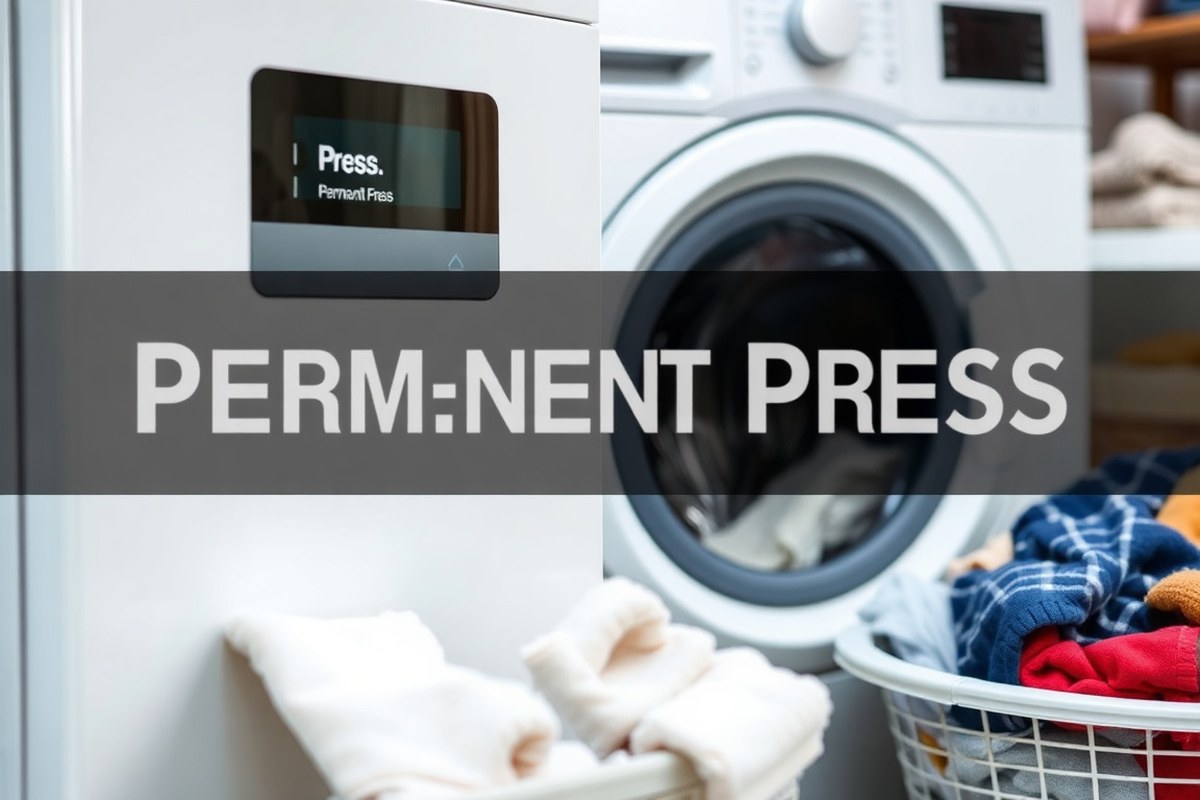
What Does Machine Wash Permanent Press Mean? A Complete Guide to Wrinkle-Free Laundry
Machine wash permanent press means using a washing cycle designed to reduce wrinkles by combining warm water, gentle agitation, and a slower spin. This setting works best for synthetic fabrics and blends, helping clothes come out smoother and easier to iron. It avoids harsh washing and spinning that could cause creases, making it ideal for casual workwear or synthetic blends that tend to wrinkle easily.
This explanation is for homeowners and renters who want to understand how to keep their laundry wrinkle-free and protect fabric quality. You’ll learn which fabrics suit permanent press, how the cycle functions, and when to choose other settings for the best laundry results.
Key Takeaways
- The permanent press cycle uses warm water and gentle spinning to reduce fabric wrinkles during washing.
- It works best for synthetic fibers and blended fabrics, such as polyester blends and wrinkle-resistant cotton mixes.
- Permanent press washing cycles usually last between 30 and 60 minutes, shorter than regular cycles.
- The dryer’s permanent press cycle uses medium-high heat, then cools down at the end to prevent wrinkles.
- Avoid using permanent press on 100% cotton clothes, as it may cause shrinkage or excessive wrinkling.
- Adjusting cycle length to 45 or 50 minutes can improve wrinkle prevention and energy use for permanent press washes.
What Does Permanent Press Mean on a Washing Machine?

The permanent press cycle on a washing machine targets synthetic and mixed-fabric clothing to minimize wrinkles. It accomplishes this by using warm water paired with gentle agitation rather than the stronger motion typical of regular cycles. This method protects clothing from excessive creasing and wear, making it suitable for garments such as polyester blends, dress shirts, and casual pants that often wrinkle after laundry.
This cycle typically lasts between 30 and 60 minutes, depending on your washing machine model. It features a slower, more delicate spin cycle which avoids harsh twisting that can create deep wrinkles. The use of warm rather than hot water helps loosen dirt and detergent without stressing the fibers. Many modern washers allow you to adjust temperature or spin speed when selecting permanent press, offering further care customization for delicate garments.
Using the permanent press cycle matters because it helps extend the life of synthetic fabrics by minimizing the mechanical stress during washing. Unlike regular cycles, which can agitate clothes aggressively and lead to rapid wear or pilling, permanent press cycles treat fabrics more gently while still cleaning effectively. This cycle works best when you avoid overloading the washer, as crowded clothes do not move freely and may still get wrinkled.
To wash clothes on the permanent press setting, load your sorted synthetic or blended fabrics into the washer along with your preferred detergent. Select “Permanent Press” as the cycle, ensuring the water temperature is set to warm or cold based on garment care labels. After the cycle finishes, promptly remove clothes to reduce the chance of wrinkles setting in. Then, transfer them to the dryer and select the dryer’s permanent press setting to continue wrinkle prevention.
Permanent press washes suit clothing items such as shirts made of polyester or nylon blends, casual trousers, and household items like pillowcases or sheets that include synthetic fibers. These items benefit from the gentle wash and slower spin, keeping them looking smooth and reducing the need for ironing. Avoid using this cycle on heavy cottons or delicate silks, as these fabrics require different care methods better suited to their texture and structure.
How the Permanent Press Cycle Works to Reduce Wrinkles
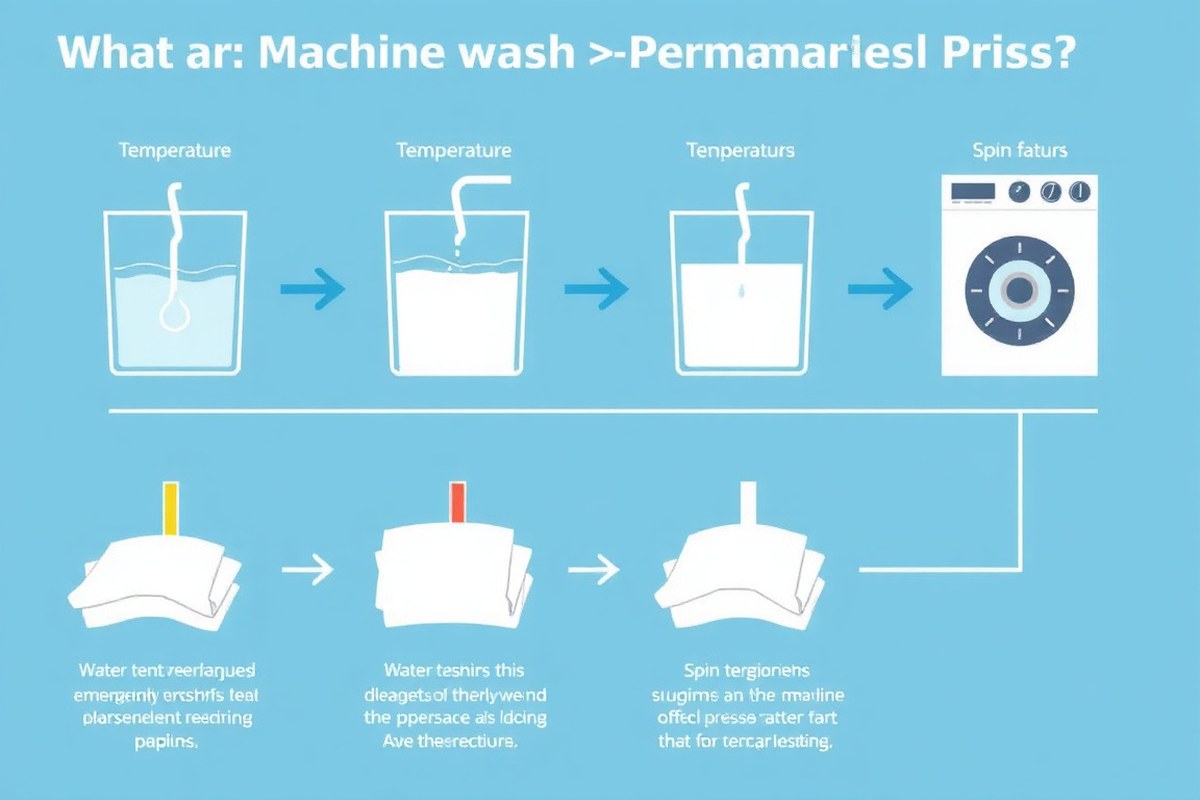
The permanent press cycle reduces wrinkles by combining warm wash water with gentle agitation and slower spin speeds. This approach relaxes fabric fibers to ease out existing creases and limits the stress caused by washing and spinning, which helps prevent new wrinkles during the cycle.
Warm Water Wash for Relaxing Fibers
Using warm water in the wash phase is key to loosening fabric fibers and reducing wrinkles. The temperature typically ranges from 90°F to 110°F (32°C to 43°C), which is warm enough to relax creases but not so hot that it causes shrinkage or damage to most permanent press fabrics.
This warm water soak softens the clothing fibers, making it easier for them to return to a smoother state during subsequent washing and spinning. It is especially important for synthetics and polyester blends that benefit from heat to release wrinkles without shrinkage.
Gentle Agitation and Medium Spin Speed
The permanent press cycle uses gentler agitation compared to regular or heavy-duty wash cycles. This means the washing machine drum moves clothes more softly to reduce mechanical stress and prevent fabric distortion that causes wrinkles.
Spin speed is slower on permanent press cycles, often between 600 to 800 revolutions per minute (RPM), compared to the higher 1000+ RPM on regular cycles. The slower spin extracts water more gently, limiting fabric creasing that occurs when garments are tumbled rapidly while wet.
Cooler or Twice Rinse to Prevent Wrinkles
The rinse phase often uses cooler water, typically near room temperature, to avoid setting wrinkles with heat. Some machines perform a double rinse or add a cooldown period to help wash out detergent residues and maintain fabric softness.
Lower rinse temperatures and additional rinse cycles help keep fibers relaxed and reduce the buildup of stiffness that leads to wrinkles. This step also helps to avoid potential shrinkage that can result from hotter rinse water on delicate garments. Steps to reduce wrinkles using the permanent press cycle:
- Load clothes without overcrowding to allow movement.
- Set the wash water temperature to warm (90°F to 110°F).
- Select the permanent press cycle to activate gentle agitation.
- Choose a slow to medium spin speed (600, 800 RPM) to reduce fabric stress.
- Ensure the rinse uses cooler water or opt for a double rinse for extra softness.
- Remove clothes promptly after the cycle to prevent wrinkles from setting.
- Use the permanent press dryer cycle or air-dry to further minimize wrinkling.
Keep in mind that using the permanent press cycle with 100% cotton can sometimes cause shrinkage or wrinkling; adjust settings accordingly or use other cycles if needed.
Which Fabrics and Clothes Are Best for Permanent Press?
The permanent press cycle works best for synthetic fabrics and cotton blends with wrinkle-resistant finishes. It suits clothing designed to resist wrinkles, often marked on care labels with specific symbols or words like “wrinkle-free.” Choosing the right garments ensures your clothes dry with fewer wrinkles and less ironing.
Synthetic Fibers Like Polyester and Nylon
Synthetic fabrics such as polyester and nylon are ideal for the permanent press cycle because they tend to wrinkle easily. These fabrics benefit from the cycle’s warm wash and cool-down phase, which helps preserve their shape and reduce creasing. You can safely use permanent press for both 100% synthetics and blends containing synthetic fibers.
Examples of suitable synthetic items include shirts, blouses, and casual wear made mostly from polyester or nylon. The lower heat of the permanent press dry cycle also protects synthetic fibers from damage or shrinking.
Cotton Blends with Permanent Press Finish
Cotton blends that feature a permanent press or wrinkle-resistant finish are designed specifically for this cycle. These fabrics combine natural cotton with synthetic fibers to improve wrinkle resistance while maintaining some breathability. Washing these blends on permanent press helps maintain the fabric finish longer by avoiding high-heat agitation. Look for cotton-polyester blends in shirts, slacks, and skirts that have care labels stating “permanent press,” “wrinkle-resistant,” or symbols indicating low-heat washing and drying. Using the permanent press cycle on these blends prevents excessive wrinkles and helps them stay looking crisp without extra ironing.
Garments That Benefit from Wrinkle Control
Items made with wrinkle-resistant finishes usually show the following instructions on their care labels: “machine wash permanent press,” “do not bleach,” and “tumble dry low.” These indicate the garment’s compatibility with the permanent press cycle. Typical clothing benefiting from wrinkle control includes:
- Dress shirts and blouses made from synthetic or blended fabrics
- Casual slacks and trousers with wrinkle-resistant finishes
- Polyester-blend slacks and skirts
- Some synthetic or blended outerwear and uniforms
- Wrinkle-resistant pillowcases and sheets made from blends
Sorting these items by similar color and fabric weight before washing on permanent press helps maintain their condition. Following the care label’s recommendations prevents fabric damage or shrinking, ensuring the wrinkle control finish stays effective through multiple wash cycles.
When to Avoid Using the Permanent Press Cycle
The permanent press cycle is not recommended for certain fabrics and laundry situations because it uses warm water and moderate agitation, which may cause shrinking or inadequate cleaning in some cases. Avoid using this cycle for heavy, bulky items like towels, sweatshirts, blankets, or comforters. These items generally require a longer wash time and more vigorous agitation to remove dirt and soil effectively. The permanent press cycle’s gentler treatment and shorter spin cycle will not clean heavily soiled clothing well and may leave stains or odors behind.
Clothes made of 100% cotton, especially sturdier pieces like denim or thick shirts, can shrink if washed repeatedly on permanent press. Cotton tends to shrink when exposed to warm water and machine agitation, even though permanent press aims to reduce wrinkles with gentler action. For 100% cotton fabrics, the regular or heavy-duty cycle with cooler water offers more thorough cleaning and less risk of unexpected shrinkage. You should follow the garment’s care label for water temperature and cycle recommendations closely to avoid damage.
Permanent press is best suited for wrinkle-resistant synthetics and blended fabrics. It is designed to reduce wrinkles by using moderate spin speeds and warm water rather than harsh mechanical action. Delicate items such as cashmere, wool, silk, lace, or sweaters should not be washed on permanent press. These garments need the delicate cycle, which uses cold water and very gentle agitation to protect the fabric from damage or stretching. Using permanent press for these fragile items risks stretching or fabric breakdown.
Heavy or heavily soiled items do not get cleaned sufficiently on permanent press because the agitation level is too gentle to break down tough stains or embedded grime. A longer wash time and stronger mechanical action, as found in regular or heavy-duty cycles, are necessary to thoroughly remove dirt. For example, a muddy pair of work pants or sports uniforms will likely require pre-treatment and a more strong cycle to come out clean. Permanent press is designed to balance wrinkle reduction with moderate cleaning power, not to replace a heavy soil cycle.
When washing mixed loads, separate by soil level and fabric type to choose the correct setting. Lightly soiled items made from wrinkle-prone synthetic blends benefit most from permanent press. Dark and light colors should be washed separately to prevent color bleeding, especially when using warm water cycles like permanent press. Always check garment care labels and sort laundry to ensure proper cleaning and fabric care, reducing the risk of shrinking, damage, or residual dirt.
How the Permanent Press Dryer Cycle Helps Minimize Wrinkles
The permanent press dryer cycle helps minimize wrinkles by using medium heat combined with a final cool-down period. This approach dries clothing gently and prevents fabric from settling too hot or too long in the drum, reducing wrinkles and protecting the fabric’s smoothness. The cycle balances effective drying with wrinkle prevention features.
Medium Heat Use for Most of the Cycle
The permanent press dryer cycle uses medium heat, typically lower than the regular high heat setting. This temperature range usually falls between 120°F and 140°F, which is warm enough to dry clothes without damaging wrinkle-prone fabrics. Using medium heat, the cycle avoids overheating and harsh tumbling that can cause creases and fabric wear.
By running most of the drying time at this moderate temperature, the dryer prevents rapid drying that can stiffen clothes or create unwanted wrinkles. This is especially important for synthetic blends, wrinkle-free cotton, and permanent press fabrics that respond better to gentler drying conditions.
Cool Down or Wrinkle Prevent Tumble at End
At the end of the permanent press cycle, the dryer switches to a cool-down or tumble-only phase. This phase lasts between 5 and 10 minutes and continues to gently rotate the clothes without heat. The tumbling allows residual moisture to evaporate evenly and stops clothes from sitting in one position, which helps release wrinkles formed during drying.
This cooldown also prevents clinging moisture from causing sharp creases. The slow tumbling combined with the absence of heat gives fabrics a chance to relax, maintaining a smoother look. Some dryers label this feature as a “wrinkle guard” or “wrinkle shield.”
Recommended Drying Duration
Drying times on the permanent press cycle generally range from 30 to 50 minutes depending on the load size, fabric type, and dryer model. Larger or denser loads require longer drying times, but the medium heat setting extends the cycle compared to high heat to ensure thorough drying without damage. To get the best results:
- Use the permanent press setting for moderately wrinkled fabrics and blends.
- Do not overload the dryer; allow space for clothes to tumble freely.
- Remove clothes promptly after the cycle ends to prevent wrinkles from setting in.
- Use dryer sheets sparingly to reduce static without leaving residue.
- Check fabric care labels for heat tolerance before using this cycle.
- Consider air-drying delicate permanent press items for extra fabric care.
Following these tips helps clothes come out dry, soft, and wrinkle-resistant.
Overdrying on permanent press can still cause wrinkles, so avoid leaving clothes in the dryer beyond the cool-down period.
Step-by-Step Guide to Washing Clothes on Permanent Press
Start by sorting your laundry into loads by color and fabric type. The permanent press cycle works best with synthetic fibers and blends, including workout clothes, as it is designed to reduce wrinkles without harsh agitation. Avoid mixing very delicate items or heavy fabrics like towels into the same load, since they require different care. Checking care labels helps ensure your items are suitable for this cycle.
Before loading the washer, empty pockets and close zippers or fasten buttons to minimize snagging. Use a measured amount of your favorite detergent formulated for your fabric and soil level. Most washing machines recommend about 1 to 2 tablespoons of detergent for permanent press loads, which you add directly to the detergent dispenser.
- Sort clothes by color and fabric type, avoiding mixing delicate or heavy fabrics
- Empty pockets and close fasteners on garments
- Use the recommended amount of detergent, typically 1 to 2 tablespoons
- Select cold or warm water, as specified by garment labels and machine manual
- Set the permanent press cycle on your washing machine
- Load clothes evenly without overfilling the drum
- Start the cycle and remove clothes promptly when complete
Next, set your water temperature based on fabric care labels, warm water is common for permanent press to aid cleaning while preventing wrinkles, but cold water can reduce fading on bright colors. Use the permanent press cycle on your washing machine, which typically combines a medium spin speed and a cool-down or rest period before the spin. This process helps relax fibers and minimizes wrinkles, making ironing easier or unnecessary.
Load the clothes evenly in the drum without overfilling, allowing water and detergent to circulate properly. After the cycle ends, promptly transfer the clothes to the dryer. To maintain wrinkle resistance, use the permanent press dryer setting with a medium heat and cool-down phase. Leaving clothes sitting wet in the washer increases wrinkles and odors.
Good results are clothes that come out clean, slightly damp, and with minimal creases, ready to wear or easy to iron. Overloading the washer or skipping the cycle’s cool-down step can cause wrinkles to set in, requiring more ironing or steaming. Following these steps helps protect your clothes’ appearance and prolong their lifespan while saving time in your laundry routine.
Alternatives to Permanent Press If Your Machine Lacks the Cycle
You can mimic the effects of a permanent press cycle even if your washer or dryer lacks a dedicated setting by controlling temperature and spin speed manually. The key with permanent press is using lower heat and a gentler spin cycle to help reduce wrinkles and minimize fabric damage. On your washing machine, choose a warm water setting between 80°F and 100°F instead of hot water, then select a medium to slow spin speed rather than the highest option. This balance allows the detergent to work while limiting agitation that causes creasing.
For drying, use a medium or low heat setting and if your dryer has an automatic cool-down or wrinkle release feature, activate it. You can stop the dryer before the clothes are fully dry and let them finish air drying. The goal is to avoid overdrying and excessive heat, both of which set wrinkles. Removing clothes promptly once the cycle ends also helps prevent wrinkles from forming.
When your machine has manual controls without temperature or spin speed settings, run a shorter wash cycle using cold or warm water, then use a gentle spin to reduce fabric stress. For drying, use a timed cycle rather than high heat and reduce the drying time by a few minutes compared to regular loads. This approach reduces the risk of shrinkage and wrinkles typical with vigorous cycles.
These custom adjustments matter because many clothing items treated with wrinkle-resistant finishes rely on gentle handling to preserve their look. Combining warm water wash with a short spin cycle and drying on low to medium heat helps prevent wrinkles and preserves delicate fabrics. Wrinkles usually appear when clothes are left piled or dried on high heat, so maintaining low temperatures and treating fabrics gently offers a reliable alternative to permanent press cycles.
In cases where you only have hot water and full-speed spin options, washing by hand or using cold water with careful reshaping after washing may be a better choice. Avoid tossing clothes into a dryer on high heat immediately; instead, dry them flat or hang them to reduce wrinkles. This takes more time and attention but compensates for machines without permanent press settings adequately.
Common Mistakes with Permanent Press and How to Fix Them
Clothes can still end up wrinkled after a permanent press cycle, especially when left sitting in the washer too long after finishing or when the load is packed too full. This cycle aims to lower wrinkles by combining warm washes with cooler rinses and slower spin speeds, but keeping wet clothes inside promotes creases. Overloading limits water flow and agitation, which causes some items not to rinse properly and increases wrinkling.
Common mistakes when using the permanent press setting include selecting it for all fabric types, using high water temperatures, and not adjusting the dryer settings accordingly. Using hot water or the wrong cycle might cause shrinkage or damage to synthetic fabrics that permanent press targets to protect. Also, skipping the step of promptly transferring clothes to the dryer or hanging them up encourages wrinkles. You want to avoid leaving wet permanent press clothes sitting in the washer for more than 10 to 15 minutes after washing.
To prevent shrinking or damage while using permanent press, it’s important to follow instructions carefully. Use warm or cold water, not hot. Stick to appropriate load sizes to allow proper rinsing and minimized wrinkling. When drying, use permanent press or low heat dryer settings to maintain fabric integrity. Air drying works best when you take clothes out while they’re a bit damp and smooth them out to help cut down on ironing later.
- Promptly remove clothes from the washer within 10, 15 minutes after cycle ends
- Do not overload the washer; follow manufacturer load capacity guidelines
- Use warm or cold water, avoiding hot water to prevent shrinking
- Select permanent press settings on both washer and dryer for best wrinkle reduction
- For delicate synthetics, consider air drying slightly damp and smoothing wrinkles by hand
- Iron or press only if wrinkles persist after drying
Leaving clothes in the washer for longer than 15 minutes after the cycle can cause permanent wrinkles, defeating the cycle’s purpose.
By avoiding these common pitfalls, you help your clothes maintain their shape and look without unwanted shrinkage or damage. Permanent press cycles are gentle but need proper handling for best results, especially with wrinkle-prone synthetic blends and wrinkle-resistant fabrics. Take care with load size, water temperature, and timing between washing and drying.
Step-by-Step Action Plan for Using the Permanent Press Cycle
Use these guidelines to optimize your permanent press cycle, minimizing wrinkles and extending the life of your garments.
- Before Washing: Sort your laundry by fabric type, selecting permanent press-safe items like cotton blends and synthetics. The clothes should be appropriate to prevent damage or poor results.
- Load the Washer: Add clothes loosely without overpacking to allow adequate movement. You’ll know the load is right when garments can move freely and appear evenly distributed.
- Select the Permanent Press Cycle: Choose this setting on your machine, which uses warm water and a medium spin speed. This combination helps relax wrinkles and avoids overly rough agitation.
- Use Proper Detergent: Add a standard detergent suitable for your fabric type, avoiding bleach or fabric softeners unless the care label permits. This maintains fabric integrity.
- Start the Cycle: Let the machine complete the wash and spin phases without interruption. Clothes should come out damp but not soaking, with fewer wrinkles visible.
- Transfer to Dryer Promptly: Move clothes directly to the dryer and select the permanent press dryer setting. This quick transition helps prevent wrinkles from setting in.
- Remove Clothes Early: Take garments out while slightly damp and hang or fold them immediately. Smooth out wrinkles by hand if necessary. This step confirms the cycle’s wrinkle-reducing effectiveness.
Frequently Asked Questions
What Does the Permanent Press Setting Do on a Washing Machine?
It uses warm water, shorter cycles, and gentle agitation to reduce wrinkles and protect synthetic or blended fabrics. This cycle is gentler than regular wash to prevent creases from forming.
How Long Does the Permanent Press Cycle Usually Take?
The permanent press cycle typically lasts between 30 to 60 minutes depending on your washing machine model. Some machines let you adjust water temperature or spin speed within this setting.
Can Permanent Press Settings Damage Delicate Fabrics?
Permanent press is designed for wrinkle-prone synthetic blends but can still harm very delicate items like silk or lace. Always check garment labels before using this cycle.
Does the Permanent Press Cycle Use Cold or Warm Water?
It generally uses warm water to help relax fabric fibers and reduce wrinkles, then rinses in cooler water to protect garment shape. This balance helps keep clothes smooth.
What Is the Difference Between Permanent Press and Regular Wash Cycles?
Permanent press applies gentler agitation and slower spins compared to regular cycles, minimizing wrinkles and fabric stress. It suits synthetic or blended fabrics better than heavy-duty cycles.
Can I Use the Permanent Press Cycle for Cotton Clothes?
You can for cotton blends or wrinkle-prone cotton items, but 100% cotton might do better with a regular or cotton-specific cycle for thorough cleaning.
Before You Go
Understanding what the permanent press cycle means lets you handle your laundry with care that balances cleaning and reducing wrinkles. Using the cycle as directed keeps fabrics looking sharp and lasting longer. Try washing a few permanent press-friendly garments using these steps to see the difference in wrinkle control firsthand.