How to Wash Wool Coat Safely: 8 Steps for Effective Home Cleaning
To wash a wool coat safely, use cold water and a mild detergent designed for wool, soaking the coat gently for 15 to 30 minutes. Avoid agitation and rubbing to prevent damage. This approach preserves the wool’s natural fibers and keeps the coat looking good without shrinking or felting.
These steps are for anyone who owns a wool coat and wants to clean it at home without risking damage. You’ll find straightforward, practical advice to handle washing, stain removal, safe drying, and more.
Key Takeaways
- Clean your wool coat by gently washing it in cold water using a detergent designed for wool, and steer clear of scrubbing.
- Soak the coat for 15 to 30 minutes to loosen dirt without damaging fibers.
- Check the care label for machine wash symbols before attempting machine washing on delicate cycles.
- Spot clean stains immediately using wool-specific stain removers for best results.
- Dry your coat flat on a towel in a well-ventilated area away from direct heat.
- Use a fabric shaver or comb designed for wool to remove pills and fuzz carefully.
1. How to Hand Wash a Wool Coat Safely at Home

Washing a wool coat at home by hand is the safest way to clean it without causing damage to the fabric or altering its shape. Cold or lukewarm water combined with a gentle wool detergent will protect the coat’s natural fibers. Avoid hot water because it can shrink or felt the wool, and harsh detergents that strip the coat’s natural oils. Soaking time should be limited to 10 to 15 minutes to prevent weakening the fabric. Handle the coat gently throughout the process, avoiding wringing or twisting, which can distort its structure. Follow these steps to hand wash your wool coat safely:
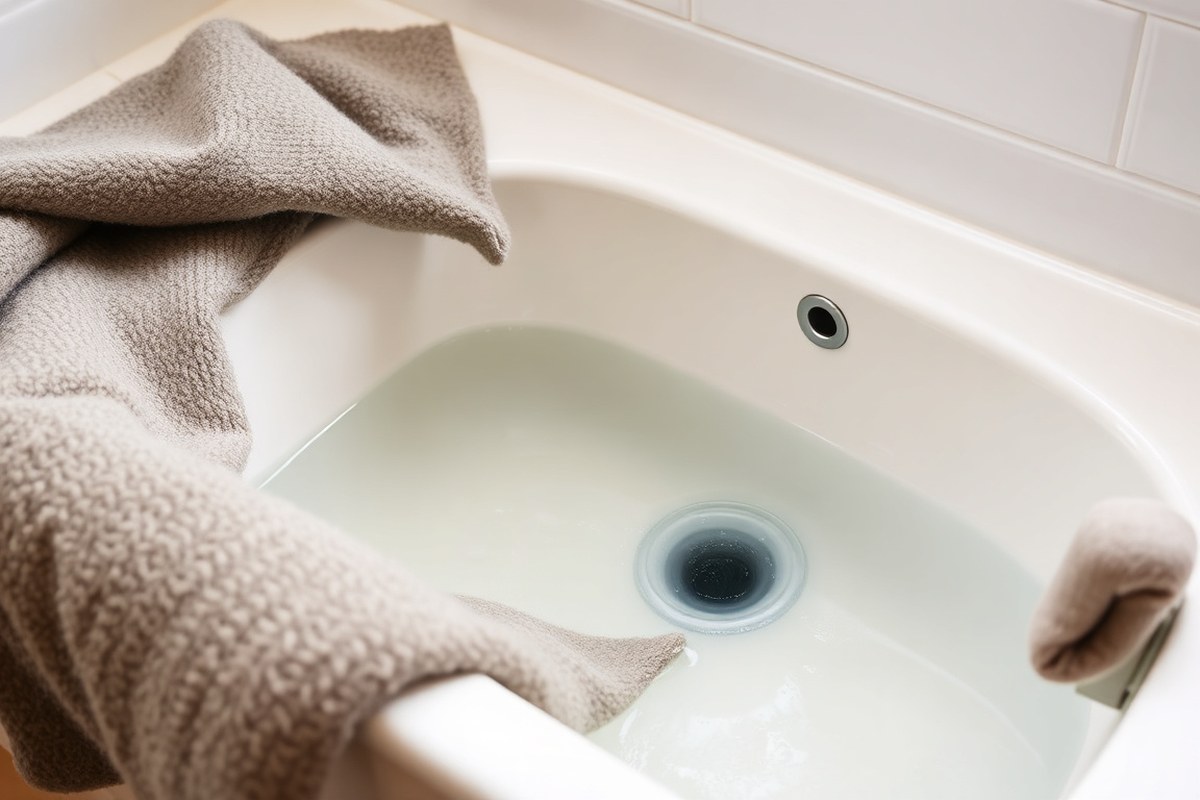
- Fill a clean basin or tub with lukewarm or cold water. Use water around 80°F (27°C) or colder to prevent shrinking.
- Add a gentle wool detergent. Use a detergent specifically formulated for wool or labeled as delicate or low suds. Use the amount recommended on the detergent package for the water volume.
- Submerge the coat completely and gently swish the water. Move the coat lightly to evenly distribute the detergent without rubbing or wringing the fabric.
- Soak the coat for 10 to 15 minutes. Soaking this long allows dirt and body oils to loosen without damaging fibers. Avoid extended soaking as it may weaken the fabric.
- Drain the soapy water and refill with fresh cold water. Rinse the coat by gently moving it in the clean water to remove detergent. Repeat until no suds remain, usually 2-3 rinses.
- Gently squeeze excess water from the coat. Place it flat on a clean towel, then roll the towel to draw out moisture. Avoid wringing, twisting, or hanging wet wool, as this can cause it to lose its shape.
- Lay the coat flat on a dry towel to air dry. Shape it to its original form and let it dry away from direct heat or sunlight to maintain the wool’s texture and size.
Hand washing wool coats requires time and care but costs only the price of a gentle wool detergent, typically $5 to $15, and common household items. Successful cleaning will result in a fresh, clean coat with preserved shape and softness. Failure to control water temperature, choose the right detergent, or handle the coat gently can lead to shrinking, stretching, or fabric damage.
2. When Is Machine Washing a Wool Coat Possible and Safe?

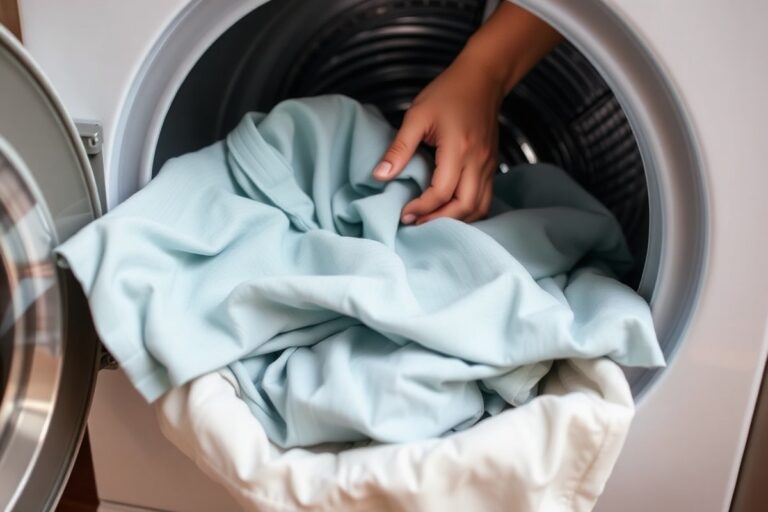
Machine washing a wool coat can be safe only if the care label explicitly permits it. Use the wool or delicate cycle with cold water, minimal spin, and a wool-specific detergent. Protect the coat inside a mesh laundry bag to reduce agitation, helping prevent shrinking or felting.
Checking Care Label for Machine Wash Symbol
The first and most important step is to inspect your wool coat’s care label carefully. Look for the washing symbol, a tub with water, and check if a temperature number or dots appear inside it, which indicate the maximum safe wash temperature. For wool, this is usually 30°C (86°F) or lower.
Keep in mind that some wool coats will have a crossed-out washing tub symbol, which means machine washing is not recommended and could damage the coat. Only attempt machine washing if the label shows the delicate or wool cycle is allowed. Ignoring these instructions risks shrinking, deformation, or fiber damage.
Setting the Washing Machine Correctly
Select the wool, delicate, or hand-wash cycle on your washing machine. These cycles use gentle agitation and reduced spin speeds to limit stress on wool fibers. Always use cold water to avoid heat-related shrinkage or felting of the wool.
Adjust the spin cycle to the lowest possible setting or disable it if your machine allows. Too high a spin speed can stretch or distort the coat’s shape. The total washing time should be minimal but enough to clean the coat gently, generally, cycles on delicate settings last between 30 to 45 minutes. Before starting the wash, confirm these settings:
- Wool/delicate or hand-wash cycle is selected
- Water temperature set to cold (below 86°F/30°C)
- Spin speed set to low or off
- Use wool-specific or mild detergent, avoiding bleach or fabric softeners
- Check that the drum is not overloaded to allow gentle movement
Using Mesh Bags and Detergent Amounts
Place your wool coat inside a mesh laundry bag before washing. This adds a protective barrier, reducing the friction that can cause pilling or fiber tangling. Mesh bags also help maintain the coat’s shape by limiting excessive movement within the washer drum.
Use a small amount of wool detergent, usually about one teaspoon (5 ml) for a full coat wash. Wool detergents are formulated to clean fibers without stripping natural oils or causing damage. Avoid harsh detergents, bleach, or fabric softeners, as these can weaken wool fibers.
Always zip or button your coat and empty pockets before placing it in the mesh bag to avoid damage and reduce creasing.
3. Effective Methods for Stain Removal and Spot Cleaning
Spot cleaning is usually the best approach for small stains on a wool coat. It targets the stain directly without the risks of washing the entire coat, which can lead to shrinkage or fiber damage. Use gentle, wool-friendly stain removers and avoid harsh scrubbing to maintain the wool’s natural texture.
Identifying Common Wool Coat Stains
Common stains on wool coats include makeup, oil-based marks, food spills, and dirt from daily wear. Oil and grease stains are especially tricky because wool naturally repels water, making these stains harder to lift. Knowing the stain type helps you choose the right cleaning method and product.
Since wool is delicate, avoid strong solvents or bleach-based stain removers. Instead, focus on mild detergents or specialty wool shampoos specifically designed for protein fibers. Always check your coat’s label to confirm the recommended cleaning methods.
Applying Gentle Stain Removers
Use a detergent that’s safe for wool or a cashmere and wool shampoo. Test any product on a hidden area first to check for colorfastness or fiber reaction. Apply the cleaner with a soft cloth or a sponge, working gently to avoid rubbing the wool fibers harshly. Follow these steps for safe spot cleaning:
- Prepare a cleaning solution by mixing a small amount of wool detergent with cool water.
- Dab the stain area lightly with the solution using a soft cloth or sponge; avoid soaking the entire coat.
- Let the treated area sit for 15 to 30 minutes to allow the cleaner to break down the stain.
- Rinse the cloth with cool water and gently blot the area to remove detergent residue.
- Use a dry towel to absorb excess moisture by pressing lightly on the spot.
- Air dry the coat flat or on a hanger away from direct heat or sunlight.
When to Repeat or Escalate Cleaning
If the stain remains after one treatment, repeat the spot cleaning process once or twice more. Avoid over-soaking or aggressive scrubbing because wool fibers may weaken or distort. For stubborn stains, such as oil-based or makeup, apply a wool-safe stain bar or specialized stain remover following manufacturer instructions. Consider professional dry cleaning if repeated spot cleaning fails or the coat is labeled “dry clean only.” Home treatments can risk shrinking or damaging delicate wool fibers, so a licensed cleaner is safest for tough cases.
4. How to Dry a Wool Coat to Prevent Shrinking and Damage
Drying a wool coat properly takes time and care to avoid shrinking and damage. You should never put your wool coat in a tumble dryer because the heat and tumbling motion can cause the fabric to shrink and lose its shape. Instead, air drying is the safest and most effective method.
After washing your wool coat, carefully press out extra water without wringing or twisting. Place it flat on a clean towel in a spot with good air flow, avoiding direct sunlight and heat sources such as radiators. Depending on how thick the fabric is and the room’s humidity, drying may take between 24 and 48 hours or longer.
To keep the coat’s shape while it dries, gently reshape it by smoothing out seams and realigning sleeves and shoulders. Avoid hanging the coat as the weight of the wet fabric can stretch and distort the fibers.
- Lay the wool coat flat on a dry, absorbent towel
- Reshape the coat carefully to its original form
- Do not expose the coat to direct heat or sunlight
- Allow 24, 48 hours for complete drying, adjusting for thickness and humidity
- Check periodically and flip the coat or change the towel if it becomes too damp
- Avoid hanging until the coat is fully dry to prevent stretching
Patience is important during this process to maintain the coat’s integrity. Skipping the reshaping step or drying the coat in a hot environment can result in shrinking or misshaping. A properly dried wool coat will keep its original form and softness without any stiffness or shrinkage, looking fresh and ready to wear for the season ahead.
5. Can You Dry Clean Your Wool Coat at Home? Pros and Cons
Home dry cleaning kits can offer a cost-saving alternative to professional dry cleaning for your wool coat, but they come with limitations and risks. These kits generally consist of a moist towelette with a cleansing solution and a special bag where you place the coat and run it in a clothes dryer for about 20 to 30 minutes. This method can refresh your coat by reducing odors and light surface dirt without harsh chemicals, making it suitable for coats that are not heavily soiled or stained.
The main advantage of home dry cleaning kits is convenience and affordability. Professional dry cleaning can cost anywhere from $15 to $30 or more per coat, whereas home kits typically cost under $10 and can be reused for multiple cleanings. When your wool coat just needs a light refresh or minor odor removal, this method can work well to keep it fresh between deeper cleanings. You also avoid exposure to strong solvents used in traditional dry cleaning, which can be irritating or damaging over time.
However, home dry cleaning kits have notable downsides. They will not effectively remove tough stains, deep dirt, or oils that have penetrated the fibers. Using them repeatedly on heavily soiled areas may worsen fabric damage or cause uneven cleaning. Also, these kits are not recommended if your wool coat has delicate or complex linings, as moisture and heat can harm some synthetic or silk linings. Coats labeled “dry clean only” often require chemicals not found in home kits to properly clean and protect the wool fibers.
Professional dry cleaning remains the safest choice for deep cleaning, stain removal, and preserving the coat’s shape and finish. Dry cleaners use specialized solvents that dissolve oils and dirt without water, reducing shrinkage and felting risks. When your coat has noticeable stains, a delicate lining, or heavy soil, schedule a professional cleaning to avoid costly damage. Trusted dry cleaners typically charge $15 to $30 per visit but can extend the life of your coat significantly.
To decide, first assess your wool coat’s condition and care label. For lightly soiled coats without stains, clean smell, and sturdy linings, a home dry cleaning kit can be a good choice to freshen the fabric and save money. For stained, dirty, or labeled “dry clean only” coats, or if the lining is fragile, professional dry cleaning is safer and more effective. Using a lint brush or airing your coat out regularly also helps reduce the need for frequent cleaning.
Always test a home dry cleaning kit on a hidden area of the coat first to check for colorfastness and fabric reaction before treating the entire garment.
6. How to Remove Pills and Fuzz for a Fresh Coat Look
Pills and fuzz form on wool coats due to friction that causes loose fibers to clump together, making the coat look worn and less tidy. Removing them carefully keeps your wool coat looking fresh without damaging the fabric. Start by laying your coat flat on a clean surface to avoid stretching or misshaping it during the process.
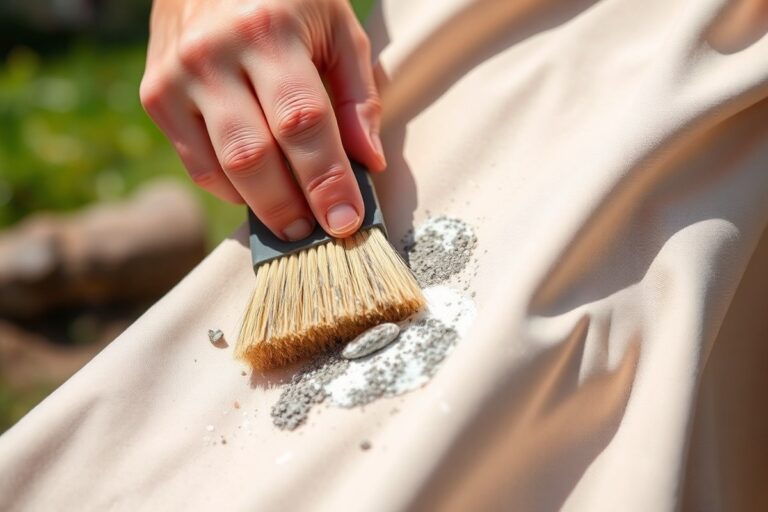
Use a de-pilling comb or fabric shaver designed specifically for delicate fabrics like wool. These tools gently lift and cut off the pills without pulling or tearing the fibers. Brush slowly over the affected areas with light pressure, especially on spots that rub together the most, such as under the arms or along the sleeves. If pills are sparse, a soft wool coat brush can be enough to remove fuzz and surface dust before de-pilling.
When choosing a tool, look for a quality fabric shaver or bobble remover that’s safe for wool. Prices generally range from $10 to $30. Avoid electric shavers with aggressive blades that might snag the coat’s surface. A manual de-pilling comb works well for small areas or spot treatments, while fabric shavers cover larger surfaces efficiently.
Always make sure your coat is completely dry before attempting to remove pills. Wet fibers are more fragile and prone to damage. After de-pilling, you can freshen your coat using a garment steamer. Steam relaxes fibers and reduces wrinkles without risking heat damage, unlike an iron. Hold the steamer a few inches away and move it evenly over your coat.
Preventing pilling starts with proper handling. Turning the coat inside out before washing reduces friction on the surface fibers that cause pills. Regularly brushing your wool coat with a soft brush removes dirt and lint, decreasing the chances of fiber clumping. Avoid over-washing, which can weaken wool fibers and increase pilling.
For tough pills, work in small sections and remove pills gradually rather than trying to strip all fuzz at once. Applying too much force or rushing can pull fibers loose and create holes. When done carefully, you’ll see a smoother, cleaner surface that restores the coat’s neat appearance with no signs of damage.
7. How to Read Wool Coat Labels and Choose the Right Care Method
Reading the care label on your wool coat is essential to decide the right cleaning method and avoid damage. The label shows symbols and instructions about washing, drying, and dry cleaning, which help you choose whether to hand wash, machine wash, spot clean, or opt for professional care. Following these directions keeps your coat’s fabric and shape intact while maintaining its appearance.
Common Symbols on Wool Garment Labels
The care label often includes symbols that represent washing, bleaching, drying, ironing, and dry cleaning. A bucket with water means the garment can be washed, with a number inside indicating the maximum water temperature in degrees Celsius. For wool, this usually ranges from 30°C to 40°C, which corresponds to 86°F to 104°F. A hand in the bucket symbol means hand washing only, while a bucket with a cross over it means do not wash. A triangle refers to bleaching: if crossed out, it means no bleach should be used.
Drying instructions are shown with a square. A circle inside a square indicates tumble drying; dots inside the circle represent heat settings, with one dot for low heat recommended for wool. A circle alone usually relates to dry cleaning, specifying whether it’s allowed and which solvents to use. A crossed-out circle means no dry cleaning. Recognizing these symbols helps you avoid damaging your wool coat with the wrong washing or drying settings.
Specific Washing and Drying Instructions Explained
When the label permits washing, pay close attention to water temperature and agitation. Wool reacts poorly to high heat and harsh cycles, so cold or lukewarm water below 104°F (40°C) and gentle hand or machine washing with wool-specific detergent are safest. If the label limits washing to hand wash, do so by soaking the coat for about 10 minutes without scrubbing or twisting, then rinsing gently.
For drying, the label may recommend laying the coat flat to dry to prevent shrinking and distortion. Avoid tumble drying unless the label specifically states low heat is safe. Air drying on a padded surface helps keep the coat’s shape and reduces wrinkle formation. Following these instructions reduces the risk of shrinkage, felting, or fabric weakening.
Signs Wool Coat Should Not Be Washed at Home
A wool coat that should not be washed at home typically has a care label with a bucket crossed out or a dry cleaning symbol without any washing icons. This indicates the fabric or construction is too delicate for water exposure or agitation. Coats with heavy embellishments, linings that might bleed, or blended fabrics sensitive to water usually fall into this category.
In such cases, professional dry cleaning is the safest option despite the higher cost, which typically ranges from $10 to $30 depending on location and coat size. Ignoring these warnings and washing the coat at home may result in irreparable damage like shrinking, warping, or color loss, which compromises your coat’s appearance and longevity. Always follow the label’s directions to avoid these costly mistakes.
8. Post-Wash Care: Reshaping, Storing, and Maintaining Your Wool Coat
After washing your wool coat, restoring its shape requires gentle handling while it is damp. Lay the coat flat on a clean, dry towel and carefully smooth out any wrinkles or folds with your hands. Gently pull the sleeves, shoulders, and body into their original dimensions, avoiding any stretching. Allow the coat to air dry flat in a well-ventilated area, turning it over occasionally to ensure even drying. Reshaping while wet prevents the fabric from drying misshapen, which is harder to fix once fully dry.
Proper storage protects your wool coat from wrinkles, moths, and fabric damage. Always store wool coats after cleaning to prevent stains from setting and attracting pests. Choose a breathable garment bag or cloth cover rather than plastic, which traps moisture and can cause mildew. Use a wide, padded hanger to support the shoulders and prevent sagging or misshaping over time. Avoid crowding your coat to maintain airflow and reduce wrinkling. For long-term seasonal storage, consider adding natural moth repellents like cedar blocks or lavender sachets inside the closet.
- Clean your coat before storing to avoid attracting moths
- Use a wide, padded hanger to preserve shoulder shape
- Cover with a breathable garment bag to allow air circulation
- Store in a cool, dry closet away from direct sunlight
- Add natural moth repellents like cedar blocks or lavender
- Do not crush or overcrowd to minimize wrinkles and fabric stress
- Air out your coat periodically if stored for several months
Maintenance frequency depends on use and exposure. For coats worn regularly during winter, aim to clean them every 3 to 4 months or once per season to keep fabric fresh and odor-free. Spot clean minor stains promptly to reduce full washing cycles, which can wear the wool fibers. If your coat stays mainly in storage or is worn infrequently, an annual clean before storing is usually sufficient. Regular brushing with a soft garment brush also lifts surface dirt and maintains the wool’s appearance between washes.
To avoid shrinking or misshaping, never hang your wool coat while it’s wet; always reshape and dry it flat first.
Step-by-Step Action Plan for Caring for Your Wool Coat at Home
Follow these steps to safely clean and maintain your wool coat without risk of damage. Checking results after each step helps you adjust care as needed.
- Before you start: Read your wool coat’s care label carefully to confirm hand washing or spot cleaning instructions. This guides your method choice and prevents damage.
- Day 1: Spot clean any visible stains promptly using a wool-safe stain remover or gentle detergent. Test on a hidden area first to ensure fabric safety.
- Day 2: Hand wash the coat in cold water with wool detergent if the label allows. Soak for 10 minutes, gently press, then rinse fully to avoid residue build-up.
- Day 3: Dry the coat flat on a clean towel away from direct heat or sun. Reshape sleeves and folds to prevent misshaping and check that fabric does not shrink.
- Week 1: Use a fabric shaver or sweater comb to remove pills and fuzz. Do this gently to maintain the fiber’s smooth look without pulling threads.
- After washing: Store your wool coat on a wide hanger to keep its shape. Use a breathable garment bag to protect from dust while allowing air circulation.
- Monthly check: Inspect for fresh stains or fabric changes. Spot clean as needed and avoid frequent full washes to preserve fibers.
- Seasonal care: Have your coat professionally dry cleaned once a year if the label advises. Always select a cleaner experienced with wool garments.
Frequently Asked Questions
Can You Wash a Wool Coat with Cold Water?
Yes, cold water helps prevent shrinking and fabric damage when washing your wool coat by hand. Use lukewarm or cold water with a gentle wool detergent for best results.
How Often Should You Wash a Wool Coat?
Wash your wool coat a couple of times each season to keep it clean without risking wear. Frequent washing can cause pilling and shrinkage, so only clean it when necessary.
Is It Okay to Use Regular Detergent on a Wool Coat?
Regular detergent can harm wool fibers; always use a gentle wool-specific detergent. These detergents are formulated to clean without stripping natural oils or causing damage.
Can You Soak a Wool Coat Before Washing?
Soaking for 15 to 30 minutes is effective to loosen dirt. Make sure the entire coat is submerged in water and use this time to gently agitate before rinsing.
Should You Iron a Wool Coat After Washing?
Ironing is usually not recommended unless needed for minor wrinkles. Use a low heat setting and a cloth between the iron and coat to avoid damage.
How to Handle Stubborn Odors in a Wool Coat Without Washing?
Air out your wool coat in fresh air and use fabric fresheners designed for wool. Avoid heavy perfumes and steam cleaning, which may affect fabric texture.
Wrapping Up
Washing and maintaining your wool coat at home requires careful attention to fabric type and proper methods. Using gentle washing, effective stain removal, and correct drying will keep your coat looking new longer. Start with a spot clean today to protect your investment and learn how your wool responds to care for the best results.