What Is Dry Cleaning Process: A Complete Guide to How It Works and Why It Matters
The dry cleaning process uses specialized solvents instead of water to clean fabrics and garments without causing shrinkage or damage. It involves a rotating machine that gently agitates clothes in a solvent bath, removing dirt and oils while preserving delicate materials. Understanding what is dry cleaning process helps you choose the right care for items that cannot withstand traditional washing.
This information suits anyone wanting to extend the life of their wardrobe or handle special fabrics properly. You will learn how dry cleaning works, the solvents involved, garment suitability, stain handling tips, timing factors, and safety considerations for better garment care.
Key Takeaways
- Dry cleaning removes stains using solvents like perchloroethylene, avoiding water that can damage delicate fabrics.
- Most machines hold 20 to 100 pounds of clothes in a rotating basket for efficient cleaning and solvent recovery.
- About 85% of U.S. Dry cleaners use perchloroethylene due to its effectiveness and affordability.
- Hydrocarbon solvents offer a safer alternative to perc but are less effective and more flammable.
- Dry-cleaned garments are tumble dried in warm air at 140, 145 °F to avoid heat damage.
- Nearly all solvent used in dry cleaning is recovered and recycled to reduce environmental impact.
What Is the Dry Cleaning Process and Why It’s Different

Dry cleaning is a unique method of cleaning clothes and textiles without using water. Instead of water and detergent, it uses special chemical solvents to remove dirt, stains, and grease from garments. The term “dry cleaning” can be misleading because the process actually involves immersing clothes in liquid solvents, not simply treating them with a dry method. The reason behind the name is that these solvents do not contain water, this absence of water means garments retain their shape, texture, and color better compared to regular washing.
In typical laundry, water plays a central role. Water and detergent work together to loosen and wash away dirt particles and oils. However, water can damage certain fabrics, especially delicate or structured garments like wool, silk, and tailored suits. Using water can cause shrinkage, color fading, and loss of fabric integrity. Dry cleaning avoids these issues by replacing water with solvents such as perchloroethylene or newer alternatives. These solvents dissolve oils and greases more effectively without harsh mechanical agitation or soaking, which preserves the fabric’s finish.
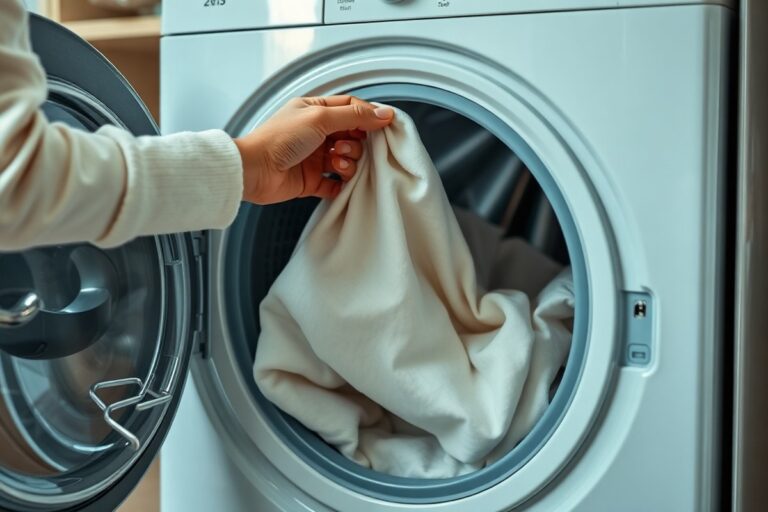
The dry cleaning process begins by sorting garments to match solvent types and cleaning methods appropriate for their materials. Clothes then go into a specialized machine resembling a front-loading washing machine. Instead of water filling the drum, the machine is filled with a non-water-based solvent that gently circulates through the fabric. This solvent picks up dirt and oils from the textiles.
After the cleaning cycle, the machine extracts the solvent from the clothes through spinning and often uses heat to evaporate any residue, leaving garments almost completely dry. Unlike water which can remain in fibers and cause issues, dry cleaning solvents evaporate quickly and do not saturate the fabric. This gentle action keeps garments from shrinking or losing shape, helping them look newer for longer and maintaining the original texture and colors. The entire cycle typically lasts about 30 to 45 minutes depending on the machine and fabric type.
Costs for dry cleaning are generally higher than regular washing; prices depend on garment type, fabric, and dry cleaner location but often range from $5 to $20 per item. The labor-intensive nature of handling solvents safely and processing garments individually contributes to this cost. Despite higher prices, dry cleaning is considered necessary for clothes that cannot be safely washed at home or with water-based detergents.
One drawback to the dry cleaning method is the environmental concern related to solvent use. Traditional solvents like perchloroethylene are effective cleaners but are dense liquids with a density around 1.7 g/cm³, about 70% heavier than water. Their heavy nature means cleaning must be carefully controlled to avoid releasing chemical vapors into the air. Because of these risks, many modern dry cleaners are moving toward professional wet cleaning or using alternative, less harmful solvents.
Good dry cleaning results show garments that look refreshed without stiffness, shrinkage, or fading, in contrast to damage that can happen with improper water washing. However, if the process is rushed or solvents are not properly filtered, residues may remain or cause fabric damage. Choosing a reputable dry cleaner that handles solvents responsibly ensures your clothes get a thorough clean that water-based washing cannot provide.
How the Dry Cleaning Cycle Works: Step-by-Step Breakdown

The dry cleaning cycle follows a set of precise steps to keep garments clean without water and harsh agitation. From start to finish, each phase carefully handles your clothes to avoid damage, thoroughly removing dirt and stains with solvent cleaning. Understanding these stages can help you know what happens to your items between drop-off and pick-up.
Garment Tagging and Initial Inspection
When you drop off your clothes, the dry cleaner first tags each item for identification to avoid mix-ups. During the initial inspection, they examine textiles for fabric type, stains, damage, and care label instructions. This step is important because different fabrics and stains require specific solvents or pre-treatment methods.
Before cleaning, stain pre-treatment is applied according to the type and severity of the stain. This involves spotting agents or specialized solvents tailored to remove grease, ink, or food stains without harming the fabric. The meticulous inspection and tagging process ensures each garment gets the correct cleaning method and preserves its condition.
Cleaning and Solvent Cycle Details
Garments enter the dry cleaning machine, where a liquid solvent cleans without water. The solvents used dissolve oils and dirt gently, avoiding fabric shrinkage or distortion. The machine tightly controls temperature, maintaining around 60 to 63 °C (140 to 145 °F) during the drying phase to safely evaporate solvent residues.
Inside the machine, clothes are tumbled in a rotating drum, allowing the solvent to circulate evenly and extract impurities. A spin cycle follows, removing used solvent from the clothes. The drying cycle then uses warm air circulation to evaporate any remaining solvent, typically taking 20 to 30 minutes depending on fabric type and load size.
Low heat and lack of water during this stage protect delicate fibers and trims while delivering a fresh, clean result that regular washing cannot achieve. Such controlled solvent cleaning is the core of the dry cleaning process.
Post-Cleaning Inspection and Finishing
After the cleaning cycle, garments undergo another inspection to check if stains have been completely removed. If any spots remain, staff apply further post-spotting treatments to target stubborn marks before pressing. This focus on thorough cleaning ensures your clothes return in top condition.
The final finishing stage involves pressing, steaming, and shaping garments to restore their original appearance. Experts remove wrinkles and reshape collars, lapels, or pleats using specialized equipment. Once the finishing touches are complete, items are carefully packaged or hung to wait for customer pick-up.
- Tag garments and inspect fabric, stains, and damage at drop-off
- Pre-treat stains with specific solutions based on stain type
- Place garments in the dry cleaning machine filled with solvent
- Tumble and wash clothes gently under controlled temperature
- Spin to extract used solvent and reduce moisture
- Dry garments with warm air circulation to evaporate residual solvent
- Inspect items again for any remaining stains and apply spot treatment if needed
- Press and finish clothes, then package for customer retrieval
Double-check garment tags at drop-off to ensure no items get lost or mixed during the process.
Common Solvents Used in Dry Cleaning and Their Comparison
The solvent perchloroethylene, often known as “perc,” has been the main choice in dry cleaning since the 1930s. It effectively removes oils, greases, and waxes from fabric while generally preserving the material. Perc belongs to the chlorocarbon family and is linked to health and environmental risks, including being labeled a possible carcinogen. Due to these concerns, regulations mandate specific operator training and thorough record-keeping, especially in states such as New York.
Several alternatives to perc have emerged, aiming to reduce environmental and health impacts. Common substitutes include hydrocarbon solvents, liquid carbon dioxide, and silicone-based solvents. These alternatives are generally less toxic and more environmentally friendly but often require new equipment, different cleaning procedures, and additional operator training. Some solvents also feature improved flammability profiles compared to traditional petroleum-based solvents historically used in the 19th and early 20th centuries. The table below compares key solvents used in dry cleaning by their chemical class, cleaning effectiveness, environmental impact, safety considerations, and typical industry status.
| Solvent | Chemical Type | Cleaning Effectiveness | Environmental Impact | Safety | Current Usage |
|---|---|---|---|---|---|
| Perchloroethylene (Perc) | Chlorocarbon | High – dissolves oil and grease well | Moderate to High – persistent in environment, toxic | Potential carcinogen, requires certified handling | Most common, ~50-70% in US (2012) |
| Hydrocarbon Solvents (e.g., DF-2000) | Petroleum-based | Moderate – effective on many stains, less aggressive than perc | Lower than perc, but flammable | Flammable, occupational exposure concerns | Increasingly popular alternative |
| Liquid Carbon Dioxide (CO2) | Compressed gas | Moderate – gentle cleaning, may struggle with heavy soils | Low – non-toxic, non-flammable, reusable | Safe if equipment handled properly | Used in specialized machines, growing niche |
| Silicone-Based Solvents (Green Earth) | Siloxane | High – gentle and effective on many fabrics | Low – biodegradable, less toxic | Safe, non-toxic | Being adopted for eco-friendly cleaning |
| Carbon Tetrachloride | Chlorocarbon | Moderate | High toxicity, ozone depletion | Highly toxic, phased out in 1950s | No longer in use |
Health risks associated with perc include possible respiratory issues, neurological effects, and cancer risk, which is why its use comes with strict regulations and the need for certified operators. Hydrocarbon solvents reduce some of these risks but introduce flammability hazards, requiring proper ventilation and fire safety measures. Liquid CO2 and silicone-based solvents offer the best environmental profiles and lower toxicity but can increase costs due to specialized machinery and slower cleaning cycles.
Choosing a dry cleaner using alternative solvents can reduce your personal and environmental exposure to harmful chemicals. However, you should expect slightly different cleaning times and possibly higher prices reflecting these advanced technologies. Some stains may require pretreatment or traditional perc cleaning for best results, so ask your cleaner about their solvent choice and how they handle tough stains.
What Fabrics and Garments Should Be Dry Cleaned?
Dry cleaning is essential for certain fabrics and garment constructions that traditional washing could damage. Fabrics like silk, wool, velvet, and leather often require dry cleaning because water and detergent can cause shrinking, fading, or distortion. These natural fibers are more delicate and susceptible to damage from agitation and high temperatures in a washing machine.
Checking the garment’s care label is your first step. Look for the dry clean symbol, a circle often accompanied by letters indicating specific solvents and conditions. This symbol means that dry cleaning is recommended to maintain the fabric’s integrity and appearance. If the label says “Dry Clean Only,” avoid washing at home, as doing so can ruin the item.
Not all delicate items must be dry cleaned; some may be better off hand washed or cleaned carefully at home, especially if the label allows it. For example, lightweight silks and some lace pieces might tolerate gentle hand washing with mild detergent. It’s important to follow label instructions closely to prevent damage. Use this checklist to decide if a garment needs dry cleaning:
- Fabric type: silk, wool, velvet, leather, and other natural fibers
- Garment structure: lined items, suits, coats, and garments with intricate details or hard-to-dry fillings
- Care label indicates “Dry Clean Only” or shows the dry clean symbol
- Stains that are oil-based or difficult to remove with water
- Delicate trims, sequins, or embroidery that could be damaged by washing machines
Dry cleaning can cost more than home laundering, typically ranging from $5 to $25 per item depending on fabric and garment complexity. However, the investment protects your clothing against damage and keeps it looking new longer. For delicate fabrics, dry cleaning is the safest choice to avoid shrinkage or loss of shape. Performing dry cleaning at professional facilities means your garments are handled with expertise and cleaned using solvents that do not saturate the fabric with water. This helps prevent the issues that cause wear and deterioration in delicate textiles.
To get the best results, turn your garments inside out before drop-off. This practice allows the cleaning steam and solvents to reach deeper layers, tackling body oils and odors effectively. Although some home products claim to offer dry cleaning benefits, they mostly deodorize and remove minor wrinkles rather than provide a thorough cleaning. Relying on professional dry cleaning for delicate or valuable items ensures they maintain their texture, color, and fit over time.
How to Handle Stains Before and During Dry Cleaning
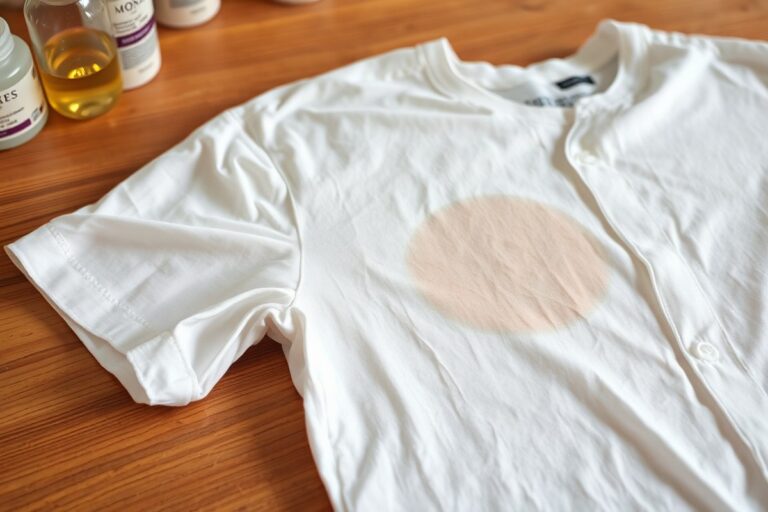
Handling stains before and during dry cleaning improves the chances that stains will come out or fade significantly. Some stains need pre-treatment at home or by your dry cleaner to loosen or break down the stain compounds. Dry cleaners classify stains to choose the safest and most effective cleaning method based on the stain type and fabric.
Identifying Stain Types
Stains generally fall into categories like oil-based, protein-based, tannin-based, and dye-based. Oil-based stains come from greases, makeup, and cooking oils and respond best to dry cleaning solvents. Protein-based stains include blood, sweat, and dairy, often needing careful moisture treatment. Tannin stains arise from coffee, tea, or wine, while dye stains come from ink or colored food.
Dry cleaners inspect your garments and note stain colors, textures, and fabric type to select pre-treatment solutions and solvents. Clear communication with your cleaner about when and how the stains happened helps them identify each stain’s nature and urgency. Prompt identification reduces the risk of permanent damage.
Home Pre-Treatment Tips
You can do some pre-treatment at home with care, especially for non-oil stains. Using cold water to gently blot (never rub) protein stains can prevent them from setting. Avoid applying water to oil-based stains because it spreads the oil. Instead, use a small amount of rubbing alcohol or a stain stick approved for dry-clean-only fabrics on isolated spots.
- Examine your garment carefully in good light to spot stains.
- Blot protein-based or tannin stains gently with a clean cloth dampened with cold water.
- Apply a dry cleaning-approved stain remover or rubbing alcohol selectively on oil-based spots.
- Let the garment air dry completely before bagging it for the dry cleaner.
- Write down or note the stains and any home treatment applied to inform your cleaner.
Do not soak dry-clean-only clothes at home; water can cause fabric distortion or set stains permanently.
Professional Stain Removal Techniques
Dry cleaners use pre-treatment spotting methods tailored to each stain type. They apply specialized solvent blends or pre-spotting agents to break down and dissolve stains without damaging delicate fabrics. For example, oil stains benefit from petroleum-based solvents, while protein stains may require enzyme-based pre-treaters.
During dry cleaning, solvents dissolve oils and greases better than water, making the process superior for many stains compared to traditional laundering. After spotting, garments go through the dry cleaning cycle with agitation, heat control, and solvent rinsing for thorough cleaning. However, some stains may not fully disappear, so early treatment and honest communication help maximize stain removal.
How Long Does the Dry Cleaning Process Take and What Affects Timing?
The dry cleaning cycle typically lasts between 3 and 15 minutes, depending largely on the fabric type and the level of soil on the garments. Solvent-based cleaning machines pump solvents like perchloroethylene (PCE) at a rate of about 1,500 gallons per hour. For example, an 8-minute cycle exposes clothes to approximately 200 gallons of solvent, enough to thoroughly dissolve soils without damaging the fabric.
Different solvents can affect cycle times slightly. PCE, the most common solvent, has a high density and strong cleaning power that usually leads to efficient cycles lasting around 8 to 12 minutes. Alternative solvents designed as “drop-in” replacements for PCE aim to work with existing machines with minimal changes, so their cycle durations are generally similar. However, newer solvents may require adjustments in cycle length based on their cleaning properties and interactions with fabrics.
The degree of soil on the garment also influences cycle duration. Heavily soiled items may require longer wash times or multiple cycles to remove dirt and stains fully. Lightly worn or delicate fabrics can be cleaned effectively in shorter cycles to avoid overexposure to solvent and mechanical stress. For instance, casual blouses might take 3 to 7 minutes, whereas heavily stained coats require 12 to 15 minutes for proper cleaning.
Several other factors can impact turnaround time beyond the cleaning cycle itself. Load size and machine capacity affect how many garments are cleaned per cycle, influencing overall throughput at the dry cleaner. Proper solvent filtration and moisture control are critical; poor filtration extends solvent life but can lead to longer cycles or less effective cleaning. Following the solvent extraction, machines spin clothes rapidly to remove solvent, then apply warm air to dry the items thoroughly, a process that may add 10 to 15 minutes depending on fabric thickness.
| Cycle Step | Typical Duration | Factors Affecting Time |
|---|---|---|
| Solvent Wash | 3, 15 minutes | Soil level, fabric type, solvent type |
| Solvent Extraction (Spin) | 1, 3 minutes | Load weight, fabric strength |
| Drying (Warm Air Circulation) | 10, 15 minutes | Fabric thickness, moisture content |
| Finishing (Press/Steam/Iron) | Varies; minutes per garment | Type of garment, wrinkle level |
Expect a typical dry cleaning turnaround to take from 30 minutes to several hours, factoring in finishing steps like pressing and steaming. Garments that require careful handling or additional stain treatment may take longer. Cleaners who do not properly maintain solvent quality or filtration systems risk extended cycle times due to inefficient cleaning and solvent reuse. Properly controlled cycles ensure clothes come back clean, fresh-smelling, and wrinkle-free in a timely manner.
Safety, Environmental Impact, and Regulations in Dry Cleaning
The solvent used in dry cleaning is recovered through a distillation process within enclosed machines. After cleaning, the solvent extracted during drying is collected and purified by heating it to separate impurities. This purified solvent is then reused for subsequent cleaning cycles. Recycling solvent reduces waste and lowers the amount released into the environment, which benefits both the dry cleaner and the planet. Failure to properly recover solvent can lead to increased operating costs and environmental contamination.
Worker safety in dry cleaning focuses on minimizing exposure to potentially harmful chemicals like perchloroethylene (PERC). Dry cleaners often use ventilation systems, sealed machines, and personal protective equipment to reduce inhalation and skin contact. Regular maintenance and equipment checks also ensure solvent containment. Protecting garments involves controlling cycle times and temperatures carefully to avoid damage from the chemicals or excessive heat during drying.
Regulations have tightened in recent years due to concerns about PERC’s health and environmental risks. Many areas now require dry cleaners to phase out or limit PERC use and adopt safer alternatives. Some states mandate transition to water-based or silicone-based solvents that pose fewer risks, or they require stricter emissions controls. These regulatory changes have increased the cost of upgrading equipment but also driven advances in safer, cleaner technology.
Eco-friendly trends emphasize solvents and methods that reduce health hazards and pollution. Alternatives like liquid carbon dioxide or silicone-based solvents are gaining popularity because they break down more quickly or have lower toxicity. Some dry cleaners also use wet cleaning processes, which employ water and biodegradable detergents to clean delicate fabrics without chemicals. Choosing a cleaner that prioritizes modern eco-friendly methods can lower your environmental footprint while preserving garment quality.
Tips to Get the Best Results from Your Dry Cleaner
To get the best results from your dry cleaning, prepare your clothes properly before drop-off, communicate clearly with your cleaner about stains or damage, and follow a care routine after cleaning. Paying attention to garment tags and specific instructions helps avoid common mistakes that can ruin your clothes or waste your time and money.
Preparing Garments for Dry Cleaning
Start by reading the care label on each garment to confirm that dry cleaning is recommended. This preserves fabric integrity and prevents damage from improper cleaning methods. Remove any loose items from pockets and separate clothes with metal parts, like zippers or buttons, as these can catch or scratch during cleaning.
Organize your clothes by type and material before taking them to the cleaner. Avoid piling garments together, especially if they have delicate trims or embellishments. Checking the condition of buttons and seams yourself before drop-off helps prevent unexpected damage during the cleaning process.
- Check garment labels for dry clean only instructions
- Empty all pockets completely
- Separate clothes with zippers, buttons, or metal trims
- Inspect for loose threads or fragile seams
- Sort clothes by fabric type or level of soil
Proper preparation reduces the chance your clothes will be damaged or unevenly cleaned, saving you redo trips and extra costs that typically range from $5 to $20 per item depending on fabric and stain complexity.
Communicating Special Instructions
Telling your dry cleaner about any stains or damage upfront is critical. Mark spots or spills and describe the type of stain if possible, such as oil, wine, or ink. Letting them know about broken buttons, ripped seams, or delicate fabric areas allows the cleaner to treat the garment carefully and choose the correct solvents and procedures.
Be clear with any specific requests like extra stain treatment or gentle handling to avoid shrinkage or color loss. Transparency here avoids surprises after cleaning and can improve stain removal success. Some cleaners may charge an additional fee for targeted spot treatments, but it can prevent permanent marks.
Never assume your dry cleaner can detect all stains without your input; always point them out to ensure proper attention.
The dry cleaner will inspect your clothes before cleaning to verify the stain information you provide and assess existing damage. After the process, they will also check if stains were fully removed and perform a final quality inspection with you present if requested.
Inspecting and Caring for Clothes Post-Cleaning
Once you pick up your clothes, examine them carefully for any remaining stains, color fading, or loose hardware. Report any issues immediately so your cleaner can re-treat or repair the garment. Make sure your clothes are wrinkle-free and properly pressed before leaving the shop or soon after at home.
To maintain your dry-cleaned clothes between visits, hang them on padded or wooden hangers to preserve shape and avoid stretching. Store them in breathable garment bags to protect against dust but allow airflow. Avoid plastic covers that trap moisture and cause mildew.
- Check garments in good light for residual stains
- Confirm buttons and trims are secure
- Use padded hangers to maintain garment shape
- Store in breathable garment bags, not plastic
- Air out garments occasionally to avoid odors
Effective post-cleaning care prolongs fabric life, keeping your garments looking fresh with less frequent cleaning. This approach reduces wear and tear and maintains your investment in quality clothing.
Step-by-Step Action Plan to Use Dry Cleaning Effectively
Follow these steps to make sure your garments get the best care from dry cleaning and last longer.
- Before dropping off: Check your clothes’ care labels to confirm if dry cleaning is recommended. This helps avoid damage from the wrong cleaning method.
- At the dry cleaner: Point out any visible stains and ask your cleaner to treat them before the main cleaning cycle. Successful stain removal means fewer spots after cleaning.
- Pick-up day: Inspect your garments for cleanliness and any new damages before leaving the shop. Well-cleaned clothes should feel fresh and without residue.
- After cleaning: Hang clothes immediately on proper hangers in a well-ventilated area. Proper drying prevents wrinkles and helps maintain fabric shape.
- Between cleanings: Spot treat minor stains promptly at home with recommended products to reduce cleaning frequency. This keeps clothes looking better longer.
- Ongoing: Store your dry-clean-only items in breathable garment bags away from direct sunlight to avoid color fading and fabric wear.
- Every few months: Review your dry cleaner’s reputation and environmental practices to ensure safety and quality standards you expect.
Frequently Asked Questions
What Is the Main Reason Dry Cleaning Does Not Use Water?
Dry cleaning avoids water to protect fabrics from shrinkage and distortion. Instead, it uses non-water solvents that clean without damaging delicate materials.
How Does Dry Cleaning Protect Buttons and Embellishments During Cleaning?
Cleaners cover buttons and embellishments with a soft cloth to prevent damage. This shielding occurs during the solvent wash and drying phase to keep decorations intact.
Why Is Segregation of Clothes Important in the Dry Cleaning Process?
Segregation sorts garments by fabric type and soil level for effective cleaning. This step prevents color bleeding and damage by grouping similar textiles for tailored solvent treatment.
Does Dry Cleaning Use Any Heat, and How Is It Controlled?
Solvents used in dry cleaning are not heated; the process happens at normal temperatures. This low-heat approach prevents fabric damage that heat or water can cause in traditional washing.
How Does the Density of Perchloroethylene Affect the Dry Cleaning Process?
Perchloroethylene’s higher density means it’s less gentle on clothes compared to water. This weight helps remove oils but requires careful handling to avoid fabric stress.
What Happens to Solvents After the Dry Cleaning Cycle Finishes?
Solvents are filtered, purified, and recycled for reuse in the cleaning process. Proper handling reduces environmental impact and maintains solvent effectiveness over time.
Final Thoughts
Dry cleaning removes dirt and oils without water, protecting delicate fabrics that bleach and wash can’t handle. You can extend your favorite garments’ life by choosing this method wisely and following proper care steps. Visit a trusted cleaner and point out stains upfront to get the best results next time you need a refresh.