What Is Line Dry? A Complete Guide to Efficient, Eco-Friendly Laundry
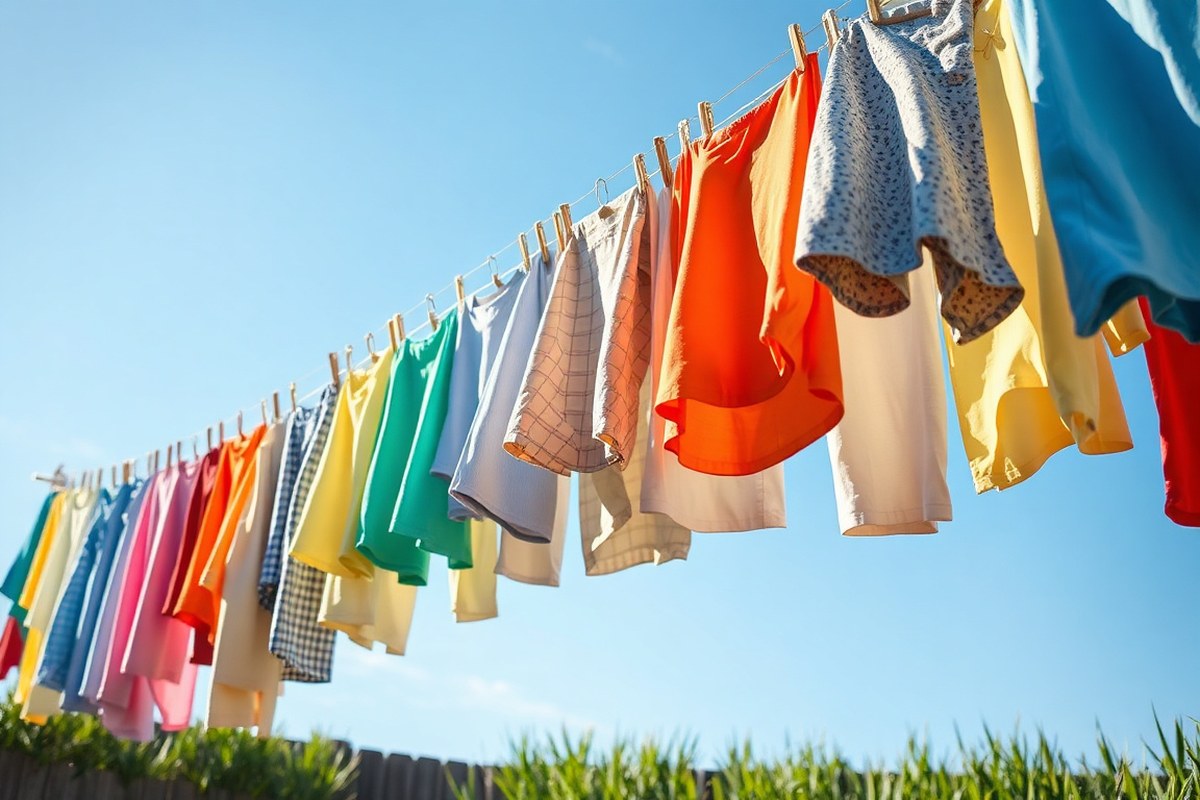
Line dry means hanging your laundry to air dry naturally without a machine dryer. It uses a clothesline or drying rack, saving energy and reducing wear on fabrics. This method fits well for people wanting to lower laundry costs, care for delicate clothes, or reduce environmental impact.
You’ll learn what line dry means on clothing labels, which fabrics work best, how long drying usually takes, and tips for indoor and outdoor drying. Understanding these details helps you make practical, eco-friendly choices for your laundry routine.
Key Takeaways
- Check clothing labels for “line dry” symbol to avoid heat damage from dryers.
- Most loads take about 1 to 4 hours to line dry, depending on fabric and weather.
- Line dry cotton, linen, and durable synthetics; avoid wool, silk, and lace which need flat drying.
- Indoor line drying works year-round with good air circulation and dehumidifiers if needed.
- Sunlight helps disinfect but can fade or weaken some fabrics, so dry delicate items in shade.
- Set up your clothesline in a sunny, breezy spot for faster and more efficient drying.
What Is Line Dry and What Does It Mean on Clothing Labels?
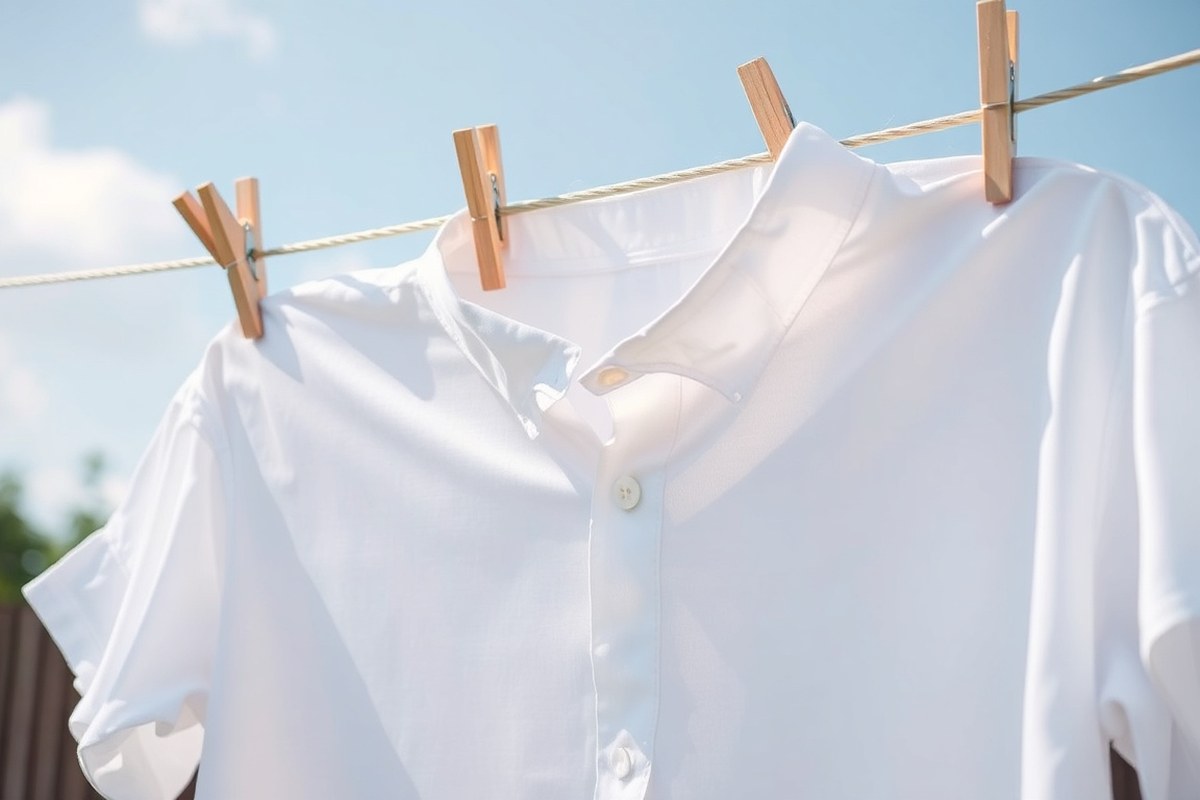
Line dry means hanging your freshly washed clothes on a clothesline or drying rack to air-dry naturally instead of using a machine dryer. This method relies on air circulation and sometimes sunlight to remove moisture from fabric over several hours, depending on fabric type and weather. Line drying uses no electricity, making it a cost-effective and eco-friendly alternative. For example, drying clothes on a line can save the energy equivalent of running a dryer for about 30 to 60 minutes per load, reducing your household carbon footprint.
A square with a curved line at the top, symbolizing a clothesline between two posts, is the line dry icon on clothing labels. This mark suggests drying your item by air to prevent shrinkage, color loss, or fabric damage caused by machine drying. Hang the damp garment by its shoulders or edges using clothespins or clips, spacing the pieces properly to let air circulate. Don’t crowd or fold the clothes, as that can extend drying time and cause mildew or odors.
Line drying typically takes several hours to a full day depending on fabric thickness and humidity. Linen and hemp fabrics dry faster because their fibers release moisture quickly, while heavier cotton or denim can take longer. Drying clothes outside in sunny conditions lets ultraviolet (UV) rays help eliminate bacteria and odors that washing might not remove. However, to avoid color fading or stiffening from direct sun exposure, drying in shade is often best, especially for delicate fabrics or bright colors.
Using line drying requires a bit of planning, such as checking the weather forecast to avoid unexpected rain. Hanging clothes outdoors may expose them to pollen or dust, which can be minimized by not drying during high pollen days or by shaking the clothes outdoors before bringing them back inside. For indoor line drying, a drying rack placed near a heat source or fan helps speed up the process during cold or humid seasons.
Recognizing the line dry symbol means you’re protecting your garment’s fabric and extending its life. It also means saving money by cutting down on electricity bills compared to using a dryer. The process takes more time, typically 4 to 12 hours depending on conditions, but requires no special equipment beyond a clothesline or drying rack. For garments labeled with this symbol, avoid using a tumble dryer as heat and tumbling action can cause shrinkage, stretching, or damage, especially with wool, silk, or delicate knitwear.
How Long Does Line Drying Take for Different Fabrics and Conditions?
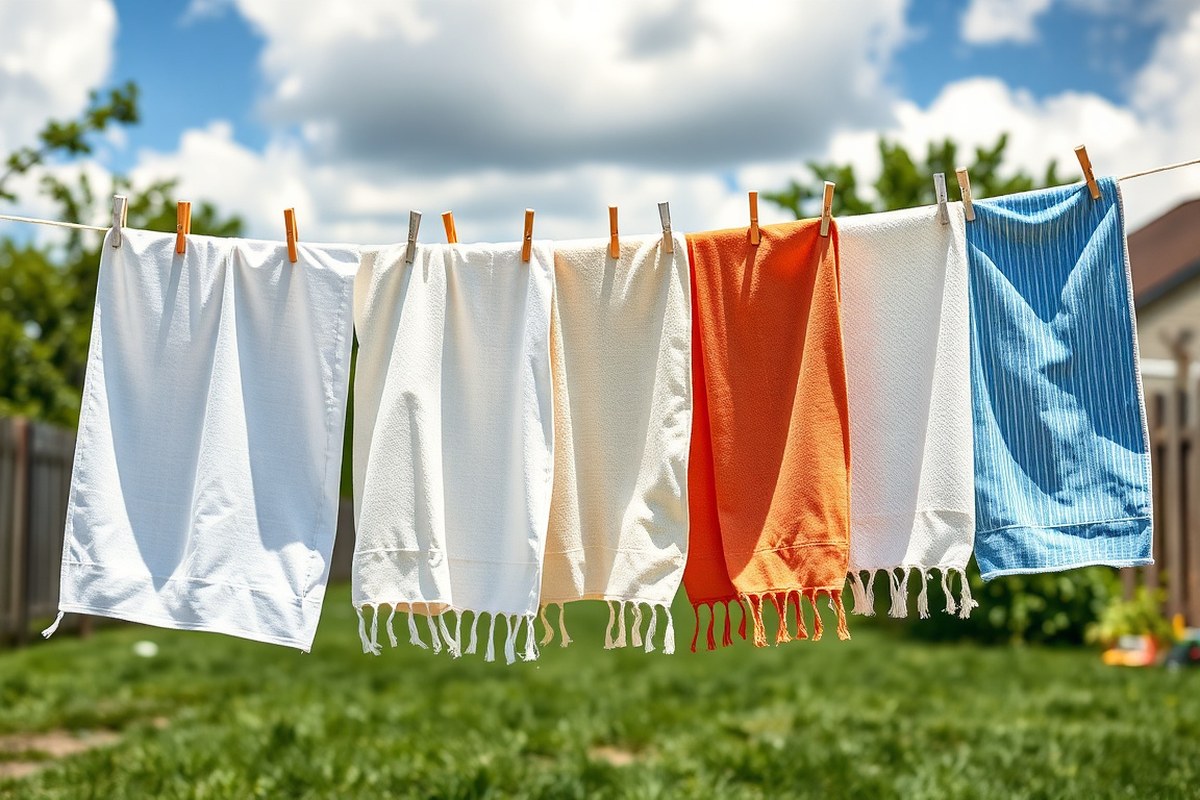
Line drying times vary significantly depending on the fabric type, weather conditions, and how clothes are hung. Lightweight fabrics like cotton t-shirts or sheets can dry in 2 to 4 hours on a sunny, windy day. Heavier materials such as denim or towels can take anywhere from 6 to 12 hours or more. Thicker fabrics retain moisture longer and benefit most from strong airflow and direct sunlight.
Weather plays a critical role in drying speed. Warm, dry, and breezy conditions speed up evaporation, while cold, humid, or still air can slow it down considerably. Overcast or rainy weather may extend drying time to a full day or more. Indoors, where airflow and sunlight are limited, drying can take 1 to 3 days depending on these same fabric factors.
Proper hanging methods ensure faster, more even drying and less stiffness or odor from moisture retention. Avoid crowding garments on the line to maximize airflow. Hanging clothes flat or folding thicker items over the line evenly exposes fabric to air and sun, helping prevent damp spots or lingering smells.
| Fabric Type | Typical Outdoor Drying Time | Typical Indoor Drying Time | Best Weather |
|---|---|---|---|
| Light cotton (t-shirts, blouses) | 2, 4 hours | 12, 24 hours | Sunny, breezy, 70, 85°F (21, 29°C) |
| Denim (jeans) | 6, 10 hours | 1, 2 days | Sunny, windy, above 70°F (21°C) |
| Towels | 8, 12 hours | 1, 3 days | Sunny, dry, windy conditions |
| Wool or delicate knits | 4, 8 hours | 1, 3 days | Shade with light breeze |
| Synthetic fabrics (polyester, nylon) | 3, 6 hours | 12, 24 hours | Warm, airy, shaded or indirect sunlight |
Keep in mind that fabric thickness, weave, and residual water content after the spin cycle also affect drying times. Clothing spun thoroughly in a washing machine will dry faster than those still saturated. Drying clothes outdoors can add the benefit of natural UV rays, which help disinfect fabrics and reduce bacteria without heat damage. Indoor drying protects clothes from sun bleaching but generally takes longer and requires more airflow.
Make sure not to overcrowd the line; spread clothes evenly to avoid damp spots and slower drying.
Using a line in a sunny, breezy spot can cut your drying time significantly, but on cool, humid days, patience is necessary. Monitoring the weather and adjusting drying locations or times will help you achieve the best results, preserving your clothes and saving money on electric drying.
Which Fabrics Are Best for Line Drying and Which Should Be Avoided?
Line drying works best with natural fabrics like cotton, linen, and sturdy synthetics that can stand up to outdoor conditions. These fabrics dry relatively quickly and won’t lose their shape or get damaged by direct sunlight or wind. For example, cotton T-shirts and linen shirts can dry in as little as one to two hours on a sunny breezy day. Jeans also do well line dried but take longer, usually three to five hours in optimal weather.
Delicate fabrics such as wool and silk require special attention when air drying. To keep wool sweaters or jumpers from stretching, lay them flat on a towel or mesh rack instead of hanging. Wool typically takes six to twelve hours to dry in sunny weather, with drying time increasing by over twice as much on humid days. Silk should air dry in a shaded area on a padded hanger or flat spot to protect it from fading and damage caused by direct sunlight.
Some fabrics should generally be kept out of tumble dryers rather than line dried, especially those with stretch, embellished details, or delicate fibers. Towels and bedding handle tumble drying on low heat well, but wool, silk, and stretch garments are better off line dried or dried flat to avoid shrinkage and wear. Line drying also extends fabric life by preventing the high heat and tumbling that damage fibers. Here is a comparison table showing drying times for various fabrics under different weather conditions, helping you plan your line drying schedule effectively.
| Item | Sunny, Breezy Day | Humid or Monsoon Day, Indoors |
|---|---|---|
| Cotton T-shirt | 1 to 2 hours | 6 to 12 hours |
| Linen Shirt | 1 hour | 4 to 8 hours |
| Cotton Kurta | 1 to 3 hours | 8 to 12 hours |
| Jeans | 3 to 5 hours | 12 to 24 hours |
| Towels | 2 to 4 hours | 12 hours or more |
| Wool Jumper (flat) | 6 to 12 hours | 24 hours or more |
To line dry clothes correctly, hang cotton and linen on the line with clothespins, making sure they get airflow on all sides. For wool and heavy knitwear, lay garments flat on a clean towel or mesh drying rack, reshaping them gently while damp. Silk pieces should be handled delicately, drying them in the shade on padded hangers or flat surfaces to avoid fabric stress and sun damage.
Using these drying methods preserves your clothing’s shape and texture, reduces wear caused by high heat, and helps your laundry last longer. Avoid line drying heavy items like thick towels or dense bedding outside when humidity is high, since they may not dry completely and could develop mildew if left damp too long.
How to Line Dry Clothes Indoors Effectively in Any Season
Line drying clothes indoors is effective year-round, even in winter or humid climates, when you control air circulation and humidity. Unlike outdoor drying, indoor line drying requires managing moisture to avoid dampness but protects clothes from sun damage and weather. With the right setup, you can dry laundry safely and efficiently inside your home.
Preparing an Indoor Drying Space
Choose a well-ventilated room with enough space to hang your laundry without overcrowding. Near a window or door that can open to allow fresh air is ideal. Avoid small, closed rooms where moisture will build up and slow drying, increasing the risk of mildew or musty smells.
Arrange drying racks, lines, or hangers so clothes have 2 to 4 inches of space between them. This space helps airflow reach all sides of your garments, speeding drying and reducing stiffness. Shake out each item before hanging to loosen fibers and reduce wrinkles.
Managing Moisture and Preventing Dampness
Indoor line drying adds moisture to your air, which can cause condensation and mold if not managed. Use a dehumidifier or run an exhaust fan near the drying area to reduce humidity, especially in winter when ventilation is more limited. Opening a window slightly during the day helps, but avoid drafting cold air directly onto clothes as this slows drying.
Place drying setups in the least humid room, often a living room or kitchen rather than a bathroom. Towels and thicker items may take longer to dry and release more moisture, so hang these separately to avoid excess dampness. Turning garments halfway through drying promotes even airflow and reduces musty odors.
Choosing Indoor Line Drying Equipment
Select drying tools that fit your space and laundry load. Foldable drying racks are versatile and easy to move. Telescoping or retractable clotheslines can be installed in narrow rooms or hallways and retracted when not in use. Use sturdy hangers for shirts and delicate items to keep their shape and avoid stretching.
For small spaces, wall-mounted drying racks or ceiling pulley systems that lower and lift the line can maximize room. Avoid overcrowding any system. Effective equipment costs range from $15 for a basic rack to $50 or more for retractable lines, offering long-term savings compared to electric drying.
- Select a sunny or well-ventilated indoor area with enough space for your drying needs.
- Set up a drying rack, retractable line, or hangers spaced 2 to 4 inches apart.
- Shake each garment before hanging to reduce wrinkles and speed drying.
- Use a dehumidifier or exhaust fan to remove excess moisture from the air.
- Open a window slightly if possible, avoiding drafts on clothing.
- Turn clothes midway through drying, especially thicker items.
- Separate heavy items to reduce concentrated moisture build-up.
- Remove clothes promptly once dry and consider ironing thick fabrics to finish drying if needed.
Benefits of Line Drying for Clothes, Wallet, and Environment
Line drying saves energy and money by not using any electricity, which lowers utility bills and helps protect the environment. It also keeps clothes looking better longer by reducing damage from the heat and tumbling of a dryer. This results in fewer repairs or replacements, making it a cost-effective and eco-friendly laundry choice.
Energy Savings Compared to Tumble Dryers
Line drying uses zero energy, unlike tumble dryers that consume 2,000 to 6,000 watts depending on the model and cycle length. That means you can cut your laundry’s carbon footprint by simply hanging your clothes on a line. Over time, avoiding the electricity cost of running a dryer adds up, especially if you wash multiple loads per week. Choosing line drying lowers both energy bills and fossil fuel use.
Besides saving energy, line drying reduces wear on the fabric since clothes aren’t exposed to the high heat and mechanical abrasion of dryers, which can lead to shrinking and fading. The sun’s natural ultraviolet rays help whiten whites gently and diminish odors without chemicals.
Fabric Protection and Appearance Benefits
Clothes lose less of their shape and color when line dried because there’s no tumbling that breaks down fibers or causes shrinkage. Shade drying further protects colors from fading. Fabrics retain their fit longer, which stretches the life of your wardrobe.
Line drying also reduces the release of microfibres into wastewater, an environmental benefit since these tiny fibers contribute to pollution in water bodies. The gentle drying process preserves fabric integrity better than a dryer’s harsh tumbling motions.
Financial Advantages of Line Drying
Using a clothesline requires only a simple investment in a line and clothespins, which can cost under $25 total in many cases. In contrast, tumble dryers typically cost $300 to $700 or more. The lack of electricity use means you can save several dollars each month on energy bills. Savings increase in households that do laundry frequently.
Reducing damage from drying also means fewer clothes need to be replaced or repaired. Also, air-dried clothes often require less ironing, saving time and energy if you do use an iron.
Environmental Impact and Carbon Footprint
The environmental gains from line drying come from cutting energy demand, which reduces greenhouse gas emissions linked to electricity generation. Since many dryers run on electricity from fossil fuels, avoiding their use lowers your home’s carbon footprint significantly. Line drying is one of the simplest ways to reduce your personal contribution to climate change in daily life.
Fresh air drying also avoids the emissions that come from manufacturing and disposing of dryers over their lifespan. The natural whitening effect of sunlight reduces the need for bleach or other chemical whiteners that can harm the environment when washed away.
| Benefit | Why it Matters |
|---|---|
| No energy use | Lower utility bills and reduced carbon emissions |
| Less shrinkage | Clothes maintain fit longer |
| Less fading | Colors last longer when dried in shade |
| Less fiber wear | No tumbler abrasion means longer-lasting fabric |
| Natural freshness | Fresh air and sun reduce odors without chemicals |
| Natural whitening | Sunlight brightens whites gently |
| Fewer microfibers released | Less fabric abrasion lowers pollution risk |
Use dryer balls when you do tumble dry; they improve air circulation to reduce drying time and minimize fabric rubbing.
How Sunlight Affects Clothes When Line Drying Outdoors
Sunlight plays a significant role when you line dry clothes outdoors. The ultraviolet (UV) rays naturally disinfect laundry by killing bacteria and other microbes, offering a chemical-free way to freshen your clothes. Sunlight also acts as a natural bleach, brightening white fabrics without harsh detergents. This bleaching effect works well for stubborn stains and dingy whites, making them look fresher over time.
On the downside, exposing clothes to direct sunlight for extended periods can cause colors to fade. The UV rays break down dyes in fabrics, especially in bright or dark-colored items. Over time, repeated exposure leads to dull, washed-out colors. Also, leaving clothes out too long after they have dried often results in stiffness. This happens because the sun and air remove moisture completely, leaving fibers feeling rigid instead of soft.
To balance these effects, dry whites and light colors in direct sunlight for about 1 to 2 hours, which is enough to harness disinfecting and brightening benefits without risking damage. For colored fabrics, pick a shaded or partly shaded spot to minimize fading while still drying efficiently. Avoid leaving clothes on the line for several hours after they are dry to prevent stiffness.
Another tip is to wash smaller loads more frequently. Smaller loads dry faster, reducing the time fabrics spend exposed to potentially fading sunlight. You can also add a fabric softener during the wash or use a homemade vinegar rinse to prevent stiffness after line drying. Clothing made of natural fibers like cotton tends to fade more quickly than some synthetic fabrics, so consider this when choosing what to hang in the sun.
Line drying outside costs nothing and avoids the harsh tumbling and heat of machines, which cause shrinkage, weaken fabric fibers, and loosen seams. The sun’s UV rays replace some of the cleaning action you’d get with a machine drying cycle, but careful attention to placement and timing helps keep your clothes looking good. Avoiding peak sun hours during very hot days can also protect delicate items from fading and stiffening.
Common Line Drying Mistakes and How to Avoid Them
Line drying clothes is simple but easy to mess up if you don’t take certain steps. A common mistake is not allowing clothes to dry fully before folding and storing them. Damp clothes trapped in closets cause mildew and unpleasant smells. High humidity is a big factor, slowing the drying process and increasing the chance of musty odors. Another frequent error is drying dark clothes in direct sunlight. The sun’s ultraviolet rays can fade or weaken dyes, so shade or indirect light is better for these fabrics.
Clothes can also stiffen when line dried, primarily if air circulation is poor or if they’re left on the line too long after drying. Stiffness happens because water evaporates and leaves behind minerals from your washing water. A quick shake or gentle stretching of each item immediately after removing it helps keep fabric soft. Using a fabric softener or a vinegar rinse in the wash cycle can also reduce stiffness without harsh chemicals.
Sometimes clothes develop a damp or sour smell even after line drying. This often means they were stored before fully dry or dried in a place with poor airflow. Rewashing with half a cup of baking soda or white vinegar helps remove these odors. Dry clothes again right away in fresh air to stop mustiness from returning.
- Don’t hang clothes too close together; allow space for air to circulate freely.
- Avoid drying clothes indoors in bathrooms or closed areas without ventilation.
- Shake or snap each garment after drying to reduce stiffness.
- Use shade or indirect sunlight for dark clothing to prevent fading.
- Wait until clothes are completely dry before folding or storing.
- Wash and dry clothes promptly if a musty smell develops.
- Consider adding baking soda or vinegar during the wash to cut down stiffness and odors.
- Check local humidity levels; avoid line drying outdoors on very humid days.
- Remove clothes from the line soon after drying to prevent dust or pollen buildup.
- Use hangers for shirts and blouses to maintain their shape better when line drying.
Low-cost habits like proper spacing and timely removal save you from rewashing and preserve your clothes’ freshness. These small fixes make line drying a more practical and pleasant option, even for those concerned about time and effort. Drying clothes outdoors when humidity is below 60% speeds drying, while indoor drying requires good airflow to avoid dampness.
How to Set Up and Use a Clothesline for Best Results
Setting up a clothesline properly ensures your laundry dries efficiently while protecting your outdoor space. Consider location, type of line, and accessories to suit your needs. Also, check local rules to avoid conflicts with community or homeowner regulations.
Selecting the Ideal Location
Choose a spot with ample sunlight and good airflow for faster drying. Look for a place away from trees or tall structures that can drop debris or block sun and wind. Keep the line at a comfortable height, generally 5 to 6 feet, to make hanging and retrieving clothes easy without bending or stretching.
Consider distance from your laundry area so transporting wet clothes isn’t cumbersome. A backyard or side yard works well, but even a balcony or porch can be suitable with the right setup.
Choosing Clothesline Types and Accessories
Clotheslines come in several forms, including traditional rope lines, retractable lines, and pulley systems. Rope lines fixed between two poles or walls are straightforward and durable. Retractable lines save space and can be stored when not in use. Pulleys allow raising and lowering the line for easier access.
Clothespins or clips secure garments firmly and prevent them from blowing away. Opt for rustproof pins to withstand the elements. Weighting small items or using mesh drying bags can prevent loss. Fixings for lines can be easily installed on brick or wood surfaces with anchors or hooks.
- Measure the available space and mark two points 10 to 25 feet apart with no obstructions.
- Select a clothesline type that fits the area and your drying needs (rope for budget, retractable for space-saving).
- Install sturdy hooks or anchor points at marked locations, assuring they’re anchored into solid material.
- Attach the line, maintaining enough tension to prevent sagging but allowing slight give.
- Choose clothespins or clips, preferably rust-resistant, and keep them handy near your line.
- Test hanging items of varying sizes to check ease of use and line height.
- Adjust line tension or height as needed after first few uses to improve comfort and effectiveness.
Avoid over-tightening the line to prevent premature wear or breakage; a slight sag helps air circulation under clothes.
Understanding Local Rules and Etiquette
Many communities have regulations about outdoor clothes drying, often captured in homeowner association (HOA) rules or neighborhood covenants. These can limit clothesline placement, types permitted, or require them to be out of direct public view. Check your city or HOA guidelines before installation to avoid fines or complaints.
Open communication with neighbors and respectful placement can prevent disputes. Aim to keep lines tidy, avoid overloading, and remove drying clothes promptly. These measures help maintain your outdoor space’s appearance and foster good community relations.
Step-by-Step Action Plan for Line Drying Clothes
Start line drying with simple steps to see how it fits your routine and fabric needs. This plan helps you set up, test, and adjust your line drying approach for the best results.
- Before you start: Choose a suitable spot outdoors or indoors with good airflow and sunlight. Check fabric labels for “line dry” instructions to avoid damage.
- Day 1: Hang a small batch of cotton or polyester clothes on your line. Check after 3 hours for dryness and fabric feel to confirm timing.
- Week 1: Try different fabrics like linen or denim and note drying times while adjusting clothes spacing to avoid overlap.
- Week 2: Experiment with indoor drying using a drying rack placed near a window or fan. Ensure fabrics dry within 24 hours to prevent mildew.
- After 3 weeks: Assess any sun fading or stiffness on outdoor dried clothes, and adjust drying times or use shade if needed.
- Month 1: Commit to line drying specific fabrics regularly and track your water and energy savings compared to machine drying.
- Ongoing: Use a brush or vinegar rinse to reduce stiffness, and always follow label care instructions to maintain fabric quality.
Frequently Asked Questions
What Is Line Dry Only?
Line dry only means you should hang your clothes on a line or rack to dry instead of using a tumble dryer. This method is gentler on fabrics and helps keep clothes softer with fewer wrinkles.
How Do Japanese Dry Their Clothes in Winter?
Japanese often dry clothes indoors on racks near heaters or windows in winter. They use good ventilation and sometimes dehumidifiers to speed drying without damaging fabrics.
What Is the Line for Drying Clothes Called?
The line used for drying clothes is commonly called a clothesline or drying line. It can be a rope, wire, or cord stretched between two points.
How Does a Dryer Dry Clothes?
A dryer uses heated air circulated by a fan to evaporate moisture from clothes as they tumble inside a drum. This process is quicker but harsher on fabric fibers.
Can I Line Dry Clothes in Humid Weather?
Yes, but drying takes longer in humid air since moisture evaporates slower. Using a fan or good airflow indoors helps speed it up.
Is Line Drying Better for the Environment?
Yes, line drying uses no electricity and reduces the wear on clothes, saving energy and extending garment life compared to electric dryers.
Before You Go
Line drying delivers clear benefits when done with care. Choose fabrics wisely and manage your drying environment to protect clothes while saving money and reducing environmental impact. Try hanging a few garments tomorrow to experience how line drying fits into your home laundry routine.