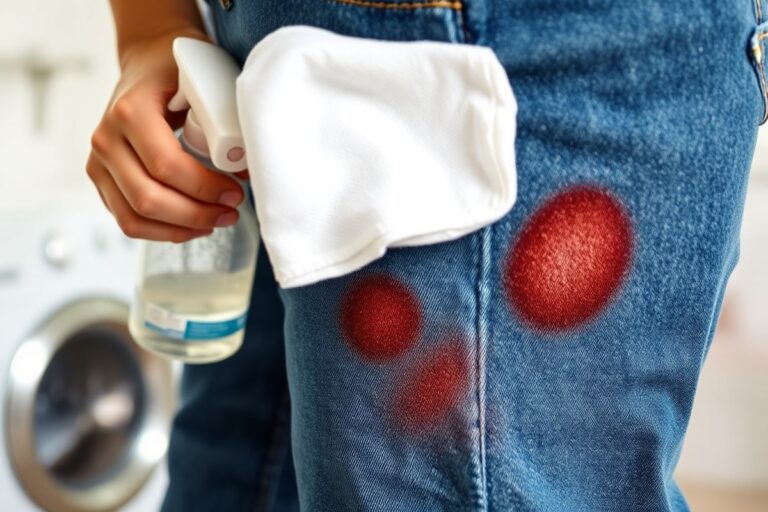
How to Get Rid of Perspiration Stains on Clothes: 8 Effective Methods That Work
To get rid of perspiration stains on clothes quickly, treat the stains soon after wearing by applying stain removers or household ingredients like dish soap and hydrogen peroxide. Soak or scrub gently, then wash using cold water and oxygen bleach when appropriate. This approach works across many fabrics and reduces the chance of lasting marks or odors.
This advice suits anyone dealing with yellow or white sweat stains on everyday clothes who wants practical, effective cleaning options. You will learn how to pick cleaning methods by fabric type, use natural and chemical solutions safely, and avoid common mistakes that waste time or damage fabrics.
Key Takeaways
- Treat perspiration stains as soon as possible for better removal results.
- Use undiluted dish soap rubbed into stains for around 30 minutes before washing.
- Soak clothes stained with deodorant in a hydrogen peroxide and water mix for at least 30 minutes.
- Apply a paste of oxygen bleach directly on sweat stains and leave it for 30 minutes before laundering.
- For white fabric, soak in lemon juice for 10 minutes to brighten faint yellow stains.
- Gently work hydrogen peroxide with a soft toothbrush on stubborn stains, letting it sit 15 to 30 minutes before washing.
1. How to Remove Perspiration Stains from Clothes Quickly

Removing perspiration stains from clothes quickly requires acting before the stains set. Fresh sweat stains are easier to remove because the sweat, bacteria, and deodorant residues have not yet bonded firmly to the fabric. Treating these areas as soon as possible helps prevent yellowing and fabric damage. You can use regular laundry detergent along with some pretreatment steps to remove sweat stains effectively and keep your clothes looking fresh. Here are step-by-step directions to treat fresh and slightly set perspiration stains efficiently:
- Identify the stain and check the fabric care label. Knowing the fabric type helps avoid damaging it during cleaning.
- Pre-treat the stain by applying a small amount of mild, enzyme-based liquid laundry detergent directly onto the sweat-stained area. Enzymes help break down proteins and oils in the sweat. Let it sit for about 10 to 15 minutes but do not let it dry completely.
- Gently rub the fabric together or use a soft brush on the stain to loosen it. Avoid scrubbing hard, especially on delicate fabrics, as it may cause damage.
- Rinse the stained area in cold water. Cold water prevents the sweat proteins from setting further.
- Wash the garment as soon as possible in cold water using a regular amount of your usual laundry detergent. Using cold water with enzyme-based detergent kills bacteria and removes oils without setting the stain.
- For white or colorfast clothes, add a small amount of lemon juice or a color-safe bleach during the wash cycle. Lemon juice acts as a natural disinfectant and stain remover, but test a small area first to avoid fabric damage or fading.
- Air dry the garment rather than using a dryer. Heat from the dryer can set any remaining stain permanently. Check if the stain is gone before drying completely.
This treatment generally takes about 30 to 60 minutes from pre-treating to the end of a quick wash cycle. Fresh stains often come out in one wash with proper pretreatment, but stains left longer might require repeated treatments or specialized products.
One key to quick sweat stain removal is acting rapidly and not waiting until the stains have dried or turned yellow. Quick washing with an enzyme-based detergent in cold water works best. If you don’t treat the stains soon, deodorant salts and sweat residues can bind tightly, making them harder to remove. Avoid using hot water or the dryer on stained clothes before you confirm the stain is removed, as heat can cause permanent damage.
2. Choosing the Best Cleaning Method by Fabric Type

Fabric type plays a key role in choosing the right method to remove perspiration stains safely and effectively. Different fabrics vary in how they react to heat, moisture, chemicals, and scrubbing, which affects stain treatment. For example, white cotton can handle stronger ingredients like hydrogen peroxide, while delicate fabrics like silk or wool require gentler enzyme-based products. Using the wrong method on certain fabrics risks damage such as color fading, weakening fibers, or shrinking.
To pick the best approach, first check your garment’s care label for any specific instructions. Then consider these general rules: use baking soda and hydrogen peroxide paste on sturdy, white cotton for strong stain removal; vinegar soaks work well on colored clothes and neutralize odors without harsh bleaching. Lemon juice with salt provides natural bleaching and is best reserved for fresh stains on light-colored fabrics. Enzyme-based presoak products are safer for delicate fibers but may need longer soak times. Always pre-treat stains by gently applying your chosen solution and allowing it to sit before washing.
| Method | Key Ingredients | Suitable For |
|---|---|---|
| Baking Soda & Hydrogen Peroxide Paste | Baking soda + hydrogen peroxide + water | White cotton shirts; avoid on colored fabrics |
| Vinegar Soak | Equal parts distilled white vinegar & water | Colored shirts and most washable fabrics; neutralizes odor |
| Lemon & Salt | Fresh lemon juice + salt | Fresh stains on light colors; natural bleaching |
| Enzyme Presoak / Wet-Spotter | Enzyme presoak or wet-spotter with ammonia | Delicate fibers like silk, wool |
When working with white cotton that has tough, set-in stains, apply a 3% hydrogen peroxide solution for 15 to 20 minutes before washing. You may need to repeat this process two or three times for best results. For delicate or colored fabrics, avoid strong bleaching agents; instead, use vinegar soaks or enzyme treatments. Always gently treat the stained area using a soft brush or cloth and avoid high heat drying until stains are fully removed, since heat sets sweat stains permanently.
Always pre-treat perspiration stains before washing, check the stain afterward, and avoid drying until the stain is gone to prevent permanent setting.
Following these fabric-specific guidelines helps protect your clothes while improving stain removal success. This approach also prevents the spread or deepening of sweat stains caused by aluminum in deodorants or the interaction of sweat with fabric fibers.
3. Natural and Household Remedies That Actually Work
Common household ingredients like lemon juice, vinegar, and baking soda can effectively remove perspiration stains when used correctly. Each works best on certain types of stains and fabrics, and applying them properly improves results and protects your clothes from damage.
Lemon Juice for Brightening Whites
Lemon juice has citric acid, which acts as a natural bleach to reduce yellow sweat stains, especially on white or light-colored clothes. It breaks down the stain and lightly whitens the fabric’s surface. Avoid applying lemon juice to colored fabrics, since it can lead to fading.
For fresh or mild stains, a short soak with lemon juice followed by sun exposure can help brighten the affected area. The process is simple and requires minimal supplies.
- Wet the stained area with cool water.
- Squeeze fresh lemon juice directly over the stain, ensuring it is fully covered.
- Sprinkle a small amount of table salt over the lemon juice to act as a mild abrasive and absorb moisture.
- Rub the fabric gently together or use a soft brush to work the mixture into the fibers without damaging them.
- Place the garment in direct sunlight for 30 minutes to an hour. The sun’s UV rays boost the lemon juice’s bleaching effect.
- Rinse the fabric thoroughly with cool water.
- Launder as usual, checking that the stain has lifted before drying.
Vinegar Solutions for Odor and Stain Removal
White vinegar’s mild acidity makes it excellent for breaking down sweat stains and deodorant buildup. It can also help neutralize odors trapped in fabric. Vinegar is safe for colored clothes and prevents stiffness by acting as a natural fabric softener when used in the rinse cycle. Using vinegar to soak or treat stains requires a prepared solution with water, which ensures the fabric isn’t harmed by excessive acidity.
- Mix 1 cup of white vinegar with 2 cups of cold water in a basin or sink.
- Submerge the sweat-stained areas of your garment into the solution.
- Let the clothing soak for 30 minutes for fresh stains; for older or tougher stains, extend soaking time up to one hour.
- Remove the garment and gently rub the stained areas before rinsing with cold water.
- Wash the garment normally in your washing machine following care label instructions.
- Add ½ cup of white vinegar to the rinse cycle to soften fabric and reduce residual odors.
Baking Soda Paste Application
Baking soda is effective at dissolving stains and deodorant residue because it helps lift oils and neutralizes odors. Forming a paste allows you to target specific areas with a thicker mixture that clings to the fabric. This method suits both white and colored fabrics since baking soda is gentle. Mixing baking soda with other household ingredients like water or vinegar can boost its cleaning power to tackle stubborn sweat stains.
- Combine 1 tablespoon of baking soda with enough water (about 1-2 teaspoons) to form a spreadable paste.
- Apply the paste generously to the stained area using a soft cloth or a toothbrush.
- Let the paste sit on the fabric for 15 to 30 minutes to allow it to break down the sweat and deodorant residue.
- For tougher buildup, add 1 tablespoon of white vinegar to the paste to create slight fizzing that aids stain breakdown.
- Gently rub the treated area again with the brush or cloth.
- Rinse the garment thoroughly with cool water to remove all baking soda.
- Wash the clothing as usual and air dry to prevent setting any remaining stain.
4. Using Chemical Stain Removers Safely and Effectively
Hydrogen peroxide, oxygen bleach, and enzyme-based detergents can effectively remove perspiration stains without ruining your clothes when used properly. Each works best on specific fabrics and stains, and following safety measures prevents damage like fading or weakening fibers. Understanding when and how to apply these chemicals helps keep your clothing bright and intact.
Using Hydrogen Peroxide for Light-Coloured Fabrics
Hydrogen peroxide is most effective on white and light-colored fabrics due to its gentle bleaching properties. It breaks down yellow sweat stains gently, without the strong effects of chlorine bleach. Create a solution with ½ cup of hydrogen peroxide mixed into 2 cups of cool water. Submerge the garment completely for at least 30 minutes before washing. This also helps eliminate odors that remain after washing. Avoid using hydrogen peroxide on dark or bright clothes since it may cause fading or color changes.
To ensure safety, test a small hidden area first for any fading or damage. Use cold water for soaking to reduce fabric stress. Avoid prolonged soaking beyond 30 minutes as excessive exposure might weaken fabric fibers. Regular washing after soaking completes the stain removal process, leaving clothes brighter without weakening them.
Safe Application of Oxygen Bleach
Oxygen bleach is gentler than chlorine bleach and works well on coloured fabrics since it does not cause fading as often. This category includes nonchlorine bleaches often used with enzyme detergents to break down protein-based stains like sweat. It’s especially suitable for cotton, polyester, and blends. Follow the product label for proper dilution, often about 1 to 2 tablespoons per gallon of warm water, to avoid damage.
Use oxygen bleach for white and coloured fabrics that can withstand mild bleaching. Avoid it on delicate fabrics like silk and wool, as enzymes can degrade fibers. Soaking time varies; typically, 30 minutes to one hour is enough. After soaking, wash garment as usual. Oxygen bleach removes stains while brightening fabric and is cost-effective, usually priced around $5 to $10 for a container that treats multiple loads.
Choosing and Using Enzyme-Based Detergents
Enzyme detergents target protein stains such as sweat by breaking them into smaller molecules that wash away easily. These detergents work well in warm water and are safe for most fabrics, including coloured garments. You can use enzyme detergents regularly to prevent sweat stains from setting in. Popular brands like Persil Universal Gel are formulated to remove yellow stains on whites and colours.
Use the detergent according to label instructions, often about 1 to 2 tablespoons per load. Wash clothes promptly after sweating to improve results, as fresh stains respond better to enzymes. Enzymes may be less effective in cold water, so set your washing machine temperature to around 104°F (40°C) to activate them properly without damaging fabrics.
Precautions When Using Chemical Stain Removers
Always read and follow the product label for concentration, soaking time, and temperature guidelines to avoid clothes damage. Test any product on a small, hidden section before full use. Avoid mixing chemicals like hydrogen peroxide with chlorine bleach since this creates toxic fumes. Use gloves to protect your skin and work in a well-ventilated area.
Dark-coloured clothes require extra care since hydrogen peroxide and strong bleaches can cause fading or uneven spots. Oxygen bleach and enzyme detergents are safer options for colours. Stubborn stains can be tempting to treat repeatedly, but frequent use of chemicals can weaken fabric fibers, increasing the risk of holes or tears over time. Professional cleaning is advisable for delicate or expensive garments.
5. Preventing Perspiration Stains Before They Start
Choosing the right clothes can greatly reduce the appearance and buildup of sweat stains. Breathable fabrics like cotton, linen, and moisture-wicking polyester blends allow air circulation and help sweat evaporate quickly, preventing stains. Avoid tight-fitting clothing that traps sweat against the skin, which promotes staining and odor.
Your deodorant choice also plays a big role in stain prevention. Aluminium-based antiperspirants can cause yellow or white marks because of their reaction with sweat. Using aluminium-free deodorants or specially formulated antiperspirants like Degree® UltraClear Black & White can help minimize these stains on dark, white, or colored clothes. Applying deodorant thoroughly and letting it dry before dressing also reduces residue transfer.
Prompt washing after wearing clothes is critical for stopping sweat stains from setting in. Washing shirts or workout gear within 24 hours removes sweat and bacteria before they cause discoloration and odor. Use the highest water temperature safe for the fabric to effectively break down sweat salts, especially on synthetic materials. If washing immediately isn’t possible, pretreating the underarm area with a protein-based stain remover can slow stain formation.
- Wear loose, breathable fabrics like cotton or linen.
- Choose aluminium-free or stain-fighting deodorants.
- Apply deodorant and allow it to dry before putting on clothes.
- Wash sweaty clothes within 24 hours using the warmest water safe for the fabric.
- Pretreat stains if washing is delayed.
- Avoid tight shirts that trap sweat.
Don’t let sweaty clothes sit in a hamper for days; the longer sweat stays, the harder stains become to remove.
For people with heavy perspiration, changing shirts during the day can reduce sweat buildup. Investing in moisture-wicking undershirts also helps absorb sweat before it reaches outer layers. On hot days, wearing lightweight layers that you can remove improves ventilation and decreases sweating. These simple wardrobe and hygiene habits keep your clothes looking fresh and cut down on the need for tough stain treatments later.
6. How to Treat Stubborn or Old Perspiration Stains
Set-in perspiration stains require persistent effort using enzymatic treatments and repeated soaking to loosen and remove protein and oil residues from fabrics. Success relies on selecting enzyme-based stain removers, following a soaking and washing schedule, and gently scrubbing the fabric to avoid damage. Multiple treatments applied over several hours or days often improve results for older, deeply set stains.
Pre-Treating with Enzyme-Based Stain Remover
Enzyme-based stain removers contain biological agents that break down sweat’s protein and oil components, making it easier to lift stains from fabrics. Applying these pre-treatments before washing activates enzymes at lower temperatures, usually below 86°F (30°C), which helps protect the fabric while targeting the stain.
Choose a stain remover designed for biological action, such as one containing protease and lipase enzymes. Follow the product instructions for application and allow it to sit long enough for the enzymes to work effectively, often between 15 minutes and 3 hours depending on stain severity.
Repeated Soaking and Washing Schedule
Old, stubborn stains often require multiple cycles of soaking and washing to break down and remove all residue. Soaking extends enzyme contact time, allowing for deeper stain penetration without harsh scrubbing or high heat that could damage fibers.
- Apply an oxygen-based or enzyme stain remover generously to the stained area.
- Fill a basin with cold or lukewarm water (around 75, 86°F / 24, 30°C) and immerse the garment fully.
- Soak the fabric for 2 to 3 hours to maximize enzyme activity.
- Remove and wash the garment on a gentle cycle with a biological detergent formulated for stain removal at the recommended temperature (usually below 86°F / 30°C).
- Check the stain after washing; if visible, repeat the soaking and washing process 1 to 2 more times, spacing these over a day or two if needed.
- Air dry the garment to avoid heat setting any remaining stain; do not use a dryer until the stain is gone.
Keep in mind that repeated treatments are most effective on washable fabrics. Delicate or dry-clean-only materials may tolerate fewer attempts.
Gentle Scrubbing Techniques
Scrubbing can assist enzyme treatments by physically loosening stain particles without damaging fabric fibers. Use a soft-bristled laundry scrub brush or an old soft toothbrush to gently agitate the stained areas, especially if antiperspirant residue has stiffened the fabric.
Apply the stain remover, then softly brush the fabric in a circular motion or along the fabric grain to avoid stretching or fraying. Limit scrubbing to short, controlled sessions lasting a few minutes, and avoid excessive pressure that might harm delicate materials.
Stop scrubbing immediately if you notice fabric fuzzing, pilling, or color loss. After scrubbing, rinse the area and proceed to soak or wash according to stain removal steps outlined above.
7. Common Mistakes to Avoid When Cleaning Sweat Stains
Using bleach on sweat stains can backfire by making the stains more noticeable, especially chlorine bleach. This type of bleach reacts with the proteins in sweat and can cause yellowing that’s even worse than before. A better choice is oxygen-based bleach for white or color-safe fabrics, applied as a soak according to package directions for several hours or overnight.
Hot water might seem like the right fix for cleaning, but it can make sweat stains set permanently. Fresh sweat stains should never be treated with water over 110°F (43°C). Instead, start with cold or lukewarm water to remove as much stain as possible before proceeding with stronger cleaning steps. After pretreating, you can wash with hot water only if the fabric care label permits it and the stain has begun to lift.
Not all stain removers work for every fabric. Harsh chemical stain removers can weaken or damage delicate fibres like silk or wool. Always check fabric care labels first and test stain removers on an inconspicuous area. For synthetic blends and cotton, enzyme-based stain removers are often effective. Avoid using strong chemicals on delicate or vintage clothing without professional advice.
- Do not use chlorine bleach on sweat stains; it worsens yellowing
- Start stain removal with cold or lukewarm water, not hot
- Never iron or machine dry clothes with fresh sweat stains
- Check fabric care labels before applying chemical stain removers
- Patch test stain removers on a hidden seam or hem
- Allow stain treatments to soak for at least 20 minutes for best results
- Wait until stains are fully removed before using heat to dry
Using heat like irons or machine dryers on stained clothes causes the sweat stains to set permanently into the fabric. Wait to use heat until you have thoroughly treated the stain and it is no longer visible. Stubborn stains may require repeating the stain removal steps or soaking in oxygen bleach as advised.
Following these steps helps protect your clothes from damage while improving stain removal success. Taking a little more time to avoid these common mistakes will save you money and keep your garments looking fresher and cleaner longer.
8. When to Seek Professional Cleaning Help
Perspiration stains become too stubborn for home treatment when they have sat untreated for weeks or months, especially if they have mixed with deodorant residue. At this stage, stains may cause visible discoloration or fabric damage that typical household methods cannot reverse. Fabrics labeled as dry clean only or those with delicate materials like silk or wool should also be candidates for professional cleaning to avoid damage from home techniques.
Professional stain removal services use advanced methods like solvent cleaning, steam treatments, and enzyme-based solutions that are stronger and more targeted than over-the-counter products. Dry cleaners with specialized equipment can break down sweat-related stains and residues without harming the garment. They can also treat complex stains embedded within fabric fibers or under layers of finishing treatments that reduce stain visibility. Requesting “perspiration stain removal” or “armpit stain treatment” specifically informs professionals of the issue so they can select the best process.
For delicate fabrics, professional services are generally safer because trained technicians understand fabric care symbols and test cleaning methods on inconspicuous areas. They avoid harsh chemicals or high temperatures that home washers might use mistakenly. When you bring your stained clothing, ask about the cleaning methods planned and any advice to maintain the fabric’s look after cleaning.
Costs for professional stain removal depend on fabric type and stain severity but typically range from $10 to $30 per item. More complicated or heavily stained clothes may cost more. Most cleaners offer an evaluation and estimate upfront. Effective results look like restored original color and texture without fabric distortion or shrinkage. What can go wrong includes incomplete stain removal if stains are too deep or old, or fabric damage from overly aggressive treatment, which trained professionals minimize.
Use the following rule of thumb: If you’ve tried recommended home treatments multiple times with no significant improvement, or if the garment is labeled as dry clean only or delicate, it is time to seek professional help. Bring the item to a reputable cleaner with good reviews for stain removal or specialized fabric care. Describe how long the stains have been present and what you have tried already to help them tailor their approach.
Avoid repeated at-home treatments with harsh chemicals on delicate fabrics, as they can worsen damage, professional cleaning is safer and often more effective for tough sweat stains.
Step-by-Step Action Plan for Removing Perspiration Stains
Follow these steps to tackle sweat stains effectively and keep your clothes looking fresh. Each phase builds on the previous one to ensure the best results.
- Before washing: Apply a natural remedy like lemon juice or baking soda paste directly to the stain and let it sit for 15 minutes. Look for lightening of the stain before the wash.
- During washing: Use the appropriate detergent with oxygen-based bleach on washable fabrics. Confirm the stain is fading in the wash water or after rinsing.
- Immediately after washing: Check the stain before drying. If it persists, apply a chemical stain remover following label directions to avoid fabric damage.
- After drying: If the stain remains, repeat treatment on the dry fabric carefully to avoid setting the stain further.
- Weekly maintenance: Pretreat areas prone to sweating with a gentle solution each week to prevent buildup and staining over time.
- Before storing clothes: Ensure all stains are removed completely. Store in a dry, ventilated area to prevent moisture from creating new stains.
- As needed: For delicate or stubborn stains, consult a professional cleaner to avoid fabric damage and maximize stain removal.
Frequently Asked Questions
Does Hydrogen Peroxide Remove Stains?
Yes, hydrogen peroxide effectively removes stains on white clothes, especially yellow sweat stains, by breaking down the stain and odor. Use it on white cotton fabrics only to avoid discoloring colored clothing.
How to Remove Orange Stains from White Clothes?
To remove orange stains from white clothes, use a baking soda and hydrogen peroxide paste, which lifts the stain gently without harsh bleaching chemicals. Avoid using it on colored fabrics to prevent fading.
How Can I Remove Deodorant Stains from My Clothes?
Wash clothes with detergent immediately after wear to prevent deodorant stains from setting. For existing stains, soak in a hydrogen peroxide solution for 30 minutes before washing.
Can Baking Soda Be Used to Remove Sweat Stains?
Baking soda can remove sweat stains when combined with hydrogen peroxide and water to form a paste. This works well on white cotton fabrics but should be avoided on colored garments.
What’s the Best Way to Remove Sweat Stains from Delicate Fabrics?
Use an enzyme-based presoak or wet-spotter with ammonia on delicate fabrics like silk or wool. These products gently break down sweat stains without harming the fibers.
Can I Use Lemon Juice to Remove Fresh Sweat Stains?
Lemon juice mixed with salt can naturally bleach fresh sweat stains on light-colored clothes, but avoid using it on dark fabrics to prevent discoloration.
Key Points to Remember
Removing perspiration stains doesn’t have to be complicated. By taking targeted steps quickly and choosing the right treatments for your fabric, you can keep your clothes looking their best. Start today by spot-treating any visible stains before your next wash to prevent them from setting in.