How to Get Rid of Mildew Stains on Clothes: 8 Proven Methods That Work
To get rid of mildew stains on clothes, soak the garment in an appropriate cleaning solution for several hours, then wash it thoroughly with hot water for at least 30 minutes. Ensure the fabric is fully dry after washing, especially thicker areas like seams and waistbands, to prevent mildew from returning. Choose cleaning agents based on the fabric type to avoid damage while effectively removing stains.
These steps are for homeowners and renters dealing with mildew on various clothing materials. You’ll learn safe and effective stain removal techniques, how to select the right cleaning products, and prevention tips that help keep clothes fresh and mildew-free.
Key Takeaways
- Soak mildew-stained clothes for at least 8 hours before washing for better stain removal.
- Use chlorine bleach solutions only on white cotton or linen if the care label permits.
- Wash clothes in water at least 60°F and run the cycle for 30 minutes or more to kill mildew.
- Manually check and dry thick areas like cuffs and waistbands to avoid trapped moisture.
- After washing, dry clothes completely in a well-ventilated space to prevent mildew growth.
- Use vinegar, baking soda, or hydrogen peroxide as safe home remedies depending on fabric sensitivity.
1. How to Remove Mildew Stains from Clothes Safely and Effectively

Mildew stains on clothes need prompt treatment to stop the growth from spreading and causing permanent damage. The type of fabric and how severe the stain is guide the cleaning method you should use. Durable cottons and linens handle more intensive treatments like warm water and oxygen-based bleach, while delicate fabrics such as silk or wool require gentler care to avoid damage. The goal is to break down the mildew on or in the fabric fibers, remove the stain, and prevent the musty odor from returning.
Start by assessing the fabric label and the intensity of the mildew stain. Mild stains on sturdy fabrics can usually be treated with household items like vinegar or oxygen bleach solutions before washing. More stubborn stains or mildew on whites might call for the use of chlorine bleach, but only if the care label explicitly allows it. Avoid heat before washing, as it can set the stain. Below is a practical step-by-step approach you can follow:
- Inspect the fabric label and mildew severity. Check care instructions for water temperature limits and bleach use. Mild, surface mildew stains on colorfast fabrics may only require vinegar or oxygen bleach. Heavier stains on whites might need chlorine bleach if safe for fabric.
- Pre-treat the affected area. Mix a solution of one part white vinegar to four parts water or dissolve powdered oxygen bleach in water at the package’s recommended concentration. Soak the mildew stain for 30 minutes. For tougher stains, gently rub the solution into the fabric with a soft brush.
- Apply chlorine bleach cautiously on white, bleach-safe fabrics. Use about ¾ cup of bleach per gallon of cool water and soak for 5 to 10 minutes. Never mix bleach with vinegar or ammonia, and do not use bleach on colored or delicate fabrics to avoid damage and discoloration.
- Wash promptly in the warmest water safe for the fabric. Use a quality detergent formulated for stain removal. For durable fabrics like cotton or denim, warm water improve mildew removal. For synthetics, use warm or cool water as the label permits to avoid shrinkage or loss of finish.
- Rinse thoroughly and repeat if odor or stains persist. Residual mildew can cause lingering smells and weakening of fibers. Use an extra rinse cycle or add a laundry sanitizer if needed to kill remaining spores.
- Dry immediately in sunlight or a dryer at a temperature safe for the fabric. Sunlight helps reduce odor and mildew spores. Avoid using dryer heat on untreated mildew stains, as heat can set them permanently.
- Inspect the clothing after drying. If stains or odors remain, repeat the pre-treatment and washing steps before additional drying. Persistent mildew on delicate or heavily stained items might require professional cleaning.
2. Choosing the Right Cleaning Agents for Different Fabric Types
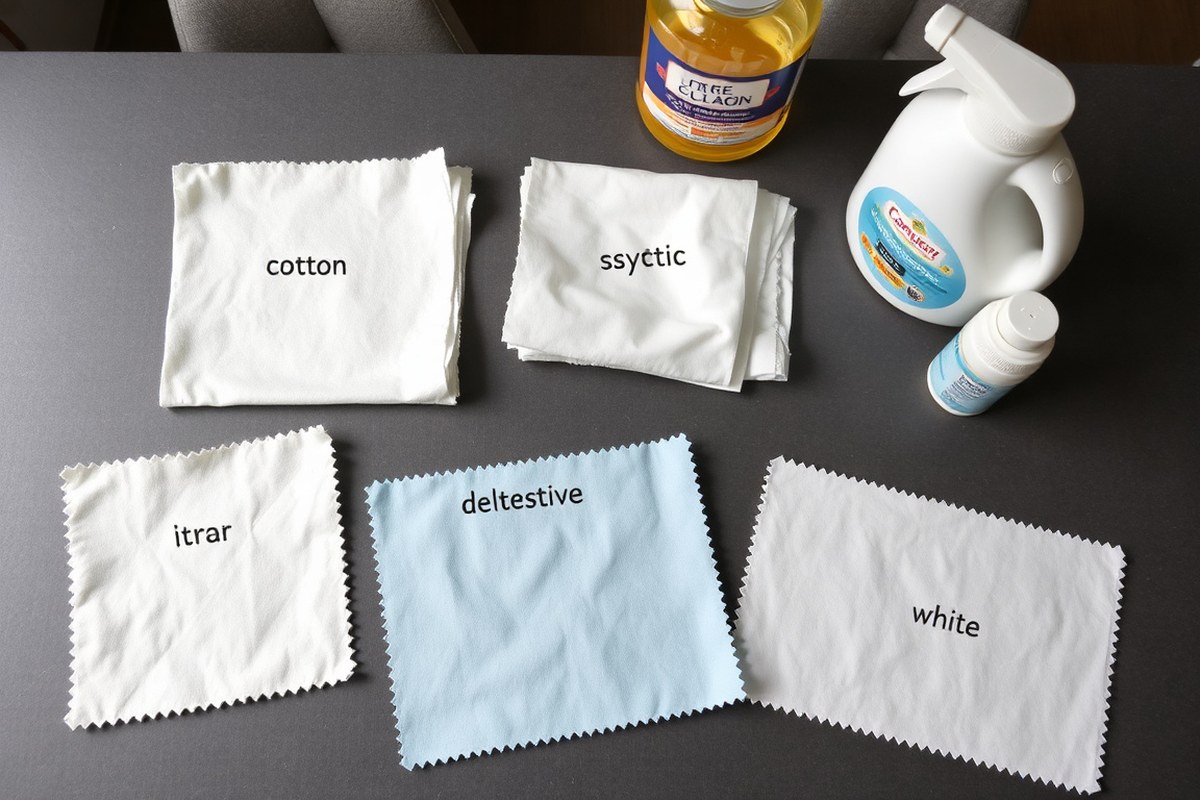
Different fabric types require different stain removal methods to prevent damage while effectively removing mildew stains. Choosing the correct cleaning agent and treatment depends on whether the fabric is cotton, synthetic, delicate, white, or colored. Understanding these differences ensures safe laundry care and better stain removal results.
Bleach Use Guidelines for Whites and Colors
Chlorine bleach works well on white cotton and linen, if the care label permits its use. To use, soak the garment in a solution of 1/4 cup chlorine bleach mixed with 3/4 cup water for 10 to 15 minutes, then rinse thoroughly. This concentrates on killing mildew and lifting stains without prolonged exposure that could weaken fabric fibers.
For colored fabrics, chlorine bleach is generally unsafe as it can cause fading and discoloration. Instead, oxygen bleach is a milder alternative for colorfast fabrics and can help remove mildew stains and odors without damaging colors. Mix about 1/3 cup oxygen bleach into the hottest water your fabric can tolerate and soak the clothes following the product label instructions.
| Fabric Type | Recommended Bleach Type | Soak Time | Temperature | Notes |
|---|---|---|---|---|
| White Cotton / Linen | Chlorine Bleach (1/4 cup bleach + 3/4 cup water) | 10, 15 minutes | Warm to Hot, as per fabric label | Follow with thorough rinse, only if label permits |
| White or Colorfast Fabrics | Oxygen Bleach (1/3 cup per regular load) | Per product instructions (usually 30 min to 1 hr soak) | Hottest water fabric allows | Mild on colors, effective on mild stains and odors |
| Colored Fabrics | Avoid chlorine bleach | Use oxygen bleach instead | Use hottest water safe for fabric | Check colorfastness before full soak |
Correct bleach choice depends on fabric and color safety. Overuse or misuse can cause permanent damage or staining. Follow care labels and test in a small hidden area if uncertain.
Safe Alternatives for Delicate Fabrics
Delicate fabrics such as silk, wool, and some synthetics need gentle mildew removal methods. Chlorine bleach and harsh chemicals often cause irreversible damage, including fiber weakening and discoloration. Instead, use mild detergents combined with soaking in cool to warm water containing oxygen bleach or specialized mildew removers formulated for delicate fabrics.
For removing mildew stains from delicates, prepare a soak solution with cool water and a small amount of oxygen bleach or a gentle detergent. Soak for 30 minutes to an hour, then rinse thoroughly. Avoid scrubbing or high temperatures, as this will damage the fine fibers.
Never apply chlorine bleach directly to delicate fabrics; it can cause irreparable damage and discoloration.
Fabric-Specific Tips for Stubborn Mildew Stains
For cotton and synthetic blends, using the hottest water safe for the fabric during a wash cycle helps break down stubborn mildew stains. Exposing clothes to water temperature for at least 10 to 30 minutes improves mildew removal effectiveness. Always verify the fabric’s heat tolerance by checking the care label to avoid damage.
White fabrics that tolerate chlorine bleach benefit from soaking in a bleach solution first, which can loosen tough stains before regular washing. For colorfast synthetics or blends, oxygen bleach soaks can help without fading. If mildew smell persists after washing, follow up with a baking soda soak or a commercial mildew remover safe for your fabric type.
For delicates, patience is essential. Multiple gentle soaks combined with air drying in sunlight can gradually reduce mildew stains and odors. Avoid heat treatments on these fabrics unless specified safe on the care label.
3. Using Home Remedies: Vinegar, Baking Soda, and Hydrogen Peroxide
Vinegar, baking soda, and hydrogen peroxide are common household solutions that can effectively remove mildew stains and odors from most fabrics. Each works in a different way: vinegar neutralizes mildew odors and loosens stains, baking soda deodorizes and gently scrubs fabric fibers, and hydrogen peroxide acts as a natural bleach for white fabrics. These natural options are eco-friendly and usually safe for frequent use if applied correctly.
Preparing a Vinegar Soak for Mildew
White vinegar helps kill mildew spores and neutralize the musty smell on clothes. It works best as a soak before washing and is suitable for most fabrics, except delicate ones like silk. Vinegar is affordable, about $0.50 to $1 per quart, and widely available.
- Take the mildewed garment outside and brush off any loose mildew particles to avoid spreading spores indoors.
- Fill a clean basin or bucket with warm water, using enough water to fully submerge the fabric.
- Add 2 cups of white vinegar per gallon of water.
- Place the garment in the solution and press down so it is fully soaked.
- Let the clothes soak for at least 8 hours or overnight for strong mildew stains and odors.
- After soaking, wash the garment in the warmest water allowed by the care label, adding your usual detergent.
- Dry the clothes completely in direct sunlight if possible, as UV rays help kill remaining mildew spores.
Using Baking Soda for Stain and Odor Removal
Baking soda is a gentle abrasive and deodorizer that helps remove mildew stains and neutralize odors. It can be applied as a paste directly to stains or added to the washing machine during the rinse cycle. Baking soda costs around $0.10 to $0.20 per cup, making it an economical option.
- Mix baking soda with water to create a thick paste (about 2 parts baking soda to 1 part water).
- Apply a small amount of the paste onto the mildew stain using a clean white cloth or cotton swab.
- Let the paste sit on the stain for 30 minutes to 1 hour.
- Rinse the paste off thoroughly with warm water.
- Alternatively, add ½ to 1 cup of baking soda directly to the washing machine during the rinse cycle after washing with detergent.
- Run the wash on the hottest water temperature safe for the fabric.
- Dry the clothes completely before putting them away.
Applying Hydrogen Peroxide Safely on Whites
Hydrogen peroxide can remove mildew stains and brighten whites without the harshness of bleach. Use only 3% hydrogen peroxide and test on an inconspicuous area first. Limit its use to white fabrics because it can cause discoloration.
- Brush off any loose mildew outside to prevent spreading spores indoors.
- Fill a basin with warm water and add 1 cup of 3% hydrogen peroxide per gallon of water.
- Submerge the white garment completely in the solution.
- Allow it to soak for 30 minutes to 1 hour, checking periodically.
- Remove the garment and rinse thoroughly with cold water.
- Wash as usual with detergent on a warm water cycle if fabric care label allows.
- Dry completely in sunlight if possible to kill residual mildew spores and odors.
4. How Hot Water and Heat Treatments Affect Mildew Removal
Washing clothes in hot water plays a critical role in killing mildew spores and removing stains. Using your washing machine’s highest temperature setting, ideally above 130°F (54°C), with a high-efficiency detergent helps break down and wash away mold and mildew much more effectively than cold water. Hot water also works well combined with additives like vinegar, which can further help break up bacteria and neutralize odors. However, it’s essential to check the garment’s care label first to confirm it can withstand hot water without damage.
Sunlight provides another natural way to tackle mildew spores and odors. The ultraviolet (UV) rays from direct sunlight have antimicrobial properties that can kill any lingering mold spores left after washing. Hanging clothes outside in bright sun for several hours boosts mildew elimination and helps remove musty smells. Keep in mind that sunlight exposure may fade or weaken some fabrics, so check colorfastness before relying solely on sun drying for delicate or colored items.
Applying heat via ironing or steaming can kill mildew spores on the fabric surface, but this method has limits. Ironing at high temperatures can help sanitize fabrics, especially cotton or linen, but might not penetrate deep spores embedded in thicker or synthetic materials. Steaming also provides hot moisture to reduce spores and odors but requires care to avoid fabric damage or discoloration. Always ensure the garment is safe to iron or steam, and test on a hidden spot first. Below is a table summarizing heat-based methods for mildew removal, paired with fabric types and important safety notes:
| Heat Method | Fabric Types Suitable | Recommended Temperature | Notes/Safety Tips |
|---|---|---|---|
| Washing in Hot Water | Cotton, linen, polyester (check labels) | 120°F to 140°F (49°C to 60°C) | Use highest machine setting fabric allows; avoid hot water for wool or silk |
| Sun Drying | Most fabrics, avoid delicate or dark colors | Ambient sunlight | Sunlight fades colors; limit exposure time on sensitive fabrics |
| Ironing | Cotton, linen, some synthetics | Hot iron setting appropriate for fabric | Test small area first; avoid delicate or heat-sensitive fabrics |
| Steaming | Wool, silk (delicate synthetics) | Steam temperature approx. 212°F (100°C) | Use caution to prevent water stains or fabric weakening |
To apply heat safely for mildew removal, always start by reading the clothing label for temperature guidelines. Separate heavily mildewed clothes from others to prevent spore transfer, and use hot water only when the fabric allows. After washing and heat treatment, dry clothes thoroughly to avoid mildew returning. Drying outside in direct sunlight or using a high-heat dryer setting (if safe for the fabric) further reduces spores and eliminates odors.
Proper machine care is also important. Clean your washing machine monthly by running an empty cycle with hot water and 2 cups of bleach to remove mold buildup, especially around seals and tubs. This prevents mildew transfer back onto cleaned clothes.
5. Preventing Mildew Stains: Proper Drying and Storage Techniques
Ensuring clothes are completely dry before storing is the most effective way to prevent mildew stains from forming or returning. Mildew grows rapidly on damp fabric, especially in dark, enclosed spaces like closets or drawers. Even if a garment feels dry on the surface, moisture can linger in thick seams, cuffs, or waistbands, creating an ideal environment for mildew within 24 to 48 hours. Dry clothes thoroughly in sunlight when possible, as UV rays help kill mildew spores and speed drying.
Proper storage is equally important. Use breathable containers or fabric bags rather than airtight plastic bins, which trap humidity. Avoid storing clothes in boxes for prolonged periods, since lack of airflow encourages mildew growth. Maintain good ventilation in storage areas like closets and drawers, and use moisture absorbers or silica gel packets if necessary, especially in humid climates.
Some fabrics are more susceptible to mildew stains than others. Natural fibers like cotton, wool, linen, and silk tend to retain moisture longer and support mildew growth more easily than synthetic fabrics such as polyester and nylon. Delicate or handmade items, including blankets or seasonal garments, deserve extra attention to drying and storage. For these fabrics, air dry flat in well-ventilated areas to help preserve their condition and prevent mildew.
- Check thick areas (waistbands, seams, pockets) by touch to confirm absolute dryness.
- Sun-dry clothes for at least 2 to 4 hours when the weather permits.
- Store in breathable cotton bags or open shelving instead of plastic bins.
- Use moisture absorbers in closets or storage bins during humid seasons.
- Separate clean, dry clothes from damp laundry baskets and gym bags.
- Refresh storage spaces regularly by airing out closets and drawers monthly.
Drying clothes indoors may require a fan or dehumidifier to speed moisture removal, especially after washing heavy fabrics. Using a high-speed spin cycle in your washing machine reduces water left in clothes. Avoid putting damp clothes directly into enclosed spaces like closets or drawers, even for brief periods. That can cause mildew to set in quickly.
Avoid storing clothes until you have confirmed they are completely dry, especially in hidden thick fabric areas, to prevent mildew from developing unseen.
6. Cleaning Your Washing Machine to Prevent Mildew Transfer
Mildew and musty smells in clothes often come from mildew buildup inside your washing machine. This happens most often in front-loading washers because they seal tightly and hold moisture inside longer. When mildew grows in your machine’s drum or rubber gaskets, it transfers to your clothes during wash cycles, causing that stubborn odor. Keeping your washer clean and dry prevents mildew growth and keeps your laundry smelling fresh.
Regular maintenance of your washing machine is key. Without it, mildew can accumulate over time, especially if you tend to leave wet clothes sitting in the drum too long after washing. Cleaning your washer removes dirt, detergent residue, and mildew spores, stopping the problem before it starts. Most washer manufacturers recommend cleaning the machine monthly or every 30 wash cycles for best results. Follow these steps to clean your washing machine effectively and prevent mildew transfer to your clothes:
- Empty the washer. Make sure no clothes or items are inside.
- Run a hot water cycle with vinegar. Pour 2 cups of white vinegar into the detergent dispenser and select the hottest, longest wash cycle. Vinegar kills mold and neutralizes odors without harsh chemicals.
- Wipe down seals and detergent dispensers. After the cycle ends, use a cloth dampened with vinegar or a mild cleaner to wipe rubber door seals, inside the detergent drawer, and any crevices where mildew hides.
- Run a second hot water cycle with baking soda. Add 1/2 cup of baking soda directly into the drum and run another hot, empty cycle to eliminate any remaining residue.
- Leave the door open to dry. After cleaning, keep the washing machine door open for several hours to air out the drum and prevent moisture buildup.
- Clean your machine monthly. Doing this each month, or at least every 30 loads, prevents mildew and keeps your washer fresh.
- Remove clothes promptly. Transfer clothes to the dryer or hang them immediately after washing to avoid mildew growth from damp clothes sitting too long.
This cleaning routine usually costs just the price of vinegar and baking soda, around $5 for a supply that can last months. It takes about 1.5 to 2 hours to complete both wash cycles plus wiping and drying time. If mildew smell persists, check that your washer drains fully and the door seal isn’t damaged. By cleaning your washer regularly and managing damp laundry quickly, you avoid that mildew odor sticking to your clothes and enjoy fresh, clean laundry every time.
7. Recognizing When Mold Damage Is Permanent and When to Discard Clothes
Determining when mildew damage on clothes is permanent depends on the extent of fabric deterioration and stain depth. Mildew initially appears as surface mold or stains, which often wash out if treated promptly. However, prolonged exposure breaks down fibers and causes discoloration that no cleaning method can reverse. You should expect permanent damage if the fabric feels weak, holes appear, or the stain persists after thorough cleaning attempts.
Not all fabrics respond the same way to mildew stains. Natural fibers like cotton or linen may suffer more permanent damage because mildew eats into the material. Synthetic fabrics such as polyester might resist physical damage better but can still hold unsightly stains and odors. Keep in mind that aggressive chemicals could weaken fabrics further, so avoid them especially on delicate garments. Follow this decision rule for deciding whether to discard moldy clothes:
- After washing and drying, check if the stain and odor remain noticeably strong.
- Inspect the fabric for softness and strength; brittle, thinning, or holey areas indicate chemical or mildew decay.
- Smell the garment; a persistent musty odor after multiple cleanings suggests deep mold penetration.
- Consider the garment’s value and your willingness to use costly professional restoration if needed.
- Do not attempt to salvage clothes with visible mold growth that has spread extensively or that release spores indoors.
If your clothes show signs listed above, discarding them may be the safest choice to avoid ongoing health risks and odors. Extensive mildew can trigger allergic reactions or respiratory problems in some people. Taking moldy garments outdoors before handling limits spore spread inside your home. Washing heavily contaminated items separately from other laundry also helps prevent cross-contamination.
Cleaning and drying moldy clothes properly is often enough to salvage them, especially when treated early. Clothes that look, feel, and smell normal after treatment are typically safe and wearable. Using a dryer or air-drying in full sunlight can help ensure no moisture remains to promote future mold growth. Only proceed with restoration methods that don’t damage the fabric further, and consider professional cleaning services for valuable or delicate items. When permanent mildew damage is evident, disposal reduces health risks and prevents mold spores from reentering your living space.
8. Safety Tips and When to Consult a Professional Cleaner
Handling mildew-stained clothes requires careful safety steps to protect your health and prevent spreading spores. Use protective gear and separate moldy items from other laundry. Some cases call for professional cleaning, especially with delicate fabrics or heavy mold, to avoid damage and health risks.
Personal Protective Equipment Recommendations
Wearing the right protective gear when dealing with mildew on clothes limits your exposure to mold spores, which can harm your respiratory system. A mask rated N95 or higher helps filter out airborne particles. Gloves made from rubber or latex protect your skin from mold irritation and harsh cleaning agents. In situations with heavy mold growth, wearing goggles can prevent spores from reaching your eyes.
People with asthma, mold allergies, lung conditions, or weakened immune systems should avoid handling moldy clothes altogether. If you must clean these items, take extra precautions, or ask someone else to help if possible.
Safe Handling and Cleaning Practices
Keep moldy clothes separate during storage and cleaning to avoid contaminating other laundry. Brush off any visible mold outdoors to prevent spores from settling inside your home. Use the warmest water temperature safe for the fabric, typically between 104°F (40°C) and 140°F (60°C), to help kill mold spores.
After washing, dry clothes thoroughly in direct sunlight or in a hot dryer cycle to prevent mildew regrowth. Avoid soaking dry-clean-only or delicate fabrics in harsh solutions, as this can damage the material.
- Wear an N95 mask and gloves
- Separate moldy clothes from other laundry
- Brush off mold outdoors before washing
- Wash in the warmest safe water temperature
- Dry clothes completely in sunlight or a hot dryer
- Avoid harsh treatment on delicate or dry-clean-only fabrics
- Clean your washing machine regularly to prevent mold transfer
Failing to wear protective gear or mixing moldy clothes with clean laundry can spread spores and worsen health issues.
When to Seek Professional Mold Removal Services
Consider professional cleaning if your clothes are heavily covered in mold, especially when the item is valuable, delicate, or marked dry clean only. Dry cleaners use solvents and techniques that home methods can’t replicate, reducing the risk of fabric damage and persistent mold stains.
Professional mold remediation might also be necessary when mold extends beyond clothing to home textiles or infestations affect indoor air quality. This often involves specialized equipment and treatments that go beyond laundry options.
Costs for professional cleaning vary widely but typically range from $10 to $30 per garment for dry cleaning. Mold remediation for homes can cost hundreds to thousands depending on severity. Assess the value of the garment and your health considerations before decided to consult a professional.
Step-by-Step Action Plan for Removing Mildew Stains from Clothes
Follow these steps to tackle mildew stains and odors on your clothes safely and effectively, ensuring a fresher wardrobe in no time.
- Before You Wash: Inspect affected clothes for fabric type and mildew damage. This helps you choose the right cleaning agents and avoid further harm.
- Day 1: Pre-treat stains with a mixture of white vinegar and water or hydrogen peroxide on sturdy fabrics. Look for a visible reduction in staining before washing.
- Day 1: Wash clothes in the hottest water safe for the fabric along with a strong detergent. The smell and stains should lessen after the cycle.
- Day 1: Dry clothes completely outdoors in direct sunlight if possible, or use a high heat setting in your dryer. Clothes should smell fresher and feel dry to the touch.
- Day 2: Check for remaining stains or odor. Repeat pre-treatment and washing if mildew persists, but do not exceed two cycles to protect fabric integrity.
- Weekly: Clean your washing machine by running a hot cycle with washing machine cleaner or vinegar. This prevents mildew buildup and cross-contamination.
- Ongoing: Store clothes in a dry, well-ventilated area to avoid mildew return. Ensure clothes are completely dry before putting them away.
- Before Discarding: If stains and odor remain after two treatments, assess fabric damage. Consider donating or recycling clothes that are beyond cleaning, rather than tossing them in the trash.
Frequently Asked Questions
Will Dawn Dish Soap Kill Mold?
Dawn dish soap can help remove mold on clothes by breaking down grease and grime, but it is not a strong mold killer on its own. For better results, combine it with other treatments like vinegar or hydrogen peroxide to fully remove mold stains.
How to Get Mold Out of Clothes Without Bleach?
Soak clothes in white vinegar or use a paste of baking soda and water before washing to remove mold without bleach. These natural cleaners kill mold and remove stains without damaging fabric colors or fibers.
Can Baking Soda and Hydrogen Peroxide Be Used to Remove Mold?
Yes, baking soda and hydrogen peroxide can remove mold stains by loosening the mold and lightening the fabric. Apply a mixture directly to stains, let it sit, then wash as usual for best results.
How to Make a Mold Remover?
Combine two parts baking soda with one part white vinegar to create a natural mold remover that kills mold and acts as a stain remover. Apply to the affected areas, let it sit briefly, then wash normally.
Does Freezing Clothes Kill Mildew Spores?
Freezing can slow mold growth but does not reliably kill mildew spores on clothes. Washing with proper cleaning agents is necessary to remove mold and prevent return.
Can Mildew Stains Be Removed After Multiple Washes?
Mildew stains become harder to remove after many washes and may be permanent if untreated early. Use strong treatments soon after spotting to avoid permanent damage.
Wrapping Up
Removing mildew stains takes careful treatment tailored to your clothes’ fabric. Acting quickly and using the right methods prevents permanent damage and lingering odors. Start by testing a small, hidden area with home remedies to see what works best for your garments. Should persistent mildew issues arise, consulting a professional cleaner is a safe next step to protect your wardrobe.