How to Make Whites White Again: 8 Effective Steps That Actually Work
To make whites white again, wash them separately using hot water and a quality detergent designed for whites, and treat stains promptly with natural or mild bleaching agents. Avoid mixing whites with colored items to prevent dye transfer, and use vinegar or lemon juice as gentle brighteners. Regular care and proper stain removal help restore and maintain bright white fabrics.
This advice is tailored for homeowners, renters, and laundry enthusiasts who want to restore and keep their white clothing bright and fresh. You’ll find practical steps to handle yellowing, effective stain removal, and maintenance tips for longer-lasting whiteness without harsh chemicals.
Key Takeaways
- Always wash white clothes separately to avoid dye bleeding and maintain brightness.
- Soak acidic stains like coffee or tea in a solution of white vinegar and laundry detergent before washing.
- Apply hydrogen peroxide directly on stains and let soak 10 minutes before laundering for effective removal.
- Use lemon juice diluted in warm water as a natural whitener by soaking whites for 30 to 60 minutes.
- Add ½ to 1 cup of distilled vinegar to the softener compartment to remove detergent residue and brighten whites.
- Leave about 6 inches of space between the clothes and the top of the washer to ensure thorough cleaning.
1. How to Restore White Clothes to Bright White Again

Restoring white clothes that have yellowed or become dingy requires using the right combination of washing techniques and whitening agents. Household supplies like hydrogen peroxide, baking soda, and distilled white vinegar can effectively brighten fabric without harsh chemicals. Avoid chlorine bleach on delicate fabrics or those with synthetic fibers, as it can damage them or cause yellowing over time.
Soaking whites before washing helps loosen embedded dirt and break down yellow stains. Typically, soaking for 30 minutes to 1 hour in a whitening solution yields the best results without risking fabric damage. Prolonged soaks may weaken fibers, especially with acidic agents like lemon juice.
Sun drying is an extra whitening step. The sun naturally bleaches and refreshes whites, especially after treatment with lemon juice or vinegar. Avoid the dryer’s heat, which can cause fabric aging and yellowing.
- Sort your laundry. Wash white clothes separately to prevent color transfer from other garments that can cause dullness or yellowing.
- Pre-soak in a whitening solution. Fill a basin with warm water and add ½ cup hydrogen peroxide or ½ cup baking soda. Soak clothes for 30 to 60 minutes. For extra whitening, add ¼ cup lemon juice but avoid prolonged soaking.
- Use the right detergent and additives. Choose a detergent designed for whites or one with oxygen bleach boosters. Pour 1 cup hydrogen peroxide directly into the washing machine’s drum before adding clothes and water to boost brightness during the wash.
- Select appropriate water temperature. Wash whites in warm water (around 104°F to 113°F). Hot water can shrink or damage some fabrics, but warm water is effective at cleaning and whitening for most cotton, polyester blends, and linens.
- Add distilled white vinegar. Pour ½ cup vinegar into the fabric softener compartment to help remove residues that cause dinginess and maintain fabric brightness.
- Rinse thoroughly and avoid overloading the washer. Proper rinsing removes all detergent and whitening agents, preventing buildup that dulls fabric.
- Dry whites in sunlight when possible. Hang clothes outside on a sunny day. The ultraviolet rays help bleach and keep whites bright without harsh chemicals.
- Avoid chlorine bleach if fabric is delicate or prone to yellowing. Use oxygen-based alternatives or natural whiteners to prevent damage and maintain fabric integrity.
2. Common Causes of Yellowing and Discoloration in Whites
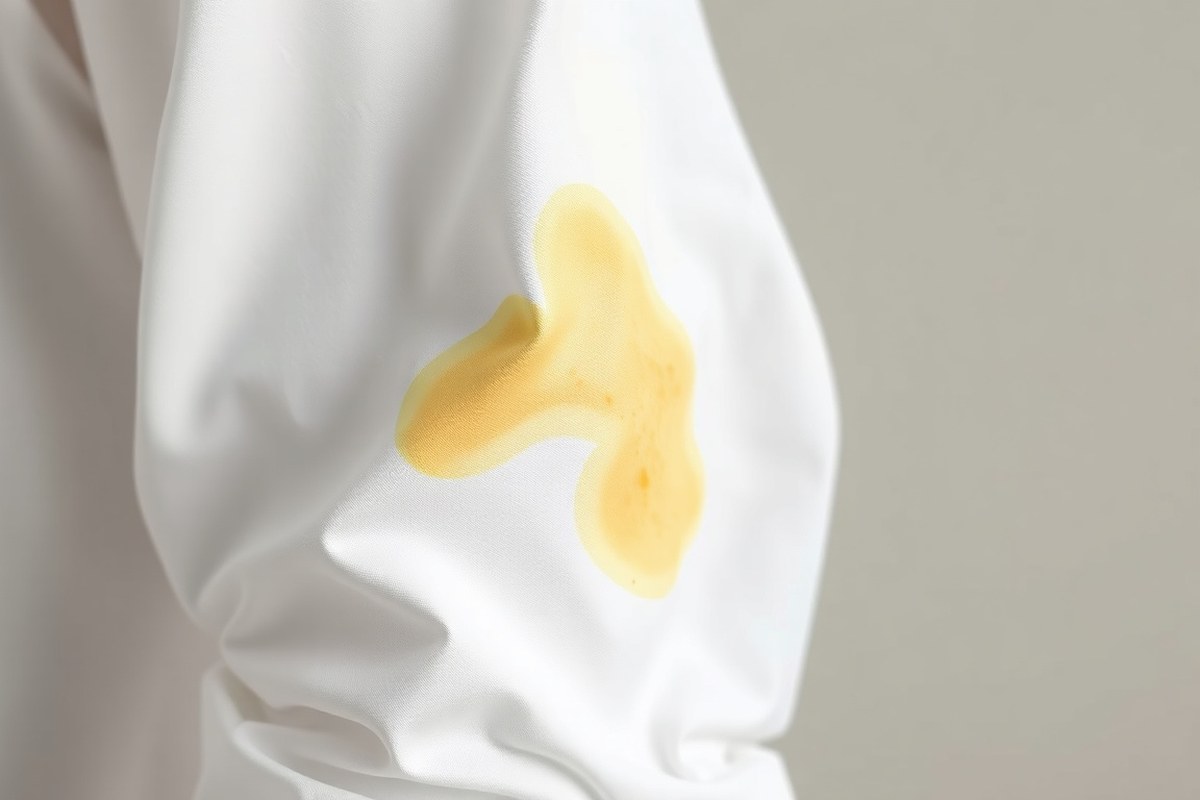
White clothes turn yellow or gray due to a combination of factors including body oils, sweat, leftover detergent, and minerals in the water. Even when washed regularly, these substances build up in fabric fibers and create dulling discolorations over time. Chemicals found in deodorants and antiperspirants can also react with fabric, causing stubborn yellow stains, especially around underarm areas. The key to preventing and reversing this lies in understanding these causes and adjusting your laundry habits accordingly.
Environmental conditions and washing routines contribute significantly to how whites age. Washing white items with colored clothes or in cold water can leave residues that dull the fabric’s brightness. Overloading the washing machine reduces agitation and rinsing effectiveness, allowing grime and detergent to remain trapped in the fabric. Washing machines themselves can accumulate dirt, detergent buildup, and bacteria, which can transfer back onto clothes and cause graying or yellowing. Running an empty, hot water wash with half a cup of white vinegar monthly removes this buildup and helps keep whites bright.
Fabric type plays an important role in whitening success. Cotton is durable and can withstand hot water washes that help lift stains and brighten fibers. Wool, linen, and delicate fabrics require gentler cycles and cooler water to avoid damage or shrinking, but they may also be more prone to yellowing if washed improperly. Sorting whites by fabric type and adjusting wash temperature accordingly provides the best care for both appearance and longevity.
Water quality affects whitening as well. Hard water, which contains minerals like calcium and magnesium, can cause dingy graying and yellowing by leaving mineral deposits in fabrics. Using distilled white vinegar during the rinse cycle helps neutralize these minerals, stripping detergent residues and softening clothes. Adding half a cup of vinegar directly to your wash or using baking soda as a booster can also combat discoloration without harsh chemicals.
Adding half a cup of white vinegar to the rinse cycle strips away detergent residue and mineral buildup, keeping your whites cleaner and brighter.
Proper storage influences white clothing’s longevity too. Whites not stored in a dry, light-proof space often discolor due to prolonged exposure to moisture, dust, or sunlight. Make sure items are completely dry before putting them away and avoid plastic bags or containers that trap humidity, leading to yellow stains over time. Consistent washing right after wearing is important because sweat and oils left in fabric promote discoloration the longer they sit.
Some detergents or fabric softeners contain optical brighteners and chlorine bleach that damage certain white fabrics or remove white dyes used in some garments. Using mild detergents free of these additives and following care labels helps maintain fabric integrity. For example, delicate linens should not be treated with bleach but can benefit from lemon juice soaks, mix the juice of two lemons in 1 gallon (3,800 ml) of warm water and soak the fabric for 30 to 60 minutes before washing.
3. Sorting and Washing Techniques for Maintaining White Brightness
To keep your white clothes bright, always wash them separately from colored items, use the hottest water safe for the fabric, and select a wash cycle that matches the fabric type and soil level. Avoid using detergents with optical brighteners if you prefer a natural look or have sensitive skin. Running a second rinse cycle can help remove detergent residue but consider your water and energy costs.
Choosing the Right Water Temperature
Water temperature significantly affects how well clothes get whitened and stains get lifted. Using hot water, generally between 130°F and 160°F, is ideal for strong materials like cotton since it loosens dirt and boosts whiteness. Fragile fabrics like wool, silk, or linen need cold or warm water around 85°F to 105°F to avoid shrinkage or harm.
Check the care label on your clothing to determine the recommended maximum water temperature. Using water that is too hot can ruin certain fabrics and reduce their lifespan. Alternatively, using water that is too cool may not effectively remove stains or keep whites bright.
Recommended Washing Machine Cycles for Whites
Selecting the correct wash cycle is essential to maintain your whites’ brightness while protecting fabric quality. Heavily soiled cotton items usually benefit from a regular or heavy-duty cycle with strong agitation. Lighter soil levels and more delicate fabrics respond well to gentle or permanent press cycles, which use slower agitation and shorter wash times. A good practice includes:
- Use the “whites” or “cotton” cycle for heavy cotton whites
- Choose “delicates” or “hand wash” cycles for silk, wool, and lace
- Do not overload your machine; clothes need room for water and detergent to circulate
- Run a second rinse cycle to fully remove detergent residue if your washer has the option
- Follow fabric care labels strictly to avoid damage
Overloading your washer can trap dirt and detergent against fabrics, making whites look dingy rather than clean.
Sorting Whites by Fabric Type and Soil Level
Sort your whites before washing to prevent color transfer and allow for the right washing conditions. Always group whites by fabric type and how dirty they are. Separate heavy cotton towels and sheets from lightweight blouses or delicate underwear to avoid damage. Stronger fabrics tolerate hotter water and longer wash cycles, while delicates need gentler care.
Also, separate heavily stained items, like gym clothes or kitchen towels, since they may need pre-treatment or soaking before washing. Less soiled whites can be washed on shorter cycles to preserve fabric longevity and save water and energy. Sorting checklist before washing whites:
- Group sturdy fabrics (cotton, linen) together and wash with hot water
- Sort delicate fabrics (silk, wool) for cold or warm gentle cycles
- Separate heavily soiled items for pre-treatment or soaking
- Wash whites alone, avoid mixing with colors
- Check garment labels for specific washing instructions
4. Safe and Effective Stain Removal for Whites
Identify the stain type first to choose the safest and most effective treatment. Acidic stains like coffee or wine benefit from lemon juice or vinegar pre-treatments, while hydrogen peroxide works well on organic stains such as blood or sweat. Protein-based stains often require enzymatic cleaners. Always pre-treat stains before washing and avoid harsh chemicals that can yellow or damage white fabrics.
Pre-Treating Acidic Stains with Lemon or Vinegar
Acidic stains often come from coffee, tea, wine, or fruit juice. These leave a low pH residue, and using acidic pre-treatments like lemon juice or white vinegar helps break down the stain and prevent it from setting. Lemon juice diluted with water or a solution of white vinegar and liquid detergent works well. Let the stain soak before laundering to increase effectiveness, and use a white cloth to dab the stain to avoid transferring color.
- Mix one-third cup lemon juice with two-thirds cup water, or use a solution of equal parts white vinegar and liquid laundry detergent.
- Apply the solution generously to the stained area.
- Allow it to soak for at least 30 minutes; soaking overnight can improve results for tough stains.
- Blot the stain gently with a clean white cloth to lift any excess liquid and dirt.
- Rinse the treated area with cool water.
- Wash the garment as usual with a detergent that’s safe for whites.
Using Hydrogen Peroxide for Organic Stains
Hydrogen peroxide is an effective, safe alternative to bleach for organic stains like sweat, blood, and body oils. It disinfects and acts as a mild bleaching agent without the harshness of chlorine bleach, which can cause yellowing or fabric damage. Use 3% hydrogen peroxide directly on the stain to dissolve it. Hydrogen peroxide works best when left on the stain for about 10 minutes before washing at your typical cycle temperature.
- Test hydrogen peroxide on a hidden seam first to ensure no damage or discoloration occurs.
- Apply a small amount of 3% hydrogen peroxide directly to the stained area.
- Leave it to soak for approximately 10 minutes.
- Gently blot the area with a white cloth if needed.
- Rinse with cool water after soaking to remove residues.
- Launder the garment in the usual way, using a detergent suitable for white fabrics.
Enzymatic Cleaners for Protein-Based Stains
Protein-based stains include sweat, blood, dairy, and egg. These stains stick stubbornly to fabric and need enzymatic cleaners that break down proteins to remove them effectively. Many laundry detergents include enzymes, but for heavy staining, a specialized pre-treatment product is necessary.
Enzymatic pre-treaters should sit on the stain for 15 to 30 minutes before washing. Avoid hot water during this phase, as it can cook the protein into the fabric.
- Apply an enzymatic stain remover according to the product instructions directly to the stain.
- Allow the product to sit on the stain for 15 to 30 minutes, depending on severity.
- Keep the fabric in cool or warm water, not hot, to prevent setting the stain.
- Gently rub the stain if possible to help the enzymes penetrate the fibers.
- Wash the garment in the hottest water safe for the fabric using an appropriate detergent.
- Check the stain before drying, as heat from the dryer can set it permanently; repeat treatment if necessary.
5. Comparing Natural Whitening Agents and How to Use Them
Natural whitening agents like baking soda, vinegar, lemon juice, and sunlight offer different benefits and work best depending on the fabric and stain type. Baking soda brightens whites gently and can be added directly to the washer drum, making it useful for most cotton or polyester whites. Lemon juice acts as a natural bleach, especially effective on cotton and polyester, but applying it as a paste with salt works best for targeting mold or mildew spots without damaging fibers.
Vinegar is primarily a fabric softener that prevents lint and pet hair clinging, while also gently restoring whiteness. Sunlight provides a natural bleaching effect but can cause fabric wear if exposure is too long or intense. These agents often complement one another, but natural methods trade off some speed and strength compared to chemical treatments. Choose natural agents for regular maintenance or mild yellowing, and reserve chemical options when stains are stubborn or fabric care tags allow.
The table below compares these four natural whitening methods in terms of application, fabric compatibility, cost, and precautions. Follow these instructions exactly to avoid fabric damage and optimize whitening results.
| Agent | How to Use | Best For | Cost Range | Precautions |
|---|---|---|---|---|
| Baking Soda | Add ½ cup directly into washer drum before washing | Cotton, polyester whites and light stains | Less than $1 per load | Avoid excessive use; can dull fabric over time |
| Lemon Juice | Add ¼ to ½ cup to wash cycle or make paste with salt for spot treatment | Cotton, polyester; mold, mildew spots | About $1 per ½ cup | Use diluted; direct application can weaken fabric |
| Vinegar | Add ½ to 1 cup during rinse cycle | Most fabrics; helps fabric softness and lint removal | Less than $0.50 per load | Do not mix with bleach; avoid on delicate fabrics |
| Sunlight | Dry whites outdoors in direct but not intense sun, 2, 4 hours | Durable cotton, linen whites | Free | Prolonged exposure can degrade fibers |
Each method requires care in usage. Baking soda works well as a wash additive but avoids drying in high heat to prevent fabric fading. Lemon juice is a good bleach alternative but only in measured amounts. Vinegar’s softening qualities make it ideal during rinsing, but always avoid mixing vinegar with bleach-based products to prevent harmful fumes. Sun-drying boosts whitening naturally but limit time outside to avoid fabric weakening.
Do not apply lemon juice directly to fragile fabrics without dilution, as it can weaken fibers and cause uneven whitening.
6. Using Hydrogen Peroxide and Bleach Alternatives Safely
Hydrogen peroxide works well as a gentle alternative to chlorine bleach when restoring white clothes. It’s non-toxic, non-corrosive, and biodegradable, making it safer for your skin, lungs, and the environment. You can use it on most white fabrics, but always check the care label first. Avoid using it on delicate or wool items since it might cause damage or discoloration. For sturdy cottons and polyesters, adding 1 cup of 3% hydrogen peroxide to your washer’s bleach dispenser brightens whites without the harsh effects of chlorine. Run your wash with warm or hot water for best results, typically around 120°F (49°C), which helps activate the peroxide’s whitening power.
Chlorine bleach still offers stronger whitening and disinfecting power but comes with more risks. It can weaken fabric fibers over time, especially if used frequently, and may cause yellowing or spotting if incorrectly diluted or mixed with other cleaners. Chlorine bleach also produces fumes that irritate the respiratory system and skin, so work in a well-ventilated area and wear gloves. When using bleach, dilute ¾ cup of liquid bleach in a full load of laundry and never pour bleach directly on clothing to avoid fabric damage. Only apply it to cotton and other bleach-safe fabrics. Avoid bleach on synthetics, spandex, wool, and silk, as it will degrade those fibers quickly.
To use hydrogen peroxide safely, test a small hidden area first for any signs of fabric weakening or color change. Add peroxide to the bleach dispenser compartment; pouring it directly on the fabric can cause uneven brightening or spotting. Keep the water level slightly below the top of the washer drum by about 6 inches to allow the product to circulate properly. For an extra whitening boost, soak heavily dingy whites in a solution of 1 part 3% hydrogen peroxide to 2 parts water for 30 minutes before washing. However, avoid soaking delicate fabrics or those with trims that might react poorly.
When handling chlorine bleach, always wear rubber gloves and open windows for ventilation. Never mix bleach with ammonia, vinegar, or other household cleaners as this produces toxic gases. Use bleach only in full washer loads to dilute it sufficiently. After washing, run an empty hot water cycle with 2 cups of hydrogen peroxide to clean and disinfect your machine safely, which also helps prevent residue buildup that dulls whites.
Compare the costs: 3% hydrogen peroxide usually costs around $2 to $3 per quart and lasts longer if used sparingly, while chlorine bleach is relatively inexpensive as well but requires careful handling and storage. Expect whiteness improvements within one or two wash cycles with either method, but peroxide is gentler for regular maintenance. Using these products responsibly maintains fabric integrity and keeps your whites looking fresh without harsh chemicals.
7. Maintaining Whites: Washing Machine Care and Storage Tips
Keeping your washing machine clean is key to preventing soil and residue buildup that can dull your whites. Run a cleaning cycle once a month using a washing machine cleaner or a homemade solution of 2 cups white vinegar and 1/4 cup baking soda. Add the vinegar to the detergent dispenser and sprinkle baking soda inside the drum. Use the hottest water setting available. This removes detergent residue, minerals, and bacteria that cause discoloration.
Pay special attention to the rubber gasket around the door and detergent dispensers by wiping them weekly with a cloth dampened in vinegar or a mild bleach solution. Leaving these areas dirty lets mold and grime transfer directly onto your clothes. For top-loading machines, regularly remove and clean the agitator or drum surfaces.
How you store white clothes also affects their brightness over time. Avoid plastic bags or non-breathable containers, which trap moisture and promote yellowing. Instead, use cotton or linen storage bags, or clean, breathable bins. Keep whites out of direct sunlight, which fades and damages fabric fibers, and store them in a cool, dry place. Sometimes, tossing a small sachet of activated charcoal or silica gel packs nearby can help absorb excess moisture.
Fabric softeners may feel like they help clothes stay soft, but they leave a waxy coating on fabric fibers. This coating attracts dirt and stains, making whites look dingy sooner. To maintain brightness, skip fabric softener and use white vinegar as a natural alternative. Add 1/2 cup of white vinegar to the fabric softener compartment when running the rinse cycle. This helps break down detergent residue and keeps whites crisp without buildup.
- Run a monthly cleaning cycle with vinegar and baking soda on hot water.
- Wipe rubber seals and detergent trays weekly to remove mold and grime.
- Use breathable cotton storage bags or bins, avoiding plastic or airtight containers.
- Store whites away from direct sunlight and in a cool, dry environment.
- Replace fabric softeners with 1/2 cup white vinegar in the rinse cycle.
- Use moisture absorbers in storage areas to keep whites fresh.
Following these practices usually takes 10 to 15 minutes a week for machine upkeep and a few moments for proper storage setup. Results include fewer detergent clogs, less fabric discoloration, and fresher whites that stay bright longer. Ignoring machine cleanliness risks embedded soil transferring to clothing, while poor storage can cause yellowing or mildew stains. Adapt steps based on your machine type and space available for storage.
8. Troubleshooting and Preventing Whites from Turning Dingy Again
Whites often remain dull after washing due to leftover detergent residue, color bleeding, or improper bleaching. Fixing uneven whitening requires identifying the cause, such as dye transfer or buildup, then adjusting washing practices. Common mistakes like overusing bleach or ignoring fabric care labels accelerate yellowing and graying, so following a thorough checklist can help you avoid these issues and keep whites bright longer.
Identifying and Treating Color Bleeding
Color bleeding happens when dyes from other garments transfer onto your whites, leaving them stained or unevenly colored. It typically occurs if you don’t sort laundry correctly or wash new clothes separately. To treat bleeding, soak affected whites in cold water with a color-safe bleach alternative for 30 minutes before rewashing in warm water with a gentle detergent designed for whites.
Prevent bleeding by sorting laundry carefully. Keep white items separate from colored or new garments, as new clothes often release excess dye during the first few washes. Turning whites inside-out can reduce dye contact and fading from friction during the wash cycle.
Avoiding Overuse of Bleach and Detergents
Overusing chlorine bleach leads to fabric weakening, yellowing, and uneven fading, especially with repeated applications. Powdered detergents often contain sodium hypochlorite, which whitens but can damage fibers if used too frequently or in high concentrations. Instead, limit bleach use to only when necessary, following label instructions carefully, and choose detergents designed specifically for white clothes.
Excess detergent also causes soap residue buildup, which dulls whites and attracts dirt. Use the recommended amount for your load size and water hardness, usually around 2 tablespoons of powdered detergent for a normal load in soft to medium-hard water. Consider adding a rinse cycle to ensure all detergent washes out, preventing dinginess from leftover soap.
Best Practices for Re-Washing and Preserving Whites
Re-washing whites that look dull or have uneven whitening calls for a gentle approach. Start by soaking the garments in a mixture of warm water and oxygen-based whitener for 1 to 3 hours. Avoid hot water, which may set stains or worsen yellowing. After soaking, wash with a mild detergent in a full water cycle with the inside-out method to reduce fabric damage.
Dry whites in bright sunlight when possible, as UV rays help bleach clothes naturally and reduce bacteria. Store white clothes in a cool, dry place away from yellowing agents like plastic bags or direct heat. Regularly inspect your washing machine to prevent buildup of residues that transfer back to your clothing. Creating separate piles for heavily used whites like socks and gentler whites like dress shirts allows tailored care and helps maintain brightness.
Use a rinse cycle after every wash to remove soap residue that causes whites to look dull or gray over time.
Step-by-Step Action Plan for Brighter Whites
Follow these steps to quickly revive and maintain your white clothes so they look fresh and bright.
- Before your next wash: Separate white clothes from colored ones and inspect for stains or yellowing.
- Day 1: Soak yellowed or dingy whites in a mixture of warm water and oxygen-based bleach or hydrogen peroxide for 1 to 2 hours.
- Day 1, washing time: Wash whites separately using a detergent designed for whites, adding a whitening booster if needed.
- After washing: Air-dry clothes in sunlight when possible to naturally brighten fabric and reduce lingering yellowing.
- Week 1: Clean your washing machine to remove detergent buildup and residues that cause dinginess.
- Week 2: For persistent stains or yellowing, treat garments with a paste made from baking soda and water before rewashing.
- Ongoing: Store white clothes in a cool, dry area away from direct sunlight and avoid deodorants and lotions that can yellow fabric.
Frequently Asked Questions
How to Clean White Clothes Which Have Turned Yellow?
Use a soak of hot water and white vinegar for one hour to overnight, then wash with your usual cycle. Adding hydrogen peroxide can also help brighten yellowed fabrics effectively.
What Is the Best Wash Cycle for Whites?
Wash whites separately on a cycle with hot water if fabric care allows, which helps remove dirt and keep them bright. Avoid mixing with colors to prevent dulling.
Is Borax Good for Whitening Clothes?
Borax can boost whitening when added to the wash, but it works best combined with your detergent for better stain removal and brightness.
How Can I Get My Dingy White Clothes White Again?
Add one cup of hydrogen peroxide to the washer before running a hot water cycle to restore whiteness. Repeat treatments may be needed for heavy dinginess.
Can I Use Bleach All the Time on White Clothes?
No, frequent bleach use can weaken fabrics and cause yellowing; use alternatives like hydrogen peroxide for safer whitening.
Does Fabric Softener Affect Whiteness?
Fabric softeners can leave residue that dulls whites, so avoid using them on white clothes to keep them bright and fresh.
Final Thoughts
Maintaining bright white clothes takes regular attention to washing habits, stain treatment, and storage. Using the right products and methods can restore yellowed or dull whites and keep them looking fresh longer. Start by evaluating your laundry routine and trying a soak with oxygen bleach or hydrogen peroxide at your next wash.