How to Whiten Clothes Without Bleach: 8 Proven Methods for Bright Whites
You can brighten your white clothes safely using simple household items instead of bleach. Substances such as baking soda, white vinegar, and hydrogen peroxide gently remove stains and restore fabric brightness. These methods refresh your garments while protecting the fabric’s integrity.
This information is useful for homeowners and renters seeking eco-friendly, non-toxic ways to maintain bright whites. The following methods show how simple ingredients and smart washing habits can keep your clothes fresh and white, while avoiding bleach’s risks and limitations.
Key Takeaways
- Soak white clothes in a baking soda and water paste for 10, 15 minutes to treat tough spots before washing.
- Add 1 cup of 3% hydrogen peroxide to your washer’s bleach dispenser to naturally brighten whites during the wash cycle.
- Use a mixture of white vinegar and hot water to soak whites for 30, 60 minutes and remove dinginess effectively.
- Lemon juice combined with sunlight can naturally boost whitening by fading stains and yellowing on white fabrics.
- Spot-treat stains with diluted hydrogen peroxide or baking soda paste before laundering to avoid bleach harshness.
- Line drying white clothes outdoors helps preserve brightness and saves up to 4% of your household electricity use.
1. How to Whiten Clothes Without Bleach: Effective Alternatives

To whiten clothes without bleach, several household alternatives provide safe and effective results. Hydrogen peroxide, baking soda, lemon juice, white vinegar, and oxygen-based whiteners serve as the top options. Each of these works by different whitening mechanisms but share a common goal of brightening fabrics while preserving their integrity.
Hydrogen peroxide, at a 3% concentration, acts as a natural bleaching agent by releasing oxygen molecules that break down stains and discoloration. Its mild oxidizing effect brightens whites without the harshness of chlorine bleach. You can add about 1 cup of 3% hydrogen peroxide directly to your washing machine’s bleach dispenser during a standard wash cycle. This method typically costs just a few dollars for a bottle that lasts many loads and produces noticeably brighter fabric within one or two washes.
Baking soda whitens clothes by raising the pH of the wash water, which helps to loosen dirt and brighten fabric fibers. It also softens water, improving detergent efficiency. Use approximately half a cup of baking soda added to your regular detergent to brighten white laundry. While not a bleaching agent, baking soda works well combined with other methods to boost overall whiteness.
Lemon juice offers natural acidity and mild bleaching power from citric acid, breaking down stains and yellowing. Applying lemon juice directly to fabric stains before washing or adding half a cup to the wash cycle can contribute to whitening. Lemon’s effect is improve when clothes are dried in direct sunlight, which speeds up the bleaching process through ultraviolet rays.
White vinegar whitens by dissolving residues that cause graying or yellowing on whites. Add about half to one cup of distilled white vinegar to the rinse cycle after washing to neutralize odors and restore brightness. Vinegar also acts as a natural fabric softener, making it a beneficial addition to your laundry routine. However, avoid using vinegar with bleach or hydrogen peroxide simultaneously due to chemical reactions.
Oxygen-based whiteners, often containing sodium percarbonate, release oxygen during washing that lifts stains and whitens fabric. These are available as eco-friendly laundry boosters safe for most fabrics and colors. Follow the product instructions for amounts, generally one to two scoops per load in addition to detergent. Oxygen bleach works best with warm or hot water, around 110 to 140°F, for activating its whitening properties without damaging fabrics.
Combining these methods can maximize whitening effects. For example, pre-treating stains with lemon juice or a baking soda paste before washing with hydrogen peroxide or an oxygen-based whitener creates layered stain removal. Adding vinegar in the rinse cycle strengthens whitening by removing leftover grime and detergent buildup. These strategies avoid the fabric damage and fumes associated with chlorine bleach, offering a gentler routine that preserves your white clothes’ look for longer.
2. Baking Soda and White Vinegar: Simple DIY Whitening

Baking soda and white vinegar brighten clothes by breaking down residue and lifting stains without harsh chemicals. Baking soda removes oils and odors, while vinegar dissolves detergent buildup and softens fabric. You can use them separately for specific benefits or add both carefully in the laundry routine for natural whitening.
Using Baking Soda for Whitening and Deodorizing
Baking soda helps whiten clothes by breaking down body oils, sweat, and dirt that dull whites over time. It also deodorizes fabrics by neutralizing odors. Adding half a cup of baking soda to your regular detergent boosts cleaning power without risking fabric damage.
For a deeper clean, baking soda can be used in a laundry soak. Dissolve half a cup in warm water and soak white clothes for 30 minutes before washing to lift dinginess and brighten fabric fibers.
This method works well with warm to hot water, but avoid hot water with delicate fabrics to prevent damage. Baking soda is affordable and safe on most materials, making it a practical choice for routine whitening.
- Use half a cup of baking soda by adding it straight into your washing machine with your usual detergent.
- Use warm water unless fabric care labels specify otherwise.
- Start the wash cycle and let baking soda improve the detergent’s ability to break down oils and residues.
- For a soak, dissolve ½ cup of baking soda in a bucket filled with warm water.
- Submerge white clothes in the solution and let them soak for 30 minutes to an hour.
- After soaking, wash the clothes with your usual detergent and cycle settings.
Adding baking soda to your laundry helps avoid buildup that causes yellowing, especially in sweat-prone garments like t-shirts.
How to Use White Vinegar Safely in Laundry
White vinegar naturally brightens fabrics by dissolving mineral deposits and detergent residues that make whites look dull. Adding half to one cup of distilled white vinegar during the rinse cycle softens clothes and refreshes whites without damaging fibers.
Vinegar is also effective at reducing static cling and removing unpleasant smells. Use it only in the rinse cycle to avoid neutralizing the detergent’s cleaning agents during washing.
Vinegar costs just a few cents per load and is a gentle way to maintain brightness while being environmentally friendly. Avoid using vinegar on delicate fabrics like silk or rayon as the acidity can cause damage.
- Measure ½ to 1 cup of distilled white vinegar.
- Start your washing machine with detergent as usual in the wash cycle.
- Add the vinegar to the fabric softener compartment or wait for the rinse cycle to begin, then pour it directly into the drum.
- Complete the rinse and spin cycle to let vinegar dissolve buildup and brighten fabrics.
- Dry clothes as recommended on care labels, preferably in sunlight for extra natural whitening.
Adding vinegar in the rinse cycle avoids preventing detergents from working properly during the wash phase.
Combining Baking Soda and Vinegar: What to Know
Baking soda and vinegar create a fizzy reaction when mixed, which can help loosen grime and residue on fabrics. However, their acidity and alkalinity cancel each other out if combined directly in the wash, reducing their whitening effectiveness.
The best way to use both is by adding baking soda during the wash cycle and vinegar separately in the rinse cycle. This staged approach ensures each ingredient works to its full potential without neutralizing each other.
Never pour baking soda and vinegar into the washing machine at the same time. Instead, treat them as two-step boosters. For tough whitening tasks, try soaking clothes in a baking soda solution first, then adding vinegar in the rinse.
- Start a wash with your detergent and add ½ cup of baking soda to boost cleaning.
- Run the wash cycle fully.
- Once washing is complete, add ½ to 1 cup of vinegar to the rinse cycle using the fabric softener dispenser or directly into the drum.
- Allow the rinse cycle to finish and then dry clothes according to fabric instructions.
- Avoid mixing both ingredients in a bucket or before the wash, as the fizzing neutralizes their individual whitening properties.
Separating baking soda and vinegar by wash and rinse cycles lets you use both safely for maximum whitening without losing cleaning power.
3. Hydrogen Peroxide and Oxygen-Based Whiteners Explained
Hydrogen peroxide and oxygen-based whiteners brighten white clothes by releasing oxygen that lifts stains and dullness without harsh chemicals. Use a 3% hydrogen peroxide solution safely on most white fabrics by adding it directly to your wash or soaking garments for 30 to 60 minutes beforehand. Oxygen-based whiteners can often replace bleach entirely, offering a gentler, fabric-friendly option for keeping whites bright.
Choosing the Right Hydrogen Peroxide Concentration
The 3% concentration of hydrogen peroxide is generally safe and effective for use on white clothes. This concentration acts as a mild oxygen bleach, breaking down stains and brightening fabrics without damaging fibers. Using stronger concentrations is not recommended as they can weaken fabrics and cause discoloration.
When adding hydrogen peroxide, undiluted 3% solution works well by the cup or tablespoons depending on the load size. Test any delicate fabric first by applying a small amount on an inconspicuous area to avoid unexpected bleaching. Avoid higher heat settings in the dryer after peroxide treatment, as this can degrade the fabric over time.
DIY Laundry Whitening Soak with Peroxide
Soaking dingy or gray whites before washing gives hydrogen peroxide more time to break down stains deeply. Combine an effective soak using hydrogen peroxide and water, which can be followed by a normal wash cycle with detergent and optional whitening boosters. Follow these steps for a peroxide soak:
- Fill a basin or tub with warm water, enough to fully submerge your laundry.
- Add ½ cup of 3% hydrogen peroxide to the water and stir to mix.
- Submerge white garments completely in the solution.
- Soak for 30 to 60 minutes, stirring occasionally to keep water oxygenated.
- Drain the soak water and transfer clothes to the washing machine.
- Wash with your usual detergent plus an optional ¼ cup hydrogen peroxide added to the wash cycle.
- Hang clothes outside to dry in sunlight for an additional whitening effect.
Using Oxygen-Based Whiteners in Your Washer
Oxygen-based whiteners like sodium percarbonate release oxygen during the wash cycle to brighten whites without chlorine bleach. They can usually replace bleach completely and work well with standard detergents. These products are widely available as laundry boosters or additives. Here is how to safely use oxygen-based whiteners in your machine:
- Check the garment care labels to confirm oxygen bleach compatibility, especially for delicate fabrics.
- Add the recommended amount of oxygen-based whitener to the designated bleach dispenser or directly in the drum (usually about 1 to 2 tablespoons per load).
- Load clothes evenly to maximize oxygen exposure.
- Start a normal wash cycle using warm water (not hot, to protect fabric integrity).
- If using in front load machines, avoid overdosing, which may cause residues.
- Optionally add ½ to 1 cup hydrogen peroxide for extra whitening power during the wash.
- Rinse thoroughly and avoid mixing with chlorine bleach or ammonia products.
| Type | Common Ingredients | Recommended Dose | Typical Cost | Key Benefits |
|---|---|---|---|---|
| Hydrogen Peroxide | 3% H₂O₂ solution | ½ to 1 cup per wash | $3, $5 per quart | Safe on most whites, lifts stains gently |
| Sodium Percarbonate (Oxygen Bleach) | Sodium carbonate + hydrogen peroxide | 1, 2 tbsp per load | $5, $10 per 2 lb container | Releases oxygen, chlorine-free, brightens whites |
| Mixed Oxygen Whitener Powders | Various oxygen bleach agents | Follow package instructions | $6, $15 per box | Easy to use, safe alternative to bleach |
4. Lemon Juice and Sunlight: Natural Whitening Boosters
Lemon juice brightens white clothes by acting as a natural bleaching agent. Its acidity helps lift stains and subtly whiten fabrics without harsh chemicals. Drying clothes in direct sunlight afterward further improve the whitening by breaking down leftover discoloration using UV rays.
Making a Lemon Juice Whitening Soak
Preparing a lemon juice soak is a simple and low-cost way to brighten your whites. The acidity in lemon juice loosens stains and lifts dullness in fabric fibers gently but effectively. This method works best for lightly stained whites or routine brightening before washing. Follow these steps to make a lemon juice soak:
- Fill a basin or tub with warm water (about 100°F to 110°F) to help activate the lemon juice’s brightening power.
- Add the juice of 2 to 4 fresh lemons or about ½ to 1 cup of bottled lemon juice, depending on the load size.
- Submerge your white clothes fully in the solution, making sure the water and lemon juice cover the fabric completely.
- Let the clothes soak for 1 to 2 hours to allow the lemon’s acidity to work on stains and dullness.
- After soaking, wash the garments as usual using your regular detergent.
- Optionally, for an extra boost, boil water first, mix in lemon juice, then soak clothes overnight in the hot solution; this works well for dingier fabrics.
Sun Drying Techniques for Brighter Whites
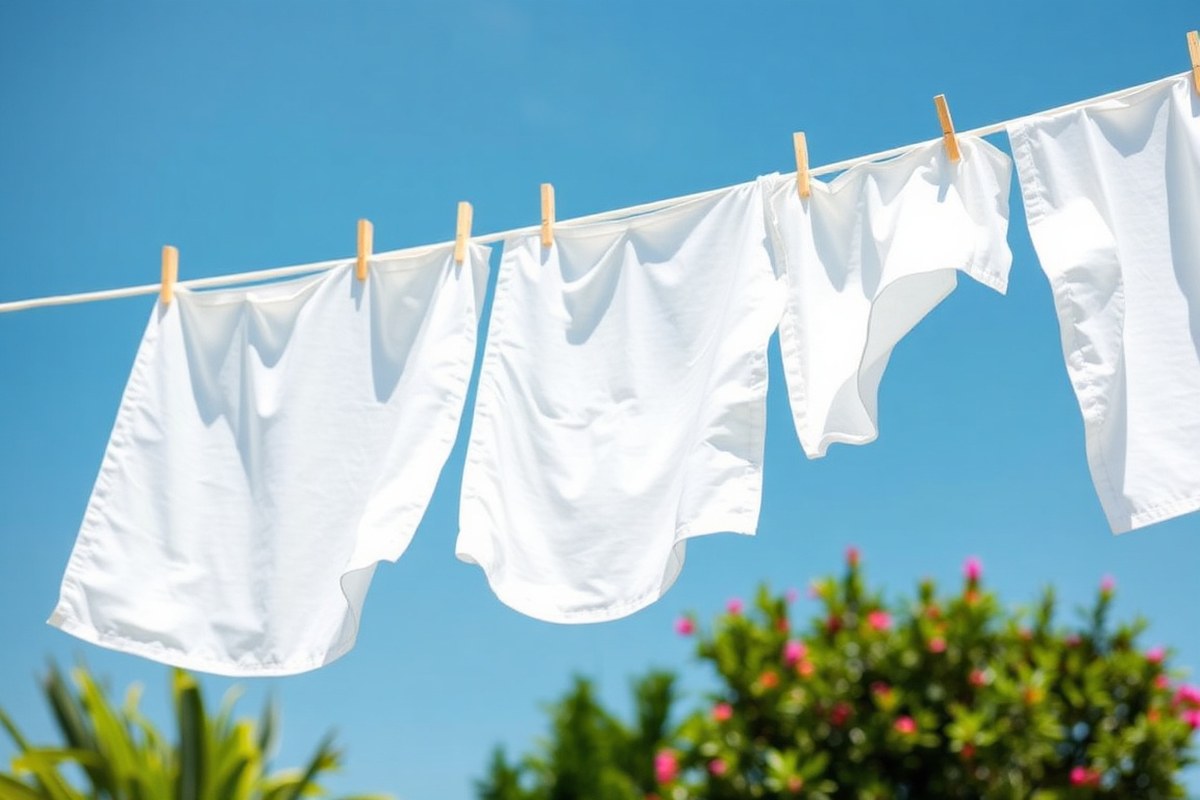
Hanging your freshly washed whites outside in direct sunlight can naturally improve their brightness. Sunlight acts as a gentle natural whitener by using ultraviolet light to break down residual stains and inhibit mildew, which can yellow fabrics.
To maximize the whitening effect, dry your clothes in direct sun for 2 to 3 hours on a clear day. Turn garments inside out if you want to protect any delicate fabric areas while still exposing most of the fabric to sunlight.
Line drying also saves energy and reduces wear compared to machine drying, which helps maintain fabric brightness over time. Avoid exposing whites to harsh afternoon sun for too long, especially delicate fabrics, since prolonged UV exposure can weaken fibers.
Precautions with Lemon and Sunlight on Fabric
Lemon juice and sunlight are generally safe for cotton, linen, and other sturdy natural fabrics but require caution with delicate fabrics like silk, wool, or synthetics. The acidity in lemon juice can weaken some fibers or cause uneven fading if left on too long.
Test the lemon juice soak on a hidden part of the garment first to check for any color changes or damage. For delicate white fabrics, limit soaking time to under an hour and avoid prolonged sun exposure.
Avoid soaking colored fabrics or garments with prints in lemon juice, as the acid may remove or fade dyes. Always wash clothes normally after lemon juice soaking and drying to remove any residual acidity and prevent fabric breakdown over time.
5. Spot Treatments: Tackling Stains Without Bleach
Using spot treatments allows you to target stains directly without applying bleach or treating the entire garment. Preparing effective pastes from ingredients like baking soda or hydrogen peroxide helps break down common stains such as grease, blood, or food spills safely and gently. The timing for leaving these treatments on your clothes typically ranges from 10 to 30 minutes, depending on the method and type of stain.
Baking soda works well as a mild abrasive to lift stains and odors, while hydrogen peroxide acts as a natural bleaching agent that targets organic stains like blood. Aspirin, a less common but useful option, contains acetylsalicylic acid, which can help break down certain tough stains when dissolved and applied. Combining these ingredients into easy homemade pastes gives you a targeted solution without harsh chemicals.
- Make a baking soda paste: Mix 1 tablespoon of baking soda with 1 tablespoon of water until smooth. Apply this paste to grease or hard water stains and let it sit for 10 to 15 minutes before washing.
- Prepare a hydrogen peroxide spot treatment: Use equal parts 3% hydrogen peroxide and water (about 1 tablespoon each). Apply this solution directly to organic stains, such as blood or wine, and let it sit for 30 minutes. Avoid prolonged exposure to prevent fabric damage.
- Create a combination stain removal paste: Mix 1 tablespoon each of baking soda, water, and 3% hydrogen peroxide into a paste. Spread it on tough stains and allow to rest for 15 to 20 minutes before laundering.
- Dissolve aspirin for blood stains: Crush two uncoated aspirin tablets and dissolve them in half a cup of warm water. Apply the solution to blood-stained areas and leave it for 30 minutes before washing with cold water.
- Adjust water temperature based on stain type: Use warm water around 120°F (49°C) for grease and oil stains, but cold water between 60, 80°F (15, 27°C) for blood or wine stains to prevent setting.
- After treating, launder as usual: Wash the garment following the care label instructions, preferably with a detergent suited for whites but without bleach, to avoid fabric damage.
Test spot treatments on a hidden area first to avoid unwanted discoloration or fabric weakening.
6. Choosing the Right Method Based on Fabric and Stain Type
Choosing the right whitening method depends largely on the type of fabric and the kind of stain or discoloration you’re dealing with. Delicate fabrics like silk or chiffon require extra care because many whitening techniques that work well on sturdier fabrics can cause damage or yellowing over time. For tougher fabrics like workout clothes and towels, you can use more potent natural whiteners without worrying about fabric breakdown. Here’s a simple reference to help you decide on a whitening method based on fabric type and stain severity:
| Fabric Type | Recommended Whitening Method | Stain/Discoloration Level | Key Care Tips |
|---|---|---|---|
| Delicates (silk, chiffon) | Lemon juice + sunlight or mild detergent with oxygen-based whitener | Light discoloration or faint stains | Use cold water, avoid harsh scrubbing, air dry away from direct heat |
| Everyday cotton (shirts, bedsheets) | Baking soda + white vinegar or hydrogen peroxide soak | Light to moderate dinginess | Pre-soak for 30 min to 1 hour, wash in warm water, avoid fabric softeners that can dull whiteness |
| Workout clothes (polyester blends, spandex) | Oxygen-based whiteners or baking soda additive | Moderate stains and sweat yellowing | Wash inside out, use cool to warm water, avoid chlorine bleach and fabric softeners |
| Towels and heavy cotton | Hydrogen peroxide + baking soda or oxygen-based bleach alternative | Yellowed or dingy towels and heavy fabrics | Machine wash warm or hot, do not overload washer, dry thoroughly to prevent mustiness |
| Kids’ clothes (varied fabrics) | Baking soda and vinegar soak or oxygen-based additives | Light to moderate stains and dullness | Pre-treat stains promptly, wash in warm water, gentle cycle for sensitive skin |
For delicate fabrics, avoid hydrogen peroxide or oxygen-based whiteners in concentrated form. Instead, create a gentle soak with 1/4 cup lemon juice mixed with water and dry garments in the sun for natural whitening. Keep water cold to protect fabric fibers. On the other hand, workout clothes and towels handle stronger treatments better. A 1/2 cup of baking soda added to your regular detergent or a hydrogen peroxide soak for about 30 minutes can restore whiteness without damaging elastic fibers or softness.
Yellowing and dinginess develop when oils, sweat, or detergent residues build up in fabric. Using natural whiteners that also help remove residues, like baking soda or vinegar, can brighten these fabrics effectively. Avoid fabric softeners on white towels since they trap residues and reduce absorbency, making the whiteness appear dull over time.
7. Common Mistakes That Keep Whites Dull and How to Fix Them
Overloading your detergent is one of the top mistakes that can make white clothes look dull or gray. Using too much detergent leaves residue on fabrics, which attracts dirt and causes yellowing. To avoid this, measure detergent carefully according to the load size and soil level. Most liquid detergents suggest about 2 tablespoons for a medium load. Using less detergent also prevents buildup in your machine.
Washing white clothes only in cold water is another common error. Cold water is gentler but doesn’t remove oils and stains effectively, which lets dinginess build up over time. Using warm or hot water (130°F to 140°F) helps dissolve body oils and kills bacteria, keeping whites brighter. You can reserve hot water for cottons or heavily soiled items while washing delicate whites in warm water. Always check the fabric care label before changing water temperatures.
Skipping a pre-soak or rinse phase makes it harder to keep whites bright. Dingy whites, especially towels, sheets, and socks, benefit from a soak in a solution of 1 cup white vinegar in a gallon of warm water for 30, 60 minutes. Vinegar breaks down detergent residue and mineral deposits that cause yellowing, plus it softens fabric. Add vinegar during the rinse cycle too, if your machine allows, to clear away leftover detergents and minerals.
- Use the right amount of detergent for the load size and soil level.
- Wash whites in warm or hot water when the fabric allows, around 130°F to 140°F.
- Soak dingy whites in a vinegar solution for 30, 60 minutes before washing.
- Add 1 cup of white vinegar to the rinse cycle to remove residues and soften clothes.
- Choose a longer wash cycle with extra rinse if fabrics are heavily soiled.
- Separate whites from colored loads to prevent color transfer dulling your fabrics.
- Avoid overloading the washing machine to ensure clothes get cleaned and rinsed properly.
Adjusting your washing machine settings can improve white brightness. Start with a longer wash cycle to give detergent time to work on stains and soils. Using an extra rinse cycle flushes out remaining detergent and minerals. Lower spin speeds help prevent fibers from holding onto dirt. Separate whites from colors every time to stop colored dye transfer, which causes grayness.
By following these laundry habits, measured detergent, appropriate water temperature, pre-soaking whites with vinegar, and optimal machine settings, you’ll reduce the chance of yellow or gray whites. These tweaks cost little but make a big difference. Whites should feel softer, smell fresher, and look noticeably brighter without using harsh bleach. Avoiding common mistakes keeps your white clothes looking their best longer.
8. Long-Term Care: Maintaining Bright Whites Without Bleach
Keeping your white clothes bright over time means sticking to a laundry routine that includes regular whitening soaks and smart storage habits. Aim to give your whites a whitening soak every two to four weeks. This schedule helps remove any buildup of oils, dirt, or residues that cause yellowing or graying. A good soak involves filling a basin or washing machine with warm water (around 110°F), adding a natural whitener like hydrogen peroxide or a mix of baking soda and vinegar, and soaking items for 30 to 60 minutes before washing as usual. This process is affordable and only adds about an hour to your laundry routine once or twice a month.
In between these deeper treatments, routine use of vinegar rinses and sunlight exposure can maintain whiteness effectively. After your regular wash cycle, add half a cup of white vinegar to the final rinse to brighten and soften fabrics while cutting down on odors. Hanging white clothes outside for a few hours in direct sunlight helps break down stains and boosts brightness naturally. Combine the two by rinsing with vinegar and then drying outdoors several times a month. Avoid overusing sunlight on delicate fabrics, as prolonged exposure can weaken fibers or cause fading.
Storage plays a key role in preventing yellowing and buildup. Always store white garments in a cool, dry place away from direct sunlight and areas with high humidity to avoid mildew and discoloration. Use breathable cotton garment bags or keep clothes folded in clean, white cotton pillowcases rather than plastic, which traps moisture. Before storing, make sure clothes are completely dry and freshly laundered, since oils or sweat left on fabrics can cause yellow stains over time. Avoid overcrowding your storage space to reduce fabric rubbing that can lead to dullness.
Setting up a weekly laundry checklist supports consistent care: start by sorting whites separately, using a gentle detergent without optical brighteners that can cause yellowing. Midweek, do a vinegar rinse after washing and organize a spot check for stains to treat immediately. Every two to four weeks, schedule a whitening soak as described earlier. Use cold to warm water cycles for routine washing to protect fibers and colour fastness, switching to warmer water only for whitening soaks. This careful approach avoids damage from frequent hot-water washes.
When done regularly, these steps keep your whites looking fresh without harsh bleach chemicals. White clothes will show fewer gray or yellow spots and maintain their brightness longer. Neglecting whitening soaks or poor storage can lead to buildup that’s hard to reverse. Timing your whitening treatments and handling storage thoughtfully ensures your white wardrobe stays sharp and clean.
Do not store white clothes in plastic or damp places; trapped moisture fosters yellowing and mildew that no rinse can fully fix later.
Step-by-Step Action Plan for Whiter Clothes Without Bleach
Follow these steps to start whitening your white clothes safely using natural and effective methods.
- Before washing: Pre-treat any noticeable stains with a paste of baking soda and water or lemon juice; this should lift discolorations without damage.
- Day 1: Add ½ cup of baking soda to your regular detergent for your wash cycle; you’ll see your whites getting brighter after the first wash.
- Week 1: Boost your whitening by pouring 1 cup of white vinegar into the rinse cycle; this helps clothes feel cleaner and reduces dullness.
- Any wash day: Use hydrogen peroxide or an oxygen-based whitener following package instructions for a boost; watch for improved brightness without harsh chemicals.
- After washing: Dry white clothes in direct sunlight when possible; the sun’s natural bleaching helps maintain a crisp look over time.
- Monthly: Deep clean whites by soaking them for 30 minutes in warm water mixed with lemon juice and baking soda; this refreshes fabric and removes lingering dullness.
- Ongoing: Avoid mixing whites with colored laundry to prevent colour transfer, and store clean whites in a dry, well-ventilated space to reduce yellowing.
- Spot check: After drying, inspect whites regularly to catch any emerging stains early and repeat spot treatments as needed for continued brightness.
Frequently Asked Questions
Can I Whiten Clothes Without Bleach Using Everyday Kitchen Items?
Yes, baking soda, white vinegar, and lemon juice are common kitchen items that whiten clothes naturally. These ingredients help break down stains and brighten fabric without harsh chemicals.
How Does Sunlight Help Whiten Clothes Without Bleach?
Sunlight naturally brightens clothes by breaking down stains and killing bacteria. Drying whites outside on a sunny day can boost their brightness without chemicals.
Is Hydrogen Peroxide Safe for Whitening White Clothes?
Hydrogen peroxide is a safe, mild bleach alternative that whitens without harsh chemicals. Use it diluted to avoid fabric damage and maintain whiteness effectively.
Can I Use White Vinegar Every Time I Wash White Clothes?
White vinegar can be used regularly as a fabric softener and whitener. It helps remove residues that dull whites but use sparingly to avoid fabric weakening.
What Types of Stains Respond Best to Lemon Juice for Whitening?
Lemon juice works best on sweat and rust stains due to its natural acidity. Apply directly and let sunlight activate its whitening power for best results.
Are Oxygen-Based Whiteners Suitable for All Fabric Types?
Oxygen-based whiteners are generally safe for most fabrics and effective for whitening. Always check care labels and test on hidden areas to avoid damage.
Final Thoughts
You can whiten your white clothes effectively using these safer and natural alternatives instead of bleach. Start by choosing one method that fits your fabric and laundry routine, then build from there to keep your whites crisp and fresh. Try incorporating baking soda into your next wash to see noticeable improvement with minimal effort.