How to Get Pit Stains Out of Clothes: 8 Proven Methods That Work Fast
To get pit stains out of clothes quickly, soak the stained area in a solution of equal parts distilled white vinegar and water for 20 to 30 minutes. Scrub gently with a soft old toothbrush, then wash the garment as usual. For persistent stains, apply 3% hydrogen peroxide directly to the area before laundering.
This advice targets anyone struggling with sweaty yellowing on shirts, especially beginners seeking straightforward home solutions. You will find proven, easy-to-follow methods tailored for different fabrics to effectively remove pit stains without damaging your clothes.
Key Takeaways
- Soak sweaty shirts in a vinegar-water mix for 20 to 30 minutes to loosen yellow pit stains before washing.
- Gently scrub stains with an old toothbrush to help break down residue without harming the fabric.
- Use 3% hydrogen peroxide on stubborn pit stains after two scrubbing attempts to boost stain removal.
- Submerge clothes in warm water and detergent for 30 to 60 minutes to pre-treat sweat buildup before washing.
- Apply a paste of baking soda and water to pit stains, letting it sit about 20 minutes before scrubbing.
- Always test stain removers on a small hidden area first to avoid fabric damage or discoloration.
1. Best Methods to Remove Pit Stains at Home

Removing pit stains from clothes doesn’t have to require harsh chemicals or expensive products. Using common household ingredients like white vinegar, baking soda, and cold water effectively tackles both fresh and older stains. Fresh stains respond quickly to soaking and spot treatment, while older stains may need a bit more patience to fully lift the discoloration.
Start with soaking the stained area to break down the sweat and deodorant buildup. Soaking also helps loosen any yellowing caused by older stains. Next, apply a paste or gentle scrub to target the stain directly, then wash as usual while avoiding high heat, which can set the stains further. These steps work well for most washable fabrics, but always check your clothing’s care label before treating.
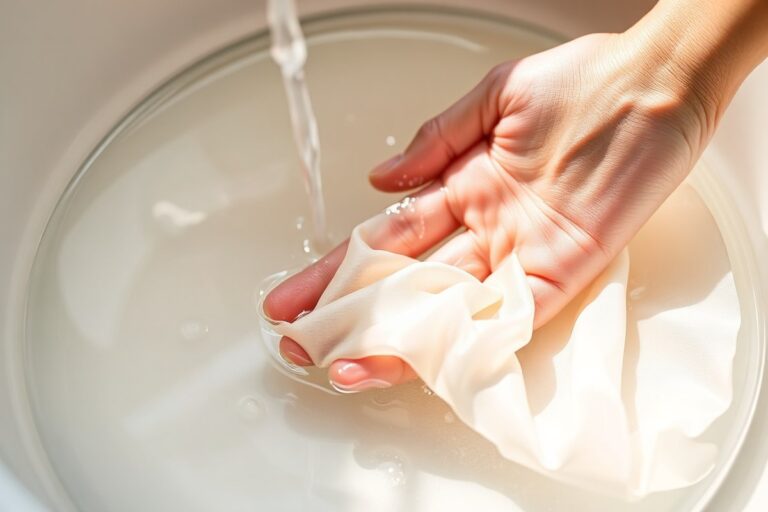
- Mix a soaking solution. Combine one part white vinegar with four parts cold water in a basin or sink. Cold water prevents setting the stain, and vinegar helps break down the stain’s chemical components.
- Soak the clothing. Submerge the stained area fully in the mixture and let it soak for 20 to 30 minutes. This works well for both fresh and older pit stains.
- Combine four tablespoons of baking soda with 1/4 cup of water to form a dense paste. This mixture effectively tackles sweat stains and neutralizes odors without damaging the fabric.
- Apply the paste to the stains. Use a soft toothbrush or cloth to gently rub the baking soda paste into the stained areas. Let it sit for 15 to 30 minutes to allow it to break down the residue.
- Rinse and wash. Rinse out the paste with cold water, then wash your clothes in the washing machine using your regular detergent. Choose a gentle cycle with cold water to avoid setting any remaining stains.
- Air dry the garment. Avoid the dryer until you confirm the stain is gone, as heat can permanently set pit stains. Check the stains after washing, and if needed, repeat the soaking and treatment steps before drying.
This method usually costs less than a dollar per treatment since vinegar and baking soda are affordable and often already at home. Results show as visibly reduced discoloration after the first treatment, with tougher stains requiring a second soak. Avoid using bleach on pit stains because bleach can react with sweat and deodorant residue, sometimes causing yellowing.
2. How Sweat and Deodorant Cause Stains and Yellowing
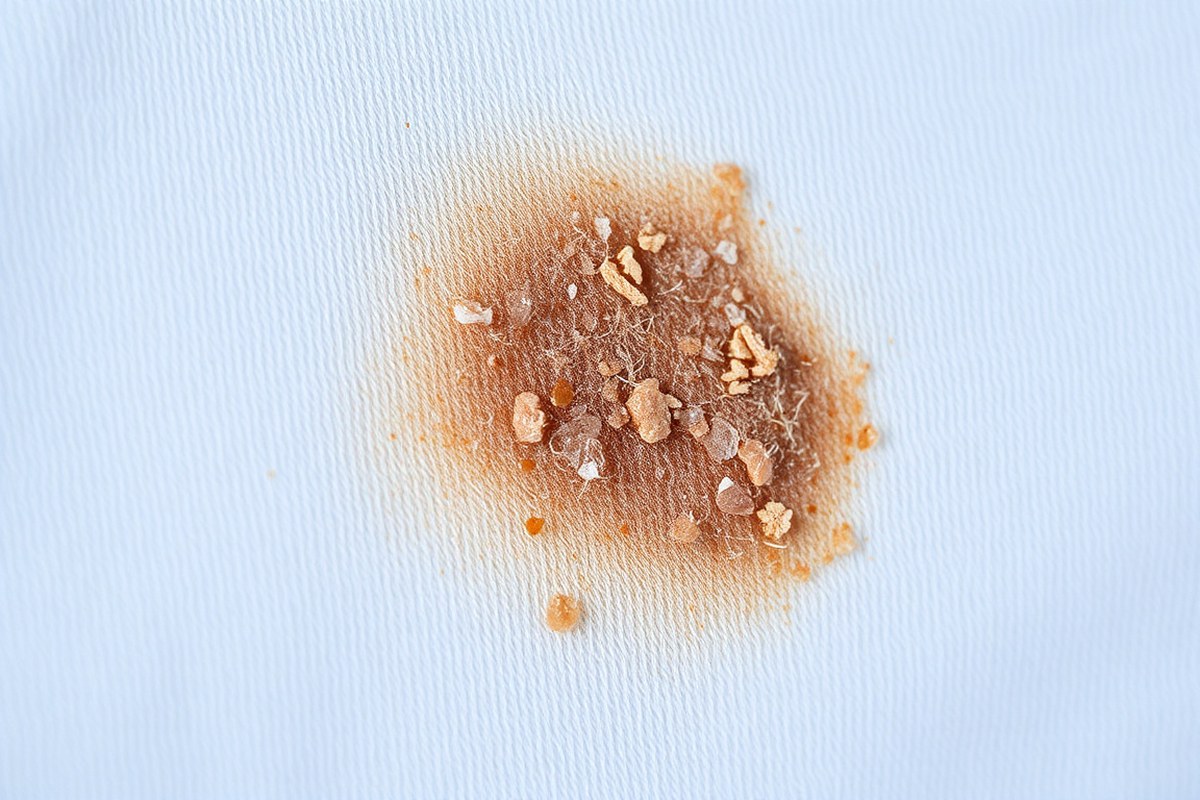
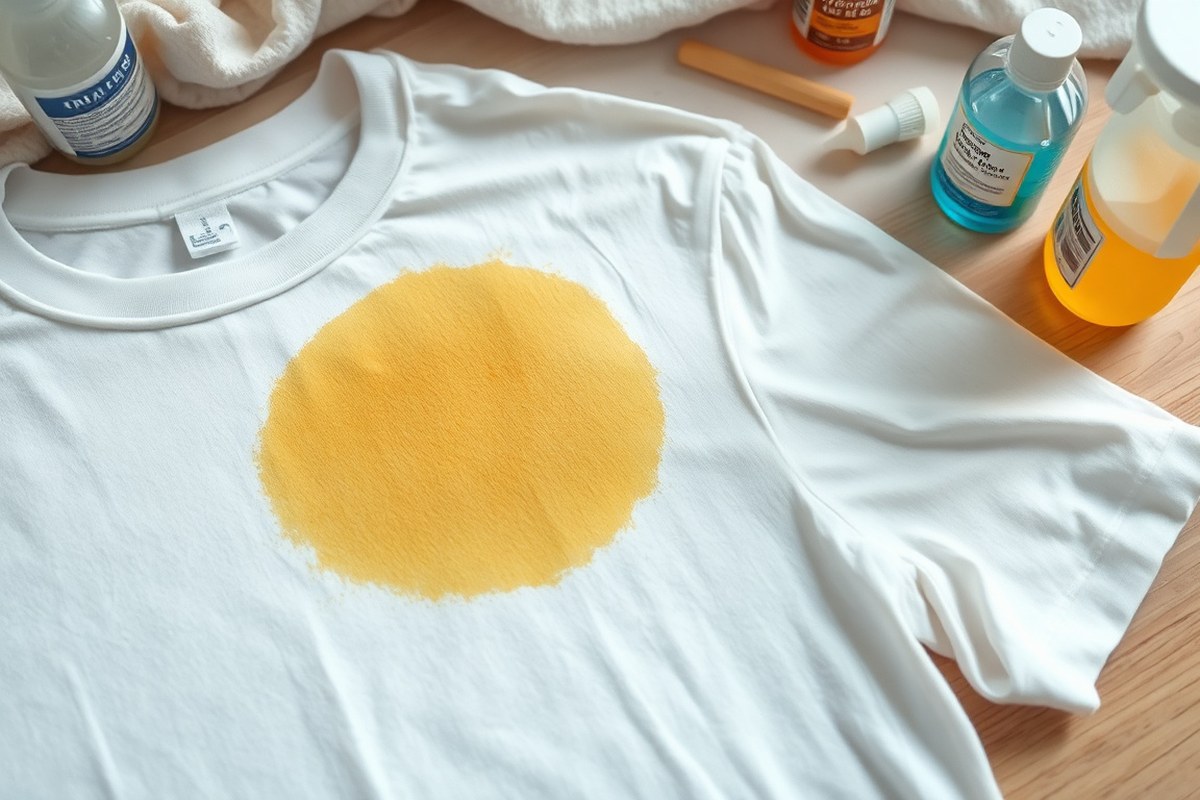
Pit stains form mainly because of a chemical reaction between sweat and the ingredients in deodorants or antiperspirants, especially aluminum compounds. Your sweat itself is mostly water and salt, but when it mixes with the bacteria on your skin and the aluminum-based chemicals in your antiperspirant, it reacts with proteins in your sweat. This reaction can cause yellowish discoloration that sticks to fabric fibers, especially in the underarm area of shirts.
Antiperspirants work by temporarily blocking sweat glands with aluminum salts. These aluminum compounds get absorbed by your clothing’s fabric. When you sweat, these compounds interact with the proteins and body oils in your sweat. The result is a buildup that causes pit stains and yellowing. This explains why sometimes even after washing, these stains seem to persist or worsen if the chemical residues remain trapped in the fibers. Deodorants without antiperspirant ingredients can also contribute to stains but usually to a lesser extent.
The severity of the staining depends on several factors. Applying too much antiperspirant or deodorant increases the amount of residue left on your clothes. It’s also important to allow the product to dry completely before putting on your shirt. Clothing fabric type affects stain formation too, with natural fabrics like cotton often showing stains more visibly and synthetic fabrics sometimes holding onto residues more stubbornly. The combination of your body’s sweat composition, the bacteria on your skin, and how much product you use all influence how noticeable and tough a stain can become.
Over time, the yellowing deepens as sweat and aluminum-based compounds oxidize when exposed to air and heat, especially in dryers. These compounds bond more strongly to fabric, making stains harder to remove. Using bleach on these yellow stains can worsen the problem by reacting chemically with the proteins and aluminum, increasing the yellow colour and weakening fabric fibers. Harsh treatments can sometimes set stains, so treating stains early and washing clothes promptly is essential.
Body oils, along with sweat and deodorant residues, combine to create the typical pit stain. The mixture can vary based on personal body chemistry, hygiene habits, and the specific product ingredients. For example, homemade or non-aluminum deodorants may cause less yellowing but won’t prevent sweat altogether, which means you might still face some staining from natural body oils and proteins. Balancing the need for sweat control against potential staining is key.
Avoid putting clothes with fresh underarm stains into the dryer before treating them, as heat sets the yellowing and makes stains much harder to remove.
3. Choosing the Right Stain Remover for Your Fabric Type
Choosing the right stain remover depends on your fabric, the stain’s age, and whether the clothing is white or colored. Commercial sprays like Shout Active Enzyme work well on fresh sweat stains, especially on cotton shirts, while natural products like white vinegar or baking soda can gently lift older or light stains without harsh chemicals. White fabrics need milder, color-safe treatments to avoid damage, and colored clothes benefit from enzyme-based removers that don’t bleach.
Natural Ingredients vs Commercial Products
Natural stain removers like white vinegar, baking soda, and oxygen bleach offer effective options without harsh chemicals. They also soften fabric and eliminate odors, making them a gentle choice for everyday pit stain removal. For fresh stains, using white vinegar can sometimes be more effective than detergent alone because it breaks down sweat proteins. Baking soda also works well when mixed into a paste with water and applied directly.
Commercial stain removers often feature enzymes or active ingredients designed specifically to target sweat and body oils. Products like Shout Active Enzyme Laundry Stain Remover work on fresh to moderate stains, while OxiClean Max Force is useful for stubborn or older stains due to its oxygen bleach content. Plant-based sprays such as Puracy Natural Laundry Stain Remover provide a good balance for those avoiding synthetic chemicals. Sports-oriented removers like Sweat X Extreme target heavy, deep-set stains on activewear, especially moisture-wicking fabrics that can trap sweat. Choosing between natural and commercial depends on stain severity, fabric type, and your preference for chemical use or environmental impact.
| Product | Type | Good Fit For |
|---|---|---|
| Shout Active Enzyme Laundry Stain Remover Spray | Pretreatment spray | Sweat, body-oil, and everyday underarm stains |
| OxiClean Max Force Laundry Stain Remover Spray | Stain-removal spray | Stubborn and older underarm stains on compatible washable fabrics |
| Puracy Natural Laundry Stain Remover Spray | Plant-based stain remover | Everyday pretreatment when you prefer a plant-based product |
| Sweat X Extreme Stain Remover Spray | Sports-oriented stain remover | Activewear and moisture-wicking fabrics with heavy stains |
The table sums up common stain removers and their best uses. Commercial sprays generally outperform natural ingredients on tougher stains but can be harsher on delicate fabrics or cause color fading without care.
Gentle Options for Delicate Fabrics
Delicate fabrics like silk or fine dress shirts need careful treatment. Avoid harsh enzymes or oxygen bleaches on these, as they can damage fibers or alter colors. Natural ingredients, such as a mild white vinegar solution applied sparingly, can help gently lift stains. Always test on an inconspicuous spot first.
For cotton dress shirts or activewear, enzyme-based commercial sprays can usually be safely used, but follow label instructions and wash in the warmest safe water temperature to help break down sweat residues effectively. Wearing an undershirt or sweat guards can prevent stains and reduce the need for aggressive stain removers on your favorite dress clothes.
Combining Products: What Is Safe?
Avoid mixing bleach or ammonia with commercial stain removers or natural cleaners. This can create toxic fumes or damage fabrics. Using one stain remover at a time is safest. For example, apply a commercial enzyme spray first, then launder as usual. Should stains persist, reapply treatment or follow with a mild vinegar rinse afterward.
When using natural ingredients, alternate white vinegar and baking soda treatments safely, but avoid mixing them directly because their chemical reaction lowers effectiveness. Let one dry before applying the other. Using multiple products in sequence allows you to target different stain types (protein-based sweat vs. Deodorant residue) without risking fabric harm.
4. Step-by-Step Guide for Treating Delicate and Specialty Fabrics
Yes, you can treat sweat stains on delicate fabrics like silk and wool, but it requires caution to avoid damage. Delicate textiles need gentle cleaning methods and mild stain removers designed specifically for sensitive materials. Avoid harsh chemicals like chlorine bleach and never scrub aggressively, as this can ruin the fabric.
Pretesting Stain Removers Safely
Before applying any stain remover to delicate fabrics, test it on a hidden area to check for colourfastness or material damage. Use a cotton swab or clean white cloth dipped in a small amount of the product and blot a discrete spot on the garment. Wait 10 to 15 minutes to see if any fading, discoloration, or fabric weakening occurs.
Choose stain removers labeled as safe for silk, wool, or synthetics. Avoid products with harsh chemicals, especially chlorine bleach and strong alkalis. If unsure, opt for specialized detergents formulated for delicate fabrics or consider professional cleaning.
Gentle Soaking and Application Methods
Using gentle soaking techniques helps lift sweat stains without rough treatment. Start by filling a basin or sink with cool or lukewarm water, never use hot water, which can set stains or damage delicate fibers. Follow this careful process to treat delicate fabrics:
- Turn the garment inside out to protect the outer surface.
- Apply a small amount of gentle detergent or stain remover specifically for delicates directly to the stain.
- Let the item soak in the cool water for 15 to 30 minutes to loosen sweat residues.
- Gently rub the stained area with your fingers or a soft cloth, do not scrub hard.
- Rinse thoroughly with cool water until no soap or stain remover remains.
- Repeat the treatment once if stains persist, but avoid excessive soaking.
This method minimizes fibre stress and preserves fabric softness. Avoid machine washing delicate, stained items without pre-treating first, as tumbling can worsen or set stains.
Drying and Aftercare for Sensitive Fabrics
Air drying is the safest way to dry delicate fabrics and helps prevent sweat stains from setting permanently. Lay the garment flat on a clean towel or drying rack in a shaded area away from direct sunlight and heat sources. Sunlight can cause fading or weaken delicate fibres.
Check the garment after drying to confirm the stain is gone before storing or wearing it. Do not use a tumble dryer until all sweat stains have been removed, since heat will make them permanent. Iron the fabric on a low setting if needed and avoid steam directly on any remaining stain.
For silk and wool items labeled dry clean only, try to remove excess sweat gently with cold water before taking them to a professional cleaner. This improves the chances the dry cleaner can fully eliminate stubborn stains without fabric damage.
5. How to Avoid Common Pit Stain Removal Mistakes
Common mistakes when removing pit stains often make the problem worse. Using heat too soon is a top error because hot water or high dryer temperatures can set the sweat stains permanently. For example, washing freshly sweat-stained clothes in hot water or throwing them into a hot dryer can cause the proteins in sweat to bond with fabric fibers, making stains nearly impossible to remove.
Bleach is another mistake to avoid. Though it seems like a strong solution, bleach can actually set protein-based stains from sweat and deodorant deeper into the fabric. It might also damage or discolor your clothes, especially delicate or colored fabrics. Instead, use gentler, enzyme-based stain removers or household solutions like baking soda or white vinegar, which do not contain harsh chemicals that will harm your clothes.
Scrubbing stained areas roughly may seem effective but can damage fabric fibers, causing wear and thinning. Gentle treatment is key, especially on delicate materials. Soaking stained areas in a mild solution before light scrubbing with a soft brush or cloth reduces damage while loosening the stain.
- Always check care labels before applying any stain treatment or heat.
- Pre-treat stains with a mild detergent or enzyme stain remover and let it sit 15, 30 minutes.
- Use cold or lukewarm water for washing until stains are gone.
- Air dry stained clothes instead of using a dryer to avoid setting stains.
- Avoid bleach on sweat stains to prevent permanent setting and fabric damage.
- Handle fabric gently, light scrubbing with a soft brush, no harsh rubbing.
- Wash sweat-soiled clothes promptly to stop stains from setting.
Heat can transform a fresh pit stain into a permanent one, so line drying instead of machine drying is safer for those fabrics.
Following these precautions can save you time, effort, and the cost of replacing stained garments. Using proper techniques, washing with cold water, and letting clothes dry naturally usually yield better stain removal results without damage. Remembering to treat stains quickly and gently often prevents them from becoming stubborn over time.
6. Timing and Processes: How Long Does Pit Stain Removal Take?
Soaking clothes to remove pit stains generally takes at least 30 minutes but can extend to several hours depending on the stain’s age and severity. Begin by submerging the stained area in a mixture of water and your chosen stain remover, such as dish soap combined with baking soda or hydrogen peroxide. These ingredients boost cleaning power, making it easier to break down the yellowing caused by sweat and deodorant. For fresh stains, 30 minutes is often enough, but older or set-in stains may require soaking for an hour or more.
After soaking, gently scrub the stain with a soft toothbrush or cloth for about five minutes to help loosen residue without damaging the fabric. Then, let the treated area sit for an additional 15 to 30 minutes before washing. This step allows time for the stain-fighting ingredients to penetrate the fibers. Avoid skipping this wait time, as it significantly improves stain removal outcomes.
The total time to fully remove pit stains ranges from around one hour to several hours, depending on the fabric and stain severity. After washing, inspect the garment closely before drying. Drying can set any remaining stain, making it much harder or impossible to remove. If the stain remains visible, repeat the soaking and scrubbing process before drying to prevent permanent discoloration. This step is important because even professional dry cleaners do not rely solely on a normal cleaning cycle to remove sweat stains; special treatment is necessary.
Delicate fabrics may require shorter soaking times and gentler scrubbing to avoid damage, so adjust timing accordingly. When pits stains persist after a second or third treatment, it might be time to try a different stain remover or consult professional cleaners who specialize in stubborn armpit stains. These services usually start around $10 to $20 per shirt but may save you from permanent fabric damage.
Planning your stain removal process with these realistic timelines helps you manage expectations and protect your clothes effectively. Aim to treat pit stains promptly for best results, allow adequate soaking and waiting times, and never dry before confirming the stain is gone. This approach ensures the highest likelihood of restoring your clothes while balancing time and effort.
7. How to Remove Pit Stains After Clothes Have Dried
Removing pit stains after clothes have dried can be challenging but not impossible. The key is to carefully re-treat the stains without damaging the fabric. Avoid using heat again, as this permanently sets stains. Instead, use effective pre-treatment and rewashing approaches tailored for dried stains.
Why Heat Sets Stains Permanently
Heat from dryers or irons causes sweat stains to bond tightly with fabric fibers. Sweat contains proteins, oils, and deodorant residues that heat can chemically change, making stains harder to break down. Once set by heat, stains are often embedded deep within the fabric rather than just on the surface.
Because of this, dried-on stains require more thorough treatment. Using hot water or drying stained clothes again before proper removal increases the risk of making the stain permanent. Staying away from heat until the stain is removed improves chances of success.
Pre-Treatment Strategies for Dry Stains
Rehydrating and pre-treating dried pit stains is essential for loosening the set residue. Choose stain removers or detergents designed to break down sweat, oils, and deodorant buildup. Avoid harsh bleach unless the fabric can safely handle it, as it may weaken fibers or cause discoloration. Here is a step-by-step method to pre-treat dry pit stains for best results:
- Turn the garment inside out and gently rub the stain area with cold water to rehydrate.
- Apply a stain remover spray or gel specifically formulated for sweat stains directly onto the stain. Let it sit 10-15 minutes.
- Gently rub the stain with a soft brush or cloth to work the remover deeper into the fibers.
- Soak the garment in cold water mixed with a sweat-fighting detergent (like Blueland laundry tablets) for 30 minutes to one hour.
- Check the stain’s progress before moving to wash.
This penultimate soaking step helps lift sweat oils that may have hardened due to drying. Cold water prevents further setting compared to warm or hot water.
Rewashing and Spot Treatment Tools
After pre-treatment, rewashing the garment on a cold setting is recommended to further remove loosened stains. Use a detergent targeting sweat and deodorant residues and avoid heat drying afterward. Air-drying is safer to prevent the stain from setting again. Some extra tips for persistent marks include:
- Repeating the pre-treatment and wash cycle up to 2-3 times if the stain remains visible.
- Using an enzymatic stain remover for protein-based sweat stains, following label instructions for safe application.
- Spot-treating with diluted white vinegar or baking soda paste as a natural option, then rinsing thoroughly before washing.
Avoid using a dryer until the stain is fully removed. Heat can lock in any remaining traces permanently. Patience and gentle treatments for dried stains minimize fabric damage and give you the best chance to restore your clothes.
8. When to Seek Professional Cleaning for Pit Stains
You should consider professional cleaning for pit stains if repeated home treatment fails to remove yellowing or fabric damage appears likely. Persistent stains that remain visible after several attempts with home methods, especially on delicate or wool fabrics, usually require expert intervention. Professionals assess fabric type and stain depth with specialized solvents and techniques designed not to harm your clothing. This is key because improper treatment can worsen damage or set stains permanently.
Dry cleaning and specialized laundry services use targeted stain removers that break down the proteins and oils in sweat stains more effectively than typical household products. Some services, like ByNext, offer solutions specifically aimed at deodorant and sweat combination stains, which often contain chemical residues that home remedies can’t fully remove. These cleaners use controlled temperature and solvent blends that dissolve stains without water or harsh scrubbing.
Costs for professional dry cleaning to remove pit stains typically range between $10 and $25 per garment, depending on the fabric and stain severity. Prices may be higher for delicate or multi-layered fabrics requiring custom treatment. Ask the cleaner directly about their experience with sweat and deodorant stains, the type of solvents used, and if any guarantees or re-treatment policies apply. Insist on a fabric test patch when possible to avoid damage.
Use a simple checklist to decide if professional cleaning is needed: the stain is older than 48 hours, home treatments have been applied three or more times without success, the fabric is delicate or labeled “dry clean only,” or the garment has significant sentimental or monetary value that justifies expert care. Also, if you notice discoloration spreading or fabric texture changing, it’s best to stop home treatment and seek professional advice to prevent worsening the issue.
When you bring clothes to a dry cleaner, clearly describe the stain history, including any home attempts and products used. Specify if deodorant residue is also present. A good cleaner will know how to combine enzyme-based and solvent-based treatments to remove even tough sweat build-up. The process usually takes a couple of days but varies by shop.
Do not use bleach on protein-based sweat stains; it can worsen yellowing and weaken fibers, making professional cleaning your safest option for tough marks.
Step-by-Step Action Plan to Remove Pit Stains
Follow this plan to tackle pit stains effectively, using the right timing and treatment steps for the best results.
- Before You Start: Identify the fabric type to choose a safe stain remover. Test the product on a small hidden area first to avoid damage.
- Day 1: Apply a pre-treatment solution like a mixture of baking soda and water or a stain remover made for your fabric. Let it sit for 30 minutes to lift the stain.
- Day 1, After Pre-Treatment: Wash the garment in cold water on the gentle cycle to prevent setting the stain. Check if the stain is gone after washing.
- Day 1, Post-Wash: Air-dry the item. Avoid using the dryer because heat can set any remaining stain permanently.
- Day 2: If the stain persists, repeat pre-treatment and wash again. For delicate fabrics, soak in a gentle bleach solution (oxygen-based) following label instructions.
- After 2 Days: If the stain remains after repeated home treatments, take the garment to a professional cleaner to avoid damage.
- Ongoing: Use deodorants without aluminum and wash clothes soon after wearing to prevent new stains from forming.
Frequently Asked Questions
How to Get Stains Out of Clothes After Drying Them?
Treat dried pit stains by soaking the fabric for about 30 minutes, then scrub gently to loosen the stain before rewashing. Avoid heat drying again until the stain is gone because heat sets them permanently.
Does Shout Remove Pit Stains from Clothes?
Yes, Shout Active Enzyme Laundry Stain Remover Spray works well as a pretreatment for sweat and underarm stains without damaging fabric. It’s best for fresh to moderately set stains on washable clothes.
Will OxiClean Remove Pit Stains?
OxiClean Max Force Laundry Stain Remover Spray is effective on stubborn and older pit stains if the fabric is washable. Use it as a pretreatment before washing for best results.
How to Get Armpit Stains Out of Silk?
Pit stains can come out of silk, but removing them yourself is risky. It’s safer to seek professional cleaning to avoid fabric damage.
Can Vinegar Remove Pit Stains?
Vinegar helps break down sweat stains but may not fully remove set stains alone. Use it as part of pretreatment with other cleaners.
Does Toothpaste Work on Armpit Stains?
Toothpaste can sometimes lift surface stains but isn’t reliable for deep pit stains on fabrics. Use appropriate stain removers instead.
Key Points to Remember
Pit stains can feel stubborn, but treating them with the right timing and products improves your chances of full removal. Start treating stains promptly with a method suited to your fabric, then watch carefully as the stain fades. If home efforts don’t clear the stain, professional cleaning can save your favorite clothes without risk. Taking that first step today can keep your clothes looking fresh and stain-free longer.