How to Get Perspiration Stains Out of Clothes: 8 Effective Methods That Work
To get perspiration stains out of clothes effectively, pre-treat the affected area with a mixture of baking soda and hydrogen peroxide, let it sit for 30 minutes, then wash as usual. For older or tougher stains, soaking the garment for up to overnight before laundering improves results. This approach works well on most cotton and synthetic blends.
This advice suits anyone dealing with visible sweat marks, including underarm yellowing and salt deposits. You will learn practical, proven methods that take fabric type and stain age into account, helping your clothes look fresh and clean again without harsh chemicals.
Key Takeaways
- Pre-treat perspiration stains with a paste of baking soda and 3% hydrogen peroxide for 30 minutes before washing.
- Soak heavily stained clothes for 30 minutes to overnight to loosen deeply set sweat marks.
- Use a soft toothbrush to gently work stain removers into the fabric without damaging fibers.
- Choose cleaning methods suited to fabric type to avoid discoloration or weakening materials.
- Allow cleaning solutions like vinegar or baking soda mixes to sit for 15 to 30 minutes for best effects.
- Rinse and launder according to garment care labels to preserve fabric quality after stain removal.
1. How to Get Perspiration Stains Out of Clothes Effectively
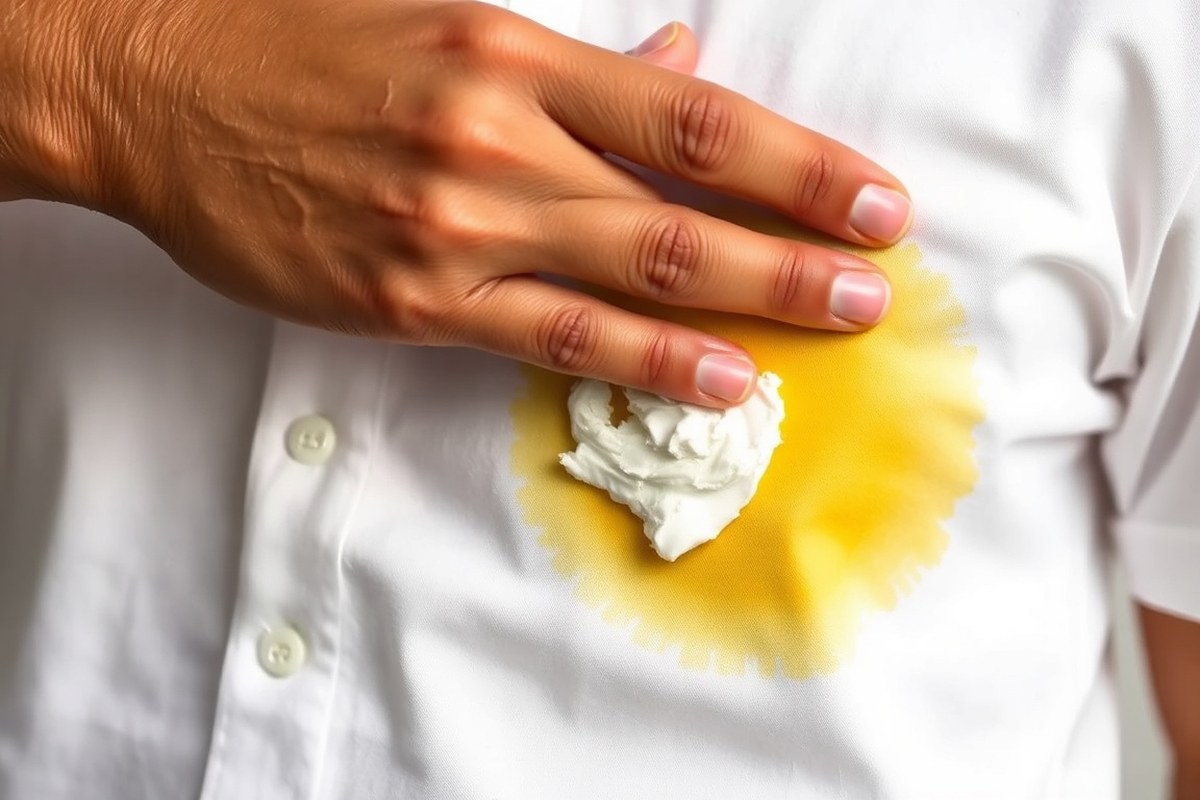
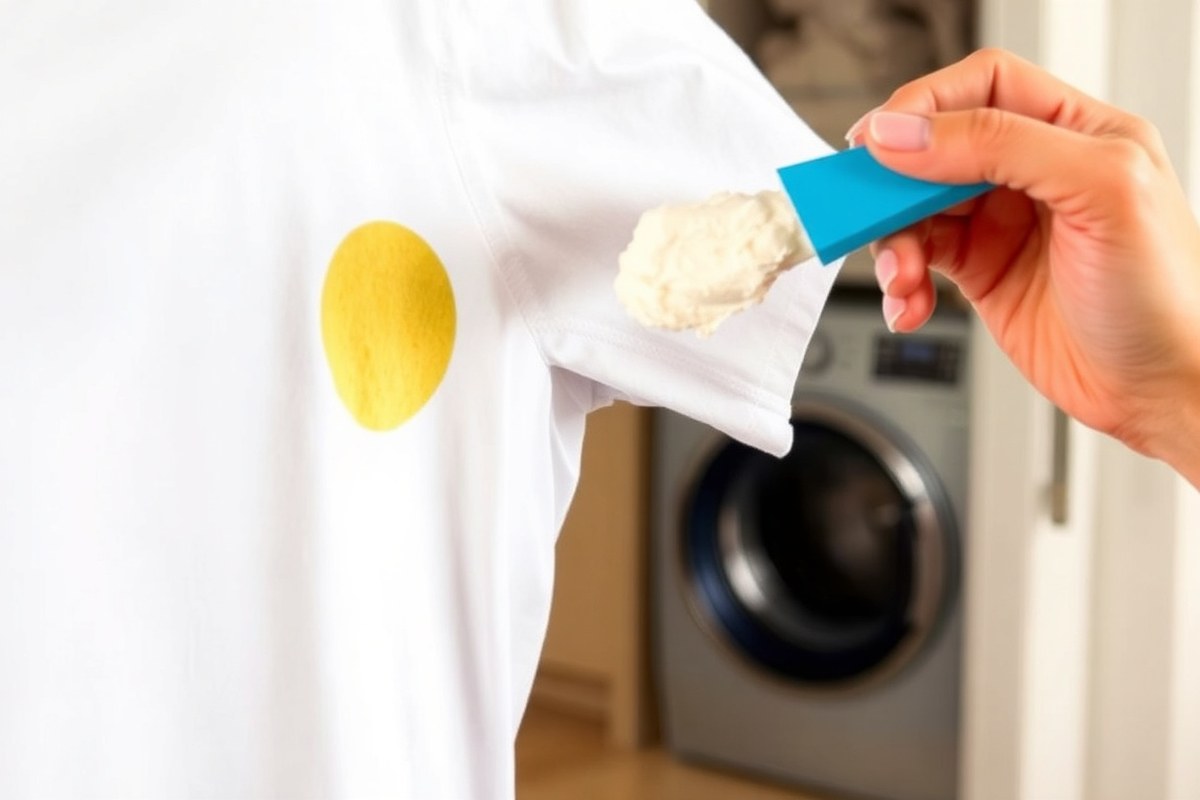
Pretreating perspiration stains before washing is key to effectively removing them without damaging your clothes. The goal is to break down the sweat residue and any discoloration before the wash cycle. You should use a stain remover or a fabric-safe detergent applied directly to the stained area. Letting the treatment sit allows it to penetrate the fabric and loosen the stain particles.
After treatment, wash your clothes following the garment’s care label recommendations. Use a detergent designed for stain removal, such as a universal gel detergent, which works well on both white and colored fabrics. Set your washing machine to a temperature safe for the fabric but warm enough to activate the detergent, typically around 104 to 140 °F (40 to 60 °C) for cotton and polyester blends.
Checking the garment after washing but before drying is important because heat from dryers can set stains permanently. When the stain remains, repeat the pretreatment and wash cycle. Avoid drying the clothing until the stain is completely gone.
- Identify and prepare the stained area: Wet the perspirated spot with lukewarm water to loosen residue and help the stain remover penetrate.
- Apply stain remover or detergent: Use a fabric-safe stain remover or rub a small amount of liquid laundry detergent directly on the stain.
- Gently work the treatment in: Use an old, soft toothbrush or your fingers to massage the remover into the fabric without damaging the fibers.
- Let it sit: Allow the treatment to stay on the stain for 10 to 15 minutes for fresh stains, or up to 30 minutes to an hour for older or stubborn stains.
- Select the right wash cycle and temperature: Wash using the warmest water temperature recommended on your care label, typically 40 to 60 °C. Use a detergent made to remove stains effectively.
- Check for stain removal before drying: After washing, examine the stained area to confirm the stain is gone. Should the stain persist, repeat the pretreatment and wash steps.
- Avoid heat setting from dryers: Do not put the garment in the dryer until you are sure the stain is completely removed, as heat can set perspiration stains permanently.
2. Why Do Perspiration Stains Form and Turn Yellow?

Perspiration stains form when sweat, which contains water, salts, proteins, and oils, interacts with the fabric and the substances already on your clothes. The main chemical culprit behind yellow sweat stains is the reaction between sweat and the aluminum compounds found in many antiperspirants. These aluminum salts, designed to block sweat glands, combine with sweat’s proteins and salts and then bond with fibers in the fabric. Over time, this combination oxidizes and turns yellow, creating the visible stains on armpits or other areas that contact your skin.
Antiperspirants contribute to stain formation because they contain aluminum-based ingredients that react chemically with sweat. While deodorants mostly mask odor, antiperspirants reduce moisture by blocking sweat, and this aluminum reacts with sweat components. This mix settles into the fabric’s fibers and creates a residue that laundry detergents alone often cannot fully remove, especially if the clothes stay unwashed for too long. Using antiperspirants with lower or no aluminum content can reduce staining but may also lessen sweat control.
Fabrics made from natural fibers like cotton tend to absorb sweat more readily than synthetic fabrics, making them more prone to stains. Cotton’s porous nature traps sweat and antiperspirant residue deep in the fibers, which is why white cotton shirts often develop yellow underarm stains. Synthetic fabrics like polyester may repel sweat but can hold onto body oils and deodorant buildup, leading to different types of discoloration and odors. Delicate fabrics like silk and linen stain differently and require gentler treatment to avoid damage.
Stains often worsen when clothes aren’t washed soon after sweating. Sweat residue left on fabric provides a food source for bacteria, which multiply and cause further discoloration and odor. Heat from washing or drying can set the yellow stains, making them harder to remove. To reduce the chances of stains forming or turning yellow, wash sweaty clothes within 24 hours if possible, using cold or warm water tailored to the fabric’s care instructions. Using stain removers or pretreatments that target protein and oil buildup can improve results.
Wash sweaty clothes promptly and avoid drying stained garments in hot dryers to prevent yellow stains from setting permanently.
3. Choosing the Right Treatment for Your Fabric and Stain Age
Choosing the right treatment method for perspiration stains depends heavily on the fabric type and how long the stain has been left untreated. White fabrics generally tolerate stronger agents like hydrogen peroxide, which can brighten the fabric without the harsh effects of chlorine bleach. Colored fabrics, however, require gentler options to avoid discoloration or new stains.
For delicate or colored fabrics, natural remedies such as white vinegar are safer. White vinegar breaks down sweat proteins and salts without damaging the material and won’t bleach colors. Baking soda is another gentle option that helps lift stains with its mild abrasive qualities. When dealing with old stains, multiple rounds of pretreatment and washing may be necessary. Fresh stains are usually easier to manage and respond well to a single application.
| Fabric Type | Recommended Treatment | Effectiveness on Fresh vs. Old Stains | Precautions |
|---|---|---|---|
| White Cotton or Linen | Hydrogen peroxide paste (1 tbsp peroxide, 1 tbsp salt, ½ cup baking soda) | Highly effective on fresh stains; repeated treatment may be needed for old stains | Avoid chlorine bleach unless fabric label allows; test in hidden area |
| Colored Cotton or Blend | White vinegar rinse or mild detergent pretreatment | Effective on fresh stains, less so on old or set-in stains | Do not use hydrogen peroxide or lemon juice to avoid discoloration |
| Delicate Fabrics (Silk, Wool) | White vinegar or gentle detergent soak | Best for recent stains; old stains may require professional cleaning | Avoid scrubbing and harsh chemicals; follow care label instructions |
To apply hydrogen peroxide paste safely on white fabrics, mix one tablespoon each of hydrogen peroxide and salt with half a cup of baking soda until it forms a paste. Spread this over the stain, allow it to sit for about 30 minutes at room temperature, then wash as usual. Avoid using this on colored or delicate fabrics since peroxide can cause lightening or spotting.
White vinegar can be used on colored and delicate clothes by diluting one part vinegar with two parts water. Soak the stained area for 20 to 30 minutes before washing with a mild detergent. This method avoids damage and successfully breaks down sweat-induced proteins, salts, and deodorant build-up. Always check fabric care labels before treatment and do a spot test on less visible areas when using any stain remover.
Old perspiration stains might need repeated treatment. After any pretreatment, wash clothes in the warmest water safe for the fabric. Sometimes, multiple cycles of soaking and washing over several days increase the chance of stain removal. Persistence and patience help when stains have set, especially if the fabric has endured heat during drying, which can make stains harder to remove.
4. Using Hydrogen Peroxide, Baking Soda, and Vinegar Safely
Using hydrogen peroxide, baking soda, and vinegar to remove perspiration stains can be very effective but requires careful mixing and application to avoid damaging your clothes. Each ingredient works differently, so using the right proportions and methods keeps fabrics safe while tackling stains. Certain delicate materials or colors may not respond well to these DIY treatments, so testing on a hidden area first is important.
Preparing a Baking Soda and Water Paste
Baking soda acts as a gentle abrasive and deodorizer that helps break down sweat residues. Mixing it with water creates a paste that clings easily to stains without soaking through the fabric.
Start with four tablespoons of baking soda and gradually add a quarter cup of warm water, stirring until the paste is thick yet spreadable. This consistency allows the paste to sit on the stained area without dripping or soaking through layers underneath.
Apply the paste mostly to cotton, polyester blends, or other sturdy fabrics. Avoid silk, wool, or delicate synthetics, where the abrasive quality can cause fibers to weaken or discolor.
Applying Hydrogen Peroxide Mixtures Correctly
Hydrogen peroxide is a mild bleach that breaks down stain molecules, especially protein-based sweat stains. Use a 3% solution, which is common in pharmacies, and avoid higher concentrations unless handled by professionals.
For a strong, effective paste, mix equal parts of hydrogen peroxide, baking soda, and water. This formula is powerful but may lighten darker fabrics or cause shrinkage if left too long.
- In a large bowl, blend equal amounts of baking soda, water, and 3% hydrogen peroxide together thoroughly.
- Stir until you get a smooth paste that’s easy to spread.
- Apply the mixture directly to the perspiration stain.
- Gently scrub with an old toothbrush or soft cloth to help the paste penetrate fibers.
- Leave it on the stain for 20 to 30 minutes but no longer, to reduce fabric damage risk.
- Rinse thoroughly with cold water before washing as usual.
- Always test on an inconspicuous area to check for colorfastness.
Delicate fabrics such as silk, wool, or dyed materials may not tolerate hydrogen peroxide well due to its oxidizing effect.
Using White Vinegar for Mild Bleaching
White vinegar’s acidic nature helps dissolve mineral buildup and lift stains gently without harsh abrasives or bleach. It also deodorizes effectively.
Mix white vinegar and warm water in a ratio of one to two. For smaller stains, spray the solution directly onto the fabric; for bigger stains, soak the whole piece of clothing in the mixture.
Vinegar works best on light to medium perspiration stains on cotton, polyester blends, or durable synthetics. It is less likely to alter colors than hydrogen peroxide but should still be tested first.
- Mix one part distilled white vinegar with two parts warm water in a basin or spray bottle.
- Apply evenly over the stained area, using enough solution to saturate but not flood the fabric.
- Let it sit for 15 to 30 minutes to penetrate and break down the stain.
- Rinse or wash the garment immediately afterward to remove vinegar smell and loosened residues.
- Repeat as necessary, especially for older or tougher stains.
Avoid vinegar on delicate silk or rayon fabrics where acid exposure can weaken fibers or cause yellowing.
5. Removing Sweat Stains from Special Fabrics and Clothing Types
Special fabrics like workout gear, uniforms, and delicate textiles need targeted stain removal methods. Sweat stains can set quickly and damage fibers if not handled right. Proper care preserves your clothes and avoids discoloration or fabric breakdown.
Caring for Moisture-Wicking Workout Clothes
Moisture-wicking fabrics like polyester blends repel sweat, but salt and oils can still cause stains and odors. Avoid using bleach or harsh detergents as they can break down the synthetic fibers and reduce the fabric’s ability to wick moisture. Pre-treat stains promptly with a gentle, enzyme-based stain remover or a mix of liquid detergent and water.
Wash workout clothes in cold water on a gentle cycle to protect elasticity and fabric texture. Skip fabric softeners and dryer sheets, as they coat fibers and block breathability. Instead, hang dry or tumble dry on low heat to prevent shrinkage and damage.
- Pre-treat sweat stains within hours of wearing
- Use enzyme-based or mild liquid detergents
- Wash in cold water on gentle cycle
- Avoid bleach and fabric softeners
- Air dry or tumble dry low to protect fabric integrity
- Turn garments inside out before washing to protect prints
- Remove promptly from washer to reduce odour buildup
Treating Sweat Stains on Medical Scrubs
Scrubs often face heavy perspiration and frequent washes, making yellow stains challenging to remove. Treat stains early with a pre-wash stain remover designed for protein-based stains, like those targeting sweat. White scrubs tolerate stronger treatments, but always check care labels before using bleach alternatives.
Use warm water (around 104°F to 113°F) to help dissolve sweat salts and improve detergent effectiveness. Avoid over-drying scrubs, as heat can set stains and wear down fabric fibers. Instead, dry on a low heat setting or hang them to air dry.
- Pre-treat stains with a specialized stain remover or liquid detergent
- Wash in warm water, suitable for scrubs’ fabric
- Use non-chlorine bleach on colored scrubs as needed
- Avoid high dryer heat to prevent setting stains
- Wash scrubs separately to avoid cross-contamination of stains
Best Practices for Delicate and Silk Fabrics
Delicate fabrics such as silk, wool, and cashmere need extra caution because sweat stains and improper cleaning can cause irreversible damage. Avoid strong chemicals, hot water, and vigorous scrubbing. Use gentle, pH-neutral detergents designed for delicates and treat stains with mild solutions like diluted white vinegar or a gentle soap solution.
Hand washing is ideal. Soak the garment for about 5 to 10 minutes before gently rubbing the stained area. Rinse with cool water and avoid wringing or twisting. Lay flat on a clean towel to dry away from direct sunlight or heat. Avoid machine washing or drying unless the care label explicitly permits it.
Heat and harsh chemicals can set sweat stains permanently in delicate fabrics, so treat and wash them with care.
- Use pH-neutral, gentle detergents for stain treatment
- Hand wash in cool or lukewarm water (below 85°F)
- Soak stained areas 5, 10 minutes before gentle cleaning
- Rinse thoroughly, avoid twisting or wringing fabric
- Dry flat and avoid direct sunlight or heat sources
- Consult garment labels for specific washing instructions
6. Preventing Perspiration Stains on Your Clothes
Changing deodorants can significantly reduce perspiration stains. Look for deodorants labeled “aluminum-free” because aluminum compounds commonly react with sweat to create yellow stains. Switching to gentler formulas or natural deodorants can minimize this reaction, helping to prevent new stains. Applying deodorant to dry skin and allowing it to fully absorb before dressing improves its effectiveness.
Choosing the right clothing also reduces sweat stains. Natural fibers like cotton and linen breathe better and allow sweat to evaporate, lowering the chance of buildup that causes staining. Avoid tight-fitting synthetic fabrics, which trap sweat against your skin, increasing stain risks. Wearing lighter-colored shirts or patterns can help disguise any minor staining that does occur.
Using undershirts or sweat pads creates a barrier that protects your outer clothing. A snug cotton undershirt absorbs sweat before it reaches your dress shirt, which is especially helpful if you sweat heavily. Disposable or washable sweat pads stick inside your garment at the underarms to catch moisture. Both options extend your clothes’ lifespan by cutting down on direct contact with sweat and deodorant.
Your diet also plays a role in sweat stain formation. Foods with strong odors like garlic and onions can change the chemistry of your sweat, potentially increasing staining. Drinking plenty of water helps dilute sweat and decreases the concentration of staining compounds. Reducing caffeine and spicy foods might lower sweating intensity, further reducing stains.
- Switch to aluminum-free deodorant and apply to dry skin
- Wear breathable natural fabrics like cotton and avoid tight synthetics
- Use a cotton undershirt as a sweat barrier under dress shirts
- Consider disposable or washable sweat pads inside clothing
- Stay hydrated and limit spicy, caffeinated, or strong-smelling foods
Combining these practical steps creates multiple defenses against sweat stains. Effective prevention means less frequent need for harsh stain treatments, helping your clothes look fresh longer. The upfront effort, changing deodorants, adding an undershirt, adjusting diet, costs little but can save money over time by extending the life of your garments.
7. Common Mistakes That Make Sweat Stains Worse and How to Fix Them
One common mistake that keeps perspiration stains from coming out completely is drying clothes before the stain is fully treated. Heat from dryers or irons can set protein and oil-based sweat stains into the fabric, making removal much harder or even impossible. Avoid putting stained garments in the dryer until you confirm the sweat stains are gone after washing. Check the stains after air drying or a gentle rinse before using any heat source.
Another error is using harsh chemicals without testing for fabric compatibility. Strong enzymes and bleaches break down sweat stains but can damage delicate fibers like silk or wool. Always check the care label of the clothing before applying any chemical stain remover. Spot test on a hidden area to look for discoloration or weakening of the fabric. Using milder, fabric-safe alternatives like baking soda and hydrogen peroxide diluted with water helps reduce damage risk.
Failing to consider the fabric type and stain age also lessens the chance of success. Fresh sweat stains respond better to quick action with mild treatments. Older, yellowed stains may require enzyme-based commercial removers designed specifically for protein-based stains. Using water temperature that’s too hot on delicate or older fabrics can break down fibers or cause colors to fade, so wash accordingly to the garment instructions, typically using cold or warm water for sweat-stained items.
Skipping proper pre-treatment by not applying stain remover directly to the stained areas weakens results. For better cleaning, saturate sweat-marked spots with your chosen product and let it sit for at least 15 to 30 minutes before washing. This gives enzymes or other active ingredients time to break down sweat residues.
Another cause of poor results is not following product instructions carefully. Concentrated commercial stain removers often require dilution or limited contact time to work effectively without harming fabric. Read the label for exact amounts to use, soak duration, and washing temperatures. Overuse or misuse can damage clothes and reduce stain removal.
To avoid these problems, here’s a checklist to follow when tackling sweat stains: Always pre-treat stains promptly and thoroughly. Test stain removers on inconspicuous fabric before use. Avoid drying stained clothes with heat until stains vanish. Use gentle washing cycles and appropriate water temperatures based on fabric type. Follow all instructions on commercial products, including dilution and exposure times. If uncertain, opt for milder homemade solutions like a paste of baking soda and water to start staining removal attempts.
Taking these steps reduces the chance of making sweat stains worse or damaging your clothes. Effective stain removal needs patience, proper technique, and some knowledge about what each fabric can safely handle. When in doubt, using gentler treatments first and consulting professional cleaners for sensitive or expensive garments helps maintain garment quality while addressing tough sweat stains.
8. When to Use Professional Cleaning Services for Sweat Stains
Professional cleaning becomes necessary when perspiration stains prove too tough for home treatments or when the fabric cannot safely be washed at home. Certain delicate materials and older, set-in stains often require expert techniques to avoid damage and maximize stain removal. Preparing and communicating with your cleaners clearly can improve results.
Fabrics Best Left to Professionals
Some fabrics cannot withstand typical home washing or stain removal methods. Dry cleaning is usually the safest choice for these items to avoid shrinking, color loss, or fabric distortion. Common examples include:
- Silk garments
- Wool suits and sweaters
- Rayon and acetate fabrics
- Leather and suede
- Clothes with intricate beading or embroidery
- Linen items labeled “dry clean only”
Using harsh chemicals, hot water, or bleach at home can worsen stains or ruin the texture and appearance of these fabrics. Professionals have access to solvents and equipment designed to treat these materials gently and effectively.
Signs You Need Expert Cleaning
Recognizing when to seek a professional can save time and prevent permanent damage. Sweat stains that are old and yellowed, especially those combined with deodorant buildup, often resist household treatments. Other indicators include:
- Stains remaining after multiple home washing attempts
- Clothes labeled “dry clean only”
- Visible discoloration that spreads beyond the original stain area
- Fabrics that feel crusty, stiff, or damaged around the stain
- Strong odors persisting after washing
Pay attention to these signs because letting stains sit too long can make even professional removal more difficult and expensive. Pricing for professional stain removal varies, but expect to pay around $10 to $30 per garment depending on fabric and stain severity.
Communicating Stain Issues to Cleaners
Properly preparing clothes and explaining the stain problem can improve cleaning outcomes. Before handing over your garments, gently brush off any debris and avoid applying additional stain removers that could interfere with professional treatments.
Clearly describe: the type of stain, how long it’s been there, any home attempts you’ve made to remove it, and the fabric type. Providing this information allows cleaners to select the best treatment method and avoid surprises.
Don’t seal a wet stain in a plastic bag, wait until the fabric is dry before transport to avoid mildew development.
- Note the garment’s care label instructions
- Point out difficult or multiple stain spots
- Mention any fabric sensitivities
- Request a specific treatment or ask for recommendations
- Ask about turnaround time and pricing upfront
By giving professionals complete information and properly preparing your clothes, you help ensure a faster, more effective stain removal process.
Step-by-Step Action Plan to Remove Perspiration Stains
Follow this clear plan to treat perspiration stains quickly and prevent them from setting in permanently.
- Before washing: Pre-treat the stained area with a paste made from baking soda and water or apply hydrogen peroxide directly to fresh stains. Wait 15 to 30 minutes; the stain should start to lighten.
- Day of wash: Use a detergent that targets protein stains and wash the clothing on the hottest water safe for the fabric. Check the stain after washing, if it’s still visible, do not dry.
- After wash: Air dry the garment instead of using a dryer to avoid setting any remaining stain. Inspect the stain again once dry.
- Next treatment (if needed): For stubborn or yellowed stains, soak clothing in a solution of vinegar and water for 30 minutes, then wash again. Stain fading indicates progress.
- Ongoing care: Apply an antiperspirant sparingly and let it dry before dressing to reduce new stains. Wearing undershirts can also protect outer garments.
- Seasonal check: Before storing clothes for a season, treat any faint stains to keep them from turning permanent. Clothes that look clean but have hidden stains should be washed again with stain-fighting detergent.
Frequently Asked Questions
Can Hydrogen Peroxide Be Used to Remove Sweat Stains?
Yes, hydrogen peroxide can break down sweat stain compounds effectively; use a 3% solution mixed with baking soda and water for a gentle stain-lifting paste.
How to Get Rid of Sweat Stains Without Hydrogen Peroxide?
You can use baking soda mixed with water as a paste to gently scrub sweat stains, helping lift them without harsh chemicals.
How to Prevent Armpit Sweat on Shirt?
Wear undershirts or sweat-proof shirts with built-in pads to absorb moisture and reduce stains before they form.
How to Get Sweat Stains Out of Scrub Tops?
Pretreat scrub tops with a paste of baking soda, water, and mild detergent before washing to break down sweat residues safely.
Clothing Care 101: Baking Soda for Sweat Stains?
Baking soda acts as a mild abrasive to lift stains and neutralize odors, making it effective for treating fresh sweat marks.
Can Salt Alone Remove Sweat Stains from Clothes?
Salt can help lighten stains but works best combined with other ingredients like baking soda or hydrogen peroxide.
Key Points to Remember
Perspiration stains can be treated successfully with the right methods tailored to your fabric and stain age. Address stains promptly using safe solutions like baking soda and hydrogen peroxide, and take steps to prevent buildup by managing sweat and applying antiperspirant wisely. Start by treating a recent stain today using the baking soda paste method to see how effective simple home options can be.