How Much Vinegar to Put in Laundry: Simple Rules for Perfect Results
Adding between 1/2 and 1 cup of distilled white vinegar to your laundry can brighten fabrics, remove odors, and soften clothes. To avoid damaging your items with too much acidity, add the vinegar during the final rinse. This technique offers an easy, natural way to improve your laundry results without chemicals.
This guide explains how much vinegar to put in laundry and the best types to use while covering safe practices and timing. You’ll gain practical tips on soaking, washing, and protecting colors to get the most from vinegar in your laundry routine.
Key Takeaways
- Use 1/2 cup of 5% white distilled vinegar per load to protect colors and soften fabrics.
- Add vinegar to the final rinse cycle to reduce detergent residue and neutralize odors effectively.
- Pre-soak heavily soiled clothes in 1 cup of vinegar mixed with warm water for 30 minutes to boost odor removal.
- Choose 5% acidity distilled white vinegar for laundry; avoid concentrated 25% vinegar as it can damage fabrics.
- Label your vinegar container “5% vinegar, laundry” with the date to prevent mix-ups with stronger solutions.
- Soak new jeans in a 1:1 cold water and vinegar solution for one hour to reduce fading.
How Much Vinegar to Add per Laundry Load
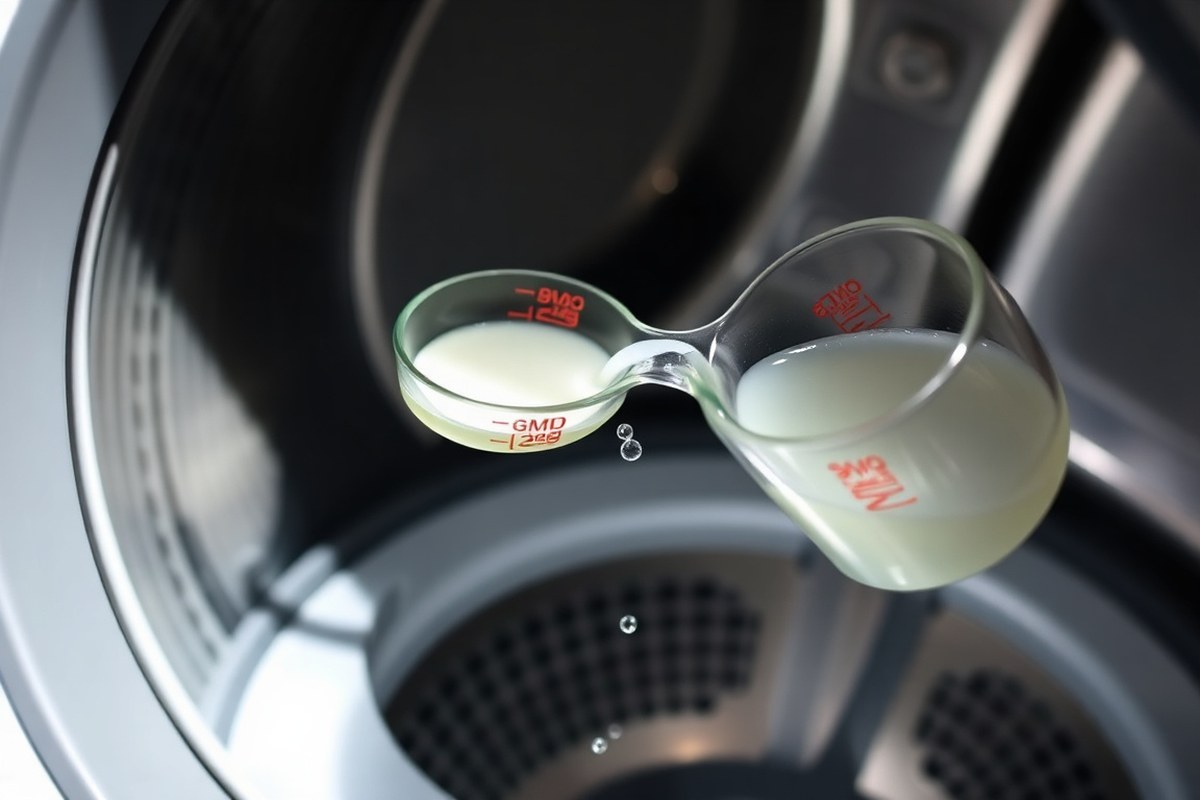
The amount of distilled white vinegar you add per load of laundry depends mainly on the size of the load, how soiled the clothes are, and the intensity of odors. Most standard or everyday laundry loads benefit from adding ½ cup of vinegar during the rinse cycle. This amount softens fabrics and removes mild odors without leaving a lingering vinegar smell.
For larger loads or those with noticeable odor problems, increasing the vinegar to 1 cup can help deodorize more effectively. Clothes that are heavily soiled or have stubborn build-up need about ¾ cup of vinegar to break down residues and refresh fabrics. When washing delicate fabrics or small loads like lingerie or baby clothes, use only ¼ cup to avoid weakening fibers or leaving a vinegar scent.
| Load Size | Vinegar Amount | Purpose |
|---|---|---|
| Small/Delicate | ¼ cup | Gentle softening |
| Standard | ½ cup | Softens, removes odors |
| Larger/Odorous | Up to 1 cup | Improve deodorizing |
| Heavily Soiled | ¾ cup | Breaks down buildup |
To decide on the correct quantity, focus first on your load’s size and level of soil. Small or lightly soiled loads require the least vinegar. If your laundry smells strongly or you are tackling heavy stains, increase the amount within the recommended range. Avoid exceeding 1 cup, since too much vinegar can leave a strong scent on clothes. For extremely dirty items, pre-soaking in about 1 cup of vinegar mixed with warm water for 30 minutes can improve odor removal and stain loosening before washing. Use this decision rule as a template:
- Measure ¼ cup for delicate or very small loads.
- Use ½ cup routinely for everyday, standard loads.
- Increase to ¾ cup for heavily soiled laundry.
- Go up to 1 cup only for extra-large or very odorous loads.
This dosing helps get the maximum benefit of vinegar as a fabric softener and deodorizer while keeping your clothes fresh and avoiding strong vinegar smells. Adjust based on your experience and the specific needs of each load.
When and How to Add Vinegar During Laundry Cycles
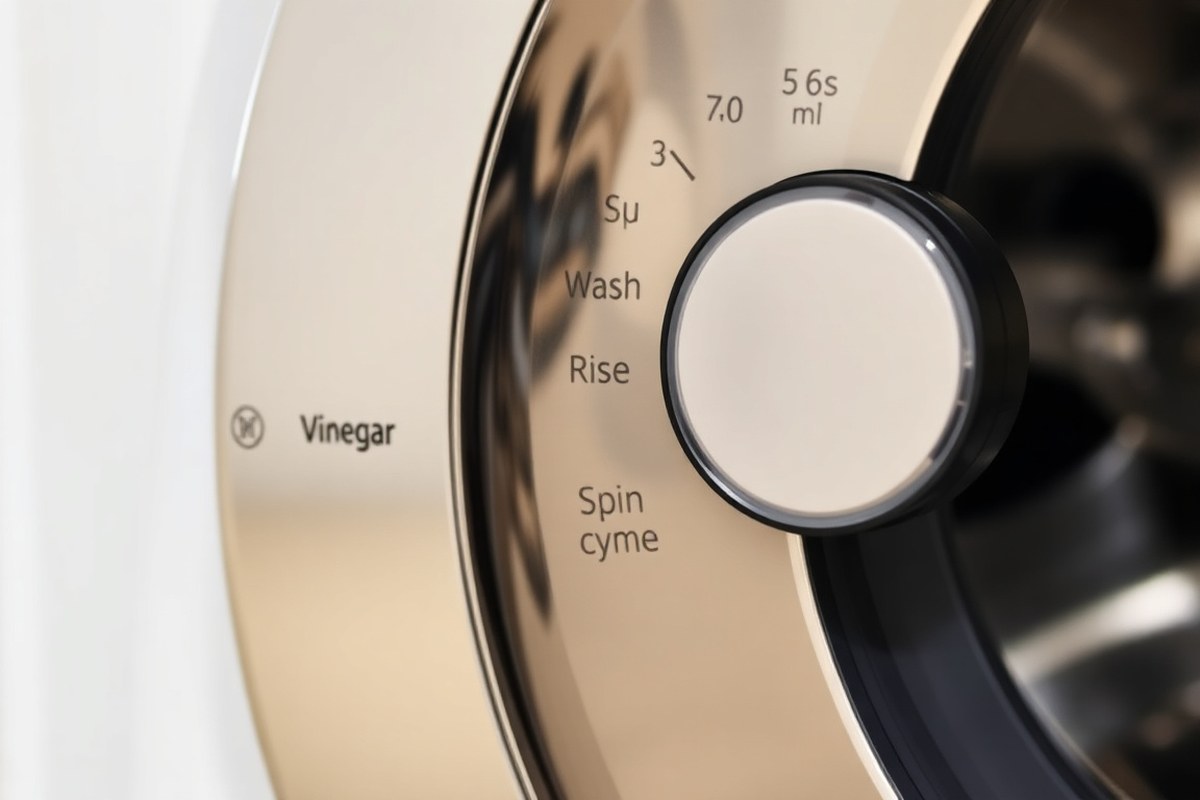
To get the most from vinegar in your laundry, add it during the rinse cycle rather than during the wash cycle. Adding vinegar during the rinse prevents it from interfering with detergent cleaning, allowing it to soften fabrics, reduce odors, and break down detergent residues effectively.
For high-efficiency front-loading washers, put 1/4 to 1/2 cup of white vinegar in the fabric softener dispenser so it releases during the last rinse cycle. In standard top-loaders, pour 1/2 to 1 cup of vinegar directly into the drum once the wash cycle finishes and the rinse begins.
Pouring vinegar directly into the wash cycle can reduce detergent effectiveness and leave fabrics less clean. Instead, depending on your machine type, target adding vinegar during or just before the final rinse stage.
| Washer Type | How Much Vinegar | When to Add | How to Add |
|---|---|---|---|
| High-Efficiency (HE) Front-Loader | 1/4 to 1/2 cup | During rinse cycle | Pour into fabric softener dispenser |
| Standard Top-Loading Washer | 1/2 to 1 cup | At beginning of rinse cycle | Pour directly into the drum |
| Standard Front-Loader (Non-HE) | 1/2 to 1 cup | During rinse cycle | Pour into fabric softener compartment or drum |
Adding vinegar during the rinse cycle helps it act as a fabric softener and odor eliminator without compromising your detergent’s cleaning power. Your laundry will feel softer and smell fresher, without any vinegar scent lingering. Avoid mixing vinegar with detergent by not pouring it in at the start of the wash.
Adding vinegar directly to the wash cycle can weaken detergent action and reduce cleaning effectiveness, so always add it during the rinse cycle instead.
Choosing the Right Vinegar Type and Concentration
For laundry, the safest and most effective vinegar to use is white distilled vinegar with a 5% acetic acid concentration. Apple cider vinegar can work but carries a risk of staining and leaves a stronger smell. Avoid using stronger vinegar concentrations without proper dilution, as they may damage fabrics and washing machine parts.
Why Use 5% White Distilled Vinegar
White distilled vinegar at 5% acidity is the easiest and most affordable choice for laundry. It effectively softens fabrics, neutralizes odors, and reduces static without harming clothes. Its clear color prevents any risk of staining. This vinegar is widely available at grocery stores and usually costs less than $3 per gallon. Using this standard concentration means you don’t have to worry about diluting or damaging fabrics or your washing machine.
Apple cider vinegar is acceptable as a backup, especially if you prefer its milder scent. However, because it has a brown tint, it can discolor light fabrics if used undiluted or in large amounts. For laundry purposes, white distilled vinegar produces consistent results without that risk.
Risks of Using Concentrated Vinegar
Vinegar stronger than 5%, such as 10%, 30%, or even 50% concentrations, is usually labeled as industrial or technical grade and is not ready for direct laundry use. These concentrated vinegars are acidic enough to weaken or damage fibers, cause fading, or corrode metal parts inside your washing machine.
Using concentrated vinegar without dilution can lead to fabric damage, unpleasant odors, and potential voiding of your washing machine warranty. It may also irritate skin or respiratory passages more strongly than diluted vinegar.
To avoid these problems, never pour concentrated vinegar directly into your washing machine. Always dilute it to the safe 5% range before use.
Dilution Method for 30% or Stronger Vinegar
When you have concentrated vinegar such as 30% or 50%, you need to dilute it with water to reach the safe 5% concentration used for laundry. The dilution ratio depends on the concentration of your vinegar.
For example, to dilute 30% vinegar down to 5%, mix one part vinegar with five parts water. This means if you want 1 cup of 5% vinegar for laundry, combine 2 tablespoons of 30% vinegar with 10 tablespoons (5/8 cup) of water. Here is a simple step-by-step process to prepare usable vinegar from a 30% concentrate:
- Measure the amount of vinegar concentrate needed (for example, 1 cup of 5% vinegar requires about 1/6 cup of 30% vinegar).
- Add the concentrate to a clean container suitable for liquids.
- Calculate the required volume of water. For 30% to 5% dilution, multiply the volume of concentrate by 5 (e.g., 1/6 cup vinegar × 5 = 5/6 cup water).
- Pour the calculated amount of water slowly into the container with the vinegar concentrate.
- Stir or gently shake the container to mix thoroughly.
- Label the diluted vinegar if you store it for future use.
- Use ½ cup of this diluted vinegar per laundry load the same way you would with regular 5% vinegar.
Always add diluted vinegar during the rinse cycle to avoid any fabric damage. For stronger concentrates like 50%, use a 1:9 ratio of vinegar to water. This careful dilution ensures your laundry benefits without exposing fabrics or your washing machine to excess acidity.
How Vinegar Works on Fabrics, Odors, and Stains
Vinegar serves as a natural fabric softener by reducing the stiffness caused by hard water minerals. Its slight acidity helps dissolve these mineral buildups, which can make fabrics feel rough. Using roughly ½ to 1 cup of distilled white vinegar in the rinse cycle allows it to soak into the fabric fibers and soften textiles without chemicals. This method is effective for cotton towels and regular clothes but may not be suitable for delicate materials like silk or wool since the acidity could alter their texture.
Vinegar neutralizes odors by penetrating deep into fabric fibers to target odor-causing bacteria and trapped oils. Its acetic acid content breaks down alkaline odor molecules, reducing or eliminating musty, sweat, or mildew smells. For mild odors, using ¼ cup of vinegar can be sufficient, while stronger odors may require up to 1 cup. Adding vinegar during the rinse cycle ensures it fully reaches the fabric surface and locks in freshness without leaving a vinegar smell behind. Warm water improve its deodorizing power, as heat helps the acid dissolve residues that trap odors.
Contrary to a common myth, vinegar does not set dyes or prevent color bleeding in finished clothing. It does not fix color but can help brighten dingy whites and restore vibrancy by removing residues that dull fabrics. Adding about ¼ cup of vinegar during the wash can give faded clothes a subtle boost in brightness without damaging colors. However, for delicate or brightly colored items, test on a small hidden area first to avoid any unexpected changes, especially if the garments are new or prone to bleeding.
When tackling stains, vinegar’s acidity can help break down certain types of marks, such as deodorant or sweat stains, by loosening buildup in the fibers. Vinegar works best as a pretreatment or when combined with warm water during the wash. While it aids in removing some stains, it isn’t a complete replacement for laundry detergents that contain enzymes and surfactants designed specifically for heavy or protein-based stains. Vinegar’s primary role is to neutralize odors, soften fabrics, and brighten colors rather than deep stain removal.
Safety and Precautions Using Vinegar in Laundry
Using vinegar in laundry requires care to protect your washing machine and fabrics. Avoid pouring undiluted vinegar directly into the machine, especially in high-efficiency washers. Manufacturers like Maytag and Whirlpool warn that vinegar’s acidity can damage rubber seals and other soft components over time. Always dilute vinegar with water in a 1:2 ratio to reduce its acidity before adding it to your dispenser or rinse cycle.
Not all fabrics handle vinegar well. While cotton, permanent press cotton, and polyester generally tolerate diluted vinegar, avoid using it on delicate fabrics like silk, acetate, rayon, and wool. Vinegar can weaken these fibers or cause discoloration. Also, steer clear of cleaning vinegars labeled with higher acid levels than the standard 5% food-grade vinegar. These stronger acids can bleach or damage clothing and machine parts.
To prevent your clothes from smelling like vinegar after washing, use vinegar sparingly and rinse them thoroughly. Exceeding recommended amounts often leaves a persistent vinegar odor, which usually needs extra rinse cycles to remove. Proper dilution and timing, adding vinegar during the final rinse, also help prevent lingering smells and fabric stiffness.
- Check your washing machine’s manual for any vinegar warnings before use.
- Use only household-strength (5%) white distilled vinegar, never cleaning vinegar.
- Limit vinegar to ¼ to ½ cup per load in the fabric softener dispenser for HE washers.
- Dilute vinegar with two parts water before adding it to the machine.
- Avoid vinegar on delicate fabrics such as silk, wool, rayon, and acetate.
- Pre-soak stained cotton or polyester clothes in 1 cup vinegar with warm water for 30 minutes before washing.
- Run an extra rinse cycle if you notice any vinegar odor on clothes.
Never mix vinegar directly with bleach or laundry detergent, as this can create harmful fumes or reactions.
Following these precautions helps you enjoy vinegar’s odor-removing and fabric-softening benefits without risking damage. Using vinegar moderately and as directed extends the life of your washing machine by preventing mineral build-up while keeping clothes fresh. Always prioritize manufacturer guidelines and test on inconspicuous fabric areas when trying vinegar on unfamiliar garments.
Pre-Soaking and Boosting Laundry with Vinegar
To pre-soak laundry for odor removal and stain treatment, prepare a vinegar solution with about 1 cup of vinegar per gallon of water and soak the clothes for 30 minutes to 1 hour. This method helps break down residues and odors before washing. Use diluted 5% vinegar for most fabrics, adjusting soak time depending on fabric type and stain severity.
Preparing a Vinegar Soak Solution
Create a soak solution by mixing about 1 cup of 5% white vinegar with 1 gallon of cold water. This concentration is strong enough to address odors and residues without damaging most fabrics. Avoid using undiluted vinegar or higher concentrations like 50% or 75%, which are not recommended for laundry due to potential damage.
For convenience, you can prepare a batch in a large container or bucket to accommodate the size of your laundry load. If you only have stronger vinegar, dilute accordingly: for example, 2 2/3 cups of 30% vinegar plus enough water to make 1 gallon, yields roughly the same 5% acidity.
Recommended Soak Durations
Soak clothes for 30 minutes to 1 hour, allowing vinegar to effectively break down buildup and odors. For light odors or general freshness, 30 minutes is usually enough. For tougher smells, like musty towels or gym clothes, extend soaking to a full hour.
New jeans can benefit from a 1-hour soak in an equal parts water and vinegar solution to help preserve color. Avoid soaking longer than 1 hour to prevent weakening the fabric or causing unwanted fading.
Fabrics Ideal for Vinegar Soaking
Cotton, polyester blends, and denim respond well to vinegar pre-soaks since they tolerate the mild acidity and typically hold onto odors or residues. Towels and gym clothes also benefit by shedding mustiness.
Avoid soaking delicate fabrics like silk, wool, or spandex, which can be damaged by acid exposure. For these materials, adding vinegar directly to the rinse cycle is safer. Whites that have yellowed from detergent buildup can also improve with vinegar soaking, helping restore brightness. Follow these steps to use a vinegar pre-soak effectively:
- Measure 1 cup of 5% white vinegar and pour into a large container or bucket.
- Add 1 gallon of cold water and stir gently to mix.
- Place clothes fully submerged in the solution, avoiding overloading.
- Let clothes soak for 30 minutes to 1 hour depending on odor or stain severity.
- After soaking, transfer clothes to the washing machine and wash as usual.
- Do not exceed 1 cup vinegar per gallon to prevent inhibiting detergent action.
- Dry clothes according to fabric care labels after washing.
Cleaning and Maintaining Your Washing Machine with Vinegar
Using vinegar to clean your washing machine helps reduce mold build-up and keeps your appliance fresh, but overusing it can harm rubber parts like seals and hoses. To avoid damage, dilute vinegar appropriately and clean your machine about once a month. Regular, careful maintenance prevents odors and extends the machine’s lifespan.
Monthly Maintenance with Vinegar
Running a cleaning cycle once a month with white vinegar and hot water can break down mold spores and soap scum inside your machine. This deep clean removes residues that cause smells and buildup.
For a top load machine, use about four cups of distilled white vinegar. For front loaders, check your manual to find the correct compartment or add vinegar directly to the drum. Use hot water to activate the vinegar’s cleaning properties effectively.
- Choose distilled white vinegar, which is safe and effective for cleaning.
- Pour four cups of vinegar into the detergent compartment or directly into the drum if advised.
- Run a hot water cycle without any clothes or detergent.
- Let the cycle complete fully, ensuring the vinegar circulates through the system.
- Leave the door or lid open afterward to let the interior dry and prevent mold growth.
Cleaning Rubber Seals and Gaskets
Mold and mildew often accumulate on rubber door seals. Monthly wiping with a solution of half vinegar and half water stops this buildup effectively. Avoid soaking the seal to protect it from vinegar’s acidity.
Apply the diluted vinegar with a soft cloth, gently scrubbing the rubber and any folds where moisture collects. Dry the seal thoroughly afterward to avoid lingering damp spots that encourage mold.
Avoiding Damage with Proper Dilution
Excessive vinegar or frequent use may damage rubber hoses, gaskets, and metal components because of vinegar’s acidity. Limiting vinegar use to about once a month and diluting it prevents this damage.
For cleaning seals, dilute vinegar by mixing equal parts vinegar and water. For internal cleaning cycles, use undiluted vinegar but only in the recommended amount, about four cups, and avoid repeating cleaning cycles more often than monthly.
Avoid pouring vinegar directly onto clothing or machine parts unless specified in the manual, and never combine vinegar with bleach, which can produce harmful gases. Follow the machine manufacturer’s guidelines to maintain warranty coverage and protect your appliance.
Common Mistakes and Myths About Vinegar in Laundry
Vinegar is often mistaken for a detergent substitute, but it does not replace the cleaning power of laundry detergents. Vinegar’s main role is to act as a fabric softener, deodorizer, and a mild acid that can break down mineral deposits. Using vinegar alone may clean lightly soiled items but won’t remove oils, dirt, or grime effectively.
Another common error is mixing vinegar directly with detergent at the start of the wash cycle. This combination can neutralize the detergent, reducing its ability to clean your clothes. Instead, vinegar should be added during the rinse cycle to avoid interfering with the soap’s action.
Using more vinegar than recommended is another myth that leads to problems. Excess vinegar can leave an unpleasant smell, weaken fabric fibers over time, or potentially damage rubber seals in your machine. Stick to about 1/2 to 1 cup per load, depending on load size and vinegar concentration.
Some people worry that vinegar might fade colors, but plain white vinegar is safe for colorfast fabrics when used in the correct amounts. Avoid vinegar on delicate silks or special finishes, and always do a patch test first if unsure.
- Do not pour vinegar into the detergent dispenser; use the fabric softener compartment or add during the rinse cycle.
- Use 1/2 to 1 cup of white distilled vinegar per load to avoid damage or odors.
- Never mix vinegar and detergent directly together before washing starts.
- Use regular laundry detergent for cleaning; vinegar supports but does not replace it.
- Test new fabrics with vinegar on a small area to check for colorfastness.
Adding vinegar during the rinse cycle prevents interference with detergents and gives the best fabric care results.
Many detergents, especially natural ones, work well with vinegar, which can boost their effectiveness if you add the vinegar at the right time. Concentrated vinegar solutions are useful if you use vinegar frequently for laundry and other household tasks, but always measure carefully. Overusing vinegar can increase wear on fabrics and machine parts.
Step-by-Step Action Plan for Using Vinegar in Laundry
Follow these simple steps to add the right amount of vinegar during your laundry routine and get the best results for your fabrics and washing machine.
- Before you start: Measure 1 cup of white distilled vinegar per regular load as a general rule.
- During the rinse cycle: Add the vinegar at the start of the rinse cycle or use your washer’s fabric softener dispenser to release it at the correct time. You’ll notice your clothes feel softer without residue.
- For tougher odors or stains: Pre-soak items in a solution with 1 cup vinegar and enough water to cover for 30 minutes before washing. The odor should noticeably fade afterward.
- Once a month: Run an empty cycle with 2 cups of vinegar to help clean and deodorize your washing machine. This helps maintain efficiency and freshness.
- When switching to scented detergents: Continue using vinegar in the rinse cycle as usual to neutralize lingering odors and soften fabric.
- Avoid mixing vinegar with bleach: Use vinegar only on its own or with detergent, never combined with bleach, to prevent harmful fumes.
- Adjust for load size: For smaller loads, reduce vinegar amount to ½ cup; for larger or heavily soiled loads, up to 1½ cups may be helpful.
Frequently Asked Questions
How Much Vinegar Do You Put in the Laundry?
Use 1/2 to 1 cup of 5% white vinegar per load. This amount helps reduce odors and soften fabrics without damaging your clothes or washer.
Can I Mix Vinegar with Laundry Detergent?
It’s best to add vinegar during the rinse cycle, not mixed directly with detergent, to avoid reducing detergent effectiveness.
Is It Safe to Use Vinegar in a High-Efficiency Washer?
Check your washer’s manual, since some manufacturers advise against vinegar use. Use only household-strength (5%) vinegar if allowed.
Can Vinegar Remove Detergent Residue from Clothes?
Yes, adding 1/2 cup of vinegar in the rinse cycle helps break down detergent residues and leaves fabrics soft.
Will Vinegar Prevent Colors from Fading in Laundry?
Pour 1/2 cup of white vinegar during the wash to help protect colors from fading over time.
How Often Should I Use Vinegar in My Laundry?
Add vinegar with every load or monthly as a machine cleaner by running an empty load with 1 cup vinegar.
Final Thoughts
Using about 1 cup of white distilled vinegar per wash cycle in the rinse phase effectively softens fabric, reduces odors, and helps maintain your washing machine. Adding it as directed ensures safety and optimal results without damage to clothes or appliances. Start with this amount and timing today to improve your laundry routine easy.