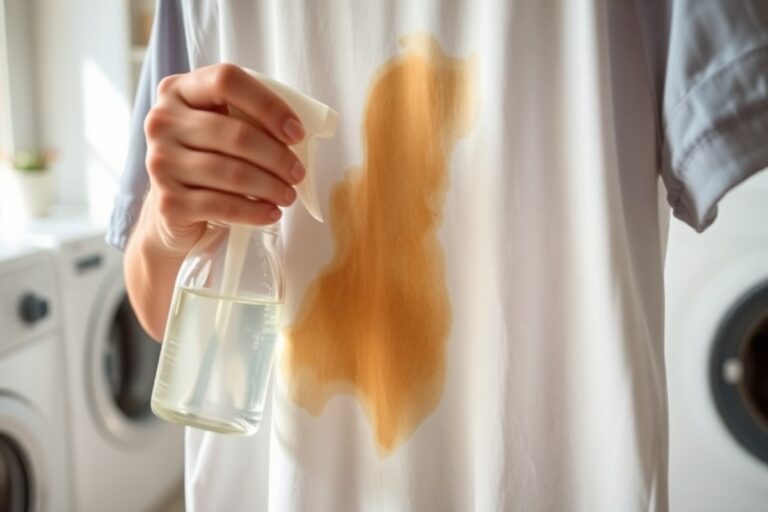
How to Launder Silk Safely: Expert Steps for Lasting Softness
How to launder silk safely starts with gentle hand washing in cold water using a specialized silk detergent or selecting a delicate machine cycle with low temperature and speed if the label permits. Avoid soaking silk for more than 5 minutes, and always use a mesh laundry bag for machine washing to protect the fabric. Dry silk quickly in the shade within about 45 minutes to preserve its softness and shape. Proper laundering helps maintain the beauty and longevity of silk garments and bedding.
This advice is ideal for owners of 100% silk clothing and bedding who want to extend the life of their luxury items. You’ll learn simple, expert steps for cleaning silk at home without damage, including stain removal, drying, ironing, and knowing when professional cleaning is preferable.
Key Takeaways
- Hand wash silk in cold water (about 20 °C) with a detergent made specifically for silk or delicate fabrics.
- If using a machine, choose a silk or delicate cycle at 30 °C, place the silk in a mesh laundry bag, and set spin speed to 400 rpm or lower.
- Soak silk for only 3 to 5 minutes; avoid rubbing or soaking longer to prevent damage and color loss.
- To remove stains, soak silk in a water-vinegar solution for 10 minutes carefully, understanding some dyes may react negatively.
- Dry silk in the shade, unfolding and turning occasionally, aiming to finish drying within about 45 minutes to keep the texture intact.
- Iron silk on the “silk” or “synthetic” setting (around 110 °C) using a single-dot temperature and press on the reverse side.
How to Safely Wash Silk at Home by Hand or Machine

You can wash silk at home using either hand or machine methods safely by following correct temperature settings, gentle handling, and using appropriate detergents. Hand washing is the safest option for all silk types, while machine washing can be done cautiously for moderately durable silks like Crepe de Chine and Taffeta. Keep water temperature between 20 and 30 °C and avoid long soaking to protect the fabric’s integrity.
Hand Washing Silk Step-by-Step
Hand washing silk allows you to treat the fabric gently and control every phase of the wash. It’s ideal for delicate silks such as Charmeuse, Chiffon, and embroidered items that could snag in a machine. Prepare a large basin or sink with cool water and a detergent formulated for silk or a mild soap, avoiding agitation and rubbing to prevent damage.
- Fill a basin or sink with cool water around 20 °C and add a small amount of silk-specific or gentle detergent.
- Submerge the silk item fully and gently agitate it by hand for no more than 3 minutes without wringing or scrubbing.
- Let the silk soak for 5 to 10 minutes; avoid exceeding this soaking time to prevent weakening fibers.
- Drain the soapy water, then refill with fresh cool water to rinse the fabric by gently moving it without twisting.
- Repeat rinsing until no detergent residue remains, which usually takes 2 to 3 rinses.
- Press the fabric lightly against the basin edge to remove excess water without wringing or twisting.
- Place the silk on a dry towel and roll it carefully to soak up the water, then lay it flat and allow it to dry naturally, keeping it out of direct sunlight and away from heat sources.
Machine Washing Silk Safely
Machine washing silk can be safe if you follow strict precautions. Use the silk or delicate cycle on your machine with cold water and a low spin speed. Protect the silk by placing it inside a mesh laundry bag or pillowcase to prevent snagging or stretching. Wash silk items separately from heavier clothes, like jeans or towels, which could cause damage.
- Sort silk items by themselves, especially if they contain embroidery, zippers, or delicate trims.
- Place each item inside a mesh laundry bag or a clean pillowcase to minimize friction and tangling.
- Choose the delicate or silk cycle on your washing machine and set the water temperature to no higher than 30 °C, ideally 20 °C.
- Add a mild detergent suited for silk, using only the recommended amount.
- Start the wash cycle with a gentle spin to avoid stressing the fibers.
- After washing, promptly remove silk items from the machine to prevent wrinkles and drying distortions.
- Proceed with air drying in a shaded, well-ventilated area away from direct heat.
Choosing Water Temperature and Soaking Time
Water temperature and soaking time affect silk’s texture and longevity. Cool or lukewarm water between 20 and 30 °C reduces the risk of shrinking or damaging fibers. For hand washing, soaking more than 10 minutes can weaken silk, while machine washing cycles keep soaking short but steady at these temperatures.
Use 20 °C water for highly delicate silk like Charmeuse, Chiffon, and Organza, avoiding machine washing if possible. Crepe de Chine and Taffeta can tolerate up to 30 °C and gentle machine cycles. Keep soaking times brief, about 5 to 10 minutes for hand washing, to maintain the silk’s shine and strength.
Choosing the Best Detergents and Cleaning Products for Silk

Choosing the right detergent or cleaning product for silk protects its delicate protein fibers and preserves its natural softness. Avoid detergents with protease enzymes or harsh chemicals since they can break down silk proteins. The safest detergents are neutral-pH, enzyme-free options made specifically for silk or fine fabrics.
Instead of detergents specifically meant for silk, you can use pH-neutral shampoo or baby shampoo, which are mild and free from harsh chemicals that may upset sensitive skin. To tackle stains, natural products such as lemon juice or white vinegar can be used, but they should be diluted correctly and applied sparingly. For small stains or deodorant spots, combine 2 cups of warm water with 2 tablespoons of lemon juice or white vinegar. Always test this solution on a concealed part of the fabric to ensure the colour does not fade.
| Detergent or Cleaning Product | Suitability for Silk | Usage Tips |
|---|---|---|
| Neutral-pH, enzyme-free silk detergent | Recommended | Use according to label, typically dilute in cold or lukewarm water |
| PH-neutral or baby shampoo | Safe alternative | Dilute gently in water; hand wash silk without soaking over 5 minutes |
| Lemon juice or white vinegar (natural stain removal) | Cautiously safe | Mix 2 tbsp in 2 cups lukewarm water; spot treat or soak max 10 min |
| Enzyme detergents or bleach | Not safe | Avoid to prevent fiber damage and color loss |
| Harsh chemical detergents | Not safe | Do not use on silk |
Always dilute detergents and natural cleaning agents before applying them to silk. Do not soak silk for longer than a few minutes to limit shrinking, which can reach 5-10%. Use cold or at most lukewarm water (around 30°C) to avoid heat damage. After spot-treating stains with lemon juice or vinegar, rinse thoroughly before normal washing. Washing silk items separately in fine mesh bags can prevent snags and damage when machine washing.
Before applying any cleaner, test on a hidden area to check for colorfastness and fabric reaction.
How to Remove Different Types of Stains from Silk Without Damage
Removing stains from silk requires care to avoid damaging its delicate fibers. Recognizing the type of stain and using gentle, tested methods helps maintain silk’s softness and color. Avoid harsh chemicals and aggressive scrubbing to protect your silk garment’s texture and appearance.
Identifying Common Stains on Silk
Perspiration stains on silk often appear as yellowish marks, typically around underarm areas or necklines. These stains can weaken the fabric if left untreated. Oil-based stains, such as makeup or food grease, tend to leave darker, slightly shiny spots on the fabric. Water-based stains like coffee or wine usually penetrate the silk fibers quickly and may cause discoloration or dullness if not addressed promptly.
Not all stains behave the same on silk. Perspiration acidity can cause yellowing over time, while oily stains resist water and require different treatment. Detect the stain type by assessing its color, location, and feel, oily stains feel slick, while water stains feel dry but discoloured.
Safe Homemade Solutions for Stain Removal
Homemade stain removers can be effective and gentle when used correctly. White vinegar diluted in water is a reliable solution that adjusts the rinse water pH to silk’s optimal range of 5-6, helping prevent damage and yellowing. A simple ratio is one part white vinegar to three parts water. Lemon juice is too acidic for direct use on silk and could cause discoloration, so it’s best avoided as a stain remover.
For oil or makeup stains, mild liquid detergent specially formulated for silk combined with cold water works well. Avoid using chlorine bleach or strong alkaline cleaners, as they can yellow or weaken silk fibers. These homemade solutions cost just a few cents per treatment and avoid harsh chemicals commonly found in commercial stain removers.
Spot Testing and Treating Stains Safely
Perform a spot test on a hidden seam or interior hem before applying any solution to the visible stain. Use a cotton swab dipped in your diluted stain remover and gently dab the test area. Wait five minutes and check for any discoloration or fabric damage. This extra precaution minimizes the risk of ruining the garment.
Once the spot test shows no damage, treat the stain with care. Avoid rubbing, scrubbing, or twisting the fabric, as this can distort silk’s fine threads. Blot rather than soak the stain, and never wring out the silk. Rinse cold and gently press the water out by rolling the silk in a clean white towel.
- Identify the stain type and locate a hidden spot for testing
- Prepare a stain remover solution: mix 1 part white vinegar with 3 parts water for perspiration and water stains, or dilute 1 teaspoon silk-safe detergent in 1 cup cold water for oily stains
- Dip a cotton swab or clean cloth in the solution and gently apply it to the test spot
- Wait 5 minutes, then check for any discoloration or weakening
- Apply the solution carefully to the stained area, dabbing gently without rubbing to avoid damage.
- Rinse the treated area with cold water to remove the cleaning solution
- Place the silk fabric onto a clean white towel and gently roll it to soak up moisture, making sure not to wring or twist the material.
- Allow to air dry flat on a clean surface away from direct sunlight
For stubborn or greasy stains that don’t respond to gentle treatments, consult a professional dry cleaner specializing in silk. Attempting stronger home remedies can permanently damage the fabric or cause water marks. Taking these steps helps you maintain your silk items looking fresh without risking harm.
How to Dry Silk to Preserve Texture and Shape
Drying silk carefully after washing is key to maintaining its texture, shape, and sheen. Silk shrinks and distorts easily under high heat or when stretched for too long. Avoid tumble drying, as the heat can cause irreversible shrinking and damage the delicate fibers. Instead, air drying in a cool, shaded area works best. Direct sunlight or heat sources will fade colors and weaken the silk.
Towel drying helps remove excess moisture gently without wringing or twisting, which can distort the fabric. Hanging silk loosely for short periods is okay, but avoid long hangs that put pressure on seams and cause stretching. Typically, silk takes about 45 minutes to dry completely depending on the room temperature and humidity. Proper drying ensures your silk items stay soft, maintain their shape, and keep their luxurious feel. Follow these steps to dry your silk items correctly:
- Remove excess water gently. After washing, lift the silk garment or fabric without wringing. Lay it flat on a clean, dry towel.
- Roll in a towel. Roll the towel with the silk inside to blot moisture. Press lightly, do not twist, to transfer water to the towel.
- Unroll and reshape. Lay the silk item flat on a fresh, dry towel or drying rack in its original shape. Smooth out wrinkles and folds carefully.
- Air dry in shade. Place the silk away from direct sunlight and heat sources like radiators or vents to protect the fibers and prevent fading.
- Limit hanging time. If hanging is necessary, use padded hangers and avoid keeping the silk hung for more than a few hours to prevent seam strain.
- Monitor drying. Check the fabric’s dryness after about 45 minutes. Thicker items may take longer; avoid handling until fully dry to prevent distortion.
- Store only when dry. Ensure silk is completely dry before putting it away to prevent mildew and fabric damage.
Never put silk items in a clothes dryer. The heat causes shrinking and damages the protein fibers that make silk soft and strong. Proper air drying keeps silk’s shape intact and preserves the natural sheen you want from your silk nightgowns or bedding. Silk is delicate, but with careful drying, you keep its beauty and longevity intact.
Ironing and Steaming Silk Without Damage
You can safely remove wrinkles from silk by using a low-temperature iron or a garment steamer designed for delicate fabrics. Always use the lowest heat setting labeled “silk” or “delicate” and avoid direct contact with high heat or steam that can cause water spots or burns. Employing a pressing cloth or holding the steamer about six inches away helps protect the fabric’s texture and color.
Best Iron Settings for Silk
Use the iron’s lowest heat setting, often marked as “silk” or “delicate,” which usually corresponds to around 110 °C (230 °F). Avoid using steam directly from the iron because it can leave water spots on silk fabrics. Instead, iron when the fabric is slightly damp to help ease wrinkles without applying extra moisture from steam.
Many irons have a dedicated silk setting that controls temperature and prevents overheating. Turning the silk item inside out before ironing further protects the surface from shiny marks caused by direct heat.
- Set the iron to the silk or delicate setting (around 110 °C or 230 °F).
- Turn your silk garment inside out before ironing.
- Place a clean, white pressing cloth or thin cotton cloth over the silk.
- Gently press the iron on the cloth without applying heavy pressure or sliding the iron.
- Lift and press again over the next section until wrinkles are gone.
Never use a high heat setting or steam function directly on silk to avoid scorch marks or water stains.
Using a Garment Steamer Safely
Garment steamers are effective for relaxing silk wrinkles without touching the fabric directly. Hold the steamer about 6 inches from the silk surface, letting the steam gently penetrate without soaking the fabric. Hanging the silk item vertically enables the steam to evenly distribute and smooth out wrinkles.
Use distilled water in the steamer to prevent mineral deposits, which can dull silk’s shine or leave stains. Avoid using an iron’s steam function; dedicated garment steamers designed for delicate fabrics provide safer, more even steam.
- Fill your handheld garment steamer with distilled water.
- Hang your silk garment or pillowcase on a hanger to keep it taut.
- Turn on the steamer and allow it to heat fully.
- Hold the steamer nozzle about 6 inches away from the silk fabric.
- Move the steamer slowly over wrinkled areas, avoiding direct contact.
- Allow the fabric to dry naturally before wearing or storing.
Steaming silk from a safe distance prevents water spots and fabric damage caused by direct steam or heat.
Preventing Damage While Ironing
Placing a pressing cloth between the iron and your silk is important to prevent glossiness, burns, or color changes on the delicate fibers. A white piece of cotton or muslin works well without transferring color. Also, ironing inside out shields the visible surface, reducing the risk of scorching or unwanted shine.
Keep the iron clean, since residue from mineral deposits or starch can transfer to your silk and cause dulling or stains. If no pressing cloth is available, avoid using steam and iron only while the silk is slightly damp, applying gentle pressure.
- Clean the iron soleplate to remove any residues.
- Turn the silk inside out before ironing.
- Place a clean white pressing cloth over the fabric.
- Use the lowest temperature without steam on the iron.
- Press gently without sliding the iron back and forth.
- Check fabric frequently for any signs of overheating.
Always iron clean silk and avoid applying high pressure or direct steam to prevent lasting fabric damage.
When to Choose Professional Cleaning over Home Washing
Choose professional dry cleaning for silk items marked “Dry Clean Only” on their care labels. These labels are a clear indication from the manufacturer that home washing may harm the fabric or its finish. Silk fabrics like chiffon and georgette also lean toward professional cleaning because they shrink easily and lose their texture with improper washing. If the garment has heavy tailoring, interfacing, or saturated dyes, it’s safer to avoid home laundering.
Handling silk with serious or set-in stains such as red wine, blood, makeup, or dye transfer usually requires a professional cleaner’s attention. Attempts at home stain removal can alter the fabric or complicate professional treatment. Always inform your dry cleaner about any home stain removal attempts so they can adjust their cleaning method accordingly. Use this decision checklist before you decide to wash silk at home:
- The care label says “Dry Clean Only.”
- The silk fabric is chiffon, georgette, or heavily tailored.
- The garment has dense or saturated dyes prone to bleeding.
- There are set-in or serious stains on the fabric.
- You notice color transferring when testing for colorfastness.
- The silk item has embellishments like beads or sequins.
Cost for professional dry cleaning of silk ranges from $10 to $30 per item depending on size and fabric complexity. This investment helps protect your silk’s luster and shape. Improper home washing risks shrinkage, fading, or distortion, which may mean replacing the garment altogether.
To find a good dry cleaner for silk, look for those who specialize in delicate or luxury fabrics. Read reviews or ask for recommendations from trusted sources. Tell the cleaner upfront the item is silk and disclose any prior treatment like stain removal attempts. Upon pickup, avoid storing cleaned silk in plastic bags since trapped moisture can damage the fabric; opt for breathable cotton bags or hang it in a well-ventilated area instead.
How to Test Silk for Colorfastness and Fabric Integrity
Before washing silk at home, it’s important to check that the fabric won’t bleed color or get damaged during laundering. Testing colorfastness ensures the dyes in your silk won’t run, while examining fabric integrity helps you spot any weak spots prone to shrinking or losing texture. Both steps protect your garment from unwanted color transfer and preserve its delicate fibers.
To perform a colorfastness test and evaluate fabric quality, use materials you already have at home: a small bowl of cool water, a white cloth or cotton swab, good lighting, and a magnifying glass if available. The goal is to detect any dye release and check the silk’s surface for signs of wear that could worsen in water.
- Choose an inconspicuous area such as the inside seam, underarm, or hem. These spots won’t be visible if slight color comes off during the test.
- Dampen a white cloth or cotton swab with cool water. Hot water can affect silk’s texture, so avoid it during testing.
- Press the damp cloth gently onto the silk’s test spot for 30 seconds without rubbing. This simulates the moisture exposure of washing.
- Observe any colour transfer to the white cloth. If the cloth shows even a small amount of dye, the silk is not colorfast and should not be washed at home to avoid bleeding.
- Inspect the fabric visually under good light for thinning spots, fuzziness, or snags. Use a magnifying glass if possible to see small fiber damage.
- Feel the silk texture by gently running your fingers over the test area. Roughness, stiffness, or excessive thinning signals potential shrinkage or loss of smoothness after washing.
- Check for manufacturer’s care labels as they often note “dry clean only” or water temperature restrictions. Follow these instructions especially if the testing raises concerns.
For freshly dyed or vibrant silk garments, this testing step can prevent costly mistakes. Silks that fail the colorfastness test may bleed when exposed to water or detergent, leading to stain transfer on other clothes or your washing setup. Weak or rough-looking fibers could shrink or lose their sheen in water, changing the garment’s appearance permanently.
To limit color bleeding even when the test is passed, use cold water and silk-specific detergents formulated without bleach or enzymes. Avoid soaking silk for long periods and do not agitate vigorously. Testing lets you spot sensitive pieces requiring these extra precautions.
Best Practices to Store and Care for Silk After Washing
Proper storage is essential to keep silk fabrics soft, wrinkle-free, and damage-resistant after washing. Silk should be stored in a cool, dark, and well-ventilated area away from direct sunlight to prevent fading and yellowing. Avoid plastic bags or airtight containers because silk needs to breathe; instead, use breathable cotton storage bags or pillowcases.
To prevent wrinkles, avoid overcrowding your storage space. Fold silk items loosely with acid-free tissue paper between folds to reduce creases and friction. Hanging silk garments on padded hangers is an option, provided they are fully dry and protected from rough surfaces that can cause snags.
Maintaining hygiene in silk bedding and garments does not require frequent washing. Washing silk sheets or pillowcases every one to two weeks is usually sufficient unless there are spills or stains. Gentle airing between uses helps maintain freshness and extends the time between washes. For daily care, remove silk pillowcases after use and air them out on a flat surface or a clean hanger for a few hours.
Rotating your silk bedding and garments regularly promotes even wear and preserves fabric integrity. Use at least two sets of silk sheets or pillowcases and alternate their use weekly. This reduces strain on any one set and helps maintain softness and appearance longer.
- Store silk in a cool, dark, well-ventilated place away from sunlight
- Use breathable cotton bags or pillowcases for storage, not plastic
- Fold loosely with acid-free tissue paper to prevent wrinkles and creases
- Hang dry silk garments on padded hangers to avoid snagging
- Wash silk bedding every 1, 2 weeks or as needed for hygiene
- Air silk pillowcases and sheets between uses to keep them fresh
- Rotate multiple silk bedding sets weekly to distribute wear evenly
Always ensure silk items are completely dry before storing to prevent mildew and yellowing over time.
Preventing yellowing involves avoiding exposure to moisture, heat, and direct sunlight. Store silk away from fluorescent lights and heat sources like radiators. Regularly check stored silk every few months by unwrapping and airing out to avoid musty odors and spotting early signs of yellowing or damage. Gentle handling and mindful rotation help your silk bedding and garments remain silky, smooth, and beautiful for years.
Step-by-Step Action Plan for Safe Silk Care at Home
Follow these steps to keep your silk garments and bedding looking their best through careful washing and handling.
- Before Washing: Test a hidden area of your silk for colorfastness by dabbing a damp white cloth; no color transfer means it’s safe to wash.
- Hand Washing: Use cool or lukewarm water with a small amount of mild detergent designed for silk; gently agitate and rinse thoroughly until water runs clear to avoid residue.
- Machine Washing (if necessary): Place silk items in a mesh laundry bag, select the delicate cycle with cold water, and use silk-safe detergent; check items immediately after the cycle to prevent wrinkles.
- Stain Treatment: Apply a gentle stain remover suitable for silk directly to the area within a few minutes of spotting, testing first for damage; blot, don’t rub, to lift stains.
- Drying: Place damp silk flat on a clean towel in a shaded area away from heat to preserve its form and feel; avoid twisting or wringing the fabric.
- Ironing or Steaming: Use the lowest heat setting on your iron with silk fabric turned inside out or use a steamer held a few inches away; avoid water droplets which may leave stains.
- Storage: Store silk in a cool, dry place, ideally wrapped in acid-free tissue or breathable cotton bags to prevent snagging and yellowing.
- Professional Cleaning: Choose a trusted dry cleaner for heavily stained or delicate silk items that risk damage from home washing following the care label instructions.
Frequently Asked Questions
Can You Wash 100% Silk in the Washer?
Yes, many 100% silk items can be washed in the machine on a delicate cycle at 20-30 °C, but hand washing is safer for fragile silks. Use a gentle detergent and avoid agitation to prevent damage.
Can I Use Dawn to Wash Silk?
Dawn dish soap is not recommended for silk because it can be too harsh and strip natural oils, risking fabric damage. Use a detergent specifically made for silks or delicate fibers instead.
Why Does My Silk Feel Rough After Washing?
Silk feels rough if it’s washed with harsh detergents or at the wrong temperature, which can strip its natural proteins. Use cold water and mild silk-specific detergent to keep it smooth.
What Happens If You Wash Silk That Says Dry Clean Only?
Washing dry clean only silk at home can cause shrinking, fading, or loss of texture. If you choose to wash, do it by hand with extreme care and test for colorfastness first.
Can I Use Bleach to Clean Silk?
Bleach can seriously damage silk fibers and should never be used to clean silk items. Always opt for gentle, silk-safe detergents instead.
Is It Safe to Tumble Dry Silk?
No, tumble drying silk can cause shrinkage and damage. Lay silk flat or hang it to air dry away from direct sunlight.
Key Points to Remember
Proper silk care requires gentle handling and attention to detail, but you can successfully maintain your silk’s luxurious look at home by following tested methods. Start by identifying the safest washing method for each item and treating stains promptly with the right approach. Taking these steps helps preserve your silk’s softness and sheen, making it last through many uses.