How to Dry Towels Fast and Soft: 8 Proven Methods That Work
Drying towels quickly and keeping them soft requires the right combination of heat, airflow, and proper techniques tailored to towel type. Using a high-speed spin cycle before drying and setting your dryer between 130°F and 150°F helps speed drying while protecting fibers. This approach suits homeowners or renters seeking fast, efficient drying without sacrificing towel quality.
You’ll find straightforward ways to dry towels fast using dryers, air drying, or towel warmers, plus tips on towel care to maintain softness. Practical advice covers avoiding mold indoors and spotting when towels are completely dry, so your towels stay fresh and last longer.
Key Takeaways
- Use a high-speed spin cycle to remove up to 80% of moisture before drying towels.
- Set your dryer to 130°F, 150°F for efficient drying without damaging cotton fibers.
- Dry thin towels in strong airflow or sun for 1 to 3 hours to save energy.
- Standard bath towels take 3 to 6 hours to air dry but less than an hour in a dryer.
- Towel warmers reach optimal heat in 15 minutes and dry towels fully in about 4 hours.
- Let towels air dry first, then tumble dry them for 5 to 10 minutes to help bring back softness when necessary.
1. How to Dry Towels Quickly and Effectively

Drying towels quickly and effectively depends mostly on your preparation and the drying method you choose. Machine drying is the fastest way to get towels fully dry, often taking 30 to 45 minutes when using the right settings. Air drying is energy-efficient but slower, requiring more time and optimal airflow to speed up the process. Proper prep and maximizing airflow reduce drying time considerably.
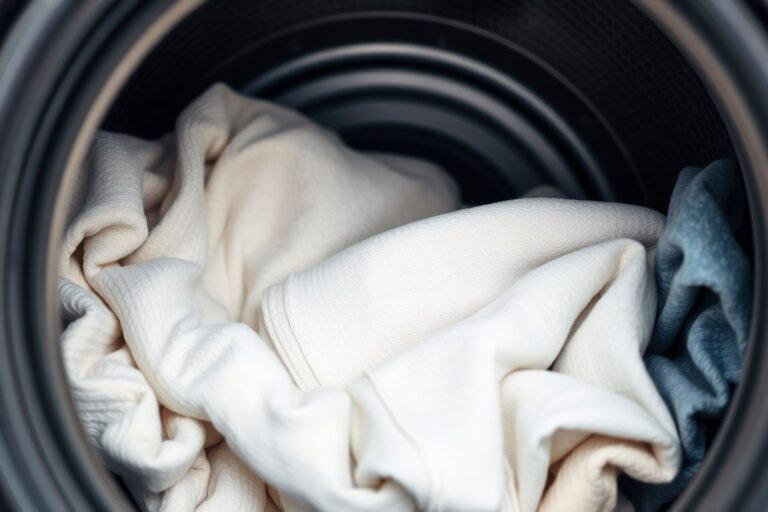
Start by removing as much water as possible from the towels. Using a high-speed spin cycle in your washing machine will extract more moisture, cutting down drying time. After washing, take towels out one by one and give them a good shake. This helps loosen the fibers and stops them from tangling, which improves air circulation during drying. Using a dryer, add dryer balls to lift and separate towels, helping heat circulate evenly.
For air drying, hang towels spread out to maximize airflow on each side. Outdoors in sunlight will speed drying and help reduce smells. Inside, use a drying rack in a well-ventilated room, ideally with a fan directed at the towels. Avoid crowding to prevent trapped moisture and uneven drying. You need faster drying in winter, so try a towel warmer or a space heater with careful monitoring to prevent fabric damage.
- Run towels on the highest spin cycle available in your washing machine to remove the most water.
- Remove towels individually from the washer to prevent tangling, then shake each towel vigorously.
- Using a dryer, arrange towels in the drum with dryer balls to improve air and heat circulation.
- Set the dryer to a high heat level suitable for towels and dry for 30 to 45 minutes depending on thickness.
- For air drying, hang towels fully unfolded on a clothesline or drying rack in a sunny, well-ventilated spot.
- Inside air drying works best with a fan or open windows to provide constant airflow and help moisture evaporate.
- Remove towels promptly once dry to avoid musty smells, whether from dryer or air drying.
2. Best Dryer Settings and Practices for Towels

Use a medium heat setting between 130°F and 150°F (55°C to 65°C) to dry towels without risking damage. Limit the dryer load to about two-thirds full, allowing towels room to tumble freely for even drying. Select a cycle with moisture sensors or set a duration of 40 to 50 minutes, checking towels early to avoid overdrying and maintain softness.
Optimal Temperature Range for Drying Towels
The ideal dryer temperature for towels is between 130°F and 150°F (55°C to 65°C). Temperatures in this range dry towels effectively while preserving the fabric’s softness and preventing excess wear. Lower temperatures may require longer drying times and can leave towels damp, increasing the risk of musty smells.
Heavily soaked or thick bath towels may need temperatures closer to 150°F to ensure thorough drying. Avoid temperatures above this range, which can damage the cotton fibers and reduce towel lifespan. Medium heat balances efficiency and fabric care, maintaining your towels’ plush feel over time.
Recommended Dryer Cycles and Duration
Select drying cycles designed for cotton or “towels” when available, as these use appropriate heat levels and tumbling speeds. Sensor dry cycles work well by stopping the dryer as soon as towels reach the right dryness, preventing overdrying. Typical tumble dryer cycles for towels last between 40 and 50 minutes depending on dryer type and load size.
Keep loads to about two-thirds of your dryer’s capacity when drying towels. Overloading reduces airflow, causing uneven drying and longer cycles. If you’re drying a small number of towels, shorten the cycle or use a low heat setting to avoid overdrying and stiffening.
| Dryer Setting | Benefits for Towels | Possible Downsides |
|---|---|---|
| Medium Heat (130°F, 150°F) | Effective drying; maintains towel softness | May take longer than high heat |
| High Heat | Faster drying for very wet towels | Risk of fabric damage and stiff towels |
| Low Heat or Air Fluff | Gentle on fabric; reduces shrinkage | Longer drying time; possible dampness |
| Sensor Dry | Stops at optimal dryness; avoids overdrying | May run longer if sensor inaccurate |
| Timed Dry (40, 50 minutes) | Consistent drying duration | Risk of overdrying if timing too long |
Adding dryer balls can improve airflow by separating towels and helping fluff them during drying. This also helps reduce static and shortens drying time.
Avoiding Common Dryer Mistakes
Overloading your dryer is a frequent error that prolongs drying time and causes some towels to stay damp. Stick to filling the dryer no more than two-thirds full to keep towels tumbling freely. Overdrying towels leads to brittle fibers and reduced softness; regularly check towels near the end of the cycle.
Use lower heat when drying softer fabrics like bamboo blends or smaller, thinner towels to prevent shrinking or damage. Stop the dryer as soon as towels feel dry, especially if using timed cycles without moisture sensors.
Tip: Stop drying towels immediately after they feel fully dry to avoid wear and maintain plushness.
3. How to Soften Towels Without a Dryer
Softening towels without a dryer is possible by using natural air drying combined with simple care tricks. You can keep towels soft by shaking them before hanging, using white vinegar as a rinse, and fluffing their fibers once dry. These methods avoid heat damage and reduce stiffness that often comes from air drying alone.
Air Drying Strategies for Soft Towels
Air drying towels takes longer than using a dryer, but careful handling helps maintain softness. After washing, shake each towel vigorously to loosen the fibers. This step prevents the flat, stiff texture common to towels left to dry without movement.
Hang towels spread out on a clothesline or drying rack, ensuring good airflow on both sides. Avoid folding towels over a single line, which traps moisture and slows drying. If weather allows, dry white or light-colored towels outside to take advantage of natural UV rays that help keep them bright.
- Shake towels well before hanging to fluff fibers
- Hang towels with space between them for air circulation
- Use a drying rack or line that allows towels to hang fully extended
- Turn towels halfway through drying to evenly expose both sides
- Choose a sunny, breezy spot if drying outdoors
- Avoid damp or crowded indoor spaces to reduce mildew risk
Applying these techniques can reduce drying time and keep towels feeling softer once dry, even without using heat.
Using White Vinegar to Maintain Softness
White vinegar works as a natural softener by breaking down detergent residues and removing minerals that stiffen towels. Add half a cup of white vinegar during the rinse cycle of your wash, instead of fabric softener. Vinegar does not leave a scent once towels are dry, but it helps restore absorbency and softness.
For towels washed by hand or if you don’t have a separate rinse cycle, soak them for 10 to 15 minutes in a mixture of 1 cup white vinegar and 1 gallon of water after washing. Rinse thoroughly in cool water before air drying.
Regular use of vinegar every few washes can prevent buildup and maintain softness consistently. Avoid combining vinegar with bleach or fabric softeners at the same time, as this can reduce effectiveness or cause unwanted reactions.
Fluffing and Refreshing Towels After Drying
Towels that air dry often feel stiff because the fibers lock together as they dry flat. Fluffing towels after drying can revive their softness. Gently shake or snap the towel by holding it at two ends and giving it a few quick shakes before folding.
Using your hands or a soft brush, lightly rub areas where the towel feels rigid to loosen fibers further. For added fluff, hang towels in a warm, dry room for 30 minutes after drying to relax the fibers naturally. Consider using wool dryer balls or clean tennis balls when drying towels in a dryer on low heat if you have access to one later; they keep towels separated and improve air circulation, improving fluffiness without chemicals or residues.
4. How to Dry Towels Properly Indoors Without Mold
Air drying towels indoors requires careful attention to hang them properly and control the environment around them to avoid dampness and mildew. Towels should be spread out fully on a drying rack or airer to maximize airflow and speed up drying. Avoid folding towels over hooks or bars, as this traps moisture in the fabric folds and leads to musty smells and mildew growth. Instead, hang towels flat or draped over wide bars so air reaches all surfaces.
Maintaining warm air temperature and low humidity is critical indoors. Ideally, keep the drying room temperature between 65 and 75 degrees Fahrenheit with relative humidity below 50%. Use a fan or open a window to boost air circulation, especially in rooms like bathrooms or laundry areas that tend to stay humid. A dehumidifier can be a good investment if indoor humidity regularly exceeds 60%, as excess moisture slows down drying and encourages mildew. Here is a checklist of indoor drying best practices to prevent mildew and musty smells on towels:
- Hang towels fully spread on an airer or drying rack, not folded over a hook
- Choose a warm room with good airflow, using fans or open windows
- Keep humidity under 50% with dehumidifiers if necessary
- Space towels apart, never pile damp towels together
- Remove towels as soon as they feel completely dry to avoid stiffness and bacteria
- Wash towels regularly to remove bacteria that cause odors
- Do not dry towels indoors in bathrooms without ventilation
Common indoor drying mistakes include hanging towels in humid bathrooms without airflow and leaving them folded or bunched up to dry. Towels that stay damp for hours trapped in folds or piles may develop a persistent musty smell and possible mildew stains. The time towels take to dry indoors depends heavily on airflow and humidity; a well-ventilated room with a fan can cut drying times by hours compared to a closed, humid space. Towels that are dried completely indoors without overheating dry to the touch, feel soft, and have no lingering odor. Avoid rushing drying by cranking up heat, which can weaken fibers and cause stiffness.
5. How to Tell When Towels Are Fully Dry
To know when towels are fully dry, check for a few key signs. First, the towels should feel warm and light when you lift them from the dryer or drying rack. Towels require extra drying if they still feel cool or a bit damp, especially around the center. Visually, dry towels fluff up and don’t show any damp spots or clumping of fibers. Avoid folding or stacking towels too soon because any retained moisture can cause stiffness or mildew.
Many modern dryers have moisture sensors that help you detect when towels are dry. These sensors measure the dampness in the load and automatically stop the cycle once it reaches the right dryness level. Using this feature can prevent over-drying, which can damage towel threads and reduce softness, or under-drying, which risks mildew and odor. The presence of sensor drying may increase the dryer’s initial cost by $30 to $100, but the savings on electricity and towel longevity often compensate for it.
- Feel the towel: warm and dry to touch with no cool or damp spots
- Look for puffiness and absence of clumped or heavy fibers
- Use the dryer’s moisture sensor feature if available
- Remove towels promptly after the dryer signals dryness
- Allow enough hang time if drying indoors, towels should air out fully without folds
Take towels out once they reach full dryness to prevent stiffness from over-drying. Taking them out a bit damp can maintain softness, but it risks mildew if drying isn’t finished. Towels that stay damp inside or have a musty odor need additional drying or improved air circulation. Thicker towels, such as beach towels, must be entirely dry before putting away to avoid mildew growth.
Do not leave towels sitting in the dryer or folded while still warm; this can bake the fabric and reduce fluffiness.
6. What Affects Drying Time and How to Adjust
Towel drying time varies significantly depending on the thickness, fabric type, load size, and environmental conditions. Thicker towels or those with a higher GSM (grams per square meter) retain more water, requiring more time to dry. For instance, a dense bath sheet can take twice as long to dry compared to a lightweight hand towel. Microfiber towels typically dry faster than cotton because their fibers hold less moisture. Load size also matters: overcrowding the dryer or drying several heavy towels at once reduces airflow and slows drying. Environmental factors like temperature, humidity, and airflow play a key role; high humidity and low temperatures extend drying time during indoor air drying.
Adjust your drying method according to these factors for best results. When using a dryer, avoid overloading and select a medium to high heat setting for thick cotton towels, but use lower heat and shorter cycles for synthetic or delicate fabrics to prevent damage. For air drying, hang towels fully spread out rather than folded to speed evaporation. On humid days or in cooler seasons, consider using a heated towel rack or relocating air-dried towels outside in direct sunlight and wind to accelerate drying.
| Towel Type / Environment | Drying Time (Hours) |
|---|---|
| Lightweight Cotton Hand Towels (Indoor, dry climate) | 2, 3 |
| Heavy Cotton Bath Towels (Indoor, dry climate) | 4, 6 |
| Heavy Cotton Bath Towels (Indoor, humid climate) | 6, 8+ |
| Microfiber Towels (Indoor, dry climate) | 1, 2 |
| Bath Sheets (Outdoor, sunny/windy day) | 2, 3 |
| Bath Sheets (Outdoor, humid/calm day) | 4, 6 |
For seasonal drying adjustments, increase drying time during cold or humid months by 50% or use indoor heated drying racks. Bring towels inside before nightfall to reduce moisture absorption from dew. During summer, drying times can shrink significantly, take advantage by drying multiple loads using natural sunlight and wind to reduce dryer energy use.
A simple decision rule helps determine drying methods: if the towel feels heavy and dense or has a high GSM, prioritize a longer drying cycle or supplemental heat. For lighter, thin towels, shorter cycles or indoor air drying work well. Avoid folding towels while drying, as this traps moisture and extends drying time. Instead, hang towels fully to maximize surface area exposure.
7. Common Towel Drying Mistakes and How to Fix Them
One common mistake that causes towels to develop musty odors is leaving them damp and folded or piled up for too long. When towels remain wet or partially damp, bacteria and mildew can grow, leading to unpleasant smells. To fix this, dry towels promptly after washing, either in a dryer on a low heat setting or hung evenly in a well-ventilated area. Tumble drying also helps eliminate odors by thoroughly drying the fibers. Avoid drying towels slowly or overlapped, which traps moisture and slows drying, increasing the risk of mildew.
Many towels feel rough or stiff after drying due to detergent residue and fabric softeners that build up inside the fibers. These buildup substances trap moisture and prevent towels from fluffing properly. To prevent this, use a minimal amount of detergent and avoid fabric softeners altogether. Shaking towels out before placing them in the dryer fluffs the fibers and reduces stiffness. If towels dry naturally, dry them flat or spread out rather than weaving across bars to ensure even airflow and avoid stiffness.
Drying towels at high temperatures or mixing them with other fabrics can damage the towel fibers. High heat can break down cotton fibers, reducing absorbency and shortening the towel’s lifespan. Towels should always be dried on a low or medium heat setting to maintain fiber strength. Also, drying towels with delicate fabrics may cause pilling or snagging due to towel texture and weight. Separate towels from other laundry items when drying to prevent this damage.
- Don’t leave damp towels folded; dry them quickly to prevent mildew.
- Use low or medium heat settings to protect towel fibers during drying.
- Avoid fabric softeners and use the correct detergent amount to stop residue buildup.
- Dry towels with towels only to prevent pilling and snagging.
- Shake towels before drying to fluff fibers and reduce stiffness.
- Do not overlap towels or weave them across drying bars to ensure even drying.
Turkish cotton towels require special care: wash in warm water, minimize detergent, shake well, and tumble dry on medium heat. These steps help maintain softness and reduce damage risk. Each towel fiber type may have unique drying needs, but controlling drying time, temperature, and avoiding overcrowding always supports better towel condition. Taking simple preventive actions can save you from musty smells, rough textures, and fiber damage that diminish your towels’ comfort and durability.
8. How Different Towels Need Different Drying Care
Different towel fabrics require tailored drying methods to maintain their texture, absorbency, and lifespan. Cotton towels tolerate higher heat for fluffiness, bamboo towels need gentler care to preserve softness, and microfiber towels require low temperatures to prevent damage. Thick bath sheets take longer to dry and benefit from a combination of air drying and tumbling.
Drying Cotton Towels
Cotton towels are durable and absorbent, making them well suited for warmer dryer settings. Higher heat helps fluff the cotton loops in the terry pile, improving softness and absorbency over time. However, excessive heat can cause shrinkage or damage fibers, so moderate heat is best. Follow these steps to properly dry cotton towels while preserving their quality:
- Separate cotton towels from other fabrics to avoid lint transfer or damage.
- Shake towels out before placing them in the dryer to reduce wrinkles and speed drying.
- Select a moderate-heat setting, such as “regular” or “automatic” drying cycles.
- Dry towels in small loads to improve airflow and reduce drying time.
- Check towels periodically to avoid overdrying, typically drying takes 30 to 45 minutes.
- Remove towels promptly when dry to keep fibers soft and prevent stiffness.
Avoid using high heat continuously, as it can weaken cotton fibers and decrease towel lifespan.
Care for Bamboo Towels
Bamboo towels are prized for their softness and natural antibacterial properties but require more gentle drying. Their fibers are sensitive to heat, so high temperatures can cause them to become rough or shrink. Bamboo blends especially benefit from air drying or low-heat tumble drying. Take these steps to protect bamboo towels during drying:
- Read the care label to confirm specific drying instructions.
- Separate bamboo towels from other towel types to prevent pilling or damage.
- Shake out towels before drying to reduce wrinkles and speed drying.
- Select a low-heat or “delicate” drying cycle to avoid fiber damage.
- Consider air drying in a shaded area to prevent drying too quickly in direct sunlight.
- Remove towels as soon as dry to preserve softness and prevent stiffness.
Using fabric softener on bamboo towels can reduce their absorbency; avoid it to keep them effective.
Handling Microfiber and Thick Towels
Microfiber towels dry faster and absorb more water than cotton, but their polyester and nylon fibers require special care. High heat can melt or deform microfiber, so drying on low or no heat is essential. Thick bath sheets, such as oversized cotton towels, hold more water and take longer, often 6 hours or more when air drying. Follow these detailed steps to dry microfiber and thick towels safely:
- Always separate microfiber from cotton or bamboo towels to prevent lint contamination and maintain microfiber’s structure.
- Shake out towels to loosen fibers and improve drying efficiency.
- Use a low-heat or air-fluff drying setting; avoid high temperatures that can damage fibers.
- For thick bath sheets, consider air drying in a well-ventilated space or outside in shade for extended drying time.
- If using a dryer for thick towels, use medium heat and monitor closely to avoid over-drying.
- Remove towels promptly to keep microfiber soft or bath sheets fluffy and absorbent.
Drying microfiber towels with high heat can permanently damage their fibers and reduce absorbency.
Step-by-Step Action Plan for Drying Towels Efficiently
Follow this simple plan to keep your towels soft, clean, and long-lasting by drying them properly every time.
- After Washing: Shake out each towel to fluff the fibers, reducing drying time and preventing stiffness.
- Right Away: Transfer towels to the dryer or drying rack immediately to avoid musty smells and mildew growth.
- Drying Session: Use a medium heat setting in the dryer with a few dryer balls or clean tennis balls to soften and speed drying. Stop when towels feel completely dry but not overheated.
- Alternative Air Drying: Hang towels fully spread out indoors on a ventilated rack or outside on a sunny, breezy day. Turn or flip towels halfway through drying to prevent damp spots.
- Once Dry: Feel the towel’s thickness and weight, if it’s crisp or damp, dry longer. Fold and store only when fully dry to prevent mildew.
- Weekly Maintenance: Avoid fabric softeners to keep absorbency high; instead, add white vinegar during the rinse cycle once a week to maintain softness.
- Month 1 and Beyond: Check towel types and adjust drying time. Thicker or microfiber towels may need extra drying to stay fluffy without damage.
Frequently Asked Questions
Can You Dry Towels on a Towel Warmer?
Yes, towel warmers can dry towels in 30-60 minutes using electricity or hot water. They offer gentle drying, ideal for delicate towels that need extra care.
Is It Better to Remove Towels Immediately After Drying?
Removing towels promptly after drying prevents wrinkles and stiffness. Leaving them in longer can damage fibers and reduce softness.
What Is an Airer and How Does It Help Dry Towels?
An airer is an indoor drying rack that lets towels dry naturally inside. It works well when outdoor drying isn’t possible but takes longer than machine drying.
Can Drying Towels for Too Long Damage Them?
Yes, over-drying towels wears down the fibers and makes them stiff. Use moderate heat and remove towels as soon as they’re dry to maintain softness.
How Do I Know If Towels Are Dry in the Dryer’s Center?
If towels feel cool or damp in the middle, they aren’t fully dry. Check several spots, especially if towels folded or stacked during drying.
Should Towels Be Dried Separately from Other Clothes?
Drying towels alone reduces lint transfer and prevents pilling on delicate fabrics. Towels are heavy and require space to tumble properly for even drying.
Wrapping Up
Drying your towels the right way not only keeps them soft and absorbent but also extends their life and keeps them hygienic. Starting with a quick shake and choosing the right drying method helps avoid common issues like mildew and stiffness. Pick one step from the plan to try today and see how much better your towels feel after drying.