How to Remove a Deodorant Stain Black Shirt with 8 Proven Methods That Work
To remove a deodorant stain from a black shirt effectively, apply a baking soda paste directly on the stain, let it sit for 20 to 30 minutes, then wash the area with the warmest water safe for the fabric. Soaking the stained part in a mixture of hydrogen peroxide and water for 30 minutes also loosens tough deodorant marks before washing. This advice is designed for anyone who struggles to keep black clothing looking fresh and stain-free despite regular deodorant use.
You will learn why deodorant stains form white marks on black fabrics, what common household ingredients work best for removal, and how to treat these stains carefully to maintain your shirt’s color and fabric quality. The tips include simple pre-treatment tricks and the best commercial products to use when home remedies aren’t enough.
Key Takeaways
- Make a paste of 3 tablespoons baking soda and 1 tablespoon water to treat deodorant stains before washing.
- Soak the stained shirt section in a mixture of ½ cup hydrogen peroxide and 2 cups cool water for at least 30 minutes.
- Use a soft brush every 30 minutes while soaking to help break down stubborn deodorant particles.
- Apply deodorant to dry skin, waiting 5 minutes after showering to reduce residue on shirts.
- Wash treated black shirts in the hottest water safe according to the care label to maximize stain removal.
- Combine Tide Ultra Stain Release Liquid and 3% hydrogen peroxide in cold water for tough deodorant stains before laundering.
1. How to Remove Deodorant Stains from Black Shirts Effectively
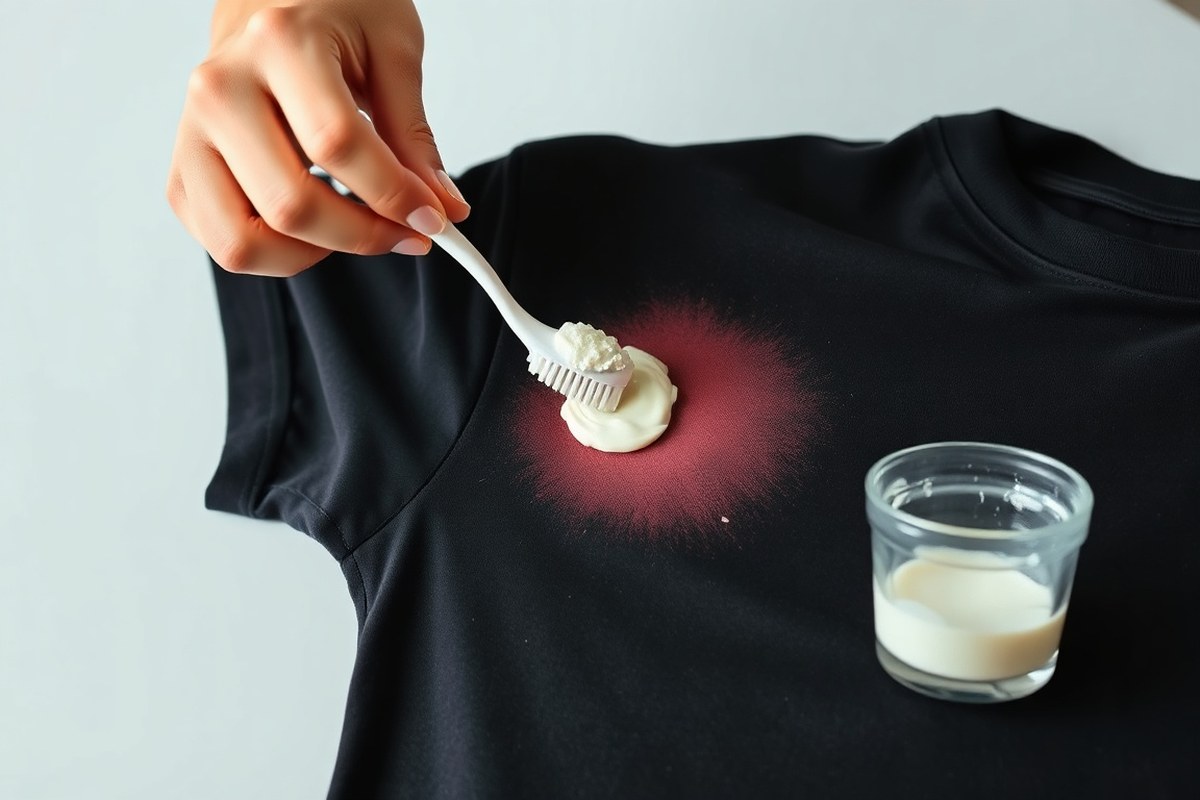
Removing deodorant stains from black shirts without damaging the fabric or fading the color requires a gentle yet effective approach. These stains often look chalky or white and can make your shirt appear worn out. Using common household items like baking soda and white vinegar targets the mineral build-up from antiperspirants while protecting the fabric’s dye. Quick action ensures the stain doesn’t set, and proper application times maximize stain removal. Follow these practical steps to restore your black shirt’s appearance safely:
- Brush off any loose deodorant residue. Gently use your fingers or a soft brush to remove powdery or flaky buildup. This prevents rubbing the stain deeper when you apply treatments.
- Mix a baking soda paste. Combine 3 tablespoons of baking soda with 1 tablespoon of water to form a thick paste. Baking soda’s mild abrasiveness helps lift stains without harming the fabric color, especially on cotton or washable materials.
- Apply the paste to the stain. Rub the baking soda paste gently into the stained area using your fingers or a soft cloth. Let it sit for about 20 minutes to break down odor-causing salts effectively.
- Rinse thoroughly with cool water. Wash the treated spot under running cool water to remove the baking soda and loosened residue. Avoid hot water, as it may set any remaining stain.
- Soak the shirt in a white vinegar solution. Mix one part white vinegar with two parts cold water and soak the stained area for 10 to 15 minutes. White vinegar’s acidic properties dissolve mineral salts safely without fading black fabric.
- Wash the shirt following care instructions. Use your regular detergent and select the hottest water temperature safe for the fabric, as indicated on the care label. Avoid harsh chemicals like hydrogen peroxide that can bleach the color.
- Make sure to remove the deodorant stain completely before drying. Verify the shirt has no remaining stain because the heat from the dryer can make stains permanent.
- Air dry or tumble dry on low. Once the stain is removed, air drying is safest for black shirts to maintain color. Low heat is acceptable if you must use a dryer.
Baking soda works best on deodorant stains because it gently removes residue without fading color or weakening fabric. Avoid over-soaking in vinegar and always test on a hidden area first, especially with delicate or synthetic black fabrics. White vinegar is safe on black shirts and effectively targets stubborn, chalky white buildup caused by antiperspirants. By following this routine soon after noticing deodorant stains, you can keep your black shirts looking fresh and stain-free.
2. What Causes White Deodorant Stains on Black Shirts and Why They Are Stubborn
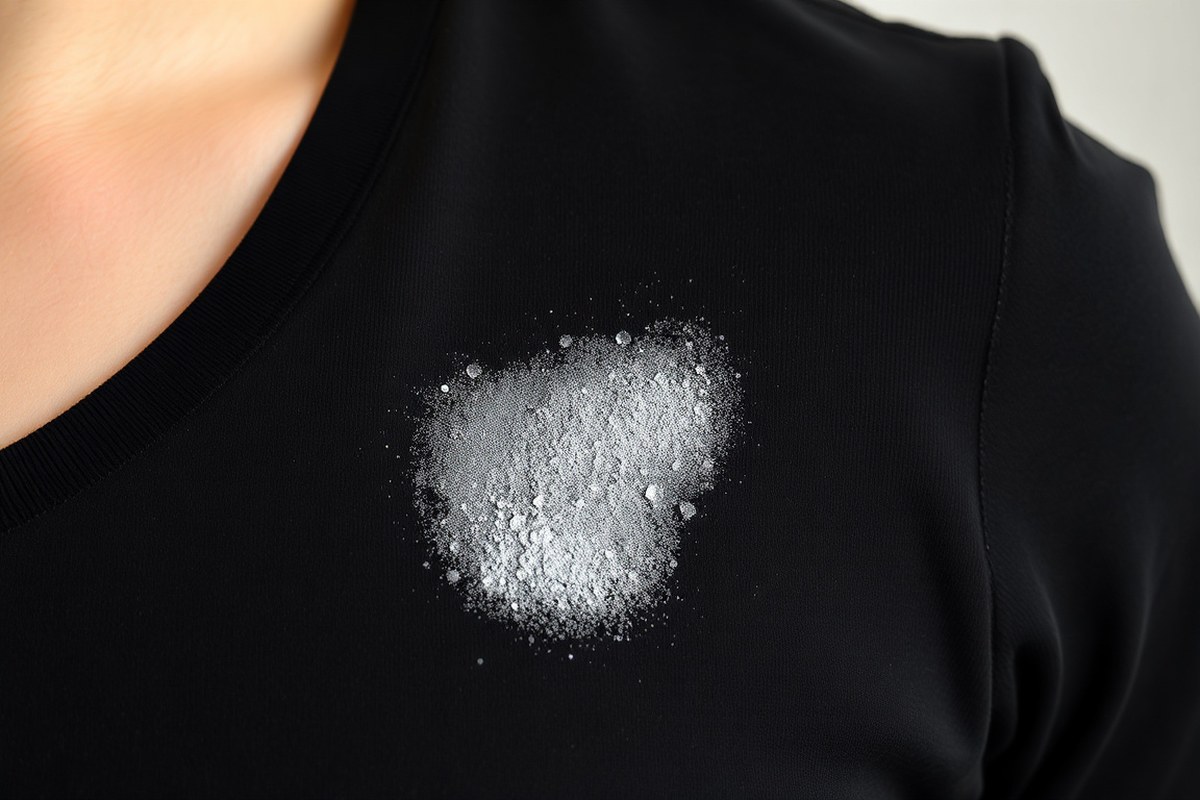
White deodorant stains on black shirts mainly occur due to the ingredients in many antiperspirants and deodorants that do not fully dissolve or rinse away during washing. These streaks often come from aluminum-based compounds, powders, and waxes that form a chalky residue when they mix with sweat and dry on fabric. The contrast between this residue and the dark fabric makes the stains highly noticeable. The residue can also include minerals from perspiration, which combine with these compounds to create a stubborn film.
These stains resist washing because many typical laundry detergents are designed to remove organic dirt and oils rather than inorganic mineral deposits. Aluminum salts in antiperspirants bond with sweat proteins and fibers of the fabric, creating a buildup that regular washing struggles to penetrate and dissolve. The particles often sit on the surface or embed superficially, making them difficult to lift without specific treatments like acidic stain removers or enzyme detergents. On darker fabrics, this residue appears bright and chalky, whereas on light fabrics it may blend in or appear as a dull patch.
The type of deodorant you use also affects how and when these stains form. Stick deodorants with powder and wax ingredients leave more white residue compared to clear gel or spray formulas. Antiperspirants containing aluminum chloride or aluminum zirconium compounds are especially prone to leaving mineral deposits that create white stains. Gel deodorants tend to reduce visible residue but may contribute to yellow stains instead. Understanding the composition helps you choose products that minimize buildup on dark clothing.
Since the stains result from a chemical reaction between sweat, deodorant compounds, and fabric fibers, removing them often requires targeted treatment. Acidic stain removers help dissolve aluminum deposits, while enzyme detergents break down sweat proteins. Oxygen bleach can assist with set-in white stains but is less effective against mineral buildup. Standard washing with cold water or mild detergent leaves much of the residue intact, especially if the stain has dried or been exposed to heat during drying. Repeated washing without proper treatment can make stains harder to remove due to accumulation.
Apply deodorant and allow it to dry completely before putting on your black shirt to reduce white residue buildup and staining.
Addressing deodorant stains on black shirts involves understanding that these residues are not just surface dirt but mineral and protein-based compounds bonding with fabric. This bonding and the contrast of white on black make the stains both tough to remove and very visible. Choosing the right deodorant and washing products tailored to these stain types improves your success in keeping dark clothing looking clean.
3. Choosing and Using Household Remedies for Deodorant Stain Removal
Several household remedies can effectively remove deodorant stains from black shirts, including baking soda paste, white vinegar soaks, and a dish soap combined with lemon juice. Each method has advantages depending on the stain type, fabric sensitivity, and how deeply the deodorant has set. Knowing the right application and timing improves results while protecting your shirt’s color.
Baking Soda Paste Preparation and Application
Baking soda works well to remove deodorant stains because it treats the fabric gently while tackling buildup effectively. Mix three parts baking soda with one part water until the mixture forms a thick paste. Spread this paste across the deodorant stain on your black shirt, making sure the entire spot is covered.
Let the paste sit and dry for 15 to 30 minutes. During this time, periodically rub or agitate the paste gently with your fingers or a soft brush to break down the buildup. After the paste dries, wash your shirt in cold water using your regular laundry detergent.
This method works well on light to moderate stains. It does not risk fading but might require repeating for older, set-in stains. Baking soda costs very little, roughly under $0.10 per treatment, and is widely available.
White Vinegar Soak and Usage Instructions
White vinegar helps break down deodorant residue, especially the buildup from aluminum-based ingredients. Dampen a cloth with white vinegar and press it onto the stained area for a few minutes to loosen the deposits.
For deeper stains, soak the underarm section of your black shirt in a mixture of one part white vinegar to two parts warm water. Let it soak for 30 to 45 minutes before applying your usual laundry routine. Vinegar is safe for most dark fabrics when diluted, but avoid soaking for longer than an hour to protect the fabric integrity.
After soaking, rinse with cold water and wash as usual. This soak costs about $0.50 per treatment, a cost-effective option compared to professional stain removers.
Dish Soap and Lemon Juice Method Details
Combining liquid dish soap with lemon juice use soap’s grease-cutting ability and lemon’s mild acidity to lift deodorant stains. Mix half a teaspoon of liquid dish soap with a tablespoon of lemon juice. Apply the mixture directly to the stain, covering it completely.
Let the solution sit for 30 minutes. You can gently rub the stain during this time to help the mixture penetrate the fabric fibers. After treatment, rinse with cool water and launder as normal.
This method effectively targets fresh deodorant marks and helps with the odor. It’s inexpensive and uses common household ingredients that don’t risk fading black shirts.
When to Avoid These Remedies
Some remedies require caution to avoid damage or ineffective cleaning. Avoid using hydrogen peroxide-based solutions on black or dark fabrics, as they may bleach or fade the color. This type of treatment should be reserved for white or very light-colored shirts.
Avoid soaking black shirts in straight vinegar for more than an hour, as too much acidity can weaken fabric fibers over time. Also, check your shirt’s care label for any warnings against using acidic or alkaline substances like lemon juice or dish soap.
For delicate fabric blends, test any remedy on an inconspicuous area first. Stop using these home treatments if you see any fading or damage to the fabric’s color or texture. Here is a comparison of the main household remedies for deodorant stain removal:
| Remedy | Ingredients | Application Time | Cost per Treatment | Effectiveness | Fabric Safety |
|---|---|---|---|---|---|
| Baking Soda Paste | Baking soda and water | 15-30 minutes | < $0.10 | Good for light/moderate stains | Safe for black and dark fabrics |
| White Vinegar Soak | White vinegar and warm water | 30-45 minutes (max 1 hr) | ~$0.50 | Effective on set-in stains | Safe if diluted; avoid long soaking |
| Dish Soap + Lemon Juice | Liquid dish soap, lemon juice | 30 minutes | <$0.50 | Best on fresh stains | Safe for most dark fabrics, test first |
| Hydrogen Peroxide Mix | Hydrogen peroxide, baking soda, dish soap | Apply and scrub for minutes | Varies | Strong on tough stains | Not safe for black/dark fabrics |
Your choice depends on the stain severity and fabric type. Baking soda paste offers a gentle, affordable first try. Vinegar soaks add deeper cleaning power for well-set marks, while the dish soap, lemon combo can refresh fresh stains with minimal risk. Avoid bleach or peroxide on black shirts to keep colors intact.
4. Using Commercial Stain Removers: What Works Best for Black Shirts
Commercial deodorant stain removers can offer a higher success rate for removing aluminum-based stains from black shirts compared to many home remedies. Independent testing by Consumer Reports shows these specialized products can achieve up to a 94% success rate, making them a strong choice when home methods like vinegar or nylon rubbing don’t fully clean the stain. These products often contain enzymes or chemicals specifically formulated to break down deodorant components without damaging the fabric.
Using commercial removers is especially helpful for older or heavier stains where built-up deodorant has set in. However, because some products contain bleach or strong solvents, you should check the label to ensure they’re safe for dark fabrics. Test a small, inconspicuous area of the shirt first to avoid discoloration. Apply the stain remover directly to the affected area following the instructions exactly, usually allowing it to sit for 5 to 10 minutes before laundering as normal. Avoid drying the shirt until you confirm the stain is gone, as heat can permanently set deodorant stains.
Cost-wise, commercial deodorant stain removers generally range from $5 to $15 per bottle, a more budget-friendly option compared to professional cleaning fees around $45 or replacing a high-quality black shirt that can easily exceed $150. While professional cleaners guarantee about an 89% success rate on tough stains, commercial removers are convenient for at-home use and effective on most aluminum-based deodorant stains.
| Product Type | Effectiveness on Aluminum-Based Stains | Cost (USD) | Suitability for Dark Fabrics | Application Time |
|---|---|---|---|---|
| Specialized Commercial Stain Removers | Up to 94% | $5, $15 per bottle | Usually safe but test first | 5, 10 minutes before wash |
| White Vinegar (Home Remedy) | About 89% | Less than $3 per bottle | Safe for dark fabrics | Apply then wash promptly |
| Professional Dry Cleaning | 89% | Approximately $45 per shirt | Safe and expert handling | Varies, usually next-day or longer |
For black shirts frequently stained by deodorant, commercial removers offer a practical middle ground. You get stronger stain-breaking power than typical household items, without the cost or fuss of professional cleaning. When using any stain remover, do not rub aggressively as this may wear down the fabric. Instead, gently blot or apply the product and wash the garment according to its care label.
5. Pre-Treatment and Mechanical Assistance to Improve Stain Removal
Addressing deodorant stains on a black shirt before washing helps remove the mark completely. Use gentle brushing or scrubbing to loosen the buildup so detergents can work better. Apply a liquid stain remover or a mix of white vinegar and lemon juice directly on the spot before laundering to break down the residue.
To improve this process, you can use a soft brush or even the rough side of a clean washcloth. Lightly brush or rub the stain in small circular motions for about one to two minutes. Avoid harsh scrubbing, which can damage the fabric or spread the stain. Mechanical action works best when combined with soaking, especially for older or tougher stains. Soaking the shirt in cool water with white vinegar for 60 to 90 minutes can loosen the deodorant particles. During soaking, gently brush the stain every 30 minutes to help break it down further. Here’s a checklist to follow for pre-treatment and mechanical assistance:
- Apply a suitable stain remover or natural acid (vinegar, lemon juice) to the stain.
- Let the solution sit on the stain for 10 to 15 minutes before brushing.
- Use a soft brush or washcloth to gently rub the stain in circular motions for 1, 2 minutes.
- Soak the shirt in a bowl with cool water and white vinegar for 60 to 90 minutes if the stain is set-in.
- During soaking, brush the stain gently every 30 minutes to help release the deodorant.
- After pre-treatment, launder the shirt following care label instructions.
- Set the shirt out in direct sunlight for about an hour after washing to help naturally lighten any remaining discoloration.
Mechanical assistance is key because simple soaking or applying cleaners doesn’t always penetrate or lift all the deodorant deposits. Breaking up the particles physically allows cleaning agents to reach new surfaces and reduces residue. Always handle fabrics gently, as vigorous scrubbing or using stiff brushes risks fraying or fading black fabrics. On delicate materials, consider using only soft cloth rubbing or professional cleaning services.
Use gentle circular brushing every 30 minutes during soaking to effectively break apart deodorant stains without harming your black shirt’s fabric.
6. Handling Deodorant Stains on Delicate Black Fabrics Safely
Deodorant stains on delicate black fabrics like silk, wool, and cashmere require careful handling to avoid damaging the fiber or altering the garment’s appearance. Use mild, pH-neutral products and avoid heavy soaking or vigorous scrubbing. These fabrics tolerate gentle, targeted stain treatment and frequent professional care better than DIY methods.
Selecting Gentle Stain Removers for Delicate Fabrics
Choose stain removers specifically formulated for delicate textiles, typically labeled safe for silk or wool. Avoid alkaline, abrasive, or bleach-based products, which can weaken protein-based fibers or cause discoloration. A dryer sheet can also safely lift deodorant residues without chemicals, making it a good option for quick touch-ups.
Liquid detergents made for wool or silk provide a mild cleaning effect without extreme pH levels. Enzyme-free formulas reduce risk of fiber damage. Always test stain removers on a hidden seam or inside edge before full application to check colorfastness.
Safe Application and Minimal Mechanical Action
Mechanical scrubbing damages delicate clothing and may spread the stain. Use a soft cloth or your fingertips to gently dab or blot the stained area. Avoid soaking the entire garment, as prolonged moisture exposure can weaken fibers and distort the fabric.
Target the stain directly with a small amount of gentle stain remover, working it in softly. Let the product sit for 5 to 10 minutes at room temperature to break down deodorant residues without aggressive agitation.
- Place a clean towel under the stained area to absorb excess moisture.
- Apply a few drops of mild detergent or silk-safe stain remover onto the stain.
- Gently press the fabric together or softly blot with a soft cloth to distribute the product.
- Let the fabric rest flat for 5 to 10 minutes without rubbing or scrubbing.
- Rinse the treated spot under cold running water carefully, avoiding full soaking of the garment.
- Repeat treatment once if needed, but don’t overapply or saturate the fabric.
- Pat dry with a clean towel; do not wring or twist the garment.
Drying and Laundering Delicate Clothes
Avoid the dryer until you are sure the stain is fully removed because heat sets deodorant stains permanently. Air dry flat or hang away from direct sunlight, which can cause fading on black fabrics. Use a drying rack or towel-lined surface to maintain garment shape during drying.
If laundering at home, wash delicate items on a gentle cycle using cold water and a detergent designed for silk or wool. Frequent professional cleaning is advised for high-value or very delicate garments, especially if stains persist after gentle home treatment.
Delicate fabrics often cost significantly more to replace, so cautious handling and professional help are cost-effective in the long run. For garments over $75 or with stains older than six months, trust a dry cleaner familiar with delicate textiles.
7. Prevention Strategies to Avoid Deodorant Stains on Black Shirts
Preventing deodorant stains on black shirts mainly involves choosing the right deodorant, applying it correctly, and caring for your fabrics wisely. Selecting clear or invisible deodorants, letting them dry fully before dressing, and following good laundry habits all reduce stain risks significantly.
Best Deodorant Types for Black Shirts
Deodorants that leave white marks often contain aluminum compounds or mica, which show up prominently on dark fabrics. Clear gel, roll-on, or invisible solid deodorants have fewer particles that cause visible stains. Choosing a deodorant specifically labelled as “stain-free” or designed for dark clothing usually means it leaves less residue. Avoid heavy powder or solid sticks that can rub off and create visible buildup.
Spray deodorants tend to dry quickly and minimize direct contact with fabric but may contain alcohol that can irritate skin. Opt for formulas without dyes or excessive fragrances when possible to reduce sweat or build-up stains.
Application Timing and Technique Tips
Applying deodorant at the right time and in the right way makes a big difference. Always apply deodorant to completely dry skin, wait about 5 minutes after showering and drying off. This allows the product to work better and prevents clumping that can transfer to clothes.
After application, wait at least 1 to 2 minutes before putting on your black shirt. This lets the deodorant dry fully and reduces the risk of wet streaks or residue transferring to fabric. Applying deodorant sparingly and just to your underarms limits excess build-up.
- Apply deodorant to dry, clean skin 5 minutes after showering
- Use clear or invisible formulas made for dark fabrics
- Let deodorant dry for 1 to 2 minutes before dressing
- Apply sparingly and avoid rubbing excessively
- Target only the underarm area, not surrounding skin
- Consider sprays for quick drying, but test skin sensitivity
These small steps reduce fabric contact and limit the buildup that causes stubborn white stains or ghost marks on black shirts.
Fabric Choices and Laundry Habits That Help
Natural fibers like cotton allow sweat and deodorant residues to be washed out more easily than synthetic blends. When buying black shirts, look for cotton or cotton-rich fabrics for easier maintenance. Denser or textured fabrics may trap deodorant particles, making stains more visible.
Washing shirts soon after wearing and avoiding fabric softeners helps preserve color and prevents residues from building up. Use cold to warm water (around 60°F to 80°F) with a detergent that targets tough stains, preferably one formulated to handle sweat and deodorant. Pre-treat underarm areas before washing to prevent stains setting in. Avoid high heat drying, which can set residual deodorant into fibers.
8. When to Seek Professional Cleaning for Deodorant Stains
Professional cleaning can effectively remove stubborn deodorant stains that resist household treatments, especially when the stains have set in over 48 hours. According to industry data, 84% of deodorant stains become permanent if left untreated beyond this time frame. Seeking professional help is wise if your attempts with home remedies fail after two or three treatment cycles. Dry cleaners have specialized solvents and equipment designed to tackle these marks without damaging the fabric, making them a good option for tough cases.
Knowing when to go to a professional depends on several factors. When the stain is old, dark, or shows fabric discoloration, it’s better to see a professional cleaner instead of using harsh chemicals on your own. Professional cleaning is also recommended for delicate black fabrics that bleach or fray easily. Cost plays a role, too. These services typically range from $10 to $30 per shirt, depending on location and fabric type. Home treatments using common staples may cost as little as 94% less, but persistent stains justify the expense to preserve your clothing’s appearance.
To get the best results, show your cleaning professional exactly where the deodorant stain is and mention how long it has been there and any home remedies you’ve tried. This information helps them choose the right treatment method and avoid unnecessary processes. A clear description like, “This deodorant stain has been on the shirt for about three days, and I’ve tried repeated washing with baking soda and vinegar,” can guide their approach. Always point out if the shirt is delicate or if you have concerns about fabric fading.
Expect your shirt to be inspected closely and possibly spot-treated before the full cleaning cycle. Most stain removers used by professionals involve solvents that target deodorant residues without harming shirt fabric. When the cleaner can’t completely remove the stain, they usually let you know beforehand and talk about options, including special treatments that may cost extra. Always ask for an estimate before proceeding.
Take stubborn deodorant stains to a trusted dry cleaner within 48 hours to avoid permanent marks and higher removal costs.
Step-by-Step Action Plan for Removing Deodorant Stains from Black Shirts
Follow these steps to quickly tackle deodorant stains while protecting your black shirt’s color and fabric.
- Before you start: Check the shirt’s care label and test any cleaner on a hidden spot to avoid damage.
- Immediately after noticing a stain: Gently brush off any dry residue to prevent it from setting further.
- Within the first hour: Apply a small amount of liquid detergent or a detergent/paste made with baking soda to the stain. Let it sit for 10 minutes, then rinse with cold water. The stain should lighten or disappear.
- After initial treatment: Use a soft-bristled brush or cloth to lightly scrub the area, improving stain lift without harming fabric.
- Before washing: Apply a commercial stain remover designed for dark fabrics. Allow it to work according to the product’s instructions.
- Washing phase: Turn the shirt inside out and wash in cold water on a gentle cycle with a detergent for dark clothes. Check if the stain is gone before drying.
- Drying phase: Air dry rather than using a dryer to avoid setting any remaining stain. If stain persists, repeat the treatment before drying again.
- Long-term care: Store deodorants that leave less residue and allow your shirt to fully dry before wearing or storing to prevent future stains.
Frequently Asked Questions
Can I Use Nylon Tights to Remove Deodorant Stains from Black Shirts?
Yes, rubbing a fresh deodorant stain with an old pair of nylon tights in circular motions can remove it effectively without damaging the fabric. This works well for newly formed stains before they set in.
Is It Safe to Use Vinegar on Black Shirts to Remove Deodorant Stains?
Using white vinegar on deodorant stains in black shirts is safe and effective. Vinegar helps dissolve mineral salts without fading the color if used carefully.
How Long Should I Soak Black Shirts to Remove Deodorant Stains with a Homemade Solution?
Soak the affected underarm area of your black shirt for 30 to 45 minutes in a mixture such as baking soda and water to loosen deodorant buildup.
Can Deodorant Stains Get Permanently Set If I Use a Dryer Too Soon?
Yes, drying a black shirt before the deodorant stain is fully removed will set the stain deeper, making it harder to eliminate later. Always check the stain before drying.
What Commercial Stain Remover Works Best on Deodorant Stains for Black Clothes?
High-efficiency laundry detergent pods and stain remover sprays designed for deodorant stains are most effective on black fabrics. Choose one labeled safe for dark colors to avoid fading.
Should I Use Hydrogen Peroxide or White Vinegar to Treat Deodorant Stains on Black Shirts?
Avoid hydrogen peroxide as it can bleach black fabric; use white vinegar instead for safe, effective stain removal without color damage.
Final Thoughts
Deodorant stains on black shirts can fade significantly with careful and timely treatment, using methods that respect both color and fabric. Your next best step is to act quickly when you spot a stain, starting with gentle pre-treatment before washing. This approach helps maintain the shirt’s look and prevents buildup that turns stains stubborn over time.