How to Not Get Armpit Stains: 8 Proven Methods That Actually Work
The most effective way to avoid armpit stains is by combining good hygiene, choosing the right deodorant, and treating your clothes properly before and after wearing them. How to not get armpit stains starts with managing sweat and odor while minimizing chemical reactions that cause yellowing. You’ll learn methods that help prevent stains, understand what causes them, and discover safe ways to remove any existing marks.
This advice is for anyone who struggles with embarrassing underarm marks on shirts or wants to keep clothes looking fresh longer. These methods focus on daily habits, fabric care, and practical stain prevention so you can extend the life of your favorite apparel without constant rewashing or replacement.
Key Takeaways
- Wear aluminum-free deodorant to reduce chemical buildup that contributes to yellow armpit stains.
- Wash shirts promptly after wearing to prevent sweat and deodorant residue from setting.
- Soak stained clothing in a water and white vinegar solution for 20 to 30 minutes before washing.
- Use 3% hydrogen peroxide on white fabrics to bleach stubborn yellow stains safely.
- Choose sweat-proof undershirts designed to block perspiration and protect outer clothing.
- Avoid high heat drying that can set stains permanently into fabric fibers.
1. How to Prevent Armpit Stains Before They Start

Stopping armpit stains starts with choosing the right habits and clothing. Sweat, deodorant, and fabric fibers chemically interact to cause stains. Selecting aluminum-free deodorants can reduce dark staining since aluminum compounds often react with sweat proteins. Applying deodorant only after it’s fully dry lowers the chance of residue buildup that traps sweat against fabric.
For extra protection, sweat proof undershirts offer a physical barrier. Products like patented Hydro-Shield® undershirts block 100% of sweat stains by absorbing moisture before it reaches your outer shirt. These specialized undershirts are especially useful if you sweat heavily or want to protect favored clothing during long days.
Fabric choice heavily influences stain visibility and formation. Breathable natural fibers like linen and cotton allow sweat to evaporate quickly, reducing dampness buildup. Cotton is common but picks up moderate stains. Linen excels in hot climates with high breathability and better resistance. Avoid synthetic fabrics like polyester for long wear, as they absorb sweat and deodorant poorly and hold stains clearly.
Simple clothes care routines prevent stain buildup. Washing shirts soon after use in cold water helps remove sweat and deodorant residues before they set. Pre-treating the armpit area with mild vinegar soaks or enzyme cleaners breaks down proteins in sweat. Hot water should be avoided on fresh stains, as it can cause them to fix permanently.
- Use aluminum-free deodorant and let it dry fully before dressing
- Wear moisture-wicking undershirts with sweat-block technology if sweat is heavy
- Choose breathable fabrics like linen or cotton over synthetic blends
- Wash shirts regularly in cold water to prevent buildup and staining
- Pre-treat armpits with white vinegar or enzyme cleaner before laundering
- Avoid chlorine bleach and hot water on stains to prevent fabric damage
- Change clothes soon after sweating to reduce prolonged moisture contact
Preventing stains costs little and varies by situation. Aluminum-free deodorants range widely in price but are easily found in drugstores. Hydro-Shield undershirts may cost $30 to $50 each but last through many washes and save dress shirts from damage. Breathable cotton or linen garments slightly raise clothing costs but lower wear and tear from sweat exposure. Regular cold water washing and vinegar pretreats involve common household supplies with no special expense.
2. What Exactly Causes Yellow Armpit Stains?

Yellow armpit stains form from a chemical reaction involving your sweat, the bacteria on your skin, and the ingredients in many antiperspirants and deodorants. Sweat by itself is mostly water and usually doesn’t cause staining. The real issue starts when sweat mixes with aluminum compounds found in many antiperspirants. This reaction creates a yellow residue that sticks to fabric and can look like stubborn stains.
Bacteria living on your skin also contribute to the problem. As sweat accumulates under your arms, bacteria break down sweat compounds, producing waste that can stain clothing and cause odor. The combination of these bacterial byproducts, sweat, and aluminum leads to stains that are tough to remove simply by regular washing.
Antiperspirants contain active ingredients like aluminum chloride or aluminum zirconium, which block sweat glands to reduce perspiration. These aluminum salts react with proteins in your sweat, causing a crusty yellow buildup on your clothing’s underarm area. The thicker the antiperspirant layer you apply, the more aluminum is available to react, increasing the chance of staining. Deodorants without aluminum don’t stop sweat but can still leave behind residues that contribute to discoloration and white marks on dark clothes.
Sometimes, stains come from deodorant alone, especially visible as white streaks on darker fabrics. You can tell the difference because deodorant marks usually sit on the fabric’s surface and appear powdery or chalky. Yellow stains, in contrast, often set deep into the fabric fibers and feel hardened or crusty due to the chemical reactions between sweat and aluminum. Sweat stains are more common on white or light-colored shirts, while white deodorant marks show up mostly on dark colors.
Applying a thin layer of antiperspirant or deodorant helps reduce the chance of stains. Allow it to dry fully before getting dressed to minimize transfer to your clothes. Washing shirts promptly after wear removes sweat, bacteria, and product residue before stains firmly set. Avoid using chlorine bleach on sweat stains, as it reacts with proteins in sweat and can worsen yellowing.
Apply antiperspirant sparingly and let it dry completely before putting on your shirt to reduce yellow staining caused by aluminum compounds.
3. Best Ingredients and Mixtures to Remove Stains Safely
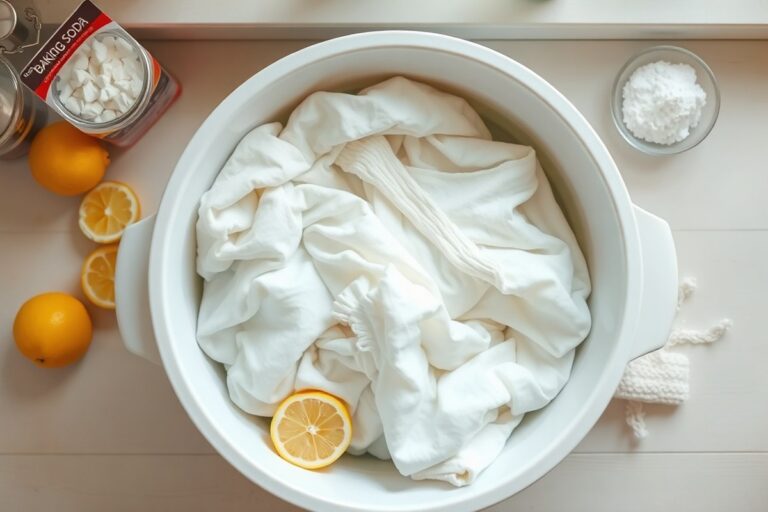
Effective stain removers for armpit stains include baking soda, hydrogen peroxide, white vinegar, lemon juice, and mild dish soap. Choosing the right ingredient depends on fabric type and stain color, as some agents work better on whites while others are safer for colored or delicate materials. Preparing mixtures with these ingredients at home allows you to target stains safely without harsh chemicals.
Baking Soda Paste Preparation and Use
Baking soda is a gentle yet effective ingredient that lifts and deodorizes armpit stains. To prepare a paste, mix ½ cup of baking soda with 1 tablespoon of salt and 1 tablespoon of hydrogen peroxide. This paste is especially good for white cotton clothing.
Apply the paste directly to the stain and gently rub it in using an old toothbrush or a small laundry brush. Leave the paste on the stain for 30 minutes to allow it to break down discoloration before washing as usual. Baking soda helps neutralize odors while working as a mild abrasive to lift the stain without damaging fabric.
Hydrogen Peroxide Mixture Guidelines
Hydrogen peroxide acts as a bleaching agent that brightens fabric and removes both stains and odors from sweat. It is safe for white fabrics but can cause fading or damage on colored or delicate textiles, so it’s best to avoid using it on these materials unless diluted.
For white clothing, mix equal parts of hydrogen peroxide, baking soda, and water (around 1 tablespoon each). Apply this mixture to the stain and sprinkle additional baking soda on top. Gently scrub for several minutes and allow it to sit for 15-30 minutes before laundering.
For colored garments, replace hydrogen peroxide with cold water to avoid discoloration. Always test the hydrogen peroxide mixture on a hidden seam first to check for colorfastness.
Vinegar and Lemon Juice Solutions
White vinegar and lemon juice contain natural acids that dissolve sweat and deodorant deposits that create stains. White vinegar works particularly well on colored fabrics; apply a cold water and vinegar blend to the stained spot and let it sit for 20 to 30 minutes.
Lemon juice can be applied directly to stains on white fabrics to help lighten yellowing but should be used with caution on colored or delicate materials to prevent fading. After applying lemon juice, expose the garment to sunlight for 30 minutes to an hour to boost its stain-fighting properties.
Using Dish Soap and Aspirin Combinations
Mild dish soap, such as Branch Basics or Dawn, works well to break down oily residues from deodorants that contribute to stains. To prepare a stain remover, combine equal parts liquid dish soap, baking soda, and hydrogen peroxide (approximately 1 tablespoon each for white fabrics).
Apply the mixture to the stain, sprinkle some baking soda, and gently scrub the fabric with a brush larger than the stain area. Let the mixture sit for 30 minutes before washing. Aspirin can also be crushed and dissolved in water to create a paste for stains, but this is generally less common and should be tested carefully on the fabric first.
| Product | Purpose | Safe for Whites? |
|---|---|---|
| Baking Soda | Lifts and deodorizes | ✔️ |
| Hydrogen Peroxide | Brightens fabric | ✔️ |
| White Vinegar | Breaks down buildup | ✔️ |
| Lemon Juice | Lightens stains with acidity | ✔️ (Use caution on color) |
| Dish Soap | Breaks down grease and oils | ✔️ |
These natural ingredients offer a balance between effectiveness and fabric safety, allowing you to tackle armpit stains while protecting your clothes. Always apply stain removers on a slightly larger area than the stain to ensure full treatment and avoid harsh scrubbing to protect the fabric fibers.
4. Step-by-Step Guide to Remove Armpit Stains Effectively
Removing armpit stains requires a careful process of pre-treating, soaking, and washing. Using the right methods and water temperature can lift the stain without damaging your clothing. Tackling old or stubborn stains needs extra effort but can still be done at home with common household items.
Pre-Treating the Stain Area
Start by preparing the stained area to break down sweat, deodorant residue, and oils. Pre-treating softens the stain and makes washing more effective. A solution of white vinegar and water works well for both white and colored shirts without harsh bleaching.
Combine one part white vinegar with two parts warm water and soak the armpit section in this mix for around 30 minutes. This process removes yellow sweat marks and helps eliminate odors. Avoid scrubbing harsh substances on fragile materials to prevent harm.
Soaking Time and Scrubbing Techniques
After pre-treating, soaking your garment in a salt or vinegar solution can further loosen the stain. For fresh or moderately stained clothes, a 20 to 30-minute soak is usually enough. For older, stubborn stains, extend the soak to 1 hour or overnight in the refrigerator to avoid mildew.
Lightly scrub the stained area with a soft brush or cloth after soaking. Make a paste by mixing washing soda with cold water and gently rub it into the stain for extra cleaning power. Do not use chlorine bleach unless the fabric is white and bleach-safe because it can weaken fibers.
Choosing Water Temperature for Washing
Use cold or warm water to wash stained clothes. Hot water risks setting armpit stains deeper, especially if they have dried. Cold water works well for fresh stains while warm water helps with dirt and residue buildup. Check your garment’s care label to avoid shrinkage or fabric damage.
White shirts can handle warm water more safely, but always avoid water above 120°F (49°C) if the stain is old. Colored fabrics should be washed in cold water after pre-treatment to preserve colour and prevent bleeding. Add 1/3 cup of white vinegar to the washing machine during the wash cycle to boost stain removal and deodorizing.
Post-Treatment and Laundering Tips
After washing, inspect the stain before drying. Heat from the dryer can set the stain permanently. Should the stain still be present, repeat the application of the pre-treatment and wash the garment again. Use an oxygen-based stain remover for persistent yellowing on white shirts.
Air-dry shirts to prevent setting stains and to allow leftover vinegar odor to dissipate. When the fabric feels stiff after drying, soak it briefly once more in plain water to soften it. Avoid fabric softeners on stained areas as they can trap oils and make future stains harder to remove.
- Mix one part white vinegar with two parts warm water in a bowl or sink.
- Soak the stained armpit area in the solution for 30 minutes for fresh stains, or up to 1 hour for older stains.
- Optionally, create a paste with washing soda and cold water; rub gently into the stain after soaking.
- Mix 1/2 cup of table salt into a bucket filled with warm water, then soak the fabric in this mixture if the stains resist removal.
- Wash the garment in cold or warm water according to the fabric’s care label, adding 1/3 cup white vinegar to the wash.
- Check the garment after washing; avoid machine drying if the stain is still visible.
- Repeat treatment steps or use an oxygen-based stain remover for stubborn stains.
- Air-dry the shirt to prevent the stain from setting permanently.
5. Preventing Damage: Washing and Drying Tips for Stained Clothes
Washing and drying habits play a key role in preventing armpit stains from setting deeper into the fabric. Waiting too long to wash shirts after wearing them increases the chances sweat and deodorant mix and chemically bond with fabric fibers, making stains harder to remove. Prompt laundering is essential, but treating stains before washing yields the best results and helps protect fabric colors.
Frequent laundering may cause gradual wear and fading, especially when using hot water or harsh detergents, but letting stains sit too long can permanently damage shirts. Balancing timely cleaning and gentle care preserves both appearance and fabric strength.
Stains should be pretreat-treated first rather than immediately placed in the washing machine. For example, apply a stain remover or a paste made from common ingredients like baking soda and water. Let the paste sit on the stained armpit area for 20 to 30 minutes, then gently scrub with a soft toothbrush. This lifts dirt and helps break down the stain before laundering.
Choosing the right washing method reduces color fading and fabric damage. Cold water washes are recommended for stained areas, followed by using a mild detergent formulated for colors. Avoid bleach or harsh chemicals that can weaken fibers or bleach fabric unevenly. Wash shirts inside out to protect the armpit area during agitation.
- Pretreat armpit stains with a baking soda paste or commercial stain remover for at least 20 minutes before washing
- Use cold water washes and a gentle detergent for colored fabrics
- Wash shirts inside out to reduce fabric abrasion on stains
- Avoid placing stained clothes in the dryer until stains are mostly gone
- Air dry shirts or use low heat settings to protect fabric integrity
- Wear a cheap undershirt to reduce direct sweat contact with dress shirts
- Do not over-wash to prevent fabric wear, but don’t delay washing stained garments
Heat from dryers can cause sweat stains to set permanently. Avoid using the dryer on clothes with visible armpit stains, even if washed, until you see the stain has faded significantly. Instead, air-drying is safer and preserves both fabric and stain removability. This simple step prevents both yellowing and fabric weakening from repeated high heat.
Never put stained shirts in the dryer before the stain is fully treated and mostly removed, as heat will set stains permanently.
6. Lifestyle and Hygiene Habits That Reduce Armpit Staining
Changing your daily habits can significantly reduce armpit stains. Good personal hygiene means washing your armpits thoroughly every day to remove sweat and bacteria. Use gentle soap and warm water, drying the area completely before applying deodorant to avoid trapping moisture, which can lead to staining.
Switch to deodorants without aluminum, which is often linked to yellow stains. Natural deodorants or aluminum-free formulas reduce residue buildup that interacts with sweat proteins. Replace your deodorant every 3 to 6 months because expired products can lose effectiveness and increase staining risk. Constantly check expiration dates, as old deodorants may contribute to buildup that’s tough to clean.
Breathable fabrics play a key role in sweat management and stain prevention. Cotton is ideal because it absorbs and releases moisture quickly, keeping your skin dry and reducing the chance of sweat mixing with deodorant on clothing fibers. Avoid synthetic fabrics like polyester, which trap sweat and deodorant, causing stains to set harder and become more difficult to remove. Also, choose looser-fitting clothes to minimize fabric contact with your skin and deodorant. Here’s a checklist to help keep armpit stains at bay through lifestyle and hygiene adjustments:
- Wash armpits thoroughly once a day using mild soap and warm water.
- Dry the skin completely before applying deodorant.
- Choose aluminum-free or natural deodorants to reduce residue.
- Replace deodorant products every 3 to 6 months.
- Wear breathable fabrics like cotton or linen instead of synthetics.
- Opt for looser clothing that limits fabric to skin contact.
- Consider an antiperspirant offering sweat control up to 72 hours to reduce moisture buildup.
Following these habits requires only a bit of consistency but can make a visible difference within a few weeks. If stains continue, excessive sweating or product buildup might be factors to explore with a professional. Regular attention to hygiene and fabric choice reduces sweat pooling and residue buildup, the main culprits behind persistent yellow stains.
7. How to Handle Different Fabrics and Colors Safely
Different fabrics and colors need specific care when removing armpit stains to avoid fading or damage. Whites, darks, and delicate fabrics each respond best to tailored treatments. Understanding the fabric type and color safeguards your clothing and keeps stain removal effective.
Removing Stains from Whites
White fabrics generally tolerate stronger stain removal methods since fading or color loss is not a concern. For cotton and other natural fibers, pretreat sweat stains with a gentle enzyme-based stain remover or a paste of baking soda and water. Let it sit for 15 to 30 minutes before washing in warm water, about 104 to 113°F (40 to 45°C).
Avoid using bleach regularly as it can weaken fibers over time, but occasional use on sturdy white cotton can brighten and remove tough yellow stains. Always rinse thoroughly to remove residue. Whites typically require less delicate handling, allowing harsher treatments to remove protein and body-oil residues effectively.
Care for Colored and Dark Fabrics
Colored and dark fabrics need gentler treatment to prevent fading and discoloration. Avoid bleach or lemon juice, as both can lighten colors. Pretreat stains by applying a mild liquid detergent directly to the stain or rubbing the area with a dryer sheet or baby wipe to lift white deodorant marks and sweat residues.
Use cold water washes, preferably below 86°F (30°C), to preserve color and fabric integrity. In some cases, specialized stain removers formulated for colored fabrics are best. These remove stains without damaging dye. Synthetic fabrics often trap sweat odors more stubbornly, so focus on pretreatment rather than relying on washing alone.
Treating Delicate and Synthetic Fabrics
Delicate fabrics like silk, rayon, or blends require the gentlest care. Avoid abrasive scrubbing and strong chemicals; instead, use a mild detergent diluted in cold water and gently blot the stain. Let it soak for a short time, no more than 15 minutes, before rinsing well.
Synthetic fabrics hold onto odors and stains differently, partly due to bacteria growth specific to man-made fibers. For these, enzymatic pretreatments designed for delicate materials work best. Avoid harsh chemical stain removers or anything with bleach, as they risk fabric damage and residue buildup.
When to Test Spot Before Treatment
Always test stain removal methods on a hidden part of the garment first. This step is important for colored, dark, and delicate fabrics where fading or damage is a risk. Use a small amount of the chosen cleaner, blot with a white cloth, and wait 10 to 15 minutes to check for colorfastness or fabric reaction.
This simple test helps prevent bigger problems such as discoloration or fiber weakening. Skip stain removal recipes involving lemon juice or bleach on anything but sturdy white cotton. If the test spot changes color, choose a milder method or consult a professional cleaner.
| Fabric Type | Recommended Treatment | Water Temperature | What to Avoid |
|---|---|---|---|
| White Cotton/Natural Fibers | Enzyme-based remover or baking soda paste pretreatment | Warm (104, 113°F / 40, 45°C) | Overuse of bleach, harsh scrubbing |
| Colored/Dark Fabrics | Mild detergent, dryer sheet or baby wipe for deodorant marks | Cold (<86°F / <30°C) | Bleach, lemon juice, hot water |
| Delicate Fabrics (Silk, Rayon) | Mild detergent diluted, gentle blotting | Cold | Harsh chemicals, rough scrubbing |
| Synthetic Fabrics | Enzymatic pretreatment designed for synthetics | Cold | Strong chemical stain removers, bleach |
Choosing the right method by fabric type and color reduces the risk of fading and damage while effectively removing sweat stains. Testing on a hidden area before full treatment ensures the safest result for each garment.
8. Common Mistakes and When to Seek Professional Help
Applying harsh chemicals or using hot water to treat armpit stains can make them worse by setting the stain deeper into the fabric or causing color fading. Avoid using chlorine bleach on sweat-stained clothes, especially on colored or delicate fabrics, as it often damages fibers and alters dye. Instead, mild solutions like a mixture of lemon juice and water or oxygen bleach are safer and more effective. Repeated scrubbing or machine drying before the stain is fully removed can also set the stain permanently.
Trying to fix mistakes in stain treatment involves rehydrating the fabric and retreating the stain gently. Soaking the shirt overnight in a solution of water and oxygen booster can help lift set-in sweat stains without damaging fabric. Avoid dryers until you are sure the stain is gone, since heat causes protein-based stains from sweat and antiperspirant chemicals to become permanent. Treating stains promptly and following gentle techniques reduces the risk of having to use aggressive methods later.
Certain fabrics like silk and some synthetics are sensitive to home stain removal attempts. When stain removal risks fabric damage or if the stain is stubborn despite repeated treatments, professional cleaning is the best option. A professional cleaner uses specialized solvents and techniques tailored to fabric type and stain severity. This approach often costs between $10 and $30 per shirt but can save expensive clothing from permanent ruin or fabric weakening.
Do not put a stained shirt in the dryer until the stain is completely gone; heat can set the stain permanently and make it impossible to remove later.
Common mistakes to avoid include:
- Using chlorine bleach on colored or delicate fabrics
- Applying hot water right away, which can set protein stains
- Scrubbing aggressively, which can damage fibers
- Drying stained shirts before stain removal is complete
- Ignoring fabric care labels when selecting cleaning methods
- Trying to remove stains from silk or delicate fabrics at home
- Using harsh chemicals that may weaken fabric
Choose professional cleaning if the fabric is silk, the shirt is expensive or irreplaceable, or if the stain persists after several gentle treatments. Professionals can safely handle complex stains caused by the reaction between sweat proteins and antiperspirant aluminum compounds. Seeking expert help gives you the best chance of restoring your shirt without damage.
Step-by-Step Action Plan to Keep Your Clothes Stain-Free
Start tackling armpit stains today with these simple steps to protect your clothes and feel confident.
- Before you wear clothes: Apply a clear, aluminium-free deodorant and let it dry completely to reduce residue that causes stains.
- After wearing: Rinse or spot-treat your shirt’s armpit area with cold water within an hour to prevent sweat and deodorant buildup.
- Day 2: Use a gentle stain remover containing mild enzymes on stained shirts and let it sit for 15 minutes before washing to break down protein and oils.
- Day 3: Wash clothes in cold or warm water on a gentle cycle using a detergent designed for your fabric type to avoid setting stains or damaging fibers.
- After washing: Air-dry shirts or use the dryer on low heat; check stains before drying fully since heat can make stains permanent.
- Weekly habit: Review your deodorant choice and switch to sensitive or natural formulas if you notice increased staining or irritation.
- Monthly: Inspect your wardrobe for early signs of discoloration and treat spots promptly with the recommended mixtures to maintain fabric quality.
Frequently Asked Questions
Can Switching Deodorants Help Prevent Armpit Stains?
Yes, choosing a deodorant without aluminum can reduce stains. Aluminum compounds react with sweat, causing discoloration. Opt for aluminum-free formulas, especially if you’re prone to stains or have sensitive skin.
Is It Better to Air Dry Shirts to Avoid Armpit Stains?
Air drying helps because heat can set stains permanently. Avoid putting stained clothes in the dryer before treatment. Letting shirts dry naturally prevents stains from becoming harder to remove.
Do Undershirts Really Prevent Armpit Stains?
Wearing sweat-proof undershirts can block sweat from reaching your outer shirts. Products like those with Hydro-Shield technology claim to stop sweat completely. They add a protective layer, reducing the chance of stains.
Can Diet Influence Armpit Stain Formation?
Diet can affect sweat composition but its impact on stains is minor. Foods that increase sweating or change sweat pH might contribute slightly. Focus more on hygiene and fabric care than diet for stain prevention.
Why Do White Shirts Show Armpit Stains More?
White fabric highlights yellow discoloration typical of sweat and deodorant residue. Light-colored shirts lack dyes that mask or absorb stains, making them more noticeable. Proper stain prevention and prompt cleaning are essential for whites.
How Often Should I Change My Deodorant to Prevent Stains?
Switching deodorants isn’t necessary unless current one causes heavy staining. Consistent use of an effective, aluminum-free product is key. Changing often may irritate skin and won’t guarantee fewer stains.
The Bottom Line
Preventing armpit stains takes consistent care from product choice to washing habits. Taking action on these steps right now can keep your clothes looking fresh longer. Start today by choosing a deodorant that works well with your skin and clothing, then spot-treat stains as soon as you notice them. This small effort helps your wardrobe stay clean and wearable for many uses.