How to Prevent Armpit Stains: 8 Effective Ways That Actually Work
To prevent armpit stains, use antiperspirant correctly, wear sweat-resistant fabrics, and choose colors that mask stains. Smart lifestyle choices and proper laundry care help keep your shirts stain-free longer.
This advice suits anyone tired of sweat discoloration damaging their clothes. You’ll learn practical tips to stop stains, pick the right apparel, and treat clothes when stains appear.
Key Takeaways
- Apply antiperspirant at night to allow it to absorb and block sweat effectively.
- Choose moisture-wicking fabrics like polyester, which repel sweat better than cotton.
- Wear dark colors or patterned shirts to hide early signs of perspiration stains.
- Soak stained shirts in a solution of water and white vinegar for 20, 30 minutes before washing.
- Use products with aluminum-based ingredients to improve antiperspirant performance.
- Avoid overwashing clothes to prevent damaging fibers that encourage stain buildup.
1. How to Stop Armpit Stains Before They Form

Preventing armpit stains starts by controlling sweat and the substances that cause the discoloration. Sweat alone won’t stain your shirts, but when it combines with aluminum compounds found in antiperspirants, stains often appear. Deodorants only mask odor and don’t stop sweating. Antiperspirants reduce sweat by temporarily blocking sweat glands, which directly lowers the chance of stains. Stopping sweat at the source is key to keeping your shirts stain-free.
The best results come from a routine that includes choosing the right products and applying them properly. Letting antiperspirant dry completely before putting on your shirt avoids mixing it with sweat and fabric, which can create stains. Wearing a breathable undershirt or sweat guards adds a physical barrier to protect shirts by absorbing sweat before it reaches your armpits. Consistency with these actions prevents stains from forming throughout the day.
- Wash and dry your underarms thoroughly before applying antiperspirant. Clean, dry skin helps the product work better and last longer.
- Apply a thin, even layer of antiperspirant at night. Applying it 6 to 8 hours before dressing allows the aluminum compounds to block sweat glands effectively.
- Let the antiperspirant dry completely. Wait at least 5 minutes before dressing to prevent transfer onto your clothes.
- Wear breathable fabrics like cotton as your base layer. Thin undershirts made of cotton or linen absorb sweat and reduce direct contact with your shirts.
- Use sweat guards or pads when needed. These inexpensive, disposable liners stick to your shirt’s armpit area, adding extra protection during heavy sweating days.
- Avoid using deodorants alone to prevent stains. Without antiperspirant, sweat won’t reduce, increasing the risk of stains forming with sweat and fabric interaction.
- Consider switching antiperspirant brands. Some formulas have fewer staining ingredients or use alternative compounds that produce less residue.
Following this plan helps stop sweat and antiperspirant buildup, the main culprits behind armpit stains on white shirts. Nighttime application costs no more than your regular product, takes just minutes, and results show in reduced staining and longer clothing life. The main risk is irritation if you apply on broken skin, so use as directed and test new products carefully. Protecting your hard-earned shirts works best when you treat sweat prevention and garment protection as a team.
2. Choosing Fabrics and Colors That Resist Sweat Stains
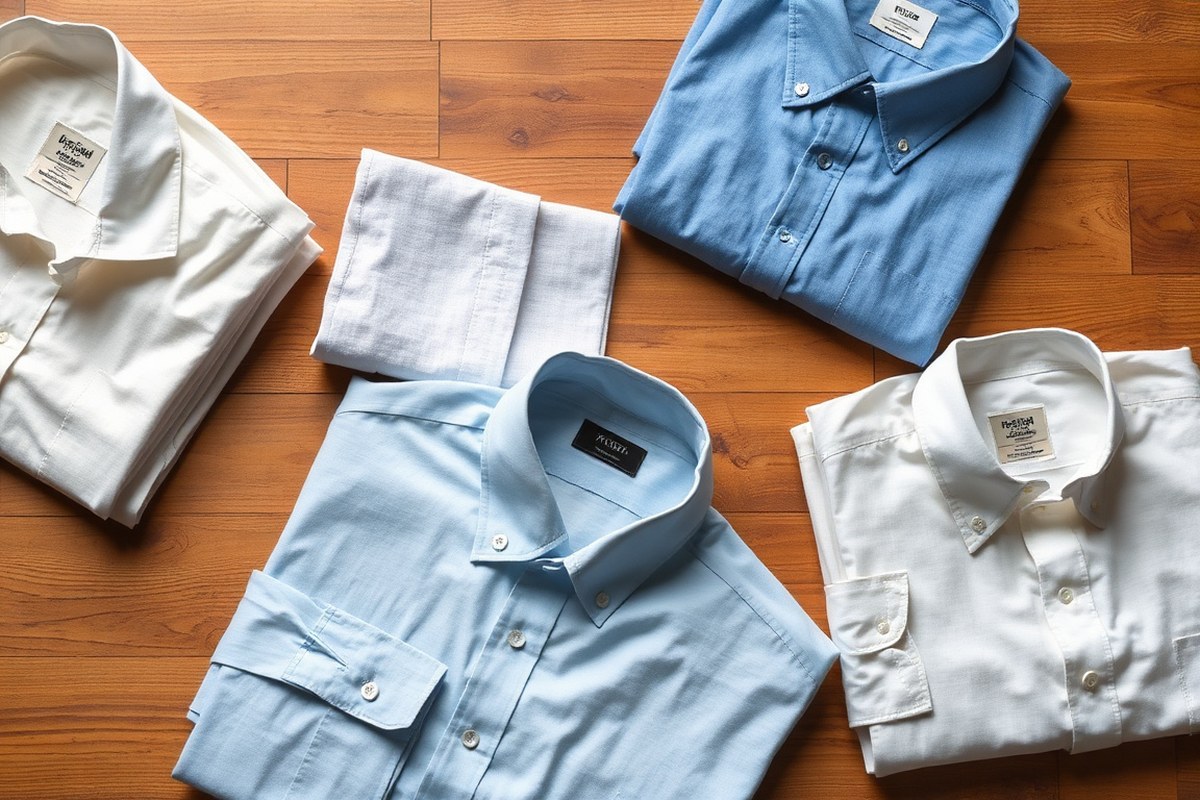
Choosing the right fabrics and colors can greatly reduce the appearance and occurrence of armpit stains. Natural materials like cotton and linen allow sweat to evaporate, while synthetic fibers tend to trap moisture that leads to staining. Selecting colors that hide sweat marks is equally important to keep your clothing looking fresh throughout the day.
Best Natural Fabrics for Sweat Resistance
Natural fabrics such as cotton and linen offer high breathability and are less likely to hold sweat against your skin, which helps prevent stains from forming. Cotton absorbs moisture and releases it quickly, keeping you drier and reducing the chance of visible wet spots. Linen provides even better airflow, making it ideal for hot climates or heavy sweaters.
Wearing breathable fabrics reduces sweat buildup and the resulting discoloration, but keep in mind that these materials can still show sweat if the sweating is excessive. To further minimize stains, consider layering with a light undershirt that absorbs excess sweat before it reaches your outer shirt.
| Fabric Type | Breathability | Stain Resistance | Best Use |
|---|---|---|---|
| Cotton | High | Moderate | Everyday wear |
| Linen | Very high | High | Hot climates |
| Polyester | Low | Low | Avoid for long wear |
Polyester tends to trap sweat and deodorant residue, making stains tougher to remove and more noticeable over time. For this reason, relying on natural fibers whenever possible supports better sweat management.
Fabric Blends That Balance Comfort and Stain Protection
Fabrics blending cotton and polyester combine the absorbency of cotton with the quick-drying properties of polyester. A blend with a moisture regain around 4.45% offers moisture wicking and faster drying, reducing the wetness that often leads to visible sweat stains.
Cotton-polyester blends perform well for daily wear since they pull sweat off your skin while resisting wet spots on the fabric’s surface. However, pure synthetic blends without cotton usually trap sweat and stain more easily.
For best results, choose shirts made of about 50-60% cotton blended with polyester. These blends typically balance comfort, moisture control, and stain resistance at moderate cost and require no special care beyond regular washing.
Wearing a thin undershirt beneath your main shirt helps absorb excess sweat and can prevent stains from showing through the outer layer.
Colors That Minimize Visible Armpit Marks
Colors play a major role in how sweat stains appear. Dark colors, like black, may hide initial dampness but can show sweat outlines as the fabric dries unevenly. Light colors such as white or pastels tend to show yellow staining faster from sweat and deodorant interaction.
Neutral shades like charcoal gray, navy blue, or olive green offer a good middle ground. These colors can mask sweat dampness without highlighting yellowing or salt residues. Choosing shirts that are not too thin or shiny also helps avoid visible wet patches. For frequent sweaters, keep a backup shirt of these darker neutrals handy, and consider wearing dress shields or sweat pads to absorb moisture and prevent staining from reaching the fabric.
3. Applying Antiperspirant Correctly to Maximize Protection
To prevent armpit stains effectively, apply antiperspirant to clean, dry skin at night and allow it to dry completely before dressing. Use a thin layer, as too much product can cause buildup and stains. This routine blocks sweat glands more efficiently, reducing sweat and minimizing stains on your clothing.
Applying Antiperspirant at Night vs. Morning
Applying antiperspirant at night on dry skin gives the product time to work while your sweat glands are less active. This allows the active ingredients to form plugs inside sweat ducts, blocking sweat more effectively than a morning application.
In the morning, sweat glands are already active, which can reduce how well antiperspirant works. If you prefer to apply in the morning, use only a thin layer and ensure your underarms are dry. Applying twice a day is generally not recommended, so nighttime application is best.
Dry Skin Preparation Before Application
Make sure your underarms are completely dry before applying antiperspirant to maximize its effectiveness. Applying on wet or damp skin dilutes the product and reduces its ability to block sweat. Use a clean towel or wait until after a shower and dry off fully.
Applying antiperspirant to clean skin also reduces the risk of clumped product or clogged pores. Avoid using immediately after shaving, as freshly shaved skin may be irritated and prone to sensitivity.
Allowing Proper Dry Time Before Dressing
After applying antiperspirant, allow it to air dry completely before putting on clothes. This typically takes a few minutes. Wearing clothing too soon can rub away the product or mix with sweat and bacteria, leading to yellow stains.
Using a thin layer ensures quicker drying and minimizes residue on fabrics. Avoid using excessive amounts, as this can clog pores and contribute to staining. Patience at this step helps keep your clothes stain-free and your underarms dry. Follow these steps to apply antiperspirant correctly for best results:
- Clean your underarms thoroughly and dry them completely with a towel.
- Shake the antiperspirant container if recommended by the product instructions.
- Apply a thin, even layer of antiperspirant directly to the dry skin of each armpit.
- Allow the antiperspirant to air dry completely before getting dressed, waiting about 2, 3 minutes.
- Apply the antiperspirant at night before bed for most effective sweat control.
- In the morning, if needed, apply a thin layer again only if your underarms are dry and clean.
- Do not use antiperspirant more than twice daily to avoid irritation and buildup.
4. Smart Lifestyle Choices to Limit Excessive Sweating
Choosing the right diet can help limit excessive sweating and reduce armpit stains. Foods like cauliflower, spinach, watermelon, almonds, sweet potatoes, bananas, and green tea are known to ease digestion and lower stress, both of which contribute to less sweating. Including these foods regularly may gradually cut down how much you sweat, making sweat marks less likely. Avoiding spicy foods, caffeine, and alcohol can also be beneficial since they tend to increase sweat production.
Supplements might support controlling sweat, but their effectiveness varies. Some benefit from magnesium or vitamin B complex, which help regulate body functions related to sweating, but these should be taken only after consulting a healthcare professional. Relying solely on supplements isn’t recommended, as lifestyle habits have a stronger impact.
Hydration plays a key role in managing sweat. Drinking enough water, about 8 to 10 cups daily depending on your activity level and climate, keeps your body cool and helps regulate your internal temperature. Dehydration can cause the body to overheat and sweat more. Carry a water bottle and sip regularly to stay hydrated throughout the day.
Stress triggers nervous sweating, which commonly appears in the armpits and can lead to stains. Practising stress management through techniques like deep breathing, meditation, or light exercise helps reduce this kind of sweat. For example, spending 5 to 10 minutes daily doing breathing exercises or mindfulness can lower anxiety and sweat production.
Here’s a checklist to help incorporate these habits into your daily routine: include stress-reducing foods in your meals, avoid known sweat triggers like caffeine in the late afternoon, drink at least 64 ounces of water daily, and spend a few minutes on stress management exercises each day. Try adding a cup of green tea in the morning or mid-afternoon as a calming, hydrating option.
Different situations call for adjustments. Hot, humid climates increase sweating, so focus more on hydration and cooling foods like watermelon and cucumbers. Nervous sweat before a presentation or social event might improve by practising calming exercises in advance. When busy or traveling, healthy snacks like almonds and bananas that prevent spikes in body temperature and stress can be especially useful.
Following these smart lifestyle choices can gradually lower how much you sweat, easing the risk of armpit stains. Some results may take a few weeks to show because diet and habits influence your body’s balance over time. If sweat persists despite these changes, medical treatment or specialized antiperspirants might be necessary. Always check product labels and consult a doctor if your sweating seems excessive or impacts your quality of life.
5. Tools and Apparel to Block Sweat Before It Stains
Underarm sweat pads act as a barrier that absorbs moisture before it reaches your clothing. They come in disposable or reusable versions, often using absorbent fabric or gel layers. Sweat pads are effective at preventing stains because they keep perspiration off the shirt fabric, but their success depends on proper placement and changing them once saturated. Disposable pads typically cost between $10 and $20 for a pack of 30, lasting you around a month if changed daily.
Sweat-proof undershirts use moisture-wicking or sweat-blocking fabrics designed to pull sweat away from your skin or neutralize it before reaching the outer layer. These undershirts are usually lightweight and thin, preventing sweat marks while maintaining comfort. They cost more upfront, ranging from $20 to $50 per shirt, but can be reused and washed regularly. Results improve significantly if you wear the undershirt snugly and avoid layering loose clothing on top, which can trap moisture.
Clothing with sweat-resistant technology includes fabrics treated with chemicals or constructed with patterns that repel water. Such clothes are widely available in athletic and performance wear but are expanding into everyday apparel. Brands often advertise “sweat-proof” or “sweat-resistant” features and can be found by a quick search or local retailer inquiry. Prices vary from typical shirt costs, starting around $30. These garments reduce sweat absorption and dry faster, lowering the chance of stains, especially during hot or active conditions.
| Product Type | How It Works | Cost Range | Best For | Limitations |
|---|---|---|---|---|
| Sweat Pads | Absorb sweat under the arm before it stains clothing | $10, $20 per pack (30 pieces) | Occasional sweating, formal wear | Need frequent changing, may shift during movement |
| Sweat-Proof Undershirts | Moisture-wicking fabric pulls sweat away from skin | $20, $50 per shirt | Daily use, active lifestyle | Must fit well, added layer can feel warm |
| Sweat-Resistant Clothing | Fabric repels sweat and dries quickly | $30 and up per garment | Hot climates, sports, casual wear | Limited styles, can be pricier |
Knowing your typical wear patterns helps in choosing the right option. For infrequent sweating events, underarm pads offer discretion and easy cleanup. Active individuals or those living in hot climates benefit from sweat-proof undershirts or sweat-resistant fabrics to manage continuous moisture. For formal occasions, sweat pads combined with a sweat-proof undershirt provide backup protection without bulk.
- Place sweat pads slightly below the armpit center to catch maximum sweat.
- Choose undershirts made from synthetic fibers like polyester for better moisture wicking.
- Look for clothing labels that mention sweat-resistant or moisture-wicking properties.
- Change sweat pads every few hours when highly active to prevent dampness.
- Wash sweat-proof undershirts according to manufacturer instructions to maintain fabric effectiveness.
- Avoid layering heavy or non-breathable fabrics over sweat-proof garments to reduce heat buildup.
Regularly check and replace sweat pads to avoid skin irritation and ensure maximum sweat absorption.
Finding the right sweat-blocking tool or clothing depends on your sweat levels, lifestyle, and wardrobe choices. Using these options correctly keeps your shirts looking clean and dry longer, reducing the annoyance and embarrassment of armpit stains.
6. Medical and Professional Options for Heavy Sweaters
Prescription antiperspirants offer a stronger option if regular products don’t control your sweating. These contain higher concentrations of aluminum chloride, the ingredient that blocks sweat glands temporarily. Your doctor can prescribe formulas with 10% to 20% aluminum chloride, compared to about 5% in most store brands. Apply at night to dry skin and wash off in the morning. Results typically improve within a week. Side effects may include mild irritation or redness, so test on a small skin area first.
Botox injections work by blocking the nerves that activate sweat glands, reducing underarm sweating dramatically. A typical treatment involves multiple small injections in the underarms and lasts about six to nine months before repeat sessions are needed. Botox is highly effective for heavy sweaters with moderate to severe sweating that prescription antiperspirants cannot control. The procedure takes about 15 to 20 minutes and can cost between $1,000 to $1,500 per treatment session. As with any injection, some bruising and mild discomfort might occur but serious side effects are rare.
MiraDry is a non-invasive procedure that uses microwave energy to permanently destroy sweat and odor glands in the underarms. It requires local anesthesia and takes about an hour per session. Unlike Botox, miraDry offers a more permanent solution but costs more, ranging from $2,000 to $3,000 per treatment. Most patients need one or two sessions for lasting results. Temporary swelling, tingling, or numbness can occur, but these usually resolve within a few weeks. This option suits those wanting a long-term reduction and willing to invest upfront.
Oral medications, such as anticholinergics, reduce overall sweat production by limiting nerve signals to sweat glands. These pills may be prescribed when excess sweating affects multiple areas beyond the underarms. Although some individuals respond well, side effects like dry mouth, blurred vision, and dizziness limit their use. They are best for people who can tolerate these and have severe sweating impacting daily life. Your doctor can help decide if this systemic approach fits your situation.
| Treatment | How It Works | Duration | Cost Range | Ideal Use | Common Downsides |
|---|---|---|---|---|---|
| Prescription Antiperspirant | Blocks sweat glands temporarily | Daily application; results in 1 week | $10, $50/month | Mild to moderate excessive sweating | Irritation, redness |
| Botox | Blocks nerve signals to sweat glands | 6, 9 months | $1,000, $1,500/treatment | Moderate to severe sweating | Bruising, discomfort |
| MiraDry | Destroys sweat glands permanently | Permanent (1, 2 sessions) | $2,000, $3,000/session | Long-term severe sweating reduction | Swelling, numbness (temporary) |
| Oral Medications | Limits nerve signals systemically | Daily pills; ongoing use | Varies | Severe sweating in multiple areas | Dry mouth, blurred vision |
Consult your healthcare provider if sweating disrupts daily activities, causes discomfort, or leads to frequent armpit stains despite regular prevention efforts. They can evaluate your sweating severity and recommend treatments tailored to your needs. For mild cases, starting with prescription antiperspirants is prudent. Botox suits those seeking temporary but effective relief without surgery. MiraDry fits patients wanting a longer-term solution willing to manage higher upfront costs and recovery time. Oral medications are reserved for widespread sweating where topical treatments fall short.
A practical way to decide involves assessing severity, budget, and convenience. For example, if your sweating is moderate and you prefer a medication applied at home, prescription antiperspirants make sense. Severe sweating with time for clinical visits may justify Botox sessions. Permanent reduction candidates without contraindications may favor miraDry. Discussing options with a doctor ensures safe use and monitors for side effects or allergic reactions.
7. Common Mistakes That Cause Pit Stains and How to Fix Them
Armpit stains can appear even when you use antiperspirant because of some common mistakes that interfere with its effectiveness. One key error is applying antiperspirant on wet or damp skin. Antiperspirants need dry skin to form a proper barrier that blocks sweat glands. Applying it too soon after showering or sweating means it won’t stick well and will be less effective at reducing sweat, leading to more noticeable stains.
Another habit that worsens pit stains is overdressing immediately after applying antiperspirant. Tight or heavy synthetic clothing, like polyester or nylon, traps heat and moisture near your skin, causing sweat to accumulate and stain the fabric quickly. Wearing these materials right after applying antiperspirant can also rub it off, reducing protection.
Other mistakes include using too much antiperspirant, which can lead to buildup and irritation, or using products that contain aluminum compounds that react with sweat and clothing to create yellowish stains. Storing clothes in humid environments or not letting your armpits fully dry before dressing also plays a part.
- Apply antiperspirant on clean, completely dry skin, ideally at night to let it work overnight.
- Allow at least 5 to 10 minutes for antiperspirant to dry before getting dressed.
- Choose loose-fitting clothes made of breathable, natural fibers like cotton to reduce heat and moisture buildup.
- Use an antiperspirant without aluminum if you notice yellow stains forming, or switch to deodorants that do not block sweat.
- Wash and dry clothes thoroughly to prevent sweat and product buildup that worsens stains.
- Avoid layering heavy synthetic fabrics directly against your skin, especially when you expect to sweat.
Correcting these habits requires adjusting your routine slightly but can make a big difference. Applying antiperspirant at least 30 minutes before dressing, preferably at night, gives time for the active ingredients to block sweat glands effectively. Selecting breathable fabrics lowers moisture buildup and heat, key triggers for stains. If you face heavy sweating, switching to aluminum-free products can reduce the chemical reaction that causes yellow stains. Expect to spend a few extra minutes after your shower or before leaving the house drying your armpits and waiting for antiperspirant to set, which helps prevent stains.
This approach costs nothing extra beyond slight schedule changes and fabric choices but reduces frustration and the need to replace stained clothing. Results include visibly fewer and less intense pit stains, cleaner underarm areas, and increased confidence wearing light-colored or dress shirts without embarrassment.
8. How to Launder and Care for Clothes to Avoid and Remove Stains
Wash shirts in cold water and pre-treat armpit stains promptly to prevent sweat marks from setting. Use specially designed detergents with stain removers or natural solutions for the best results. Proper washing and drying methods help maintain fabric quality and reduce stain recurrence.
Pre-Treating Armpit Stains Effectively
Pre-treating sweat stains before washing is critical for removal. The sooner you address stains, the easier they come out. Use a natural stain remover like white vinegar or baking soda paste to avoid harsh chemicals that might damage your clothes.
Apply the pre-treatment directly on the stained fabric, allowing it to sit for 15 to 30 minutes before washing. This practice loosens the stain without weakening fabric fibers.
- Rinse the armpit area with cold water immediately after wearing to prevent stains from setting.
- Apply a pre-treatment solution such as a 1:1 mixture of white vinegar and water or a paste of baking soda and water directly on the stain.
- Let the solution sit for at least 15 to 30 minutes, but no more than one hour to avoid fabric damage.
- Gently rub the stain area with your fingers or a soft brush to help lift the residue.
- Proceed with washing the shirt using your chosen detergent.
Avoid using hot water for rinsing and pre-treatment, as heat can set sweat stains permanently.
Choosing the Right Laundry Detergent
Detergents formulated to target protein-based stains like sweat work best. Look for products labeled to remove odor and tough stains. Brands containing enzymes or oxygen-based bleach can break down sweat residue without fading colors.
For white shirts, a detergent with oxygen-based bleach powder is effective. For dark or colored fabrics, use detergent without bleach to prevent color loss. Tide with Ultra Oxi Powder mixed in warm water is one example for dark shirts, it breaks down stains without harsh bleach effects.
Proper Washing and Drying Techniques
Machine or hand wash sweat-affected clothes soon after wearing. Washing promptly reduces the need for intense scrubbing later, which can harm fabric. Use cold water cycles to avoid setting stains and shrinkage risks.
Dry shirts by air when possible, as high dryer heat can cause residual stains to become permanent. If you use a dryer, choose a low heat or delicate setting. Avoid long exposure to direct sunlight, which can yellow white areas further. Follow these steps for lasting stain protection:
- Sort laundry to separate whites, darks, and colors to prevent color transfer.
- Set the washing machine on a cold water, gentle cycle to protect fabric and preserve stain removal efforts.
- Use the recommended amount of detergent to ensure effective cleaning without residue.
- Remove clothes from the washer promptly to prevent musty odors and fabric deterioration.
- Air dry shirts flat or hang them in a shaded area; avoid high heat drying.
Never use bleach directly on armpit stains, especially on dark or colored shirts, to prevent fabric damage and discoloration.
Step-by-Step Action Plan to Prevent Armpit Stains
Follow this simple plan to reduce armpit stains on your clothing and keep your shirts looking fresh and clean.
- Before you start: Choose natural, breathable fabrics like cotton or moisture-wicking blends in darker or patterned colors to resist visible stains.
- Day 1: Apply a clinical-strength antiperspirant to clean, dry skin at night to maximize effectiveness; check for reduced sweat in the morning.
- Day 3: Wear sweat shields or pads under your arms if you notice sweat soaking through your shirts during the day.
- Week 1: Adjust your diet by cutting spicy foods and alcohol to help reduce excessive sweating.
- Week 2: Launder your shirts promptly after wear, using cold water and a detergent with stain-fighting enzymes; check if stains appear less after washing.
- Week 3: If heavy sweating continues, consult a healthcare provider about medical treatments like Botox or prescription options.
- Ongoing: Avoid reapplying antiperspirant multiple times a day as it can irritate skin and contribute to stains, monitor skin comfort and garment condition.
Frequently Asked Questions
Can Wearing Undershirts Help Prevent Armpit Stains?
Yes, undershirts act as a barrier that absorbs sweat before it reaches your outer shirt, reducing stains. Choose breathable fabrics like cotton undershirts and change them daily for best results.
Does Diet Affect How Much I Sweat and Stain My Shirts?
Diet can influence sweating, as spicy foods and caffeine may increase sweat production. Limiting these can help reduce armpit stains by controlling excessive sweat.
How Often Should I Reapply Antiperspirant During the Day?
Reapplying antiperspirant once in the morning is usually enough if applied correctly. Overapplication can irritate skin but won’t improve stain prevention significantly.
Can Over-Washing Clothes Cause Armpit Stains to Set In?
Yes, overwashing or using harsh detergents can damage fabric fibers and make stains harder to remove. Use gentle detergent and avoid high heat drying.
Is It Better to Use Scented or Unscented Antiperspirants to Prevent Stains?
Unscented antiperspirants avoid reacting with sweat and bacteria, which can sometimes worsen stains. Choose based on skin sensitivity and avoid mixing heavy scents.
Do Natural Deodorants Prevent Armpit Stains as Well as Antiperspirants?
Natural deodorants control odor but don’t reduce sweat like antiperspirants, so they may not prevent stains effectively. For stain prevention, antiperspirants are often necessary.
Wrapping Up
Preventing armpit stains largely comes down to the right combination of fabric choices, proper antiperspirant use, and timely laundry care. Start by switching to moisture-wicking shirts and applying antiperspirant as recommended tonight. Taking this step will help you see less staining and more confidence in what you wear each day.