How to Not Shrink Clothes: 8 Proven Tips to Keep Fabric Size Safe
To avoid shrinking your clothes, wash them in cold water using gentle cycles, and air-dry or use low heat in the dryer. Pay close attention to fabric type and care labels, which guide you on the safest washing and drying methods. These steps keep your garments looking their best and fitting just right.
Anyone who wants to keep clothes from shrinking, especially cotton users, will find practical advice here. You’ll discover how heat and agitation impact fabric size, plus specific tips for different materials to protect your garments during laundry.
Key Takeaways
- Wash cotton clothes in cold water on a gentle cycle to minimize shrinkage.
- Air-dry or use low heat settings when drying to protect fabrics from heat damage.
- Pre-shrunk cotton still shrinks about 2% to 5%, so handle with care during laundry.
- Check care labels carefully to follow the manufacturer’s recommended washing and drying guidelines.
- Cotton-polyester blends usually shrink less than 100% cotton but vary by fabric mix.
- High heat and excessive agitation cause fibers to contract and shrink clothing more.
1. How to Not Shrink Clothes: Effective Prevention Methods

Preventing clothes from shrinking during laundry involves careful choices about how you wash and dry them. Cold water washing is a key prevention method for many fabrics, especially cotton. It limits fabric exposure to heat, which is the primary cause of shrinkage. Heat from washing or drying encourages fibers to contract, but cold water helps keep them relaxed. Drying method matters a lot too; tumble drying at high temperatures often leads to permanent shrinkage, making air drying a safer option for delicate or shrink-prone fabrics.
Choosing between hang drying and tumble drying depends on the fabric and garment care label. Hang dry when you want to avoid shrinkage completely, especially for wool, cashmere, denim, and linen. These fabrics can shrink significantly if dried in a machine. For cotton and some synthetic blends, low-heat tumble drying can be safe if you remove clothes while they are still damp and then air dry them on a rack or hanger to finish drying. Here’s a checklist to prevent shrinking and care for your clothes effectively:
- Select cold water for washing. Use the cold or cool water setting to weaken the effect of heat on fibers. This reduces shrinkage risk and helps colors last longer.
- Choose gentle wash cycles. Use delicate or gentle cycles with slow agitation to lessen fabric stress, especially for cotton, wool, and linen.
- Turn clothes inside out. This protects the surface fibers and helps maintain fabric texture during washing and drying.
- Remove clothes promptly. After washing or drying, take clothes out while still damp to avoid over-drying and shrinking.
- Hang dry or dry flat. Hang cotton, denim, linen, and other natural fibers on a clothesline or drying rack. Lay wool and cashmere flat on a towel to prevent felting and shrinkage.
- If using a dryer, set low heat. Dry only for a short time on a low or air-fluff setting. Stop the cycle before clothes are completely dry and finish drying on a rack or hanger.
- Avoid drying high-shrinkage fabrics in a tumble dryer. Wool and cashmere should never go in a dryer; their shrinkage from felting is mostly permanent.
- Follow care label instructions. Labels often note if cold water, gentle cycles, or air drying are required to prevent shrinking.
Using these steps can help keep your clothes fitting well and lasting longer by controlling shrinkage from washing and drying. For example, washing a cotton shirt in cold water on gentle then hanging it to dry prevents the 5% to 10% shrinkage common in untreated cotton. Avoiding hot water and high dryer temperatures reduces the chance fibers will contract and permanently change shape.
2. Why Heat and Agitation Cause Clothes to Shrink

Heat causes clothes to shrink by changing the structure of their fibers, especially natural ones like cotton and wool. When exposed to warm temperatures around 120°F to 160°F in a dryer, moisture softens the fibers, allowing them to contract as they cool down. This contraction happens because the fibers tighten and pull together, returning toward their original state before they were stretched or woven into fabric.
Mechanical agitation, like the tumbling action in a washer or dryer, plays a key role in shrinkage as well. Agitation loosens and relaxes fibers by rubbing and stretching them, which makes the fabric more vulnerable to shrinking when heat is applied afterward. High spin speeds in the washer add to this effect by twisting and compressing the fabric more aggressively, increasing the chances of shrinkage.
The dryer usually causes more shrinkage than the washing machine because of its combination of heat, moisture, and continuous tumbling. While washing water and agitation loosen fibers, drying heat permanently alters their shape by causing them to tighten up. For example, cotton garments can shrink up to 5% after a hot wash and dry cycle, according to Cotton Incorporated. Lower temperatures or air drying reduce this risk by avoiding fiber contraction.
Natural fibers are particularly sensitive to heat and agitation because their structure includes tiny scales and twists that open when wet and hot. Synthetic fibers don’t shrink as much since their plastic-based structure resists change at typical laundry temperatures. Pre-shrunk cotton reduces shrinkage from about 5% to between 2% to 5% after the first wash, but it can still shrink more if exposed repeatedly to high heat and agitation.
Keeping the washing temperature low, using gentle wash cycles with slower spin speeds, and avoiding high heat drying limits fiber contraction. The less heat and agitation, the less the fibers will pull together and shrink your clothes. Removing clothes promptly from the dryer minimizes residual heat exposure that could cause extra shrinkage, especially for synthetic blends.
To avoid shrinkage, choose the coolest water setting and a gentle cycle with reduced spin speed before drying clothes on low heat or air drying.
3. How Different Fabrics React to Washing and Drying
Fabric type plays a key role in shrinking risk. Natural fibers like cotton and wool tend to shrink more than synthetic fibers such as polyester. Pre-shrunk clothes reduce, but do not entirely eliminate, shrinking. Blended fabrics often shrink less than pure natural fibers, though the exact outcome varies with fiber content and construction.
Cotton and Cotton Blends
Cotton is well known for its tendency to shrink when washed and dried, especially if exposed to heat and agitation. This happens because cotton fibers absorb water and swell, then contract during drying. Pre-shrunk cotton undergoes a factory process to reduce shrinkage, often limiting it to about 2% to 5% compared to untreated cotton.
Cotton blends that include polyester, rayon, or spandex generally shrink less. The synthetic fibers provide stability and reduce overall fabric contraction. However, the exact shrinking depends on the percentage of natural fiber versus synthetic and how the fabric is woven or knitted.
Wool and Delicates
Wool is highly prone to shrinking due to the structure of its fibers, which can mat together if agitated or exposed to heat and moisture. Washing wool in warm or hot water or drying it with heat can lead to significant shrinkage and felt-like texture changes.
Delicate fabrics like silk and some regenerated fibers also shrink noticeably if not cared for properly. These materials require gentle washing and air drying or very low temperatures to prevent contraction. Using a gentle cycle with cold water helps maintain their size and shape.
Synthetic Fabrics
Synthetic fibers like polyester, nylon, and acrylic resist shrinking far better than natural fibers because they do not absorb much water and are more dimensionally stable. Washing on normal cycles and drying on low or medium heat usually does not cause noticeable shrinkage in these fabrics.
Despite greater shrink resistance, blended fabrics containing enough natural fibers can still shrink if subjected to heat and agitation. It’s important to follow care labels, especially for mixed fabrics, to avoid surprises after laundering. The table below summarizes typical shrinking tendencies and care points for common fabrics:
| Fabric Type | Shrinking Risk | Pre-Shrunk Effect | Care Recommendations |
|---|---|---|---|
| 100% Cotton | High (up to 10% or more) | Limits shrinkage to 2%-5% | Wash cold, gentle cycle; air dry or low heat drying |
| Cotton Blends (polyester, rayon, spandex) | Moderate to low | Pre-shrunk blends shrink less than pure cotton | Follow care label; milder washing and drying conditions |
| Wool | Very high | Not commonly pre-shrunk | Hand wash or wool cycle; cold water; air dry flat |
| Synthetic Fabrics (polyester, nylon, acrylic) | Low | N/A | Machine wash normal; tumble dry low or line dry |
This overview shows why different fabrics need specific care to prevent shrinking. Checking fabric content and choosing washing and drying methods accordingly help maintain size and fit longer.
4. Reading Care Labels to Prevent Shrinkage
Reading care labels correctly helps you avoid shrinking your clothes by following the specific instructions designed for each fabric. These labels show water temperature, drying recommendations, and washing cycles that all impact whether a garment shrinks. Washing hot water-safe clothes without shrinking them means using the right temperature and cycle length as instructed.
Common Shrinking Symbols and Their Meaning
Care labels use symbols to communicate how to wash and dry clothes without damaging them or causing shrinkage. The tub icon represents washing instructions, often with dots or numbers indicating water temperature limits. A single dot or “cold” on the label means washing at or below 86°F (30°C), which is safest to avoid shrinking. Two dots or a “warm” label means water temperatures between 87 and 111°F (31 to 44°C), usually fine for cotton that has been pre-washed a few times.
The dryer symbol with dots indicates heat level for drying: one dot means low heat, which helps prevent shrinkage caused by heat exposure during drying. When the dryer symbol is crossed out, it means you should air-dry to prevent shrinking. Finally, a hand wash icon means the garment requires very gentle handling, often because heat and agitation can cause shrinkage.
Temperature and Cycle Indicators
When you see instructions allowing hot water (between 112 and 145°F or 45 to 63°C), you can wash the garment on a hot cycle but only if the label specifically says so. This temperature range can cause shrinkage in some fabrics like cotton if they haven’t been pre-shrunk or washed before. The length of the wash cycle matters as well; long, hot washes agitate the fibers more and increase shrinkage risk.
Delicate cycles use lower agitation and shorter wash times, which reduce the chance of shrinking. Choosing a cold water wash avoids heat-driven fiber relaxation shrinkage, even on clothes labelled for warm water. Always match the washing machine settings, temperature, cycle type, and spin speed, to the label instructions for best results. Turning clothes inside out adds extra protection during the wash.
When to Follow vs Adapt Instructions
The care label represents how the manufacturer finished the fabric, so their instructions reflect its specific tolerance for heat and agitation. Always follow labels when washing new garments for the first time to prevent unexpected shrinking. Avoid mixing items that require cooler water with those rated for hot water, as the machine’s overall temperature often defaults to the hottest setting needed in the load.
You can use cold water washes safely even on garments that say “warm” water unless the item is heavily soiled and requires hot water for cleaning. Choosing to air-dry instead of using the dryer helps avoid heat-related shrinkage when you adapt instructions. When in doubt, follow the label’s lowest temperature recommendation and choose gentle cycle settings for protection. Here are steps to read and apply care labels to reduce shrinking:
- Locate the care label on your garment, usually inside the side seam or at the neckline.
- Identify washing symbols, focusing on water temperature limits, typically shown by dots or words like “cold,” “warm,” or “hot.”
- Check the drying symbols to see if low heat, no heat, or air-dry is recommended to avoid heat shrinkage.
- Select the washing machine temperature that matches or is cooler than the label’s instructions, preferring cold water for safety.
- Choose the cycle type indicated on the label, such as “delicate” or “normal,” to control agitation level.
- Turn garments inside out to reduce friction damage during washing.
- Separate loads by temperature needs to avoid raising the wash water above the lowest recommended temperature.
- Follow drying instructions carefully, using low heat or air-drying when specified to limit shrinking.
5. Safe Washing Machine Settings That Reduce Shrinkage
Choosing the right washing machine settings plays a significant role in preventing your clothes from shrinking. The main factors to control are water temperature, spin speed, and the type of wash cycle you use. Heat causes fibers in fabrics like cotton to contract, so washing in cold water is your best move. Cold water washes keep fibers relaxed, reducing shrinkage risk. Many people mistakenly think their washer is using cold water, but some machines default to warm or hot, so double-check your machine’s temperature settings.
Mechanical agitation also affects shrinkage. The more vigorous the wash cycle, the more stress on the fabric fibers, which may lead to shrinking and wear. A gentle cycle reduces tumbling and agitation, protecting delicate fibers from excessive tension. Similarly, lowering the spin speed lessens the friction and stretching that can trigger shrinkage, keeping your clothes closer to their original size.
Don’t overload your washing machine; too many clothes restrict water flow and create extra friction, increasing the chances of shrinkage.
- Use cold water settings for most shrinking-prone fabrics, especially cotton and wool
- Select a gentle or delicate wash cycle to minimize agitation and fabric stress
- Choose a low spin speed to reduce the force on fibers and limit shrinking
- Apply wool-specific cycles when washing wool garments to avoid felting and shrinkage
- Avoid overloading to ensure proper water circulation and less friction between items
- If your washer lacks precise temperature control, consider hand washing sensitive clothes in cold water
Cotton fabrics can shrink up to 5% at most when exposed to hot water and high heat during washing and drying. Cold water washes help prevent this, especially when coupled with low agitation and spin speeds. Washing delicate clothes on a wool or gentle cycle combines lower temperature with reduced movement, protecting fibers even further. Keeping your machine settings adjusted to these practices minimizes shrinkage and helps your clothes retain their intended size and shape longer.
6. Drying Techniques That Protect Clothes from Shrinking
Air drying is the safest way to protect clothes from shrinking, especially fragile fabrics like wool and cotton that are prone to heat damage. When you air dry, lay garments flat on a clean towel or hang them on drying racks in a well-ventilated area away from direct sunlight. This prevents stretching while avoiding the heat that causes fibers to contract. A drying rack usually costs between $15 and $40 and offers a gentle option without risking shrinkage or fabric distortion.
Use the lowest heat or air-fluff setting on your tumble dryer, usually about 100°F or less, when you must dry clothes this way. Low heat drying gradually removes moisture without forcing fibers to tighten quickly, reducing the risk of shrinking compared to high heat cycles. Remove clothes promptly once dry to prevent overheating from residual heat. Avoid high heat settings entirely; they often cause significant shrinkage, especially for cotton, by creating a hot and humid environment inside the dryer drum.
Fabric softeners do not prevent shrinking. Their main role is to soften fabric and reduce static cling, but they don’t affect fiber structure or heat sensitivity. Proper washing and drying techniques have a greater impact on shrinkage than using softeners.
Dryer balls, including wool ones, do not stop clothes from shrinking either. While some users report that dryer balls help reduce drying time and soften clothes, their ability to prevent shrinkage is minimal. They work by improving air circulation to some extent but cannot counteract the shrinking effects caused by heat and agitation. Spending money on wool dryer balls for this purpose may not be worthwhile.
For delicate or loosely woven fabrics, air drying flat remains best. Slightly more durable items can handle low heat tumble drying, but monitor drying time carefully. To air dry, spread the garment flat on a towel, reshape it gently to its original form, and leave it to dry for 12 to 24 hours, depending on humidity. Hang drying is best for items like T-shirts, but heavier items might stretch if hung while wet.
Air drying works best to avoid shrinkage whenever heat can damage your clothes. Use a low heat tumble dryer option only when necessary and avoid relying on fabric softeners or dryer balls to protect your clothes. Taking these specific steps will keep your clothes fitting better and lasting longer.
7. How to Unshrink Clothes: Step-by-Step Fiber Relaxation
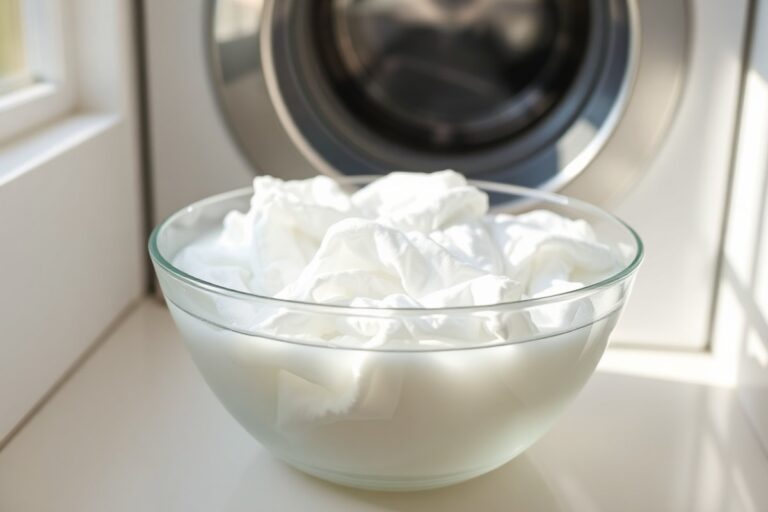
You can often reverse minor shrinking by gently loosening and relaxing the fabric fibers through soaking. Using lukewarm water combined with a mild cleanser like baby shampoo or hair conditioner helps soften the fibers. The key is to soak long enough, around 20 to 30 minutes, then carefully reshape and dry the garment to regain some of its original size.
Preparing the Soaking Solution
Start with lukewarm water, around 85°F to 95°F, which is warm enough to relax fibers without causing further shrinkage. Add a gentle cleanser such as baby shampoo or hair conditioner, about a quarter cup per gallon of water works well. This solution helps the fabric fibers slide past each other more easily, reducing tension that caused the shrinking. Avoid using regular laundry detergents or fabric softeners at this stage, since detergents can be harsh and fabric softeners may trap moisture or build up on the fabric, which can worsen shrinkage with repeated washes.
Soaking Duration and Handling
Submerge the shrunken garment fully in the soaking solution. Soak it for approximately 20 to 30 minutes to allow the fibers to loosen without risking damage from over-soaking. During this time, gently move the fabric around once or twice to ensure even exposure but avoid scrubbing or twisting, as this can cause stretching damage or distort the fabric.
Check the fabric occasionally, if it feels very limp or fragile, shorten the soaking time. For thicker cotton or knitwear, the full 30 minutes can be helpful, while lighter fabrics may need less.
Reshaping and Drying Properly
After soaking, remove excess water by gently pressing or rolling the garment in a clean towel; do not wring it out. Then begin reshaping the garment while it is damp. Gently stretch it back to its original dimensions by smoothing and pulling lightly along shrunken areas.
Lay the garment flat on a dry towel or drying rack away from direct heat or sunlight. Avoid using a dryer since heat can lock in shrinkage permanently. Allow the item to air-dry completely in its reshaped form.
This careful drying process helps the fibers reset gradually, preserving your reshaping efforts. If the garment still feels tight after drying, you can repeat the soaking and stretching once more.
- Fill a basin with lukewarm water (85-95°F).
- Add about 1/4 cup of baby shampoo or hair conditioner per gallon of water and mix well.
- Fully submerge the shrunken garment in the solution and soak for 20 to 30 minutes.
- Gently move the fabric periodically but avoid twisting or rubbing.
- Remove the garment and press out excess water using a clean towel, do not wring.
- Lay the garment flat and gently reshape it to its original size and shape.
- Dry flat in a shaded, well-ventilated area; do not use a dryer or expose to direct heat.
- Repeat the process if the garment remains shrunken after drying.
8. Common Mistakes That Cause Shrinkage and How to Fix Them
Unexpected shrinkage often happens because of common laundry mistakes that you can easily avoid. The main culprit is heat combined with moisture, which causes fibers to contract. This usually happens when washing or drying clothes on high heat. Another frequent error is using hot water for washing fabrics like cotton, which leads to shrinkage. Even though cold water helps reduce this risk, it does not guarantee no shrinkage on its own, especially if the clothes are tossed in a hot dryer afterward or agitated too roughly.
Avoiding shrinkage means controlling temperature, agitation, and drying time carefully. Cold water is your best default for washing since it minimizes fiber expansion and reduces shrinkage, plus it preserves color. Modern detergents work well in cold water, so switching to cold water won’t affect your cleaning results. Agitation during washing can relax fabric fibers, contributing to shrinkage. Using a gentle cycle reduces this effect and helps maintain the shape of your clothes.
Not all shrinkage is reversible. Shrinkage that happens due to sudden high heat is often permanent because the fibers tighten and lock in their smaller size. Minor shrinkage from water and gentle agitation can sometimes be undone by fiber relaxation techniques, like soaking clothes in lukewarm water and stretching them gently. However, if a garment has shrunk more than about 5% in size after a hot wash or dry, it’s less likely to return to its original dimensions fully, especially with cheaper fabrics that can shrink up to 10%.
- Always select cold water in your washing machine settings to reduce shrinkage risk.
- Use gentle or delicate cycles to limit agitation and fiber relaxation.
- Skip high-heat drying; air-dry or use the lowest heat setting.
- Check care labels to match the washing and drying instructions accurately.
- Wash heavy fabrics separately from delicate ones to avoid excessive wear.
- Avoid overdrying clothes, which can shrink fibers further regardless of fabric type.
Using cold water and a gentle cycle together is one of the simplest and most effective ways to avoid shrinking your clothes.
Keeping clothes out of hot dryers and high-heat washes not only prevents shrinkage but also prolongs fabric life. Fiber relaxation is a useful trick in some cases, but relying on prevention through careful washing and drying choices is safer and less time-consuming. Attention to these frequent mistakes and following a consistent routine can save you the frustration and cost of shrunken clothes.
Step-by-Step Action Plan to Prevent Clothes Shrinking
Follow these simple steps to keep your clothes fitting like new, avoiding shrinkage from washing and drying.
- Before You Wash: Check the care labels on your clothes for washing and drying instructions to tailor your approach. You’ll know it worked if labels guide you in selecting safe settings.
- Every Wash: Use cold water and a gentle cycle on your washing machine. Clothes should feel clean without the stiffness or tightness caused by hot water and agitation.
- After Washing: Avoid wringing clothes to prevent stretching or distortion. Clothes maintain their shape and fabric texture if handled gently.
- Before Drying: Lay delicate items flat or hang them to air dry instead of using a dryer whenever possible. Check that they retain their original size and shape after drying.
- Dryer Use: Set your dryer to low heat or use an air-dry cycle for durable fabrics. Clothes that come out soft and unchanged prove this method works.
- Regularly: Separate fabrics by type before washing and drying to avoid damage from different shrinkage rates. Clothes remain consistent in size when sorted properly.
- Occasionally: Test shrinking prevention by washing one item differently (for example, cold water but high heat drying) and compare the fit afterward. This helps confirm your best methods.
Frequently Asked Questions
Can Shrinking Be Reversed?
Yes, you can often unshrink clothes by soaking them in lukewarm water with gentle cleanser like baby shampoo or conditioner to relax the fibers. This method works best within a short time after shrinkage occurs.
What Causes Shrinking in Clothes?
Shrinking happens mainly due to heat, moisture, and agitation during washing and drying, which cause fibers like cotton to constrict and tighten. Different fabrics respond differently, with natural fibers typically shrinking more than synthetics.
How Do You Unshrink Clothes?
To unshrink, soak the garment in lukewarm water with a gentle conditioner for about 30 minutes, then gently stretch it back to its original size. Avoid heat afterward to prevent rebound shrinkage.
Am I Getting Bigger or Are My Clothes Shrinking?
Clothes usually shrink, especially after improper washing or drying; if the fit feels tighter, check care label habits before assuming weight gain.
Does Washing Shrink Clothes or the Dryer?
Clothes can shrink in both, but the dryer causes most permanent shrinkage due to high heat. Air drying reduces this risk.
Can Pre-Shrunk Clothes Still Shrink After Washing?
Yes, pre-shrunk cotton can still shrink slightly, generally between 2% and 5%, but less than non-pre-shrunk cotton garments.
Before You Go
Your clothes resist shrinking best when you combine proper washing temperatures, gentle handling, and careful drying. Take a moment before each laundry session to apply these steps and extend your garments’ life. Try adjusting your routine starting with checking care labels next time you do laundry. That simple habit sets your clothes on the right path every wash.