How to Not Get Pit Stains: 8 Proven Methods That Actually Work
To avoid pit stains, focus on choosing breathable fabrics, applying antiperspirant correctly, and maintaining good underarm hygiene. Adjusting your lifestyle and laundry habits can also drastically reduce sweat marks. These methods work especially well if you wear formal or work clothes daily and want to keep them looking fresh and professional.
This article is for people who sweat frequently or want to prevent stains before they ruin their favorite shirts. You’ll get practical tips backed by proven techniques to stop pit stains from damaging your wardrobe and confidence.
Key Takeaways
- Select clothing made from natural fibers like cotton to reduce sweat buildup and staining.
- Apply antiperspirant at night to give it time to block sweat glands effectively.
- Keep underarms clean and trimmed to minimize sweat odor and stain formation.
- Soak stained shirts in a vinegar-water solution for 20 to 30 minutes before washing to remove stains.
- Launder work clothes promptly after wearing to prevent sweat from setting in.
- Limit caffeine and spicy foods that can increase sweating and worsen pit stains.
1. How to Prevent Pit Stains Before They Start
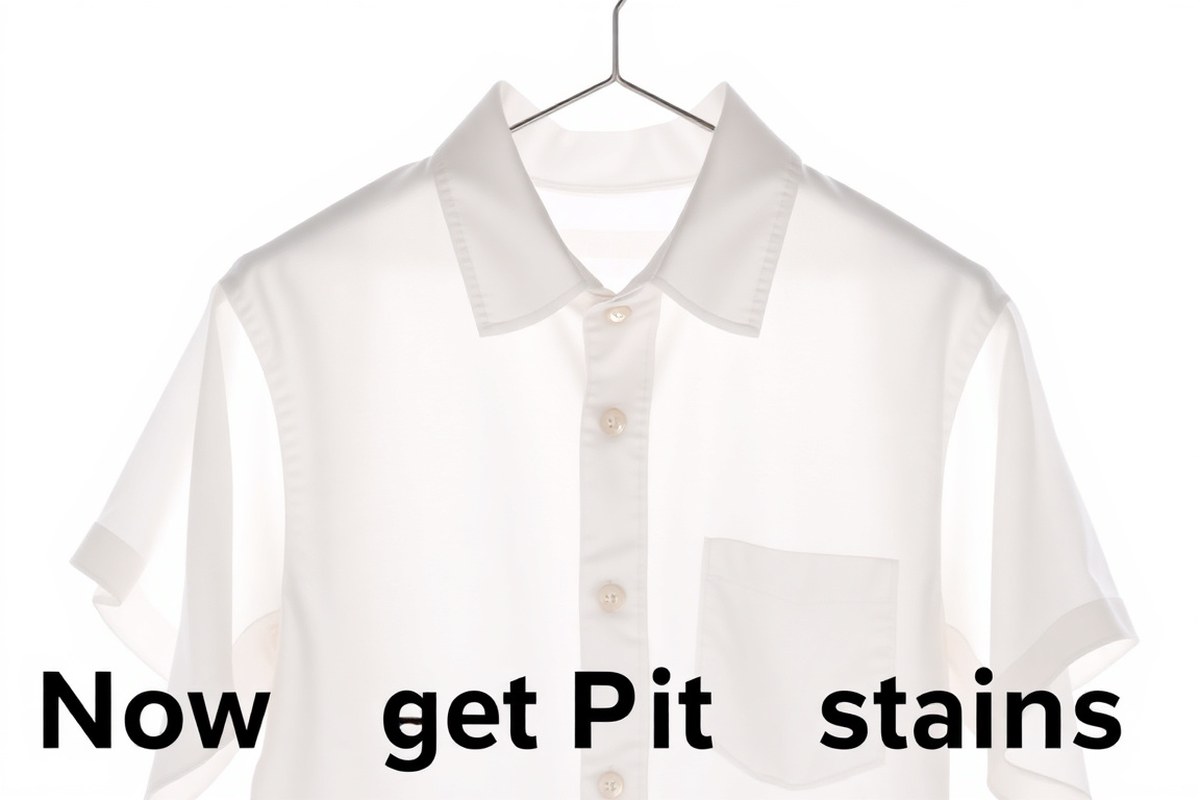
The most effective way to stop pit stains from forming is to adjust how you use antiperspirant and deodorant and manage sweat throughout the day. Antiperspirants contain aluminum compounds that temporarily block sweat glands, reducing sweat production. This makes them your primary defense against pit stains, especially if you sweat frequently or wear formal shirts.
Apply antiperspirant at night before bed. Your sweat glands are less active, so the product can absorb better and form a stronger sweat barrier. Use only a thin, even layer on clean, dry skin. In the morning, if needed, apply a light second layer only after the first has fully dried, which usually takes about 5 minutes. Avoid overusing antiperspirant as excess product can mix with sweat and cause yellow stains on your clothing.
Using deodorant alone won’t stop sweat but helps control odor. For people who sweat heavily, switching from deodorant to antiperspirant can lower sweat levels and reduce pit stains. Make sure you let antiperspirant dry completely before putting on your shirt or blouse to minimize transfer to fabrics. Wearing an undershirt underneath dress shirts can also protect outerwear, acting as a barrier to absorb sweat before it reaches your formal clothes.
- Apply antiperspirant at night on clean, dry skin
- Use only a thin layer; avoid thick or multiple coats
- Allow it to dry completely before dressing (about 5 minutes)
- Wear an undershirt or sweat guards under formal shirts
- Wash shirts soon after sweating to prevent stain setting
- Switch to antiperspirant if you currently only use deodorant
- Reduce nervous or anxiety-induced sweating with relaxation techniques
Overapplying or putting on antiperspirant on wet or sweaty skin reduces its effectiveness and increases the chance of staining. Some formulas stick more easily to underarm hair, which can trap the product and cause stains. Shaving or trimming underarm hair can help antiperspirant spread evenly and reduce that issue. Consistent laundering of clothing after wearing can stop stains from settling permanently. Washing shirts as soon as possible after use prevents sweat and antiperspirant residue from bonding with fabric fibers and forming visible pit stains.
Adjusting your antiperspirant use with these practical steps can dramatically reduce pit stains without giving up sweat protection. For people prone to heavy sweating or those who wear work or formal attire daily, these habits help keep clothes looking fresh and stain-free while maintaining underarm comfort and odor control.
2. Why Do Pit Stains Form? The Science Explained

Sweat itself is colorless and does not stain clothing. Pit stains form because of a chemical reaction involving sweat, deodorant ingredients, and the fabric. Sweat contains salts, lipids, and proteins that mix with bacteria on your skin. When you apply deodorant or antiperspirant, especially those containing aluminum salts, these substances interact with your sweat and skin bacteria to cause the yellow discoloration often seen on shirts under the arms.
The aluminum compounds in many antiperspirants block sweat glands to reduce moisture. However, these aluminum salts can combine with components in sweat and the bacteria in your armpits. This reaction creates a yellow pigment that transfers to your shirt fabric. Over time and with repeated wear, this yellowing becomes more visible and can look like a stubborn, discolored patch in the underarm area.
Besides yellow stains, you might notice white streaks or flaking caused by excess deodorant or antiperspirant product buildup on your clothes. Applying too much product leaves residues that can fall off onto the fabric, creating white marks rather than yellow stains. Using only a thin layer of deodorant or antiperspirant helps minimize this problem.
Fabric type also influences how visible these stains become. White shirts and light-colored fabrics show yellow pit stains more clearly due to contrast. Darker clothing hides them better, but the chemical process happens regardless of shirt color. The fabric’s weave and ability to absorb moisture affects how much stain sets in. Some synthetic fabrics trap more moisture and product residues than natural fibers, worsening stain visibility.
The science behind pit stains explains why simply washing your shirt is not always enough to remove them. The chemical bonds created between aluminum residues, sweat components, skin oils, and your shirt fibers can be hard to break. Specialized treatments like soaking your shirt in cold water with white vinegar for 20 to 30 minutes can help lift these stains by neutralizing the chemicals involved.
Use only a thin layer of deodorant or antiperspirant each morning to reduce the amount of residue that can react with sweat and cause stains.
3. Choosing the Right Fabrics and Clothing to Minimize Stains
Choosing the right fabrics and clothing can significantly reduce pit stains by allowing better airflow, managing moisture, and avoiding tight fits that trap sweat. Natural materials and specialized fabrics help keep your underarms drier, while colors and patterns can mask stains when they do occur. Layering with undershirts also creates a barrier to protect your outerwear from sweat.
Breathable Fabrics Explained
Natural fabrics like cotton and linen are highly breathable, which helps air circulate around your underarms. This ventilation speeds up drying and reduces the chance of sweat settling long enough to form stains. Cotton also absorbs moisture, though it retains some sweat, so changing shirts regularly is important.
Silk and polyester hold moisture against your skin and don’t breathe as well. These fabrics trap sweat, increasing pit stain risks. While silk shirts can have pit stains removed, it is best to avoid relying on delicate fabrics in hot or high-sweat conditions since they stain more easily and require special cleaning methods.
Moisture-Wicking and Sweat-Proof Materials
Moisture-wicking fabrics move sweat away from your skin to the surface, where it evaporates quickly. These are often found in performance or athletic wear made from synthetic blends. They help reduce visible sweat stains by keeping your skin drier.
Specialized clothing like the Thompson Tee uses sweat-proof technology to absorb sweat directly and prevent stains from appearing on your outer layer. Wearing a cheap undershirt under dress shirts is a cost-effective way to protect nicer clothes from sweat marks. This barrier layer can be replaced and washed frequently without risking costly dress shirts.
| Fabric Type | Breathability | Moisture Management | Suitability for Formal Wear | Stain Removal Difficulty |
|---|---|---|---|---|
| Cotton | High | Absorbs but holds moisture | Good (common in dress shirts) | Moderate |
| Linen | Very High | Absorbs and dries fast | Fair (casual/formal blends) | Moderate |
| Polyester | Low | Wicks sweat (performance fabrics only) | Poor (often synthetic blends) | High |
| Silk | Low | Holds moisture | Good (delicate use) | High (requires professional cleaning) |
| Moisture-Wicking Synthetics | Moderate | Excellent (moves sweat away) | Fair (mainly casual/athletic) | Low |
Choosing cotton or linen for everyday and formal shirts offers breathability and moderate moisture control, which helps prevent pits from staining. Moisture-wicking options are best reserved for casual or athletic wear where comfort and stain prevention matter most.
Colors and Patterns That Hide Sweat Best
Dark colors like black generally reveal white deodorant marks, making stains more obvious. On the other hand, light colors such as white and pastels show yellow sweat stains more clearly, especially as these stains set.
Patterns like small checks or busy prints disguise both types of stains well by breaking up the visual contrast. Wearing patterned shirts or shirts in medium tones like gray or navy blue can conceal subtle sweat marks until you can launder them.
If you expect heavy sweating, opt for patterns or mid-tone colors. That way, the stains won’t be instantly visible, buying you time to change or wash the shirt without embarrassment.
Fit and Clothing Layering Options
Tight-fitting shirts increase friction and press fabrics against your skin, causing sweat to stay trapped and stains to appear quickly. Loose-fitting clothes improve airflow and help sweat evaporate before it can soak in.
Layering with an undershirt is a simple and effective strategy. The undershirt acts as a sweat barrier, absorbing moisture and shielding your expensive dress shirts. Change undershirts daily or whenever they become damp to prevent sweat from reaching your outerwear.
For summer or heavy sweat situations, choose loose cotton undershirts or moisture-wicking options depending on your comfort and activity level. Avoid synthetic tight layers as they tend to hold moisture close to the skin.
4. Applying Deodorant and Antiperspirant Correctly to Avoid Stains
To apply deodorant or antiperspirant properly and avoid pit stains, use a thin, even layer on clean, dry skin, preferably at night. Limit application to about two swipes per underarm and allow the product to dry fully before putting on clothes. This method helps control odor and sweat while reducing residue that leads to stains.
Preparation: Dry Skin and Timing
Applying deodorant or antiperspirant to dry skin is essential. Moist or wet skin dilutes the product and increases the chance of stains and residue buildup. The best time to apply antiperspirant is at night when your sweat glands are less active, allowing the product to absorb and form a sweat barrier.
Make sure your underarms are clean and completely dry before applying. Shower at night and dry your skin completely with a towel before applying antiperspirant. Avoid applying right after shaving if your skin is irritated, as this can increase sensitivity and affect absorption.
Application Amount and Method
Applying the right amount is key. More product doesn’t mean better sweat or odor control and can cause visible stains. A thin, even layer avoids excess buildup that rubs onto clothing. Follow these steps for best results:
- Clean and dry your armpits thoroughly.
- Hold the product about 1 to 2 inches from your skin.
- Apply 1 to 2 swipes of deodorant or antiperspirant per underarm.
- Spread the product evenly to cover the entire underarm area.
- Allow the product to dry completely, about 2 to 3 minutes, before dressing.
- Use a spray by holding it at the recommended distance, usually shown on the can, to prevent applying too much.
Too many swipes can increase residue on fabric, leading to yellow or white stains. Solid or dry antiperspirants often reduce this risk compared to gels or sprays.
Night vs. Morning Application
Applying antiperspirant at night is generally more effective in preventing sweat and pit stains. Your body’s sweat glands are less active while you sleep, allowing the product to penetrate your skin and block sweat for the next day.
For deodorant, which targets odor rather than sweat, morning application is acceptable but should still be done on dry skin. For morning application, put on antiperspirant early enough to dry before dressing, such as before your shower or during your routine.
Using antiperspirant the night before special occasions or stressful events can improve sweat control. However, avoid layering on multiple applications in one day since overuse can make stains worse and irritate skin.
5. Underarm Grooming Habits That Help Reduce Sweat Stains
Trimming or shaving your underarm hair can help reduce sweat stains by limiting the amount of sweat and bacteria trapped in your hair. Underarm hair naturally collects sweat, dirt, and odor-causing bacteria. When these substances cling to the hair, they increase the chance of sweat seeping into your clothing and causing stains. Keeping hair trimmed short or shaved smooth decreases this buildup and makes it easier to maintain underarm hygiene.
To trim, use clean scissors or an electric trimmer designed for sensitive skin. Cut the hair close but not to the skin to avoid irritation. Shaving can provide an even cleaner area, but it requires gentle technique and moisturizing afterward to prevent razor burn. Both trimming and shaving require maintenance every few days to keep the area free of excess hair and reduce sweat accumulation. Using a shaving cream or lotion helps protect the skin and reduce discomfort.
Good underarm hygiene is important for reducing sweat stains. Regular washing with a gentle antibacterial soap removes sweat, oils, and bacteria that cause odors and stain marks. It’s best to wash your underarms daily, ideally twice a day if you sweat heavily, to prevent buildup. Dry your skin thoroughly to avoid moisture lingering, which promotes bacterial growth. Applying antiperspirant on clean, dry skin maximizes its effectiveness and reduces sweat output.
Combining grooming with proper hygiene can improve results. For example, trimming the underarm hair after showering and drying can keep the area clean and dry longer. Avoid applying deodorant or antiperspirant on wet or damp skin, since it can mix with sweat and contribute to black or yellow stains. Some people find that switching to antiperspirants with fewer staining ingredients also helps.
When sweating persists despite grooming and hygiene, wearing sweat-proof undershirts with built-in underarm pads is an option. These undershirts absorb sweat directly and prevent it from reaching your outer clothes, preserving them from stains. They cost between $20 and $40 per shirt and can be worn under dress shirts and work clothes easily.
Trim or shave underarm hair regularly and wash with antibacterial soap daily to reduce sweat trap and bacterial buildup, which lower your risk of pit stains.
6. Lifestyle and Diet Changes That Can Reduce Excessive Sweating
Certain foods and drinks can increase how much you sweat and how likely your sweat is to cause stains. Caffeine, spicy food, alcohol, and processed junk foods tend to make your body sweat more. For example, coffee has about 95 milligrams of caffeine per serving, but energy drinks like Monster or Rockstar can have up to twice that much, causing particularly sweaty underarms. Reducing your intake of these can help lower your sweat production and reduce the chance of pit stains forming.
Hydration plays an important role too. Eating fruits and vegetables with high water content or simply drinking more water can help keep your body temperature down and may decrease sweating. Staying well hydrated supports your body’s natural cooling system and prevents overheating, which triggers sweating.
| Food or Drink | Effect on Sweating | Why It Matters for Pit Stains |
|---|---|---|
| Caffeine (coffee) | Moderate increase in sweat production | More sweat means greater risk of sweat stains |
| Caffeinated Energy Drinks | High increase due to double caffeine levels | Stronger sweat burst leads to worse stains |
| Spicy Foods | Stimulate sweat glands and raise body temperature | More sweat and odor, increasing stain likelihood |
| Alcohol (beer, liquor) | Triggers sweating by dilating blood vessels | Increased sweat volume contributes to stains |
| Fruits and Veggies (high water content) | Helps regulate body temperature, reduce sweat | Lower sweat output reduces pit stains |
| Processed Junk Foods | Likely increase in sweat and sweat odor | Higher sweat output and stain risk |
A practical way to reduce sweating is to cut back on caffeine and spicy foods gradually over a week or two. For example, swap energy drinks for water or herbal tea. Also, aim to eat a few servings of water-rich fruits or vegetables daily, such as cucumbers or watermelon. This helps maintain hydration without triggering extra sweating.
Other than diet, your habits matter. Allowing your skin to cool and dry completely before putting on clothes or applying antiperspirant can prevent extra sweat buildup. Nighttime application of antiperspirant is another recommended trick since it works best when your sweat glands are less active during sleep. Combining lifestyle adjustments with these habits gives you a better chance at keeping pit stains off your shirts.
7. Laundry and Clothing Care Practices to Keep Pit Stains Away
Washing pit-stained shirts properly prevents stains from setting and keeps your clothes fresh longer. Use the right detergents, avoid bleach, and follow careful washing steps to eliminate sweat marks effectively.
Pre-Treatment Soaks and Stain Removal
Address stains before washing to improve results. Rinse sweaty shirts in cold water right after wearing to prevent stains from setting. For tougher yellow stains, soak shirts in a solution with enzyme-based detergent to break down sweat proteins without damaging fabric.
Chlorine bleach worsens pit stains, so avoid it completely. Instead, use color-safe bleach for pre-treatment if fabric allows. Dry clean-only clothes with pit stains are best left to professionals to avoid damage.
- Rinse the stained area with cold water immediately after wear if you can’t wash right away.
- Apply a small amount of enzymatic detergent directly to the pit stains.
- Let the shirt soak in cold water mixed with enzymatic detergent for 30 minutes to an hour.
- Gently rub the stained area with fingers or a soft brush to loosen the stain.
- Rinse thoroughly with cold water to remove detergent residue.
Detergent and Laundry Additive Choices
Choose detergents built to tackle organic stains like sweat. Enzymatic detergents are designed to break down proteins and oils in sweat, making them effective for pit stains. Regular detergents without enzymes may not remove these stains completely.
Do not use chlorine bleach, which can turn pit stains darker or set them permanently. Color-safe bleach or oxygen-based stain removers are safer options if your fabric permits. Avoid harsh chemicals that can degrade fabric fibers or cause discoloration.
Washing and Drying Best Practices
Wash pit-stained shirts in the hottest water safe for the fabric, which helps lift oils and proteins causing stains. Check care labels to determine maximum water temperature. Cold water washes help conserve energy but may not remove deep sweat stains fully unless pre-treated.
Use your usual enzymatic detergent for the wash cycle. Overloading machines can reduce cleaning effectiveness, so leave enough space for water and detergent to circulate. Synthetic fabrics retain odors longer, so thorough washing is especially important for workout shirts or polyester blends.
Air drying shirts is best to avoid heat setting stains, especially if stains remain after washing. Avoid high-heat drying, which can make stain removal harder. Hang shirts to dry in a well-ventilated area or line dry outside if possible.
8. When to Seek Medical Help for Excessive Sweating and Stains
Excessive sweating causing persistent pit stains could indicate a medical condition called hyperhidrosis. Unlike normal sweating that responds to heat, exercise, or stress, hyperhidrosis leads to uncontrollable sweating without a clear cause. This condition affects about 3% of the population and often worsens quality of life by making clothes visibly stained, uncomfortable, and embarrassing.
You might consider your sweating excessive if you regularly notice sweat soaking through your clothing, leaving visible pit stains even when you’re not engaged in physical activity or exposed to heat. For example, sweating through several layers or soaking undershirts at work without strenuous effort signals a problem that may require medical attention.
Consulting a healthcare professional is recommended when sweating disrupts daily activities or causes emotional distress. Doctors can evaluate your symptoms and may diagnose hyperhidrosis based on your history and a physical exam. They often rule out other causes like medications or underlying illness before confirming the diagnosis.
Treatment options vary depending on severity. Over-the-counter antiperspirants with high aluminum chloride levels may be a first step. Prescription-strength antiperspirants can cost around $15 to $40 and may provide relief for mild cases. For more persistent situations, treatments include Botox injections, which block sweat gland signals. These injections generally last six to nine months and cost between $1,200 and $1,800, usually covered partly by insurance when medically necessary.
Other medical treatments include oral medications to reduce sweating, though side effects like dry mouth or dizziness can occur. In extreme cases, surgical procedures such as sweat gland removal or nerve interruption are options but involve higher risk and recovery time.
Good results mean significantly reduced sweat and fewer or no visible pit stains during normal daily activities, allowing you to wear formal or work shirts confidently. If pit stains continue despite treatment, or sweating spreads beyond underarms, revisit your healthcare provider to adjust treatment or explore other causes.
Persistently heavy sweating and pit stains unrelated to heat or exercise warrant a healthcare evaluation to rule out hyperhidrosis or other medical issues.
Step-by-Step Action Plan to Prevent Pit Stains
Follow this simple plan to reduce sweat stains on your shirts and keep your clothes looking fresh.
- Before You Dress: Apply an antiperspirant to dry, clean underarms to limit sweat production. You’ll know it worked if your underarms feel dryer through the day.
- Morning Routine: Choose shirts made from breathable fabrics like cotton or moisture-wicking blends. Check that they feel comfortable and not overly damp after wearing several hours.
- Daily Grooming: Keep underarm hair trimmed to reduce sweat retention. Notice less moisture buildup on skin and clothing by the end of the day.
- After Work: Launder worn shirts promptly using stain-fighting detergent and cold water to prevent setting stains. Shirts should appear stain-free and smell fresh after washing.
- Weekly Review: Assess your sweating levels and adjust your diet or clothing choices if excessive sweating persists. Improvement is that you feel more comfortable and your shirts last longer without stains.
- After 2 Weeks: Monitor any persistent or heavy sweating and consult a healthcare professional for treatment options if needed.
Frequently Asked Questions
Why Do I Get Yellow Armpit Stains?
Yellow armpit stains form when aluminum in antiperspirant mixes with sweat and fabric, causing discoloration. Sweat itself is colorless, but this chemical reaction creates the yellow stain.
Why Do All of My Shirts Have Pit Stains?
Frequent sweating combined with antiperspirant use can cause yellow stains on many shirts over time. Heavy sweating increases the chance of these stains appearing.
Are Armpit Sweat Stains Permanent?
No, pit stains are not permanent and can usually be removed with proper laundry care like soaking and pre-treating. Regular washing helps prevent build-up and discoloration.
Does Deodorant Stop Pit Stains?
Deodorant alone won’t stop pit stains since it doesn’t reduce sweat, but antiperspirants help by limiting sweat production. Both can still cause stains depending on ingredients.
Can Wearing an Undershirt Prevent Pit Stains?
Yes, wearing an undershirt absorbs sweat and protects outer shirts from stains, keeping them cleaner longer. This is a simple way to avoid direct contact with sweat and antiperspirant.
Is Excessive Sweating the Only Cause of Pit Stains?
No, pit stains result from sweat combining with antiperspirant chemicals and fabric, so even light sweating can cause stains if antiperspirant is used.
The Bottom Line
Preventing pit stains involves a mix of smart clothing choices, proper underarm care, and good laundry habits. Taking steps like applying antiperspirant correctly and choosing suitable fabrics can make a noticeable difference. Start by picking one key change to your routine today and observe the improvement in your clothes’ condition and your comfort level.