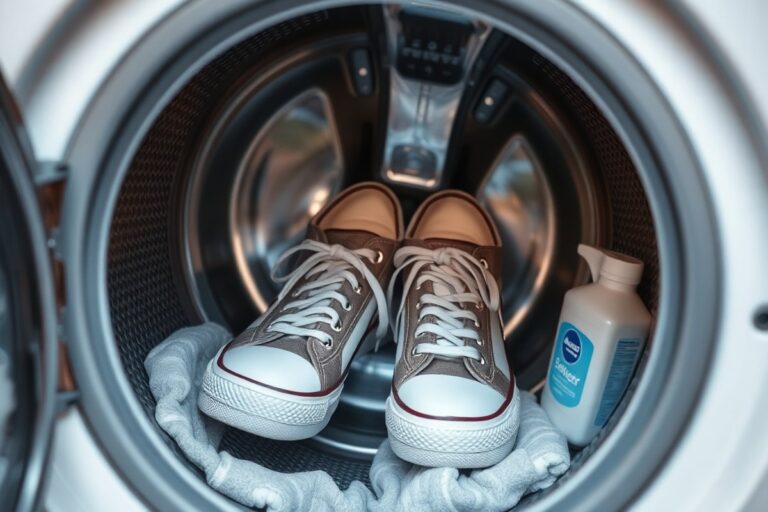
How to Use Vinegar to Wash Clothes: 8 Effective Steps for Clean, Soft Laundry
To use vinegar to wash clothes effectively, add half a cup of white vinegar during the final rinse cycle to soften fabrics, reduce odors, and control static cling. For stains or mildew, pre-soaking clothes in a diluted vinegar solution before washing can improve results without harsh chemicals. This approach works well for most cotton, permanent press cotton, and polyester fabrics, making it an eco-friendly and affordable laundry booster.
These steps suit homeowners and renters seeking natural, cost-effective laundry options that improve fabric care and machine maintenance. You will learn easy techniques to safely incorporate vinegar into your laundry routine for cleaner, softer clothes while protecting your washing machine and extending garment life.
Key Takeaways
- Pour half a cup of white vinegar into the fabric softener slot during the final rinse to soften your clothing.
- Pre-soak stained or mildewed garments in a vinegar solution (1 part vinegar to 4 parts water) for 15 to 30 minutes before washing.
- Add 1/2 to 1 cup vinegar directly to the washer’s final rinse cycle to remove stubborn odors.
- Soak brightly colored clothes in undiluted vinegar for 15 minutes before their first wash to prevent color fading.
- To clean a dirty washing machine, fill it with hot water, add 2 gallons vinegar, and run the agitator for 8 to 10 minutes.
- Avoid vinegar on delicate fabrics by testing a small hidden area first or skipping use on acetates and silks.
1. How to Use Vinegar to Wash Clothes Step-by-Step

Using vinegar in your laundry can help remove odors, soften fabrics, and reduce residue when added correctly. You can add vinegar directly to the washing machine, either replacing detergent for light cleaning or combining it with detergent to boost freshness. The amount and timing depend on your laundry goals and the type of washing machine you use.
- Measure the vinegar. Use 1/2 cup (about 120 milliliters) of distilled white vinegar for most loads. For heavier odors or residues, you can increase this to 1 cup.
- Add detergent if desired. For a regular cleaning cycle, add your usual detergent to the washing machine. Vinegar improve freshness but does not replace the stain-fighting power of most detergents.
- Pour vinegar into the washing machine drum. Place the vinegar directly into the drum along with your clothes. This method works well for front-loading and top-loading machines.
- Start the wash cycle. Run your normal wash cycle as usual. Vinegar will mix with water and detergent during the wash.
- Alternatively, add vinegar during the rinse cycle. If you prefer, pause the machine just before the final rinse. Add 1/2 cup of vinegar, diluted if you like, directly to the laundry to act as a fabric softener and odor remover during rinsing.
- Skip detergent to use vinegar alone. For lightly soiled clothes or quick deodorizing, pour 1/2 cup of white vinegar into the drum in place of detergent. This can wash and neutralize odors but may not fully clean heavy stains.
- Run a hot water cycle for towels or heavy loads. Use hot water or the sanitize cycle with 1 cup of vinegar and no detergent to deeply clean towels or smelly laundry, especially when you want to reduce stiff fabric residue.
Adding vinegar costs just a few cents per load and is safe if used every few washes. Avoid pouring vinegar into bleach compartments to prevent chemical reactions. Using it every 4 to 6 weeks, or when clothes smell stale, keeps laundry fresh and machines cleaner. Using vinegar solely instead of detergent may save detergent costs but won’t always remove all dirt or stains as effectively, so evaluate your cleaning needs before skipping detergent.
2. Which Clothes and Fabrics Should You Avoid Using Vinegar On?

Some fabrics should be treated with caution when using vinegar in your laundry. Avoid washing delicate fabrics like silk, acetate, and rayon with vinegar, as the acidity can weaken fibers and cause damage or discoloration. Wool can also be sensitive to vinegar and might lose its softness or become brittle if exposed to too much acid. When managing these delicate materials, use only a small amount of vinegar diluted in water, or better yet, test first on a hidden area before washing the entire garment.
To safely test if vinegar is suitable for your fabric, mix one tablespoon of vinegar with one cup of warm water. Dampen a white cloth or cotton swab with this solution and gently blot a hidden corner of the fabric. Wait 15 to 30 minutes and check for any discoloration or texture changes. When the fabric looks intact and undamaged, add 1 to 2 tablespoons (14 to 30 mL) of diluted vinegar during the last rinse cycle or in a hand rinse. Avoid using vinegar on fabric showing fading or increased roughness in future washes to prevent further damage.
Most cotton, permanent press cotton, and polyester garments safely benefit from vinegar. Use about half a cup of distilled white vinegar in the final rinse to help remove odors and soften fabric. Never combine vinegar with chlorine bleach, as this can produce dangerous chlorine gas. Avoid exceeding the suggested vinegar amount to protect elastic fibers and adhesives in certain clothing items from damage over time.
Using vinegar on delicate fabrics is best done with extra care. Follow the garment’s care label closely. Hand wash delicates in cool water with mild detergent, then add 1 or 2 tablespoons of vinegar in the final rinse to remove soap residue and restore fabric brightness. Avoid soaking the item in vinegar longer than 15 to 30 minutes to prevent damage.
Regular use of vinegar in laundry, such as every other week or as needed, can maintain fabric softness and control odors without harming most clothing. It requires minimal cost, typically just a few cents per half cup of vinegar. Properly diluted and tested, vinegar serves as a natural fabric softener and cleaning booster. Look for signs like stiffness, fabric discoloration, or fading to identify if vinegar use is becoming problematic so you can adjust the amount or frequency accordingly.
Test vinegar on a hidden spot and wait 15 to 30 minutes before using it on the whole garment to avoid unexpected damage or discoloration.
3. Removing Odors, Stains, and Mildew Using Vinegar
Vinegar effectively removes odors, sweat stains, mildew, and gum from clothes by breaking down residue and neutralizing smells. For best results, use appropriate vinegar-to-water ratios and soak times tailored to the type and severity of the stain or odor.
Pretreating Stains with Vinegar Solutions
Applying vinegar directly to stains can help lift sweat and odor-causing residues before washing. Spray vinegar onto affected areas like underarms and allow it to sit to penetrate the fabric.
- Mix equal parts distilled white vinegar and water in a spray bottle.
- Spray the solution generously onto sweat stains or odor-prone areas.
- Let the garment sit at least 10 minutes to allow the vinegar to break down buildup.
- Gently rub the area to help loosen the stain.
- Place the clothing in the washing machine and wash with your regular detergent.
- Check the stain after washing; repeat pretreatment if needed before drying.
Soaking Clothes for Deep Odor and Mildew Removal
Soaking clothes in vinegar dilutes and neutralizes trapped odors and mildew spores. Using the right dilution ratio and soaking time ensures effective deodorizing without damaging fabrics.
- Fill a basin or bathtub with warm water (around 90°F to 110°F).
- Add 1 cup of distilled white vinegar per gallon of water.
- Submerge clothes fully for general odor removal or mildew treatment.
- Soak for 30 minutes to 1 hour depending on odor strength; use longer for mildew.
- Remove clothes and run a normal wash cycle with detergent after soaking.
- Air dry completely to prevent mildew recurrence.
| Problem | Vinegar-Water Ratio | Soak Time |
|---|---|---|
| General Odors (sweat, musty smell) | 1 cup vinegar per gallon water | 30 minutes |
| Mildew Removal | 1 cup vinegar per gallon water | 1 hour or more |
| Gum Residue | Use full-strength vinegar | 10, 15 minutes |
Special Vinegar Mixes for Tough Stains
Combining vinegar with detergent or baking soda can boost stain removal for difficult cases like gum or stubborn sweat stains. Vinegar alone loosens residue; detergent provides cleaning power.
- For gum stains, soak the spot in undiluted white vinegar for 10 to 15 minutes.
- Apply laundry detergent then wash normally to remove loosened gum residue.
- For strong sweat or mildew stains, spray vinegar first, then sprinkle baking soda before washing.
- Wash clothes in warm water with detergent to improve stain breakdown.
- Repeat as necessary until stains or odors fade.
4. Using Vinegar to Soften Clothes and Reduce Static
Vinegar naturally softens fabrics and cuts down on static by breaking apart detergent and mineral residues that leave clothes stiff and clingy. Adding about 1/2 cup of distilled white vinegar during the final rinse washes away these leftovers, resulting in softer laundry without using commercial softening chemicals. The mild acid in vinegar also lowers static by neutralizing the electric charge that forms when clothes dry.
Use 1/2 to 1 cup of distilled white vinegar as a fabric softener by pouring it into your washer’s fabric softener dispenser or directly into the final rinse cycle. This timing lets the vinegar work effectively without disrupting the detergent during washing. For front-load machines, placing it in the fabric softener compartment works best, while top-loaders are suited for adding vinegar during the rinse portion.
For softer towels or heavier fabrics that tend to be scratchy, you might use a full cup of vinegar in the rinse cycle. This extra amount helps break down stubborn residues that cause roughness. Using vinegar regularly, about every few washes, prevents buildup rather than just removing it when it becomes a problem. Avoid overuse, however, since excessive vinegar may weaken elastic fibers over time.
To cut down on static during dryer-heavy laundry days, add vinegar in the rinse cycle and try combining it with dryer balls. Dryer balls help air circulate better and limit cling for smoother clothes. Vinegar leaves no strong scent; any mild vinegar smell washes out during drying so your clothes come out fresh smelling.
Using vinegar costs only a few cents per wash cycle compared to commercial softeners, which makes it a budget-friendly and eco-conscious option. Do not use other vinegar types like apple cider or balsamic since they may stain or leave residues. Stick to plain distilled white vinegar for safe, effective softening and static control.
Avoid using vinegar on delicate fabrics like silk or acetate, as its acidity might damage these fibers. For cotton, polyester blends, and towels, vinegar works best. In short, adding half a cup to one cup of white distilled vinegar in the rinse cycle softens clothes, reduces static, and refreshes your laundry without chemicals or added fragrances.
5. Cleaning and Maintaining Your Washing Machine with Vinegar
Using vinegar to clean your washing machine helps remove detergent buildup, odors, and mold without harsh chemicals. However, it should be done carefully and not too often, as vinegar’s acidity can wear down rubber parts over time. Follow these steps to keep your machine fresh and running well.
Running a Vinegar Cleaning Cycle
Start with an empty washing machine and choose the hottest water setting. Vinegar’s acidity breaks down soap scum and mineral deposits inside the washer drum and hoses, improving cleaning performance and reducing musty smells.
- Set your washer to the hottest and longest cycle available, usually labeled as “Sanitize” or “Hot Wash.”
- Pour 2 cups of distilled white vinegar directly into the drum or detergent dispenser.
- Start the washing machine and let it run the full cycle without any clothes inside.
- If your washer has an extra rinse cycle, enable it to flush out loosened residue.
- After the cycle finishes, wipe down the inside of the drum, door, and rubber seal with a soft cloth.
Avoid pouring vinegar on rubber seals directly when the machine is off; always dilute and rinse thoroughly to prevent damage.
Removing Mold and Mildew Inside the Washer
Mold and mildew often form around door seals and detergent compartments, causing odors and staining clothes. A targeted vinegar treatment clears these areas without toxic chemicals.
- Mix equal parts distilled white vinegar and water in a spray bottle.
- Spray the mixture generously on rubber seals, detergent drawers, and other mold-prone spots.
- Let the solution sit for 10 to 15 minutes to dissolve mold and mildew.
- Use a soft brush or cloth to scrub the area gently to remove buildup.
- Run a quick rinse cycle with hot water to clear any remaining residue.
- Leave the washer door open between uses to let the interior dry and prevent mold growth.
Never mix vinegar with bleach or other harsh cleaners as this can release harmful fumes.
Regular Maintenance Scheduling
Cleaning your washing machine with vinegar once every 1 to 3 months helps prevent buildup but protects rubber hoses and seals from damage. Use vinegar only when you notice odors, visible residue, or lowered cleaning performance.
- Schedule a vinegar cleaning cycle every 2 to 3 months for average use machines.
- Adjust frequency based on water hardness, detergent type, and washing habits.
- For heavy use or hard water areas, you might do a vinegar clean monthly, but watch for signs of wear on rubber parts.
- Combine vinegar cleaning with regular wiping of seals and detergent drawers to minimize mold and residue buildup.
- Stop vinegar use for maintenance and consult a professional if you notice leaks or mechanical issues.
Using vinegar too frequently may cause rubber components to degrade faster, so stick to occasional cleanings unless signs of buildup appear more often.
6. Best Vinegar Types and Concentrations for Laundry
White distilled vinegar with 5% acidity is best for laundry because it safely cleans, softens, and deodorizes fabrics without damaging them. Cleaning vinegar is stronger and can be risky for delicate clothes or machines. Apple cider vinegar and other varieties may leave stains or residues and are less ideal for washing clothes.
Distilled White Vinegar
Distilled white vinegar is the most common type used in laundry. It contains about 5% acetic acid, which effectively breaks down detergent buildup, minerals, and odors. This mild acidity ensures it cleans well without harming most fabrics.
Using 1/2 cup of distilled white vinegar during the rinse cycle softens clothes and helps preserve colors without leaving a vinegar smell. It’s safe to use regularly and even works as a spot treatment when applied undiluted on stains like sweat, food, or grease.
Cleaning Vinegar
Cleaning vinegar typically has about 6% acidity, making it roughly 20% stronger than distilled white vinegar. While this higher acid concentration can offer more cleaning power, it poses a risk to fabric fibers and may bleach or weaken clothes if used frequently or undiluted.
Because of these risks, cleaning vinegar should not be substituted for distilled white vinegar in laundry. It’s better suited for hard surface cleaning than fabrics, especially delicate or colored ones. If you choose to use it, dilute it carefully and avoid regular use on clothing.
Apple Cider Vinegar and Others
Apple cider vinegar and other varieties like white wine vinegar are less recommended for laundry. Apple cider vinegar can leave a slight color tint or sticky residue behind, especially on lighter fabrics.
These vinegars may also introduce a mild smell or residue that can build up in your washing machine or on clothes over time. For these reasons, white distilled vinegar remains the safer and more effective choice when washing clothes. The table below summarizes the main vinegar types used in laundry, their acid concentrations, and their suitability:
| Vinegar Type | Acidity Level | Use in Laundry | Notes |
|---|---|---|---|
| Distilled White Vinegar | 5% | Safe, recommended | Effective at cleaning and softening, no residue, mild smell |
| Cleaning Vinegar | ~6% | Use cautiously | Stronger acid, risks bleaching and fabric damage |
| Apple Cider Vinegar | ~5% | Less recommended | May leave color or residue, potential smell issues |
| White Wine Vinegar | ~5% | Not recommended | Can stain clothes, leaves residue |
Stick to distilled white vinegar at 5% acidity for your laundry needs. Use it undiluted in small amounts for spot treating stains or diluted during rinse cycles to soften fabrics and reduce odors. Avoid cleaning vinegar and other vinegars due to their higher acidity or potential to cause unwanted effects on clothes.
7. Common Mistakes to Avoid When Washing Clothes with Vinegar
Vinegar can be a helpful laundry additive, but using it incorrectly may cause damage to clothes or your washing machine. Avoid pouring vinegar directly onto fabrics without diluting it first; undiluted vinegar’s acidity can weaken fibers and cause color fading, especially with delicate or dark garments. Always mix one cup of distilled white vinegar into the final rinse cycle to safeguard clothes from excessive wear. Overuse is another issue, using vinegar every wash or in large amounts may eventually erode rubber seals and hoses in your machine. Limit vinegar use to no more than once per week to help preserve your washer’s components.
Some assume combining vinegar with bleach or detergent is safe, but this can generate harmful fumes or reduce cleaning effectiveness. Never mix vinegar directly with bleach. Instead, add vinegar in a separate rinse cycle after washing with detergent to avoid chemical reactions. It’s also important to use distilled white vinegar rather than flavored or colored varieties, which might stain clothes or leave residues. Follow these practical tips to keep clothes and machines safe while benefiting from vinegar’s cleaning power:
- Use one cup of distilled white vinegar diluted in the rinse cycle only
- Never pour undiluted vinegar directly on clothes or into wash water
- Avoid combining vinegar with bleach or ammonia-based cleaners
- Limit vinegar use to once a week to protect rubber seals and hoses
- Test vinegar on a small hidden area before treating delicate fabrics
- Keep children and pets away from vinegar during laundry to prevent accidental ingestion
Taking these precautions keeps your laundry routine safe and effective. Vinegar’s acidity helps break down detergent residues and mineral deposits that cause odors and stiffness. Using it thoughtfully maintains garment color and fabric strength, while also extending the life of your washing machine. Prices for distilled white vinegar usually range from $2 to $5 per gallon, making it a low-cost supplement to your laundry routine. Just remember the right amount, dilution, and timing to avoid common pitfalls and ensure your clothes come out fresh and clean without damage.
8. When and How Often to Use Vinegar in Laundry
Only add vinegar occasionally, not to every load. Putting half to one cup of white distilled vinegar in the last rinse cycle refreshes clothes with stubborn or foul odors. This approach removes smells and leftover detergent without damaging fabrics.
For regular laundry loads without noticeable odor or buildup, vinegar is not necessary. Using it too often might weaken certain fabrics or react with some dyes. Reserve vinegar for your dirtiest or smelliest laundry, such as workout gear, towels, or clothes exposed to smoke or mildew.
Seasonal changes often bring specific laundry challenges where vinegar shines. In humid summer months, clothes tend to hold sweat odors longer, and vinegar can help eliminate these smells. After outdoor activities in spring or fall, vinegar helps remove pollen and mildew odors. Winter clothes stored away for months also benefit from a vinegar rinse to refresh fibers before wearing.
A practical routine is to add vinegar every third or fourth wash cycle or whenever you detect lingering odors or stiffness in your fabrics. For example, after washing sweaty workout clothes, add 1/2 cup vinegar in the rinse cycle next time to remove odors and keep fabric soft. Avoid adding vinegar unless your laundry develops noticeable odors or visible residue after multiple washes.
Choose white distilled vinegar, which costs about $3 to $5 for a gallon, making it an inexpensive alternative to commercial fabric softeners and odor removers. It’s gentle on most fabrics and environmentally friendly compared to chemical-based products. Adding it in the final rinse requires no special equipment or timing, just pour it directly into the washer’s rinse compartment or during the last rinse cycle.
Use vinegar deliberately rather than routinely to protect your clothes’ fibers and colors. Frequent vinegar use might degrade elastic or delicate fabrics. Reduce the frequency of vinegar use if you observe any unexpected fading or stiffness in your clothes. Also avoid combining vinegar with bleach, which can release harmful fumes.
Only add vinegar during the final rinse cycle, never during the wash cycle, to avoid interfering with detergent performance or fabric colors.
Step-by-Step Action Plan for Using Vinegar in Laundry
Follow this simple plan to make vinegar a natural and effective part of your laundry routine.
- Before Your First Load: Choose white distilled vinegar with 5% acidity for safety and effectiveness.
- Day 1: Pour 1 cup of vinegar into the rinse cycle to help soften your clothes and reduce any unwanted smells. After drying, see if your laundry feels softer and has a fresh scent.
- Week 1: Use vinegar to pretreat mildew or odor spots by applying it directly and letting it sit for 15 minutes before washing. Confirm if odors and stains are reduced.
- Week 2: Clean your washing machine by running a hot wash cycle with 2 cups of vinegar. Look for reduced soap scum and fresher machine smells.
- Every Other Week: Use vinegar instead of fabric softener during the rinse cycle for ongoing fabric softness and static reduction.
- When Needed: Avoid vinegar on delicate fabrics like silk or rayon, and test on hidden spots before use.
- Regularly: Monitor your clothes for any fabric damage or lingering vinegar smell and adjust frequency accordingly.
Frequently Asked Questions
Can I Use Vinegar to Wash White Clothes Only?
You can use vinegar to wash both white and colored clothes safely. It helps remove odors and brighten fabric without bleaching, unlike harsh chemicals. Just avoid delicate fabrics and always test if unsure.
Should I Pour Vinegar Directly on Clothes or in the Washer?
Pour vinegar in the fabric softener dispenser or during the rinse cycle, never directly on clothes. This prevents fabric damage and ensures even distribution, avoiding vinegar spots on your laundry.
Can Vinegar Replace Detergent Entirely in Laundry?
Vinegar can replace detergent for light cleaning and odor removal but not for heavy soil. For heavily soiled garments, use detergent alongside vinegar for better cleaning power.
Will Vinegar Damage Washing Machines?
Vinegar is safe to use in your washing machine and can even clean and deodorize it when used every 4 to 6 weeks. Avoid pouring vinegar directly on rubber parts to protect their lifespan.
Does Vinegar Help with Laundry Allergies or Sensitivities?
Vinegar can reduce detergent residues that cause irritation, making it a good option for sensitive skin. Still, use plain white vinegar without added scents to avoid allergic reactions.
How Much Vinegar Do I Add to Each Wash Cycle?
Add about 1/2 cup (118 mL) of vinegar during the final rinse cycle. Adjust the amount based on load size but avoid excessive use to prevent fabric weakening over time.
The Bottom Line
Vinegar offers a simple, eco-friendly way to refresh your laundry, remove odors and stains, soften clothes, and keep your washing machine clean. Start by adding it just once or twice and watch how your clothes improve. Next time you load your washer, try vinegar in the rinse cycle and enjoy fresher, softer laundry without added chemicals.