How to Wash a Couch: 8 Steps for Safe, Deep Cleaning That Works
Learning how to wash a couch properly involves identifying your couch fabric, choosing the right cleaners, and allowing enough drying time. Start by vacuuming and brushing the couch, then use baking soda to deodorize before applying suitable cleaning methods based on your fabric type. Proper care ensures your couch stays fresh and lasts longer without damage.
This information is for homeowners or renters who want to clean their couches at home safely and effectively. You’ll get clear steps to guide you through fabric identification, stain removal, deodorizing, and avoiding common cleaning mistakes for your upholstery.
Key Takeaways
- Brush your couch with a clean towel or stiff brush before cleaning to remove loose dirt.
- Sprinkle baking soda on your couch and let it sit 20 to 60 minutes to deodorize fabric naturally.
- Check your couch’s cleaning code to select safe cleaning products and methods for its fabric.
- Use mild soap and cool water in a tub to gently wash removable covers, then air dry flat.
- Vacuum baking soda thoroughly after sitting time using a brush attachment for best results.
- Open windows or set a fan nearby to speed drying after cleaning to avoid mildew buildup.
1. How to Wash a Couch Safely at Home
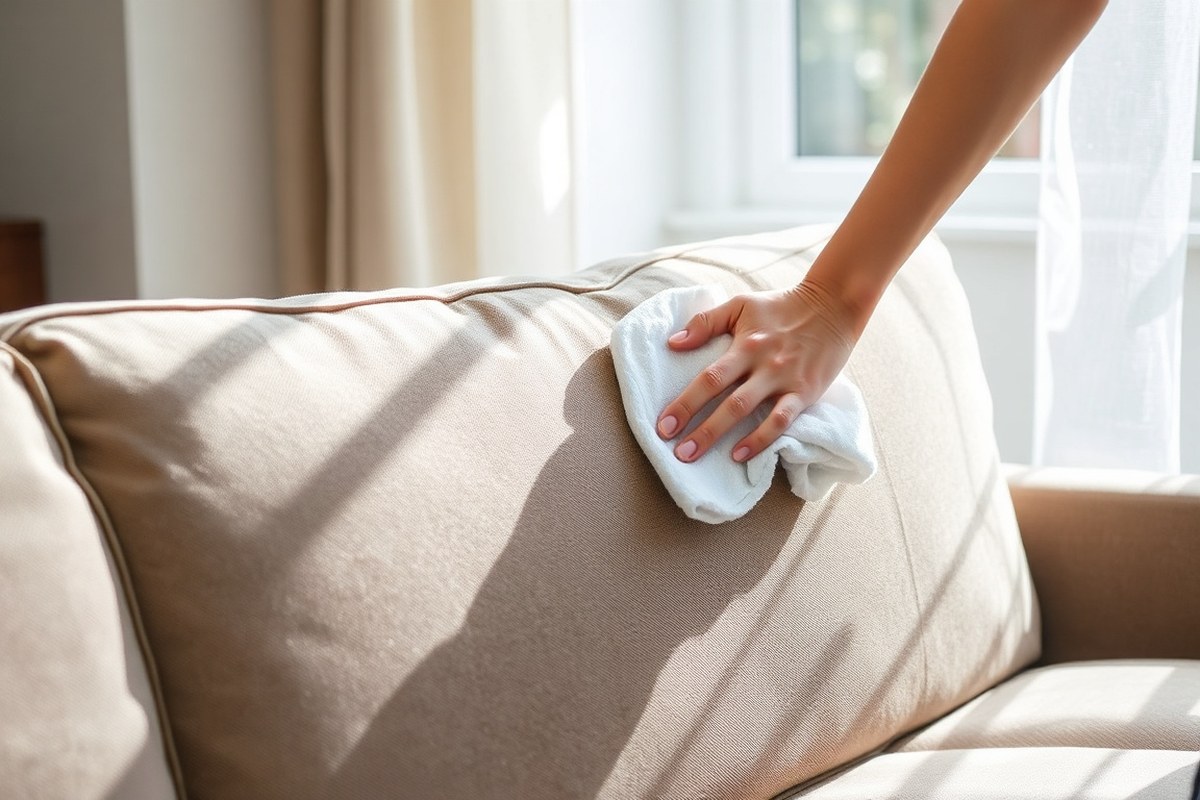
Washing a couch safely at home requires careful preparation, gentle cleaning, and proper drying to avoid damage and ensure effective results. Before cleaning, remove loose dirt and pet hair using a vacuum or brush, then test a small hidden area with your chosen cleaner to prevent color fading or fabric damage. Proper drying is critical because a damp couch can develop mold or odors. Allow at least 8 to 12 hours for drying, and increase airflow with an open window or fan to speed the process. Follow these detailed steps to clean your couch safely and thoroughly:
- Clear and Vacuum the Couch: Remove cushions and pillows. Vacuum all surfaces, including crevices, to eliminate dust, dirt, and pet hair. This step prevents dirt from embedding deeper during washing.
- Brush the Fabric: Use a clean white towel or a stiff brush to loosen dirt and prepare the fabric for cleaning. Brushing helps lift grime and improves the efficiency of any cleaning solution applied later.
- Test Cleaning Solution: Choose a cleaner that suits your couch fabric. Spray or apply a small amount to a hidden area. Wait 5 to 10 minutes to check for color changes or fabric weakening. Skip washing if damage occurs; instead, consider professional cleaning.
- Prepare for Cleaning: If removable covers are available, unzip and wash them according to their labels, typically in hot water. For non-removable upholstery, lightly spray distilled water or a suitable cleaner without soaking the fabric.
- Clean the Couch: Gently scrub the fabric with a soft brush or cloth soaked in soapy water or a recommended cleaner. For deeper cleaning or sanitizing, use a steam cleaner following manufacturer directions carefully to avoid over-wetting.
- Remove Excess Moisture: Blot wet areas with a clean towel. Optionally, use an extractor machine to pull moisture out without applying steam. This step speeds drying and reduces the chance of mold growth.
- Dry Thoroughly: Leave the cushions and couch exposed to air for 8 to 12 hours. Accelerate drying by opening windows or running a fan directed at the couch. Avoid direct sunlight, which may fade some fabrics.
- Final Brush and Fluff: Once dry, brush the fabric gently to restore texture and fluff cushions before replacing them. This improves appearance and comfort after cleaning.
Keeping these steps in mind protects your couch fabric and extends its life. Skipping preparation or improper drying can lead to fabric damage, unpleasant smells, or mildew. Regular cleaning combined with proper home washing ensures your couch stays fresh and comfortable.
2. How to Identify Your Couch Fabric and Cleaning Codes
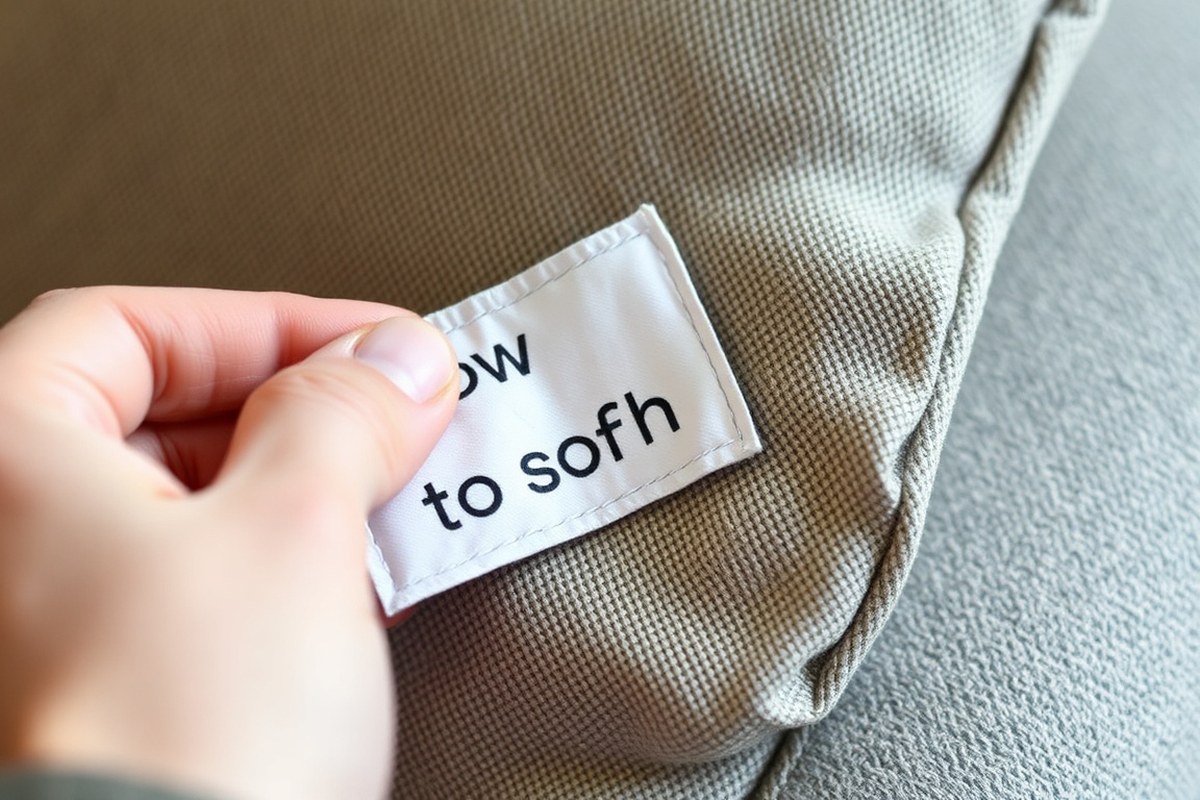
Identifying your couch fabric and understanding its cleaning codes ensures you use the right cleaning method that protects the upholstery and improves its lifespan. Reading the care label and decoding the cleaning codes will guide you toward safe and effective products or techniques, avoiding damage caused by the wrong cleaners.
Finding the Couch Label
The first step is to locate the care label on your couch. Check under the cushions, along the frame, or at the base of the furniture for a sewn-in fabric tag. This label usually provides the manufacturer’s cleaning instructions and a cleaning code.
If you cannot find a label, try to remember if any care instructions came with the couch when you bought it. Sometimes retailer websites list fabric types and cleaning tips under product details. When the label is missing, proceed with caution and test cleaning methods on a hidden area first.
Decoding Common Cleaning Symbols
The most common cleaning codes on couches are W, S, WS, and X. These letters tell you which cleaning agents or methods are safe for your couch fabric.
| Code | Meaning | Safe Cleaning Method |
|---|---|---|
| W | Use water-based cleaners only | Water-based or mild soap solutions |
| S | Use solvent-based cleaners only | Dry cleaning solvents (non-water hydrocarbon cleaners) |
| WS | Water or solvent cleaners are safe | Either water-based or solvent cleaning |
| X | No cleaning solvents recommended | Vacuum only; professional cleaning advised |
Check your couch’s code before using any homemade or commercial cleaner. Using water on an ‘S’ coded fabric may cause stained fibers or shrinking.
Always test cleaning products in an inconspicuous spot for 24 hours to watch for color changes or damage before applying widely.
Matching Fabrics to Cleaning Methods
Each fabric reacts differently to cleaning methods, so matching your upholstery type with the correct approach preserves the couch’s appearance and texture. For example, W-coded fabrics tolerate water-based solutions like a mix of warm water, distilled white vinegar, and mild soap. This mixture is gentle, cheap, and effective for many common fabric sofas.
Solvent-based cleaners fit S-coded fabrics like certain microfibers or delicate synthetics that water can damage. Dry cleaning solvents remove stains without soaking the fabric but require careful application and good ventilation.
X-coded fabrics, including some leathers and suede, can only be vacuumed regularly or cleaned professionally. Using DIY cleaners or water on these may cause discoloration or structural damage.
3. How to Wash Removable Couch Covers
Removable couch covers can usually be machine washed if the fabric and care label say so. Washing them properly helps keep your cushions fresh, prevents damage, and maintains the fabric’s look and feel. Air drying is the safest way to avoid shrinking or harming the covers after washing.
Removing Couch Covers Correctly
Begin by unzipping the cushion covers carefully, making sure you don’t tear the seams. Check the care label inside the cover to confirm washing instructions and fabric type. When the labels say “machine washable,” go ahead and wash them; if not, hand washing or professional cleaning may be needed.
Don’t forget to turn the covers inside out before washing. This protects the seams and fabric surface during the wash cycle. Delicate covers or those with intricate details should be placed in a mesh laundry bag to avoid snags or stretching.
Choosing the Right Washer Settings
Use cold water and the gentle cycle for the safest wash that reduces the risk of shrinking or fading the fabric. Mild detergent without bleach or fabric softeners is best to prevent damage or buildup on the fabric fibers. Avoid hot water, which can shrink and fade covers quickly. Here are the steps to wash your cushion covers safely:
- Unzip and remove the cushion covers completely.
- Turn each cover inside out, zip it closed, and place it in the washer or mesh bag.
- Add a mild detergent according to your washer’s instructions, avoiding excess soap.
- Select the gentle wash setting with cold water.
- Start the washing machine and avoid overloading to prevent stretching.
- Once the wash is complete, promptly remove the covers to prepare for drying.
Drying and Reinstalling Covers
Air drying is the safest option to avoid shrinkage or fabric damage. Lay each cover flat on a drying rack and flip it every 4 to 6 hours to ensure even drying. Avoid direct sunlight and heat sources that can fade the fabric or weaken fibers.
Remove the covers from foam inserts and dry them separately to stop moisture from building up inside the cushions. You can slip a paper towel between the cover and foam to soak up extra moisture before rehabbing covers onto cushions. Avoid using a dryer to prevent shrinkage.
After drying, zip the covers back onto the cushions carefully and return the cushions to the couch. Properly cleaned and dried cushion covers should look fresh, feel soft, and fit snugly without wrinkles or sagging.
4. Best Methods to Clean Fabric, Microfiber, and Leather Couches
Fabric couches, including those made from polyester or microfiber, benefit most from gentle, water-based cleaning solutions. For fabric with a W or WS cleaning code, mix a DIY cleaner by combining 2 cups of warm water, 1 tablespoon of dish soap, and 1 tablespoon of white vinegar in a spray bottle. Spray lightly over a small section and blot with a microfiber cloth. Avoid soaking the fabric to prevent damage and longer drying times. Vacuum the couch first to remove dust and dirt, then clean in sections, allowing each to dry before moving on. Fabric upholstery tends to respond well to this method, restoring brightness without harsh chemicals.
Microfiber is a synthetic fabric often cleaned by using a solvent or water-based cleaner depending on the couch’s tag. Since most microfiber sofas are labelled W or WS, the same DIY water-based solution works. For spots, use a soft brush to gently loosen dirt before wiping off with a damp cloth. Avoid excess water, which can cause streaking or water rings. Also, lint rollers are helpful for removing pet hair or debris from microfiber surfaces.
Leather couches require more specific care to avoid drying or cracking. Use a gentle leather cleaner, such as saddle soap or a Castile soap solution diluted with water (about 1 teaspoon soap in 1 cup water). Apply with a soft cloth in circular motions, then wipe with a clean damp cloth to remove residue. After cleaning, apply a leather conditioner evenly across the couch using another soft cloth to preserve moisture and suppleness. Leather cleaners typically cost between $10 and $25 per bottle, and conditioner usage once every six months helps maintain the leather’s look and durability.
Steam cleaning is a popular method that safely cleans fabric and microfiber couches with water-based codes (W and WS). The steam loosens dirt and kills bacteria without soaking the material, reducing the chance of water damage. Steam clean your couch by moving the steamer slowly across the upholstery, holding it about 6 to 8 inches away. Complete the process in small sections and allow each to dry thoroughly. Avoid steam on leather or fabric marked with an S or X cleaning code since moisture can harm those materials.
| Couch Material | Recommended Cleaner | Cleaning Code(s) | Cleaning Tips |
|---|---|---|---|
| Fabric (cotton, polyester) | Water-based DIY: dish soap + vinegar + water | W, WS | Vacuum first; avoid soaking; blot, do not rub |
| Microfiber | Water or solvent-based, depending on tag; water-based preferred for W, WS | W, WS, sometimes S | Use soft brush lightly; lint roller for pet hair |
| Leather | Saddle soap or diluted Castile soap; leather conditioner post-cleaning | N/A (usually leather-specific care) | Use soft cloths; condition every 6 months |
| Steam Cleaning | Steam only | W, WS only | Hold steamer 6, 8 inches away; dry thoroughly per section |
Each cleaning method suits specific types of upholstery. Fabric and microfiber sofas tolerate water-based solutions and steam cleaning within their codes. Leather couches require mild soaps and conditioning to protect the material. Steam cleaning is effective for lifting dirt from water-safe fabrics but should never be applied to leather. Properly following these steps results in fresher, cleaner couches while avoiding damage.
5. How to Spot-Clean and Remove Stains from a Couch
Spot-cleaning your couch to remove stains like food spills, pet messes, or urine requires quick action and safe cleaning solutions. Common household items such as baking soda and white vinegar are effective and gentle on most upholstery fabrics. Avoid leaving any cleaner on the fabric for too long, as it can lead to discoloration or damage. Typically, allow a cleaning solution to sit on the stain for no more than 10 to 15 minutes before blotting or rinsing. Using a mild detergent with water helps lift stains without harsh chemicals. Here are clear steps to spot-clean common stains safely using homemade and store-bought cleaners:
- Vacuum the area. Remove loose dirt, pet hair, and crumbs with a vacuum’s upholstery brush and crevice tool. This prevents rubbing dirt into the fabric during cleaning.
- Sprinkle baking soda. Cover the stained area evenly and let it sit for 20 to 30 minutes to absorb odors and loosen dirt.
- Vacuum the baking soda. Use the brush attachment to remove all residue before applying a liquid cleaner.
- Combine 1 teaspoon of dish soap, 1 tablespoon of white vinegar, and 1 cup of warm water in a spray bottle to make a gentle cleaning solution. Add 1 tablespoon of baking soda just before use, then seal the bottle immediately to minimize the bubbling.
- Spray the stain lightly. Avoid soaking upholstery. Let the mixture sit for 10 to 15 minutes to break down the stain and neutralize odors.
- Blot the stain with a clean cloth. Press gently without rubbing to remove moisture and lifted stain particles.
- Rinse the area. Lightly spray with plain water if needed to remove cleaning residue, then blot dry with a towel.
- Allow to air dry completely. Keep the stained spot well-ventilated to prevent mildew and ensure no moisture remains in the fabric.
Vinegar and baking soda are safe for most upholstery when used in small amounts; avoid applying vinegar directly without dilution and never leave cleaning solutions on the fabric longer than 15 minutes to prevent damage.
6. How to Deodorize and Remove Pet Hair from Your Couch
Removing pet hair and odors from your couch starts with a thorough vacuuming. Use a vacuum cleaner equipped with an upholstery attachment or wand brush to clean between cushions, along seams, and underneath any non-removable cushions. Pressing down lightly on linen or loosely woven fabrics while vacuuming helps release trapped pet hair and debris by opening the weave of the fabric.
Baking soda is a simple, cost-effective way to deodorize your couch. Sprinkle a generous layer over the entire surface, focusing on areas with heavy use such as armrests and seat cushions. Let the baking soda sit for 15 to 30 minutes to absorb odors naturally. Then vacuum it up thoroughly to remove the powder along with loosened dirt and pet hair. This process helps neutralize smells without the use of harsh chemicals, making it safe for most upholstery materials.
For quick removal of pet hair, specialized tools like lint rollers or pet hair removers can be very effective. Lint rollers with multiple sheets allow you to cover the surface multiple times without running out. Rubber gloves can be dampened slightly and rubbed over fabric to lift pet hair, especially on delicate or textured upholstery. Avoid using tape as it may leave sticky residue on your fabric.
- Vacuum the entire couch thoroughly, including underneath cushions and in crevices.
- Sprinkle baking soda over all fabric surfaces and let it sit for at least 15 minutes.
- Use a lint roller or rubber gloves to lift pet hair efficiently.
- For stubborn pet hair, press down on fabric while vacuuming to release debris.
- Vacuum carefully after baking soda has absorbed odors to remove residue.
- Repeat deodorizing with baking soda every one to two weeks, especially in homes with pets.
Using these techniques, you can keep your couch smelling fresh and free from pet hair without expensive cleaners. Baking soda typically costs under $5 per box and lasts for numerous uses. The time invested, 30 to 45 minutes for vacuuming and baking soda treatment, provides noticeable odor reduction and hair removal. If these methods do not fully remove persistent smells or very embedded pet hair, professional upholstery cleaning might be necessary to thoroughly refresh your couch.
7. Common Couch Cleaning Mistakes and How to Fix Them
One common mistake that can damage upholstery is using too much water or scrubbing aggressively, especially on delicate fabrics like linen or silk. Overwetting can lead to water stains, shrinkage, or color fading, while scrubbing may break down the fabric fibers. To fix discoloration or water marks, blot the affected area with a clean, damp cloth and let it air dry away from direct sunlight. Avoid rubbing the stain, since it can worsen the issue.
Mold and mildew buildup occur when moisture is trapped in the couch fabric or cushions. This often happens if the couch is cleaned with excessive water or allowed to stay damp too long. To prevent mold, use minimal water when cleaning and ensure the sofa dries completely by opening windows or using fans. If you detect a musty smell or see mildew, clean the area with a mix of water and white vinegar (about one part vinegar to three parts water), then dry thoroughly.
- Vacuum your couch weekly with an upholstery attachment to remove dirt and crumbs, reducing abrasion on fabric fibers.
- Check the cleaning code on your couch tag before applying any liquid cleaners; for “X” codes, avoid water and stick to vacuuming.
- Pre-treat visible stains gently before cleaning the whole couch, using fabric-friendly solutions.
- Use room-temperature or cool water with mild soap to avoid fabric shrinkage or color loss.
- Keep steam cleaners 6 to 8 inches away from delicate fabrics to prevent water spots.
- Immediately wipe off any cleaner that causes discoloration and try a different product suited to your fabric.
- Limit water on wooden couch legs and dry quickly to prevent warping or damage.
Proper cleaning protects your investment and extends the life of your couch. Avoid harsh chemicals or soaking the fabric, and always follow manufacturer guidelines. In some cases, such as stubborn stains or delicate materials, a professional cleaner may be your safest option to prevent unintended damage or costly repairs.
8. When to Call a Professional Upholstery Cleaner
Signs Your Couch Needs Professional Care
Professional upholstery cleaning is best for heavy grime, tough stains, or delicate fabrics that react poorly to water or DIY cleaners. You should consider calling a professional if your couch has widespread soiling, persistent odors, or stubborn stains that home treatments have not removed. Delicate fabrics, such as silk or certain velvets, also typically require specialized cleaning that professionals offer to avoid damage.
Using a steam cleaner at home can work for many upholstery types, but if your couch’s manufacturer label advises against water-based cleaning agents or your couch has components that can’t be removed or dried easily, professional help is a safer choice. Overall, a professional service can address ingrained dirt and deep-seated allergens more effectively than home methods.
How to Choose a Professional Cleaner
Look for a cleaner experienced in upholstery, not just carpet cleaning, to ensure they understand fabric types and special care. Check if they use industry-approved products and methods that comply with your couch’s cleaning codes. Reading online reviews and asking for referrals can help identify reliable services with a good track record.
Ask about their cleaning process, such as whether they use steam cleaning or dry-cleaning solvents, especially if you have delicate or water-sensitive upholstery. A good professional will perform a test spot before full cleaning and explain the steps they plan to take. Confirm that they offer a satisfaction guarantee or damage protection to reduce risk.
Always confirm the cleaner understands your couch fabric and follows the manufacturer’s recommended cleaning code to prevent damage.
Cost and Service Expectations
Professional upholstery cleaning typically costs between $100 and $300 depending on couch size, fabric type, and extent of cleaning required. A single sofa may fall near the $100 mark, while sectional couches or heavy soil can increase pricing. Expect the cleaning appointment to last anywhere from 30 minutes to over an hour.
Services generally include deep cleaning with high-grade equipment, stain treatment, deodorizing, and sometimes fabric protection application. Not all companies include stain removal in their base price, so clarify if additional fees apply. After cleaning, your couch may remain damp for several hours; proper drying is important to prevent mold growth.
Step-by-Step Action Plan to Wash Your Couch
Follow these clear steps to clean your couch properly, based on its fabric and condition. This plan helps you see progress and keep your couch fresh over time.
- Before you start: Check the couch’s cleaning code tag to know your fabric type and appropriate cleaners; this prevents damage.
- Day 1: Vacuum the entire couch carefully, including crevices, to remove dust and pet hair; you’ll see fewer particles when you finish.
- Day 2: Spot-clean stains using the right cleaner for your fabric (water-based or solvent-based); the stain should noticeably lighten or disappear.
- Day 3: Wash removable covers according to their label instructions; they should come out clean and fresh without shrinking.
- Day 4: Apply a fabric-safe deodorizer or sprinkle baking soda, let sit for 15 minutes, then vacuum thoroughly to remove odors and residues.
- Weekly maintenance: Vacuum your couch once a week and immediately treat any new stains to prevent setting.
- Monthly check: Assess the couch fabric for wear or tough stains; schedule professional cleaning if necessary.
Frequently Asked Questions
How Long Does It Take for a Couch to Dry After Washing?
A couch typically takes 8-12 hours to dry, depending on humidity and fabric type. Opening windows or using a fan can speed up the drying process.
Can You Wash Couch Cushions Without Removing the Covers?
It’s best to remove cushion covers before washing; washing cushions without covers may damage the fabric or stuffing. If covers aren’t removable, spot clean instead.
Is Steam Cleaning Safe for All Couch Fabrics?
Steam cleaning works well for many fabrics, but avoid it on delicate materials like silk or velvet. Always check your couch’s cleaning code before using steam.
Can Baking Soda Help with Couch Stains or Just Odors?
Baking soda primarily deodorizes couches but can also lift mild stains when left to sit before vacuuming. For tough stains, use dedicated stain removers.
Should You Vacuum the Couch Before or After Spot Cleaning?
Vacuum your couch first to remove loose dirt and debris, which makes spot cleaning more effective and prevents rubbing dirt deeper.
How Often Should You Wash Couch Covers or Clean Your Couch?
Washing covers every 3-6 months keeps fabric fresh; vacuuming weekly and spot cleaning spills promptly helps maintain cleanliness.
The Bottom Line
Cleaning your couch carefully based on its fabric and stain types extends its life and keeps your living space comfortable. Take small, regular steps and address problems promptly to maintain its look and freshness. Start today by identifying your couch’s cleaning code and vacuuming it thoroughly to begin your maintenance routine.