How to Wash a Duvet: Simple Steps for Safe, Effective Cleaning
To wash a duvet safely, use a gentle cycle with warm water, avoid harsh detergents, and dry thoroughly to prevent damage. For down or feather duvets, stick to delicate, enzyme-free detergent and low heat. Synthetic duvets require a large washer and can handle higher temperatures but still need gentle care.
This advice is for homeowners and renters who want to keep their bedding clean without risking damage. You’ll learn practical steps for different duvet types, proper drying, stain removal, and maintenance to extend your duvet’s life.
Key Takeaways
- Wash your duvet cover every two weeks, similar to how often you wash your sheets.
- Clean the duvet insert every three to six months, following the care label instructions.
- For down and feather duvets, use a delicate warm cycle at 104°F (40°C) with enzyme-free detergent.
- Synthetic duvets can be washed at 140°F (60°C) on a gentle cycle using a large-capacity washer.
- Add tennis or dryer balls when drying duvets to prevent clumping and promote fluffiness.
- Dry your duvet completely, which can take three hours or more, to avoid mold and odors.
How to Wash a Duvet Safely at Home

Washing a duvet safely at home requires attention to your duvet’s care label, washing machine size, and detergent choice. Many duvets, especially those with synthetic fillings, can be washed in a large-capacity washing machine set to a gentle cycle with warm water around 60°C. Using mild detergent designed for delicate fabrics helps protect the filling and fabric. Your machine might not fit the duvet, so hand washing serves as a good option. Avoid harsh agitation or high temperatures that could damage or shrink the duvet. Adding tennis balls or dryer balls during the wash helps prevent the filling from clumping.
- Read the care label: Check the duvet’s washing instructions carefully. Confirm whether machine washing is allowed and note recommended water temperature and cycle type.
- Prepare your washing machine: Use a large-capacity machine (usually over 8 kg capacity) to give the duvet enough room to move. Set the cycle to gentle or delicate at about 60°C if the label allows.
- Add mild detergent: Use a small amount of mild, liquid detergent formulated for delicate or synthetic fabrics. Avoid bleach or fabric softeners, which can affect the filling’s loft and durability.
- Place the duvet inside loosely: Do not cram the duvet into the machine. It needs space so water and detergent can circulate freely and clean it thoroughly.
- Add dryer or tennis balls: Toss in 2 to 3 clean dryer balls or tennis balls wrapped in socks to prevent the filling from bunching and maintain fluffiness during washing.
- Run the wash cycle: Select a gentle cycle to protect the fabric and filling. Avoid using a normal or heavy cycle, which can be too aggressive.
- Hand wash only when necessary: Use a bathtub filled with lukewarm water and gentle detergent. Place the duvet inside and softly press or knead it without twisting. Rinse well using cool water to clear out all detergent.
- Remove excess water carefully: In the washing machine, use a low spin cycle to reduce water content without stressing the duvet. When hand washing, press the duvet gently to remove water but don’t twist or wring.
When and How Often to Wash Your Duvet and Cover

Wash your duvet cover every two weeks, matching the frequency of your bed sheets. This helps remove bacteria, sweat, dead skin cells, and other dirt that build up with regular use. Using a duvet cover also protects the duvet insert, cutting down how often the insert itself needs washing. You can safely wash covers separately on a gentle cycle with the hottest water the fabric can handle, usually around 60°C (140°F), and a mild detergent.
The duvet insert generally needs washing less often than the cover. If you use a cover consistently and there are no visible stains or spills, washing the insert once or twice a year is usually enough. Allergy sufferers should wash their duvet insert more frequently, at least every six months, and always at 60°C if the care label allows. This temperature helps kill dust mites and allergens. Switching to a hypoallergenic cover or a synthetic-fill duvet can further reduce allergy flare-ups.
The time it takes to wash and dry a duvet depends on the washing machine and drying method. A gentle warm water cycle usually lasts around 45 to 60 minutes. Drying can take three hours or more, especially for thick inserts. Fluffing the duvet during drying helps maintain its loft and speeds up the process. Always follow the care instructions to avoid damage.
- Wash duvet covers every 2 weeks, or more often if you sit or lounge on your bed frequently
- Wash duvet inserts 1, 2 times per year, more often for allergy sufferers
- Use duvet covers to reduce washing frequency of inserts and protect against dirt
- Wash covers separately, on a gentle warm water cycle at up to 60°C with mild detergent
- Dry inserts thoroughly, fluffing regularly; expect drying to take 3+ hours
- Allergy sufferers should consider hypoallergenic covers and wash inserts at 60°C
- Avoid washing dry clean-only duvets and covers at home to prevent damage
Remove your duvet promptly after washing to prevent mildew, and start drying immediately for best results.
Following these practices helps keep your bedding hygienic and comfortable without excessive wear. Frequent washing of the cover maintains freshness and protects the more substantial insert, minimizing cleaning effort and extending the life of your duvet.
Washing Different Types of Duvets: Down, Feather, and Synthetic
Washing your duvet properly depends on its filling, with different care needed for down and feather duvets versus synthetic ones. Matching the washing temperature, cycle type, and detergent to the material protects the filling’s loft and extends the life of the duvet. Following specific guidelines ensures the duvet stays clean without damage or clumping.
Down and Feather Duvets Care
Down and feather duvets require gentle handling because their natural filling can lose loft if exposed to harsh washing conditions. Use a large, front-loading washing machine with a gentle cycle to avoid stressing the fabric and filler. Washing at 40°C is usually safe, but always check the care label first; some may require professional dry cleaning instead.
Choose a mild, enzyme-free detergent to preserve the natural oils in the down and feathers. Avoid bleach and fabric softeners as they can damage the delicate filling. Rinse thoroughly with at least one extra rinse cycle to remove all detergent residues, helping keep the duvet fluffy. Avoid overloading the washer to give the duvet enough room to move freely, which helps maintain loft.
Synthetic Duvets Care
Synthetic duvets are generally more durable and easier to wash than natural-filled ones. A gentle wash cycle with mild detergent is sufficient to clean the polyester filling without causing damage. You can usually wash synthetic duvets at temperatures up to 40°C, but follow the care label to confirm.
When drying, use a tumble dryer on a low heat setting to prevent melting or clumping of the synthetic fibers. To maintain fluffiness, pause the dryer about halfway through (after approximately 30 minutes), remove the duvet, and spread it out by hand to redistribute the filling evenly. This prevents twisting or matting during the drying process.
Detergent and Temperature Guidelines
Setting the right temperature and choosing the correct detergent are key to effective cleaning and preserving your duvet’s quality. Use the highest temperature safe according to the care label, typically around 40°C for most duvets, to kill dust mites and remove allergens. The detergent should be mild and free from enzymes or bleach, especially for natural fillings. Below is a comparison table summarizing washing tips across the three main duvet types:
| Duvet Type | Recommended Temperature | Detergent Type | Washing Cycle | Drying Method |
|---|---|---|---|---|
| Down and Feather | 40°C (check label) | Mild, enzyme-free | Gentle, extra rinse cycle | Tumble dry low, pause & fluff |
| Synthetic | Up to 40°C (check label) | Mild detergent | Gentle | Tumble dry low, pause & fluff |
| Care Label Must Be Followed | Varies, may require dry cleaning | Depends on filling | Specific instructions apply | Follow label directions |
Using excessive detergent or high temperatures can harm the duvet’s filling, causing clumping or loss of softness. Frequent extra rinses help remove detergent residues that weigh down the filling. Taking gentle care during washing and drying preserves the duvet’s loft, keeping it comfortable and insulating for years of use.
How to Dry Your Duvet Properly Without Damage
Dry your duvet thoroughly on a low heat setting or by air drying to prevent clumping of the filling and potential damage. Using dryer balls helps fluff the duvet evenly in a tumble dryer, while air drying requires regular shaking and exposure to airflow. Proper drying keeps your duvet fresh, prevents mildew, and maintains loft.
Using a Tumble Dryer Safely
When you use a tumble dryer, always select a low heat or gentle cycle to avoid harming delicate fillings like down or synthetic fibers. High heat can melt synthetic fabrics or damage feathers. Adding 3 to 6 dryer balls or clean tennis balls spreads the filling and restores loft by preventing clumps from forming. Drying usually takes at least 3 hours on low heat, and you should fluff the duvet by hand every 30 minutes during the cycle to ensure even drying and avoid damp spots.
Overdrying can cause excess wear or shrinkage, so stop the dryer once the duvet feels completely dry. When the care label says not to machine dry, avoid the tumble dryer and choose air drying instead.
Air Drying Techniques
Air drying is a safe option for duvets that cannot go in the dryer or when you want to avoid heat exposure. Hang your duvet outdoors on a clothesline or indoors on a drying rack in a well-ventilated room with good airflow. Avoid direct sunlight for long periods on delicate fabrics, which can cause fading or weaken fibers. It may take 24 hours or more to fully dry an air-dried duvet, depending on humidity and temperature.
Using an oscillating fan pointed at the duvet helps speed up drying by circulating air, especially in damp or humid environments. Make sure to flip and shake the duvet periodically to even out moisture and prevent filling from settling in one area.
Fluffing and Maintaining Loft While Drying
Maintaining your duvet’s loft during drying is key for comfort and insulation. Fluff the duvet by hand every 30 minutes during machine drying to break up clumps and distribute the filling evenly.
While air drying, shaking the duvet several times a day helps prevent the filling from settling and compacting. Using dryer balls in a tumble dryer simulates this process automatically; they bounce around inside the drum and keep the filling separated. Proper fluffing keeps the duvet light, soft, and voluminous after drying.
- Check the care label to confirm drying instructions.
- Place the duvet in a large capacity dryer to allow room for fluffing.
- Set the dryer to low heat or gentle cycle.
- Add 3 to 6 dryer balls or clean tennis balls to the dryer.
- Start drying and pause every 30 minutes to hand-fluff and redistribute the duvet filling.
- Continue this cycle until the duvet is completely dry, about 3 hours.
- Air drying works best when you hang the duvet on a line or rack with plenty of airflow, keeping it out of direct sunlight for delicate fabrics.
- Shake and flip the duvet several times throughout the drying process to keep the filling even.
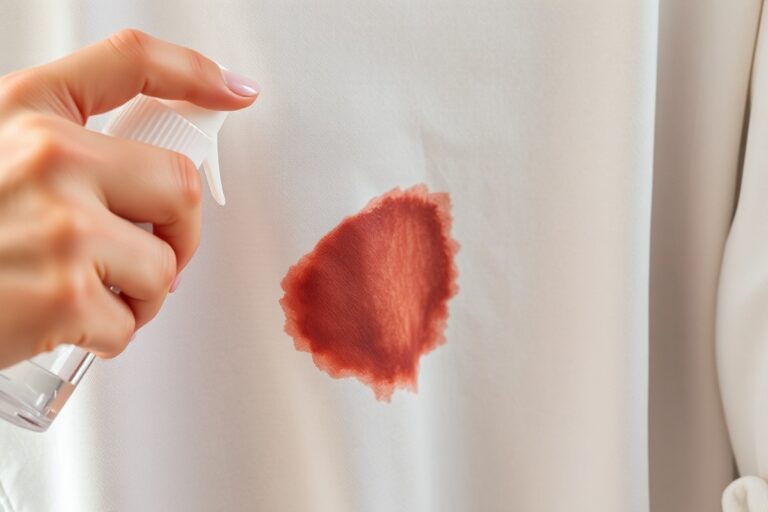
Removing Stains and Spot Cleaning Your Duvet
Removing stains from your duvet before washing is essential for better cleaning results and protecting both the fabric and fillings. Treating spots early prevents stains from setting in during the wash. Use mild stain removers or household alternatives suitable for the fabric type, avoiding bleach or fabric softeners which can damage fibers or fillings.
For most duvets, especially those with delicate fillings like down or feathers, a gentle approach is important. Apply stain remover sparingly and let it work for about 10 to 15 minutes. Spot cleaning can be enough for small stains or when you want to freshen the duvet between washes without subjecting it to a full cleaning cycle. Follow these steps to treat stains effectively before washing your duvet:
- Remove the duvet cover and lay the duvet flat in a well-lit area where you can clearly see the stains.
- Check the care label for fabric-specific instructions and warnings to avoid damage.
- Apply a small amount of mild stain remover or make a paste of baking soda and water, directly onto the stain.
- Let the stain remover sit for 10 to 15 minutes without letting it dry completely, as prolonged sitting can sometimes affect delicate fabrics.
- Gently blot the stain with a clean, damp cloth to lift the stain, avoid rubbing to prevent spreading or fabric abrasion.
- For duvets with stubborn stains or delicate fillings, consider professional cleaning to avoid damage and ensure thorough treatment.
- After spot cleaning, either proceed with the full wash or let the duvet air dry if spot cleaning alone suffices to freshen the area.
Always test stain removers on a small hidden section of your duvet first to ensure there’s no discoloration or damage before treating visible areas.
Common Mistakes to Avoid When Washing a Duvet
Using the wrong detergent can cause buildup that clogs the duvet’s filling, making it heavy and reducing its fluffiness. Choose a mild, down-safe detergent if your duvet contains natural fillings like down or feathers. Avoid using too much detergent; a half cup of baking soda mixed with detergent can help freshen the duvet naturally without residues.
Overloading your washing machine is another frequent mistake. It prevents the duvet from moving freely, leading to uneven washing and strain on fabric seams. Make sure there is enough space inside the drum, ideally, your duvet should float freely. For large duvets, consider using a commercial-sized washer at a laundromat to avoid damage.
- Select cold water and a gentle wash cycle to protect delicate fillings.
- Use a down-safe detergent or mild soap to prevent residue buildup.
- Do not overload the washing machine to ensure thorough cleaning and avoid fabric tears.
- After washing, gently wring out excess water without twisting.
- Dry the duvet completely using a low heat setting or air-dry it outside or near a fan indoors.
- Check thoroughly for dryness before storing or using to prevent mildew and odors.
- Use dryer balls or clean tennis balls in the dryer to help maintain loft during drying.
Failing to dry your duvet completely creates moisture pockets that lead to mildew and damage down or feather fillings. Drying can take several hours; if using a machine dryer, set it to low or no heat and pause occasionally to redistribute the filling. An alternative is air-drying on a rack in a well-ventilated area or outside when weather permits, turning the duvet several times for even drying.
Poor drying can also cause uneven clumps in the filling that won’t redistribute, affecting insulation and comfort. To fix clumping, gently shake and fluff the duvet after drying. Persistent issues like odors or seam damage often indicate deeper problems requiring professional cleaning.
When to Choose Professional Cleaning for Your Duvet
Professional cleaning is the best choice for duvets that are large, delicate, or made from expensive materials. Oversized duvets often don’t fit in home washers, and attempting to clean them yourself can lead to uneven washing or damage. Silky or natural fiber duvets, such as silk or down, can lose their texture or get structurally damaged if washed incorrectly. When the care label specifies dry cleaning only, it’s a clear sign to use professional services to avoid ruining your duvet.
Persistent stains and strong odors that resist home care are suitable for professional treatment. Laundry experts use specialized wet cleaning techniques that are gentler and more effective than standard home washing or regular dry cleaning. These methods remove tough dirt and smells while preserving the duvet’s fill and fabric integrity. Spot cleaning at home may handle minor spots, but a full refresh of a stained or smelly duvet requires professionals.
The decision to opt for professional cleaning also involves weighing costs against the value of your duvet. Typical professional duvet cleaning ranges from $25 to $100, depending on size, material, and local rates. Dry cleaning services tend to be at the higher end of this scale, especially for delicate or oversized pieces. Professional wet cleaning is often priced similarly to dry cleaning but can be safer for some materials. Attempting home washing on a delicate or large duvet may risk damage that leads to replacement costs, which are often higher and more inconvenient.
You should consider replacing your duvet instead of cleaning if it is between 5 and 10 years old and shows loss of loft, persistent odors, or permanent stains that professional cleaning cannot fix. High-use duvets begin to lose their insulating ability and comfort after that time, making replacement more cost-effective in the long run. Use this simple rule: if professional cleaning quotes approach half the price of a new duvet and your current one is over five years old with noticeable wear, replacement may be the better option.
For deciding when to choose professional cleaning or replacement, start by checking the care label. When a label says “dry clean only” or lists delicate fabrics such as silk or natural down, arrange for professional cleaning. When your duvet is too large to fit properly in your washer or dryer, use a laundry service with commercial-sized machines. For synthetic down alternatives, home washing might still be fine, but persistent odors or stains can warrant a professional touch.
Professional cleaning protects your investment and can extend the life of valuable or cherished duvets, but costs vary widely based on material, size, and service type. You can expect local prices for basic wet cleaning or dry cleaning between $30 and $100, with larger duvets or specialty materials tipping toward the higher range. Factor in the risk of damage from home washing attempts when comparing costs. When a duvet is old, worn out, or damaged past repair, buying a new one often costs less and avoids trouble. Clear communication with your chosen cleaning service about fabric type, fill, and condition ensures the best results and care.
Maintaining Your Duvet’s Freshness and Longevity
To keep your duvet fresh and extend its life, regular maintenance beyond washing is essential. Simple habits like fluffing, airing, using the right covers, and proper storage protect your duvet’s insulation and cleanliness, helping you avoid frequent washes and costly replacements.
Regular Fluffing and Airing
Fluff your duvet daily to maintain loft and prevent clumping of filling materials. This restores the loft and keeps your bedding comfortable without frequent washing. Air out your duvet by hanging it outside on a dry, breezy day for about two hours. This helps remove moisture and odors caused by sweat and humidity.
During colder or rainy months when outdoor airing isn’t possible, spread the duvet flat on a clean surface indoors with windows open. Avoid placing it near direct heat sources, which can damage the fabric or filling.
- Fluff your duvet each morning by shaking and gently beating it.
- Air outside on dry days for 1 to 3 hours to freshen and reduce moisture.
- Use a clothesline or railing to allow airflow to both sides.
- Do not expose a down duvet to prolonged direct sunlight to prevent fading.
- Avoid damp or rainy days, as moisture promotes mold and mildew.
Fluffing daily and airing your duvet weekly can cut down on the number of full washes needed, preserving its warmth and shape.
Storing Your Duvet Properly
Store your duvet in a cool, dry place to prevent mold, mildew, and pest damage. Avoid plastic bags or airtight containers, which trap moisture and reduce airflow, potentially leading to odors and fabric degradation. Instead, use a breathable cotton storage bag or cover that allows your duvet to “breathe.”
Before storing for a long time, make sure your duvet is fully clean and dry. Fold it loosely to avoid compressing the filling, which could reduce loft and insulation when you use it again. Improve off the floor to keep it away from dust and pests.
- Use a cotton or linen storage sack for breathability.
- Ensure the duvet is 100% dry before storing.
- Store in a cool, dry closet, not a basement or attic.
- Fold loosely rather than tightly compressing the fill.
- Consider adding cedar blocks or lavender sachets to deter moths.
Choosing and Using Duvet Covers
Duvet covers protect your duvet from stains, body oils, sweat, dust mites, and allergens, lowering washing frequency. Choose covers made from natural, breathable fabrics like cotton or linen, which allow air circulation to reduce moisture buildup. Wash your duvet cover every one to two weeks, depending on use, to maintain hygiene.
Opt for duvet covers with strong closures such as zippers or buttons. These keep the cover securely in place and prevent dirt from entering the duvet itself. Switching covers seasonally can also help maintain freshness and adjust for temperature comfort.
- Use a duvet cover to protect the duvet insert.
- Choose soft, breathable materials like cotton or linen.
- Wash covers weekly or biweekly.
- Pick covers with durable closures (zippers, buttons).
- Change covers seasonally for freshness and comfort.
Knowing When to Replace Your Duvet
The typical lifespan of a duvet varies by type: down and feather duvets can last 10 to 15 years with proper care, while synthetic ones often last about 5 to 7 years. Signs that replacement is needed include persistent odors, flat or lumpy filling, visible damage, or reduced warmth despite a clean insert and cover.
Replacing your duvet depends on how much you use it, your care habits, and any allergies. Investing in a new duvet when the old one loses loft or becomes hard to clean helps ensure your bed stays comfortable and hygienic.
- Down/feather duvets: replace every 10 to 15 years.
- Synthetic duvets: replace every 5 to 7 years.
- Replace if the fill clumps or loses loft permanently.
- Replace if odors linger despite washing and airing.
- Consider replacement if allergies worsen.
Regular maintenance can extend your duvet’s life, but persistent loss of loft or cleanliness signals it’s time to buy a new one.
Step-by-Step Action Plan for Washing Your Duvet
Follow this plan to keep your duvet clean and fresh without risking damage. Each step helps you know you’re on the right track.
- Before you start: Check the care label on your duvet to choose the correct washing method and temperature. Confirm that your washing machine can handle the size and weight.
- Every 2 to 3 weeks: Air out your duvet by hanging it outside or near an open window to maintain freshness between washes.
- Every 4 to 6 months: Wash your duvet cover separately in warm water with gentle detergent to remove surface dirt and oils.
- Every 6 to 12 months: Wash the duvet itself following the recommended method for its filling, machine wash on a gentle cycle for synthetics or dry clean/down-specific care for feathers and down.
- Spot cleaning as needed: Treat stains promptly with mild detergent and a clean cloth. Test a small area first to avoid spreading the stain or damaging fabric.
- Drying after wash: Select a dryer with enough space and set it to a low heat setting. Add clean tennis balls or dryer balls to help maintain the duvet’s fluffiness and avoid lumps. Make sure the duvet is fully dry before putting it away or using again.
- After drying: Inspect the duvet for any damp spots or damage and fluff it by hand to maintain loft.
- Consider professional cleaning: If your duvet is too large, heavily soiled, or made from delicate materials, arrange for a professional cleaner experienced with bedding.
Frequently Asked Questions
Can I Wash My Duvet in a 7 Kg Washing Machine?
You can wash small or lightweight duvets in a 7 kg machine, but large or heavy duvets may not fit or wash evenly. Use a larger, front-loading washer for bulky duvets to avoid clumping and ensure thorough cleaning.
Is It Necessary to Wash a New Duvet Before Use?
Washing a new duvet isn’t necessary if it’s sealed and smells clean, especially when you use a duvet cover. The cover protects the duvet for regular use and reduces the need to wash the insert frequently.
How Often Should I Wash My Duvet If I Use Seasonal Bedding?
If you use seasonal duvets only part of the year, wash them before storing and when taking them out. This prevents odor and collects any trapped dirt or dust accumulated during storage.
Can Repeated Washing Damage a Down Duvet?
Frequent washing can wear down feathers and the fabric cover of a down duvet, reducing softness and insulation. Wash only 3 to 4 times per year to maintain quality and follow care label instructions closely.
Should I Use Detergent Specifically for Down or Feathers?
Using a detergent formulated for down or gentle, mild detergent helps protect feathers and maintains loft. Avoid harsh chemicals or bleach that can strip natural oils and damage the fill.
What Precautions Should I Take When Drying a Duvet?
Dry your duvet on low heat with dryer balls to prevent clumping and speed drying. Avoid direct sunlight and high heat, which can damage filling and fabric over time.
Final Thoughts
Washing your duvet carefully and on a proper schedule protects its comfort and lifespan. Take time to read labels and follow recommended washing methods for your specific duvet type. Next, check your duvet’s care instructions right now and plan your first wash using these guidelines to extend its freshness and comfort in your home.