How to Do Dry Cleaning of Clothes: 8 Expert Methods That Actually Work
Dry cleaning removes stains and dirt from clothes using chemical solvents instead of water, preserving fabric integrity and color. Learning how to do dry cleaning of clothes at home saves money and extends the life of your garments without a trip to the cleaners. This method suits you if you want to freshen up dry-clean-only items safely, avoid frequent professional visits, and maintain clothes between cleanings.
This article offers practical advice for homeowners and renters on verifying if clothes are safe for home dry cleaning, choosing the best DIY methods, and proper care to avoid damage. Knowing how to handle your wardrobe properly helps prevent costly mistakes and keeps your garments looking sharp longer.
Key Takeaways
- Check clothing labels carefully to ensure the fabric and construction allow for at-home dry cleaning.
- Use home dry cleaning kits costing under $20 for small loads of 3, 5 garments for best results.
- Spot treat stains before cleaning and wait about 15 minutes for solutions to work effectively on the fabric.
- Do not overcrowd the dryer or garment bag when using home dry cleaning methods to allow thorough cleaning.
- Consider steaming and spot cleaning as maintenance for high-value items between professional cleanings every 1, 2 months.
- Vodka spritzing can neutralize odors without needing a full dry cleaning process.
1. What Is Dry Cleaning and How Does It Work?
Dry cleaning is a process that cleans clothes using chemical solvents rather than water and detergent. This distinction matters because the absence of water helps preserve the integrity of delicate fabrics. Washing with water can cause some materials to shrink, lose shape, or fade, while dry cleaning gently removes dirt, stains, and odors without damaging fibers. This is why garments labeled “dry clean only” usually require this method to keep their look and feel intact.
Instead of soaking, the dry cleaning process uses solvents, such as perchloroethylene or milder alternatives, to dissolve oils and grime that water-based washing might not remove. Clothes are submerged in these solvents and gently agitated, which loosens dirt while maintaining the fabric’s original texture and structure. Because no water is involved, fibers don’t swell or distort, preserving garments’ softness and fit.
Certain fabrics and garment constructions need dry cleaning because they are sensitive to water or rough agitation. Materials like wool, silk, rayon, and some synthetics can shrink, bleed dye, or get damaged in a normal wash cycle. Also, features like linings, padded shoulders, or embellishments such as beads or sequins may not withstand water or machine agitation, making dry cleaning the safer option to avoid irreversible harm.
Doing dry cleaning properly involves soaking clothes in solvent for about 20 to 30 minutes, followed by a careful rinsing in clean solvent to remove loosened dirt. The garments then go through a gentle spin to extract residual solvent without wringing or twisting. This is often done in a specialized dry cleaning machine. Afterward, drying happens at low heat and usually includes steam pressing to remove wrinkles and restore shape. At-home methods attempt to replicate this by using dry cleaning kits with disposable solvent sheets or by steam cleaning and spot treating, but they usually don’t achieve the same thoroughness as professional setups.
The cost of professional dry cleaning varies but typically runs between $5 to $20 per garment, depending on fabric and treatment needed. While it is more expensive than regular washing, it is worthwhile for preserving expensive or delicate clothes. At home, dry cleaning kits cost less per use, ranging roughly $5 to $15 per cleaning session and are best suited for light refreshment and minor stain removal rather than heavily soiled garments.
Proper dry cleaning keeps clothes looking new longer, with colors staying vibrant and shapes maintained. Problems can arise when the wrong solvent is used or when water-based stains aren’t properly pretreated before dry cleaning, which may leave marks or damage fibers. For tricky stains, spot treatment before any cleaning helps improve results whether you are dry cleaning at home or using a professional service.
2. How to Determine If Your Clothes Are Safe to Dry Clean at Home
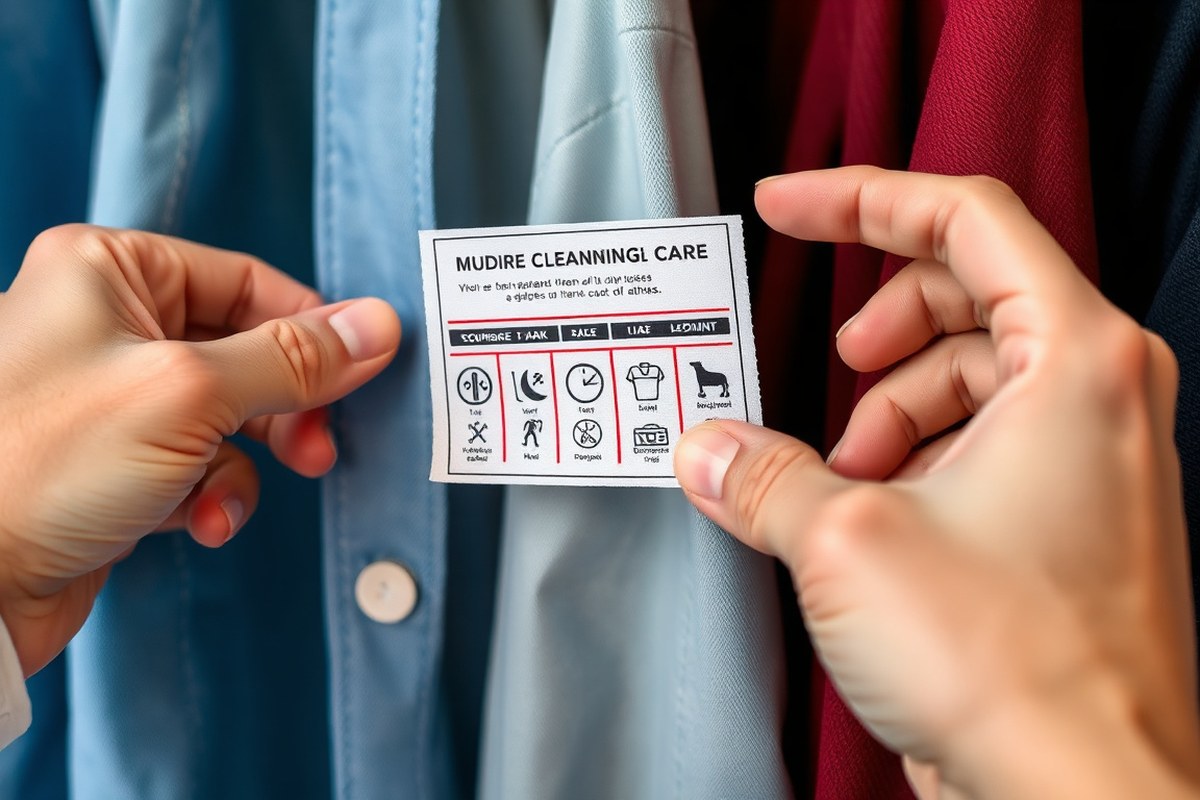
To safely dry clean clothes at home, first check the care label for dry cleaning symbols and fabric types. Consider the garment’s fabric and construction, including any delicate details, to decide if home methods will work or if professional cleaning is needed. A careful inspection helps avoid damage or shrinking from unsuitable treatments.
Understanding Laundry Symbols for Dry Cleaning
Care labels use symbols that tell you how to clean your garment. A circle indicates dry cleaning, and an empty circle means any professional solvent is okay. Letters inside the circle specify recommended solvents, like “P” for perchloroethylene or “F” for hydrocarbons. An X through the circle means do not dry clean.
Labels also include instructions like “Dry Clean Only” or “Dry Clean with Care.” These warnings are there to protect sensitive fabrics or finishes. When trying home dry cleaning, check for any warnings to avoid harsh solvents or water-based cleaning that might harm the garment.
Fabric Types Suitable for Home Dry Cleaning
Fabrics such as cotton, linen, polyester, and sturdy wool blends generally tolerate home dry cleaning methods well. These materials can usually handle gentle spot treatments, steam cleaning, or vinegar-and-water solutions without damage. Special-care fabrics like silk, lace, and delicate wool need extra caution and are often risky to treat at home. Here’s a quick checklist to help you decide if your fabric is safe for home dry cleaning:
- Cotton, linen, polyester, and sturdy wool blends: Usually safe
- Silk and lace: Avoid home methods
- Fine wool, cashmere, or angora: Risky, handle with care
- Leather or suede: Not suitable for at-home dry cleaning
- Clothes with dyes that may bleed: Test first on a hidden spot
- Items labeled “Dry Clean Only”: May be cleaned at home if fabric is durable
Testing any cleaning solution on a hidden area helps prevent color loss or fabric damage. Fabrics that are tightly woven and free of special coatings or dyes tend to respond best to DIY treatment.
Special Garment Features to Consider
Pay attention to the garment’s construction. Seams, linings, buttons, trims, beading, or special seams require gentle handling. Embellishments like beads or sequins can be glued or stitched loosely, and aggressive cleaning may loosen or damage them.
Extra buttons, trims, or delicate stitching increase the chance that home cleaning could cause stretching, shrinking, or dye bleeding. For instance, women’s clothing often has these features and may need more careful treatment or professional attention. Avoid soaking or rubbing heavily around sewn trims.
Always test cleaning methods on an inconspicuous area before treating the entire garment to prevent irreversible damage.
3. The 4 Best Methods for Dry Cleaning Clothes at Home
Four main methods let you clean dry-clean-only clothes at home: at-home dry cleaning kits, steaming and dryer bag techniques, spot cleaning with household items, and using gentle washing without special products. Each suits different levels of soil, fabric types, stains, and freshness needs. Costs range from under $10 for basic kits or household supplies up to about $25 for multi-item kits. Time spent varies from a 10-minute refresh with steaming to 1, 2 hours for full kit cleaning.
| Home Method | What It Actually Does | Best For |
|---|---|---|
| Steaming / dryer refresh | Removes wrinkles, light odor, and dust | Lightly worn clothes, between-cleans refresh |
| Hand washing / gentle machine wash | Eliminates oils from the body, perspiration, food marks, and common dirt. | Wool, silk, linen, cotton blends, cashmere |
| Spot cleaning with solvent pads | Targets a specific stain without full cleaning | Small, fresh, oil-based stains |
Using At-Home Dry Cleaning Kits Step-by-Step
At-home dry cleaning kits usually include a reusable fabric bag and dryer-activated cloths soaked in mild solvents that refresh clothing. These kits reduce wrinkles and odors but don’t remove heavy stains. They cost about $10 to $25 and can clean multiple garments in one dryer cycle.
- Read the garment care label and ensure the item is suitable for these kits.
- Place clothes inside the provided dry cleaning bag, keeping them loose to enable steam circulation.
- Insert the moist cleaning cloth or sheet into the bag with the clothes.
- Seal the bag tightly according to the kit instructions.
- Put the closed bag into your dryer and run on medium heat for 20, 30 minutes.
- Remove the bag carefully to avoid additional wrinkles.
- Hang or lay flat to air out and allow any residual moisture to evaporate.
Use this method when clothes need a light refresh or have mild odors. Avoid for heavy stains or structured garments. Results show fewer wrinkles and fresher scents but won’t compare to professional solvent cleaning.
Steaming and Dryer Bag Techniques Explained
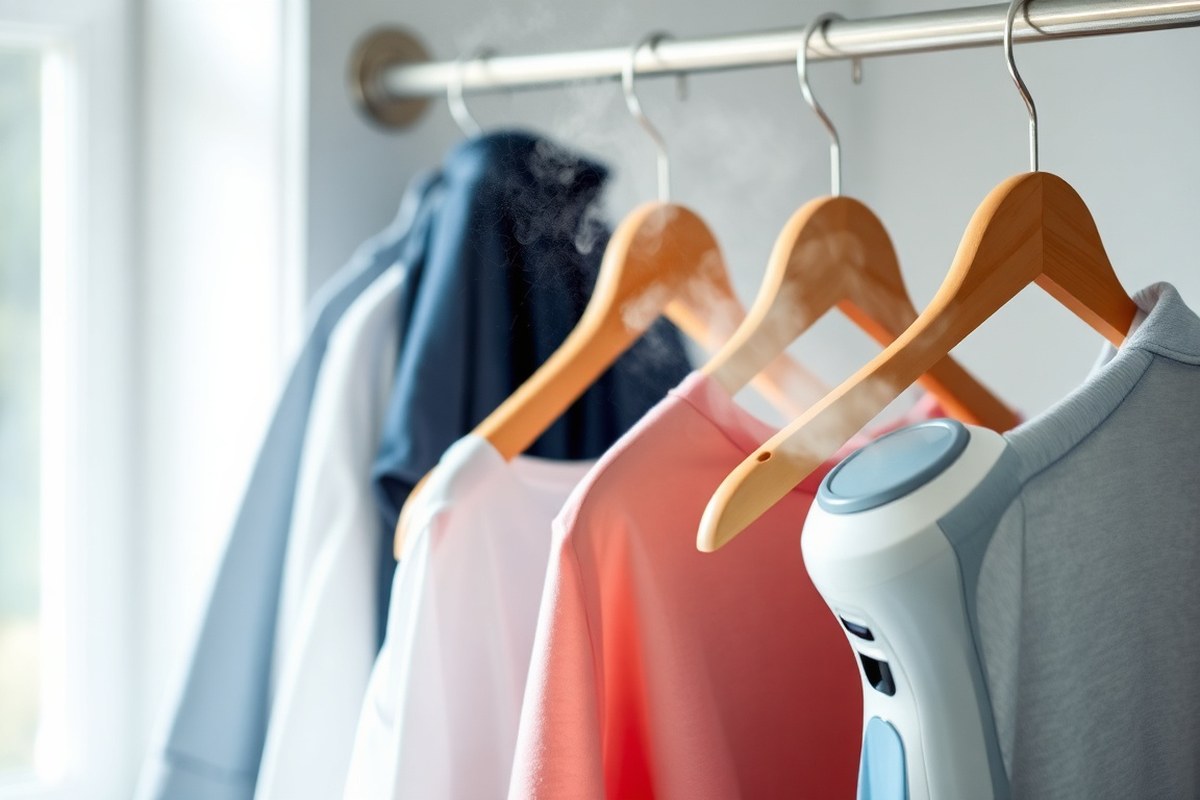
Steaming removes wrinkles and light odors by using hot water vapor, while dryer bag techniques pair warm tumbling with moisture to refresh and soften. Both avoid harsh chemicals and don’t affect fabric dyes or structure. These techniques are quick and safe for most delicate fabrics.
To steam effectively, use a handheld steamer or the steam setting on an iron held a few inches from the fabric. For dryer bag refresh, place garments in a mesh bag with a damp cloth, then tumble on low heat for 15, 20 minutes.
Spot Cleaning and Odor Removal with Household Items
Spot cleaning targets small stains without washing or full dry cleaning. Use solvent pads from kits or household items like white vinegar, dish detergent, or rubbing alcohol for oil-based or protein stains. Apply sparingly and gently blot to lift stains without rubbing, which can damage fibers.
Odor removal can be done by sprinkling baking soda on the fabric, letting it sit for 15 minutes, then shaking or vacuuming off. These household methods are inexpensive and effective for minor problems but aren’t replacements for full cleaning.
Dry Cleaning Without Special Products
Some dry-clean-only fabrics tolerate very gentle hand washing or machine washing on delicate cycles using mild detergent, especially if turned inside out and protected in a mesh laundry bag. This method uses cold water and short cycles to minimize shrinkage and damage. Wool, silk, linen, and blends may tolerate this if you test a hidden area first. Steps for hand washing dry-clean-only clothes:
- Fill a basin with cold water and add a small amount of mild detergent.
- Submerge the garment and gently agitate for 2, 3 minutes.
- Let soak for 10 to 15 minutes.
- Rinse thoroughly in cold water to remove all detergent.
- Press gently to remove water; avoid wringing or twisting.
- Place the garment flat on a fresh towel to air dry, adjusting its shape while drying.
This approach works well when stains and soil are present but not severe. Avoid for structured suits or item with delicate trims. Testing fabric durability before full washing can prevent damage.
4. How to Spot Treat Stains Before Dry Cleaning Clothes
Spot treating stains before dry cleaning clothes at home helps improve stain removal without damaging delicate fabrics. Treat only fresh or visible stains that could set during cleaning. Use gentle solutions designed for dry-clean-only materials and apply them carefully to avoid spreading or harming the fabric.
Identifying Stains That Require Pretreatment
Pretreat stains that are oily, greasy, or visibly discoloured, such as food grease, makeup, or ink spots. Water-based stains like coffee or wine may also benefit from spot treatment before dry cleaning at home. Avoid pretreating large areas or deep-set stains that require professional attention to prevent damage.
Fabrics labeled as dry-clean-only can develop permanent marks if stains are left untreated before cleaning, so addressing spots early improves results. You should not attempt to remove old or extensive stains without expert help, as this can worsen the problem.
Safe Spot Treatment Solutions for Delicate Fabrics
Use mild solvents formulated for home dry cleaning or gentle stain removers meant for delicate items. Products containing natural ingredients like citrus-based solvents or mild alcohol solutions tend to be safe yet effective. Avoid harsh bleach, strong detergents, or abrasive chemicals that can weaken fabric fibers or change colours.
Home remedies such as dabbing with a small amount of rubbing alcohol or diluted white vinegar on a cotton swab can sometimes lift stains without harming fabric, but always test on an inconspicuous spot first. Never saturate the fabric; just lightly apply to the stained area.
Timing and Application Tips for Spot Cleaning
Spot treat stains immediately after they occur for best results. The longer a stain sits, the more it sets into fibers. Apply the treatment gently, avoiding rubbing or scrubbing which can spread the stain or damage delicate textiles.
Allow the spot treatment to sit for 5 to 10 minutes, then gently blot with a clean, white cloth or paper towel to lift the stain. Avoid rinsing with water to protect dry-clean-only fabrics and always air dry before proceeding with your home dry cleaning method. Follow these steps for safe and effective spot cleaning on dry-clean-only clothes:
- Identify the stain type and locate a safe test spot on the garment’s interior.
- Choose a gentle spot treatment product or mild home remedy based on the stain.
- Apply a small amount of solution using a cotton swab or clean cloth directly onto the stain.
- Let the treatment rest for 5 to 10 minutes without rubbing.
- Blot carefully with a clean, dry cloth to absorb the dissolved stain.
- Repeat application once if necessary, but do not oversaturate the fabric.
- Let the garment air dry completely before proceeding with your home dry cleaning process.
- Store treated items properly to prevent new stains while drying.
5. Proper Drying and Pressing Techniques After Home Dry Cleaning
After dry cleaning your clothes at home, air drying is the safest way to preserve fabric integrity and avoid shrinkage. Layout the garment flat on a clean towel or drying rack in a well-ventilated area away from direct sunlight. Most dry-clean-only fabrics should air out for at least 4 to 6 hours to fully release any residual moisture or cleaning odors. Avoid using a tumble dryer unless the care label specifically allows it, as tumblers can shrink delicate fabrics or damage finishes.
When the label permits, use the dryer on the lowest heat setting or air fluff cycle to gently dry sturdier fabrics like polyester or cotton blends. Insert a clean, dry towel to reduce drying time and wrinkles. Do not overdry; remove garments while still slightly damp to prevent static and retain shape. For delicate materials such as silk, wool, or cashmere, never use the dryer as heat and agitation will cause shrinking or felting.
Pressing or steaming garments restores their shape and removes wrinkles without damaging the fabric. For ironing, use a low to medium heat setting appropriate for the fabric type and always place a pressing cloth between the iron and your garment to protect fibers. Spray a little water from a bottle to lightly dampen the pressing cloth rather than the garment. Iron small sections at a time in smooth motions, avoiding heavy pressure. Alternatively, handheld steamers can gently refresh clothes by releasing wrinkles without direct contact, ideal for lace, silk, and delicate wool.
- Air dry clothes flat on a towel, away from sunlight, for 4-6 hours minimum
- Use dryer only if label permits; select low heat or air fluff cycle
- Remove clothes from dryer while slightly damp to avoid overdrying
- Use a pressing cloth and low-medium heat setting when ironing
- Slightly dampen pressing cloth with water, not the garment directly
- Prefer handheld steamers for delicate fabrics to avoid direct heat
- Avoid tumble drying silk, wool, cashmere, or lace to prevent damage
Avoid direct heat and heavy pressure during pressing to prevent fabric shine or burn marks.
Taking these steps ensures your dry-clean-only clothes maintain their fit and finish after home cleaning. Proper drying prevents fabric distortion, while careful pressing or steaming revives the garment’s natural drape. Both processes require patience and attention to fabric care instructions to keep your clothes looking fresh without professional equipment.
6. Common Mistakes in Home Dry Cleaning and How to Avoid Them
One common mistake in home dry cleaning is using water or cleaning solutions that are too harsh for the fabric. This can cause shrinking, color bleeding, or weakening of fibers. Always test any solution on a hidden area before applying it widely. For example, misting a mix of equal parts white vinegar and water on problem spots helps remove residues without damaging the garment.
Overcrowding clothes during the cleaning or storage process can cause creasing and fabric stress. To prevent damage, hang garments individually in breathable garment bags and avoid cramming them in your closet. This keeps fabrics fresh and minimizes wrinkles, extending the life of your dry-clean-only clothes.
Using temperatures that are too high during cleaning or pressing is another frequent error. Cold water and low heat preserve fabric integrity, prevent fiber distortion, and reduce the risk of shrinkage or fading. If you use a steam iron, keep it on a low setting and press through a cloth rather than applying direct heat.
- Always do a spot test with your cleaning solution on an inconspicuous area.
- Use cold water when dilution or rinsing is necessary to prevent shrinkage.
- Spray stain solutions lightly and blot gently instead of rubbing.
- Hang garments to dry naturally on padded hangers to maintain shape.
- Never overload your washing or cleaning setup to allow full garment movement.
- Store clothes in breathable garment bags away from sunlight and moisture.
- Use low heat when ironing and protect delicate fibers with a pressing cloth.
Many clothes labeled dry-clean-only cannot tolerate water and should be cleaned with specific solvent-based kits designed for home use or taken to a professional. Home dry cleaning is safest when done gently and with attention to fabric type and condition. Damaged clothes usually result from rushing, incorrect products, or ignoring care labels. Sticking to these steps means your garments will stay in good shape longer, saving money and reducing wear over time.
7. When to Choose Professional Dry Cleaning Instead of Doing It Yourself
Choose professional dry cleaning over home methods for garments that are particularly delicate, valuable, or complex in construction. High-end pieces with intricate embroidery, vintage materials, leather, fur, fine linens, or heavily embellished clothing require expert handling. These items often need specialized solvents and controlled processes that home kits cannot provide safely. Using home dry cleaning on these risks damaging fibers, colors, or embellishments, which can result in irreversible harm and loss of value.
Consider professional cleaning when stains or odors are persistent and cannot be addressed with spot treatments or steaming at home. Although you can remove minor spots yourself, heavy soil or deep-set stains on “dry clean only” garments often need chemical solvents and equipment available only at dry cleaners. Odors embedded in thick fabrics or linings may also not respond to home freshening methods like steaming, signaling a need for professional attention.
When deciding whether to send a garment to a professional cleaner, start by checking the care label. If it states “dry clean only” and the fabric is delicate or specialized, default to professional services. For less sensitive “dry clean recommended” tags, home methods might suffice if you follow proper steps and use tested kits. A practical rule is to try home cleaning for light wear and cleaning, and reserve professional services for heavy stains, odors, or when the garment is valuable or complex.
Expensive clothing, such as suits, coats, and formalwear, typically benefits from professional dry cleaning periodically, even if not visibly dirty. Doing this once or twice a year helps maintain fabric structure, remove subtle oils and odors, and keep garments looking fresh without overexposing them to harsh cleaning methods. Frequent home cleaning kits can reduce costs and chemical exposure but might not extend garment life as well for these items.
Professional dry cleaning often costs between $8 and $20 per item, depending on the garment and region, which may be more than a home kit under $20 but offers a greater guarantee of safety and quality. Good results look like consistent fabric texture, no shrinkage, no leftover stains, and no chemical odors. Home attempts that cause fabric stiffness, color fading, or visible damage indicate it’s time to switch to professional care.
Follow this decision script: First, identify the garment’s value, complexity, and label instructions. Next, evaluate the soil level and stain severity. Choose home dry cleaning for light, low-risk cleaning on sturdy fabrics with less demanding labels. Opt for professional cleaners when garments are expensive, delicate, richly detailed, or heavily soiled. This approach prevents costly damage and preserves your wardrobe’s longevity while saving money on simpler tasks.
8. Expert Tips for Maintaining Dry-Clean-Only Clothes at Home
Storing dry-clean-only clothes properly helps keep them wrinkle-free and fresh between cleanings. Hang delicate garments on wide, padded hangers to maintain their shape without creating shoulder bumps. Use breathable garment bags made of cotton or linen instead of plastic; this prevents moisture buildup that can cause odors and mildew. Keep clothes in a cool, dark closet to avoid fabric fading or damage from sunlight.
Refreshing clothes at home without washing can extend the time between professional cleanings. Steam is effective at loosening wrinkles and killing odor-causing bacteria. Use a handheld garment steamer or the steam setting on your dryer, running a refresh cycle for 15 to 20 minutes. For an added boost, spritz garments lightly with a diluted fabric refresher spray designed for dry-clean-only fabrics.
- Hang suits and dresses promptly after wearing to air them out for at least 24 hours before storing.
- Spot-clean minor stains immediately with a gentle, fabric-safe cleaner and a soft cloth.
- Rotate wearing garments to reduce wear and give fabrics a rest.
- Keep moth repellents like cedar blocks or lavender sachets in the storage area.
- Use steam cycles in the dryer to remove wrinkles and odors without washing.
- Store sweaters folded, not hung, to avoid stretching.
- Schedule professional cleaning for expensive wool or tailored suits only once every season or two, using home care to maintain between visits.
Routine care protects subtle fabrics and extends garment life. Avoid frequent washing that can break down fibers or strip finishes. Instead, combine spot treatments, steaming, and proper storage to maintain appearance and fabric integrity. For high-value items like tailored wool suits, limit home cleaning methods to steaming and light spot-cleaning. Regularly airing out clothes after wearing helps keep them fresh and lessens the need for professional cleaning, saving both time and money.
Never store dry-clean-only clothes in plastic bags long-term, as trapped moisture can cause mildew and fabric damage.
Step-by-Step Action Plan for Home Dry Cleaning
Follow these steps to safely dry clean your clothes at home and keep them looking their best.
- Before You Start: Check garment labels for care instructions to confirm they can be safely dry cleaned at home.
- Day 1: Spot treat any stains using a gentle stain remover designed for dry clean-only fabrics; success means stains visibly lighten or disappear.
- Day 1: Use a home dry cleaning kit or gentle solvent method following product instructions; clothes should smell fresh and look clean without damage.
- Day 1: Dry garments properly by hanging them on padded or shaped hangers away from direct heat and sunlight; fabric should dry evenly and retain shape.
- Day 1 or 2: Press or steam clothes carefully to remove wrinkles using low heat; fabric should smooth out without shine or burns.
- Ongoing: Store dry-cleaned items in breathable garment bags to protect them and minimize the need for frequent cleaning.
- Before Next Use: Inspect clothes for any new stains or damages and treat them promptly to avoid permanent marks.
Frequently Asked Questions
Can I Dry Clean Clothes Made of Silk or Wool at Home?
Yes, you can dry clean silk and wool at home using gentle dry cleaning methods, but avoid harsh chemicals. Use a compatible solvent or a home dry cleaning kit designed for delicate fabrics to prevent damage.
How Do Home Dry Cleaning Kits Remove Odors from Clothes?
Home dry cleaning kits often include a gentle solvent that helps neutralize odors without water. Spritzing clothes with vodka can also kill odor-causing bacteria before using the kit for freshness.
What Should I Do If a Stain Won’t Come Out with Home Dry Cleaning?
For stubborn stains, spot treat with a specialized stain remover before using your home dry cleaning method. Some stains require professional cleaning if home treatments fail to avoid fabric damage.
How Many Clothes Can I Dry Clean at Once at Home?
You should clean 3 to 5 items at a time in the garment bag or dryer to avoid overcrowding. Overcrowding reduces cleaning effectiveness and can wrinkle or damage clothes.
Can Steam Alone Replace Traditional Dry Cleaning at Home?
Steam cleaning can refresh clothes and reduce wrinkles but doesn’t remove heavier stains like traditional dry cleaning solvents. Use steam as a supplementary method, not a full replacement.
Is It Safe to Dry Clean Clothes Labeled “Dry Clean Only” at Home?
Many “dry clean only” clothes can be home dry cleaned if you use the right method and solvents. Test a small inconspicuous area first and follow instructions to avoid ruining fabrics.
Wrapping Up
Dry cleaning clothes at home can save time and money when done carefully with the right techniques. Start by treating stains promptly and choosing the proper method for your garments. Stick with these guidelines to maintain your clothes’ appearance and extend their lifespan. When you spot a challenge like strong odors or complex stains, consider a professional cleaner to keep your items safe.