What Is Air Fluff on Dryer? A Complete Guide with Care Tips & Comparisons
Air fluff on a dryer is a cycle that tumbles your clothes using only cool or room-temperature air without any heat. It refreshes and de-wrinkles items gently, making it ideal for delicate fabrics and lightly soiled garments. This setting works without applying heat, preventing damage or shrinkage while using about 80 percent less energy than regular drying cycles.
This information is useful for anyone who wants to care for their laundry with minimal wear or for those who need to freshen clothes without a full wash. You will learn what air fluff does, which fabrics benefit most, how long it takes, how it compares to other cycles, and tips to get the best results safely.
Key Takeaways
- Air fluff cycles usually last 10 to 30 minutes depending on your dryer model and the items inside.
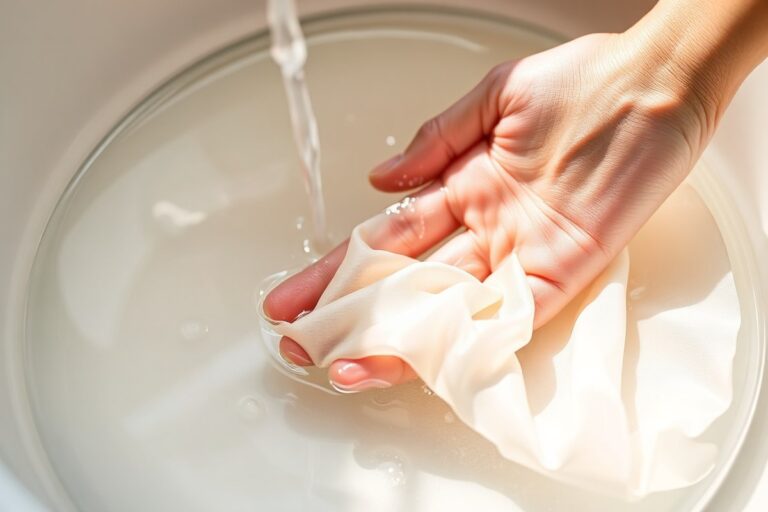
- Use air fluff to refresh wrinkled clothes by adding a damp washcloth during the cycle.
- Air fluff is best for delicate fabrics or garments labeled for no heat drying.
- Compared to delicate or tumble dry, air fluff uses zero heat and significantly less energy.
- The cycle’s cool air prevents shrinking and damage common in heat drying.
- Adding a dryer sheet during air fluff helps reduce static and remove lint or pet hair.
What Is Air Fluff on a Dryer and How Does It Work?

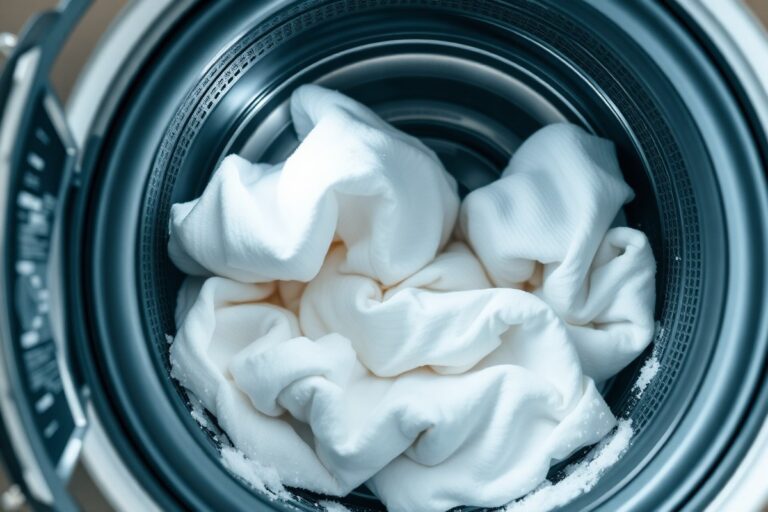
The air fluff cycle on a dryer is a setting that uses room temperature air to tumble clothes gently without applying any heat. Unlike typical drying cycles that use electric elements or gas burners, air fluff relies solely on ambient air pushed through the drum to refresh and fluff fabrics. This cycle avoids any heat, which means it lowers the risk of fabric damage, shrinking, or fading, making it suitable for delicate items and for freshening clothes that aren’t dirty enough to need a full wash.
This cycle works by running the dryer’s drum to tumble clothes while circulating cool air. No heating element activates during air fluff, so the air temperature stays close to room temperature. As the clothes tumble, the movement loosens fibers, reduces wrinkles, and removes light dust or pet hair. It also helps replace stale or musty smells, especially for garments or linens that have been stored for a while. Because no heat is involved, energy consumption drops significantly, about 80 percent less than a normal drying cycle.
Air fluff is sometimes labelled as “air dry” or “no heat” on dryers, but all these terms refer to the same function of tumbling with cool air only. This means it doesn’t speed up drying by evaporating water; instead, it refreshes clothes that are already dry or nearly dry. Running an air fluff cycle for about 10 minutes can lift lint or pet hair while preventing over-drying or shrinkage, which is ideal for sensitive fabrics such as silk or lace.
To use this cycle effectively, place dry or almost dry clothes into the dryer and select the air fluff or air dry option. Let the dryer tumble the items for the recommended time, usually 5 to 15 minutes, to achieve the best fluffing and freshening results. Keep in mind this cycle is not intended for drying wet clothes but rather for refreshing or caring for delicate garments. Using dryer sheets during air fluff can boost lint and pet hair removal. Since the cycle uses no heat, you can safely run it more than once without risking fabric damage.
How Long Does the Air Fluff Cycle Take and What Affects Its Duration?

The air fluff cycle typically lasts between 10 and 30 minutes, depending on the size of your load and the dryer model. For example, a small load of lightweight garments might only need about 10 to 15 minutes, while a larger load or thicker items could require closer to 30 minutes to get the best results. Because this cycle uses room-temperature air and no heat, the drying or refreshing process is gentler but slower compared to traditional heated cycles.
Load size is a key factor in determining how long the air fluff cycle runs. Heavier or bulkier items take longer to move around and fluff properly, extending the cycle duration. Also, high humidity in your laundry area can slow the process, sometimes making you run the cycle longer to fully refresh or dry items. For example, damp wool sweaters may need multiple air fluff cycles or extended time to avoid remaining damp.
The type of garment also affects the timing. Delicates and lightly wrinkled clothes may only need about 10 to 15 minutes to remove wrinkles and freshen up, especially if you toss in a damp washcloth to help relax fibers. You can also add three to six wool dryer balls to increase air circulation and reduce fluffing time for larger loads. Because this cycle relies on air movement rather than heat, air fluff is ideal for providing a gentle refresh without shrinking or damaging delicate fabrics.
Check your clothes periodically near the end of the cycle to avoid overdrying or unnecessary wear. Stopping the dryer early can be helpful if you only want to slightly fluff or de-wrinkle items. When your dryer doesn’t have a specific air fluff setting, use a low-heat or cool-down cycle for a brief period and watch the load closely to prevent any heat damage. Some dryer models require a manual timer adjustment to set the cycle length according to your needs.
Running the air fluff cycle multiple times might be necessary for freshening heavily worn or thick items. For instance, towels that need refreshing without a full wash may benefit from two or three repeated air fluff sessions. When the dryer warms up during this cycle, having a technician inspect it is necessary, since a faulty heating element could harm your clothes.
Keep an eye on load size and add dryer balls to shorten the air fluff cycle and get better results without using heat.
Which Fabrics and Items Are Best Suited for Air Fluff Drying?
Air fluff works best for delicate fabrics and items that need gentle care without heat. It’s ideal for freshening up mostly dry clothes or removing lint and wrinkles. Avoid using air fluff for large wet loads or shoes because it won’t effectively dry them and can risk damage.
Ideal Delicate Fabrics for Air Fluff
Fabrics that cannot tolerate heat or require gentle handling are best suited for the air fluff cycle. This includes lace, silk, polyester blends, and delicate synthetics. If a garment’s care label suggests low heat or no heat tumble drying, air fluff is usually the safest option. It uses room-temperature air to prevent shrinking, warping, or damaging fibers.
Air fluff is particularly useful for items that are mostly dry but need light moisture removal, such as a spill on a shirt or resting wrinkles in a delicate blouse. It also works well to freshen up clothes without subjecting them to heat stress, helping prolong fabric life and reduce wear.
- Lace garments and fine fabrics
- Silk and delicate synthetics
- Polyester and blended fabrics
- Lightweight t-shirts and blouses
- Wrinkle-prone clothing that is mostly dry
Using air fluff with dryer sheets can also help condition sensitive fabrics during the cycle without heat.
Items to Avoid Using Air Fluff
Air fluff is not suited for drying heavy or soaking wet items. Using it for a fully wet load of towels, jeans, or large cottons will not remove sufficient moisture and can leave clothes damp. Similarly, avoid drying shoes or boots on air fluff because the tumbling combined with no heat won’t effectively dry them and might damage the items or dryer drum.
Wool items should generally be avoided unless the care label explicitly permits tumble drying without heat. The air fluff cycle is not designed to fully dry wet clothing but rather to gently refresh or de-wrinkle items that are lightly damp or mostly dry.
- Soaking wet clothes like towels or heavy cottons
- Shoes, boots, or items with rigid structure
- Wool items unless label allows tumble dry
- Large wet loads that require drying
- Delicates that must be air-dried flat (e.g., embroidered or heavily embellished)
For truly wet loads, a regular heat drying setting is necessary to complete the drying process safely and effectively.
Special Cases: Bulky and Mixed Loads
Air fluff can be used for bulky items like pillows, blankets, or comforters but only if they are mostly dry and can safely tumble. This cycle moves items gently without heat, which helps prevent damage from overheating or fabric breakdown. Use air fluff to freshen bulky items or to shake out wrinkles after air drying.
When dealing with mixed loads containing both delicate and more durable items, it’s best to separate them. The low agitation and no heat of air fluff protect sensitive fabrics but won’t effectively dry heavier pieces. For mixed loads, consider air fluff for the delicate batch only, or run separate cycles according to fabric and moisture level.
- Bulky dried pillows and comforters for freshening
- Mixed load separation by fabric type
- Drying lightweight items before air fluff to finish
- Using air fluff to reduce wrinkles after air drying
Running bulky dry items on air fluff regularly can help maintain softness and reduce wear without the risk of heat damage.
How Does Air Fluff Compare to Other Dryer Cycles Like Delicate or Tumble Dry?
Air fluff differs significantly from delicate or tumble dry settings mainly because it uses no heat. While delicate and tumble dry cycles typically apply low to medium heat to speed up moisture removal, air fluff tumbles your clothes with room-temperature air only. This means air fluff consumes less energy since the heating element stays off, making it an energy-saving option compared to other drying methods.
The absence of heat in the air fluff cycle reduces the risk of fabric damage. Delicate cycles use gentle heat to protect sensitive fabrics but still pose some risk of shrinking, stretching, or warping. Tumble dry applies more heat and can be harsher on clothes. Air fluff avoids thermal damage altogether, making it safer for fabrics sensitive to heat or items labeled for no-heat drying.
Because air fluff doesn’t use heat, it doesn’t dry clothes as quickly. The airflow helps remove some moisture and refresh fabrics, but clothes usually remain damp if left only on air fluff. Delicate and tumble dry cycles speed up drying thanks to heat, so they work better when your goal is to fully dry garments.
| Cycle | Heat Use | Energy Consumption | Risk of Fabric Damage | Typical Drying Goal |
|---|---|---|---|---|
| Air Fluff | None (uses room-temperature air) | Low (no heat element used) | Very low (no thermal stress) | Refresh, de-wrinkle, partial drying |
| Delicate | Low heat | Moderate | Low to moderate (heat may shrink or stretch some fabrics) | Dry sensitive fabrics gently |
| Tumble Dry | Medium to high heat | Higher than air fluff and delicate | Moderate to high (can cause shrinking, warping, fading) | Fully dry most everyday fabrics |
The choice between air fluff and other settings depends on what you want to achieve. Use air fluff to revive clothes without risking heat damage or to lightly dry items after line drying. Choose delicate or tumble dry when you need faster, more complete drying, but be mindful of each fabric’s heat tolerance to prevent damage.
When Should You Use the Air Fluff Cycle for Best Laundry Results?
Select the air fluff cycle to refresh clothes without applying heat and to gently smooth out minor wrinkles, especially on delicate materials. This option suits items that don’t need a complete wash or tend to crease after being stored. Opting for air fluff safeguards fragile fabrics and keeps your clothes looking fresh.
Refreshing Dry Clothes and Removing Wrinkles
The air fluff cycle uses room temperature air and gentle tumbling to loosen clothes and remove surface dust. It’s an effective way to freshen clothes that have been stored or worn lightly without moisture buildup. This cycle helps reduce mild wrinkles by allowing fabric to relax as it tumbles slowly. For best results, do not overload the dryer. Clothes need ample space so air can move freely around each piece.
To refresh clothes or reduce wrinkles on this cycle, load the dryer with no more than half a drum’s capacity. Run the air fluff cycle for 15 to 30 minutes depending on how wrinkled your clothes are. Check fabric compatibility with the air fluff setting beforehand, especially for delicate materials.
- Refresh lightly worn garments that don’t need washing
- Remove minor wrinkles from shirts, blouses, and knitwear
- Loosen dust or odors accumulated during storage
- Give clothes a quick tumble after ironing to set fabric shape
- Air out synthetic fabrics that can trap odors or static
- Treat clothes labeled “dry clean only” that can tolerate air fluff
Do not stuff the dryer drum; clothes must have room to tumble and breathe for air fluff to work well.
Protecting Fabric Integrity
This cycle avoids heat, making it ideal for delicate fabrics such as lace, silk, and certain synthetics that could shrink or get damaged with hot air. Air fluff preserves garment shape and prevents excessive wear caused by high temperatures or prolonged drying. You can use it to extend the life of clothes that require gentle care.
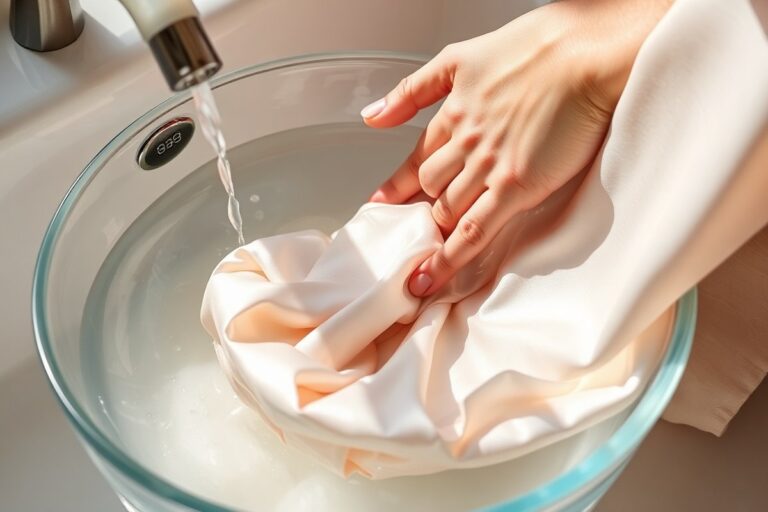
Especially beneficial for items with trims, appliques, or elastic parts, air fluff dries without stressing materials. Use this setting as a final step after hand washing delicate pieces or removing items from a clothesline that are slightly damp but wrinkle-prone. It’s also good for delicate children’s clothes or activewear.
Energy-Saving Laundry Practices
Running an air fluff cycle uses less energy because it doesn’t heat the air. It’s a practical way to freshen clothes between washes and save on utility bills. Using air fluff helps reduce the number of full washing or drying cycles needed, conserving water and electricity.
The duration of the cycle depends on the load size and the amount of wrinkle removal required. For small loads, 10 to 20 minutes usually suffice. This cycle can also reduce reliance on ironing or steaming, which can save even more time and energy.
- Choose air fluff to refresh clothes without rewashing
- Use shorter cycle times for minor wrinkle removal
- Combine with hanging clothes out to air dry for best fabric care
- Reduce energy consumption by limiting full drying cycles
- Use air fluff after clothing storage to maintain freshness
Common Mistakes and Troubleshooting Air Fluff Cycle Problems
You can run into problems with the air fluff cycle by using it incorrectly or when your dryer develops faults. Common errors like running air fluff on damp items or ignoring unexpected heating reduce its benefits. Troubleshooting usually involves checking dryer settings, inspecting parts, and performing basic maintenance to keep the cycle working as intended.
Mistakes That Reduce Air Fluff Effectiveness
One frequent mistake is using the air fluff cycle to dry wet laundry. This cycle blows room-temperature air without heat, so damp clothes take much longer to dry or may stay wet. The air fluff is meant to gently refresh or remove static, not handle heavy drying. Overloading the dryer also limits airflow, reducing the cycle’s impact.
Adding dryer balls designed for air fluff can improve results by keeping fabrics separated and promoting better air circulation. Avoid mixing heavy and lightweight items since uneven drying occurs. Many people expect the cycle to kill dust mites or sanitize clothes, but air fluff lacks heat and cannot achieve those effects.
- Running air fluff on wet or heavily soiled laundry
- Overloading the dryer drum
- Mixing thick and thin fabric types
- Expecting heat or sanitizing effects
- Ignoring recommended dryer cleaning and vent maintenance
Adhering to these guidelines helps maintain the air fluff cycle’s gentle drying purpose and prevent wasted time with subpar results.
How to Identify Dryer Heating Issues
Though the air fluff cycle is designed to run without heat, some dryers may start heating unexpectedly. This often signals a malfunction, such as a damaged control board that supplies power to the heating element continuously. When your clothes feel warm or the drum heats up during air fluff, electrical faults or control system issues might be the cause.
Other causes can include wiring problems, stuck relays, or sensors that fail to detect the cycle mode properly. Check for error codes if your dryer displays them. A good way to test is to run the air fluff cycle with an empty dryer and feel for heat after a few minutes. A warm dryer drum during air fluff indicates a problem needing attention.
Repair and Maintenance Tips
Regular cleaning of the lint filter and vent duct optimizes dryer airflow, making air fluff more efficient. Use a vacuum to clear lint buildup every few months. Check the drum seals and door latch because leaks let warm air escape, disrupting the cycle.
Notice heating problems? Begin by unplugging the dryer and checking the control board for any visible signs of damage. Replacing a faulty control board or heating element relay usually requires professional service and costs between $150 and $400 depending on the model. Ensure your dryer’s wiring harness and temperature sensors are functioning as expected. Consider these maintenance steps to troubleshoot or prevent air fluff cycle issues:
- Clean lint filter before every load
- Clear dryer vent ducts regularly to maintain airflow
- Inspect door seals and hinges for airtight fit
- Test for unexpected heat generation during air fluff
- Hire a licensed technician for control board or electrical repairs
Following these tips helps you preserve the air fluff cycle’s no-heat function and extend your dryer’s lifespan.
How to Optimize Air Fluff Results with Accessories and Loading Tips
Choosing the right load size and fabric types makes a big difference in how well the air fluff cycle works. Lighter, loosely packed loads let warm air circulate freely and help lift lint and pet hair from the fabric. Bulky or tightly packed loads may trap lint instead of releasing it. Avoid mixing heavy towels or thick blankets with delicate items if your goal is to freshen clothes and remove pet hair.
Accessories like wool dryer balls improve the air fluff results. They create space between clothes to increase airflow and reduce static cling without leaving chemical residues. Using wool balls also keeps fabrics soft, and since they can last for thousands of loads, they cut down on waste and replacement costs. In contrast, dryer sheets add fragrance and reduce static but may leave a waxy coating, which could affect absorbency in towels.
Adding a slightly damp cloth or microfiber towel to the load during air fluff can boost lint and pet hair removal. The moisture helps loosen hair and dust, which the tumbling then pulls into the lint trap. This simple extra step costs nothing beyond the damp cloth and improves the overall freshness and softness of your laundry.
- Use small to medium loads (3 to 5 pounds) for better airflow and lint removal.
- Separate heavy or bulky items from light fabrics to avoid trapping pet hair.
- Add 2 to 3 wool dryer balls to reduce static and fluff fabrics effectively.
- Include a damp microfiber cloth to help lift pet hair and dust.
- Clean the lint trap before each air fluff cycle for maximum efficiency.
- Avoid dryer sheets if you want to keep fabrics highly absorbent.
- Run multiple short air fluff cycles to refresh larger loads without overheating.
The air fluff cycle tumbles clothes with room temperature or slightly warm air, which removes loose lint by loosening fibers. The tumbling motion guides pet hair and dust toward the dryer’s lint filter, so cleaning the lint trap regularly ensures better results. While air fluff softens fabrics and reduces static naturally, it won’t completely eliminate stubborn pet hair stuck deep in thick fabrics. For large pet hair loads, pre-brushing or using a pet hair roller before drying may help.
Safety and Care Tips for Using Air Fluff on Your Dryer
The air fluff cycle on your dryer offers a gentle way to freshen up clothes without applying heat, which helps prevent shrinking or harming fabrics. This cycle works by tumbling the clothes with air at room temperature, reducing wear that high heat could cause. Always look at the care labels on your garments before selecting air fluff, particularly for delicate fabrics or those treated with sensitive substances.
The lack of heat also means the air fluff cycle reduces wear on your dryer’s heating element, potentially extending the appliance’s lifespan. It consumes less energy than heated cycles because it runs without activating the heater, making it a more energy-efficient option when you want to freshen fabrics rather than dry wet laundry. However, keep in mind that air fluff won’t dry wet clothes effectively, so using it repeatedly on damp garments could waste electricity and time.
Always clean the lint trap before starting the air fluff cycle to prevent lint buildup and ensure safe airflow.
To safely use the air fluff cycle and keep both your clothes and dryer in good condition, follow these steps:
- Inspect care labels to confirm air fluff is suitable for each fabric.
- Remove items with loose buttons or embellishments that could catch during tumbling.
- Don’t overload the dryer; allow enough space for clothes to tumble freely.
- Clean the lint filter before each cycle to improve airflow and reduce fire risks.
- Use air fluff mainly for dry items needing freshening up, not for drying wet laundry.
- Periodically check the drum and seals for damage or buildup that could worsen with regular tumbles.
- Unplug the dryer before cleaning or maintenance to avoid electrical hazards.
Tumbling clothes without heat does not cause fabric shrinkage or damage, but mechanical wear over time could occur if clothes are left tumbling unnecessarily long. Limiting the air fluff cycle to the duration needed to freshen or separate garments can help avoid this. Also, the air fluff setting works best when used with lighter loads that allow constant motion; heavy loads may reduce effectiveness and place strain on the dryer’s motor. Adhering to manufacturer instructions helps you balance fabric care, safety, and efficient use of your appliance.
Step-by-Step Action Plan for Using the Air Fluff Cycle
Follow these steps to use the air fluff cycle effectively and protect your delicate fabrics while drying.
- Before you start: Check the care labels on your laundry to confirm that air fluff drying is safe. Look for instructions that recommend no heat or low heat drying.
- Load your dryer: Place lightweight items like sweaters, stuffed animals, or items with no heat-drying instructions into the dryer without overloading. The drum should be about half full for best air circulation.
- Set the cycle: Select the air fluff or no heat option on your dryer. Consult your dryer manual if unsure about the exact setting location.
- Start the cycle: Begin drying and monitor the process to confirm that the dryer tumbles the load without producing heat.
- Mid-cycle check: About halfway through, pause and feel the items. They should be dry to the touch but not warm. Adjust timing in future runs if items feel damp or warm.
- End of cycle: Remove items promptly to avoid wrinkles. Shake out garments to help maintain their shape.
- Use dryer balls: Add a couple of wool or rubber dryer balls at the start to improve air flow and help separate items for more even drying.
- Routine care: Clean the lint screen regularly and ensure the dryer vent is clear to keep air fluff cycles working efficiently and safely.
Frequently Asked Questions
Why Should You Put Aluminum Foil Balls in Your Dryer?
Aluminum foil balls can help reduce static cling by creating friction between clothes, potentially replacing dryer sheets. However, use caution as they may damage certain fabrics or the dryer drum over time.
What Is the Fluff in a Tumble Dryer?
The fluff is lint, tiny fibers from fabrics that accumulate during drying. Regularly clean the lint trap to maintain dryer efficiency and reduce fire risks.
Is There a Downside to Air Drying Clothes?
Air drying can leave clothes stiff and take longer, sometimes causing wrinkles if not laid flat or hung properly. It’s gentler but less convenient than machine drying.
Are Air Fluff and Tumble Dry the Same Thing?
No, air fluff uses no heat and tumbles clothes with room temperature air, while tumble dry typically involves heat to speed drying. Air fluff is safer for delicate fabrics.
Can Using Air Fluff Remove Pet Hair from Clothes?
Yes, running dry clothes with a dryer sheet on air fluff helps loosen pet hair for easier removal. This gentle cycle is good for refreshing clothes without heat damage.
Does Using Air Fluff in a Dryer Use Less Energy Than Heat Cycles?
Yes, air fluff consumes less energy because it doesn’t generate heat, making it an energy-efficient option for drying delicate or nearly dry clothes.
Final Thoughts
Using the air fluff cycle lets you gently dry sensitive items without heat damage, preserving fabric integrity and reducing the risk of shrinking. Incorporating this cycle for appropriate fabrics can extend the life of your clothes and linens. Start by trying the air fluff cycle on a small load of delicate items to see how they respond, then adjust timing and load size as needed to optimize results for your laundry routine.