What Is Dry Clean? How It Works, Benefits, and Expert Tips
Dry cleaning is a process that cleans clothes using a liquid solvent instead of water and detergent, protecting delicate fabrics from damage. It effectively removes stains and odors from garments that can’t withstand traditional washing. This explanation suits anyone curious about garment care techniques, especially those wanting to extend the life of their clothes through proper cleaning.
You’ll learn how dry cleaning differs from washing, which fabrics benefit most, and expert tips to avoid common mistakes. Knowing the details helps you make better choices about when to use dry cleaning and how to select the best cleaners.
Key Takeaways
- Dry cleaning uses liquid solvents rather than water to clean delicate fabrics without shrinking or distorting them.
- Materials like wool, silk, and suits benefit most from dry cleaning for preserving texture and color.
- Common solvents include perchloroethylene, hydrocarbon, and liquid carbon dioxide, each with different environmental impacts.
- Air applied at 140-160°F during dry cleaning helps remove solvent residues before returning garments to you.
- Allow freshly dry cleaned clothes to air outside storage for 24 hours to reduce moisture and solvent gases.
- Rest suits 24 hours between wears to let fibers recover and odors dissipate, extending garment life.
What Exactly Is Dry Cleaning and How It Differs from Washing
Dry cleaning uses chemical solvents instead of water to clean garments, making it suitable for fabrics sensitive to traditional washing. This technique protects materials like silk, wool, and leather from damage caused by soaps, water, and machine agitation. Solvents in dry cleaning dissolve oils and greases better than water-based washing can. Although it’s called dry cleaning, the process involves liquid solvents that gently clean without soaking the fabric, helping maintain the garment’s form, color, and feel.
The fundamental difference between dry cleaning and regular washing lies in the cleaning agent used and how the garments are treated. Dry cleaning employs organic chemical solvents, often perchloroethylene or other hydrocarbon-based liquids, which clean by dissolving stains without swelling the fabric fibers. On the other hand, traditional washing uses water combined with detergents or soaps, which can sometimes cause shrinkage, color fading, or fabric distortion if the material is sensitive. Water-based washing is typically more effective for removing dirt, sweat, and food stains from durable fabrics like cotton and linen, whereas dry cleaning excels at removing oil-based stains and grease.
Using dry cleaning is essential when caring for fabrics labeled “dry clean only” because it maintains the garment’s integrity and appearance over time. Washing these items in water may lead to shrinking, fading, or changes in texture. The dry cleaning process involves placing garments in a machine where they are immersed in the chemical solvent, gently agitated, then rinsed and dried. The entire cleaning and drying cycle usually takes about 30 to 45 minutes at a professional facility, with typical costs ranging from $5 to $20 per garment depending on the fabric and treatment required. Home dry cleaning kits offer a cost-saving alternative for lightly soiled clothes labeled “dry clean,” allowing you to refresh your outfits by sealing the garment with a pre-moistened cloth in a special bag and tumbling it in your dryer for 15 to 30 minutes.
What happens when dry cleaning does not work as expected often ties back to fabric damage caused by improper washing or failure to follow care labels. Dry cleaning helps maintain the original fit and color of designer or delicate garments after multiple cleanings. For instance, wool suits that undergo dry cleaning will retain their structure, while washing in water could cause them to lose shape or shrink. The choice between dry cleaning and washing depends on the fabric type, the nature of the stain, and the manufacturer’s care instructions, making dry cleaning a valuable option for preserving special-occasion and delicate items in your wardrobe.
How the Dry Cleaning Process Works from Start to Finish
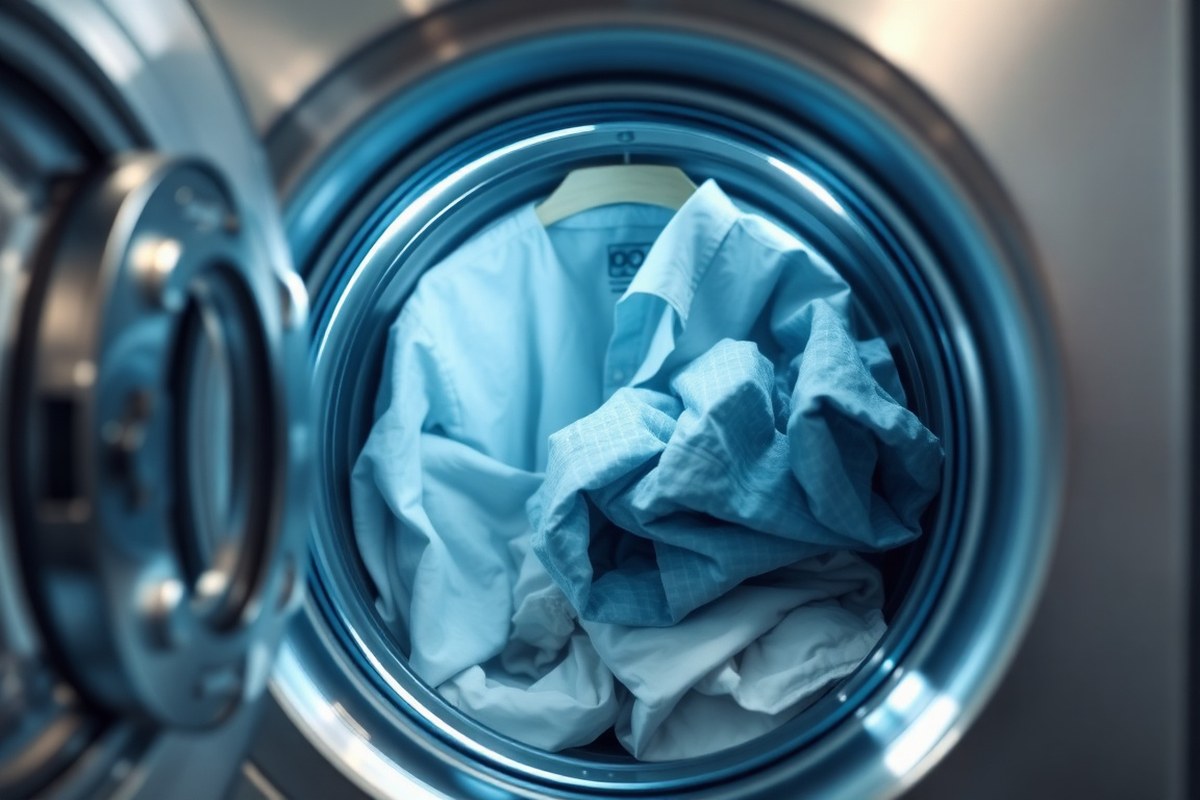
Dry cleaning involves several careful steps to clean garments without water, using special solvents and equipment. The process starts by inspecting and tagging each item, then moves on to cleaning with chemical solvents, and finally drying and finishing the garment to restore its look and feel.
Inspection and Tagging Garments
When you drop off clothes for dry cleaning, each piece is first examined for stains, damage, and fabric type. This inspection allows the cleaner to decide the best stain treatment method and verify that the garment is suitable for dry cleaning since some fabrics like PVC and certain synthetics can be harmed by solvents.
After inspection, the garments receive a unique numbered tag. This tagging system ensures every item is tracked throughout the process and returned to the correct owner without mix-ups. The cleaner also notes any special instructions or areas that need pre-treatment, such as sweat stains or oil marks, which dry cleaning solvents handle effectively.
Cleaning with Solvents and Equipment
The core cleaning stage uses machines designed specifically for dry cleaning. These machines look similar to washing machines but operate with non-water-based solvents instead of detergent and water. The most common solvent today is perchloroethylene, which dissolves oils and grease stains gently.
Before the cleaning cycle begins, detergents may be added to improve stain removal. The solvent circulates through the drum, removing soils from the fabric fibers without swelling or damaging the material’s shape and color. The process typically takes 10 to 30 minutes, depending on the fabric and soil level.
Softer fabrics like silk or wool require low mechanical action and controlled temperature settings to preserve their delicate fibers. Unlike traditional washing, there is no soaking in water, which reduces fabric shrinkage and color loss.
Drying and Finishing Touches
Once cleaning completes, the solvent is drained, filtered, and recycled within the machine to limit waste. Afterward, the garments are gently dried inside the dry cleaning machine itself by circulating warm air. The drying temperature is carefully controlled, usually below 140°F, to avoid heat damage.
Following drying, clothes undergo finishing steps tailored to each garment’s needs. These include pressing or steaming to remove wrinkles and reshape collars, cuffs, and seams. For delicate or embellished items, hand finishing ensures the fabric’s texture and details remain intact.
Finally, goods are inspected once again before being bagged for pickup. This last check guarantees all stains are removed and repairs are noted if needed.
Always point out any visible stains or special care instructions when dropping off your clothes to improve treatment results.
- Inspect garments for stains, fabric type, and damages to identify treatment needs.
- Tag clothes with unique numbers for tracking throughout the cleaning process.
- Pretreat noticeable stains using spot cleaners or detergents before solvent cleaning.
- Place garments in the dry cleaning machine and clean using solvent circulation and low mechanical agitation.
- Drain and filter solvents for reuse while drying garments inside the machine with warm air.
- Press or steam clothes to remove wrinkles and restore garment shape.
- Perform a final inspection to confirm cleanliness and garment condition before packaging.
Which Fabrics and Garments Benefit Most from Dry Cleaning
Fabrics that benefit most from dry cleaning typically include those prone to damage, shrinkage, or distortion when exposed to water and agitation in washing machines. Items made from wool, silk, and other delicate natural fibers usually require dry cleaning to preserve their texture and shape. Many garments labeled “dry clean only” can sometimes be hand washed carefully, but this depends on the fabric and garment construction.
Wool, Silk, and Delicate Natural Fibers
Wool is a common fabric for dry cleaning because water and agitation cause it to shrink, felt, or lose its shape. Silk, another natural fiber, also suffers from water exposure since it can fade or weaken, affecting the garment’s durability and appearance. Delicate natural fibers such as cashmere fall into the same category because the dry cleaning process uses organic solvents, which clean without water contact. Unlike machine washing, dry cleaning prevents shrinking and stretching by avoiding the harsh mechanical movement and moisture.
Despite “dry clean only” labels, some delicate fabrics can be hand washed at home with cold water and mild detergent, but care is needed to avoid damage or deformation. Hand washing requires gentle handling, minimal soaking, and immediate drying flat to maintain fabric quality.
Synthetic Fabrics with Special Finishes
Certain synthetic fabrics, especially those with special finishes like pleats, waterproof coatings, or permanent pleating, often need dry cleaning to retain their treatment. Machine washing can strip or distort these finishes, diminishing the garment’s specialized features. Dry cleaning’s solvent-based cleaning method preserves these coatings better than water-based laundering.
Some synthetics without special finishes do not require dry cleaning and can be washed on gentle cycles in cold water. Always check the care label and fabric type before deciding on dry cleaning.
Garments with Intricate Construction or Embellishments
Garments featuring embroidery, sequins, buttons, lace, or other embellishments benefit from dry cleaning because the water and agitation in washing machines could damage or detach these delicate components. Dry cleaning is gentler and avoids the friction and tumbling action found in washers and dryers. This method prevents distortion or loss of detail, prolonging the garment’s lifespan and appearance.
Commonly dry-cleaned items include suits, dresses, wool coats, silk blouses, and cashmere sweaters. These garments not only require careful cleaning but often cannot tolerate regular home laundering without risking shrinkage, color fading, or fabric weakening. Dry cleaning protects the structure and aesthetic integrity essential for such clothing. The following table summarizes fabric types, their cleaning needs, and recommended cleaning methods:
| Fabric Type | Cleaning Recommendation | Reason |
|---|---|---|
| Wool | Dry clean or gentle hand wash | Prone to shrinkage and shape loss in water |
| Silk | Dry clean or very gentle hand wash | Water weakens fibers; colors may fade |
| Cashmere | Dry clean preferred | Delicate fiber prone to damage in water |
| Velvet | Dry clean recommended | Maintains texture and avoids crushing |
| Synthetics with special finishes | Dry clean | Preserves coatings, pleats, and treatments |
| Embellished garments (beads, sequins) | Dry clean only | Prevents damage to decorations |
| Everyday cotton or polyester | Machine wash or hand wash | Durable and water tolerant |
Using dry cleaning mainly protects fabrics and garment features that would deteriorate under conventional washing. Following care labels and fabric-specific advice ensures you maintain both function and appearance while avoiding unnecessary expense.
Common Dry Cleaning Solvents and Their Safety and Environmental Impact
Several solvents power the dry cleaning process, each with strengths, safety profiles, and environmental footprints you should consider when choosing a cleaner. Perchloroethylene (perc) remains the most widely used solvent, favored for its strong cleaning ability and fast drying time. However, perc poses significant health risks such as respiratory irritation and skin sensitivity. It also has a considerable environmental impact, contributing to air and groundwater contamination if not properly managed. Due to these concerns, many cleaners are exploring alternatives.
Hydrocarbon-based solvents offer a less aggressive option. They are petroleum-derived and have a lower toxicity than perc, but they still carry flammability risks and release volatile organic compounds (VOCs) that can affect air quality. Silicone-based solvents, often referred to as D5, provide a gentler cleaning action and have low toxicity, making them safer for workers and customers. These solvents break down more readily in the environment, producing fewer harmful emissions.
Liquid carbon dioxide (CO₂) cleaning uses pressurized CO₂ as a solvent, presenting a highly eco-friendly alternative. It leaves behind no chemical residues and significantly reduces hazardous waste. The equipment for liquid CO₂ cleaning costs more upfront, which can reflect in higher prices. Despite the cost, it offers excellent stain removal for suitable fabrics without the environmental drawbacks of traditional solvents. Here is a comparison of common dry cleaning solvents based on key criteria: toxicity, cleaning effectiveness, and environmental impact.
| Solvent | Toxicity | Effectiveness | Environmental Impact |
|---|---|---|---|
| Perchloroethylene (Perc) | High, linked to respiratory and skin issues | Very high, excellent for oil-based stains | High, contaminates air and water; persistent in environment |
| Hydrocarbon | Moderate, less harmful than perc but flammable | Moderate to high, effective but slower than perc | Moderate, VOC emissions; fossil fuel based |
| Silicone-based (D5) | Low, mild toxicity, less irritating | Moderate, gentler on fabrics | Low, biodegradable, fewer VOCs |
| Liquid CO₂ | Very low, non-toxic and inert | Moderate, ideal for delicate garments | Very low, no chemical residues or emissions |
To minimize health risks and environmental damage when using or choosing dry cleaning services, opt for cleaners that use eco-friendly solvents like silicone-based or liquid CO₂ methods. You can ask about their solvent types and how they handle solvent recycling and waste disposal. If using perc or hydrocarbon solvents, ensure the facility maintains strict ventilation and disposal standards to protect workers and surrounding communities.
Greener dry cleaning is gaining ground as consumer awareness grows, with more shops investing in newer machines designed to reduce solvent emissions. While these alternatives may slightly increase your cleaning cost, they reduce harmful environmental impacts and promote safer work environments. Discussing solvent choices with your dry cleaner helps you balance garment care quality with sustainability and health concerns.
When and How Often You Should Use Dry Cleaning for Your Clothes
Dry cleaning should be reserved for garments that require special care to preserve their fabric and appearance. Delicate fabrics such as silk, wool, and cashmere generally need dry cleaning after every three to six wears, depending on how often you wear them and the type of use. Outer garments like coats or suits may last longer between cleanings, often after five to six wears, as these are less likely to absorb body oils or stains directly. Clothes worn close to the body or in high-odor environments, like work shirts or trousers, may demand more frequent cleaning to keep them fresh.
Frequent dry cleaning can cause wear over time, especially if harsh solvents like perchloroethylene (Perc) are involved, which can affect fabric strength and color. Because of this, aim to clean your clothes only when necessary rather than on a strict schedule. Let visual cues and smell guide you before sending garments for dry cleaning. Avoid dry cleaning if the garment is not visibly dirty or lacks strong odors; airing the garment can often refresh it without the risks of wear and solvent exposure.
- Visible stains or spots on the fabric
- Persistent odors after airing out
- Garments worn in smoky or heavily polluted areas
- Noticeable soil build-up on cuffs, collars, or underarms
- After attending formal events or heavy perspiration
Proper maintenance between dry cleanings helps extend garment life. Use a fabric brush to remove dust and dirt, and store clothes in a cool, dry place with adequate ventilation. Pressing garments to remove wrinkles also reduces the need for professional cleanings. Check the care label for specific recommendations on dry cleaning frequency and solvent types, as these vary by fabric and manufacturer guidelines.
Only dry clean garments when they show clear signs of needing it; over-cleaning can reduce their lifespan and cause fabric damage.
Costs for dry cleaning typically range from $5 to $15 per item, depending on the garment’s complexity and fabric. Since this expense adds up, spacing out cleanings based on actual garment condition makes both economic and fabric-care sense. To keep your clothes looking their best longer, balance dry cleaning with good everyday care and only treat the garments professionally when necessary.
Choosing the Best Dry Cleaner: What to Look for and Avoid
Choosing a reliable dry cleaner directly influences the care your garments receive and their longevity. Start by confirming the cleaner’s experience; a shop with decades of operation often has refined their techniques and solvent use to minimize damage and odors. For example, a business like Maritime Dry Cleaners boasts over 50 years in the industry, suggesting a solid understanding of fabric care and solvent handling.
Ask about the solvents they use. Traditional perchloroethylene (perc) is widespread but releases harmful gases if not properly filtered. Seek cleaners who use lower-toxicity solvents or advanced filtration systems, indicating environmental responsibility and safer indoor air quality. Inquire how they handle special requests, such as garments needing spot treatment or components that shouldn’t be cleaned conventionally, making the cleaner aware ensures your garment gets appropriate attention.
Customer service also speaks volumes. A trustworthy dry cleaner will listen carefully and offer clear guidance on garment care. They should provide detailed receipts showing the treatments applied and handle your clothes gently, advising on stains or fabric vulnerabilities. Pricing should be transparent; expect around $5 to $15 per typical item, with more for delicate or specialty fabrics. Be cautious of prices significantly lower than average, as these may reflect shortcuts or poor-quality service.
- Check the shop’s years of operation and customer reviews.
- Ask what solvent types they use and their environmental controls.
- Request advice on handling delicate garments or stains.
- Confirm pricing upfront and watch for unusually low rates.
- Observe shop cleanliness, equipment quality, and staff professionalism.
- Ensure they provide written care instructions or receipts.
Communicate specifics about your clothing. Clearly state if a garment has embellishments, is labeled “dry clean only,” or carries stains that need attention. This lets the cleaner adjust their process and helps avoid damage. Avoid dry cleaning services that dismiss your questions, show a lack of knowledge about solvents, or neglect garment details. Poor practices include reusing dirty solvents or ignoring chemical safety, which can harm fabrics and your health.
Common Dry Cleaning Mistakes and How to Avoid Them
Ignoring care labels is one of the most common mistakes that people make with dry cleaning. These tags provide important instructions about whether a garment truly needs dry cleaning or if it can be safely washed at home. Skipping this step risks damaging delicate fibers or ruining the garment’s shape. Always check the label before deciding on dry cleaning, and trust the manufacturer’s guidance to protect your clothes.
Over-cleaning your clothes can also cause harm. Frequent dry cleaning exposes fabrics to solvents that might weaken fibers or fade colors over time. For items like suits or wool coats, limit dry cleaning to a few times per season or when they’re visibly soiled or have odors. Spot cleaning or airing out between cleanings helps preserve the fabric’s life and appearance.
Another mistake is mixing incompatible fabrics during cleaning. Some fabrics like silk and leather require special handling, and combining them with sturdier materials in one load can lead to stretching, color bleeding, or texture changes. Discuss your wardrobe’s fabric types with your dry cleaner to ensure they know which items need extra care. Separate delicate or specialty textiles when possible.
Miscommunication with your dry cleaner often causes problems. Not disclosing spots, repairs needed, or preferences for pressing and folding can result in missed stains or unwanted finishing. Always point out trouble spots and specify your expectations in writing or at drop-off. A clear dialogue helps the cleaner deliver better results and avoids surprises when you pick up your clothes.
- Check garment tags carefully before choosing dry cleaning
- Limit how often you dry clean; avoid over-cleaning
- Separate delicate fabrics from heavier or mixed loads
- Tell your dry cleaner about stains, repairs, or preferences
- Use spot cleaning or airing out to reduce cleaning frequency
Adopting these steps improve your clothes’ lifespan and maintains their fit and appearance. Dry cleaning is a strong solvent-based process that removes stains like grease better than home kits, but it still requires your judgment on when and how. Cost usually runs between $5 and $20 per item depending on the piece and region, so preserving garments by avoiding unnecessary trips to the cleaner can save you money.
When deciding whether to dry clean or wash at home, use the garment tag, fabric type, and visible soil level as your decision rules. For example, silk scarves generally need professional care once or twice a year unless heavily soiled. Suede jackets and structured suits should never be home washed. By following clear guidelines and communicating well with your cleaner, you prevent common errors that harm clothes and get the best dry cleaning results.
Home Dry Cleaning Kits and Alternative Cleaning Methods Explained
At-home dry cleaning kits can refresh lightly soiled garments and remove minor odors, but they do not replace professional cleaning for heavily stained or structured pieces. These kits offer convenience and lower cost but won’t achieve the same deep cleaning as professional services using industrial solvents. Alternatives like wet cleaning and gentle hand washing can be effective for certain delicates labeled as “dry clean only,” depending on the fabric and garment construction.
Using At-Home Dry Cleaning Kits
Home dry cleaning kits generally involve placing garments in a special bag with a moistened cloth containing a cleaning solution, then tumbling the bag in a dryer. This method targets surface freshening rather than deep stain removal. Kits cost around $10 to $20 and are ideal for occasional use on clothes without heavy staining or structural details like shoulder pads. Follow these steps carefully to use a home dry cleaning kit safely and effectively:
- Check the garment’s care label and test the kit on a hidden spot to ensure colorfastness and fabric compatibility.
- Remove loose dirt and spot-treat stains with a regular stain remover or a small amount of water and gentle soap, avoiding oversaturation.
- Place one or two garments in the provided cleaning bag with the moist cleaning cloth supplied in the kit.
- Seal the bag securely as instructed to keep moisture and cleaning agents contained during the dryer cycle.
- Run the dryer on the recommended low-heat or air-fluff setting for 20 to 30 minutes, depending on kit instructions.
- Remove garments promptly to prevent wrinkles and hang them to finish drying on a padded hanger if needed.
- Brush or steam the garment lightly to restore texture and remove any lingering odors.
- Store the kit materials properly for future use, discarding single-use cloths after one cycle.
| Feature | At-Home Dry Cleaning Kits | Professional Dry Cleaning |
|---|---|---|
| Cost per garment | $2, $5 (kit share) | $10, $30+ |
| Effectiveness on stains | Limited; best on fresh, light stains | High; can remove tough and set-in stains |
| Fabric safety | May risk damage on delicate fabrics | More controlled and gentle |
| Convenience and speed | Immediate, at home | Requires drop-off and pick-up |
| Environmental impact | Less solvent use | Varies; some solvents harmful but many cleaners use greener options |
Do not overload the cleaning bag; too many garments reduce cleaning effectiveness and risk wrinkles.
Wet Cleaning and Hand Washing Delicates
Professional wet cleaning uses water and specialized detergents with controlled mechanical action and drying to safely clean “dry clean only” fabrics like silk or wool. At home, gentle hand washing is a reasonable alternative for many delicate garments if you test carefully.
To hand wash delicate fabrics, test a small area first with mild detergent and cool water to check for colorfastness or fabric reaction. If safe, wash garments gently, avoid wringing, and rinse thoroughly. Lay flat to dry or hang on a padded hanger away from direct sunlight. This can extend garment life without the risks of harsh chemicals or heat.
Always verify care label instructions and fabric type before attempting hand washing.
When to Skip Cleaning and Air Out Garments
Not every garment requires cleaning after every wear. Lightly worn suits, jackets, or sweaters often just need airing out to remove odors and refresh fabric. Use a well-ventilated area or hang outdoors away from direct sun or pollution for several hours.
Spot cleaning with a damp cloth or fabric-safe stain remover can address minor spots without full cleaning. This approach reduces wear on fabrics and keeps clothes looking newer longer. Reserve full dry cleaning or wet cleaning for visibly soiled or odor-laden garments.
Over-cleaning delicate clothes can lead to premature wear and loss of shape.
Step-by-Step Action Plan for Using Dry Cleaning Wisely
Follow these steps to make the most of dry cleaning and keep your clothes in top shape without overusing the service.
- Before your first dry clean: Check garment labels for dry clean only instructions and inspect items for stains or damage.
- On your next wear: Spot treat small stains safely at home to avoid unnecessary dry cleaning.
- When clothes look dull or feel stiff: Take them to a reputable dry cleaner who uses safe solvents; look for good reviews or certifications.
- After dry cleaning: Inspect the garment immediately to catch issues like missed stains or shrinkage and report them right away.
- Once every few wears: Limit dry cleaning to garments that need it, such as suits or delicate fabrics, to prevent wear from chemicals.
- Before storing seasonal items: Ensure clothes are clean and dry cleaned as appropriate to prevent moth damage and odors.
- Whenever you try home dry cleaning kits: Test on a hidden spot first and compare results to professional cleaning before committing.
- Regularly: Rotate your wardrobe to reduce the frequency of dry cleaning any single garment.
Frequently Asked Questions
Do Dry Cleaners Actually Dry Clean Clothes?
Yes, dry cleaners use chemical solvents instead of water to clean clothes, making it gentler on delicate fabrics like silk and wool. They handle the entire process with specialized equipment designed for this purpose.
What Is Another Term Commonly Used for Dry Cleaning?
Dry cleaning is often called “chemical cleaning” because it uses chemical solvents rather than water to clean garments.
How Much Does Professional Dry Cleaning Usually Cost?
The cost typically ranges from $5 to $20 per item, depending on the garment and location. Prices vary with fabric type and the cleaner’s services.
What Are Some Downsides of Dry Cleaning?
It can be expensive and some solvents have environmental concerns. Over-dry cleaning may weaken fabrics over time.
What Is Dry Cleaning, Exactly?
Dry cleaning cleans clothes with chemical solvents instead of water, ideal for delicate or non-washable fabrics. It removes oil-based stains effectively without using traditional laundry water.
Can I Dry Clean Clothes at Home Instead of Going to a Service?
Yes, home dry cleaning kits can refresh lightly soiled garments, but are less effective for heavy stains compared to professional methods.
Wrapping Up
Dry cleaning works best as a targeted care method for delicate or structured garments that water and detergent can damage. Using it carefully saves your clothes and the environment by cutting down on unnecessary chemical exposure. Next time you have a hard-to-clean outfit, check the label and consider professional dry cleaning rather than risk damage with regular washing.