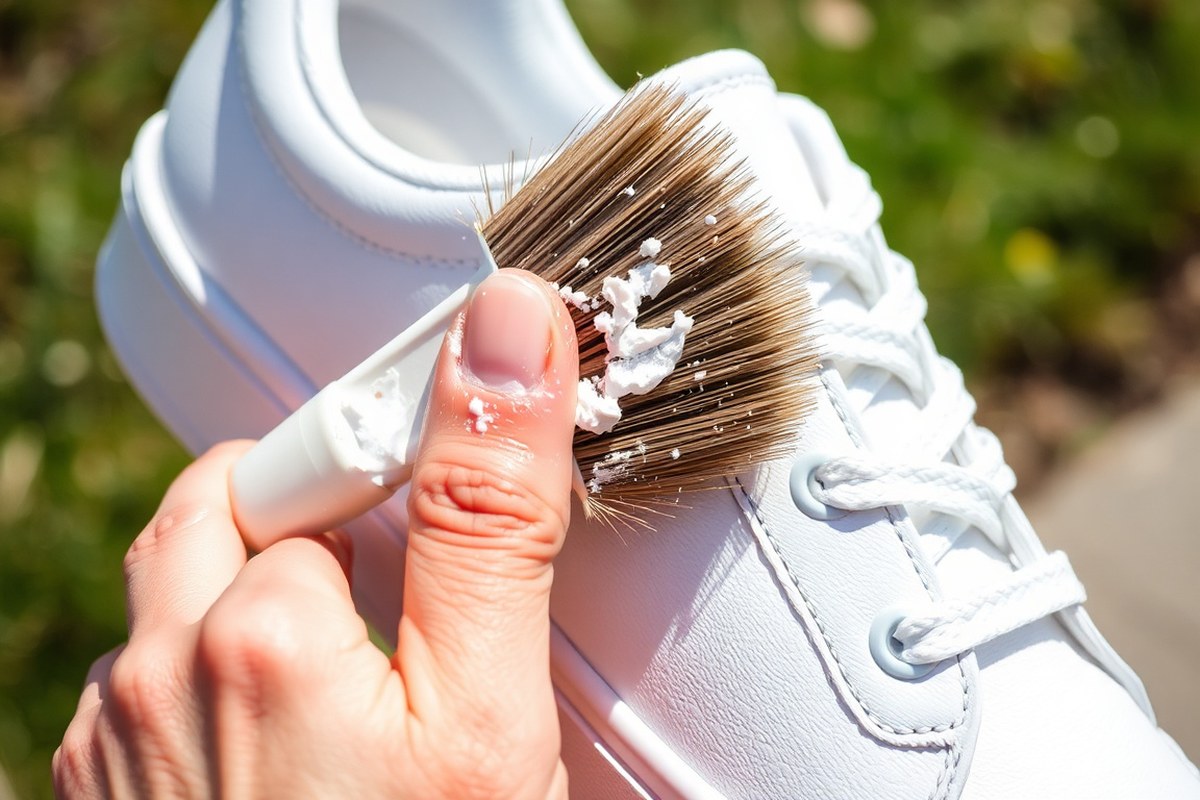
How to Get Stains Out of White Shoes: 8 Proven Cleaning Methods That Work
How to get stains out of white shoes starts with acting quickly using safe, effective cleaning methods like soaking, scrubbing with mild pastes, or using natural products such as baking soda and vinegar. For fresh oil stains, applying corn starch and leaving the shoes in sunlight helps lift grime without damage. These techniques restore whiteness without harsh chemicals or shrinking most fabrics.
This advice suits anyone owning white shoes made of canvas, fabric, or leather who wants to remove common stains at home. You’ll learn proven, gentle ways to clean your shoes by stain type and material while protecting and maintaining their appearance over time.
Key Takeaways
- Use corn starch on fresh oil stains and let it sit 30 minutes before sunlight exposure to absorb grease safely.
- Mix baking soda and white vinegar in a 1:1 paste for scrubbing tough white shoe stains effectively.
- Soak fabric shoes in lukewarm or cold water for 30 minutes to loosen fresh stains without shrinking.
- Allow paste treatments on shoes to dry 3-4 hours for maximum stain removal before rinsing.
- Dry shoes indoors for 5-6 hours after cleaning to prevent warping or fading from direct heat.
- Use mild dish soap with baking soda and vinegar in warm water to clean most common stains on white shoes.
1. Best Ways to Remove Stains from White Shoes Safely
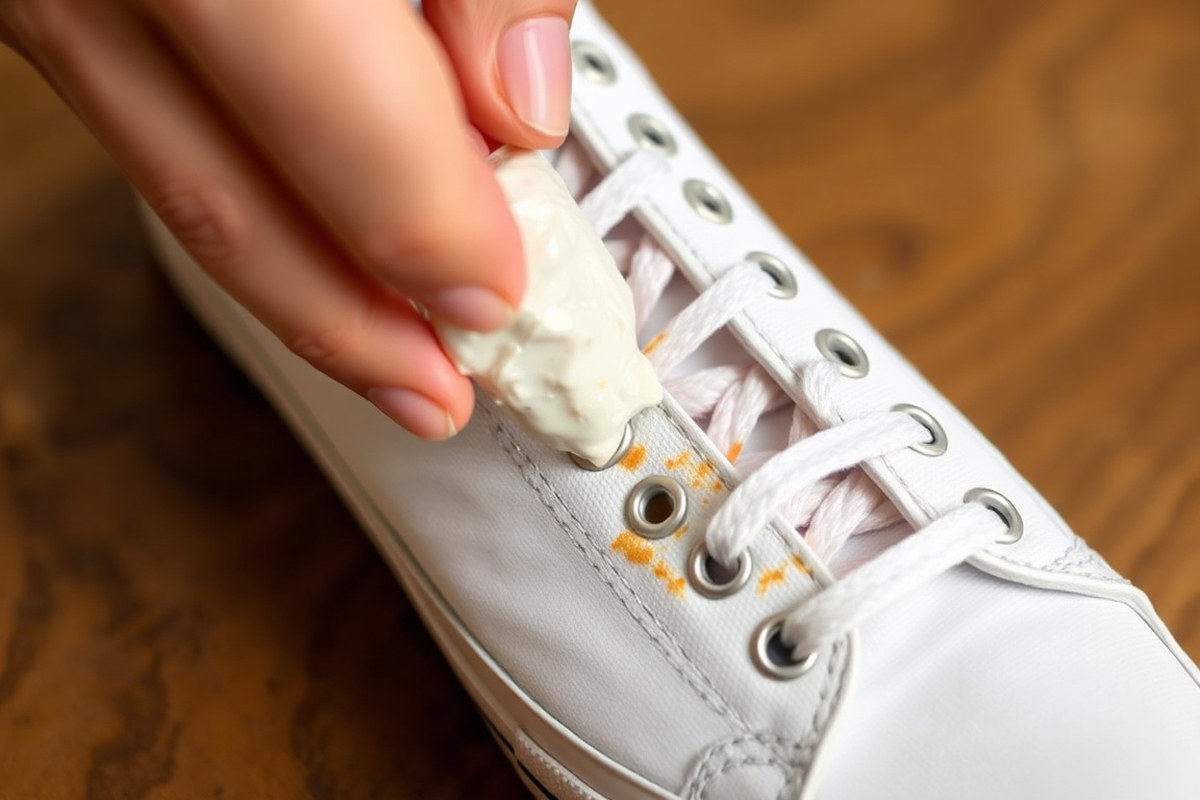
Removing stains from white shoes using household items can save time and money while keeping your shoes safe from damage. A mixture of baking soda, white vinegar, and dish soap in warm water tackles most stains gently but effectively. By following clear steps, you can clean your shoes without harming the fabric or leaving new marks.
Use a microfiber cloth or a soft brush to apply the cleaning solution and avoid spreading the stain. Let the solution sit for about 10 minutes to break down the stain. For rubber soles, a Magic Eraser sponge removes marks without harming the surface. Avoid harsh scrubbing or using bleach, which can weaken fabrics or alter color.
- Create a cleaning solution: Mix 1 tablespoon of baking soda, 2 tablespoons of white vinegar, and 1 teaspoon of dishwashing liquid in 1 cup of warm water.
- Remove loose dirt: Brush off dirt or debris with a dry soft brush or cloth to prevent spreading during cleaning.
- Apply the solution: Dip a microfiber cloth or soft brush into the mixture, then gently scrub the stained areas using circular motions.
- Let it sit: Allow the solution to work on the stains for 10 minutes, but do not let the shoes dry completely.
- Wipe clean: Use a clean, damp cloth to remove any remaining cleaning solution without rubbing too hard to avoid spreading dirt.
- Dry naturally: Air dry your shoes at room temperature, avoiding direct heat or sunlight that could cause damage or yellowing.
- Treat soles separately: For rubber soles with stains, gently scrub with a Magic Eraser sponge dampened with water until the marks fade.
This approach costs just a few cents per cleaning session and requires only basic household items. Results usually show visible stain reduction without fabric damage. However, tough or set-in stains might need repeated treatments or professional cleaning. Avoid machine washing or harsh chemicals on delicate materials to preserve your shoe’s appearance and structure.
2. How to Clean Common Stains on White Shoes
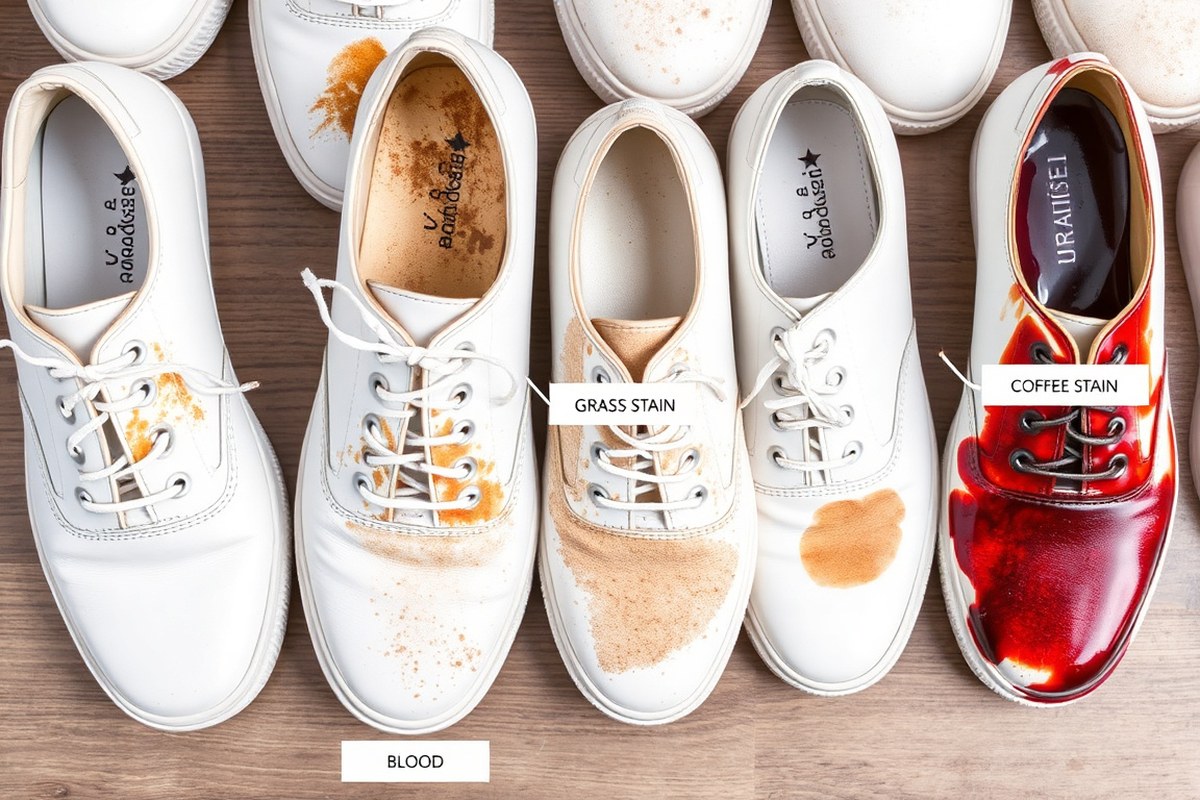
Different stains on white shoes require specific cleaning approaches to avoid damage and improve effectiveness. Matching the stain type with the right solution and process helps restore your shoes’ bright appearance without wasting time or supplies. Below is a breakdown of common stains and methods tailored to each.
Dirt and Mud Cleaning Techniques
Dirt and mud are the most frequent stains on white shoes, forming from soil, mud splashes, or surface dust. Removing these stains quickly keeps them from setting in and causing more lasting discoloration. The first step is to wait until the mud dries completely; wet mud tends to smear and worsen the stain.
Start by brushing off the dried mud with a soft brush or cloth. Next, mix a few drops of dish soap with warm water and use a soft cloth or sponge to gently scrub the affected areas. Rinse with a clean damp cloth to remove any soap residue, and air dry away from direct sunlight to avoid yellowing. Repeat if needed. This method is low-cost, using common household items, and avoids harsh chemicals that might damage materials.
Removing Grass and Oil Stains
Grass stains contain chlorophyll pigments that easily discolor white shoes, especially canvas or fabric types. Oil stains pose a challenge as the oil binds deeply into fibers and can darken the surface. Acting quickly improves results.
For grass stains, mix one part white vinegar with two parts water and gently dab the stain with a cloth soaked in this solution. Alternatively, rubbing alcohol also helps break down the grass pigment. Let it sit for 10 minutes and then blot with a clean cloth. Avoid scrubbing aggressively to protect the shoe material.
Oil stains should be addressed immediately by sprinkling cornstarch or baking soda on the affected area to absorb the oil. Let it sit for 30 minutes before brushing off the powder. Follow with a gentle clean using dish soap and water. Persistent oil stains may need several treatments.
Treating Coffee, Blood, and Ink Spots
Spills like coffee and blood require special care because their pigments and proteins can set quickly. Use cold water to avoid cooking the stain into the fabric or leather.
Cold water rinsing immediately after the spill helps dilute these stains. For coffee, applying white vinegar after cold water can lift the stain effectively. Blood stains respond well to a mixture of hydrogen peroxide and cold water; apply a small amount and blot gently, as hydrogen peroxide acts as a mild bleach but can damage some materials if overused.
Ink stains from pens or markers are particularly stubborn. Rubbing alcohol can sometimes break down the ink pigment. Dab it lightly onto the stain rather than rubbing hard. Multiple applications may be necessary. Here’s a concise guide showing stain types, cleaning solutions, and notes on application:
| Type of Shoe Stain | Cleaning Method | Notes |
|---|---|---|
| Red stain (wine or grape juice) | Dishwashing detergent and white vinegar | Apply solution, let sit 10 minutes, then blot |
| Coffee | Cold water and white vinegar | Rinse with cold water first, then dab vinegar |
| Blood | Hydrogen peroxide and cold water | Use small amount; avoid overapplying to preserve material |
| Grass | White vinegar or rubbing alcohol | Dab gently, let sit 10 minutes, blot |
| Oil | Cornstarch or baking soda followed by dish soap | Absorb oil first, then clean gently |
Tip: Always test any cleaning solution on a small, hidden area first to prevent discoloration or material damage.
Following these stain-specific treatments improves your chances of removing tough spots without harming your white shoes. Stubborn stains might require repeating steps or combining methods carefully, but patience and the right approach make a difference.
3. Cleaning White Shoes by Material Type
White shoes come in different materials, each needing a specific cleaning method to avoid damage and ensure effective stain removal. Knowing how to treat leather, canvas, suede, or synthetic materials differently helps you protect your shoes and restore their bright appearance.
Cleaning White Leather Shoes
Leather is durable but sensitive to too much water and harsh chemicals, which can cause discoloration or dryness. Mild soap and water are the safest and most effective cleaning agents for white leather shoes.
Begin by brushing off any loose dirt using a dry cloth. Mix warm water with a little mild dish soap to create a cleaning solution. Do not submerge leather since moisture can lead to stains or deformation. Use a soft cloth or toothbrush to gently scrub in circular motions instead. Wipe down with a damp cloth and let the shoes air dry in a shaded area, avoiding direct heat or sun exposure to stop cracking.
- Remove laces and brush off loose dirt gently.
- Mix 1 teaspoon mild dish soap with 1 cup warm water.
- Dampen a soft cloth or toothbrush with the mixture.
- Gently scrub the leather in circular motions.
- Wipe off soap with a clean damp cloth.
- Stuff shoes with paper towels to maintain shape.
- Let air dry at room temperature, avoiding direct sun.
- Optional: Apply leather conditioner once dry to keep leather supple.
Caring for White Canvas and Synthetic Shoes
Canvas and most synthetic materials tolerate more water compared to leather, making soaking or machine washing possible if done carefully. Water temperature matters; lukewarm or cold water prevents shrinking or damage.
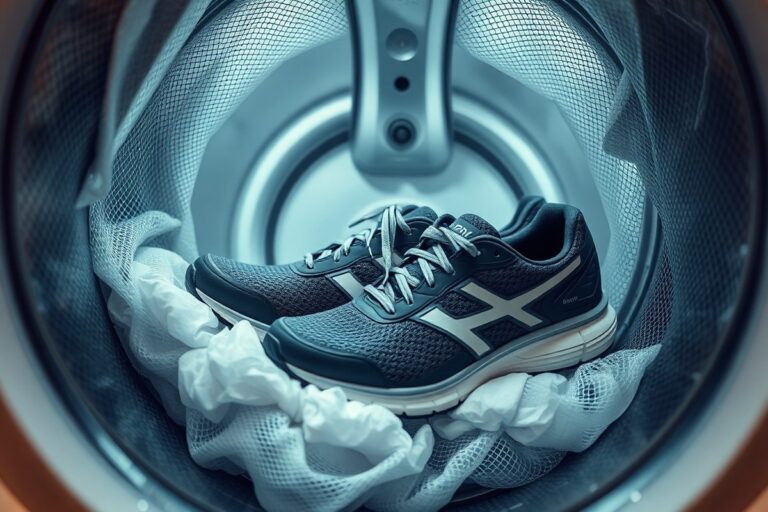
To clean stains thoroughly, start by brushing off dirt with a soft brush. You can soak canvas or synthetic shoes in a mixture of cold water, mild detergent, and a tablespoon of baking soda for about 30 minutes. After soaking, use a brush or cloth to gently scrub away stains, rinse with clean water, and air dry. While machine washing is an option for some canvas sneakers, always check manufacturer care instructions and use a gentle cycle with cold water inside a laundry bag to protect the shoes.
- Remove laces and brush off dry dirt.
- Fill a basin with cold or lukewarm water and add 1 teaspoon mild detergent plus 1 tablespoon baking soda.
- Soak shoes for 30 minutes.
- Use a soft brush or cloth to scrub stubborn stains gently.
- Rinse thoroughly with cold water.
- Stuff shoes with paper towels and air dry away from heat.
- For machine washing, place shoes in a laundry bag, use cold water, and select a gentle cycle if permitted by the manufacturer.
Handling White Suede, Nubuck, and Mesh
Suede and nubuck require gentle cleaning because their textured surfaces can be damaged easily by water and scrubbing. Mesh is more forgiving but still benefits from mild care to avoid fraying or color changes.
Dry brushing with a suede brush or soft toothbrush is the first step to lift dirt. Avoid heavy water contact. Instead, apply a baking soda paste (one part baking soda mixed with one part water) and gently rub small areas, allowing it to dry before brushing off powder residue. For water stains on suede, use a specific suede cleaner or a lightly dampened cloth blot, then dry naturally. After cleaning, protect suede with a waterproofing spray such as Kiwi Suede Waterproofer to help keep your shoes stain-free and resistant to water damage.
- Brush off loose dirt using a suede brush or soft toothbrush.
- Mix equal parts baking soda and water into a paste.
- Apply paste gently to stains using a cloth or brush.
- Allow the paste to dry completely (usually 1 to 2 hours).
- Brush off dried baking soda powder carefully.
- For stubborn water stains, blot with a barely damp cloth and air dry.
- Spray shoes with a suede protector to prevent future stains.
4. Essential Tools and Cleaning Products for White Shoes
Choosing the right tools and cleaning products for white shoes depends on the shoe material and stain severity. Soft-bristle brushes work well on canvas and mesh, preventing damage while removing dirt. For leather or synthetic materials, use a microfiber cloth or a soft sponge to gently wipe away stains without scratching. Avoid stiff brushes on delicate fabrics to prevent fraying or discoloration.
Sneaker wipes can be handy for quick touch-ups, especially on rubber or synthetic shoes. They typically cost around $7 to $15 per pack and save time on light stains. Whitening creams are worth trying if your shoes have yellowed or lost their brightness. These creams, usually priced between $10 and $20, use mild bleaching agents that restore white tones without harsh chemicals. Apply the cream following the instructions, usually letting it sit for 5 to 10 minutes before buffing off. Overuse may cause dryness or damage, so use sparingly and test on a small area first.
Commercial cleaning products make tasks easier but selecting the right one is key. Mild soap solutions work well on rubber and fabric, while specialized leather cleaners maintain leather’s suppleness. Some products combine cleaning and protecting properties, which helps extend shoe life by repelling future stains. Prices range from $6 for basic sprays to over $25 for premium multi-purpose kits. Check that any product suits your shoe material to avoid discoloration or texture changes.
- Soft-bristle brush for canvas and mesh materials
- Microfiber cloth or soft sponge for leather and synthetic shoes
- Sneaker wipes for quick stain removal on rubber and synthetics
- Whitening cream for yellowed or dull white shoes; test first
- Mild soap or specialized leather cleaner appropriate for shoe material
- Protective spray or conditioner to prevent stains and reduce cleaning frequency
- Room temperature water (around 70°F) for cleaning solutions to avoid damage
Before cleaning, identify your shoe’s material to pick tools that won’t cause harm. Start with milder methods and products, especially for stubborn stains, to avoid over-cleaning. Good results mean the stain lightens or disappears without altering the shoe color or texture. If a product causes excessive dryness or peeling, stop use immediately and consider professional cleaning. Protecting leather or fabric after cleaning reduces future stains and cuts down on how often you need to deep clean, saving effort and cost in the long run.
5. How to Prevent Stains and Damage on White Shoes
To keep white shoes clean longer, applying a water and stain repellent spray before wearing them is essential. These protective sprays form a barrier that helps prevent dirt, water, and stains from seeping into the material. You typically spray them on dry, clean shoes from about 6 to 8 inches away, covering all surfaces evenly. Allow the shoes to dry completely for several hours or overnight before use. Many sprays cost between $10 and $20 per bottle, and one application can last several wears. Reapply every few weeks, especially after cleaning or in rainy conditions, to maintain protection.
How and where you wear your white shoes greatly affects their vulnerability to stains. Avoid wearing them in muddy, wet, or dusty environments. Choose dry, clean settings instead. Being mindful also means cleaning off dirt or moisture right after exposure to prevent stains from setting. Regular quick touch-ups prevent buildup that becomes harder to remove.
Proper storage is another key factor in preventing discoloration and damage. Store white shoes away from direct sunlight to avoid yellowing caused by UV exposure. Use breathable shoe bags or boxes lined with acid-free tissue paper to protect against dust and moisture. Keep them in a dry, cool place with good air circulation to prevent mold or odor buildup. Avoid stacking shoes on top of one another to preserve their shape.
- Spray protective water and stain repellent on clean, dry shoes and let dry fully before wearing.
- Wear white shoes only on dry, clean surfaces, avoiding mud and wet grass.
- Wipe off dirt or debris immediately using a soft cloth or sponge dampened with water.
- Do not expose shoes to direct sunlight during storage to prevent yellowing.
- Store shoes in breathable bags or boxes with acid-free tissue paper to reduce dust and moisture.
- Keep shoes upright and avoid stacking to maintain shape.
- Reapply protective spray every 2 to 4 weeks, or after cleaning or exposure to harsh conditions.
Protective sprays lose effectiveness if shoes get wet; always let them dry completely before reapplying spray and wearing.
Practicing these preventative measures not only keeps your white shoes looking fresh but also extends their durability. Avoid harsh conditions that can cause stains or damage. Routine care and mindful use mean less frequent deep cleaning and better-looking shoes over time.
6. Avoiding and Fixing Common Cleaning Mistakes
Yellowing on white shoes often results from overusing bleach or leaving the shoes damp for too long after cleaning. Bleach can remove stains but using too much causes a yellow tint, especially on fabric or canvas materials. To prevent this, dilute bleach carefully, use about one part bleach to five parts water, and rinse thoroughly with clean water. Avoid soaking your shoes in bleach solutions longer than 5 minutes because extended exposure heightens the risk of yellowing. After cleaning, air-dry your shoes promptly in a cool, shaded area to reduce discoloration caused by sunlight or heat.
Shoe materials like canvas, leather, and mesh can shrink or weaken with improper cleaning methods. Using hot water or harsh detergents often damages delicate fabrics or causes them to lose shape. For example, submerging canvas shoes in water hotter than 100°F may cause shrinkage or stiffness. Instead, use lukewarm water mixed with mild soap, gently scrubbing with a soft brush. Avoid machine washing shoes unless the manufacturer specifically says it’s safe, since the agitation and water temperature can cause shrinkage or material breakdown.
Discoloration after cleaning is common if residues from cleaning products remain or if the shoes dry unevenly. To fix this, first rinse off any soap or detergent residue well with clean water. Yellowing on your shoes can be treated by gently rubbing a paste of baking soda and water onto the spots, then leaving it for about 30 minutes before rinsing. For stubborn stains, applying a small amount of white vinegar diluted with water on a soft cloth and gently dabbing the fabric may help. Always test cleaning agents on a small hidden area to avoid damage. Fabric stiffened by cleaning can regain softness by lightly misting the shoes with water and reshaping them, then letting them dry naturally.
Be cautious using bleach on nylon or synthetic fabrics since these materials react differently than natural canvas or leather. Yellowing or damage happens more rapidly in synthetic fibers if harsh chemicals or heat are applied. For these materials, opt for commercial cleaners formulated for synthetic shoes or mild soapy water solutions. Consistent weekly wiping with a damp cloth removes dirt before stains settle deep, preventing excessive cleaning that could damage shoe fibers.
Correct drying is important to avoid common problems. Avoid putting white shoes in direct sunlight or using a dryer, as high heat causes both yellowing and material deformation. Instead, stuff the inside with paper towels or absorbent cloths to maintain shape and absorb moisture, changing them every few hours during drying. This approach helps shoes keep their fit while preventing fabric shrinkage and yellow stains that appear from trapped moisture combined with heat.
7. When to Use Commercial Products or Call Professional Cleaners
Stubborn stains that resist all your home cleaning efforts signal the time to consider commercial products or professional services. You can tell a stain is beyond DIY cleaning when it remains visible after repeated treatments with common household solutions like baking soda, vinegar, or mild detergents, especially if the stain has settled deep into the fabric or leather over several days. Spending 15 to 30 minutes on each cleaning attempt without seeing much improvement means it’s time to stop trying home methods.
Commercial stain removers designed for white shoes often contain stronger cleaning agents than typical household products. These specialized removers can tackle tougher stains such as oil, ink, or deep dirt that home remedies won’t touch. You’ll find many shoe-specific stain removers priced between $7 and $20 at shoe stores or online. Use these products according to their label instructions, usually applying the remover directly onto the affected area, letting it sit for about 3 to 5 minutes, and then wiping or rinsing off. Always test on a small hidden area first to avoid discoloration or damage. Using commercial products is more effective when the material is durable and colorfast, like canvas or synthetic fabric.
Professional shoe cleaning services provide another level of stain removal and shoe care that home treatments cannot match. These services often use industrial-grade solvents and equipment that can safely extract stains, odors, and dirt deep inside the shoe without damaging the material. Some shops specialize in leather restoration or sneaker cleaning, with prices ranging from $20 for a basic clean to over $100 for full restoration. Choosing a reputable cleaner with experience in white shoes is critical. They can advise you on whether your particular stain or shoe material benefits from professional treatment, especially if the shoes are valuable or have sentimental worth.
To decide whether to try a commercial remover or call a professional, follow this rule: after three cleaning attempts at home and observing no significant stain fading, try a product made specifically for the shoe’s material. When the stain remains after one use of a commercial cleaner, it’s best to get professional help. Prioritize professional cleaning for delicate leathers, high-end sneakers, or shoes with complicated designs. Professionals not only improve appearance but can extend your shoe’s lifespan by preventing damage caused by harsh self-cleaning.
Sometimes, stubborn stains come with odors, which are hard to eliminate with basic household products alone. Research from the International Journal of Environmental Research (2019) shows odor removal often requires specialized treatments that professionals provide. This is another reason to enlist expert cleaning when your shoes smell unpleasant despite thorough home cleaning.
8. Cleaning and Maintaining White Shoe Laces and Insoles
Cleaning and maintaining white shoe laces and insoles is essential to keep your shoes looking fresh and odor-free. You can safely soak or machine wash laces, while insoles need gentle cleaning to remove both stains and smells. Regular care preserves comfort and appearance.
Soaking and Washing White Laces
You can soak laces to loosen dirt or run them through a washing machine without damaging the material. Using a mild detergent helps remove stains and keeps laces bright. Machine washing works best for durable fabric laces, but soaking is gentler for delicate ones. Follow these steps to clean white laces effectively:
- Remove the laces from your shoes to avoid staining or damage to the shoe itself.
- Fill a basin or bowl with warm water and add a small amount of gentle detergent or mild soap.
- Soak the laces for 30 minutes to break down dirt and stains.
- Gently rub the laces together or use a soft brush on tough spots.
- Rinse laces thoroughly under cold water to remove soap residue.
- For machine washable laces, place them inside a mesh wash bag, then wash on a gentle cycle with cold water and a quarter of your usual detergent.
- Air dry the laces completely before relacing your shoes to prevent mildew.
Always avoid bleach on laces unless the manufacturer specifically allows it, as it can weaken the fibers.
Cleaning Insoles and Removing Odors
Insoles collect sweat and bacteria, so cleaning prevents odors and extends their lifespan. Some insoles are washable, but always check the manufacturer’s instructions first. Using baking soda and mild detergents helps remove stains and neutralize smells. To refresh your insoles effectively:
- Remove the insoles from your shoes to clean separately.
- If machine washable, put insoles in a mesh laundry bag and wash on a cold, gentle cycle with mild detergent.
- For non-washable insoles, sprinkle baking soda liberally on the surface and leave it overnight to absorb odors.
- Mix equal parts water and mild detergent, then scrub the insoles gently with a soft brush or cloth.
- Rinse lightly or wipe off the detergent carefully to avoid saturating insoles.
- Let insoles air dry fully before reinserting to prevent moisture buildup and odor.
Machine washing insoles can reduce cushioning over time, so avoid frequent washing unless necessary.
Drying and Reassembling Shoes
Proper drying ensures your laces and insoles remain fresh and your shoes don’t develop odors or damage. Avoid direct sunlight as it can cause yellowing or material degradation.
After cleaning, lay laces flat or hang them in a shaded, airy place until dry. Dry insoles similarly, placing them on a towel in a well-ventilated area.
Before putting everything back, check insoles and laces are fully dry to prevent mildew. Replace laces carefully to avoid tangles and ensure comfort.
Do not use a dryer for laces or insoles; heat can cause shrinkage or warping, reducing their lifespan.
Step-by-Step Action Plan for Tackling Stains on White Shoes
Follow these steps to clean your white shoes effectively while protecting their material and appearance.
- Before you start: Remove the laces and insoles for separate cleaning; this prevents residue buildup and ensures a thorough job.
- Day 1: Identify the shoe material and stain type to select the right cleaning method; test any cleaner on a small, hidden area first to avoid damage.
- Day 1: Apply a gentle cleaner such as a mild detergent or baking soda paste using a soft brush; look for stain lifting without discoloration.
- Day 2: Rinse with water and air-dry away from direct sunlight to prevent yellowing or warping; check if the stain is reduced or gone.
- Day 3: Repeat spot cleaning for stubborn stains using a targeted solution like white vinegar or a commercial product, following label instructions exactly.
- Week 1: Clean laces and insoles by hand or in a mesh bag in the washing machine; make sure they return to their original white shade.
- Week 2: Apply a protective spray suitable for your shoe material to prevent future stains; monitor the shoes after outdoor use.
- Ongoing: Wipe shoes down regularly with a damp cloth and avoid harsh environments to maintain brightness and fabric integrity.
Frequently Asked Questions
How Can I Remove Ink Stains from White Shoes at Home?
Use rubbing alcohol or hand sanitizer on a cotton swab to dab ink stains gently. This helps break down the ink without spreading it further on the shoe material.
Will Toothpaste Damage My White Shoes If Used for Stain Removal?
Toothpaste is safe for most white shoes due to its mild abrasiveness. Use a non-gel, white toothpaste and apply gently to avoid surface damage.
Can I Use Bleach to Whiten My White Shoes Without Damaging Them?
Bleach can damage some materials like leather and canvas, causing yellowing or weakening. It’s better for rubber parts and should be diluted heavily if used.
How Long Should I Leave the Baking Soda and Vinegar Mixture on My Shoes?
Let the mixture sit on the stain for about 15 to 20 minutes before scrubbing. This gives time for the solution to break down stains effectively without harming the fabric.
What’s the Best Way to Dry White Shoes After Cleaning to Avoid Damage?
Air dry your shoes in a well-ventilated area out of direct sunlight. Avoid using heat sources like dryers that can warp or discolor shoe materials.
How Often Should I Clean White Shoes to Prevent Permanent Stains?
Cleaning white shoes every few wears helps prevent buildup and permanent stains. Frequent gentle cleanings maintain brightness and avoid tougher stains from setting.
Before You Go
Keeping white shoes bright and stain-free takes consistent care tailored to their material. Treat stains promptly and use only recommended cleaners to avoid damage. Start by cleaning your shoe laces and insoles to boost your shoe’s overall look, then protect the shoes with appropriate sprays. This approach helps your shoes stay cleaner longer while looking their best.