How to Clean White Canvas Shoes: 8 Proven Methods for Lasting Brightness
Cleaning white canvas shoes effectively involves gentle scrubbing with appropriate cleaning agents and careful drying to prevent yellowing. Use mild detergents, baking soda, or toothpaste combined with soft brushes to remove dirt without damaging the fabric. Avoid harsh chemicals and heat sources that can degrade the canvas or cause discoloration.
This advice fits anyone who owns white canvas shoes and wants to keep them looking bright and fresh. You will learn practical methods to clean by hand and machine, protect your shoes, and extend their lifespan with consistent care and smart maintenance techniques.
Key Takeaways
- Soak white canvas shoes in a gentle detergent solution for 30 minutes to loosen dirt before scrubbing.
- Use a soft brush with baking soda and water paste to remove stains without damaging the fabric.
- Machine wash shoes on a gentle cycle with cold water, placing shoes in a mesh bag to protect them.
- Air dry shoes in bright sunlight for 3-4 hours to help bleach and brighten the canvas naturally.
- Remove excess cleaning products with a damp cloth to avoid residue that can attract more dirt.
- Let cleaning pastes or detergents stand for 10 to 15 minutes for better stain removal before rinsing.
1. How to Clean White Canvas Shoes by Hand Effectively

Cleaning white canvas shoes by hand requires a simple paste made from baking soda and white vinegar combined with gentle scrubbing. This method lifts dirt and stains without harming the fabric or causing yellowing. Follow a careful step-by-step process to protect your shoes and restore their bright look.
Prep: Remove Laces and Surface Dirt
Start by removing the shoelaces to clean every part effectively and avoid tangling. Next, remove loose dirt and dust from the canvas surface to keep the cleaning paste from soaking in grime and causing stains. Use a soft brush or a dry cloth for this step to avoid grinding dirt deeper into the fabric. Surface dirt can also be loosened by tapping the soles together outside, but avoid banging too hard to keep the canvas intact.
Mix Homemade Cleaning Paste
Combine household items to make a gentle stain-removing paste. Use three tablespoons of baking soda and one tablespoon of white distilled vinegar. Stir until it creates a thick paste that stays on the shoe but can still be spread.
This combination uses the gentle abrasiveness of baking soda and the cleaning power of vinegar to brighten the canvas. Avoid adding too much vinegar or water, which could soak the shoes excessively.
Scrub Gently and Let Paste Sit
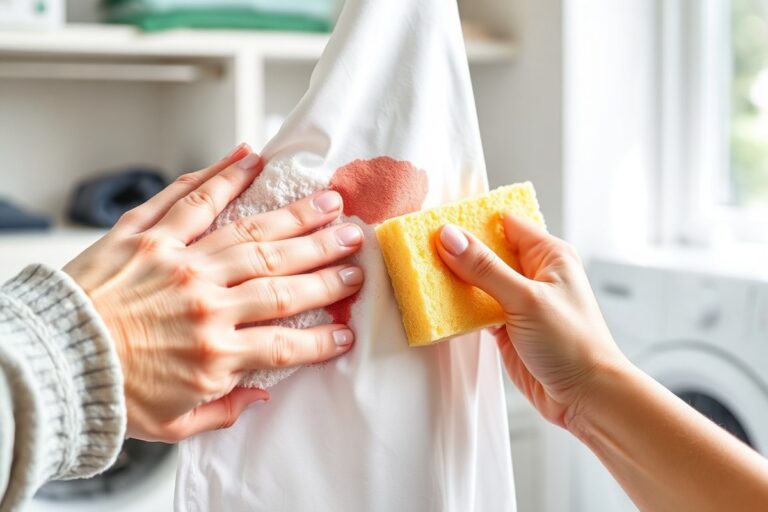
Apply the paste evenly across the canvas using an old toothbrush or a soft-bristle brush. Use circular motions without pressing too hard, firm but light pressure protects the threads and prevents fraying. Cover all stained or dirty areas thoroughly.
Set a timer for 15 to 20 minutes to allow the paste to work on the stains and brighten the fabric. Leaving the paste on longer won’t improve results and risks drying with residue that’s harder to remove.
Rinse and Air Dry Properly
After the paste has set, rinse the shoes gently with lukewarm water. Use a soft cloth or sponge to wipe away the residue without scrubbing. Avoid soaking the shoes fully; excess water can weaken the canvas and adhesives.
Stuff the shoes with paper towels to maintain shape and air dry them in a well-ventilated area away from direct sunlight. Sunlight can cause yellowing or fading over time. Drying usually takes 12 to 24 hours depending on conditions.
- Remove laces from the shoes and set them aside for separate cleaning.
- Brush or wipe off loose dirt and dust with a soft brush or dry cloth.
- Mix one tablespoon of white vinegar with three tablespoons of baking soda to form a creamy paste.
- Use an old toothbrush to apply the paste gently over all dirty or stained canvas areas.
- Let the paste sit on the shoes for 15 to 20 minutes to break down stains.
- Rinse with lukewarm water, carefully scrubbing with a soft cloth to remove the paste without soaking the shoes.
- Stuff the shoes with paper towels to keep their shape and allow them to air dry away from direct sunlight for 12 to 24 hours.
2. Using a Washing Machine to Clean White Canvas Shoes Safely

White canvas shoes can be safely cleaned in a washing machine if you follow specific steps to avoid damage or fading. Use a gentle cycle with cold or warm water, mild detergent, and proper shoe preparation like removing laces and insoles. Protect your shoes inside the machine by washing them with towels or in a mesh laundry bag to reduce banging and wear.
Prepare Shoes for Machine Wash
Before putting your white canvas shoes in the washing machine, start by removing the shoelaces and insoles. This prevents tangling and allows each part to clean thoroughly. Brush off loose dirt with a soft brush or cloth to avoid grinding mud or debris into the fabric during the wash. If you see stubborn stains, spot-clean them first with a mild solution of water and detergent or white vinegar.
Place shoes inside a mesh laundry bag to keep them contained and protect the machine drum. Adding a few towels balances the load and cushions the shoes, reducing noise and impact damage during the cycle.
- Remove shoelaces and insoles
- Brush off dirt and debris
- Spot-treat stains before washing
- Use a mesh laundry bag for shoes
- Add towels to balance and cushion load
Choose the Right Detergent and Settings
Select a mild, color-safe liquid detergent with no bleach or brighteners to protect the white canvas. Avoid powders since they may not dissolve completely and could leave residue. Use just enough detergent, about one teaspoon per wash, because too much can be hard to rinse out and may cause yellowing.
Set your machine to a gentle or normal cycle with cool to warm water, not hotter than 104°F (40°C). This range effectively cleans while minimizing the risk of fabric weakening or fading. Avoid high-spin speeds; a slow or medium spin cycle is best to prevent shoe deformation.
Never use bleach or high heat, they commonly cause canvas to yellow or break down more quickly.
Run the Cycle and Post-Wash Care
Start the washing machine after checking that shoes and other items are properly loaded. After the cycle ends, remove the shoes promptly to prevent moisture buildup that could encourage mildew. Do not put canvas shoes in the dryer; instead, stuff them with paper towels or white cloths to help maintain shape and absorb water.
Air dry the shoes indoors, away from direct heat or sunlight, which can cause yellowing or cracking. Leave them to dry thoroughly, which usually takes 24 to 48 hours, depending on humidity levels. Reinsert dry insoles and laces before wearing.
3. Comparing Cleaning Agents: Baking Soda, Vinegar, Toothpaste, and More
Several household cleaning agents can help maintain and restore white canvas shoes, each with distinct advantages and drawbacks. Baking soda and vinegar combine to brighten and lift common stains, while toothpaste offers mild whitening and stain removal. Bleach and peroxide provide stronger options but carry risks such as yellowing or fabric damage. Commercial shoe cleaners serve best for stubborn or set-in stains beyond household remedies.
Baking Soda and Vinegar Benefits and Limits
Baking soda acts as a gentle abrasive and whitener, effectively removing dirt and helping brighten white canvas shoes. White vinegar complements this by breaking down stains and removing odors through its mild acidity. A common cleaning paste combines 1 tablespoon of baking soda with 2 tablespoons of white vinegar and a little water. Apply this quickly, scrubbing gently before the mixture dries to avoid residue.
Mixing baking soda with vinegar cleans regular dirt and mild stains effectively, but it often won’t lift stubborn marks like grass stains or heavy soil. The Journal of Environmental Management reports that this combo brightens canvas well, so it suits routine shoe care. Stronger cleaners might be needed for deep stains.
Toothpaste and Dish Soap Effectiveness
Non-gel white toothpaste, especially whitening varieties like ARM & HAMMER™ Toothpaste with built-in baking soda, can clean and mildly whiten canvas shoes. The mildly abrasive texture helps lift surface stains without harsh chemicals. Apply toothpaste directly with a soft brush, scrub gently for a few minutes, then wipe clean with a damp cloth. This method suits small stains or touch-ups rather than heavy cleaning.
Household liquid dish soap is a simple option that effectively removes common stains on canvas, as supported by a study in the Textile Research Journal. Mixing dish soap with water provides a safe, gentle cleaner for hand washing. Dish soap is especially useful when laundry detergent isn’t available. Both toothpaste and dish soap are accessible, inexpensive, and safe when used properly on white canvas.
Risks and Uses of Bleach and Peroxide
Bleach and peroxide offer a stronger cleaning power for set-in stains on white canvas shoes but come with risks. Many users report yellowing of white shoes after bleach use, which can last indefinitely and worsen with sunlight exposure. To minimize this, use a diluted solution combining 1 tablespoon of Dawn dish soap with 2 tablespoons of hydrogen peroxide. This mix is less likely to cause yellowing than pure bleach but still requires caution and spot testing.
Use bleach-based cleaners sparingly and only on white canvas, not on colored or mixed materials. Always wear gloves and work in a ventilated area. For safety, follow label instructions closely and avoid soaking shoes. When household methods fail, commercial shoe cleaners designed for canvas offer a specialized approach for tough stains without the same risks. The table below outlines pros, cons, safety tips, and best use cases for each common cleaning agent mentioned.
| Cleaning Agent | Pros | Cons | Safety Tips | Best Use Cases |
|---|---|---|---|---|
| Baking Soda and Vinegar | Brightens whites; lifts stains; deodorizes; cheap and accessible | Not effective on tough stains; dries fast requiring quick scrubbing | Use quickly to avoid residue; avoid on delicate fabrics | Regular cleaning, removing light dirt and stains |
| Toothpaste (non-gel, whitening) | Mild abrasive effect; mild whitening; easy application | Only for small stains; can leave residue if not wiped fully | Use a soft brush; rinse well after scrubbing | Spot cleaning, mild stain removal |
| Dish Soap | Removes common stains effectively; safe and gentle; low cost | Less effective on very tough stains; may require repeated cleaning | Use diluted with water; avoid harsh scrubbing to prevent fabric damage | Daily cleaning, hand washing shoes |
| Bleach and Peroxide Mix | Strong stain removal; whitens set-in stains | Risk of yellowing; potential fabric damage; requires careful dilution | Spot test first; dilute properly; wear gloves; work in ventilated areas | Removing tough, set-in stains on white canvas only |
| Commercial Shoe Cleaners | Formulated for canvas; handles tough stains; less risk of damage | Higher cost; may require specific application methods | Follow product instructions; test on small areas first | Stubborn stains not removed by household agents |
Choosing the right cleaning agent depends on your shoe’s condition, the stain type, and your willingness to handle potential risks. Starting with baking soda and vinegar or toothpaste offers a gentle and affordable solution. Reserve bleach mixes and commercial cleaners for persistent stains, applying safety measures diligently.
4. Cleaning and Maintaining White Canvas Shoe Soles
Cleaning white canvas shoe soles requires attention to both the rubber material and the connection point to the canvas. Dirt and yellowing on rubber soles happen from exposure to oils, dirt buildup, and natural aging. Using harsh cleaners or excessive scrubbing can damage the sole surface or loosen it from the canvas upper. A gentle yet effective approach preserves the overall shoe structure while restoring the crisp white appearance of the soles.
For the best results, use tools that provide control and abrasion without scratching or harming your shoes. Soft-bristled brushes, microfiber cloths, and magic erasers work well on rubber soles. A mild cleaning solution designed for rubber or a simple mixture of warm water and a small amount of dish soap effectively lifts stains and grime. Avoid strong bleach or harsh solvents, as they can cause yellowing or weaken the rubber.
- Remove loose dirt: Start by knocking the soles together outside or tapping them gently with a soft brush to dislodge excess dirt. This prevents pushing debris deeper during cleaning.
- Prepare cleaning solution: Mix about 1 tablespoon of mild dish soap in 1 cup of warm water. Stir until suds appear, creating a gentle but effective cleaner.
- Apply with a brush: Dip a soft-bristled toothbrush or shoe brush into the soap solution. Scrub the rubber soles lightly in circular motions, focusing on stained or yellowed areas. Avoid wetting the canvas above the sole.
- Use a magic eraser for stubborn stains: Gently rub the sole with a damp magic eraser to remove scuff marks or tough yellowing. Do not press too hard to avoid wearing down the rubber.
- Wipe off residue: Use a clean, damp microfiber cloth to remove soap and loosened dirt. Repeat the scrubbing and wiping steps on any still-dirty spots.
- Dry the soles: Let your shoes air dry away from direct heat or sunlight to avoid warping or yellowing. Placing a dry towel inside can help absorb moisture.
- Inspect and repeat if needed: For persistent yellow stains, repeat the process once or twice. Avoid using bleach or ammonia-based cleaners, which can damage rubber.
You can use a mild soap solution for both soles and canvas, but apply it differently. For canvas, use a softer brush and less water to avoid saturation. Concentrating stronger scrubbing on soles minimizes harm to fabric. The right balance keeps soles bright without loosening or warping the shoe.
5. How to Clean and Protect White Shoelaces Thoroughly
White shoelaces often collect dirt and stains that make your shoes look worn out fast. Removing these stains safely helps keep your laces bright without damaging the fabric or causing discoloration. Using a diluted, non-chlorine bleach solution can brighten laces effectively, but chlorine bleach risks leaving yellow stains on both your laces and your canvas shoes. Soaking shoelaces for about 5 minutes is usually enough to lift stains without weakening the fibers.
After soaking, you should rinse the laces thoroughly. Washing them in a mesh bag inside the washing machine ensures a deeper clean while protecting them from tangling or damage. Air drying is key, lay your laces flat away from direct sunlight to prevent shrinking or yellowing. Avoid twisting or wringing them out, as this can deform the fabric.
- Prepare a soaking solution: Mix 1 cup of warm water with 1 tablespoon of non-chlorine bleach or a gentle laundry detergent in a small bowl or bucket.
- Remove laces: Take the shoelaces out of your shoes and untangle them completely before soaking.
- Soak laces: Submerge the shoelaces in the solution for no longer than 5 minutes to prevent fabric damage.
- Brush gently: After soaking, lightly scrub the laces with a soft brush to help remove stubborn stains.
- Rinse well: Rinse the laces under cool running water until the solution and any residue are completely gone.
- Machine wash (optional): Place the laces in a mesh laundry bag and run them through a gentle cycle for a thorough clean.
- Air dry: Lay the laces flat on a clean towel in a shaded area. Avoid hanging or using heat sources to dry, as heat can shrink or weaken the shoelaces.
Never use undiluted chlorine bleach on white shoelaces, too strong a solution causes yellowing and damages fibers. Always dilute and test on a small area first.
6. How to Dry White Canvas Shoes Without Causing Yellowing
The safest way to dry white canvas shoes is to air dry them indoors, away from direct sunlight and heat sources. Direct sunlight can cause the white fabric to yellow and fade, while excessive heat can warp the shape of the shoes or weaken the glue that holds parts together. Aim to place your shoes in a well-ventilated, shaded area where air can circulate freely, which helps moisture evaporate gently without risking damage.
To keep your shoes in shape while drying, stuff them with white paper towels or plain, unprinted tissue paper. This absorbs moisture from inside and supports the sides, preventing the fabric from collapsing or wrinkling. Avoid using newspaper because the ink may transfer onto your white canvas. Replace the stuffing as it becomes damp, usually every few hours, until the shoes feel dry to the touch.
Do not use a clothes dryer, hairdryer, or place your shoes near radiators or heaters. High temperatures can cause shrinking, weakening of fabric fibers, and yellowing of the canvas. While tempting to dry shoes quickly with heat, this often leads to permanent discoloration or distorting the shoe’s structure.
Typically, air drying your white canvas shoes takes between 12 to 24 hours depending on air humidity and temperature. Warmer, dry environments speed up drying, but avoid areas prone to moisture build-up, which slows drying and may cause mildew. You can speed up the process naturally by placing them near an open window with a light breeze, but still keep them out of direct sunlight.
Once your shoes are dry, store them in a cool, dry place away from sunlight to maintain their whiteness and shape. Consistent exposure to bright light or heat can trigger yellowing even after cleaning. Rotating your shoes during drying also helps them dry evenly, preventing one side from staying damp longer than the other.
7. Removing Tough Stains and Yellowing from White Canvas Shoes
Removing tough stains and yellowing from white canvas shoes requires a focused approach using household products that brighten fabric without causing damage. Yellow stains often appear because of sun exposure, sweat, or old dirt. Tackling these with the right methods restores your shoes to a fresh look. Common household items like baking soda and hydrogen peroxide are effective for both stains and yellow discoloration, thanks to their mild bleaching and cleaning properties.
Hydrogen peroxide should be used cautiously, as it can weaken fabrics if overused. Avoid nail polish remover, as acetone and other harsh solvents may damage the canvas or remove shoe dyes. For severe or persistent stains, or if your shoes are expensive or delicate, consider a professional cleaner. This prevents accidental damage from aggressive home treatments. Here’s a step-by-step approach to remove tough stains and yellowing with common household products. The process takes about 30 minutes plus drying time and works on most white canvas shoes:
- Mix the cleaning paste. In a small bowl, blend 2 tablespoons of baking soda, 1 tablespoon of hydrogen peroxide, and 1 tablespoon of water. Stir until you get a thick, spreadable paste.
- Apply the paste precisely. Using a soft toothbrush or cloth, gently spread the paste over the stained or yellowed areas. Avoid soaking the entire shoe to prevent weakening the fabric.
- Let the paste set. Allow the mixture to sit on the stains for 15 to 20 minutes. This gives enough time for the hydrogen peroxide to break down discoloration and stains without overly stressing the material.
- Scrub gently. Use the toothbrush in small circular motions to gently lift the dirt and break down the yellowing. Be careful not to scrub too hard, which might fray the canvas.
- Rinse off thoroughly. Use cool water to rinse away the paste completely. Avoid hot water, which can set certain stains and may cause yellowing.
- Dry naturally. Let your shoes air dry in a shaded area at room temperature. Direct sunlight can worsen yellowing.
- Spot-treat stubborn stains. If some spots remain, apply a tiny drop of white shoe polish or a gentle stain remover made for canvas. Test this on a small hidden area first.
- Repeat if needed. For deep or old stains, repeating this process once or twice may be necessary. Stop if your shoes show signs of weakening fabric or color loss.
This method costs just a few dollars for common ingredients and takes less than an hour per treatment cycle, excluding drying time. Good results show noticeably brighter canvas and reduced yellow spots. Overuse, harsh chemicals, or nail polish remover can cause fabric damage or uneven color, so always test first and use gentle products and motions.
8. Common Mistakes in Cleaning White Canvas Shoes and How to Fix Them
One of the most common mistakes when cleaning white canvas shoes is using bleach or other harsh chemicals. These agents can cause the fabric to weaken, yellow, or develop uneven discoloration. Instead of brightening your shoes, bleach often breaks down canvas fibers, making the material more prone to damage and shortening the shoes’ lifespan. When your shoes discolor from bleach, soak them in a mix of equal parts water and vinegar for 15 to 30 minutes to help lessen the yellowing. Rinse thoroughly and air dry as explained below.
Improper drying is another frequent issue that causes yellowing or warping of the shoes. Placing canvas shoes in direct sunlight or using high heat damages the fabric fibers and causes yellowing. Dry them in a well-ventilated area away from direct sun. Insert crumpled white paper towels inside to help maintain their shape as they dry. Avoid using heat-based drying methods like hair dryers or heaters as this can cause shrinkage or stiffness.
- Avoid bleach and harsh chemical cleaners to prevent fabric damage.
- Do not dry shoes under direct sunlight or in a hot dryer to avoid yellowing.
- Air dry shoes with paper towels inside to keep their shape and prevent shrinkage.
- Use gentle brushing motions when cleaning to avoid fraying or snagging the canvas.
- When shrinkage happens, dampen the shoes a bit, place a shoe stretcher inside, and let them air dry to bring back their size.
- Remove laces before cleaning to reduce risk of uneven wear and improve cleaning access.
- Clean shoes promptly after stains to prevent dirt from setting and becoming harder to remove.
Cleaning white canvas shoes in a washing machine can also lead to fabric weakening and discoloration, especially if the cycle is too hot or too long. Hand washing with mild detergent and lukewarm water is gentler and reduces the risk of damage. When shoes come out looking yellow after washing, soak them in cold water with a tablespoon of baking soda or vinegar to help counteract discoloration, then rinse and dry properly.
Always read and follow the shoe manufacturer’s care instructions and test cleaning solutions on a small hidden area first.
When shoes shrink or lose shape due to improper drying, lightly spritz the canvas with water to re-moisten it. Place shoe stretchers or stuff the shoes firmly with balled-up paper. Let them air dry completely in a shaded space. This process can restore some shape and size, but repeated shrinkage may permanently alter fit and comfort. Regular gentle cleaning and proper drying prevent most of these issues.
Step-by-Step Action Plan for Cleaning and Maintaining White Canvas Shoes
Follow these steps to keep your white canvas shoes looking fresh and clean with minimal effort.
- Before you start: Remove the laces and insoles if possible. This makes cleaning easier and more effective.
- Day 1: Hand wash your shoes using a mild detergent mixed with water and a soft brush to lift dirt without damage. Rinse carefully.
- After washing: Clean the soles separately using baking soda and a firm brush until stains are gone. Rinse and dry.
- Day 2: Hand wash or soak the shoelaces with mild detergent or baking soda and water. Rinse thoroughly to avoid residue.
- Drying day: Air dry shoes and laces in a shaded, well-ventilated area to prevent yellowing and fabric shrinkage.
- Week 1: Use a stain remover suitable for canvas sparingly on any visible tough stains. Test first on a small spot.
- Weekly maintenance: Clean the shoes with a dry brush or damp cloth to prevent dirt buildup and maintain whiteness.
- Monthly: Apply a fabric protector spray designed for canvas to repel dirt and water.
Frequently Asked Questions
Can Hydrogen Peroxide Bleach Damage White Canvas Shoes?
Hydrogen peroxide can slightly weaken fabric fibers with overuse. Use it sparingly on stains to prevent damage while effectively brightening your white canvas shoes. Always test on a small, hidden area first to avoid unwanted bleaching.
How Often Should You Clean White Canvas Shoes to Maintain Their Look?
Clean your white canvas shoes roughly every two weeks or right after you see stains. Keeping up with cleaning stops dirt from settling in and maintains the fabric’s bright, fresh look. Skipping regular cleaning allows stains to set and can cause yellowing.
Can I Use White Vinegar on White Canvas Shoes Safely?
Yes, white vinegar is safe and effective for cleaning white canvas shoes. It helps remove dirt and odors without harsh chemicals. Mix with water to avoid fabric damage and rinse well afterward.
Should I Remove Insoles Before Washing White Canvas Shoes in a Machine?
Removing insoles before machine washing helps protect them and ensures the shoes clean better. Insoles can retain moisture and get damaged or take longer to dry if left inside. Air them out separately to maintain freshness.
How Do I Prevent Yellowing When Drying White Canvas Shoes?
To avoid yellowing, air dry white canvas shoes away from direct sunlight and heat sources. Drying in the shade maintains the bright color and prevents material breakdown. Avoid using a dryer or placing them on warm surfaces.
What Household Product Best Deodorizes White Canvas Shoes?
Baking soda effectively deodorizes white canvas shoes by absorbing moisture and odors. Sprinkle some inside the shoes overnight and shake out before wearing. This keeps shoes fresh between cleanings without harsh chemicals.
Wrapping Up
Keeping white canvas shoes clean and bright takes consistent care using gentle cleaning methods and proper drying. Start with hand washing and thorough drying to avoid damage and yellowing. Your next best step is to apply a fabric protector to shield your shoes from stains and dirt going forward.