How to Clean Upholstery: Proven Steps for Deep Cleaning & Stain Removal
To clean upholstery effectively, start by identifying the fabric type and cleaning code, then use the appropriate cleaner with gentle blotting and allow it to dry fully. Deep clean and remove stains by spraying solutions directly, waiting a few minutes, then carefully blotting. This approach is especially helpful for homeowners or renters who want straightforward steps for maintaining sofas, chairs, and other upholstered furniture at home.
You’ll learn how to choose the right cleaning method based on tag codes, make simple cleaning solutions, tackle common stains, and keep your furniture fresh with routine care. Following these tips can extend your upholstery’s life and avoid costly repairs or replacements.
Key Takeaways
- Check the upholstery tag for a cleaning code: “W” means use water-based cleaners; “S” means solvent-based cleaners only.
- Vacuum your upholstery weekly to remove dust and prevent dirt buildup in fibers.
- Spot clean stains monthly using a gentle spray, wait 5 minutes to sanitize, then blot with a clean cloth.
- Allow at least 4 to 6 hours for your upholstery to air dry after cleaning to avoid mildew or odor.
- Speed drying by opening windows or using fans if you want to sit on furniture sooner.
- Plan professional deep cleaning every 12 to 18 months, or more often with pets or heavy use.
How to Clean Upholstery at Home Step-by-Step

Cleaning upholstery at home requires a careful approach to avoid damage and achieve a thorough result. Begin by identifying your upholstery’s cleaning code, found on a tag, to choose the correct type of cleaner, water-based for “W” fabrics or solvent-based for “S” fabrics. Using the right cleaner ensures your fabric won’t suffer stains or fading. Prepare your tools, including a vacuum cleaner with an upholstery attachment, clean white microfiber cloths, and your cleaning solution. It’s best to clean your upholstery in a well-ventilated area and work on small sections at a time to avoid over-wetting.
- Vacuum the upholstery to remove dust, dirt, and loose debris. Use an upholstery attachment to reach between cushions and seams. This step prevents dirt from embedding deeper when you apply moisture.
- Test your cleaner on a hidden area. Dab a small amount of your chosen water-based or solvent-based cleaner with a white microfiber cloth to check for colorfastness or fabric damage. Wait 5-10 minutes to observe any changes.
- Apply the cleaner gently with a clean microfiber cloth or sponge. For water-based cleaning, lightly moisten the cloth and work in a circular motion to avoid water rings. Avoid saturating the fabric; excess moisture can cause damage or mildew.
- Blot stains carefully by pressing rather than rubbing, using clean cloths to absorb the cleaner and residue. Rubbing may spread the stain or damage fibers.
- Rinse with a damp cloth if your cleaner requires rinsing. Use minimal water and wipe the upholstery to remove any soap remnants, which can attract dirt later.
- Air dry thoroughly for at least 4 to 6 hours, ensuring good airflow. Avoid using heat sources like hair dryers directly on fabric as high temperatures can cause shrinking or discoloration.
- Replace cushions and fluff padding after drying to maintain shape and comfort. Consider routine vacuuming weekly and spot cleaning monthly to prolong your upholstery’s freshness and appearance.
Taking these steps in order helps prevent damage and promotes effective cleaning. Over-wetting or using the wrong cleaner can cause staining or fabric weakening. If your upholstery includes delicate materials or persistent stains, professional cleaning may be safer despite the DIY approach. Consistent maintenance keeps your furniture looking its best and lasts longer.
Understanding Upholstery Cleaning Codes and Choosing the Right Cleaner
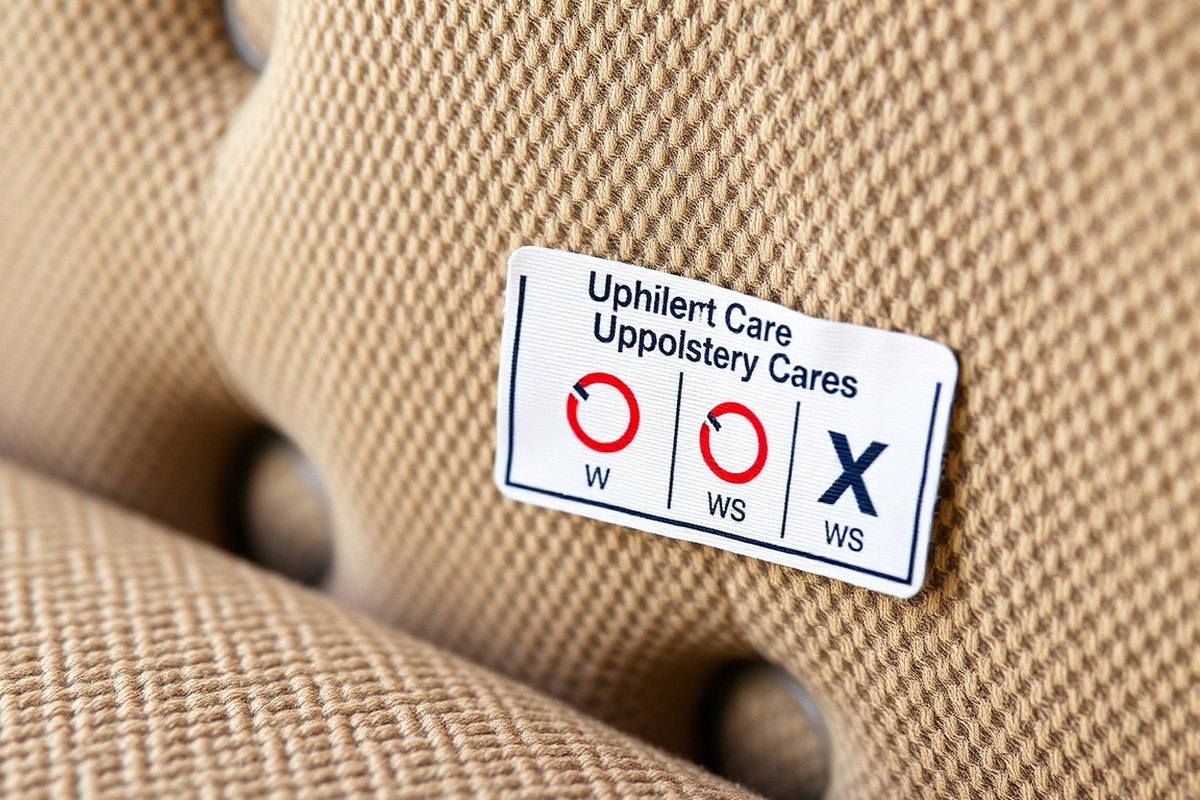
Checking the upholstery cleaning code on your furniture helps you pick the safest and most effective cleaning method. These codes, W, S, W/S, and X, show whether you can use water-based cleaners, solvent-based products, both, or only vacuuming. Using the wrong cleaner risks shrinking, discoloration, or fabric damage.
Water-Based Cleaning (Code W)
Upolstery marked with a W code allows water-based cleaners. These fabrics usually include natural fibers like cotton, linen, silk, wool, and blends. You can safely use a gentle detergent mixed with warm water to tackle dirt and stains. A common homemade solution is 1/4 cup dishwashing liquid combined with 1 cup of warm water.
Before deep cleaning, vacuum the fabric thoroughly to remove dust and crumbs. Apply the cleaning solution with a microfiber cloth or soft sponge, working on small sections to prevent over-wetting. Avoid harsh scrubbing, which can wear fibers down.
Solvent-Based Cleaning (Code S)
Fabrics with an S code require dry cleaning solvents or water-free cleaners. These are often delicate or sensitive to water, such as certain synthetics and blends. Avoid using water or water-based products, as this can cause stains to set or colors to bleed. Purchase a commercial solvent-based upholstery cleaner or test a dry cleaning sponge on an inconspicuous area first.
These cleaning methods typically cost more than water-based solutions and may require longer drying time. Always ventilate the room well and follow product directions carefully to avoid damaging your upholstery.
Special Cases: WS and X Codes
The WS code means you can use either water-based or solvent-based cleaners. Spot-test each type on a hidden fabric patch first and use the one that works best without discoloration. This code covers a wider range of upholstery types and offers flexible cleaning options.
Upholstery tagged with an X means no liquid cleaners should be used. These fabrics often require vacuuming only. Use upholstery attachments to remove dust, dirt, and pet hair. Cleaning agents or water can harm these materials, so stick to gentle vacuuming and consider professional cleaning for stains.
| Code | Recommended Cleaning Method |
|---|---|
| W | Water-based cleaning solvents or gentle detergent solutions |
| S | Dry cleaning or solvent-based (water-free) products |
| W/S | Water-based or solvent-based products; spot-test recommended |
| X | Vacuum only; avoid all cleaning solvents or water |
When the cleaning code is missing, test both water-based and solvent-based cleaners on small hidden areas and wait 24 hours. This helps avoid damaging the fabric by identifying the safest option. Always spot-test before any full cleaning to prevent unwanted reactions.
Spot-test cleaning solutions in a hidden area and wait 24 hours to check for color changes or damage before treating the entire upholstery piece.
Tools, Materials, and Homemade Cleaning Solutions You’ll Need
Effective upholstery cleaning requires the right tools and safe cleaning solutions. Basic equipment like vacuum attachments and microfiber cloths combined with simple homemade cleaners based on white vinegar, dish soap, and baking soda will help you maintain different types of upholstery while avoiding damage. Knowing when to turn to commercial products ensures tougher stains or delicate fabrics get the care they need.
Essential Tools for Vacuuming and Cleaning
Start by thoroughly vacuuming your upholstery to remove surface dust, crumbs, and pet hair. Use attachments designed for upholstery that reach seams and underneath cushions. Gentle brushing helps lift soil without grinding it into the fabric. Microfiber cloths work well for wiping and blotting during the cleaning process without causing abrasion.
Professional-grade tools like portable carpet and upholstery cleaners or steam cleaners offer more thorough deep cleaning, especially useful once or twice a year. These machines remove embedded dirt and allergens beyond what regular vacuuming captures. However, these tools can be costly, ranging from around $50 for smaller machines to several hundred dollars for commercial models.
- Vacuum cleaner with upholstery attachment
- Soft-bristle brush for lifting dirt
- Microfiber cloths for blotting and wiping
- Spray bottle for applying cleaners evenly
- Portable upholstery cleaner or steam cleaner (optional)
- Bucket for mixing homemade solutions
Having all these on hand before you start will make cleaning systematic and easier to manage, allowing you to work efficiently without stopping to find additional supplies.
Safe Homemade Cleaner Recipes for Water- and Solvent-Safe Upholstery
Many upholstery fabrics are labelled as W (water-safe) or W/S (water- or solvent-safe). It’s important to test any cleaner on a hidden spot to prevent discoloration or damage. For water-safe upholstery, a simple and effective cleaner combines white vinegar and dish soap with water to lift dirt and neutralize odors without harsh chemicals. Here is a reliable recipe to make your own upholstery cleaner:
- Mix 1 cup of warm water with ¼ cup of white vinegar and 1 teaspoon of mild dish soap.
- Pour the solution into a spray bottle and shake gently to combine.
- Lightly mist a small section of upholstery, then use a microfiber cloth or soft brush to gently scrub in overlapping strokes.
- Wipe away excess moisture with a dry cloth and allow to air dry.
For occasionally freshening up, sprinkle baking soda on fabric upholstery, let it sit for 15 to 20 minutes to absorb odors, then vacuum it off thoroughly. Avoid soaking the fabric to protect internal padding. Leather upholstery requires a different approach using a mixture of equal parts white vinegar and linseed oil applied sparingly with a soft cloth to clean and condition without stripping natural oils.
When to Use Commercial Upholstery Cleaners
Commercial upholstery cleaners come in handy when dealing with stubborn stains, delicate or heavily soiled fabrics, or if the upholstery’s care tag dictates solvent-based products only (Code S). These cleaners are formulated to tackle specific issues such as grease, pet stains, or deep grime with minimal fabric damage risk when used as directed.
Before applying, make sure the product matches your upholstery’s cleaning code to avoid damage. Test the cleaner in an inconspicuous area to check for colorfastness. Using commercial products occasionally complements routine homemade cleaning and should follow manufacturer instructions closely to prevent over-wetting or damage. Note that commercial cleaner costs typically range from $6 to $20 per bottle, a worthwhile investment if your furniture frequently encounters tough stains or requires special care due to fabric type or age.
How to Remove Common Stains from Upholstery
Start by identifying the stain type, water-based or oil-based, to use the right cleaner. Treat fresh stains immediately by blotting gently to avoid spreading. For set-in stains, apply targeted cleaners according to the stain’s nature and upholstery cleaning code to prevent damage.
Removing Water-Based Stains Like Food and Drink
Water-based stains such as coffee, wine, and some food spills respond best to water-based cleaners. You should act quickly to blot these fresh stains with a clean, white microfiber cloth to absorb excess liquid before it sets. Follow these steps carefully to reduce the risk of spreading or deepening the stain:
- Blot gently with a dry, clean cloth to soak up as much of the liquid as possible without rubbing.
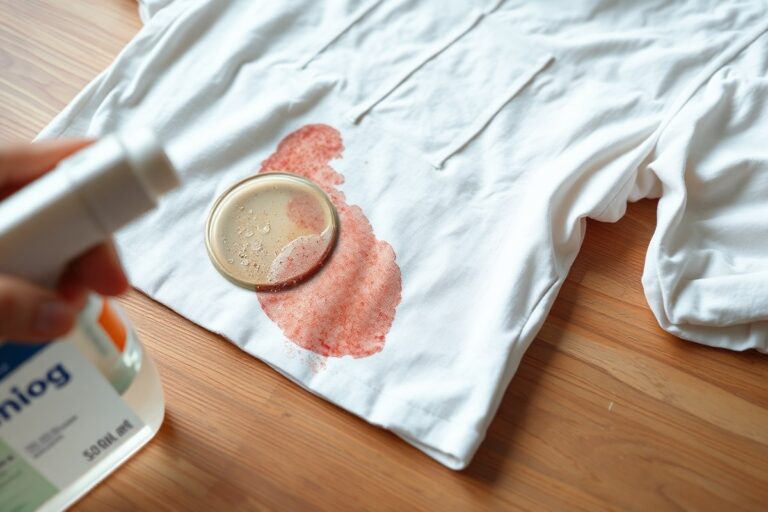
- Spray a water-based upholstery cleaner directly on the stain, checking your fabric’s cleaning code to confirm it’s safe.
- Let the cleaner sit for up to 5 minutes to break down the stain and sanitize the area, especially for pet-related stains.
- Blot the stain again with a clean cloth, working from the edges inward to avoid spreading.
- Repeat the spraying and blotting steps as needed for set-in stains, but avoid excessive scrubbing.
- Use a damp cloth to remove any leftover cleaning residues, ensuring the cloth is only slightly wet to avoid water stains.
- Allow the upholstery to air dry on a warm day or use a fan to speed drying time.
Treating Oil and Grease Stains Safely
Grease, makeup, and oily foods create oil-based stains that water alone cannot remove effectively. Using the wrong cleaner may set these stains permanently, so choose a solvent-based cleaner suited to your upholstery fabric. For safe treatment:
- Blot the fresh stain cautiously with a dry cloth to remove excess grease without rubbing it deeper.
- Apply a solvent-based spot cleaner or upholstery-specific degreaser to a white cloth or directly onto the stain, following label instructions.
- Gently dab the stain instead of rubbing to avoid damaging fibers or spreading the oil.
- Let the cleaner penetrate the stain for a few minutes as directed, typically no more than 5 to 10 minutes.
- Blot the area with a clean dry cloth to lift the dissolved grease.
- Use a slightly damp cloth to wipe away any remaining solvent, avoiding soaking the fabric.
- Allow the upholstery to air dry completely before using it again.
Handling Pet Stains and Odors Effectively
Pet stains often combine water-based and odor issues requiring a cleaner that sanitizes and lifts stains without damaging fabric. Removing pet hair before treating stains helps prevent spreading and clumping during cleaning. Try the following steps for pet stain care:
- Remove any pet hair using a vacuum with an upholstery brush or a clothing brush.
- Blot fresh pet stains immediately with a clean cloth; avoid rubbing to prevent deepening the stain.
- Spray a pet-specific stain remover or an antibacterial fabric spray, covering the affected area fully.
- Let the cleaner sit for up to 5 minutes for stain removal and odor control.
- Blot gently with a clean cloth, working from the edges inward.
- Repeat treatment if the stain or odor persists, avoiding harsh scrubbing.
- After drying, consider using a fabric deodorizer designed for pet odors to keep upholstery fresh.
Routine Upholstery Maintenance and Prevention Tips
Maintain upholstery regularly by vacuuming once a week to remove dust, dirt, and allergens. Use a fabric vacuum attachment to reach corners and seams thoroughly. Frequent vacuuming prevents soil buildup that can wear out the fabric over time and trigger odors.
Address spills and stains immediately by blotting with a clean cloth, which stops them from setting permanently. Avoid rubbing the fabric, as this can spread the stain or damage fibers. For high-traffic or messy areas, consider applying a fabric protector spray every three to six months; these sprays help repel liquids and reduce staining.
To maintain a fresh scent on your upholstery, apply baking soda (also known as bicarbonate of soda) evenly across the fabric about once a month. Allow it to rest for 15 to 30 minutes before thorough vacuuming. This method removes odors naturally without using harsh chemicals or fragrances that could bother sensitive skin or pets.
- Vacuum upholstery weekly with a fabric attachment
- Blot spills immediately; do not rub
- Use a fabric protector spray every 3 to 6 months in busy areas
- Sprinkle baking soda monthly, let sit 15-30 minutes, then vacuum
- Rotate cushions regularly to prevent uneven wear
- Avoid eating or drinking directly on upholstered furniture when possible
Regularly flipping and rotating cushions maintains even wear and prevents sagging. Also, avoid placing upholstery in direct sunlight to reduce fading or fabric breakdown. Keep pets’ claws trimmed to prevent snags or tears, and encourage them to rest on washable cover throws to limit dirt transfer.
Vacuum upholstery before any cleaning or stain removal to avoid grinding dirt deeper into the fabric.
Drying, Deodorizing, and Avoiding Damage After Cleaning
Upholstery usually takes about 8 to 12 hours to dry completely after cleaning. Drying time depends on factors like fabric type, cleaning method, and room conditions such as temperature and airflow. To speed up drying safely, open windows or doors and set up a fan to increase air circulation around the furniture. Avoid using direct heat sources like hair dryers or heaters, as they might cause fabric damage or shrinkage.
After cleaning, gently press a soft, absorbent cloth against the upholstery to soak up excess moisture. Use a clean, dry upholstery tool or a stiff-bristle brush to remove any loosened dirt and debris. When spot cleaning, make sure to treat the area surrounding the stain fully to avoid water rings that happen when only a small patch is wet.
Baking soda offers a budget-friendly way to deodorize and sanitize upholstery. Spread a thin layer over the dry fabric and leave it for at least 15 minutes, extending the time for stronger odors. Vacuum the area thoroughly afterward. This approach can eliminate smells without sharp chemicals. Some upholstery cleaners have antimicrobial agents for deeper sanitizing; always follow the instructions on the label.
Preventing mold and damage after cleaning means making sure the fabric dries evenly and quickly. Mold grows when upholstery stays damp for too long. Avoid sitting on or covering the furniture until it’s fully dry. For furniture in humid spaces, run a dehumidifier or maintain good airflow to lower moisture levels in the room.
Some upholstery requires a dry cleaning solvent instead of water. Always follow the product label’s directions for drying times and safety precautions to avoid fabric damage. When handling delicate fabrics or older furniture, test any drying or deodorizing method on an inconspicuous spot first to check for colorfastness or adverse reactions.
Consistent care and correct drying habits not only keep your furniture looking good but also extend its lifespan, saving money on repairs or replacement. Proper drying and deodorizing make your upholstery more comfortable, fresh-smelling, and free from hidden mold or mildew risks that can affect indoor air quality.
Special Care for Different Upholstery Fabrics
Different upholstery fabrics need different cleaning approaches to keep them looking their best and avoid damage. Knowing the fabric type helps you choose the right cleaner and method. For example, microfiber and leather require very distinct care due to their materials.
Microfiber is generally low-maintenance and resistant to stains. You can clean it with mild soap and water or a gentle upholstery shampoo. Use a damp cloth to blot the fabric, then let it air dry completely. Avoid over-wetting microfiber to prevent water stains or shrinkage. If dirt is stubborn, a mild fabric steamer can loosen soil without harming the fabric.
Leather needs a specific cleaner formulated for leather products. Avoid harsh soaps or solvents that can dry out or crack the surface. Use a soft cloth to apply a leather conditioner after cleaning to restore moisture. Cleaning unfinished leather or very old leather usually requires a professional because the surface is delicate and prone to permanent damage from improper cleaning.
Some upholstery fabrics carry cleaning codes that guide how to clean them safely. Fabrics labeled with S or SW codes should only be cleaned with a water-free solvent or dry cleaning product. These solvents dissolve dirt without water, which could cause shrinkage or color bleeding. Popular solvent brands include Chemspec and KleenRite. Spot cleaning with a solvent involves blotting or gently brushing the product onto the soiled area with a clean towel, then allowing it to dry fully.
Delicate or natural fibers like silk and velvet require extra caution. These fabrics usually need dry cleaning solvents (Code S) for any spot treatment. Water-based cleaners can damage or distort fibers, so always test on a hidden area first to check for colorfastness and shrinkage. For any extensive cleaning on delicate fabrics, hiring a professional cleaner is the safest choice because they use specialized solvents and techniques. Below is a comparison of common upholstery fabric types and their recommended cleaning approaches:
| Fabric Type | Cleaning Method | Precautions | Recommended Products |
|---|---|---|---|
| Microfiber | Mild soap and water; gentle upholstery shampoo; optional fabric steamer | Avoid over-wetting; blot, don’t rub; air dry fully | Mild detergent, upholstery shampoo |
| Leather (finished) | Leather cleaner and conditioner | No water or harsh solvents; test conditioners | Leather cleaner, leather conditioner |
| Leather (unfinished) | Professional cleaning recommended | Highly sensitive to damage; avoid home cleaners | Professional-grade products |
| Fabrics with S or SW code | Water-free solvent or dry cleaning solvent applied with blotting or soft brushing | Test in hidden spot; avoid water-based cleaners | Chemspec, KleenRite solvents |
| Silk, Velvet (Delicate) | Dry cleaning solvents only; professional cleaning for extensive soiling | Avoid water; test small area first | Dry cleaning solvents, pro services |
Always spot test new products on a hidden corner to prevent surprises like shrinking or colour fading. For spot cleaning solvent treatments, apply with a clean towel and gently blot or brush the surface. Cleaning the entire cushion surface after spot cleaning helps keep the appearance even. In many cases, a fabric steamer can assist by loosening dirt before cleaning, especially on sturdy fabrics like microfiber and cotton blends.
Choosing the right cleaning method minimizes wear and helps your upholstery stay in good shape longer. Take your time with delicate or solvent-clean-only fabrics, since careless cleaning causes irreversible damage. When in doubt, professional cleaning remains the safest option for specialty fabrics or tough stains.
When to Call a Professional Upholstery Cleaner
You should consider calling a professional upholstery cleaner when your attempts at home cleaning have failed two or three times, especially if stubborn stains or deeply embedded dirt remain. Professional cleaners use advanced equipment and cleaning solutions that are often more effective at removing grime without damaging fabric. If your upholstery fabric is delicate or carries a cleaning code requiring special care, professionals can ensure the right methods are applied.
Professional cleaning usually involves a thorough process with tools like portable upholstery extractors that deliver hot water or steam combined with strong detergents. This method helps break down dirt, allergens, and oils trapped deep in the fabric and padding. You can expect them to treat the entire piece, including areas you might miss, like underneath cushions or in crevices. Most companies recommend scheduling these services once or twice a year depending on your furniture’s use and exposure to dirt or pets.
The cost of professional upholstery cleaning varies based on factors such as the type and condition of the fabric, the number of pieces, and your location. Basic cleaning can range from around $100 to $300 per piece for standard sofas or chairs. Specialty fabrics or large sectional pieces may increase that price. It’s important to balance the cost against the potential lifespan extension of your furniture and the improved indoor air quality resulting from a thorough cleaning.
Using professionals reduces the risk of accidentally damaging your upholstery with the wrong cleaner or water temperature. DIY attempts might cause shrinking, color fading, or fabric distortion without careful attention. Look for reputable companies with good reviews and clear service descriptions. Ask about their process and if they provide any guarantees or follow-up care instructions.
Call a professional if stains persist after several home cleaning attempts or if your upholstery has delicate fabric codes that require expert handling.
Step-by-Step Action Plan for Cleaning Your Upholstery
Follow these clear steps to clean your upholstery effectively and keep it looking fresh over time.
- Before you start: Check the upholstery cleaning code on your furniture tag to choose the right cleaner and test it on a hidden spot to prevent damage.
- Day 1: Vacuum the upholstery thoroughly to remove dust and dirt, ensuring better cleaning results.
- Day 1: Apply the chosen cleaner following the step-by-step instructions, focusing on stains first to lift them safely.
- Day 1: Use a clean cloth or soft brush to gently work the cleaner in, then blot the area to avoid soaking the fabric.
- After cleaning: Let the upholstery dry completely in a well-ventilated room to prevent mold or odor issues.
- After drying: Use a fabric deodorizer if needed, but avoid harsh chemicals that might damage or discolor the fabric.
- Weekly: Vacuum your upholstery regularly to remove surface dirt and keep fibers from matting.
- Monthly: Spot clean any stains as soon as they occur to prevent setting and keep the fabric looking its best.
Frequently Asked Questions
Can I Use Vinegar to Clean All Types of Upholstery?
Vinegar works well on water-safe fabrics but may damage solvent-only ones. Test a small area first to avoid discoloration.
How Often Should I Deep Clean Upholstery Professionally?
Deep clean every 12 to 18 months to keep fabric fresh and remove embedded dirt. Frequent vacuuming reduces the need for frequent professional cleaning.
What’s the Best Way to Clean Pet Hair from Upholstery?
Use a vacuum with a pet hair attachment regularly and a damp cloth to gather stubborn hairs. This prevents buildup and extends fabric life.
Can I Clean Upholstery with Baking Soda?
Yes, baking soda deodorizes and lifts dirt when sprinkled and vacuumed off, especially before deeper cleaning. Avoid leaving it on too long to prevent residue.
Is Steam Cleaning Safe for All Upholstery Fabrics?
Steam cleaning suits many, but not all, fabrics, check care tags. It can shrink or damage delicate materials if used improperly.
How Do I Prevent Mold on Upholstery in Humid Homes?
Keep upholstery dry and well-ventilated, and use moisture absorbers if needed. Mold thrives in damp conditions, so quick drying after cleaning helps.
The Bottom Line
Cleaning upholstery at home is manageable with the right tools and techniques, preserving your furniture’s appearance and hygiene. Start with checking your upholstery’s cleaning code and prepping the area. Regular care combined with prompt stain removal helps extend the life of your furniture, saving you money and effort over time.