How Can You Clean a Leather Jacket: Effective Methods and Care Tips
Cleaning a leather jacket requires a gentle approach using mild solutions and soft cloths to avoid damaging the material or stripping its dyes. Regular wiping after wearing and periodic deep cleaning combined with conditioning every 3 to 6 months will keep your jacket supple and stylish. How can you clean a leather jacket effectively while preserving its color and texture? Proper tools, careful stain removal, and correct drying techniques are essential.
This advice is for leather jacket owners seeking straightforward DIY methods to maintain their garment’s quality and appearance. You will learn how to clean the outer leather and interior lining, avoid common mistakes, choose between DIY or professional care, and follow best practices for conditioning and storage.
Key Takeaways
- Use a clean, white microfiber cloth to gently wipe down your jacket to prevent transferring color or damaging the leather.
- Create a mild cleaning solution instead of using harsh detergents to protect the leather’s finish and dye.
- Condition your jacket every 3 to 6 months to keep the leather soft and prevent cracks.
- Avoid drying leather with heat sources; hang your jacket in fresh air for at least 24 hours to dry naturally.
- Remove common stains promptly using appropriate, gentle stain treatments designed for leather.
- Do not leave excess conditioner on the leather after 24 hours; wipe it off with a lint-free cloth.
How to Clean a Leather Jacket Without Causing Damage

Cleaning a leather jacket without causing damage requires a gentle approach that protects the material’s natural oils and finish. Avoid soaking or scrubbing the leather, as excessive moisture and harsh friction break down the surface and strip away dyes. Using just the right amount of mild soap mixed with lukewarm water, or a specialized leather cleaner, helps remove dirt without compromising the jacket’s appearance.
To apply the cleaner correctly, use a soft microfiber cloth dipped lightly in your cleaning solution. Ensure the cloth is damp rather than wet to avoid saturating the leather. Gently massage the cleaner with small circular motions, focusing on one section at a time. Afterward, always wipe off any soap or cleaner residue with a clean cloth dampened with plain water. This prevents buildup that could cause stiff or sticky patches.
You can safely clean leather with water and soap if the soap is mild, pH-balanced, and heavily diluted, about two teaspoons of liquid detergent to a cup of water. Avoid household detergents or anything with bleach or strong chemicals. Never pour water directly onto the jacket or submerge it. After cleaning, keep the jacket away from heat sources like radiators or direct sunlight to dry naturally at room temperature.
- Brush off dust using a soft brush or dry microfiber cloth. This removes loose dirt without rubbing it into the leather.
- Mix a mild cleaning solution by combining about two teaspoons of gentle liquid soap or leather cleaner with one cup of lukewarm water.
- Dampen a clean microfiber cloth with the solution, then wring it out thoroughly to ensure it’s barely moist.
- Gently wipe the jacket in small sections using circular motions. Avoid scrubbing or applying pressure to prevent abrasion.
- Rinse the cloth and wring it again, then use it dampened with plain water to remove any soap or cleaner residue from the jacket’s surface.
- Pat the jacket dry with a dry microfiber cloth, absorbing excess moisture without rubbing.
- Allow the jacket to air dry away from direct heat or sunlight, ideally at room temperature for several hours.
- Apply a leather conditioner once the jacket is completely dry to restore moisture and flexibility. Remove any excess conditioner after 24 hours with a clean cloth.
Leather cleaning effectiveness depends on careful dilution and gentle movements. Overuse of soap or soaking can cause discolouration, blotches, or a stiff surface. For synthetic or PU leather, follow the same mild soap and water routine but skip conditioning, as it may cause peeling. Investing in a quality leather cleaner can simplify the process and reduce the risk of damage, especially for older or very dirty jackets.
Tools and Materials Needed to Clean Leather Jackets

To clean a leather jacket properly, you need the right tools and materials to avoid damage and keep the leather looking its best. Start with a clean, soft cloth such as a microfiber cloth. This type of cloth is gentle, won’t scratch the leather, and its fine texture helps pick up dirt without spreading it. Avoid colored cloths as they might transfer dye onto your jacket. A barely damp cloth is all that’s needed for light cleaning, but for more thorough cleaning, you’ll need a specialized leather cleaner.
Leather cleaners are formulated to clean without stripping away natural oils, which keeps the leather supple. Avoid household detergents, vinegar, or other common cleaners as they contain harsh chemicals and acids that can dry out or discolor leather. Instead, choose a product specifically designed for leather care, such as Leather Honey Leather Cleaner. Some conditioners include UV protection to help prevent fading if your jacket spends time outdoors.
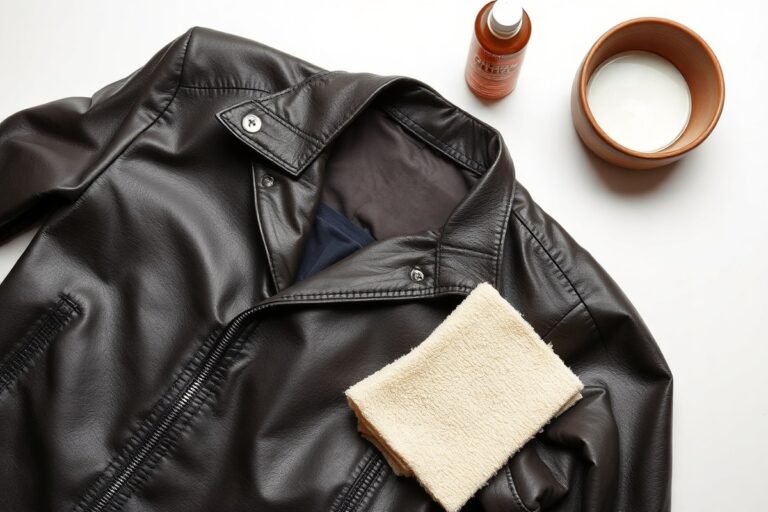
- Microfiber cloths, clean and white or natural-colored, for gentle cleaning and wiping.
- Leather cleaner made for jackets, not household detergents or vinegar.
- Leather conditioner to apply after cleaning, replenishing oils and preserving softness.
- A small bowl of lukewarm water to dampen the cloth slightly for spot cleaning.
- Padded hanger for storing the jacket after cleaning to maintain shape and allow airflow.
- Optional: cotton swabs for focusing on tight seams or tricky areas.
To clean your leather jacket, start by putting a small amount of cleaner on a lint-free cloth. Gently rub the cleaner into the leather using small circles. Test the product first on an inconspicuous spot to ensure it doesn’t change the colour or damage the leather. After cleaning, use a dry microfiber cloth to wipe off any leftover product. Let the jacket dry, then apply a small amount of leather conditioner with a clean cloth, rubbing it gently in circles. Focus on areas that bend or show signs of wear, such as the elbows and collar.
Test all cleaners and conditioners on a small, inconspicuous patch before applying them to the entire jacket to prevent any damage or discoloration.
These tools and products usually cost around $10 to $30 per item, depending on quality and brand. Using the right materials and techniques keeps your jacket flexible, prevents cracking, and supports long-lasting wear. Avoid using household items that save money upfront but risk ruining the leather. Proper tools help ensure your jacket stays soft and attractive season after season.
How Often Should You Clean and Condition Your Leather Jacket?
Cleaning and conditioning your leather jacket depends largely on how often you wear it and the type of leather it’s made from. For jackets worn every day or in harsh conditions, cleaning and conditioning need to happen more frequently to keep the leather supple and prevent damage. Lighter use or seasonal wear calls for less frequent maintenance but still requires care to preserve the leather’s appearance and texture.
Leather variety affects your cleaning routine. Soft leathers like lambskin benefit from gentler treatment and more regular conditioning, roughly every 3 to 4 months. More durable types, such as cowhide or goatskin, can handle cleaning and conditioning intervals between 4 to 6 months. Suede and nubuck need special dry care instead of traditional conditioning products, using protectors designed for their texture instead.
Conditioning is key to nourishment and flexibility. You should condition your jacket after every deep clean to replenish oils the leather loses during cleaning. This helps avoid dryness, cracking, and stiffness. For light wipe-downs, conditioning isn’t necessary each time. Instead, focus on conditioning every 3 to 6 months based on wear. If you often expose your jacket to sweat, rain, or dirt, conditioning more frequently supports longer-lasting leather. The following table outlines the recommended cleaning and conditioning frequency, highlighting why each step is needed:
| Task | Recommended Frequency | Why It Matters |
|---|---|---|
| Light wipe-down | After every few wears | Removes dust, surface dirt, and body oils |
| Deep cleaning | Every 2 to 4 weeks during active wear | Prevents buildup and helps preserve the finish |
| Conditioning | Every 3 to 6 months | Keeps leather soft and prevents dryness |
| Storage check | Every 1 to 2 months in off-season | Avoids wrinkles, mildew, and shape loss |
| Hardware inspection | At the start of each season | Identifies zipper and snap issues early |
The exact schedule varies with your jacket’s daily use. For example, if you wear your jacket outdoors in rain or sweat regularly, clean and condition every 3 months. For occasional use, check and refresh cleaning around every 6 months. Always air your jacket after wear and wipe down light dirt with a dry cloth. Before putting it away for winter, a thorough clean, condition, and storage on a padded hanger help maintain shape.
Removing Common Stains from Your Leather Jacket
Removing common stains from your leather jacket requires specific techniques to avoid damage. Oil stains can be treated safely at home using powders that absorb grease, while ink stains need caution due to their high risk of permanent marking. Mildew and salt stains call for gentle cleaning solutions and drying to prevent leather deterioration. Blood and food stains often respond well to immediate blotting and cold treatment, but persistent or deep stains may require professional attention.
Oil and Grease Stain Removal
Oil and grease stains come from food, skin oils, or mechanical grease and can darken leather permanently if untreated. Absorbing the oil before it sets is essential, and household powders like cornstarch, baby powder, or baking soda work well for this purpose. Avoid using water or liquid cleaners on fresh oil stains as that can spread the stain or damage the leather’s finish. Follow these steps to remove oil stains safely:
- Sprinkle a generous layer of cornstarch, baby powder, or baking soda over the oil stain.
- Let the powder sit on the stain for at least 4 hours, ideally overnight, to absorb the oil.
- Gently brush off the powder using a soft cloth or brush without pressing hard.
- Repeat the powder application once more when the stain persists.
- Lightly wipe the area with a damp cloth to remove any powder residue, avoiding soaking the leather.
- Allow the jacket to air dry away from direct heat or sunlight.
- Condition the leather after it is dry to restore moisture and prevent cracking.
This method low in risk is suitable for fresh or light oil stains. Dark, deep-set oil stains on prized or vintage jackets should be evaluated by a professional to avoid color fading or damage.
Ink and Dye Stains: Precaution and Removal
Ink stains, especially from ballpoint pens or markers, present a high risk of permanent damage. Leather dyes and inks penetrate quickly, and improper cleaning may spread the stain or remove surface color. Using isopropyl alcohol (rubbing alcohol) is effective but must be applied with care to prevent discoloration. Avoid household powders or liquid cleaners for ink stains. Use this step-by-step approach for ink spots that are small and fresh:
- Dampen the tip of a cotton swab with a small amount of isopropyl alcohol.
- Test on an inconspicuous area of the jacket first to check for colorfastness.
- When safe, gently dab the ink stain without rubbing, using a fresh part of the swab frequently.
- Blot the area with a clean, dry cloth to lift the ink as it loosens.
- Repeat dabbing and blotting carefully, limiting the treatment time to avoid leather drying out.
- Once the stain reduces, let the jacket air dry well and apply a leather conditioner.
For large, old, or deep ink stains, or on valuable or vintage jackets, professional cleaning is recommended. Specialists use solvents and finishing products not available for home use and can minimize permanent damage risk.
Mildew and Salt Stains Treatment
Mildew often appears as a slimy green or black growth on leather left in damp conditions, while salt or winter stains show as a white ring from salt residue. Both types can harm the leather’s texture and color if not treated quickly. Household vinegar diluted with water kills mildew and dissolves salt deposits safely. Follow these instructions for mildew and salt stain removal:
- Move your jacket to a dry, ventilated area to stop mildew growth.
- Mix equal parts white vinegar and water to create a gentle cleaning solution.
- Dip a clean cloth into the solution, wring it out thoroughly to avoid over-wetting.
- Wipe the stained areas gently with the cloth, focusing on mildew spots or white salt rings.
- Use a dry cloth to blot away moisture and vinegar residue immediately after wiping.
- Allow the jacket to air dry naturally, away from heat, which can harden the leather.
- Apply leather conditioner once dry to restore flexibility and protect the finish.
Mildew and salt stains generally have a medium to low risk when treated early this way. When mildew returns or deeply penetrates the leather, professional cleaning helps prevent permanent damage or odor.
How to Clean the Inside Lining of a Leather Jacket
Cleaning the fabric lining inside your leather jacket requires gentle care to avoid harming the leather exterior. Use mild soap and water for spot cleaning, and avoid soaking or harsh chemicals. Test any cleaning solution first on a hidden area of the lining.
Inspecting the Lining Type
Start by identifying the fabric used for your jacket’s lining, such as polyester, silk, cotton, or a blend. Different materials need different approaches; synthetic fabrics often tolerate mild soap and water well, while delicate silks require more caution.
Examine the lining for stains, odors, or wear. A stubborn smell or heavy soiling may need professional cleaning to protect the leather. When the lining is removable, you can clean it separately to make the process easier.
Spot Cleaning with Detergent Mix
Spot-cleaning small areas is the safest method to refresh your leather jacket’s lining without exposing the leather to water or harsh soap. Use a mild detergent that won’t stain or weaken the fabric. Follow these steps to spot clean the lining:
- Prepare a cleaning solution by mixing 1 teaspoon of mild liquid detergent (like baby shampoo or gentle dish soap) with a cup of lukewarm water.
- Test the solution on an inconspicuous spot inside the jacket to ensure it doesn’t cause discoloration or damage.
- Dip a soft, white cloth or sponge into the solution, then wring it out so it’s damp, not wet.
- Gently blot or rub the stained or sweaty areas of the lining, working from the outside of the spot inward to avoid spreading the stain.
- Use a clean, damp cloth dipped in plain water to wipe away soap residue carefully.
- Blot the cleaned areas with a dry towel to absorb excess moisture.
- Leave the jacket open in a well-ventilated room to air dry completely.
Avoid soaking the lining or using bleach; excess water can seep through and damage the leather, causing warping or staining.
Drying and Airing the Lining
Proper drying is important after cleaning the lining to prevent mildew or musty smells. Never use direct heat sources like radiators or hair dryers, which can dry out and crack the leather exterior.
Hang the jacket on a wide-shouldered hanger in a shaded, airy room. Leave the jacket open or inside out if possible to allow maximum airflow over the lining. For persistent odors, sprinkle a small amount of baking soda inside the lining overnight and shake it out before wearing.
A heavily soiled or delicate lining means you should consider taking the jacket to a professional cleaner specializing in leather and fabric combinations. This can protect both materials and extend the life of your jacket.
Common Leather Cleaning Mistakes and How to Avoid Them
One of the most damaging mistakes you can make when cleaning your leather jacket is over-wetting it. Excess water saturates the leather fibers, causing stiffness, discoloration, and eventually cracking. To avoid this, always use a slightly damp cloth for spot cleaning rather than soaking the jacket or submerging it in water. Use minimal moisture and blot gently. After cleaning, let the jacket air dry at room temperature, away from direct heat sources like radiators or sunlight, which can cause warping or shrinkage.
Harsh chemicals are another common threat to leather jackets. Products containing bleach, ammonia, or strong detergents strip the natural oils from leather, leaving it brittle and prone to cracking. Instead of household cleaners, use leather-specific products designed to clean and condition your jacket. These products help maintain leather’s flexibility and colour. Avoid DIY mixtures unless they are immediately recommended by a leather care expert or the jacket’s manufacturer.
Machine washing leather jackets is a frequent but severe mistake. Putting your jacket in a washing machine can cause it to shrink, warp, and lose its shape. Agitation wears down the leather surface, while waterlogged leather will dry hard and stiff. No machine setting or detergent can safely clean a leather jacket this way. Hand cleaning is the safest option. When your jacket has heavy stains or dirt, turning to a professional leather cleaner is safer than risking damage in a washing machine.
- Use a soft, damp cloth for spot cleaning; avoid soaking the jacket.
- Never apply bleach, ammonia, or household cleaners to leather.
- Air dry leather jackets at room temperature, away from heat or sunlight.
- Avoid putting leather jackets in the washing machine, even on gentle cycles.
- Choose leather care products specifically labelled for leather use.
- Address stains quickly but gently with appropriate leather stain removers.
- Consult professionals for severe stains instead of DIY machine washing.
Correct damage after over-wetting by applying a leather conditioner once the jacket is dry. This helps restore moisture and supple texture. Harsh chemicals that lead to fading or dryness may be partly countered by conditioning, but severe damage can’t be undone. For shrinkage caused by improper washing, professional leather repair is often the only solution. Don’t try to stretch wet leather as that can tear it. Instead, prioritize prevention by handling your jacket gently and cleaning only as needed with proper care products.
Choosing Between DIY Cleaning and Professional Services
You should clean your leather jacket at home for routine maintenance and minor stains, saving professional services for heavy soiling, strong odors, or significant damage. Professionals use special cleaners and conditioners designed to soak into the leather, providing deep cleaning and long-lasting protection that DIY methods can’t match. Cost-wise, expect to pay between $40 and $150 for professional cleaning, with a turnaround time of a few days up to a week depending on the cleaner.
Signs You Need Professional Cleaning
Professional cleaning is necessary when your leather jacket has deep stains, grease spots, or mildew that you can’t safely remove at home. Strong odors caused by smoke, mold, or prolonged sweat often require specialized treatments available only through dry cleaners with experience in leather care. If your jacket shows signs of cracking, severe dryness, or color fading, a professional can restore moisture balance and apply protective finishes that home remedies usually cannot achieve. Also, use professional services if the jacket is vintage, high-value, or patented leather, as improper DIY care can cause irreversible damage.
Comparison of DIY vs Professional Methods
DIY cleaning usually involves gentle wiping with a damp cloth, using mild soap or leather cleaner, and applying conditioner every few months to prevent drying. This works for surface dirt, light stains, and general upkeep. Professionals use industrial-grade leather cleaning products that penetrate the pores without rinsing, ensuring the leather stays moisturized and flexible. They also carefully dry the jacket using specialized techniques to avoid heat damage. A professional service often includes conditioning treatment that can keep the leather supple for months and repair minor abrasions, which DIY does not address.
Cost and Effort Considerations
Cleaning your leather jacket at home costs under $20 for basic supplies like leather cleaner, soft cloths, and conditioner. It takes under an hour, depending on the jacket’s condition, and best results come from regular, light cleanings. Professional cleaning services range from $40 to $150 or more, depending on your location and the jacket’s material. Turnaround time is usually 3 to 7 days, sometimes longer if repairs or extensive conditioning are needed. Choosing between DIY and professional cleaning comes down to balancing cost and jacket condition; routine maintenance you can handle yourself keeps costs low, while heavily soiled or valuable jackets warrant investing in expert care for better longevity and appearance.
Best Practices for Drying, Conditioning, and Storing Leather Jackets
Drying a leather jacket properly prevents shrinkage and cracking, which happen if the jacket dries too quickly or is exposed to heat. Avoid using direct sunlight, radiators, or hair dryers. Instead, let the jacket air dry at room temperature. Inserting clean towels or cloths into the sleeves or body helps keep the jacket’s shape during this process. Conditioning leather after it dries restores moisture and maintains softness, which keeps the jacket looking its best for years.
Applying conditioner evenly is key to avoiding sticky spots or uneven color changes. Use a leather-specific conditioner, such as Leather Honey Leather Conditioner. Apply it with a lint-free cloth and cover the jacket in thin layers. Conditioning once a year is usually enough, but if you often wear the jacket outdoors in sun or rain, increase the frequency to every six months or as needed.
Storing your leather jacket correctly prevents wrinkles, mildew, and unpleasant odors. Always hang it on a wide, padded hanger to support the shoulders and preserve the shape. Avoid plastic garment bags that trap moisture; use a breathable cloth bag instead. Store the jacket in a cool, dry place away from fluctuating temperatures or humidity.
- Stuff the sleeves and body with clean, dry towels or cloths to maintain the jacket’s shape while drying.
- Pat dry with a soft, dry towel to remove excess moisture right after cleaning.
- Air dry the jacket on a wide, padded hanger in a well-ventilated, shaded room, away from heat sources, for 24 to 48 hours until completely dry.
- Test the conditioner on a hidden spot of the jacket to ensure no discoloration or damage before full application.
- Apply the conditioner evenly using a lint-free cloth, rubbing in thin layers to the entire jacket, including sleeves and collars.
- Let the conditioner absorb for a few hours or overnight at room temperature without exposing the jacket to sunlight or heat.
- Wipe off excess conditioner with a clean, dry cloth to avoid sticky residue.
- Store the jacket on a padded hanger in a breathable garment bag, placed in a cool, dry area with consistent temperature and low humidity.
Never use heat to dry a leather jacket; it can cause irreversible shrinking and cracking.
Step-by-Step Action Plan for Cleaning Your Leather Jacket
Follow these steps to clean and care for your leather jacket safely and effectively at home.
- Before you start: Gather your cleaning tools, mild soap, soft cloths, leather conditioner, and a soft brush. Check your jacket for any specific care labels.
- Day 1: Wipe the jacket gently with a damp cloth to remove dust and surface dirt. The surface should look visibly cleaner but not wet.
- Day 2: Spot clean any stains using a mixture of mild soap and water applied with a soft cloth. Stains should visibly diminish without discoloring the leather.
- Day 3: Clean the inside lining with a gentle fabric cleaner or mild detergent. The lining should feel fresh but not saturated.
- Day 4: Allow the jacket to air dry naturally, away from direct heat or sunlight. The leather should be dry to the touch and not stiff or cracking.
- Day 5: Apply a leather conditioner evenly to restore moisture and flexibility. After application, the leather should feel supple and have a slight sheen.
- After 1 week: Place your jacket on a broad, cushioned hanger and keep it somewhere cool and dry. Do not use plastic bags, as they can trap moisture and damage the leather.
- After 1 month: Inspect your jacket for dryness or stiffness. Apply conditioner again when the leather feels dry to keep it soft and strong.
Frequently Asked Questions
Can You Use Vinegar to Clean a Leather Jacket Naturally?
Vinegar can damage leather by drying it out. Use a cleaner designed for leather instead to protect the material.
Is It Safe to Put a Leather Jacket in the Washing Machine?
No, washing machines soak and agitate leather, causing irreparable damage. Always clean leather jackets by hand or professionally.
How Do You Remove Water Spots from a Leather Jacket?
Lightly dab the spot with a damp cloth then dry naturally. Avoid rubbing to prevent marks.
Can Leather Jackets Get Mold, and How Do You Clean It?
Yes, mold can grow on leather if stored damp. Use a specialized mold remover or take it to a professional cleaner.
Is It Okay to Use Baby Wipes to Clean a Leather Jacket?
Baby wipes often contain ingredients that can harm leather. Use products specifically made for leather instead.
Can I Clean Fake Leather the Same Way as Real Leather?
Fake leather needs less conditioning but can be wiped with a damp cloth. Avoid harsh cleaners meant for genuine leather.
Key Points to Remember
Cleaning your leather jacket at home can extend its life while keeping it looking good. Start with gentle cleaning, conditioning, and proper storage to protect your investment. Begin today by dusting off your jacket and checking for stains to tackle first. Following safe care practices will help you enjoy your jacket for years.