

How to Get Stains Out of Clothes: 8 Proven Strategies That Work Fast
To get stains out of clothes quickly, start by treating the stain immediately with cold water and gently blotting it to lift as much as possible. Use natural solutions like vinegar or lemon juice for yellow and sweat stains, or a mix of hydrogen peroxide and baking soda for tough discoloration. Knowing the right approach for each stain type can save your clothes and reduce time spent on removal.
This advice is for anyone wanting to restore clothing without damage or costly professional services. You’ll learn practical methods tailored to different stains, including the best household products and when soaking is necessary.
Key Takeaways
- Blot fresh stains with cold water before applying any cleaning agent to prevent them from setting.
- For yellow or sweat stains, soak garments in a 50% white vinegar and 50% room-temperature water solution for 30 minutes.
- Use a 50/50 mix of lemon juice and warm water to scrub out stubborn sweat stains.
- Mix 3% hydrogen peroxide with baking soda to form a paste, then rub it onto stubborn yellow stains to help lift them effectively.
- Grass stains respond well to scrubbing with liquid dish soap or a 50/50 hydrogen peroxide and water solution.
- Soak dried protein-based stains like blood or milk overnight in enzyme-containing products for best results.
1. The Best First Steps to Remove Any Clothing Stain
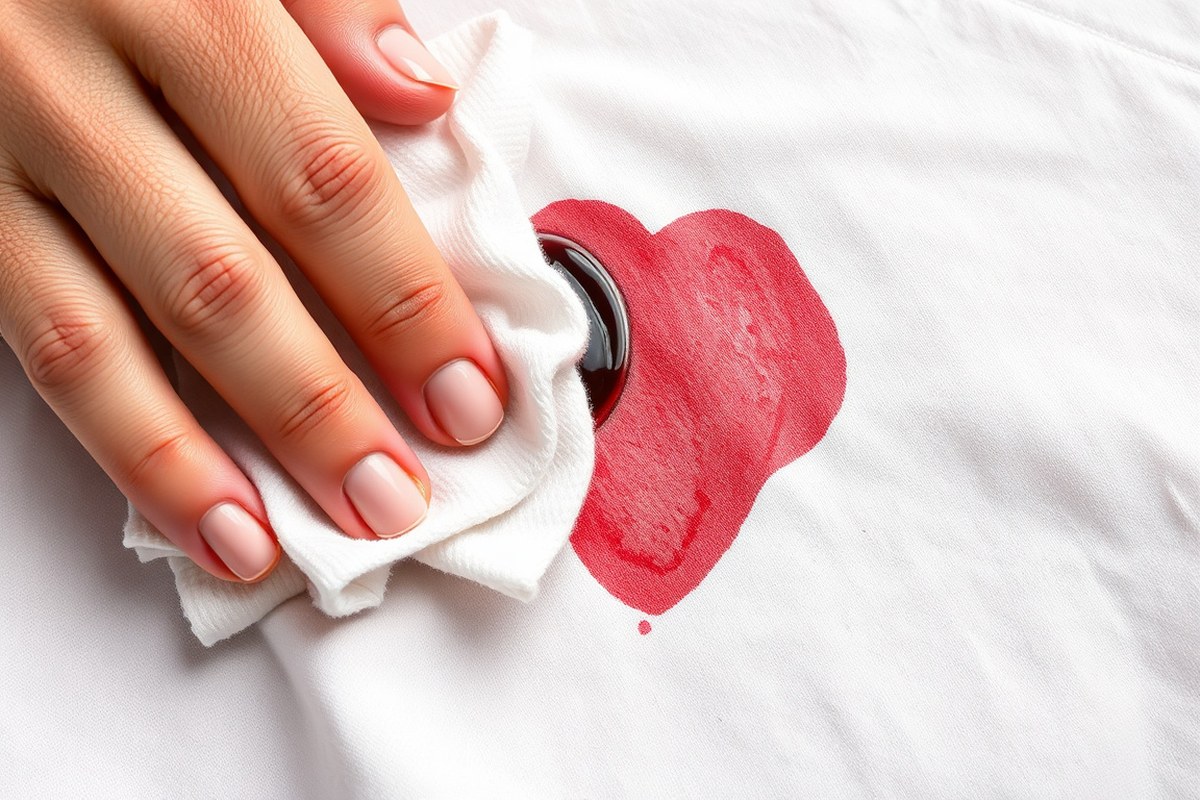
Acting quickly is the key to removing stains effectively before they set into the fabric. Fresh stains are much easier to remove than those that have dried or penetrated deeply, with many starting to set within 24 hours according to the Iowa State Extension. The first reaction should be to gently blot or rinse the stain with cold water to prevent it from spreading or setting further. Avoid rubbing, as this can push the stain deeper into fibers or cause it to spread. Using cool or lukewarm water is best for most stains, since hot water can set protein-based stains like blood or sweat. Care labels on your clothing should be checked to avoid damaging delicate fabrics with inappropriate water temperature or treatment methods. Below are step-by-step instructions for your immediate response when a stain occurs. These steps help minimize damage and prepare the stain for successful removal through washing or further treatment:
- Check the care label to confirm safe water temperatures and cleaning methods for your fabric. This protects clothes from shrinkage or color loss.
- Act promptly by treating the stain within minutes if possible. Fresh stains react better to treatment than dried ones.
- Remove excess material like food scraps or mud gently using a spoon or dull knife to prevent spreading.
- Blot the stain with a clean cloth dampened in cold water. Do not rub, as this pushes the stain deeper. Blot from the outside edge toward the center to avoid spreading.
- Rinse the back of the stain with cold water if the fabric and stain type allow. This pushes the stain out of the fibers instead of driving it in.
- Apply a mild stain remover or detergent suitable for your fabric and the specific stain type if you have one available. Let it sit for 5 to 10 minutes before laundering.
- Avoid home remedies like salt or baking soda on tannin stains (e.g., wine) as they can cause setting or discoloration.
- Do not use hot water on protein stains such as blood or sweat, as heat can set these stains permanently.
Common first-aid mistakes include rubbing the stain, using hot water too soon, and applying wrong substances such as bleach on sunscreen or salt on wine stains. These mistakes can make stain removal impossible or even worsen the stain. For best results, stick to blotting and cold water as your immediate response, then follow specific stain treatments.
2. Matching Stain Types with Effective Removal Methods

Stains generally fall into four main categories: protein, oil-based, dye, and tannin. Protein stains include substances like blood, milk, egg, and mud. These stains respond best to cold water rinses to avoid setting the stain, followed by enzyme-based detergents or presoaks. Oil-based stains, such as butter, salad dressing, and grease, usually require dish soap or a specialized stain remover to break down the oils effectively. Tannin stains from coffee, tea, fruit juice, and wine need warm water with dish detergent first, then washing with the hottest water safe for the fabric. Dye stains, which include ink and some fruit stains, often require peroxide or specific stain removers and may need additional pretreatments depending on the fabric.
Understanding the differences between protein stains and oil stains is key. Protein stains are water-soluble, so starting with a cold rinse helps prevent the stain from setting. Applying enzyme detergents helps break down the proteins. Oil stains repel water, so cold or warm rinses alone won’t work; a grease-cutting dish soap is necessary to dissolve the oily residue.
Common household products work well across these categories. Enzyme detergents are particularly effective on protein-based stains by breaking down their molecules. Dish soap targets oil-based stains by cutting through grease. White vinegar diluted with water can pretreat tannin stains due to its acidity, especially for wine or coffee. Hydrogen peroxide mixed with dish soap can help remove sweat and body oils. These products are affordable, readily available at most stores, and generally safe for washable fabrics when used as directed. Here is a simplified table summarizing the first-line treatment methods for each stain category, including what to avoid and the recommended water temperature:
| Stain Type | Examples | Start With | Avoid | Water Temperature |
|---|---|---|---|---|
| Protein | Blood, milk, egg, vomit, mud | Cold rinse + enzyme presoak (30 mins to overnight) | Hot water, dryer, iron | Cold water |
| Tannin | Coffee, tea, fruit juice, berries, wine, beer | Warm water + dish detergent, then hottest safe wash | Bar soap, natural soap | Warm to hot |
| Oil-based | Butter, salad dressing, lotion, grease, collar soil | Blot excess, then dish soap or stain remover | Hot water first without pretreatment | Warm or hot after pretreatment |
| Dye (e.g., ink, some fruit stains) | Ink, some berries | Peroxide or specialized stain remover | Aggressive scrubbing that damages fabric | Depends on fabric; test first |
Quick fixes include blotting excess oil immediately, which dramatically improves removal chances. For protein stains, soaking the garment in cold water with enzyme detergent for at least 30 minutes works best. Tannin stains respond well to a 50/50 mixture of white vinegar and water as a pretreatment before washing. These methods take a little time but prevent stains from setting permanently.
Avoid using hot water or putting protein stains directly into the dryer before the stain is completely gone, as heat can make them impossible to remove.
3. How to Remove Tough Stains by Type with Detailed Techniques
Tough stains require targeted treatment based on their type. Using the correct technique helps avoid damage and improves results. Below are detailed, safe methods for grass, ink, protein-based stains like blood and sweat, and beverage stains such as coffee and red wine.
Grass and Outdoor Stains
Grass stains are mainly protein-based and can cling tightly to fabric fibers, making prompt and effective treatment important. Using enzyme-based detergents lifts these stubborn stains without harming most fabrics.
- Blot excess dirt: Remove any soil or debris gently without rubbing the stain further.
- Apply enzyme detergent: Use a heavy-duty detergent that contains enzymes, such as Tide or Persil. Work a small amount into the grass stain using your fingers or a soft-bristled brush.
- Let it sit: Allow the detergent to penetrate the stain for 10 to 15 minutes but do not let it dry out.
- Rinse with cold water: Hold the fabric under cold running water to flush out loosened stain particles from the back of the stain.
- Repeat if needed: If the stain persists, reapply detergent and gently scrub again before rinsing.
- Wash normally: Launder on the warmest water setting safe for the fabric according to its care label.
- Air dry: Avoid using heat in a dryer until you confirm the stain is fully removed, as heat can set it permanently.
Enzyme detergents break down the proteins in grass. Avoid hot water during initial treatment, as it can set protein stains. Prompt action within 24 hours yields the best removal.
Ink and Dye-Based Stains
Ink stains are among the most challenging due to pigment penetration and solvent composition. Testing any removal method on a hidden fabric spot first prevents unexpected damage or colour loss.
- Blot excess ink: Use a clean white cloth or paper towel to dab the stain gently, avoiding spreading the ink.
- Test solvent: On a hidden area, apply a small amount of rubbing alcohol or a specialized ink remover to verify fabric safety.
- Apply rubbing alcohol: Dampen a clean cloth with rubbing alcohol and blot the ink stain cautiously from the outside toward the center.
- Let it sit briefly: Allow the alcohol to sit on the stain for 5 to 10 minutes.
- Rinse thoroughly: Flush the treated area with cold water to remove loosened ink and alcohol residue.
- Repeat if necessary: Blot with alcohol again for stubborn marks, always testing first.
- Wash normally: Launder on the warmest water safe for the fabric, following care instructions.
Careful blotting instead of rubbing prevents ink from spreading. Avoid using heat before fully removing ink, as higher temperatures can permanently set the stain.
Protein-Based Stains Like Blood and Sweat
Protein stains bond firmly to fibers and can worsen if treated with hot water. Blood stains deserve extra care because heat can cook the proteins, making removal harder. Ammonia and cold water are effective for these stains.
- Flush with cold water: Immediately rinse the stain from the back with cold water to remove as much blood or sweat as possible.
- Apply enzyme stain remover: Use a detergent or stain remover formulated with enzymes designed to break down proteins.
- Gently rub: Work the product into the stain gently with your fingers or a soft brush.
- Let it sit: Allow it to work for 15 to 30 minutes, keeping the fabric moist.
- Use diluted ammonia: For stubborn stains, mix 1 tablespoon of clear household ammonia with half a cup of cold water. Test on a hidden spot first. Dab onto the stain carefully and rinse after a few minutes.
- Wash cold: Wash the garment on the coldest setting suitable for the fabric.
- Air dry: Confirm the stain is gone before drying with heat to avoid setting.
Never use hot water first on blood and sweat stains. Ammonia should be handled with care: work in a well-ventilated area and never mix it with bleach.
Beverage Stains: Coffee and Red Wine
Coffee and red wine stains are common but can be removed effectively with dish soap and oxygen bleach. Oxygen bleach is safer for fabrics than chlorine bleach and tackles organic stains without harsh chemicals.
- Blot excess liquid: Remove any spilled coffee or wine gently with paper towels or a cloth.
- Rinse with cold water: Hold the stained area under cold running water from the back to flush out as much as possible.
- Apply dish soap: Put a small amount of dish soap directly on the stain and rub it in lightly with your fingers.
- Let it sit: Leave the soap on for 5 to 10 minutes without letting it dry.
- Prepare oxygen bleach soak: Mix oxygen-based bleach powder with cool water according to package directions (usually about 1 tablespoon per gallon).
- Soak the fabric: Immerse the garment for 30 minutes to an hour, depending on the severity of the stain.
- Wash normally: Launder on the warmest water safe for the fabric.
- Air dry: Check that the stain is gone before using heat to dry, as heat can set stains.
Oxygen bleach does not damage most fabrics and helps with set-in organic stains. Avoid chlorine bleach as it can discolor or weaken colored or delicate fabrics.
4. Safe Use of Household Chemicals in Stain Removal
Use vinegar, hydrogen peroxide, and baking soda in diluted forms to safely remove stains without damaging your clothes. These household chemicals can brighten whites and tackle stains on many fabrics, but concentration and fabric type matter to avoid bleaching or weakening fabrics. Always test on a hidden area and follow specific dilution and application steps based on the fabric and stain.
Proper Dilution and Application Guidelines
White vinegar should be mixed 50-50 with water for most stain removal tasks, which balances effectiveness and reduces risk of fabric damage. Apply this solution directly with a spray bottle or by soaking a cloth and blotting the stain. Let it sit for 10 to 15 minutes before washing.
Hydrogen peroxide is commonly used at a 3% concentration found in most stores and should be diluted for colored fabrics by mixing ½ cup of peroxide with 2 cups of cool water. For whites, you can use it nearly full strength or combined with dish soap to tackle tougher stains. Apply it directly to the stain, let it sit 15 to 30 minutes, then rinse or wash.
Baking soda works well as a dry powder or mixed into a paste. For a paste, blend equal parts of baking soda and water, or combine baking soda with hydrogen peroxide and a bit of dish soap for grease and sweat stains. Spread the paste on the stain and let it sit 30 minutes to an hour before rinsing or laundering.
Fabric Types That Handle These Chemicals Well
Cotton and canvas fabrics generally tolerate vinegar, hydrogen peroxide, and baking soda well. These sturdier fabrics can handle gentle bleaching and scrubbing with paste mixtures without damage. For whites, hydrogen peroxide is particularly effective to brighten and remove set-in stains.
Colored fabrics may bleach or fade if exposed to hydrogen peroxide or vinegar undiluted. Always dilute peroxide for colorwear and limit vinegar to mild diluted solutions. Avoid strong scrubbing on delicate fabrics like silk or wool to prevent fiber weakening or surface damage.
Fabrics and Situations to Avoid or Use Caution
Delicate materials such as silk, wool, leather, and spandex often react poorly to acidic or oxidizing agents like vinegar and hydrogen peroxide. These chemicals may cause discoloration or weaken fibers. Opt for gentler stain removers designed for these fabrics or consult a professional cleaner.
Avoid using hydrogen peroxide on dyed or dark fabrics without a patch test since it can cause bleaching or color loss. Also, do not mix vinegar with hydrogen peroxide directly, as this can create harmful gases. Use one chemical treatment at a time and rinse thoroughly before applying another.
Precautionary Tips for Safe Use
Always test any homemade stain remover on a hidden seam or inconspicuous spot to check for adverse reactions. Wait 10 to 15 minutes and inspect for color changes or fabric weakening before full application. This step prevents unexpected damage on visible garment areas.
Apply stain removers carefully using a cotton swab, cloth, or small brush to control where the solution contacts your clothes. After treatment, rinse the area well with cool water or launder as usual to remove residual chemicals. Excess exposure can degrade fabric over time.
Wear gloves when handling hydrogen peroxide or concentrated vinegar solutions to avoid skin irritation. Work in a well-ventilated area and keep these chemicals out of reach of children and pets. Never mix household chemicals together unless specifically stated safe on the label.
5. How Water Temperature and Fabric Type Affect Stain Removal
Water temperature and fabric type significantly influence how effectively stains can be removed from clothes. Cold water works best for delicate fabrics and protein-based stains, preventing setting or damage, while warm water is suitable for tougher, oily stains on durable fabrics. Testing fabric colorfastness and knowing which materials to avoid soaking or bleaching helps protect your garments throughout the stain removal process.
Choosing Water Temperature by Fabric and Stain Type
Cold water is the safest option for removing most stains, especially on delicate fabrics like silk, wool, or cashmere. It prevents stains such as blood, milk, or egg (protein stains) from setting into the fabric. Fabrics that are machine washable often benefit from pre-soaking in cold water with detergent for about 30 minutes before washing.
Warm water, generally between 80°F and 110°F, works better for oily or greasy stains on sturdier fabrics such as cotton or polyester. For example, baking soda solutions in warm water can help break down oils, and scraping off paint before rinsing in warm water improves removal. Avoid hot water since it can cause stains to set permanently and damage delicate fibers.
Handling Delicate Fabrics Safely
Delicate materials require gentle care during stain removal. Use a mild detergent mixed with cold water and gently work the solution into the stain with your fingers rather than scrubbing. Avoid soaking delicate fabrics like silk, wool, or cashmere for extended periods, as this can weaken fibers or cause color loss.
Pat the fabric dry or lay it flat to air dry instead of using a dryer, which risks shrinking or warping. Avoid harsh chemicals or bleach on delicate materials, as these can cause irreversible damage.
Which Fabrics Should Never Be Soaked or Bleached
Never soak or bleach delicate fabrics such as silk, wool, cashmere, or leather. These fibers react poorly to prolonged water exposure or strong chemicals and often lose texture, strength, or color. Also, fabrics with special finishes or blends labeled “dry clean only” typically can’t tolerate soaking or bleach.
For leather or suede, avoid water-based treatments and use specialized cleaners instead. Natural fibers prone to damage may require spot treatment with a mild detergent and immediate blotting without rinsing.
Testing Colorfastness Before Treatment
Testing for colorfastness prevents unwanted fading or color bleed during stain removal. Mix 2 teaspoons of bleach (if needed for treatment) with 1/4 cup of water. Apply one small drop of this solution to a hidden seam or the inside hem and wait one minute. Rinse and blot the area to check for any color loss or fabric damage.
For other stain removers or detergents, apply a small amount in an inconspicuous area and wait 10 to 15 minutes. If the fabric shows no change in color or texture, it’s safe to proceed.
Guidelines for Effective and Safe Stain Treatment
Follow these practical steps for choosing water temperature and fabric care:
- Use cold water for delicate fabrics and protein stains like blood or egg.
- Apply warm water to oily or greasy stains on sturdy fabrics such as cotton.
- Test colorfastness on a hidden area before applying bleach or stain removers.
- Avoid soaking or bleaching delicate fibers like silk, wool, and cashmere.
- For delicate materials, use mild detergent mixed with cold water and gentle hand treatment.
- Remove excess solids first with a dull knife or soft brush before wet treatment.
- Air dry delicate fabrics and avoid machine drying to prevent shrinkage or damage.
Use only cold water and gentle detergents on delicate fabrics, and avoid soaking for more than 30 minutes to prevent weakening the fibers.
6. When and How to Treat Old or Set-In Stains
Stains older than 24 hours tend to bond more tightly with fabric fibers, making them tougher to remove. Start by pretreating the area with a detergent containing enzymes, which break down protein- and starch-based stains. Apply the enzyme detergent directly onto the stain and rub it gently to work it in. Let it soak in cool water for 5 to 30 minutes, depending on how stubborn the stain is. Cooler water preserves enzymes’ activity, so avoid hot water at this stage.
Should the stain persist after the first soak, repeat the treatment using fresh enzyme detergent and water. Multiple treatments are generally safe for most fabrics, but watch for any signs of fabric damage or color loss, especially on delicate or dark-colored items. Avoid over-saturating delicate materials to prevent weakening fibers.
Soaking duration depends on the stain type and fabric. For protein stains like sweat or blood, a 30-minute soak usually works well. For starch- or oil-based stains, you might need closer to 20 minutes. After soaking, launder the garment using the hottest water temperature safe for the fabric to further loosen the stain. Check the stained area before drying; heat from the dryer can set any remaining stain permanently.
Repeated enzyme treatments that don’t fully remove the stain suggest trying specialized stain removers tailored to the stain’s type, like rubbing alcohol for ink or mild bleach solutions for whites. Always test these products on a hidden fabric area first to check for adverse reactions. Avoid using bleach on colored or delicate fabrics without appropriate guidance.
For set-in stains like dried tomato or old oil, expect some limitations, expert sources note these can sometimes be permanent despite best efforts. Glycerine works well on waterborne stains; apply a few drops directly and let it sit for about 30 minutes before laundering. Scraping or blotting any residue before treatment improves results, especially with waxes or crayons.
Successful results appear as a noticeable lightening of the stain after soaking and washing. When the stain is still visible, repeat pretreatment once or twice with enzyme detergent before moving on to other methods. Overdoing treatments can damage fabrics or cause colors to fade, so balance persistence with care. Waiting too long to retreat or using harsher chemicals prematurely could make removal harder or ruin the garment.
7. Common Mistakes That Ruin Stain Removal and How to Fix Them
Some mistakes make stains permanent if you don’t handle them right away or use the wrong technique. One major error is drying clothes with stains still visible. Heat from dryers permanently sets many stains, especially protein-based ones like blood or dairy and dye-based stains like wine or grass. Always air dry garments until you’re sure the stain is gone. That’s the best way to avoid setting it.
Rubbing or scrubbing too hard can damage fibers or push the stain deeper into the fabric. For delicate fabrics like silk or wool, gentle blotting or dabbing with a clean cloth works better than scrubbing. Use a soft brush only on sturdier materials and for tougher stains such as grass or mud. Too rough treatment often makes the stain worse or ruins the garment’s texture.
- Drying clothes with stains visible, stop and air dry until stain is removed
- Using chlorine bleach incorrectly, avoid on rust, spandex, or colored fabrics
- Rubbing stains aggressively on delicate fabrics, opt for gentle blotting instead
- Ignoring care labels that may call for dry cleaning only
- Soaking stained garments in hot water, use cool or warm water unless care label says otherwise
- Waiting too long to treat stains, treat as soon as possible for best results
- Using too much detergent or stain remover, follow product instructions carefully
You can often rescue the garment after a mistake has been made. For stains set by heat, soak the item in cool water with oxygen bleach for several hours or overnight. This may help lift the stain enough for additional treatment. Use cool water to rinse fabric right away if chlorine bleach touched it by mistake, then apply an enzyme-based stain remover before normal washing. For rough rubbing on delicate fabric, stop immediately and switch to gentle blotting with cold water and mild detergent. Repeated gentle treatments over time are safer than harsh methods.
Always check garment care labels before attempting any stain removal. Some items require professional dry cleaning to avoid damage. Keep a spray bottle of stain remover and white vinegar handy for quick spot treatments. Allow pretreatment solutions to sit for 10 to 30 minutes, depending on stain type, before washing in cool water. Avoid heat until you see that the stain is gone completely. This prevents permanent setting and gives you the chance to repeat treatment if needed.
8. Should You Call a Professional? Knowing When to Seek Help
Fabrics such as silk, wool, or rayon, along with garments marked “dry clean only,” are best left to professionals to avoid damage. Attempting to remove stains at home on these materials can cause shrinking, loss of color, or fiber weakening. These textiles need specific solvents and techniques that aren’t suitable for home use. For “dry clean only” items, gently blot excess stain and bring them to a dry cleaner within 1 to 2 days to prevent permanent staining.
You should consider calling a professional when stains persist after your initial home treatment or if you’re unsure about the fabric’s reaction to cleaning agents. Trying home remedies for more than one or two attempts, especially on delicate or nonwashable fabrics, risks spreading the stain or making it harder to remove. For example, stronger commercial stain removers might help, but if the stain remains, contacting a dry cleaner is the safer option.
Communicating accurately with your cleaner improves the chances of successful stain removal. When dropping off the garment, describe the type of stain, how long it has been there, and what treatments you’ve tried at home. This information helps the professional choose the right solvents and treatment steps. For instance, mentioning if the stain is oil-based or dye-related can influence the cleaning method.
Some stains, like dye transfer from other clothing or deep-set protein stains, can be especially tough to treat at home. Professionals can perform spot treatments without cleaning the entire garment, which may save time and reduce costs. Expect stain removal at a dry cleaner to cost between $10 and $30 depending on stain complexity and fabric type, but this can prevent permanent damage or the need to replace the garment.
Never use heat on a stained garment before professional evaluation, as it can set the stain and make removal impossible.
Use this checklist to decide whether to call a professional: the fabric is delicate or labeled “dry clean only,” the stain has lasted more than 24 hours or resisted two home treatments, the stain is large or embedded, or you’re uncertain about which cleaning method to use. When in doubt, taking the item directly to a professional cleaner protects your clothes and increases the chance of effective stain removal.
Step-by-Step Action Plan for Stain Removal Success
Follow these steps to tackle stains quickly and safely, increasing your chances of fully removing them from your clothes.
- Immediately after staining: Blot or gently scrape off excess material without rubbing; this prevents spread and sets a clean base.
- Within 15 minutes: Rinse the stained area with cold water if suitable for the fabric; cold water stops many stains from setting in.
- Before washing: Apply an appropriate stain remover or a mild detergent directly onto the stain; check fabric care labels to avoid damage.
- During wash cycle: Use the hottest water safe for your fabric as indicated on the care label; higher temperatures can improve stain breakdown on durable fabrics.
- After washing: Inspect the stain before drying; if visible, repeat treatment because heat from drying can make stains permanent.
- For older stains: Soak the garment in a stain treatment solution for several hours or overnight before washing; this loosens set-in grime.
- After repeated attempts: If the stain persists after two treatments, consider professional cleaning to avoid fabric damage from harsh home methods.
Frequently Asked Questions
How Do You Remove Sweat Stains from Clothes?
To lessen sweat stains on clothes, mix 2 cups of water with 1 cup of white vinegar and let the garments soak in it for 30 minutes. The vinegar dissolves the salt and oils responsible for these stains, helping remove them more easily during washing.
Can Lemon Juice Help Get Rid of Mildew Stains on Clothes?
Yes, lemon juice mixed with salt works well to treat mildew stains, especially on white clothes. The acid in lemon juice helps break down the mildew, while salt acts as a gentle abrasive to lift the stain.
How Can Crayon Stains Be Removed from Children’s Clothing?
Scrape off excess crayon, then treat with a stain remover or detergent before washing. Warm water helps in softening the wax, making it easier to remove during laundering.
What Is the Best Way to Remove Yellow Stains from Clothing?
Mix 50% vinegar with 50% room-temperature water and apply it to the stain for yellow marks. This solution helps break down the discoloration without damaging the fabric.
How Do You Handle Flower Stains on White Clothes?
Use tape to lift pollen off first, then wash as usual with stain remover. Removing pollen prevents it from spreading and embedding deeper into the fabric.
Can Enzyme Detergents Work on Tough Stains?
Yes, enzyme detergents effectively break down protein-based and organic stains. They’re an easy option for stains like food, grass, and blood on washable fabrics.
Wrapping Up
Stain removal works best when you act fast and tailor your approach to the stain type and fabric. Trying the right method early improves your chance to restore clothing. Pick one stain treatment suggested for your fabric and use it carefully today to see how well it performs on your toughest spots.


