How Do Dry Cleaners Wash Clothes: A Complete Guide That Explains Every Step
Dry cleaners wash clothes using chemical solvents instead of water, removing stains and dirt without shrinking or damaging delicate fabrics. They tumble garments in a rotating basket filled with solvent, then dry them with warm air to restore freshness and shape. This information is for anyone curious about how dry cleaning works, why it’s preferred for certain fabrics, and how the process actually cleans and sanitizes your clothes effectively.
Key Takeaways
- Dry cleaning relies on solvents instead of water to clean clothes gently and effectively.
- Garments are tumbled in a perforated stainless-steel basket with solvent for 8, 15 minutes at about 85°F.
- Warm air heated to around 60, 63°C dries clothes after cleaning to remove solvent without damage.
- Dry cleaning removes bacteria and viruses through high heat and chemical action during the process.
- Most dry cleaning cycles last 20 to 40 minutes, with total turnaround of 24 to 48 hours for normal service.
- Same-day dry cleaning options often finish within 4 to 6 hours for urgent needs.
How Dry Cleaners Wash Clothes Without Water

Dry cleaners wash clothes without water by using liquid chemical solvents to clean the fabrics instead. These solvents replace water and detergent, making the process safe for delicate materials that could be damaged by conventional washing. Common solvents include perchloroethylene (often called perc), which is effective at dissolving oils and grease, the main causes of stains on clothes. The solvent penetrates the fibers and lifts dirt away without swelling or shrinking the fabric, as water sometimes does.
Cleaning happens inside a machine designed specifically for dry cleaning. This machine resembles a washing machine but works by soaking clothes in a liquid solvent while gently moving them. The mild tumbling helps the solvent penetrate the fabric, breaking down dirt and stains without harsh agitation that could harm delicate items.
Once the garments are loaded, the machine floods with solvent, and the tumbling begins. This cycle usually lasts 10 to 30 minutes, depending on the fabric and soil level. During this time, oils and dirt dissolve into the solvent, which is continuously filtered to remove impurities. After washing, the machine drains the used solvent and spins the clothes to extract the remaining liquid, similar to a spin cycle in a regular washer but using solvent instead of water. Finally, the clothes go through a drying phase where warm air evaporates any residual solvent, leaving your garments clean and nearly dry.
This method matters because water and detergent can break down delicate fibers, cause shrinkage, or wash out finishes and dyes on certain fabrics. Using a solvent minimizes those risks while still effectively removing stains, especially oily or greasy ones. The use of solvents also reduces the chance of water spots or fabric distortion. However, choosing the right solvent and controlling the agitation and temperature inside the machine is critical. Too aggressive tumbling or too hot solvents can still damage fabrics or cause color loss.
Dry cleaning machines are carefully calibrated to balance these factors. An example is setting solvent temperature around 80 to 120 degrees Fahrenheit to optimize cleaning without harming fabrics. Operators control cycle length and agitation speed depending on the garment type. Advanced machines filter and recycle the solvent to lower environmental impact and maintain cleaning efficiency.
Despite the name, “dry cleaning” involves liquid, but the specific use of solvents instead of water keeps your clothes safe from the typical risks of washing machines. This technique is the best option for materials like silk, wool, and rayon that don’t do well in water-based cleaning. The process also works well for removing grease, oil, and other substances that water alone cannot dissolve. For these reasons, dry cleaning remains the preferred cleaning method for many delicate and high-value garments.
Step-By-Step Dry Cleaning Process from Drop-Off to Finish
Dry cleaning follows a clear sequence from receiving your garment to handing it back looking fresh. Every step, from careful inspection and tagging through stain treatment, cleaning with solvents, drying, and final pressing, works to protect delicate fabrics and ensure quality results. The entire process, including pre-treatment and finishing, typically takes a day or two but varies by cleaner and fabric type.
Inspection and Garment Tagging
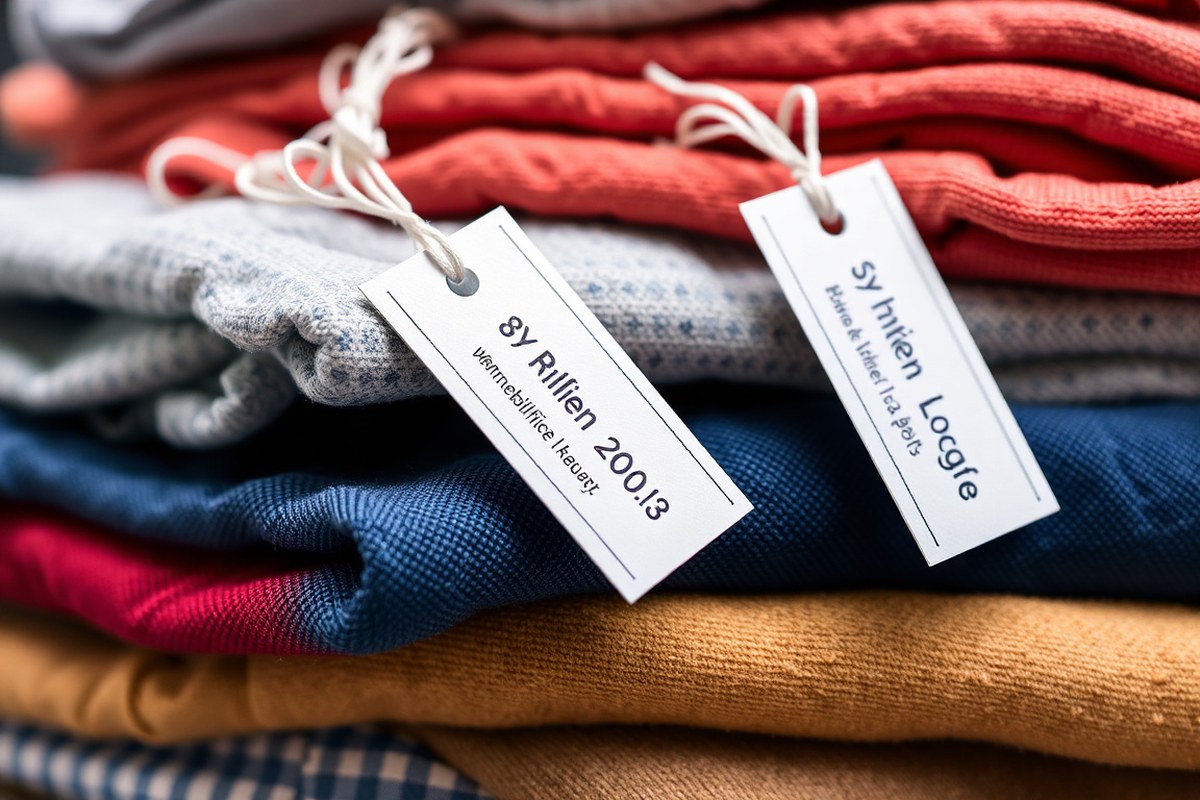
Your garment first goes through a careful inspection. The cleaner checks labels to confirm if dry cleaning suits the fabric and looks for stains, damages, or missing buttons. Each item is tagged with an identification label to track it through the process and prevent mix-ups.
During inspection, the cleaner decides what stains to pre-treat and which cleaning method to use. This step prevents damage by applying the correct solvents or chemicals specific to fabric type and stain nature. Without thorough inspection, costly errors like shrinking or discoloration can happen.
Cleaning and Drying Cycle
After pre-treatment, garments enter a specialized dry cleaning machine. The cleaner loads clothes with a precise amount of non-water solvent that removes oils and stains gently. This machine works like a washing machine but uses solvents instead of water and detergent.
The cleaning cycle usually lasts 10 to 30 minutes depending on fabric and soil level. Afterward, warm air heated to around 60, 63°C dries the garments inside the same machine, helping evaporate residual solvent without overheating. For delicate items, lower temperature or no-heat cycles are selected to avoid shrinking or damage.
Pressing and Final Touches
Once dry, each garment undergoes pressing or steaming to restore its shape and smooth wrinkles. Experts use different presses, steamers, and hand finishing based on fabric type, for example, wool suits may get a tailored press while silk blouses receive gentle steaming.
In final quality checks, cleaners ensure stains are removed, repairs are made if required, and garments smell fresh. Then they package your clothes for pickup, often with a protective cover to keep them clean until you arrive. Typical Dry Cleaning Process Steps:
- Inspect garments for fabric type, stains, and damages.
- Tag each item with a unique identification number.
- Pre-treat stains using appropriate solvents or spotting agents.
- Load garments into the dry cleaning machine.
- Run the cleaning cycle using solvent-based cleaning (10-30 minutes).
- Dry garments inside the machine using warm air (about 60, 63°C).
- Press or steam garments to remove wrinkles and restore shape.
- Conduct final inspection; repair or re-clean if needed.
- Package cleaned clothes for pickup or delivery.
Always check garment labels and choose a cleaner with experience in your fabric type to avoid shrinkage or damage during cleaning and pressing.
Fabrics and Stains: What Can and Can’t Be Dry Cleaned
Not all fabrics are safe to dry clean. This cleaning method works best for materials that could be damaged by water or standard washing, such as wool, silk, and some synthetics. Dry cleaning uses chemical solvents that gently clean without shrinking or distorting delicate fibers. Conversely, fabrics like rayon and linen are generally not suitable for dry cleaning because the solvents can weaken or damage their structure.
Below is a table showing fabric types and their suitability for dry cleaning. It illustrates which fabrics benefit from the process and which are better cleaned by other methods.
| Types of Fabrics | Suitable for Dry Cleaning |
|---|---|
| Natural Fibers (wool, silk, cotton) | Yes |
| Synthetic Fibers (polyester, nylon) | Yes |
| Rayon and Linen | No |
Dry cleaners start by identifying the fabric type and checking the garment tag to confirm if dry cleaning is recommended. For delicate fabrics like silk and wool, dry cleaning is safest because water exposure can cause shrinkage, felting, or discoloration. The process cleans using solvents that dissolve oils and dirt, protecting the garment’s texture and color.
Stain treatment in dry cleaning depends on the stain’s nature and fabric type. Oil-based stains like grease, makeup, or lotions dissolve well in solvent, making dry cleaning very effective for these. Protein-based stains such as blood, sweat, or food require pre-treatment with specific solvents or spotting agents before the garment enters the cleaning cycle. For water-based stains like coffee or wine, dry cleaning can help but isn’t always enough on its own; sometimes wet cleaning or special stain removal methods are necessary.
Stubborn stains like heavy dye transfers, set-in ink, or paint often resist dry cleaning. Some stains chemically bond with fabric fibers or require water-based treatments to break them down. These cases may need professional spotting or alternative cleaning methods that can handle the stain without harming the garment.
Delicate fabrics, especially silk and wool, rely on dry cleaning to maintain their shape and softness. The solvents used do not cause the shrinkage or texture damage common with machine washing. However, repeated dry cleaning can cause gradual wear, so it’s advisable to limit dry cleaning frequency to preserve the garment’s lifespan.
For consumers, telling the dry cleaner about all stains and fabric concerns is key. Also, home dry cleaning kits provide a light refresh using moistened solvent sheets but usually cannot tackle tough stains or heavy soils. These kits cost about $10 for two to four garments and are best for maintenance between professional cleanings.
Common Myths, Mistakes, and How to Avoid Them
Dry cleaning truly washes clothes by using specialized solvents instead of water, but many believe it only freshens fabrics. Common mistakes like not informing the cleaner about spills, ignoring garment tags, or overusing dry cleaning can lead to damage. Proper knowledge helps you protect your clothes and get the best results.
Myth: Dry Cleaners Only Freshen Clothes
Dry cleaners do wash clothes by dissolving oils, grease, and dirt with solvents like perchloroethylene (“perc”) or newer alternatives such as hydrocarbon or silicone-based solvents. This process removes soil without water. The solvent dissolves stains and residues that water alone may not handle well. However, dry cleaning may be less effective on heavy soiling compared to traditional laundering, so very dirty items might still require spot treatment or water washing.
This is why you should avoid thinking of dry cleaning as just a deodorizing service. It’s an actual cleaning method tailored for fabrics harmed by water. The solvent’s ability to reach stains and oils while protecting delicate fibers is what makes dry cleaning effective beyond just freshening garments.
Common Customer Mistakes That Damage Clothing
Incorrect handling before and after dry cleaning can harm your clothes significantly. For example, failing to alert the cleaner about any spills or stains on your garments allows residues to set deeper or cause fabric discoloration during the solvent wash. Also, ignoring loose buttons, hems, or small tears before drop-off can worsen damage during the cycle because the items might catch or stretch. Other common errors include choosing a cheaper cleaner without checking solvent quality or expertise, and overusing dry cleaning on delicate items, which can weaken fibers due to solvent exposure and finishing processes.
- Always inform your cleaner about spills, stains, or damages
- Check garment tags and mention special care instructions
- Avoid cleaners offering much lower prices as they might use inferior solvents
- Request minor repairs if you spot loose buttons or hems before cleaning
- Space out dry cleaning sessions, especially for delicate fabrics
- Pick a trusted cleaner who tracks your items carefully to prevent mix-ups
Following these steps helps maintain your clothes’ condition and reduces the risk of solvent or mechanical damage during cleaning.
How Dry Cleaning Can Damage Your Clothing
Though dry cleaning is gentle compared to water washing, it can still cause wear if done incorrectly or too often. The solvents interact with fibers and finishes; repeated exposure may fade colors or degrade some synthetic materials over time. The heat and pressure from pressing and finishing machines can also cause shrinking or fabric distortion if not controlled well.
Damage risk increases when cleaners use poor-quality solvents, overuse heat during finishing, or mishandle fragile fabrics. Therefore, selecting a cleaner known for careful processing and solvent choices is critical. Ask about solvents they use, perchloroethylene remains common but alternatives reduce environmental impact and may be gentler.
Guidelines for Dry Cleaning Frequency of Delicate Items
Delicate items such as silk, wool, or embellished garments should not be dry cleaned too frequently. Dry cleaning every 3 to 6 months is generally safe if the items aren’t heavily soiled. Spot cleaning stains promptly and airing clothes between wears can reduce unnecessary dry cleaning cycles.
For items worn infrequently or for special occasions, dry cleaning once or twice per season may suffice. Over-cleaning increases solvent exposure and wear. Discuss your specific garments with your cleaner; they can advise based on fabric type, usage, and stains. This approach balances cleanliness with garment longevity.
Dry Cleaning Solvents: Types, Safety, and Environmental Impact
Traditional dry cleaning commonly uses perchloroethylene (perc), a chlorocarbon solvent first introduced in the 1930s. Perc’s strong cleaning power makes it effective at removing oils and grease, but it presents health risks including respiratory irritation and potential long-term effects due to exposure. Environmental concerns also arise as perc can contaminate air and water if not managed properly. The EPA regulates perc use, requiring dry cleaners to implement control technologies that minimize emissions. Modern dry cleaning machines are designed to capture and recover approximately 99.99% of perc for reuse, reducing environmental release.
Modern eco-friendly solvents offer safer alternatives with lower toxicity and environmental impact. Examples include hydrocarbon-based solvents like DF-2000, silicone-based solvents such as siloxane (marketed as Green Earth), and liquid carbon dioxide (CO2) cleaning. These options tend to be less aggressive chemically but still provide effective cleaning, especially on delicate fabrics. Hydrocarbon solvents are petroleum derivatives that pose fewer health risks than perc but can be flammable. Siloxane is a colorless, odorless liquid silicone that biodegrades easily and reduces air pollution. Liquid CO2 cleaning uses pressurized carbon dioxide to dissolve dirt; it requires specialized equipment but leaves no chemical residue and is non-toxic.
Green solvents generally cost more upfront due to specialized machinery and the price of alternative chemicals, but they may appeal to consumers concerned with sustainability and health. The cleaning effectiveness varies by solvent type; perc remains the gold standard for heavy oil removal, while green solvents excel with lighter, less embedded dirt. Some solvents, like siloxane and hydrocarbons, require lower drying temperatures which help protect sensitive fabrics.
| Solvent Type | Cleaning Power | Health Risks | Environmental Impact | Common Use |
|---|---|---|---|---|
| Perchloroethylene (perc) | High | Moderate to high (toxic, carcinogen concern) | Air and water pollutant; regulated emissions | Most traditional dry cleaning |
| Hydrocarbon solvents | Moderate | Lower than perc, flammable | Lower air pollution, petroleum-based | Alternative dry cleaning |
| Siloxane (Green Earth) | Moderate | Low (biodegradable, low toxicity) | Much lower environmental impact | “Green” dry cleaning |
| Liquid CO2 | Moderate | Low (non-toxic, non-flammable) | Minimal (uses recycled CO2) | Specialty eco-friendly cleaning |
Regulations largely affect how perc is handled due to the solvent’s toxicity and environmental threat. Since the 1990s, the EPA has set strict standards on air emissions from dry cleaning machines using perc, pushing many cleaners to switch to more environmentally friendly solvents. Solvent recovery systems built into modern machines capture vapors, condense them, and recycle the liquid solvent back into the cleaning cycle. These systems cut solvent loss dramatically, making dry cleaning more sustainable and cost-effective over time despite higher initial equipment investment.
Dry cleaners balancing cleaning power, fabric safety, and environmental goals often choose solvents based on the garments they process and customer preferences. Solvents like siloxane and hydrocarbons can be safer options for delicate clothing or clients prioritizing eco-conscious choices. Perc remains in use due to its efficiency on tough stains but requires strict safety controls to protect workers and the environment. Emerging alternatives like liquid CO2 promise further reductions in chemical use but are less widespread due to equipment costs.
Look for dry cleaners that use machines with solvent recovery systems and eco-friendly solvents to reduce chemical exposure and environmental harm.
How Dry Cleaning Sanitizes Clothes Beyond Washing
Dry cleaning sanitizes clothes by combining chemical solvents with high heat to eliminate bacteria, viruses, and odor-causing microorganisms. Unlike traditional washing that relies on water and detergent, dry cleaning uses solvents that dissolve grease and dirt without soaking the fabric. This process, followed by drying at temperatures reaching up to 160 degrees Fahrenheit, creates conditions that are effective at killing many harmful germs clinging to your garments.
The solvent used in dry cleaning interrupts the cell membranes of bacteria and viruses, weakening or killing them. After solvent cleaning, garments pass through a drying cycle where heat further sanitizes the fabric. This heat, combined with the low moisture environment, prevents the survival of microorganisms more thoroughly than home washing, even when washers have sanitize settings. Temperatures around 140 to 160 degrees Fahrenheit are sufficient to reduce microbial load on textiles during the dry cycle. This heat also triggers evaporation of solvents and moisture, leaving clothes hygienic and safe to wear.
Aside from microbial elimination, dry cleaning excels at removing odors better than water washing. Many odor-causing bacteria are trapped in fabric fibers with oils and sweat and are not easily removed by traditional laundering. The chemical solvents dissolve these oils and residues efficiently. Dry cleaners often apply additional odor-neutralizing sprays or fabric finishers that help restore freshness to garments. Steam treatments during the process can also loosen odor particles and sanitize fabrics without damage.
Sanitization through dry cleaning is especially important for delicate or non-washable fabrics where harsh washing might deform or degrade the material. Hand spot cleaning and steam may be used on sensitive textiles to target bacteria and odors while maintaining fabric integrity. This attention to detail prevents damage while ensuring that garments are hygienically clean.
Costs related to the sanitizing benefit of dry cleaning are built into the price of the service, typically ranging from $5 to $15 per garment depending on fabric type and location. The thorough cleaning and sanitizing justify the price, especially for items not suitable for home laundering. The result is clothing that looks good, feels clean, and carries less risk of lingering germs or smells.
Finishing Techniques That Restore Shape and Feel
Dry cleaners use a combination of pressing, steaming, and shaping methods to make sure clothes look sharp, wrinkle-free, and maintain their intended fit. These finishing techniques restore the garment’s original shape and feel after cleaning.
Pressing and Ironing
Pressing and ironing remove wrinkles and flatten creases, giving clothes a crisp, polished appearance. Dry cleaners use professional-grade presses and irons with precise temperature controls suited for different fabrics. For example, low heat with steam is applied to delicate silks, while cotton or wool may require hotter settings.
Pressing happens on specialized equipment like flat-bed or steam presses that distribute heat and pressure evenly. Operators carefully position garments on these devices to avoid overstretching seams or flattening fabric texture. Some items receive hand ironing for hard-to-reach areas such as collars, cuffs, and pleats.
Steaming and Form Finishing
Steaming softens fabric fibers and relaxes wrinkles without the direct contact of an iron, reducing the risk of burning or shiny spots. Form finishers are a key tool in this step. These machines look like padded mannequins and shape clothes in the exact form they’ll be worn, ensuring sleeves, shoulders, and collars regain their shape naturally.
Steaming involves hanging the garment on the form finisher, then applying controlled bursts of steam at temperatures between 212°F and 240°F (100°C to 115°C). This process takes about 3 to 5 minutes depending on fabric thickness. It’s especially helpful for suits, coats, and delicate dresses that need gentle reshaping with minimal pressure.
Folding and Packaging
After pressing and steaming, garments are folded or hung carefully to prevent new wrinkles and maintain presentation quality. This finishing touch prepares clothes for storage, transport, and customer pick-up. Cleaners use tissue paper inserts and plastic covers to protect and preserve the garment’s condition.
The folding process involves smoothing fabric and aligning edges before stacking or packaging. For tailored pieces like suits, hanging on padded hangers inside garment bags is standard practice. The final packaging step seals the garment to keep it crisp and ready to wear.
- Identify each garment by attaching tags for tracking.
- Inspect clothes for damage, stains, and fabric type.
- Press or steam clothes on appropriate machines based on fabric.
- Use form finishers to shape complex garments like jackets or dresses.
- Hand iron detailed areas such as buttons, creases, and collars.
- Fold or hang garments carefully, using tissue paper or garment bags.
- Package garments with protective covers for pickup or delivery.
Preparing Your Clothes and Choosing the Right Cleaner
Before dropping off your clothes, sort them by fabric type and check labels for care instructions. Separate items that require special handling, such as leather, suede, or heavily embellished garments. Note any spots or stains and identify what caused them if possible. This information helps the cleaner choose the right pretreatment chemicals to effectively remove stains.
Label your garments clearly, especially if you’re handing over multiple items. You can use a fabric marker on a clothing tag or attach a note with details such as the stain source and any preferences (for instance, avoiding certain chemicals). Proper tagging reduces the risk of mix-ups and ensures special requests are followed.
Choosing the right dry cleaner can impact both the quality of cleaning and the environmental effect. Look for dry cleaners who are members of professional organizations like the International Fabricare Institute, as this often means they adhere to industry standards and use modern equipment. Asking about the solvents they use can guide you to greener options; many cleaners now employ eco-friendly solvents or have switched from perchloroethylene (perc) to professional wet cleaning methods.
Home dry cleaning kits offer convenience but don’t replace professional services for delicate or heavily stained clothes. These kits typically work with steam and small cleaning cloths; they are best for refreshing clothes between professional cleanings. Rely on your dry cleaner for garments needing thorough stain removal or for materials like silk and certain wools, which require expert handling.
- Sort clothes by fabric and check care labels before drop-off.
- Note and label stains with their causes for effective pretreatment.
- Ask cleaners about professional certifications and solvent types.
- Choose cleaners using eco-friendly or modern cleaning methods.
- Avoid home dry cleaning kits for delicate fabrics or tough stains.
- Separate items needing special handling, such as leather or sequins.
Always remove plastic garment covers after pickup to prevent moisture buildup and odors.
Special-care garments may not clean well with typical dry cleaning solvents or might require additional steps; communicate these details when dropping them off. A reputable cleaner will inspect your clothes after cleaning for any remaining stains, giving you a chance to request additional treatment if needed. Expect a reasonable turnaround time, usually about 24 to 48 hours, with some places offering same-day service for an extra fee. Preparing your clothes properly and choosing the right cleaner protects your investment and ensures the best possible results.
Step-by-Step Action Plan for Getting the Best Dry Cleaning Results
Follow these steps to ensure your clothes are properly cleaned and cared for when using dry cleaning services.
- Before Drop-Off: Check your clothing labels for cleaning instructions and point out any stains to the cleaner to ensure they use the right solvent and treatment. Confirm they handle your specific fabric types.
- At Drop-Off: Choose a reputable dry cleaner with clear processes and trained staff. Ask about their solvent use and sanitation methods to make sure your clothes get thorough cleaning.
- During Cleaning: Allow enough time for the full dry cleaning cycle, including pre-treatment, solvent wash, and finishing steps, to keep fabrics in good condition. Proper timing prevents damage and ensures stain removal.
- After Pickup: Inspect your garments for remaining stains or odors immediately. If the cleaning isn’t satisfactory, return them promptly for additional treatment.
- Between Cleanings: Avoid overuse of dry cleaning by airing clothes out and spot-cleaning at home, saving dry cleaning for fabrics and stains that require it.
- Before Storage: Ensure your dry cleaned clothes are fully dry and stored in breathable garment bags to maintain freshness and prevent damage over time.
Frequently Asked Questions
Do Dry Cleaners Wash Clothes with Water at All?
Dry cleaners do not use water in their main cleaning process but instead use special solvents. This method protects delicate fabrics from water damage and shrinkage.
How Do Dry Cleaners Know Which Cleaning Method to Use for Each Garment?
Dry cleaners check fabric labels and assess stains to choose the best cleaning method, including solvent cleaning, wet cleaning, or spot treatment. Proper sorting helps avoid damage and improves cleaning results.
What Happens to the Dirt and Stains After Dry Cleaning?
The solvent dissolves oils and dirt, which are then filtered out during the cleaning cycle. This avoids residue on your clothes and leaves garments clean and fresh.
Why Does Dry Cleaning Use Warm Air to Dry Clothes Instead of Heat?
Warm air at around 60, 63°C gently dries clothes without harming the fabric or causing shrinkage. High heat can damage delicate fibers, so controlled warmth protects garment quality.
Can Dry Cleaning Remove All Types of Stains from Clothes?
Dry cleaning is effective on oil-based and grease stains but may not remove water-based stains well. Pre-treatment and spot cleaning are often needed for tougher marks.
Why Do Dry Cleaners Attach Tags to Your Clothes Before Cleaning?
Tags identify each item and help sort garments with similar stains or fabric types for efficient cleaning. This reduces mix-ups and ensures proper care during processing.
Key Points to Remember
Dry cleaning removes stains and cleans fabrics without water, using specialized solvents and techniques that protect delicate materials. It also sanitizes your clothes and restores their shape through expert finishing. Next time you have a tricky garment or stain, choose a trusted dry cleaner and provide clear information upfront for the best results.