Can You Wash Dry Clean Only Clothes? A Complete Guide That Really Works
You can wash some dry clean only clothes safely at home by using gentle methods like hand washing with cold water and delicate detergents. Certain fabrics and garments labeled dry clean only can survive careful home washing, but many risk shrinking, losing color, or becoming misshapen. This advice is for anyone wanting to avoid frequent professional dry cleaning while protecting their wardrobe.
This article explains how to identify which dry clean only clothes can handle home washing and provides clear steps for hand and machine washing. It also covers spot testing, stain removal, and alternatives like steaming or home dry cleaning kits. You’ll learn common mistakes to avoid and when it’s best to seek professional help instead of risking damage.
Key Takeaways
- Not all dry clean only clothes can be washed at home; check fabric type and garment construction first.
- Hand washing with cold water and a delicate detergent is safest for most washable dry clean only clothes.
- Soak garments for 15 to 30 minutes to loosen dirt without aggressive agitation.
- Use a gentle cycle and cold water if you machine wash certain dry clean only garments.
- Always spot test an inconspicuous area before washing or applying stain removers.
- Home dry cleaning kits and steaming can refresh clothes without washing but won’t clean heavy stains.
Can You Safely Wash Dry Clean Only Clothes at Home?

Yes, you can safely wash some dry clean only clothes at home, but it depends on the fabric and how you treat the garment. The dry clean only label usually means the fabric or construction could be damaged by water, agitation, or heat from a home washing machine or dryer. It is a caution to prevent shrinking, color bleeding, fabric distortion, or loss of texture. However, many fabrics labeled dry clean only, like cotton, polyester, wool, or silk blends, can tolerate gentle hand or machine washing when done carefully.
Understanding what the label means helps you decide if home washing is an option. The dry clean only instruction often reflects the manufacturer’s recommendation for the safest care to maintain appearance and fit over time. It does not always mean the garment is impossible to wash with water. Some garments are labeled dry clean only because of tradition or liability reasons rather than an absolute need. You can test this safely with spot testing and choosing mild detergents and cold water.
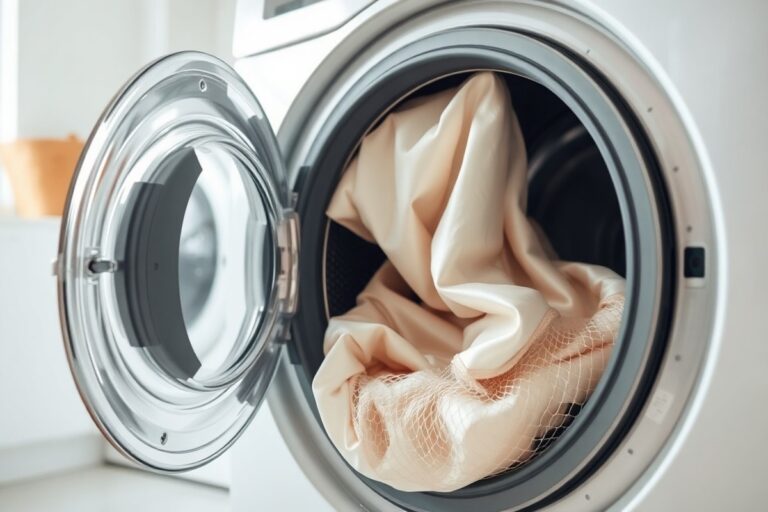
When washing dry clean only clothes at home, it is essential to start by reading the care label for any specific warnings or instructions. Select the gentlest cycle on your washing machine, such as the delicate or hand-wash cycle, which uses minimal agitation. Wash in cold water with a detergent specially formulated for delicate fabrics or wool. Do not overload the machine; wash one or two items at a time to avoid friction that can damage the fabric. Use a mesh laundry bag to protect the garment during the cycle.
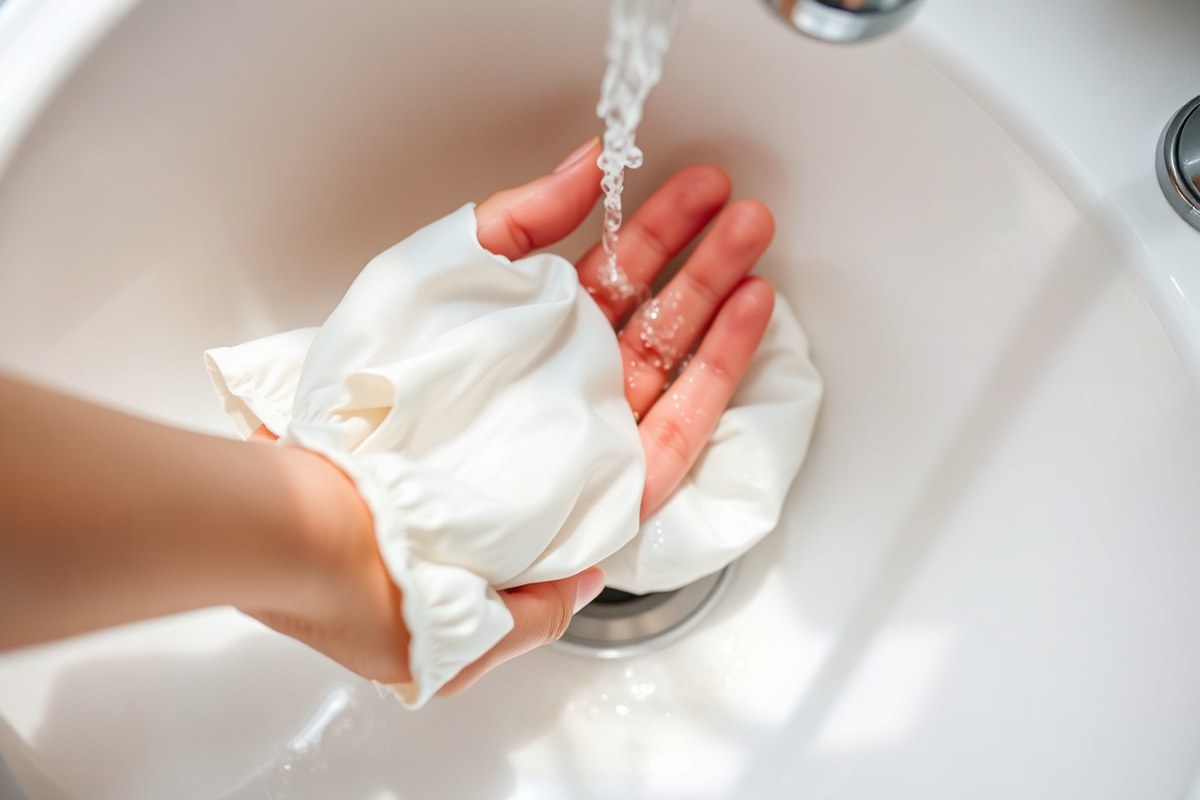
Hand washing is usually safer than machine washing for dry clean only clothes. Soak the garment in cold water mixed with a small amount of gentle detergent for about 5 to 10 minutes. Gently swirl the fabric without rubbing or wringing it. Rinse thoroughly with cold water. Avoid twisting the garment to remove excess water, instead, press it gently between towels.
Keep in mind that washing dry clean only clothes at home always carries some risk. Results vary based on the specific garment and fabric quality. You may see some minor changes in texture or fit. Some fabrics may feel stiffer or lose their original drape. If you notice any bleeding colors during testing or excessive shrinking, professional dry cleaning is the safer choice. However, many people successfully clean their dry clean only clothes at home and save money by following these careful steps.
How to Identify Dry Clean Only Clothes Suitable for Home Washing

Some dry clean only garments can be safely washed at home depending on their fabric and care label instructions. Identifying which materials can handle water and recognizing symbols that permit hand or gentle washing helps prevent damage. A straightforward decision process based on fabric type and label details is necessary.
Key Fabrics Safe for Hand or Machine Washing
Many dry clean only garments made from natural fibers such as cotton and linen can be hand washed or even machine washed on a delicate cycle. Rayon, a semi-synthetic fabric, often tolerates gentle home washing if treated carefully. Some synthetic materials like polyester are also usually safe to clean at home with low temperatures and mild detergents. These fabrics generally don’t shrink or distort easily, making them good candidates for hand washing in cold water or using the machine’s delicate or permanent press settings at 30°C (86°F) or lower. Testing a small hidden area for colorfastness first helps avoid surprises.
Checking the label for additional instructions can confirm safe washing methods. Labels that say “dry clean only” but also include icons permitting hand wash or gentle cycle indicate the garment can safely be cleaned at home. You should wash these items with a mild detergent, avoid wringing, and dry them flat to maintain shape and appearance. Taking these precautions reduces the likelihood of shrinking, color bleeding, or fabric distortion that causes common problems with dry clean only tags.
Fabrics and Items to Always Dry Clean
Naturally delicate fabrics such as silk, wool, velvet, and leather almost always require professional dry cleaning. These materials risk severe shrinkage, color loss, or texture damage if exposed to water and agitation from home washing. Wool can felt or shrink, silk loses its sheen and may chemically react with water, and leather loses its finish and becomes stiff or cracked. Garments with intricate trims, heavy embroidery, or structured tailoring should also be dry cleaned to preserve their shape and detail.
Deciding not to attempt cleaning these fabrics at home avoids costly mistakes. Though costly, professional dry cleaning uses solvents that protect delicate fibers and applies finishing techniques that home methods cannot replicate safely. Garments labeled strictly as “dry clean only” without symbols for hand or machine washing are best cared for by professional cleaners to preserve their condition over time.
Exact Label Symbols and Wording to Watch For
Labels use internationally recognized symbols to indicate permitted care methods. A circle alone means dry clean only, while a crossed-out circle strictly forbids water washing. A symbol showing a hand in a tub indicates the garment can be washed by hand, which is common for delicate fabrics. A tub icon with a number specifies the maximum wash temperature in degrees Celsius, guiding gentle home washing choices. Look for a machine tub with one or two lines underneath, which denotes a gentle or delicate cycle is acceptable.
Some labels combine these symbols with written instructions. Phrases like “dry clean only,” “professional clean recommended,” or “do not machine wash” suggest caution but should be read alongside symbols and fabric type. Garments that include specific temperature settings or “hand wash cold” instructions are usually adaptable to home washing if you follow those rules. Reading symbols carefully and cross-referencing with fabric type forms a checklist that lets you decide if washing at home is feasible without risking damage.
Always perform a spot test on a hidden area before washing any dry clean only garment to check for color fastness and fabric reaction.
Step-by-Step Guide to Hand Washing Dry Clean Only Clothes
Hand washing dry clean only clothes involves careful preparation and gentle handling to avoid damage. Using cool water and a mild detergent, plus following a spot test, helps protect fabric and colors. Patience during soaking, rinsing, and drying maximizes safety.
Preparing the Garment for Washing
Begin by reading your garment’s care label carefully to find any hand washing guidance. Choose a gentle detergent designed for delicate materials to help preserve color and fabric integrity. Test a small hidden area with a diluted detergent solution, letting it sit for 10 minutes to check for color bleeding or damage before washing the entire item.
Gather these items: a clean sink or basin, mild detergent, two towels, and cool water (between 60°F to 80°F). Avoid using hot water because it can shrink or distort the fabric.
Hand Washing Process and Timing
Carefully fill your basin with cool water and add detergent following the product’s dilution instructions, usually about 1 teaspoon per gallon. Gently submerge your garment and swish it around slowly for about 2 minutes, focusing on any soiled areas by gently rubbing those spots with your fingers. Let the garment soak for 15 to 30 minutes without agitation, which helps lift dirt without stressing the fibers.
- Fill a basin with cool water and add mild detergent.
- Perform a spot test on a hidden seam, wait 10 minutes to check.
- Submerge garment and swirl gently for 2 minutes.
- Soak garment for 15 to 30 minutes.
- Gently press water through the fabric without wringing.
- Empty basin and refill with clean cool water for rinsing.
- Rinse garment by swirling slowly until water runs clear.
- Press out water gently without twisting or wringing.
Drying and Finishing Tips After Hand Washing
Lay the wet garment flat on a clean, dry towel, then roll the towel and garment together to squeeze out excess water carefully. Avoid hanging wet dry clean only clothes, as gravity may stretch and distort them. Instead, reshape the item on a flat drying rack or clean surface away from direct sunlight and heat sources. This method preserves the garment’s shape and fabric integrity.
Avoid machine drying. The air-dry process may take longer but helps maintain delicate fibers and prevents shrinkage or damage. After the garment is fully dry, steam lightly to remove wrinkles if needed, avoiding direct contact with the fabric.
How to Machine Wash Certain Dry Clean Only Garments Safely
You can machine wash certain dry clean only garments safely by selecting the right fabrics and adjusting your machine settings to minimize damage. Fabrics like cotton, linen, and polyester blends labeled dry clean only are usually okay to wash on a gentle cycle with cold water. Silk, wool, lace, velvet, and delicate synthetics typically still require professional care or hand washing to avoid shrinkage and color loss.
Choosing the Right Wash Cycle and Settings
Use the delicate or gentle cycle on your washing machine to reduce agitation, which can harm delicate fabrics or tailored pieces. Always select cold water to lower the chance of shrinking, fading, or fabric distortion. Avoid hot or warm water, which causes many dry clean only fabrics to lose shape or dye. Skip spin cycles with high speed, opting for a slow spin or no spin option if available.
Wash dry clean only items inside out to protect external surfaces, buttons, embroidery, and delicate details. Use a detergent formulated for delicate fabrics or a mild liquid detergent with no bleach or harsh chemicals. Do not overload the machine; allow garments enough space for water and detergent flow. Overcrowding creates friction that leads to wear and damage.
Using Protective Laundry Accessories
Placing your dry clean only garments inside a mesh laundry bag creates a barrier and significantly reduces abrasion during the wash. This is essential for items with beads, lace, or loose threads. Bags also prevent clothes from tangling with heavier items like jeans, which can cause stretching or tears. For heavily embellished or tailored clothes, consider skipping the machine wash altogether.
Separate garments by fabric weight and type, washing lighter and sturdier pieces separately from lightweight delicates. Using cold water and mesh bags together helps maintain fabric integrity. Avoid fabric softeners that can damage fibers or coatings on delicate fabrics.
Post-Wash Care and Drying Methods
Immediately remove clothes from the washer to prevent wrinkles and mildew. Lay dry clean only items flat on a clean towel or drying rack to air dry, as machine drying often causes irreversible shrinkage and damage. For heavier fabrics like cotton or linen, hanging to dry in shade can work if shape distortion is not a concern.
Reshape garments gently while damp, especially wool blends or knit pieces, to maintain their original form. Avoid direct sunlight, which fades colors. Iron only if the care label allows, using the lowest heat setting and a pressing cloth to protect the fabric.
- Check the garment’s fabric and care label to confirm machine washability.
- Turn the garment inside out, securing any buttons or fasteners.
- Place the garment inside a mesh laundry bag for added protection.
- Set the washing machine to the gentle or delicate cycle with cold water.
- Use a mild detergent designed for delicate fabrics without bleach.
- Start the wash, avoiding agitation-heavy or high spin cycles.
- Remove the garment promptly after washing is complete.
- Lay the garment flat on a towel or drying rack, reshaping it as necessary.
Spot Testing and Stain Removal on Dry Clean Only Clothes
Testing a small, hidden area before applying any cleaning method on dry clean only clothes helps you avoid damage. This process, called spot testing, reveals how the fabric reacts to water, detergent, or stain removers. A successful test means no color change, fabric distortion, or texture loss after treatment. Spot testing also helps identify how sensitive your garment is to water or cleaning agents, guiding you in choosing the safest stain removal method.
Spot testing and careful stain removal at home require patience and precision. Follow these steps to minimize risk and protect your investment in delicate fabrics.
- Select a hidden area: Pick an inconspicuous spot like a seam allowance or inside hem to avoid visible damage.
- Prepare test solution: Mix a small amount of mild detergent with cool water or use a recommended solvent from an at-home dry cleaning kit designed for delicate fabrics.
- Apply the solution: Dampen a white cotton swab or a clean white cloth with the solution and gently dab the spot. Avoid soaking the fabric.
- Wait and observe: Let the area dry completely, which can take 15 to 30 minutes depending on fabric and air circulation.
- Check for changes: Look for color fading, bleeding, swelling, or texture changes like stiffness or thinning. Avoid washing if any issues show up; it’s safer to opt for professional cleaning.
- Treat stains carefully: For grease or oil stains, lightly blot with a solvent-based stain remover from an at-home dry cleaning kit. For water-based stains, use a mild detergent solution, dabbing gently instead of scrubbing.
- Rinse and blot: If the test is successful, you can carefully rinse the treated spot with cool water and blot dry with a white cloth to avoid water rings.
Always test stain removers on a hidden area first to avoid irreversible damage; harsh chemicals or water may weaken or discolor delicate fabrics.
Fabrics prone to water marks, shrinkage, or color bleeding often show changes during spot testing. Avoid direct soaking, use cool water, and limited detergent to reduce risks. Remember, passing a spot test doesn’t ensure full washing will be safe, so limit water-based stain treatments to small spots or seek professional cleaning for valuable or delicate clothes.
Using Steaming and Home Dry Cleaning Kits as Alternatives
Steaming can be a useful alternative to washing dry clean only clothes when they don’t need a full clean. Steaming refreshes fabrics, reduces wrinkles, and kills some surface bacteria without exposing clothes to water or harsh mechanical action. You can use a handheld steamer or a steam setting on your iron, holding it a few inches away from the garment. Steam each section for about 10 to 20 seconds, paying special attention to areas like collars and cuffs. This method works well for suits, wool blazers, and delicate fabrics that can easily shrink or lose shape in water. Steaming costs very little once you have the equipment and can extend the time between professional cleanings, but it won’t remove deep stains or heavy soil.
Home dry cleaning kits provide another popular option. These kits usually include a stain remover, cleaning cloths or sheets, and a reusable bag to use with your regular washing machine’s dryer. The process involves treating stains first, placing the clothes in the bag with a cleaning cloth that releases a mild solvent, and then running the dry cycle for 20 to 30 minutes. These kits generally cost between $8 and $20 per use, depending on the brand and contents. They work best on clothes that are lightly soiled and have minimal stains, such as silk blouses, some suits, or lined garments that can be damaged by water.
Choosing between steaming and home dry cleaning kits comes down to the garment’s condition and fabric type. Steaming suits clothes that mainly need deodorizing and wrinkle removal without washing away finishes or causing fabric distortion. It is best for refreshing clothes that aren’t visibly dirty. Home dry cleaning kits should be your choice when clothes have light stains or odors that steaming alone can’t handle but still don’t require heavy cleaning. Avoid both methods for heavily stained, greasy, or very dirty items because they won’t get the clothes truly clean and can leave residues behind.
Both methods preserve the fabric’s integrity better than washing with water, which risks shrinking, color fading, or damaging delicate fibers. To use steaming effectively, make sure your steamer produces continuous steam and avoid overexposing areas for too long as excessive heat and moisture can cause damage. For dry cleaning kits, follow the instructions exactly and separate different fabric types to prevent color transfer and uneven cleaning. While steaming delivers immediate freshness at almost no recurring cost, kits offer a mild solvent cleaning but require repeated purchases. Neither is a substitute for professional dry cleaning when clothes have significant wear or stains.
Common Mistakes to Avoid When Washing Dry Clean Only Clothes
Washing clothes marked “dry clean only” at home comes with risks like shrinkage, color loss, and fabric damage. These problems usually happen because certain delicate fabrics react badly to water, heat, or agitation. Avoiding common mistakes can help you protect your garments and keep them looking their best.
One frequent error is using water that’s too hot. Hot water can cause wool, silk, and rayon to shrink or lose shape. Stick to cold or cool water, around 70°F (21°C), to reduce this risk. Another issue is over-agitation. Scrubbing or wringing these clothes puts stress on fibers, weakening or distorting the fabric. Gentle hand washing or using the machine’s delicate cycle minimally will prevent this.
Color bleeding often occurs when washing unfamiliar fabrics, especially dark or bright garments. To check colorfastness, test an inside seam or hidden area by dabbing a wet white cloth and seeing if color transfers. If it does, avoid washing with water or choose professional cleaning instead.
- Use cold water (around 70°F) and mild detergent designed for delicates
- Hand wash gently without rubbing or twisting the fabric
- Avoid soaking for more than 5 to 10 minutes to prevent dye bleed and distortion
- Lay garments flat on a clean towel to dry, reshaping them carefully
- Don’t put dry clean only clothes in the dryer; air dry instead
- Test for colorfastness on a hidden patch before washing
- Avoid washing items with beads, sequins, or embroidery at home
Many dry clean only clothes have embellishments like beads or sequins, which can easily detach or catch during washing. Avoid washing these at home since damage from water or agitation could be irreversible. Instead, these items benefit from spot cleaning or professional care.
Keep your detergent choice simple. Use mild, fragrance-free soap without bleach or brighteners, which can damage delicate fibres or cause fading. Rinsing thoroughly to remove all soap residue is essential to prevent stiffening or skin irritation.
Patience is another key factor. Rushing drying by applying heat or hanging garments improperly can cause stretching or uneven drying marks. Always lay garments flat on a clean surface and reshape gently to their original size and form.
When to Stop and Seek Professional Dry Cleaning Help
Some dry clean only clothes always need professional care, no matter how careful you are at home. These include delicate fabrics such as silk, wool, rayon, acetate, and garments with heavy embellishments, beading, or structured tailoring. Professionals use specialized solvents and equipment to clean these materials without shrinking, bleeding colors, or losing their shape. Trying to wash these fabrics at home can cause irreversible damage like shrinking, stretching, or water spots.
The decision to seek professional dry cleaning depends on several factors. First, check the fabric type and garment construction. Fabrics like silk charmeuse, 100% wool suits, or pleated skirts usually require expert cleaning. Garments with linings, multiple layers, or glued seams can get damaged during home washing. Also, large stubborn stains, oil-based marks, or odors that won’t respond to spot treatment signal the need for professional care.
Look at the garment after home washing for signs of damage. Obvious shrinking, misshapen shoulders or collars, color fading or bleeding, and a rough or stiff texture show home washing harmed the item. Garments that wrinkle badly, resist ironing or steaming, or show missing delicate trims indicate damage. When you see these, stop home attempts and take the garment to a professional cleaner to prevent further damage.
Follow this checklist to decide when to stop and get help: (1) Confirm fabric type on the care label; if it includes silk, wool, rayon, or acetate, consider dry cleaning. (2) Assess garment complexity, including linings, pleats, collars, or embellishments. (3) Evaluate stain type; large oil or dye stains usually need professional solvents. (4) After any home wash or spot clean, check for changes in size, shape, color, or texture. (5) If any damage or stubborn stains appear, seek professional cleaning immediately.
Professional dry cleaning costs vary widely but expect to pay $10 to $30 for usual items like suits, coats, or dresses. Specialized services for heirloom or delicate pieces may cost more and require several days. This cost preserves the investment in your wardrobe and extends garment life, which home washing risks shortening. Many dry cleaners also offer stain treatment and pressing services to restore your garment to like-new shape.
Attempting to wash a dry clean only silk or wool garment at home can permanently ruin its appearance and fit; these should always go to a professional cleaner.
Step-by-Step Action Plan for Washing Dry Clean Only Clothes at Home
Follow these steps carefully to decide if you can wash your dry clean only garments at home and how to do it safely.
- Before you start: Check the fabric label for washing instructions and do a spot test on an inconspicuous area. Proceed when no color fading or fabric damage shows.
- Day 1: Choose a garment made from washable materials like cotton or polyester blends marked dry clean only but known to be hand washable. Avoid silk, wool, or structured pieces.
- Day 2: Hand wash the garment using cold water and a gentle detergent. Watch for fabric texture changes or color runs as you wash.
- Day 3: Rinse thoroughly with cold water and gently squeeze out excess water without wringing. Lay flat on a clean towel to dry, reshaping as needed.
- Day 5: Check the garment after drying for any shrinkage or distortion. You can machine wash similar items carefully when they look and feel the same as before washing.
- Day 6: For machine washing, place the garment in a mesh laundry bag, use the delicate cycle with cold water, and mild detergent. Skip the spin cycle if possible to minimize stress.
- After 1 week: Use a steamer or a home dry cleaning kit to refresh garments without washing water-sensitive fabrics.
- Ongoing: If you notice any fabric deterioration or persistent stains after home care, stop and take the garment to a professional cleaner.
Frequently Asked Questions
Can Washing Dry Clean Only Clothes at Home Void the Garment’s Warranty?
Washing dry clean only clothes at home can void the manufacturer’s warranty if it states professional dry cleaning is required. Check the warranty details on the label or packaging to avoid losing coverage.
How Do Water Hardness Levels Affect Washing Dry Clean Only Clothes at Home?
Hard water can affect delicate fabrics by causing stiffness or discoloration when washing at home. Using filtered or softened water and gentle detergents helps protect dry clean only clothes from damage.
Can the Wrong Detergent Cause Damage to Dry Clean Only Clothes Washed at Home?
Yes, using harsh detergents can damage delicate fibers, causing fading or weakening fabric. Choose detergents specifically made for delicate or dry clean only clothes for best results.
Is It Safe to Machine Dry Dry Clean Only Clothes After Washing at Home?
Machine drying dry clean only clothes is not recommended; heat can shrink or deform fabrics. Air drying flat or hanging is safer to maintain garment shape and integrity.
How Often Can You Safely Wash Dry Clean Only Clothes at Home?
Frequent washing may degrade delicate fabrics even if done carefully. Limit home washing to occasional cleaning to extend garment life.
Can Color Bleeding Occur When Washing Dry Clean Only Clothes at Home?
Yes, color bleeding is a risk, especially with dark or bright fabrics. Perform a spot test with water and detergent before washing the entire garment.
Wrapping Up
Washing dry clean only clothes at home can work if you carefully assess fabric type and follow gentle cleaning methods. Taking time to spot test and hand wash helps avoid damage. Try hand washing first with cold water and mild detergent to see how your garment responds. When unsure, consulting a professional cleaner remains the safest option to protect your clothes.