Can You Wash 100 Polyester? Safe Methods and Expert Tips That Work
You can wash 100% polyester safely in a machine by using cold water, a mild detergent, and a gentle cycle to avoid heat damage. This fabric’s resilience to wrinkles means shrinking is unlikely, but high temperatures can cause fading or harm. Keeping these precautions in mind ensures your polyester garments maintain their look and feel.
This guidance helps anyone caring for 100% polyester clothing, from casual wear to sports gear. You’ll find expert tips on washing, drying, stain removal, and maintenance to extend the life of your polyester items.
Key Takeaways
- Turn 100% polyester garments inside-out and use the Permanent Press setting on your washing machine. Select a water temperature between 30°C and 40°C (86°F and 104°F) for best results.
- Use cold water and a mild liquid detergent with lipase enzymes for best cleaning results.
- Avoid hot water to prevent shrinkage, fading, and fabric damage.
- Do not use fabric softeners, which can coat fibers and reduce breathability.
- Hand wash delicate polyester items gently with mild detergent to preserve fabric integrity.
- Dry polyester garments on low heat or air dry to avoid shrinking or warping.
Can You Safely Machine Wash 100% Polyester?

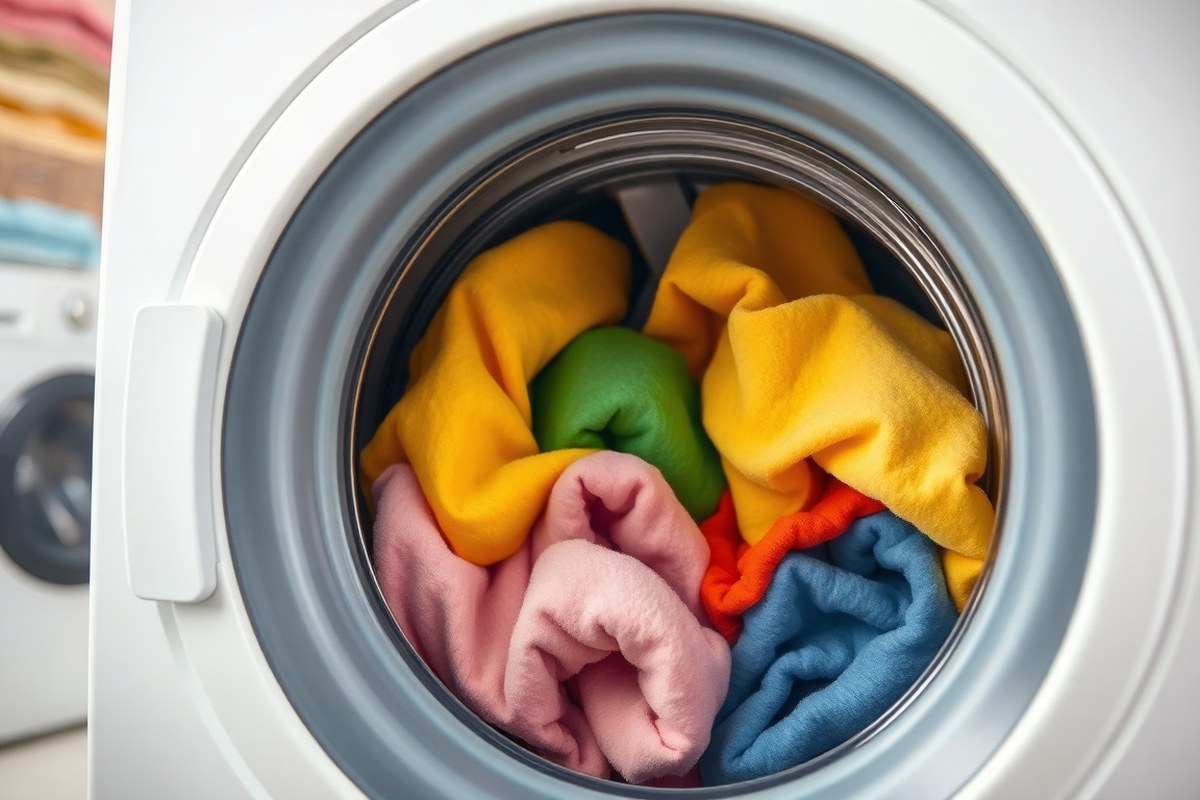
You can wash 100% polyester in a washing machine by selecting appropriate settings and following some precautions. Use a gentle or permanent press cycle to minimize agitation that might cause pilling or distort the fabric. Choose water temperatures from 86°F to 104°F (30°C to 40°C); steer clear of hot water to prevent shrinking, fading, or fiber damage.
Loading the machine correctly helps protect the fabric. Avoid overloading, as it increases friction between garments and may lead to wear or pilling, especially if you wash cheaper polyester items like budget sheets or lightweight curtains. Washing polyester separately from heavy or rough fabrics such as towels or denim is best. Also, keep polyester away from natural fibers like cotton or wool during the wash to prevent static and reduce the risk of fabric damage.
Turn the polyester garment inside out before washing to protect the surface from abrasion and maintain color vibrancy. Use a liquid detergent formulated for synthetics or one containing lipase enzymes for effective cleaning without harsh chemicals. Avoid using fabric softeners, which can leave residues that reduce moisture-wicking abilities and dull the fabric.
Special cases apply to embellished polyester items with beads or sequins. Machine washing these can damage both the decoration and the fabric, so hand washing or using a mesh bag for protection during a delicate cycle is recommended. Short cycles limit the time polyester spends in the machine, reducing heat and mechanical stress. This combination of careful temperature control, cycle choice, and proper loading keeps your polyester garments looking good longer.
How to Hand Wash 100% Polyester Properly

Hand washing 100% polyester is better than machine washing when the garment is delicate, decorated with beads or sequins, or when you want to avoid the risk of shrinkage, pilling, or snagging. Use cold or lukewarm water and a mild detergent designed for synthetics to safely clean polyester without harming the fabric’s texture or color.
Preparing the Water and Detergent
Start with cold or lukewarm water, between 60°F and 90°F, depending on the care label. This temperature range keeps the fabric stable and prevents shrinking or melting. Choose a gentle detergent made specifically for synthetic fabrics; avoid regular detergents with harsh enzymes or bleach that can damage polyester fibers.
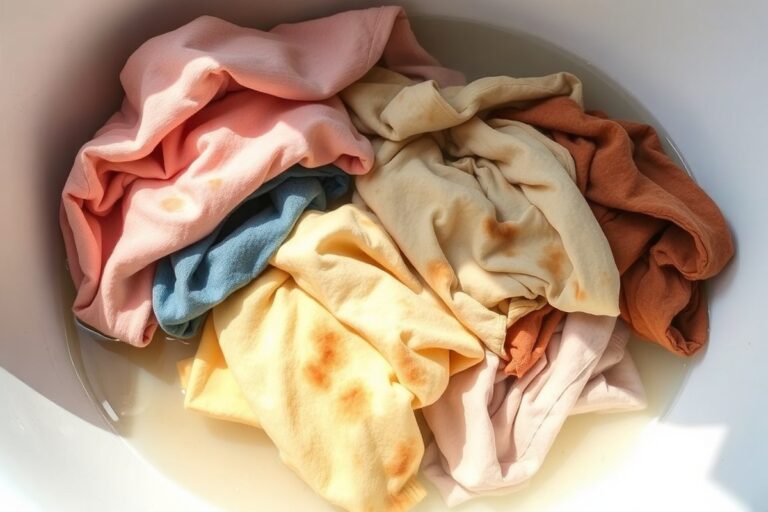
Fill a clean basin or sink with enough water to fully submerge the garment. Add the detergent and stir the water to dissolve it evenly. Using mild detergent and cool water helps maintain the garment’s color and fabric integrity over time.
Washing and Soaking Technique
Handling the fabric gently is key to preventing damage when hand washing polyester. Avoid vigorous scrubbing or twisting, which can stretch or pill the fibers. Soaking helps lift away dirt without abrasive action, especially for light soil or sweat stains. Follow these steps for effective hand washing:
- Submerge the polyester garment completely in the prepared water.
- Gently swish the fabric back and forth for 2 to 3 minutes to loosen dirt.
- Let the garment soak for about 10 to 15 minutes, depending on how soiled it is.
- Lightly rub any discolored spots with your fingers, don’t scrub hard.
- Drain the soapy water carefully to avoid stretching the garment.
Use slow, gentle movements during washing to protect polyester’s delicate fibers from pilling and snagging.
Rinsing and Handling the Fabric
Rinse thoroughly in cold, clean water to remove all detergent. Residue left in the fibers can cause stiffness and attract dirt more quickly. Avoid hot water and high agitation during rinsing.
After rinsing, do not wring or twist the garment. Instead, press out excess water gently by pressing the fabric against the basin sides or rolling it in a clean towel. Lay the polyester flat or hang to dry, following the garment’s label instructions to prevent misshaping or shrinkage.
Choosing the Right Detergents and Avoiding Fabric Softeners
Using a detergent made for synthetic fabrics significantly helps maintain polyester’s look and feel. Opt for gentle liquid detergents specifically formulated for activewear or synthetics. These products avoid harsh components like bleach, which can weaken polyester fibers and cause colors to fade over time. Mild detergents protect the fabric’s durability and help control odors, especially when polyester is worn often. Powder detergents aren’t recommended because they may not fully dissolve in the cooler water temperatures typical for polyester washing, around 30°C to 40°C (86°F to 104°F).
Skip fabric softeners on polyester clothes since they can cause issues. Softening agents may work on natural fibers but leave a coating on synthetic materials that diminishes breathability and moisture-wicking abilities. This residue often makes polyester cling to your skin or look greasy instead of smooth. It also traps sweat smells inside the fabric, reducing freshness in activewear. Using half a cup of white vinegar during the rinse cycle is a safer choice, softening the material naturally without unwanted buildup.
Practically, if you’re washing polyester casualwear or everyday garments, choose a detergent labeled for synthetics and wash at cool or warm settings. Skip fabric softeners entirely to keep the threads resilient and looking new. For example, washing a 100% polyester shirt with a gentle liquid detergent at 30°C (86°F) will clean it effectively without damaging the fibres. After washing, polyester should feel lightweight and breathable.
For activewear that collects sweat and odor, opt for detergents designed for performance fabrics. These contain enzymes or odor-neutralizing compounds that break down body oils without harsh abrasives or softeners. Wash after every use, using about 2 tablespoons of detergent in a regular load. Avoid fabric softener because it traps bacteria and oils in synthetic fibres, leading to persistent smells.
Fabric softeners can also cause buildup on polyester over time, affecting the fabric’s ability to repel wrinkles and dry quickly. This buildup can make the material look dull and reduce lifespan. Polyester garments that become stiff or develop a musty smell benefit from a monthly wash using a cup of white vinegar and no detergent. This helps remove buildup and refresh the fibers. Avoid bleach or strong chemicals, as these accelerate fiber breakdown.
Choose mild liquid detergents made for synthetics and avoid fabric softeners to keep your polyester clothes in good condition. Use cooler water and appropriate detergent amounts to avoid damaging the engineered plastic threads. This approach helps keep polyester garments soft, odor-free, and durable for years without the risks fabric softener introduces.
How to Dry 100% Polyester Without Causing Shrinkage or Damage
Polyester can be tumble dried, but it’s important to use low or medium heat settings to prevent shrinkage and damage. Higher heat settings risk shrinking fibers or causing them to lose their shape, sometimes even melting the fabric. Removing polyester garments promptly when the cycle ends helps avoid wrinkles and excess heat exposure. Air drying is generally the safest option, preserving the fabric’s shape and extending the garment’s lifespan.
For air drying, lay your polyester items flat on a clean towel or drying rack to maintain their shape. You can also hang them on a clothesline or hanger, but avoid direct sunlight that might fade colors or weaken fibers over time. Air drying typically takes longer but is gentler on polyester fabrics, reducing the likelihood of heat damage or unwanted creasing.
| Drying Method | Recommended Setting | Time Considerations | Effect on Polyester |
|---|---|---|---|
| Tumble Dry Low Heat | Low or Medium Heat | Remove immediately after cycle ends | Minimizes shrinkage, suitable for quick drying |
| Tumble Dry High Heat | High Heat (not recommended) | Risk of melting/fiber damage | Can cause shrinkage and shape loss |
| Air Dry Flat or Hanging | No Heat | Longer drying time (hours) | Preserves fabric shape and texture |
| Air Dry in Direct Sunlight | No Heat | Varies with weather | Potential color fading and weakening of fibers |
When tumble drying polyester, choose the lowest heat possible and monitor drying times closely. Using a medium heat setting can speed drying but carries a slightly higher risk of shrinkage, so only choose this if air drying is impractical. Air drying requires more patience but avoids any heat-related risks entirely. Lay items flat to help retain shape and reduce wrinkles, or hang them in a breathable area away from strong sunlight.
Polyester is durable and resistant to damage from washing, but improper drying can undermine these qualities. Follow recommended settings on your dryer and remain mindful to avoid over-drying, which can weaken fibers. When in doubt, air drying always offers the safest approach to keep your polyester clothes looking their best. The balance between convenience and garment care will guide your choice between tumble drying and air drying.
Safe Ironing and Steaming Practices for 100% Polyester
You can iron 100% polyester, but it’s important to manage the temperature carefully to avoid melting or discoloration. Steaming is usually a safer option because steam doesn’t contact the fabric directly. Taking precautions like using a pressing cloth helps protect polyester during ironing.
Recommended Iron Temperatures
Set your iron to the low or synthetic heat setting, typically around 275°F (135°C). Polyester fibers can melt at temperatures above 300°F (149°C), so exceeding this risks permanent fabric damage. Use the lowest temperature that smooths wrinkles without pressure, checking your garment’s care label for specific instructions. Ironing at too high a temperature can cause glossy marks or even holes in the fabric.
Allow the iron to fully reach the set temperature before use. Always test on a hidden inside seam first to ensure no visible damage occurs. Iron quickly and gently without keeping the iron in one spot for more than a few seconds to avoid scorching.
Using a Pressing Cloth
Place a clean, thin cotton or linen cloth between your iron and the polyester garment. This layer acts as a buffer to prevent direct heat, lowering the risk of shiny spots or melted fibers. A pressing cloth also helps distribute heat more evenly and protects the garment from accidental iron marks.
Make sure the pressing cloth is dry and free from wrinkles before use. If you don’t have a pressing cloth, a lightweight cotton towel or pillowcase can work as an alternative. Avoid using synthetic materials as a buffer because they might melt or fuse onto the polyester.
Always use a pressing cloth or a thin cotton towel between the iron and polyester fabric to prevent scorching or melting.
Steam Techniques for Wrinkle Removal
Steaming polyester is generally safer and gentler than ironing because the steam relaxes fibers without direct contact. Use a handheld steamer or the steam burst feature on your iron. Hold the steamer 6 to 12 inches away from the fabric, moving it slowly to allow the steam to penetrate evenly.
Hang the garment on a sturdy hanger during steaming. Avoid pressing the steamer head directly on the fabric, as concentrated heat might damage polyester. Let the garment dry completely before wearing or storing to prevent moisture traps that cause mildew.
For stubborn wrinkles, combine steaming with light tension: gently pull the fabric taut while steaming to encourage smoother results without heat damage. Steaming usually costs less in energy than ironing since you use lower temperatures and avoid the pressing time.
How to Remove Stains from 100% Polyester Effectively
Removing stains from 100% polyester requires careful treatment to avoid damaging the fabric while fully erasing spots. Treat most stains quickly using the right pre-treatment products and wash on a warm permanent press cycle for best results.
Identifying Stain Types
Polyester commonly encounters stains like oil-based grease, food spills, ink, deodorant, and dirt. Each type reacts differently to cleaning agents, so recognizing what caused the stain helps select the right remover. For example, oil-based stains need solvents or degreasers, whereas protein stains like sweat respond better to enzyme-based products.
Knowing the stain type helps ensure effective treatment without harming polyester’s smooth surface or color. Avoid bleach on polyester, as it may damage fibers or cause discoloration.
Pre-Treating Stains Safely
Treat stains on polyester garments by gently applying a bit of liquid detergent or a mild stain remover directly onto the affected area. Let it rest for 5 to 10 minutes so the solution can work on the stain without saturating the entire fabric or damaging the fibers.
To avoid damage, test stain removers first on a hidden area of the fabric. Choose stain removal methods suitable for synthetic fibers with medium to low heat tolerance. Avoid scrubbing harshly, which can distort polyester threads or cause pilling. Follow these steps for safe and effective pre-treatment:
- Identify the stain type to choose the appropriate remover.
- Check the garment’s care label for any specific warnings or restrictions.
- Test the stain remover on an inconspicuous spot and wait 5 minutes.
- Apply a small amount of liquid detergent or stain remover to the stain.
- Let it sit for 5 to 10 minutes without letting it dry completely.
- Blot gently with a clean cloth to lift the stain if needed.
Washing and Checking After Treatment
After pre-treatment, wash polyester garments on the permanent press cycle using warm water. Warm water improves stain removal from synthetic fibers better than cold water. Avoid using hot water because it can set some stains and damage polyester’s texture.
Once the wash cycle finishes, check the stained area before drying. Should the stain persist, skip drying the garment with heat, as this will set the stain and increase the difficulty of removing it later. Repeat pre-treatment and washing as needed. Air-dry polyester garments or use a low heat setting to protect fabric integrity.
Common Mistakes When Washing 100% Polyester and How to Fix Them
Washing 100% polyester incorrectly often leads to shrinkage or color loss due to heat exposure and harsh chemicals. Using hot water or high dryer heat causes the polyester fibers to break down, resulting in fabric that shrinks, loses shape, or fades. Avoiding these factors extends your garment’s lifespan by keeping its appearance and fit intact.
Exposure to bleach or other strong whitening agents can weaken polyester fibers and cause discoloration. When your garment shows this issue, avoid bleach and try spot cleaning with a gentle detergent instead. For heat damage, such as excessive shrinkage or misshaping, re-washing the item in cold water and air drying flat may help partially relax the fibers. However, severe heat damage is typically irreversible, making prevention essential.
Static cling is another common problem with polyester. The synthetic fibers build up electrical charge during washing and drying, causing garments to stick and attract lint. Using a fabric softener sheet in the dryer reduces static by depositing a thin coating that neutralizes charge. Alternatively, tossing a clean damp washcloth into the dryer with your polyester can also cut static buildup. To avoid these common issues, follow this checklist before each wash:
- Use cold or warm water, never hot, and choose a short, gentle cycle.
- Skip bleach; use mild detergent only.
- Avoid high heat during drying; opt for the lowest dryer setting or air dry.
- Add a fabric softener sheet to the dryer or include a damp cloth to control static.
- Turn polyester garments inside out to protect surface color.
- Remove items from the dryer promptly to avoid wrinkles and static.
Proper washing and drying temperatures cost little but require a deliberate choice at your machine’s settings. Using cold water can add seconds to the wash time and slightly increase detergent consumption, but it protects your clothes better. Fabric softener sheets generally cost around 25 to 50 cents per sheet, an affordable way to reduce static cling and maintain softness.
Good results look like polyester garments that keep their original color, shape, and smooth texture after multiple washes. Noticing more fuzzing, shrinking, or color fading means the fibers may have been harmed by heat or chemicals. Adjusting your routine by lowering washing temperature and avoiding harsh additives can fix or prevent these problems for future loads.
Washing Frequency and Storage Tips to Keep Polyester Fresh
Polyester garments do not need washing after every single use unless they’re visibly soiled or have absorbed strong odors. For everyday wear, washing 100% polyester items every 3 to 5 uses is usually enough to keep them fresh. If you wear polyester for exercise or sweat heavily, washing after each use is best because sweat and bacteria buildup can cause odors and fabric breakdown. Frequent washing with the right care will not damage polyester fibers, but washing in hot water or using harsh detergents might over time reduce fabric life.
Proper washing frequency helps maintain polyester’s smooth texture and color retention. Use warm or cool water when washing, avoiding hot water that can weaken the fibers. When stored after a day’s wear where there was minimal sweat or dirt, hanging polyester garments to air out can delay the need for immediate washing and reduce odor buildup.
Storing polyester correctly is key to preventing odors and wrinkles. Always make sure items are completely dry before putting them away since moisture leads to musty smells. Hanging polyester shirts and dresses on wide, padded hangers helps preserve shape and smooth out wrinkles naturally, eliminating the need for frequent ironing or steaming. Folding polyester sweaters, leggings, or fleece with tissue paper between folds can prevent creases and reduce friction that causes pilling or damage over time.
For long-term storage, keep polyester clothes in a well-ventilated closet away from direct sunlight to avoid discoloration and moisture buildup. Using breathable garment bags or cotton storage bins rather than plastic ones helps more air circulation and cuts down on odors. Avoid overcrowding; polyester fabrics wrinkle faster in cramped spaces.
Always air out polyester garments after wearing them to prevent odors before washing, reducing unnecessary laundry cycles that might shorten the fabric’s lifespan.
Step-by-Step Action Plan for Washing 100% Polyester Safely
Follow these steps to clean your polyester garments effectively without damaging the fabric.
- Before washing: Check the care label for any specific instructions to avoid surprises during cleaning.
- Loading the washer: Place polyester items in the washing machine alone or with similar synthetic fabrics to prevent abrasion; clothes should move freely without overcrowding.
- Select wash settings: Choose a cold water cycle with a gentle or permanent press option to protect the fabric’s fibers.
- Add detergent: Use a mild liquid detergent without fabric softener; verify the detergent dissolves well and doesn’t leave residue.
- After washing: Remove garments promptly to reduce wrinkles and prevent musty smells; check for stains that need retreatment before drying.
- Drying: Air dry on a flat surface or hang dry indoors away from direct sunlight; avoid high heat from dryers to prevent shrinkage.
- Ironing or steaming: If needed, use a low-temperature setting or a steamer on the polyester to smooth out wrinkles without melting the fabric.
- Storage: Store polyester clothes in a cool, dry place to maintain freshness and reduce static build-up.
Frequently Asked Questions
Can You Wash 100% Polyester in Hot Water?
No, hot water can cause shrinkage and damage; always use cold water to keep the fabric safe.
Can You Wash 100% Polyester with Other Fabrics?
Yes, but wash with similar colors and fabrics to avoid pilling or color transfer.
Is It Okay to Use Bleach on 100% Polyester?
Avoid bleach as it can weaken fibers and cause discoloration on polyester.
Can You Tumble Dry 100% Polyester?
You can tumble dry on low heat, but air drying is safer to prevent shrinkage.
Does Washing Polyester Remove Odor Effectively?
Proper washing with a good detergent removes odors, but avoid fabric softeners that trap smells.
Can 100% Polyester Be Dry Cleaned Instead of Washed?
Yes, dry cleaning is safe and can protect delicate polyester garments from wear.
Wrapping Up
You can safely wash 100% polyester at home by following proper care steps to avoid shrinking or damaging the fabric. Start by checking your garment’s label and use cool water with gentle detergent for best results. Try washing your polyester items today and notice how they maintain their shape and color wash after wash.