How to Wash White Sneakers: Proven Methods and Expert Tips for Lasting Clean
To wash white sneakers safely, choose methods based on your shoe material, using gentle hand washing for mesh or textile options and spot cleaning for leather. Clean laces and soles separately with mild soap and water, then air-dry shoes fully before wearing to maintain their bright look.
This advice suits anyone owning white sneakers who wants straightforward, effective cleaning tips that extend sneaker life and keep them looking fresh. You will learn how to tackle common stains, handle machine washing properly, and maintain your footwear between cleanings.
Key Takeaways
- Hand wash mesh or textile white sneakers in water at 20, 30°C using a mild cleaner or a protective mesh bag.
- Submerge white sneaker laces in a bowl with mild soap and warm water for around 10 to 15 minutes, then gently rub them before rinsing well.
- Use a toothbrush and baking soda paste to scrub tough yellow stains, allowing the paste to dry for at least 30 minutes.
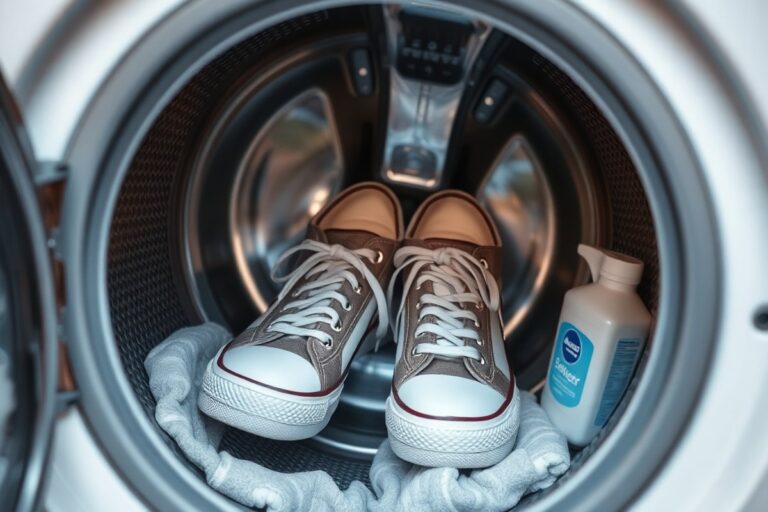
- Machine wash white sneakers only if the manufacturer approves, placing shoes in a mesh bag and washing on a gentle cycle at low temperature.
- Dry white sneakers outside in bright sunlight for 3-4 hours to boost whiteness and deodorize your shoes naturally.
- Never wear cleaned sneakers immediately; allow 5-6 hours indoors to air dry and 24-48 hours between wears to avoid moisture buildup.
How to Wash White Sneakers Safely by Material Type

Different white sneaker materials require specific cleaning methods to prevent damage and maintain their bright appearance. Canvas and mesh can usually tolerate gentle machine or hand washing with mild detergent, while leather, suede, and nubuck demand delicate, moisture-limited care. Avoid machine washing leather and suede as it may cause glue failure or shrinkage. Using pH-neutral cleaners ensures safe treatment across most sneaker types.
| Material | Recommended Cleaning Method | Notes |
|---|---|---|
| Canvas | Hand wash with mild soap or machine wash on gentle cycle at 20, 30°C | Bleach safe sometimes; avoid harsh scrubbing |
| Leather | Hand clean with pH-neutral cleaner and soft cloth | Never machine wash; avoid soaking and heat drying |
| Suede/Nubuck | Brush and eraser for dry cleaning only | No water or detergent; protect with suede spray after cleaning |
| Mesh/Knit | Hand wash gently with mild detergent; machine wash in mesh bag possible | Low temperature washing best; avoid aggressive scrubbing |
Cleaning White Canvas Sneakers
Canvas sneakers are sturdy and often the easiest white sneakers to clean. They can handle mild machine washing but hand washing helps avoid weakening the fabric and fading. Use mild soap or a sneaker-safe, pH-neutral cleaner. Avoid harsh chemicals as they can damage color and fabric integrity. Bleach is acceptable for tough white stains but only applied carefully to fabric, not shores or rubber parts to prevent yellowing. Follow these steps to clean canvas sneakers safely:
- Remove laces and brush off loose dirt using a soft brush or cloth.
- Mix warm water (around 80°F/27°C) with a tablespoon of mild detergent or sneaker cleaner.
- Use a soft-bristle brush or cloth dipped in solution to scrub the canvas gently in circular motions.
- For stubborn stains, apply a small amount of diluted bleach (1 part bleach to 5 parts water) carefully.
- Rinse the canvas lightly with clean water to remove soap residue.
- Stuff shoes with paper towels to maintain shape and air dry away from direct heat or sunlight.
Cleaning White Leather Sneakers
White leather sneakers need gentle cleaning to protect their finish and prevent cracking. Avoid machine washing or soaking, as excessive water and agitation can damage glue and leather fibers. Use a pH-neutral cleaner suitable for leather or a mild soap diluted in water. Always dry naturally. Cleaning white leather sneakers involves these careful steps:
- Remove laces and wipe surface dust and dirt with a dry microfiber cloth.
- Mix a small amount of pH-neutral cleaner with warm water.
- Dampen a soft cloth with the solution and wring excess moisture completely.
- Wipe the leather gently, focusing on stained or dirty spots without scrubbing aggressively.
- Use a dry microfiber cloth to remove remaining moisture promptly.
- Allow the sneakers to air dry in a well-ventilated spot, avoiding direct sunlight or heaters.
- Optionally, apply a leather conditioner after drying to maintain suppleness.
Cleaning Suede or Nubuck Sneakers
Suede and nubuck require dry cleaning methods to avoid water stains and texture damage. Use a dedicated suede brush and eraser to lift dirt and restore nap. Avoid liquid cleaners or soaking as moisture can cause permanent discoloration. Protect your sneakers afterward with a suede protector spray to repel dirt and water. Step-by-step cleaning for suede or nubuck:
- Remove laces and brush the surface gently with a suede brush in one direction.
- Use a suede eraser to rub away scuffs and spots carefully.
- Repeat brushing to lift the nap and restore softness.
- For stubborn stains, consider a small application of suede cleaner recommended specifically for that material.
- Apply a suede protector spray evenly after cleaning and allow to dry fully before wearing.
Cleaning Mesh and Knit Sneakers
Mesh and knit sneakers can trap dirt in their porous structure but handle water with more fragility than canvas. Hand washing with mild detergent is safest. Avoid high heat, aggressive scrubbing, and strong chemicals to prevent fabric wear. Some mesh sneakers tolerate washing in a machine inside a mesh bag at low temperatures (20, 30°C), but hand wash reduces risk of damage. Use the following steps to clean mesh or knit sneakers by hand:
- Remove laces and gently brush away loose debris with a soft brush.
- Prepare a solution of warm water and mild sneaker-safe detergent or pH-neutral cleaner.
- Dip a soft cloth or brush in the solution and softly scrub all mesh areas in gentle circular motions.
- Rinse the mesh carefully with clean water avoiding saturated soaking.
- Blot excess water with a towel and stuff shoes with paper to maintain shape.
- Let the sneakers air dry at room temperature in a ventilated area, away from sunlight and heat sources.
Cleaning White Sneaker Laces and Soles Thoroughly

Clean laces and soles separately to get the best whiteness and odor removal without damage. Laces can trap dirt and sweat, so washing them alone helps avoid any material wear. Soles often turn yellow or collect scuff marks that need targeted cleaning to restore their bright look.
Cleaning White Sneaker Laces Gently
Laces wear out quickly if handled roughly, so use mild methods. Remove the laces from the shoes before washing to prevent tangling and abrasion against the sneaker material. Soaking laces in warm, soapy water softens dirt and sweat buildup without shrinking the fabric.
Use a gentle detergent or a pH-neutral cleaner diluted in water. Avoid bleach which can weaken lace fibers or cause yellowing. Let the laces soak for 15 to 30 minutes depending on how dirty they are. After soaking, rub the laces gently between your fingers or use a soft brush to remove stubborn spots.
Steps to Wash Sneaker Laces Thoroughly
Follow these steps to restore laces to bright white:
- Remove the laces from your sneakers and shake off loose dirt.
- Fill a bowl with warm water (around 100°F) and add a few drops of mild detergent.
- Soak the laces in the solution for 15 to 30 minutes.
- Rub the laces gently together or scrub them with a soft toothbrush to lift dirt.
- Rinse the laces thoroughly under cool running water to remove soap.
- Squeeze out excess water without wringing to avoid stretching.
- Lay flat or hang in a shaded area to air dry completely before relacing your shoes.
Do not put laces in the dryer, as heat can cause shrinking or damage the fibers.
Removing Dirt and Yellowing from Soles
Soles collect road grime, scuffs, and yellow discoloration that make white sneakers look aged. Begin by wiping off loose dirt with a dry brush or cloth. Next, clean with a mixture of mild soap and water and scrub gently with a soft brush or cloth, focusing on yellowed areas.
For stubborn stains or yellowing, you can use a paste made from baking soda and water applied to the sole, left for 10 minutes, then scrubbed and rinsed off. Avoid harsh chemicals that can degrade rubber or foam soles.
Working on Soles Without Affecting the Upper
Keep the sole cleaning solution separate from the sneaker upper to prevent staining or damage. Use a small brush or cloth just on the sole area, avoiding contact with the fabric or leather above. This selective cleaning helps preserve the shoe’s overall look while restoring sole brightness.
Why Clean Laces and Soles Separately?
Laces and soles require different cleaning approaches to stay in top shape. Washing laces in the machine with the shoes or soaking soles with laces attached can lead to uneven cleaning and material wear. Cleaning laces gently and soles more abrasively yields the best results for whiteness and smell control.
Separating these parts also saves time when swapping laces or handling sole repairs. Clean laces fast to refresh your sneakers’ look quickly, while soles may take longer to de-yellow depending on damage.
Is Machine Washing White Sneakers Safe and When to Avoid It
Machine washing white sneakers is safe only for certain materials and under specific conditions. Canvas sneakers without glued parts generally handle machine washing well if you follow the right preparation and settings. Avoid machine washing leather, suede, or sneakers with glued soles to prevent damage to the shoe’s structure and appearance.
Which White Sneakers Are Machine Washable
Canvas, cotton, polyester, and other fabric-based white sneakers are the most suitable for machine washing. These materials can generally withstand gentle agitation and water exposure without significant damage. Leather, suede, or those with delicate stitching and glued-on elements risk losing shape, peeling, or glue failure in the machine.
Check the manufacturer’s label for washing instructions before using a machine. Brands like Nike often recommend against machine washing to preserve shoe integrity. Machine washing canvas sneakers that are heavily soiled with mud or harsh stains is also not advisable without pre-cleaning first.
Preparing Sneakers Properly for Machine Washing
Remove laces and insoles from your sneakers before washing. Rinse the laces in cold water and wash them separately by hand or in the machine using a gentle cycle. Insoles with cushioning or foam materials should be hand washed or spot cleaned to avoid damage.
Place the sneakers inside a mesh laundry bag or pillowcase to reduce abrasion against the machine drum. To prevent the shoes from banging around, add a few towels or sweatshirts to fill the rest of the wash load.
- Remove laces and insoles
- Rinse laces in cold water before washing
- Use a mesh bag or pillowcase for protection
- Include towels to cushion the load and reduce banging
- Pre-clean heavy mud or stains before machine washing
Best Machine Settings and Detergents for White Sneakers
Use cold or lukewarm water (no hotter than 30°C or about 86°F) to avoid weakening adhesives or shrinking fabric. Set the washing machine to a delicate or gentle cycle with a slow spin speed (around 400 to 600 RPM) to reduce stress on the sneakers.
Select a mild liquid detergent designed for delicate fabrics or sportswear. Avoid bleach and fabric softeners, as these can cause yellowing or degrade materials over time. Running a quick cold rinse cycle after the main wash helps remove detergent residue without extra heat.
Risks of Machine Washing and When to Avoid It
Machine washing carries the risk of damaging glued seams, stitching, leather panels, soles, and cushioning of white sneakers. Excess agitation and heat can cause warping, glue failure, color fading, or material weakening. Sneakers with embellishments, leather inserts, or foam insoles are especially vulnerable.
Avoid machine washing if the manufacturer label advises against it. Also, do not machine wash if your sneakers have deep stains or heavy mud, spot clean those areas first. Leather or suede sneakers require specialized cleaning methods and should only be machine washed if explicitly stated as safe.
Decision Checklist for Machine vs Hand Washing
Use this checklist to decide whether to machine wash your white sneakers or opt for hand cleaning:
- Material: Canvas, cotton, and polyester, machine washing safe; leather, suede, glued soles, avoid machine washing
- Manufacturer instructions: Confirm machine washing allowed on care label
- Condition: Lightly soiled, no heavy mud or stubborn stains suitable for machine wash
- Remove laces and insoles before washing
- Use a mesh laundry bag and protective load fillers like towels
- Machine settings: Gentle cycle, cold water, mild detergent
- If any condition not met, opt for hand cleaning to preserve sneaker life
How to Remove Tough Yellow Stains and Discoloration
Yellow stains and discoloration often appear on white sneakers due to dirt buildup, sweat, and aging materials. To tackle these tough marks, home remedies like baking soda, hydrogen peroxide, and white vinegar work well because they gently break down stains without harsh damage. Toothpaste, especially non-gel whitening types with baking soda, also effectively lifts stains from rubber edges and canvas. Bleach can whiten fabric shoes but requires careful dilution to avoid yellowing or patchy spots. Using a mild bleach pen for spot treatment on mesh or canvas can target specific stains safely.
For persistent yellowing, a 3% hydrogen peroxide gel applied to midsoles, wrapped in plastic wrap for about 30 to 60 minutes, can whiten affected areas before rinsing thoroughly. Baking soda mixed with vinegar creates a fizzing paste that lifts embedded dirt when scrubbed gently. Toothpaste offers a simple, accessible option: apply it thin, let it sit for 10 minutes, then scrub and rinse. Each method involves some scrubbing with a soft-bristled brush like an old toothbrush to avoid abrasion. Follow these steps for effective removal of yellow stains and stubborn discoloration on various white sneaker materials:
- Mix 3 tablespoons of baking soda with 1 tablespoon of white vinegar and 1 tablespoon of water in a bowl, stirring until you get a thick paste that fizzes slightly.
- Apply the paste: Use a soft brush dipped in the paste to scrub the canvas or fabric areas of your sneakers in small circular motions, focusing on yellowed sections.
- Use hydrogen peroxide for tough stains: For yellowing midsoles, spread a thin layer of 3% hydrogen peroxide gel, cover with plastic wrap, and let sit between 30 to 60 minutes before wiping off and rinsing.
- Spot-treat fabric or mesh stains with diluted bleach: Prepare a solution of one part bleach to five parts water. Use a cotton swab or a bleach pen on stubborn spots. Wait 2 to 3 minutes, then rinse immediately. Avoid soaking and watch for uneven whitening.
- Apply non-gel white toothpaste to rubber or yellowed edges: Using a toothbrush or cloth, spread toothpaste thinly on the yellow parts. Let it sit for 10 minutes for the whitening agents to work, then scrub thoroughly and rinse well.
- Rinse and dry: After treatment, wipe all cleaned areas with a damp cloth to remove residue. Air dry sneakers away from direct sunlight to avoid new yellowing.
Bleach should be used sparingly and never full strength on white sneakers, as it can cause yellowing or damage if misapplied. Always wear gloves when handling bleach and work in a ventilated area. These home treatments typically cost just a few dollars for ingredients you may already have. Successful cleaning shows noticeably brighter white fabric and rubber without uneven patches or new discolouration. Beware of scrubbing too hard, which can wear down materials and reduce the sneaker’s lifespan.
Tools and Cleaning Solutions You Need for White Sneaker Care
The right tools and cleaning solutions are essential for keeping white sneakers looking fresh and extending their life. Use soft-bristled brushes for delicate mesh or knit materials, and firmer brushes for the sole’s tougher dirt. Microfiber cloths are best for wiping surfaces without causing scratches or leaving lint behind. For tougher stains, white sneaker cleaner or sneaker whitening solutions designed specifically for leather care provide deeper cleaning and whitening effects without harsh chemicals.
Cleaning agents vary widely in effectiveness and safety. Avoid bleach or strong detergents that can damage fabrics or cause yellowing over time. Instead, opt for gentle, non-greasy cleaners that lift dirt without stripping protective finishes. Homemade solutions like a mix of mild dish soap and warm water also work well for regular maintenance and are cost-efficient. Professional cleaning kits often come with a cleaning serum, specialized brushes, and microfiber cloths tailored for different sneaker materials. These kits usually cost between $15 to $30 and provide consistent, safe results especially if you wear white sneakers frequently.
Professional sneaker cleaning kits offer the convenience of all necessary tools and cleaners in one package. They’re worth investing in if you want reliable results without assembling individual items yourself. However, DIY cleaning solutions using household items like baking soda, mild soap, and old toothbrushes are effective for routine care and can save money. Professional kits often include products that help protect the sneaker after cleaning, such as water repellents or whitening sprays.
- Soft-bristled brush for mesh and knit upper cleaning
- Firmer nylon brush for scrubbing soles and rubber edges
- Microfiber cloth for wiping and drying without scratching
- Non-greasy sneaker cleaning solution or white sneaker cleaner
- Mild dish soap mix for gentle DIY cleaning
- White paper towels to stuff sneakers and maintain shape during drying
- Protective spray to keep sneakers white and repel stains after cleaning
Always test any cleaning solution on a small hidden area first to avoid discoloration or damage.
Caring for leather or faux-leather white sneakers requires more gentle cleaners and softer brushes to avoid scuffing. Swapping tools and solutions based on material type improves cleaning results and preserves sneaker quality. In comparison, fabric or mesh sneakers can handle more scrubbing and stronger solutions but still benefit from the same protective sprays after cleaning.
Common Cleaning Mistakes with Fixes to Extend Sneaker Life
One common cleaning mistake with white sneakers is treating all materials the same way. Different uppers, like mesh or leather, react differently to cleaning methods. Aggressive brushing on mesh, for example, can fray the fabric and weaken its structure, causing damage over time. Gentle techniques with soft brushes and mild detergents help preserve the material.
Using bleach or high heat is another frequent error that leads to discoloration and damage. Bleach can cause white shoes to yellow instead of brighten, and heat from dryers or direct sunlight may crack rubber soles and weaken glue bonds. Avoid these by opting for air drying in shade and using non-bleach cleaning options formulated for white footwear.
Applying water too liberally or wiping with a towel aggressively also hurts your sneakers. Soaking the entire shoe can make stains set deeper, especially on fabric uppers. Instead of rubbing hard with towels, gently blot excess moisture and allow shoes to dry naturally to protect stitching and adhesive areas.
- Don’t use baking soda on all surfaces; it can damage fabric and finishes
- Avoid machine agitation or high spin cycles that loosen glue
- Refrain from drying sneakers near heat sources to prevent cracking
- Use soft-bristled brushes for mesh and delicate materials
- Pat gently with towels rather than wiping to avoid dirt spread
- Ensure sneakers are dry inside before storage to prevent odors
- Choose pH-neutral cleaners suitable for white footwear materials
Glue failure happens when water penetration and heat weaken the adhesive. Using cold or lukewarm water and air drying at room temperature helps maintain glue integrity. To prevent fabric weakening and stitching damage, limit mechanical scrubbing and strong chemicals. Keeping cleaning sessions regular but mild stops dirt buildup that requires harsher methods later.
Drying mistakes account for a large part of sneaker wear. Overexposing shoes to direct sun or heaters dries glue and fabric too fast, causing brittleness and cracks. Also, squeezing water out or stuffing shoes with materials that hold too much moisture prolongs drying time and risks mold. Stuff your shoes lightly with paper towels and let them air dry in a well-ventilated, shaded area.
Drying, Deodorizing and Maintaining White Sneakers After Cleaning
Drying your white sneakers properly after washing preserves their shape, keeps them bright, and prevents unwanted odors. Using heat sources like direct sunlight, heaters, or hair dryers can shrink or warp the materials and cause yellowing. Instead, air drying at room temperature helps maintain the original fit and look. Ensuring the interior is well ventilated reduces moisture buildup, which otherwise encourages odor-causing bacteria.
Deodorizing white sneakers safely involves good airflow and occasional freshening. Removable insoles benefit from separate drying and can receive additional odor treatments if needed. Keeping your sneakers stuffed lightly between wears maintains their shape and prevents creasing. Giving them at least 24 to 48 hours to air out between wears allows any remaining moisture to dissipate, reducing odor and wear. Follow the steps below to dry, deodorize, and maintain white sneakers after washing:
- Remove the insoles and laces. Take these out to dry separately to speed up drying and prevent trapped moisture inside the shoes.
- Lightly stuff the sneakers with white paper towels. Use enough to fill the toe box and midfoot without overstretching the fabric. The paper absorbs moisture and supports the shoe’s shape.
- Prop the tongues outward. Flip the tongues over the toe box to promote airflow inside the shoe’s interior, helping it dry faster and reducing buildup of dampness.
- Place the sneakers in a well-ventilated area at room temperature. Avoid direct sunlight and heat sources to protect the material and whiteness. Air circulation is key, so a fan set at low speed can speed drying.
- Allow the shoes and components to dry fully for 24 to 48 hours. This timeframe ensures moisture evaporates thoroughly, preventing odor and material damage.
- Replace insoles and laces once dry. Fresh insoles or deodorized ones will keep your sneakers smelling good and feeling comfortable.
- Between wears, keep the sneakers lightly stuffed with clean paper or a shoe tree. Give them 24-48 hours of rest in a dry place to maintain shape and freshness.
- Optionally, use a sneaker deodorizer spray or place odor-absorbing inserts inside. Choose products designed specifically for footwear to avoid damaging fabric or leaving residues.
When to Seek Professional Sneaker Cleaning Services
Certain damage or stains on white sneakers are difficult to fix with home methods and signal when professional cleaning is needed. Deep yellowing of the soles, persistent stains that haven’t improved after thorough cleaning, and material breakdown such as cracked leather or heavily soiled canvas are key signs requiring expert care. For example, yellowed soles on classics like Vans or Converse often resist at-home treatments and benefit from professional restoration to regain a near-original look.
Choosing a reputable sneaker cleaning service starts with researching their experience with white sneaker materials and brands. Look for businesses specializing in sneaker restoration rather than general shoe repair, as they use specific cleaning agents and techniques that protect delicate materials. Ask about their processes, such as UV treatment, which can help brighten white fabrics more effectively than standard washing, and their approach to sole restoration especially for yellowing problems. Customer reviews and before-and-after photos offer clues about results you can expect.
Professional services typically offer deep cleaning, whitening treatments, sole reconditioning, and repairing minor damage without compromising the sneaker’s structure. These services take anywhere from a few days to a week, depending on the extent of damage and your location. Expect prices for sneaker cleaning and restoration to range between $30 and $100 or more, particularly for premium or designer shoes. Investing in professional care often preserves shoe value and appearance better than repeated home cleaning attempts that risk material wear or color fading.
A quick checklist to know when to seek expert help includes persistent discoloration after washing, fabric fraying or extensive staining, sole yellowing that doesn’t respond to over-the-counter products, and any damage exposing the shoe lining or stitching. Shoes with sentimental or high market value especially benefit from professional attention to avoid accidental damage from harsh cleaning methods or dryers.
Before sending your sneakers to a cleaner, communicate specific concerns such as types of stains, any previous cleaning efforts, and what you want restored. Ask the cleaner for care instructions after service to maintain results. Some specialists also offer pick-up and delivery, saving you time, and provide guarantees on their restoration work.
Persistent yellowing on sneaker soles is rarely fixed by home cleaning alone, professional restoration often uses specialized bleaching and UV light to brighten soles safely without damage.
Step-by-Step Action Plan for Cleaning and Maintaining White Sneakers
Follow this plan to keep your white sneakers looking fresh without damage. Each step includes a way to check your progress.
- Before you start: Identify your sneaker’s material (leather, canvas, mesh). This ensures you choose the right cleaning method. Check the care label if possible.
- Day 1: Remove the laces and soak them in warm, soapy water. After 30 minutes, the laces should look brighter and free of grime.
- Day 1: Use a soft brush and mild cleaning solution suited to the sneaker material. Gently scrub the sneakers, focusing on dirty spots. The dirt should visibly loosen.
- Day 1: Clean the soles with a firmer brush and an all-purpose cleaner. The soles should feel less grimy and look noticeably whiter.
- Day 1: For yellow stains, apply a paste of baking soda and white vinegar and let it sit for 30 minutes before rinsing. The stains should fade significantly.
- Day 1: Air dry the sneakers in a shaded, well-ventilated area to prevent damage or yellowing. Shoes should feel dry and maintain their shape.
- After drying: Spray a sneaker-safe deodorizer and store your sneakers in a cool, dry place. The shoes should smell fresh, and moisture inside should be minimal.
- Weekly: Wipe your sneakers with a damp cloth to remove surface dirt before it sets in. Your sneakers should stay cleaner longer.
Frequently Asked Questions
How Often Should I Clean White Sneakers I Wear Daily?
Light cleaning once a week is best to keep daily wear white sneakers looking fresh and prevent dirt buildup.
Can I Use Bleach to Whiten White Sneakers?
Bleach can damage materials and cause yellowing, so it’s better to use mild cleaners or sneaker-specific products.
What’s the Best Way to Store White Sneakers to Prevent Yellowing?
Store them in a cool, dry place away from direct sunlight to reduce yellowing and material breakdown.
Can I Put White Sneakers in the Freezer to Kill Odor Bacteria?
Freezing might reduce odor-causing bacteria but won’t clean stains, so it’s not sufficient for overall sneaker care.
How Do I Prevent White Sneakers from Getting Yellow Stains During Wear?
Avoid wearing them in mud or wet conditions and clean promptly after exposure to sweat or dirt.
Is It Okay to Use Regular Laundry Detergent on White Sneakers?
Regular detergent can work but use a mild formula without brighteners to avoid material damage or discoloration.
Key Points to Remember
Keeping your white sneakers clean starts with understanding their material and using the right methods. Taking careful steps to wash, dry, and maintain them at home can extend their life and look. Try cleaning one pair today using the detailed plan above to get your sneakers looking like new again.