Can Shoes Be Washed in a Washing Machine? A Complete Guide That Protects Your Shoes
Yes, you can wash shoes in a washing machine, but it depends on the shoe type and how you prepare them. Canvas, nylon, cotton, and polyester shoes usually handle machine washing well when cleaned on a gentle, cold cycle. Leather, suede, rubber, and vinyl shoes should avoid the washing machine to prevent damage.
This information is for anyone wanting to clean shoes at home without ruining them. You’ll learn which shoes can go in the machine, how to prep and wash them safely, and drying tips that keep shoes in good shape.
Key Takeaways
- Wash shoes made of canvas, nylon, cotton, or polyester on a gentle, cold or 30°C cycle.
- Avoid machine washing leather, suede, rubber, and vinyl shoes to prevent damage.
- Remove laces and insoles and let shoes sit 10, 15 minutes before washing.
- Use a mild liquid detergent and select a delicate cycle lasting about 30, 40 minutes.
- Do not wash shoes in water hotter than 30°C to avoid shrinking or warping.
- Dry canvas shoes naturally, allowing 6, 12 hours to fully air dry.
Can You Safely Wash Shoes in a Washing Machine?
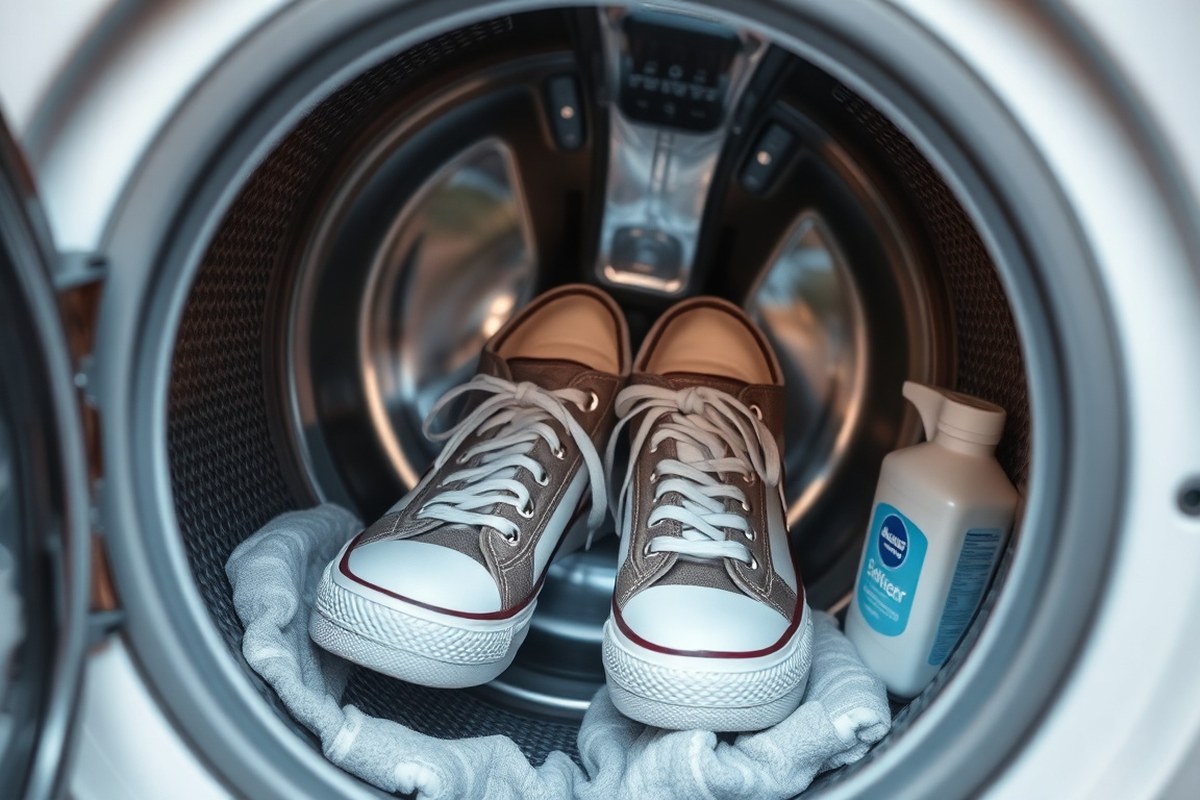
You can safely wash many shoes in a washing machine, but it depends largely on the type of shoe and its materials. Shoes made from canvas, nylon, cotton, and polyester generally hold up well in the wash. Avoid machine washing shoes that contain leather, suede, rubber, or vinyl, as water and agitation can cause permanent damage to these materials. Checking the manufacturer’s care label is key to making a safe choice.
The main rule for machine washing shoes safely is to confirm they’re made from washable fabrics and to use gentle settings. Cold water and a delicate cycle minimize heat and mechanical stress that can harm shoes. Using a small amount of mild detergent helps clean without leaving residue or affecting adhesives. You should never use fabric softener, since it can leave a film on shoes or weaken some materials.
Before washing, remove laces and insoles if possible, as these parts clean better separately and reduce tangling or damage inside the washer. Placing shoes inside a mesh shoe bag or pillowcase will protect them from banging against the drum and reduce noise. While washing shoes without a mesh bag is possible, precautions are necessary to avoid scuffs or deformation during the spin cycle.
Machine washing shoes will typically take one normal laundry cycle, about 30 to 40 minutes, using cold water. This approach saves time compared to hand cleaning and can effectively remove dirt and odors, especially on white canvas sneakers or workout shoes. However, freshly washed shoes might feel stiffer and take longer to dry properly.
Signs that machine washing wasn’t right include discoloration, peeling glue, misshapen forms, or frayed seams. These problems often occur if the settings were too harsh, water was too warm, or the shoe materials were incompatible with machine washing. Washing leather, suede, or dress shoes in a machine risks ruining them far beyond simple dirt removal.
Overall, machine washing shoes is reasonable for many types, but it requires picking the right candidates and following gentle steps carefully. It is not recommended for every pair, especially anything delicate, glued, or crafted from non-fabric materials. Washing machines save effort if used thoughtfully and with proper precautions.
Which Types of Shoes Are Safe for Machine Washing?
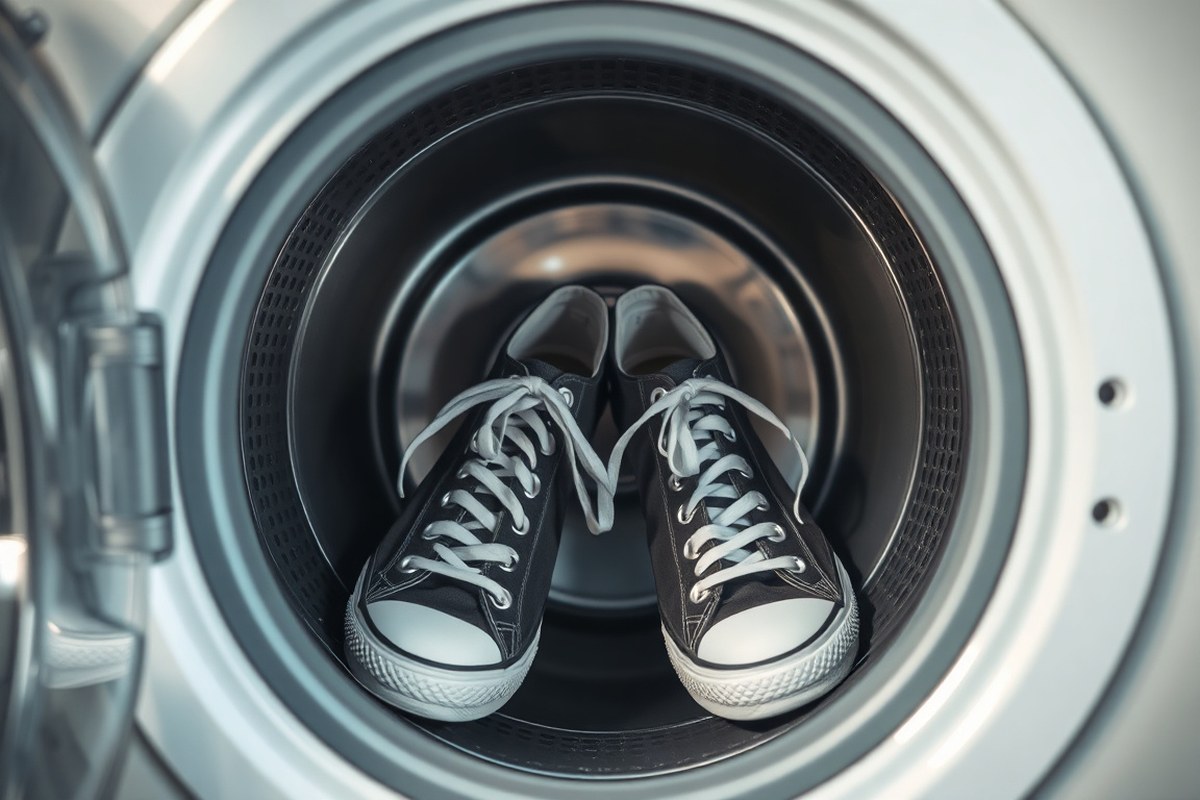
Machine washing is suitable for shoes made from durable and washable materials like canvas and synthetic fabrics. These shoes typically don’t rely on glue for their soles and lack delicate trims or coatings. Washing machines clean these shoes evenly and can restore their appearance without damaging their structure, especially when set to a delicate, cold-water cycle with minimal spinning.
In contrast, shoes that contain glued soles, especially those with foam midsoles, should never be machine washed. The agitation and water exposure can weaken the glue, causing the soles to detach. Leather and suede materials, along with shoes featuring decorative elements or delicate construction, are also poor candidates for machine cleaning. Such materials need a gentle spot-cleaning approach with appropriate brushes and cleaners to prevent permanent damage.
When assessing if a pair of shoes is safe for a machine wash, consider their upper material, sole attachment, and any embellishments. Even shoes that seem like they could resist the machine, such as those with mesh uppers, may have leather trims or glued soles that make them unsuitable for the wash cycle. Checking the manufacturer’s cleaning instructions can also provide clarity.
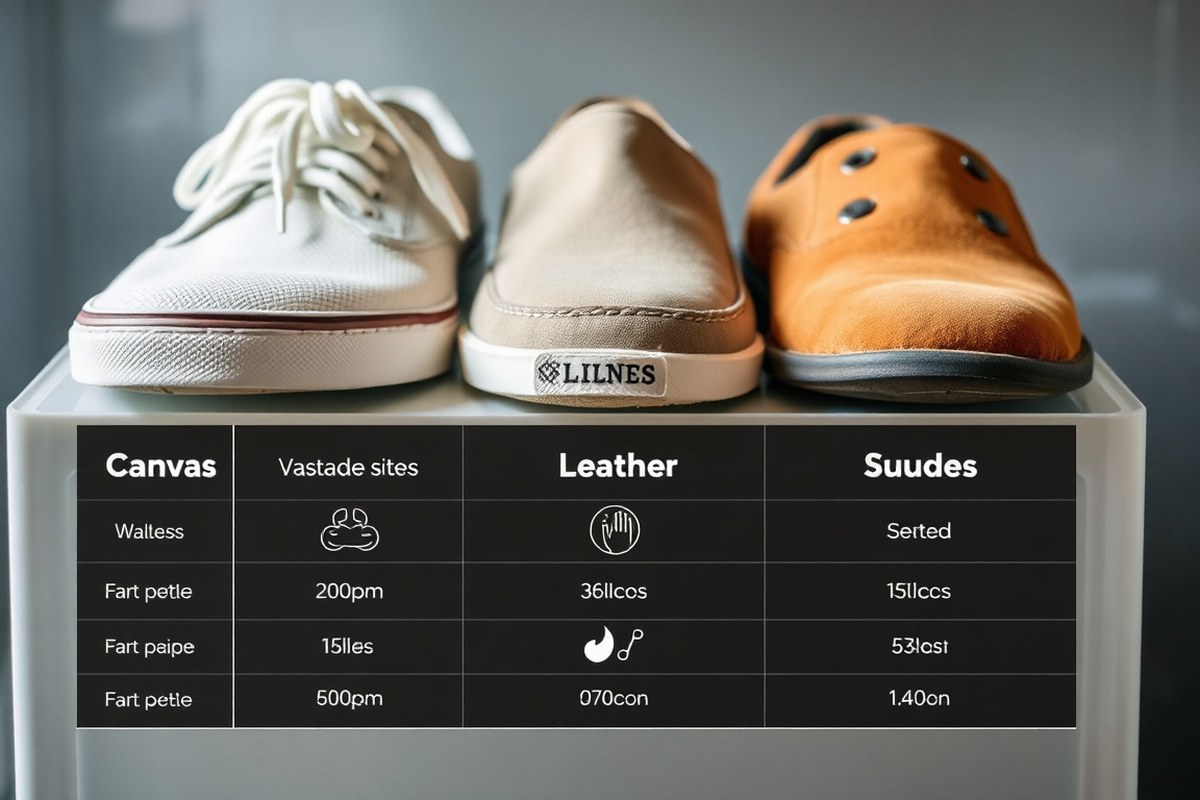
| Shoe Type | Material | Washability | Reason |
|---|---|---|---|
| Canvas Sneakers | Canvas/Fabric | Safe | Durable fabric, usually stitched soles |
| Running/Tennis Shoes | Mesh/Synthetic | Varies* | Depends on sole attachment and leather finishes |
| Leather Shoes | Genuine Leather | Unsafe | Material can crack or fade with water |
| Suede Boots | Suede/Nubuck | Unsafe | Delicate surface that water damages |
| Decorative Footwear | Various | Unsafe | Glue, embellishments can be destroyed |
| Shoes with Glued Soles | Foam/Composite Midsoles | Unsafe | Machine agitation breaks glue bonds |
* For running or tennis shoes, evaluation depends on the presence of leather finishes or glued soles. Machine washing can be safe for synthetic and mesh types without leather or heavy glue, but caution is required.
Always inspect shoes for glued soles or leather trims before machine washing, as their presence means you should avoid the washer entirely.
Using a washable mesh bag can reduce wear during the machine cycle, but it won’t make unsuitable shoes safe to wash. Taking the time to identify shoe materials and construction helps avoid costly damage and keeps your washing machine working properly over time.
How to Prepare Shoes Before Washing in the Machine
Preparing your shoes properly before washing in the machine prevents damage and promotes effective cleaning. Start by removing parts that can tangle or trap water, then clear off dirt that could clog the washer. Finally, target tough stains with gentle pre-treatment for a better wash.
Remove Laces and Insoles
Take out the laces and insoles from your shoes before washing. Laces tend to tangle and may not clean well inside the machine, while insoles can retain water and take longer to dry, risking odor and mildew. Removing them also allows you to clean each element more thoroughly.
After removing, you can wash laces separately by placing them in a mesh laundry bag or hand wash them with mild soap. Insoles can be wiped down with a damp cloth, or lightly scrubbed if dirty, but avoid soaking or machine washing them as it can cause damage.
Brush Off Loose Dirt and Debris
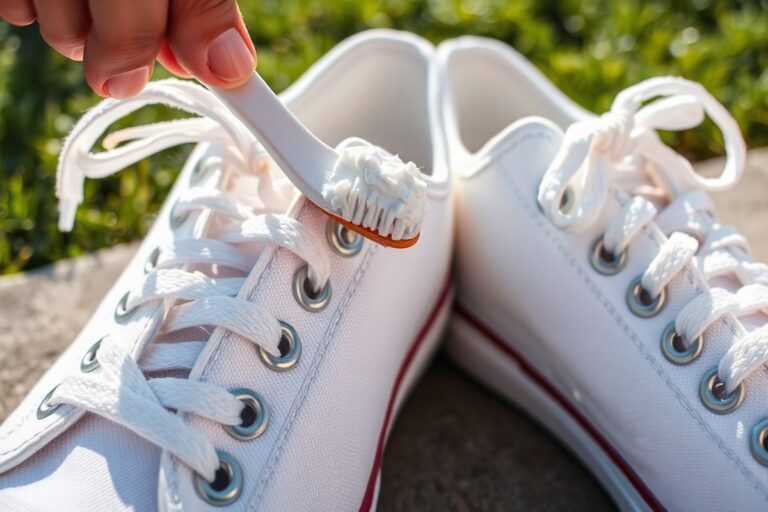
Before putting shoes in the washer, tap the soles together gently to loosen and remove any dry dirt or debris. Then use a soft brush, like an old toothbrush, to sweep away mud, sand, grass, and dust from the outsoles, seams, and crevices. Let any mud dry first to brush it off more easily without smearing.
Removing loose dirt reduces grime inside the washing machine, prevents clogging, and helps your shoes come out cleaner. Pay attention to the outsole edges and vent holes, as leftover debris can damage the machine’s working parts or cause uneven cleaning.
Pre-Treat Stains or Mud Spots
For shoes with visible stains or dried mud, pre-treat these areas to improve washing results. Use a soft brush with a small amount of gentle laundry detergent or dish soap to scrub the affected spots in a circular motion. Avoid harsh chemicals or bleach, which can weaken materials and alter colours.
Pre-treatment helps remove stubborn grime without powering up the washer’s cycle or adding extra chemicals. Focus on mud caked on soles or stains on uppers, but don’t soak the shoes, just apply enough soap to clean the surface.
- Remove the laces and insoles from your shoes.
- Tap soles together outdoors to loosen dry dirt.
- Use a soft brush to sweep away debris from soles and seams.
- Let mud spots dry completely before brushing them off.
- Apply a small amount of mild detergent to a soft brush.
- Scrub stains or mud patches gently in a circular motion.
- Rinse the brush and blot away soap residue if necessary.
- Ready the shoes for machine washing on the appropriate cycle.
Best Washing Machine Settings for Cleaning Shoes
For machine washing shoes, the best settings are a gentle or delicate cycle with cold or 30°C water, paired with a mild liquid detergent. Use the lowest spin speed available to protect your shoes, and always place them inside a mesh laundry bag or a secure alternative. Avoid washing shoes with other clothes unless they are similarly durable and placed in a laundry bag to prevent damage.
Choose Gentle or Delicate Cycle
Selecting a gentle or delicate cycle is essential to reduce the agitation and spinning intensity during the wash. These settings help keep your shoes from being tossed around too harshly, which can cause damage to seams, adhesives, and the shoe’s shape. Gentle cycles typically run slower and shorter, minimizing wear and tear from the machine’s drum. Avoid using regular or heavy-duty cycles because they can aggressively damage both your shoes and your washing machine over time.
The gentle or delicate cycle also often pairs with a reduced spin speed, which lessens the risk of waterlogging and deformation. This approach is particularly necessary for trainers or sneakers made from fabric or mesh materials that do not tolerate rough handling well.
Use Cold or 30°C Water Temperature
Cold water, or water heated up to 30°C, is best for washing shoes in a machine. Higher temperatures can weaken adhesives and cause materials to warp or shrink, especially on synthetic or glued components. Cold water helps maintain the structural integrity of shoes while still removing dirt and odors effectively. Temperatures above 30°C increase the risk of deforming or discoloring shoes, particularly those with synthetic uppers or glued sections.
Running a cold or 30°C wash also saves energy and is gentler on most shoe fabrics and trims. Avoid hot water cycles, as they often accelerate wear and material breakdown. Using cold water combined with a mild detergent still yields good cleaning results without excessive wear.
Prefer Mild Liquid Detergent and No Fabric Softener
Use only a small amount of mild liquid detergent designed for delicate washing. Avoid powdered detergents and bleach, as harsh chemicals can degrade shoe materials and adhesives. Mild liquid detergents dissolve easily in cold water, ensuring thorough but gentle cleaning without leaving residue on shoes. Detergents specifically formulated for colors or delicates can better preserve colors and textures.
Fabric softener should not be used when machine washing shoes. Softener can leave a film that affects the shoe’s breathability and cause buildup on fabrics or soles. Stick to mild detergent alone to protect your shoes’ materials and maintain their appearance over repeated washes.
Benefits of Mesh Laundry Bags or Alternatives
Placing shoes inside a mesh laundry bag prevents them from snagging on the washing machine drum or other laundry items. This protective layer absorbs some of the mechanical force during the wash, reducing damage caused by banging around. Mesh bags offer breathability and drainage, allowing water and detergent to clean effectively while keeping shoes contained.
If you don’t have a laundry mesh bag, use a tightly tied pillowcase as an alternative to keep shoes secure inside the drum. This reduces impact noise and limits shoe movement, preventing scuffing or tears. When washing shoes with laces, put both shoes and laces in the bag to avoid laces tangling or damaging internal machine parts.
A good quality laundry bag costs around $5 to $15 and lasts through many washes, proving to be a sound investment to protect both your shoes and washing machine. Always check that the bag closes securely and is large enough to hold your shoes comfortably without compressing them.
How to Dry Shoes After Machine Washing Without Damage
Drying shoes properly after machine washing is key to avoiding damage and maintaining their shape. Avoid tumble drying altogether, as it can weaken glue, warp soles, and shrink materials. Instead, air drying with support inside the shoes offers the safest results and usually takes 6 to 12 hours for canvas shoes.
Remove from Machine Immediately After Cycle Ends
Take your shoes out as soon as the washing cycle finishes to stop any excess moisture from settling in. Leaving wet shoes inside the machine can encourage mold or mildew and may cause fabrics to lose shape. Prompt removal also helps prevent any leftover detergent residue from causing stiffness.
Once out, avoid shaking them out vigorously, which might distort fragile areas. Gently tap them to remove excess water but keep the overall structure intact. Immediate removal ensures the drying process can begin efficiently and safely.
Stuff with Paper Towels or Cloths to Keep Shape
Fill cleaned shoes with dry paper towels, clean socks, or other absorbent fabrics to keep their form as they dry. This padding soaks up internal moisture and prevents the shoes from collapsing or becoming misshapen. Switch out the stuffing periodically if it becomes too damp to ensure continuous absorption.
Use plain white paper towels or cotton cloth for best results, avoiding newspaper because the ink can transfer stains. This step is essential for softer materials like canvas or mesh, where shape retention matters most.
Air Dry in Well-Ventilated, Shaded Areas
Place the shoes in a warm, ventilated spot away from direct sunlight or heat sources. Excessive heat or sunlight may cause shrinking, color fading, or cracking of glue. A temperature range between 65°F and 75°F supports steady drying without harming materials.
Depending on the shoe fabric and thickness, expect drying to take between 6 to 12 hours for common canvas types. Leather or thicker shoes can take longer, up to 24 hours. Do not use a tumble dryer, as the agitation and heat damage shoes, your clothes, and even the washing machine.
Never tumble dry shoes; this can damage glue, deform soles, and affect the washing machine’s drum.
Follow these steps to dry your shoes safely after washing:
- Remove shoes from the washing machine immediately after the cycle ends.
- Gently tap shoes to release excess water without damaging their shape.
- Stuff each shoe with dry paper towels or clean cotton cloths to keep form and absorb moisture.
- Place shoes in a well-ventilated area, avoiding direct sun or artificial heat sources.
- Rotate the stuffing inside the shoes every few hours if possible, replacing damp paper towels.
- Let shoes dry for 6 to 12 hours for canvas; thicker or leather shoes may need 24 hours.
- Check for complete dryness before wearing or storing to prevent mold and odor buildup.
Cleaning Shoes Without a Mesh Bag: What to Know
Yes, you can wash shoes without a mesh laundry bag, but it comes with some risks. The primary concern is that your shoes could knock against the washing machine drum, causing damage both to the shoes and the washer. Shoes may also snag or scratch other items in the load if not protected. Also, unbalanced loads can lead to excessive shaking or noise during the spin cycle, potentially harming your machine.
The mesh bag serves as a protective barrier that cushions the shoes and keeps them contained. Without it, you need alternative methods to prevent damage and maintain balance. A good option is to wrap each shoe carefully in towels or old pillowcases, tying the ends securely to keep them from loosening. Using a pillowcase is a recommended substitute so long as it is securely closed with a knot or drawstring to avoid shoes slipping out. Wrap the shoes tightly but not so tight that the fabric bunches up and disrupts the washer’s rotation.
To reduce the risk further, place your wrapped shoes in the center of the drum surrounded by towels. These extra towels act as buffers and help balance the load. Avoid washing other heavy or delicate items with your shoes to keep the cycle even and protect your laundry. Select a gentle cycle with cold water and a low spin speed to minimize impact inside the machine. Use a mild detergent and skip bleach or harsh chemicals, which might damage shoe materials.
Before washing, remove laces and insoles, as these parts often require separate cleaning or can degrade faster. Laces can be washed in a smaller mesh bag or tied inside a sock for containment. Insoles usually do better with hand washing to preserve shape and cushioning.
Check your shoes’ manufacturer instructions closely; if the label advises against machine washing, it is better to choose hand cleaning or spot treatment. Washing machines vary, but loads including shoes should ideally weigh no more than 5 to 7 pounds total to avoid overloading. Shoes wrapped in towels or pillowcases should be inspected after the wash for any signs of damage or deformation before wearing again.
Using these steps helps protect your shoes and washer when a mesh bag isn’t available. It costs little to no extra money since old pillowcases or towels can be reused for this purpose. The key to good results is wrapping shoes securely, balancing the load with towels, and choosing gentle wash settings. Damage arises mostly from shoes banging the drum or an unbalanced spin, so careful loading and wrapping prevent most problems.
Common Mistakes That Damage Shoes When Machine Washing
One common mistake that harms shoes in the washing machine is using high spin speeds. Fast spinning strains the shoe structure and the washing machine drum, causing deformation and possible damage to glued parts. Choose a gentle or low-speed spin cycle to reduce this risk and keep shoes intact.
Another issue is washing shoes made from delicate materials like leather, suede, rubber, or vinyl. These do not tolerate water and agitation well, leading to cracking, warping, or lost finishes. Avoid machine washing these materials altogether; opt for hand cleaning instead to preserve their condition.
Using hot water and drying shoes with high heat can cause colors to fade, dyes to run, and glue bonds to weaken or melt. Washing in cold water is safer, and air drying overnight prevents heat-related damage like shrinkage and brittle glue joints. Avoid putting shoes in a dryer or near direct heat sources.
- Not removing insoles and laces before washing can trap water and prevent thorough cleaning; always take them out first.
- Skipping a mesh laundry bag allows shoes to bang against the drum, increasing scuffing and wear; always place shoes inside a mesh bag.
- Loading the machine without towels or soft items can cause harsh impacts and damage; add a few towels to cushion the shoes.
- Using harsh detergents or bleach can weaken materials and alter colors; use mild liquid detergent designed for delicates.
- Overloading the machine limits water circulation, reducing cleaning effectiveness and increasing abrasion; wash shoes separately or with light loads.
Paying attention to these details prevents shoe shape loss and color fading. Shoes that keep their form and hue after washing typically went through a gentle cycle, cold water, and careful drying. Taking time to prepare shoes correctly and choosing the right settings preserves their longevity.
High heat and aggressive spinning often cause glue to fail, leaving shoes in pieces. Calling a licensed shoe repair specialist might be necessary if damage occurs. For best results, plan ahead and treat your shoes gently in the laundry machine.
Choosing the Right Washing Machine Type for Shoes
You can wash shoes in both top loader and front loader washing machines, but each type has its pros and cons depending on the shoe material and machine mechanics. Top loaders often have an agitator in the center that can be rough on shoes, potentially causing damage or imbalance. Front loaders use tumbling action, which tends to be gentler and better for maintaining shoe shape.
Choosing the right machine type matters because shoes need a careful cleaning cycle without harsh mechanical action. Front loaders circulate water and detergent more effectively and use less water overall. This means they clean shoes efficiently while exerting less stress on the fabric and soles. However, top loaders are still a viable option if handled carefully.
| Washing Machine Type | Pros for Washing Shoes | Cons for Washing Shoes |
|---|---|---|
| Top Loader | Usually faster wash cycles; easier to add shoes mid-cycle | Agitator can cause shoe damage; less gentle; more water used |
| Front Loader | Gentle tumbling action protects shoe shape; better water efficiency | Longer wash times; shoes may knock hard against drum |
Brand and model affect performance more through available wash settings than machine type alone. Brands like Samsung and Whirlpool often offer customizable cycles suitable for delicate items. Check your machine manual for a gentle or hand-wash cycle that keeps the water temperature around 30 to 40°F (about 86 to 104°F). This range avoids shrinking or warping shoes but still allows effective cleaning.
Before loading shoes, let them sit for 10 to 15 minutes after removing laces and insoles to air out and loosen dirt. Place shoes inside a mesh laundry bag or a pillowcase to reduce banging and use cold water. Add towels to balance the load and minimize noise. Avoid hot water and heavy detergents, which can degrade adhesives and cause colors to bleed.
Tip: Always dry shoes naturally after washing to avoid heat damage; machine dryers can warp or melt shoe materials.
If you own a top loader, avoid the agitator by opting for models without one or select the gentlest cycle. Many newer top loaders have impellers instead of agitators, which mimic front loader tumbling. This makes washing shoes safer without switching machine types. Washing shoes in any washing machine requires care to avoid damage and get clean results that last.
Step-by-Step Action Plan for Washing Shoes in a Machine
Follow these steps to safely wash your shoes in the washing machine and keep them in good shape.
- Before you start: Remove the laces and insoles. Check the shoe label to confirm machine washing is safe. This helps prevent damage and ensures a more effective clean.
- Prep time: Brush off loose dirt and debris from the shoes. Clean surfaces allow the machine to wash shoes more thoroughly.
- Load time: Place shoes in a mesh laundry bag or pillowcase to protect them and the machine. Add a few towels to balance the load and reduce impact noise.
- Set the machine: Use a gentle cycle with cold water and mild detergent. This prevents shrinking, warping, or color fading.
- After washing: Take shoes out promptly to prevent odors. Stuff them with paper towels or clean cloths to maintain shape while drying.
- Dry time: Air dry shoes away from direct heat or sunlight. This keeps materials from shrinking or cracking.
- Finishing up: Replace insoles and laces only once shoes are completely dry. Check for any damage and repeat washing only if necessary.
Frequently Asked Questions
How Do You Clean Canvas Shoes Without Damaging Them?
You can wash canvas shoes in a washing machine using a gentle cycle and cold water, but always remove loose dirt first and protect them with a mesh shoe bag to avoid damaging the fabric or seams.
Can You Wash Shoes at a Laundromat Without a Mesh Bag?
Laundromat washers can be used for shoes if you protect them with a mesh bag; otherwise, rough tumbling may cause damage or wear to your shoes or the machine.
Are Skechers Shoes Safe to Wash in a Washing Machine?
Many Skechers shoes made with synthetic or mesh uppers can be machine washed on a gentle cycle, but always check the care label first to avoid damage to any leather or glued parts.
What Should You Check Before Washing Trainers in the Machine?
Check the care label and look for glued parts or delicate stitching on the trainers; only machine wash if the materials are synthetic or fabric and no damage risk exists.
Can Washing Shoes in a Machine Affect Their Fit or Structure?
Machine washing may loosen glue or distort shape, especially in leather or structured shoes, so limit machine washing to canvas or mesh types and avoid high spin speeds.
Is It Okay to Put All Athletic Shoes in a Washing Machine?
Not all athletic shoes are machine washable; shoes with leather, suede, or vinyl details should be cleaned by hand to avoid damaging the material or construction.
Key Points to Remember
You can wash many types of shoes in a washing machine safely as long as you prepare them properly and follow the right settings. Handle your shoes gently before and after washing to avoid damage. Start by checking your shoes’ care labels today, and try the washing process with a pair that can handle gentle machine cleaning.