How to Whiten Armpits: 8 Effective Methods for Safe, Lasting Results
How to whiten armpits quickly and safely involves using gentle natural remedies or dermatologist-recommended treatments that reduce pigmentation without harsh side effects. Avoid products with aluminum fluoride and irritating chemicals that can darken skin further. This advice fits anyone wanting to lighten underarms by improving skin tone gently and effectively. You’ll learn simple methods to brighten your armpits, understand what causes dark skin there, and discover both natural and medical options that can offer lasting results with minimal risk.
Key Takeaways
- Switch to deodorants without aluminum fluoride to prevent further darkening of your armpits.
- Apply fresh aloe vera gel daily and let it dry for 15 minutes to lighten underarm skin naturally.
- Use a homemade paste with gentle exfoliants, massaged in circular motions for 5 minutes before rinsing.
- Consider dermatologist-prescribed hydroquinone creams up to 4% for more significant lightening results.
- Limit use of harsh chemical treatments like Retin-A or salicylic acid, as they offer minimal brightening effects.
- Apply skin lightening creams for 10 to 30 minutes as directed to improve pigmentation safely.
1. How to Whiten Armpits Quickly and Safely
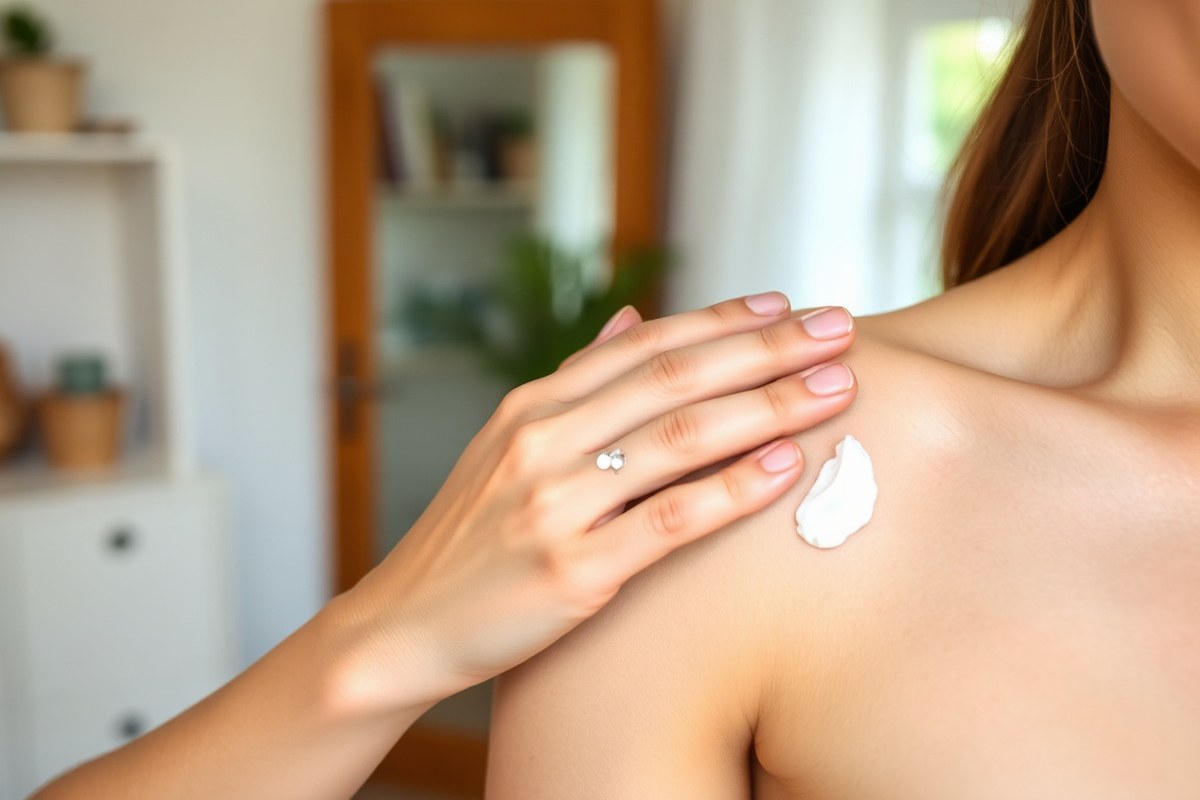
Whitening your armpits quickly and safely is possible by following a simple, gentle routine that avoids harsh scrubbing or irritating chemicals. The key is to cleanse, exfoliate, and apply brightening agents consistently while protecting your skin’s natural barrier. This approach helps remove dead skin cells, lighten pigmentation, and prevent further darkening without causing irritation or damage.
Your skin under the arms is sensitive, so using mild products and limiting treatment time prevents redness or inflammation. Whitening creams or serums with ingredients like kojic acid or vitamin E can speed results if used as directed. Natural options such as aloe vera gel or lemon juice offer gentle brightening but require daily application for several days. Avoid overuse to prevent irritation. Follow these practical steps for a quick, safe underarm whitening routine that you can repeat daily or every other day depending on your skin’s tolerance.
- Cleanse your armpits thoroughly with a mild soap or skin brightening soap. Wet your underarms and gently lather using a product like Nasola Original Kojic Acid Skin Brightening Soap to remove dirt and sweat without harsh scrubbing.
- Massage a natural or commercial whitening paste onto the armpits for 5 minutes. Use circular motions to encourage exfoliation. Ingredients like lactic acid in lemon juice or kojic acid creams can help fade dark spots. Leave on for about 15 minutes to allow absorption.
- Rinse off with lukewarm water and pat the skin dry. Avoid hot water as it can irritate sensitive skin, slowing healing and whitening.
- Apply a brightening cream or serum, such as Nasola Kojic Acid Cream or Vitamin E oil. Spread a thin, even layer onto the armpits and let it sit for 20 to 30 minutes. This nourishes skin cells and promotes a lighter tone.
- Use aloe vera gel afterward to soothe and hydrate your skin. Allow the gel to dry for 15 minutes before getting dressed. It reduces redness and prepares your skin for more treatments.
- Repeat this routine once a day or every other day for 3 to 7 days. Adjust based on how your skin reacts. If you notice irritation, reduce frequency or stop treatment.
Consistent, gentle care offers the best balance between speed and skin health. Overuse or aggressive scrubbing can cause inflammation that worsens darkening. Treatments typically cost between $10 and $30 for creams or serums and require just minutes a day, making this approach affordable and convenient for most people seeking quick results.
2. Common Causes of Dark Armpit Skin

Dark armpit skin often results from a combination of lifestyle habits and medical conditions. One of the most common causes is repeated friction and irritation, such as frequent shaving or the use of harsh chemicals found in some deodorants. Shaving can cause tiny cuts or inflammation, which triggers the skin to produce more pigment as it heals. Similarly, deodorants and antiperspirants containing strong chemicals may irritate the skin and contribute to discoloration.
Medical conditions also play a significant role in causing dark underarms. Acanthosis nigricans, a skin disorder linked to insulin resistance, diabetes, or obesity, leads to thickened, darker patches in body folds like the armpits. Hormonal imbalances, such as those caused by endocrine disorders or certain medications, can increase skin pigmentation in this area. Also, chronic bacterial infections like erythrasma may affect armpit coloration.
- Frequent shaving or waxing causing skin irritation and pigmentation changes
- Use of chemical deodorants and antiperspirants triggering inflammation
- Accumulation of dead skin cells blocking pores and darkening skin tone
- Hormonal imbalances that can increase melanin production
- Acanthosis nigricans linked to insulin resistance and obesity
- Chronic bacterial infections like erythrasma affecting the armpits
- Friction from tight clothing causing skin darkening over time
Proper hygiene and avoiding harsh shaving techniques help limit irritation and pigmentation changes. Removing dead skin cells through gentle exfoliation prevents buildup that makes the underarms appear darker. Wearing breathable fabrics can reduce friction and sweat retention. Medical evaluation is advisable if darkening persists despite lifestyle changes, especially if it’s accompanied by other symptoms like thickened or velvety skin patches.
Always perform a patch test when switching deodorants to prevent allergic reactions and further darkening of the armpits.
3. Natural Remedies That Effectively Lighten Underarms
Using natural ingredients like yogurt, turmeric, honey, lemon, cucumber, aloe vera, and rice water can help lighten dark underarms without harsh chemicals. These ingredients have mild bleaching properties or promote skin renewal, making them popular choices for underarm whitening. Proper preparation and consistent application over several weeks are essential for effective results.
Yogurt, Turmeric, and Honey Mixtures
Yogurt contains lactic acid, which gently exfoliates and brightens skin, while turmeric offers anti-inflammatory and skin-lightening effects due to curcumin. Honey adds moisture and has antibacterial properties, making this combination soothing and effective for dark underarms. Mixing these ingredients creates a mild mask that you can safely use several times a week.
To make the paste, mix 1 tablespoon of plain yogurt with ½ teaspoon of turmeric powder and 1 teaspoon of honey. Apply this thick paste evenly on clean, dry underarms and leave it on for 10 to 15 minutes before rinsing with lukewarm water.
- Clean your underarms with mild soap and pat dry.
- Combine yogurt, turmeric, and honey in a small bowl to form a smooth paste.
- Apply a thin layer of the paste to both underarms using clean fingers or a brush.
- Leave on for 10 to 15 minutes to allow absorption.
- Rinse off with lukewarm water, avoiding harsh rubbing.
- Pat the area dry gently and apply a fragrance-free moisturizer if desired.
- Repeat this process 3 times a week, avoiding use on irritated or broken skin.
Some people may experience mild staining from turmeric; using a gentle cleanser after rinsing can help remove any yellow tint. Perform a patch test first to avoid allergic reactions.
Lemon Juice and Cucumber Benefits and Precautions
Lemon juice contains citric acid, a natural bleaching agent that can lighten pigmented skin. Cucumber soothes and cools skin, reducing any irritation caused by lemon’s acidity. Using lemon juice mixed with honey or applying cucumber slices and rinsing after 10 minutes can improve underarm tone when done carefully.
To avoid skin irritation, dilute lemon juice by mixing 1 teaspoon of fresh lemon juice with ½ teaspoon of honey or water. Gently apply this mixture to clean underarms and allow it to sit for about 10 minutes. Rinse thoroughly with cool water. Alternatively, rub thin slices of cucumber on your underarms for 10 minutes before rinsing.
- Wash and dry your underarms thoroughly.
- Mix lemon juice with honey or water to reduce acidity.
- Apply the mixture evenly with a cotton ball, avoiding broken skin.
- Leave it on for 10 minutes without scrubbing.
- Rinse with cool water to close pores and soothe skin.
- Pat dry gently and apply a mild moisturizer if needed.
- Use this treatment 2 to 3 times a week, avoiding sun exposure immediately after.
Lemon juice can cause dryness or irritation, especially on sensitive skin. Limit exposure time and avoid use on freshly shaved or irritated underarms. Always perform a patch test before applying regularly.
Aloe Vera Gel and Natural Oils Use
Aloe vera gel is rich in antioxidants and has skin-calming properties that reduce pigmentation caused by irritation or shaving. Natural oils like virgin olive oil or almond oil moisturize and support skin healing while lightening gradually through improved skin texture and cell turnover.
Using fresh aloe vera gel directly from the plant or pure organic gel products, you can apply a thin layer on clean underarms twice daily. Adding a few drops of natural oils like olive or almond oil after aloe vera can improve hydration.
- Wash and dry your underarms properly.
- Apply a thin layer of aloe vera gel evenly to the affected area.
- Allow it to absorb completely, typically 10 to 15 minutes.
- Optionally, massage a few drops of natural oil into the skin afterward.
- Use this routine daily for best results.
- Store leftover aloe vera gel in the refrigerator for up to one week.
These natural products are generally safe for regular use but avoid applying on cuts or infections. Reaction to oils is rare but discontinue if irritation occurs.
Rice Water and Clay for Gentle Exfoliation
Rice water contains vitamins and minerals that can brighten and soften skin gently. Clay, such as multani mitti (Fuller’s earth), absorbs excess oil and impurities, aiding in skin renewal. Together, they provide a mild exfoliating treatment that can reduce dark patches from clogged pores or dead skin buildup.
To use rice water, soak a clean cotton pad or gauze in rice water and press it onto clean underarms until it dries. Mixing rice flour or multani mitti with a small amount of rosewater or yogurt creates a paste for exfoliating the skin twice a week without overdoing it.
- Prepare rice water by soaking ½ cup of uncooked rice in 1 cup of water for 30 minutes, then strain the liquid.
- Soak a cotton pad or gauze in the rice water and apply it on dry underarms.
- Allow it to air dry, then rinse if desired.
- To make a clay paste, mix 1 tablespoon of multani mitti or rice flour with enough rosewater or yogurt to form a thick paste.
- Apply the paste to clean underarms and leave for 10 minutes.
- Rinse off gently with lukewarm water and pat dry.
- Repeat exfoliation 1 to 2 times a week to avoid irritation.
Gentle exfoliation removes dead skin and encourages new cell growth, but overuse can cause dryness or sensitivity. Adjust frequency based on skin reaction and always moisturize afterward.
4. Chemical and Medical Treatments for Armpit Whitening
Chemical and medical treatments offer effective options for whitening dark armpits, with various prescription creams, chemical peels, and laser therapies recommended by dermatologists. These treatments typically work faster than home remedies but may carry some risk of side effects. Choosing the right method depends on your skin sensitivity, budget, and desired speed of results.
Topical Lightening Agents (Hydroquinone, Azelaic Acid)
Prescription-strength creams often contain hydroquinone, azelaic acid, or retinoids like tretinoin. Hydroquinone and azelaic acid are popular because they inhibit melanin production, making skin appear lighter over weeks of consistent use. Products combining hydroquinone with vitamin C or niacinamide may boost results.
Azelaic acid creams such as The Ordinary Azelaic Acid Suspension 10% are available over-the-counter and deliver gentle, inflammation-soothing lightening at around $12 per tube. In contrast, prescription hydroquinone creams require dermatologist supervision due to potential side effects like irritation or ochronosis, especially with prolonged use.
Chemical Exfoliants and Peels
Chemical exfoliants like glycolic acid or lactic acid in concentrations of 5, 10% help fade dark armpits by removing dead skin cells and promoting skin renewal. Chemical peels used in-office go further by applying stronger acids to resurface the skin, accelerating lightening effects.
Professional chemical peels are more intensive than daily exfoliants but typically require several sessions and recovery time. The risk includes irritation, redness, or peeling. These treatments cost more and should be done by a licensed professional to avoid skin damage.
Laser and Professional Dermatology Procedures
Laser therapy and intense pulsed light (IPL) sessions target pigmentation by breaking down melanin and stimulating collagen. These options offer quicker results than topical treatments and chemical peels but need multiple sessions spaced weeks apart. The cost can be several hundred dollars per session.
Risks of laser treatments include temporary redness, swelling, or pigmentation changes. People with darker skin tones should consult a dermatologist to choose the safest laser type. Laser therapy works best when paired with topical maintenance creams to sustain lightening. Below is a table summarizing common chemical and medical options, their typical uses, costs, and possible side effects:
| Treatment | Active Ingredients or Method | Typical Cost | Duration Until Results | Pros | Cons / Risks |
|---|---|---|---|---|---|
| Prescription Creams | Hydroquinone, tretinoin, azelaic acid | $30, 100 per tube | 4, 8 weeks | Effective; can combine ingredients | Irritation; require medical supervision |
| Over-the-Counter Azelaic Acid | Azelaic acid 10% | About $12 | 6, 12 weeks | Gentler; inflammation-soothing | Less potent; slower results |
| Chemical Peels | Glycolic or lactic acid 5-10%, stronger peels in-office | $100, 300 per session | Several weeks after multiple sessions | Stronger exfoliation; faster lightening | Recovery time; possible irritation |
| Laser / IPL Therapy | Laser or light pulses targeting melanin | $200+ per session | Few sessions over 1, 3 months | Fast results; long-lasting | Redness; pigmentation risks; requires consultation |
Choosing a treatment depends on your priorities. Use prescription creams if you want gradual improvement with relatively affordable cost, but monitor any irritation. Chemical peels repair skin more aggressively but need professional care. Laser therapy is best for faster, longer-lasting results but involves higher costs and risks, especially for darker skin. Always consult a dermatologist before starting treatments, especially those involving prescription products or in-office procedures.
5. How Long It Takes to See Results and What to Expect
Visible improvements in underarm whiteness usually take several weeks to a few months, depending on the method used and individual skin factors. Natural remedies often show mild to moderate results within 4 to 8 weeks of regular application. For chemical or medical treatments, noticeable changes may begin around 8 to 12 weeks with daily use. This timeline matters because consistent treatment is key; intermittent or rushed attempts rarely deliver lasting lightening.
Tracking progress can help you stay motivated and notice subtle changes over time. Taking weekly photos under similar lighting and conditions creates a clear record of your skin’s improvement. After 4 weeks, look for reduced darkness, smoother texture, or less uneven tone. If no change appears after 12 weeks, reassess your method or seek professional advice, as some underlying causes require medical attention.
Frequency of treatment directly impacts results. For natural remedies like milk or papaya, applying once every 15 minutes is possible but not necessary; generally, 2 to 3 times a week is enough for steady improvement. Daily use of recommended creams or prescribed products usually gives better outcomes than sporadic use. Overuse, especially of chemical treatments, can irritate skin and worsen discoloration, so following product directions is critical.
Expect gradual lightening; sudden brightening is rare and often a sign of irritation rather than genuine improvement. Good results look like a more even, lighter skin tone without redness, peeling, or discomfort. Be prepared that darker or more stubborn hyperpigmentation might take longer or need a combination of treatments. Consistency, patience, and gentle care avoid setbacks and help maintain progress.
Keep a weekly photo diary of your underarms to objectively track changes; this is a practical way to see progress that the mirror might miss.
6. Common Mistakes and How to Avoid Worsening Dark Underarms
Darkening of the underarm skin often worsens due to common mistakes in how you care for this sensitive area. One frequent error is over-exfoliating or using harsh scrubs. This can cause small abrasions and irritation, leading to inflammation that triggers increased pigmentation. Instead, exfoliate gently using mild products no more than twice a week. Avoid vigorous scrubbing and use soft cloths or gentle chemical exfoliants formulated for sensitive skin.
Shaving is another routine that can contribute to darkening if not done carefully. Razors can irritate or nick the skin, causing inflammation as the area heals. To reduce this risk, switch to waxing or laser hair removal, which usually cause less irritation. When you prefer shaving, use a sharp, clean razor, shave in the direction of hair growth, and apply a soothing shaving cream or gel. After shaving, apply a fragrance-free moisturizer to calm the skin.
Some deodorants and antiperspirants contain harsh chemicals or alcohol that irritate the delicate underarm skin. This irritation can lead to dark patches over time. Choosing mild, alcohol-free deodorants designed for sensitive skin or uneven tone helps prevent this reaction. Test a new product on a small patch before regular use to catch any sensitivity early. Should redness or itching occur, stop using the product immediately.
- Wear loose, breathable clothing to reduce friction and sweating.
- Limit exfoliation to 1-2 times per week with gentle methods.
- Use waxing or laser hair removal to avoid razor-related irritation.
- Shave with care: sharp razor, shaving cream, follow hair growth direction.
- Use fragrance-free, alcohol-free deodorants for sensitive skin.
- Apply soothing moisturizers after hair removal or deodorant use.
- Avoid scratching or rubbing the underarms aggressively.
Wearing tight clothing increases friction and sweating, which can darken the skin, so choose fabrics that breathe and fit comfortably. These adjustments usually take just a moment to make and cost little to nothing, but they have a significant impact over weeks of consistent practice. Look for improvements like less redness, fewer dark spots, and more even skin tone. When irritation or darkening worsens despite making these changes, a professional evaluation can help identify hidden causes and suggest safer treatments.
7. Tips to Prevent Darkening After Whitening Treatments
Maintaining lighter underarms after whitening treatments requires consistent care and mindful lifestyle choices. The skin in the underarm area is sensitive and prone to darkening due to friction, sweat, and product buildup. To keep your underarms bright, start with a daily hygiene routine that prevents bacteria and excess oils from accumulating. Since bacteria can worsen pigmentation, applying a natural antiseptic like coconut oil can help keep the area clean and soothe irritation.
Exfoliation plays a key role in long-term maintenance. Gently exfoliate your underarms 2-3 times a week using a mild body scrub or a soft exfoliating glove. This removes dead skin cells that cause dullness and dark patches. Avoid excessive scrubbing as that can cause irritation and worsen discoloration. After exfoliation, moisturize the area to keep the skin soft and reduce friction that can darken the skin over time.
Choosing the right deodorant is important. Avoid deodorants with harsh chemicals, alcohol, or strong fragrances, which may irritate the skin and encourage darkening. Instead, look for gentle, hypoallergenic formulas or natural deodorants without aluminum compounds. Consider skipping deodorant if you use home whitening treatments applied directly to the skin, as some ingredients can react with deodorant chemicals.
Clothing choices also impact underarm skin health. Wear loose, breathable fabrics like cotton to reduce sweat buildup and friction. Tight or synthetic clothes can cause chafing and irritation, leading to pigmentation. After sweating, rinse or gently cleanse your underarms as soon as possible to minimize bacterial growth and prevent staining.
- Apply coconut oil daily to inhibit bacteria and soothe underarm skin.
- Exfoliate gently 2-3 times per week to remove dead skin without causing irritation.
- Use mild, fragrance-free deodorants without alcohol or aluminum.
- Wear breathable cotton clothes to reduce sweat and friction.
- Cleanse underarms promptly after sweating to prevent buildup.
- Consider in-office treatments like laser or Botox if sweating is excessive.
- Avoid shaving irritation by using sharp razors and moisturizing afterward.
Long-term upkeep also depends on controlling underlying causes such as sweating. Severe sweating can worsen pigmentation by causing irritation and bacterial growth. In such cases, professional options like Botox injections can reduce sweating and help maintain lighter skin. Laser treatments may also reduce existing pigmentation and prevent further darkening.
The time and cost of daily care vary by your chosen products and time spent on exfoliation and moisturizing. Coconut oil, for instance, is inexpensive and widely available, costing around $6 to $10 per 14-ounce jar. Gentle natural deodorants can range from $5 to $15. Exfoliating products or brushes used 2-3 times per week are an inexpensive investment in preventing recurrence of dark patches. Signs of good results include a gradual, noticeable brightening of skin tone and less irritation or dark spot return over weeks to months. Watch for redness, itching, or discomfort as signals to reduce frequency or change products.
8. When to Consult a Dermatologist for Dark Underarms
It’s time to consult a dermatologist if your dark underarms come with unusual symptoms or sudden changes that could indicate a medical issue. Seeking professional advice ensures you get a proper diagnosis and safe treatment tailored to your specific condition. Early consultation helps avoid complications and find effective solutions beyond over-the-counter or home remedies.
Signs of Underlying Medical Conditions
Darkening of the underarm skin can sometimes signal an underlying medical condition that requires a doctor’s evaluation. Noticeable changes such as sudden dark patches appearing in your armpits or other parts of your skin, persistent discoloration despite home treatments, or darkening accompanied by thickened or velvety skin texture might indicate conditions like acanthosis nigricans. This condition often associates with insulin resistance, diabetes, or hormonal imbalances. Immediate medical attention is necessary if you develop these signs to get diagnosed and begin appropriate treatment.
Another warning sign includes unexplained or rapidly progressing dark areas, especially if they come with symptoms such as itching, pain, or a burning sensation. These could point to skin disorders or systemic illnesses that need professional intervention. Waiting to see if the darkness fades on its own or responds to topical creams might delay important care.
Allergic Reactions and Infections
Redness, swelling, irritation, or a rash around your darkened underarms can indicate allergic reactions or infections rather than simple pigmentation issues. Allergies to deodorants, shaving products, or detergents often cause these symptoms. Fungal or bacterial infections can also produce discoloration along with tenderness and odor. Persistent symptoms lasting more than a few days warrant a visit to a dermatologist for proper diagnosis.
Professional evaluation helps determine whether you need prescription antifungal medications, antibiotics, or corticosteroid creams instead of home remedies. Using the wrong treatment on infected skin might worsen irritation or cause side effects. Always consult before applying new treatments if you experience discomfort beyond mild dryness or darkening.
Professional Treatment Options and Referrals
A dermatologist can offer treatments unavailable over the counter, such as customized prescription creams with ingredients like hydroquinone, tretinoin, or corticosteroids, which help reduce pigmentation safely under supervision. They may also recommend chemical peels, laser therapy, or microdermabrasion tailored to your skin type and condition severity. These options need professional guidance to avoid burns, scarring, or uneven lightening.
Your doctor might refer you to an endocrinologist if tests show hormonal imbalances or insulin resistance behind your dark underarms. Some cases require managing diabetes or thyroid conditions to improve skin appearance. Professional treatment usually involves an initial consultation costing between $100 and $300, with follow-up sessions depending on the therapy chosen. Effective results often take several weeks to a few months and require adherence to the prescribed regimen.
Visit your dermatologist promptly if you observe sudden dark underarm patches or if discoloration is accompanied by pain, itching, or swelling to prevent serious complications.
Step-by-Step Action Plan to Whiten Your Armpits
Follow these steps to start lightening your underarms safely and effectively. Monitor your skin regularly to track changes and adjust as needed.
- Before You Start: Stop using deodorants or products that irritate your skin. Check for underlying issues like shaving irritation or infections to prevent worsening discoloration.
- Day 1: Begin a gentle cleansing routine with a mild soap or cleanser twice daily to keep the underarm area clean and soothe irritation.
- Week 1: Apply a natural remedy such as aloe vera gel or diluted lemon juice every other day. Watch for any redness or sensitivity; stop if irritation occurs.
- Week 2: Introduce a gentle exfoliation 1 to 2 times per week using a soft scrub or a washcloth to remove dead skin cells without damaging skin.
- Week 3: Consider using an over-the-counter cream containing safe whitening agents like niacinamide. Use as directed and note any lightening effect after two weeks.
- Week 4: Maintain moisturizing daily to prevent dryness and further darkening. Choose fragrance-free, hypoallergenic lotions.
- After 6 Weeks: Evaluate your skin’s appearance. If there is no improvement or skin irritation occurs, pause treatments and consult a dermatologist for tailored options.
Frequently Asked Questions
Can Deodorants Cause Darkening of the Armpits?
Yes, many deodorants contain aluminum compounds which may contribute to darkening. Try switching to an aluminum-free deodorant to reduce this risk.
Is Shaving Responsible for Dark Underarms?
Frequent shaving can irritate and darken the skin due to friction and micro-cuts. Consider gentle hair removal methods or less frequent shaving.
Can Diet Affect Armpit Skin Color?
Poor diet or obesity linked to conditions like acanthosis nigricans can darken skin. Maintaining a balanced diet supports skin health.
Do Natural Acids in Foods Help Lighten Underarms?
Yes, lactic acid in milk exfoliates and nourishes skin to reduce dark spots. Regular application can gradually lighten the area.
Is It Safe to Use Kojic Acid Products on Armpits?
Kojic acid products can lighten skin but may cause sensitivity; test on a small area first. Follow product instructions carefully.
How Should I Prepare My Skin Before Applying Whitening Treatments?
Cleanse and exfoliate the area gently to remove dead skin cells for better absorption. Avoid applying on broken skin.
Before You Go
Lightening dark underarms takes patience and gentle care. Protecting the skin from further irritation and using mild whitening methods helps achieve the best results over time. Begin with simple, safe steps today and consult a professional if your condition persists or worsens.