How to Whiten Sheets: 8 Proven Methods for Bright, Fresh Bedding
To whiten sheets effectively, avoid chlorine bleach since it can worsen yellowing over time. Instead, soak yellowed sheets in oxygen bleach and warm water for 1-2 hours, then wash normally. You can also try hydrogen peroxide or lemon solutions for safe whitening without damaging fabrics.
This advice is for anyone wanting to restore brightness to white bedsheets, whether you’re a homeowner or renter. You’ll find proven methods that remove yellowing and stains, select the best whitening agents, and maintain fresh, bright bedding over time.
Key Takeaways
- Skip chlorine bleach to prevent yellowing; use oxygen bleach (sodium percarbonate) for safe and effective whitening.
- Pre-soak yellowed sheets in warm oxygen bleach solution for 1-2 hours before washing for best results.
- Apply a 3% hydrogen peroxide solution to whiten most types of white sheets safely.
- Use lemon juice or borax soaking methods as natural alternatives to brighten sheets.
- Pre-soak sheets in warm water and white vinegar (1 cup per gallon) for 30 minutes to reduce dinginess.
- For stubborn yellowing, soak sheets up to 6 hours in whitening solutions, always fully submerging them.
1. Best Methods to Safely Whiten Yellowed Sheets

Yellowing on white sheets usually comes from sweat, body oils, or residue buildup from detergents. Using harsh chlorine bleach might seem like a quick fix, but it often worsens yellowing and damages fabric over time. Oxygen bleach (sodium percarbonate) offers a safer and effective alternative that preserves the strength of your sheets while brightening them. Warm water aids this process by activating the oxygen bleach without risking fabric shrinking or weakening that can happen with very hot water.
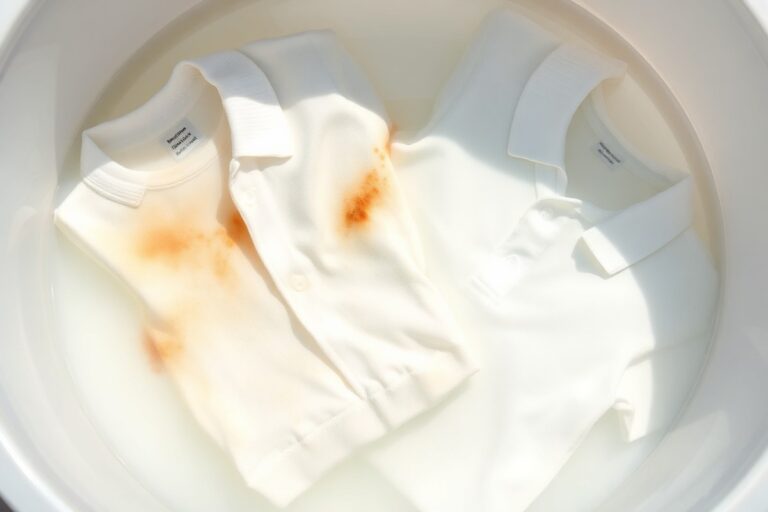
Soaking is a key step to break down the yellowing before washing. Aim to soak your sheets fully submerged in a warm water and oxygen bleach mixture for at least 1 to 2 hours. For heavier discoloration, soaking up to 6 hours or overnight is possible but test fabric strength first. Avoid harsh chlorine or liquid bleaches during the wash cycle as they might damage the fabric and worsen yellowing. Here is a step-by-step process to safely whiten yellowed sheets with oxygen bleach, backed by best practices:
- Fill a large basin or bathtub with warm water between 90°F and 110°F. Water hotter than 120°F can shrink or damage some fabrics, especially blends or delicates.
- Add oxygen bleach powder according to package instructions, generally around 1/4 cup per gallon of water.
- Submerge your sheets fully, ensuring no dry spots remain exposed to prevent uneven whitening.
- Soak for 1 to 2 hours. For stubborn yellowing, extend soaking to up to 6 hours, checking fabric response periodically.
- Transfer sheets to your washing machine. Wash on a normal cycle with your regular detergent, but do not add chlorine bleach or fabric softeners.
- Use the warmest water safe for your fabric, typically 90°F to 110°F for cotton and cotton blends.
- Remove sheets promptly after washing and line dry in sunlight if possible. Sunlight improve natural whitening while freshening fabrics without chemicals.
- Store sheets properly once completely dry to avoid new yellowing or odors.
Do’s and Don’ts checklist:
- Do choose oxygen bleach for regular whitening, it’s gentler and longer lasting.
- Don’t use chlorine bleach repeatedly; it weakens cotton fibers and sets yellow stains.
- Do soak sheets at least 1 hour before washing for best stain removal.
- Don’t use boiling water; stick to warm to preserve fabric integrity.
- Do avoid fabric softeners that can leave dull residue.
- Don’t let sheets air dry in damp conditions that promote yellowing or mildew.
- Do line dry in sunlight to boost whitening naturally.
2. Choosing the Right Whitening Agents for Your Sheets

Choosing the right whitening agent depends on your sheet material and how dingy they have become. Baking soda is a natural, gentle option that brightens fabrics, removes odors, and softens sheets. Add ½ cup into your washing machine drum with your detergent. Hydrogen peroxide at a 3% solution is stronger and safe for most cotton sheets; mix it with baking soda for pretreating yellowed areas and use it in the first wash cycle. Lemon juice is effective due to its natural acidity but should be avoided on silk or delicate fabrics; use about ½ cup diluted in hot water for pre-soaking.
Borax acts as a laundry booster, improving whiteness and removing stains by adding ½ cup to a gallon of water and soaking the sheets. Liquid bluing works differently by depositing a slight blue tint that counteracts yellow tones; dilute a teaspoon in a gallon of water and use cautiously, ensuring not to overdose, which can stain fabrics. Oxygen bleach is a reliable, non-chlorine option safe for cotton and blends. It typically comes as sodium percarbonate powder and can be added with your detergent to the wash.
Combining agents can improve whitening but requires caution. Using baking soda with hydrogen peroxide can help pretreat or boost wash cycles, but avoid mixing vinegar with peroxide directly as it may reduce effectiveness. Natural agents like baking soda, lemon juice, or vinegar generally are safe on cotton and polyester blends but not on delicate fabrics like silk. Oxygen bleach suits most cotton and linen, while liquid bluing is better for white cotton only.
| Whitening Agent | Directions / Usage | Effectiveness Rating | Safety Notes |
|---|---|---|---|
| Baking Soda | Add ½ cup to washing machine drum with detergent | Good for brightening and softening | Safe for cotton, blends, gentle on fabric |
| Hydrogen Peroxide (3%) | Use in first wash cycle; can mix with baking soda for pretreat | Strong stain remover and whitener | Safe for cotton and most sheets, avoid delicate fabrics |
| Lemon Juice | Add ½ cup to hot water pre-soak or wash | Moderate, also controls odors | Not for silk or delicate sheets |
| Borax | Soak sheets in ½ cup per gallon of water | Effective laundry booster | Safe on cotton, avoid direct contact with skin |
| Liquid Bluing | Dilute 1 tsp in gallon of water; use sparingly | Good for offsetting yellowness | Use only on white cotton; can stain if overused |
| Oxygen Bleach | Add according to package with detergent during wash | Highly effective on yellowed sheets | Safe for cotton and blends; avoid silk and wool |
Each whitening agent has a distinct role. Baking soda excels at odor control plus whitening and softening. Hydrogen peroxide is more powerful for stains and general brightening but must be used with care to prevent fabric damage. Lemon juice adds natural acid whitening but is less stable than other agents. Borax is a good additive for improving cleaning power. Liquid bluing offers cosmetic correction of yellowing rather than true cleaning. Oxygen bleach is a core whitening agent for cotton and blends, providing strong brightening without the harshness of chlorine bleach.
Do not mix hydrogen peroxide and vinegar directly; their chemical reaction can negate whitening effects and create harmful fumes.
3. How to Pre-Soak Sheets for Maximum Whitening Effectiveness
Pre-soaking white sheets improve whitening by allowing agents to target stains deeply before washing. Use warm to hot water, appropriate whitening solutions, and tailor soak times based on fabric and yellowing severity. Avoid skipping this step when dealing with moderate to heavy yellowing, as it prepares sheets for more effective cleaning.
Recommended Soaking Solutions and Measurements
Choose a pre-soak solution that matches your whitening needs and what you have on hand. Baking soda, borax, and bleach diluted in water are common household options. Each solution should be measured precisely for safety and effectiveness. For every gallon of water, add about ½ cup of one whitening agent. Here are some standard pre-soak recipes:
- Baking soda solution: 1 cup baking soda in a tub filled with warm water (approximately 2 to 3 gallons).
- Borax solution: Dissolve ½ cup borax in hot water (1 gallon recommended).
- Bleach solution: Add ¼ to ½ cup chlorine bleach to cold water (1 gallon). Use with caution and only for bleach-safe fabrics.
Always add the whitening agent to the water before submerging sheets to ensure even distribution. Avoid mixing multiple strong agents together, as this can cause fabric damage or produce harmful fumes.
Ideal Water Temperatures per Fabric Type
Water temperature affects how well whitening agents work and how safe the treatment is for your sheets. Hot water activates most whitening agents better but may damage delicate fabrics.
- Cotton sheets: Use the hottest water safe according to the care label, often between 130°F and 140°F. Cotton fibers tolerate heat well and benefit from hot water soaking.
- Polyester or cotton blends: Use warm water around 90°F to 110°F to avoid fiber damage while still activating whitening agents.
- Delicate fabrics (silk, linen): Use cool to lukewarm water (below 85°F) with milder whitener options, avoiding bleach entirely.
Always check your sheets’ care label first and never exceed the recommended temperature to avoid shrinking or weakening fabric.
Pre-Soak Durations for Different Stain Levels
The soak duration depends on how yellowed or stained your sheets are. Pre-soaking long enough allows whitening agents to break down discoloration without causing damage. Recommended soak times:
- Mild yellowing or fresh stains: 5 to 10 minutes can help target minor discoloration before a wash cycle.
- Moderate yellowing: Soak for at least 90 minutes. This duration gives whitening agents time to penetrate and start lifting stains.
- Heavy yellowing or old stains: Soak overnight, up to 8 hours or slightly longer if fabric allows. Do not exceed 12 hours to prevent fiber damage or residue buildup.
Too short a soak limits whitening effectiveness. Too long can weaken fabric or leave residues that dull whiteness. Follow these steps for effective pre-soaking:
- Sort sheets by fabric type and yellowing severity.
- Fill a basin, tub, or sink with warm to hot water at the temperature appropriate for your sheets.
- Add the recommended amount of whitening agent for the water volume (typically ½ cup per gallon).
- Stir the water to dissolve and distribute the whitening solution evenly.
- Fully submerge the sheets, ensuring no air pockets, for maximum contact with the solution.
- Let the sheets soak for the time matched to their staining level, avoiding too short or too long durations.
- After soaking, proceed to wash the sheets as usual, using the warmest water safe for the fabric.
4. Removing Stubborn Stains on White Sheets
Effectively removing stubborn stains such as blood, sweat, and oils from white sheets requires immediate attention and the right combination of pre-treatment and whitening agents. Treating these stains before washing prevents permanent discoloration and helps restore your sheets’ bright white look. The process involves identifying the stain type, applying a suitable pre-treatment, and washing with effective whitening agents at the correct temperature.
Recognizing and Pre-Treating Common Stains
Blood stains demand quick action because the proteins in blood can set quickly in fabric when exposed to heat. Rinse the stained area under cold water as soon as possible to remove excess blood. Avoid hot water, which can cook the proteins in the blood and worsen the stain. For sweat and body oil stains, pre-soaking is important because these buildup over time and oxidize, causing yellow patches, especially near the head and body contact areas.
Before washing, gently rub a stain remover or a paste made of baking soda and water onto the stain. Let it sit for 15 to 30 minutes to break down the stain components. This step softens the stain, making whitening agents more effective during the wash cycle.
Step-by-Step Pre-Treatment and Washing Sequence
- Identify the stain type, blood, sweat, or oil-based.
- Rinse blood stains immediately under cold water.
- Apply a pre-treatment solution suitable for the stain: enzyme-based remover for protein stains, baking soda paste for sweat and oils.
- Allow pre-treatment to work for 15, 30 minutes.
- To remove tough stains from your sheets, soak them in a solution made from white vinegar and water for a minimum of one hour or leave them to sit overnight.
- Wash sheets in hot water (around 140°F) if fabric care allows, using a detergent that contains oxygen-based bleach.
- Dry sheets in sunlight if possible, as UV rays further bleach and disinfect.
Following this sequence consistently prevents stains from setting and maximizes whitening results.
Whitening Agents for Specific Stain Types
Choosing the right whitening agent is key to removing particular stains without damaging fabric. For blood stains, enzyme-based stain removers work best because enzymes break down protein molecules. Avoid chlorine bleach on these stains because it can react poorly with proteins and create discoloration.
Sweat and body oils respond well to oxygen-based bleach or soaking in a solution of white vinegar and water. Vinegar acts as a mild acid, helping to dissolve mineral deposits and oxidized oils. Baking soda also helps neutralize odors and brighten fibers when used as a pre-soak or laundry booster.
Oil-based stains like lotions or cosmetics require gentle pretreatment with dish soap or a detergent that cuts grease before whitening. Harsh chemicals or strong bleach could damage fibers or produce uneven brightening.
Practical Tips to Improve Pre-Treatment and Whitening
Improve stain removal and whitening by following these practical steps:
- Wash white sheets weekly to prevent sweat and oils from settling into fibers.
- Pre-soak sheets in whitening solutions overnight for stubborn stains.
- Use cold water for rinsing stains initially; switch to warm or hot water only after pre-treatment.
- Test whitening agents on a hidden fabric area to avoid damage.
- Combine baking soda and vinegar in separate steps rather than mixing, as they neutralize each other.
- Avoid overdosing detergent to prevent residue buildup that dulls whiteness.
- Air-dry in direct sunlight when possible to naturally brighten sheets.
Following these tips supports more efficient stain removal and keeps white sheets looking fresh longer.
Managing Challenges and Avoiding Common Mistakes
Stubborn stains can become permanent if left untreated or exposed to heat too early. Using hot water on fresh blood stains or washing without pre-treatment often causes stains to set. Excessive use of chlorine bleach on protein-based stains may cause yellowing or fabric weakening.
Body oils and sweat accumulate slowly; ignoring them lets yellowing develop deep within fibers. Proper pre-soaking and using gentle whitening agents like white vinegar or oxygen bleach limit damage while whitening. Remember, fabric care labels should guide washing temperatures and bleaching options to maintain sheet quality.
5. How Hotels Keep Their Sheets Brilliantly White
Hotels keep their sheets brilliantly white by using industrial-grade laundry machines and powerful cleaning products that operate at higher temperatures and concentrations than typical home laundry setups. Commercial washing machines run water at about 180°F or hotter, a temperature most home washers cannot reach. This high heat helps break down oils, dirt, and stains more effectively. Hotels also rely on professional detergents formulated to work under these hot conditions, often combined with oxygen-based whitening agents or chlorine bleach to maintain brightness without damaging fabric.
Professional-grade detergents contain stronger surfactants and enzymes that remove a wide range of stains while keeping fabrics crisp. Oxygen bleach systems are common in hotel laundries because they can whiten sheets gently and avoid the yellowing sometimes caused by chlorine bleach. These systems release active oxygen to lift stains and brighten white linens without harsh chemical residues. Hotels may also pre-soak or use continuous wash cycles that provide longer and more thorough exposure to cleaning agents.
At home, replicating hotel laundry conditions requires adjustments. Your washer may not reach 180°F, but setting the water temperature to its hottest option (usually between 120°F and 140°F) will help. Use detergents with oxygen-based whitening boosters like OxiClean, which imitate the professional oxygen bleach used in hotels. Avoid mixing your white sheets with colored items, as any bleeding dye can dull whiteness. You can also pre-soak sheets in a mix of hot water and an oxygen cleaner for 30 minutes before washing to improve stain removal.
Using chlorine bleach at home can be risky because overuse or high concentrations cause fabric weakening and yellowing over time. Instead, oxygen bleach offers a safer alternative that provides good whitening results with less damage. Adding half a cup of white vinegar during the rinse cycle can help neutralize detergent residues and brighten fabric fibers, similar to professional rinse aids hotels might use. Dry your sheets in bright sunlight when possible to boost whitening naturally through UV rays.
Run your washing machine’s hottest cycle and add an oxygen-based whitener to mimic hotel laundry’s stain-fighting power without harsh chemicals.
Costs vary depending on your detergent and whitener choice but expect to spend $10 to $20 for a good oxygen-based cleaner that lasts multiple loads. While your home washer cannot exactly match hotel equipment, following their methods closely results in much whiter sheets. Hot water, strong detergents, safe whitening agents, and proper rinsing are the core elements. Lack of high temperature or skipping whitening boosters often leads to duller sheets. Adjust these variables based on fabric type, using gentler options like vinegar on delicate sheets.
6. Sunlight and Drying Techniques to improve Whitening
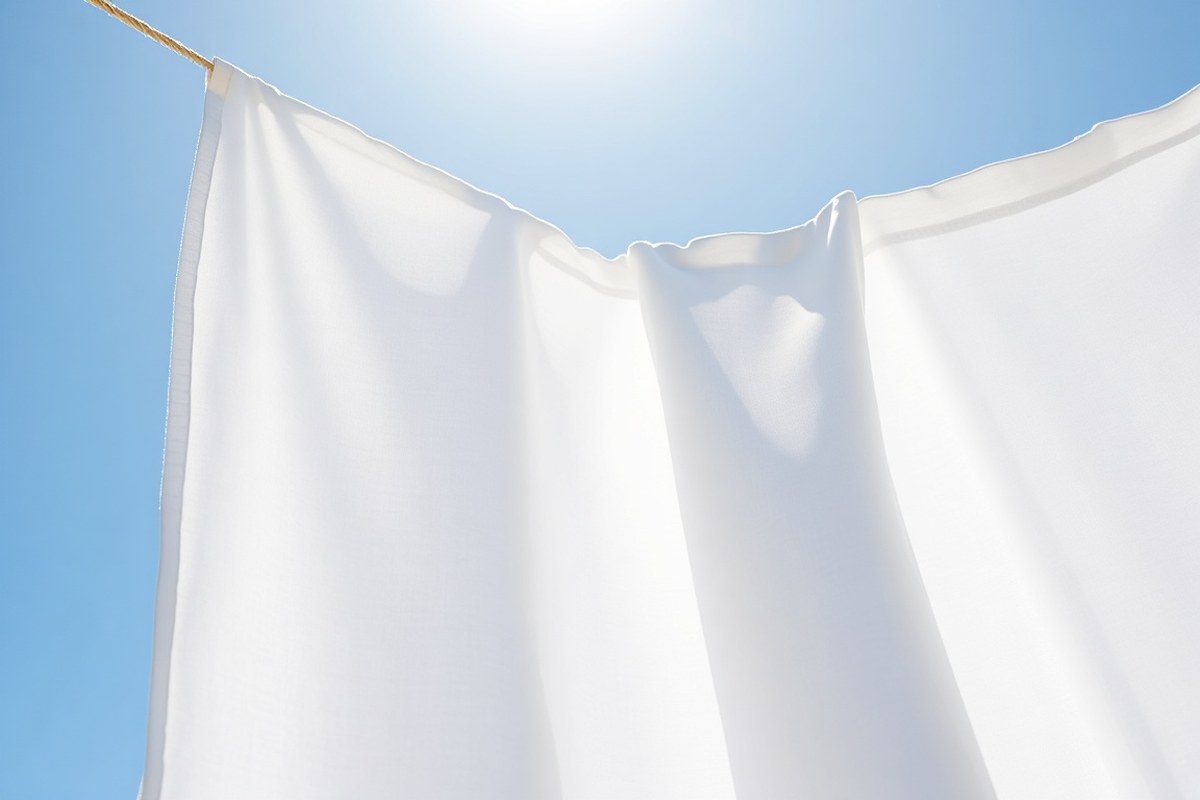
Sunlight can naturally whiten your sheets by breaking down stain molecules with ultraviolet (UV) rays, but timing is key to prevent fabric damage. Aim for 2 to 4 hours of direct sunlight exposure, preferably during morning hours when UV intensity is effective yet gentle. Use careful drying techniques to keep your sheets bright without weakening the fibers.
How UV Rays Whiten Fabric Fibers
Ultraviolet light from the sun acts as a natural bleaching agent that breaks down yellowing compounds and organic stains like body oils and sweat trapped in sheet fibers. This process occurs as UV rays disrupt the chemical bonds in these molecules, causing them to fade and restoring whiteness without harsh chemicals.
Because UV light targets the compounds causing discoloration rather than the fabric itself, sunlight whitening is gentler on cotton and linen, helping maintain softness and strength. Direct exposure to sunlight also leaves sheets smelling fresh, adding another benefit beyond whitening.
Safe Sunlight Exposure Time for Sheets
Overexposure to UV rays can weaken the fibers, causing thinning or brittleness. The safe exposure window is generally 2 to 4 hours of direct sunlight. Hanging sheets early in the morning, when UV levels are strong enough for whitening but less intense than midday, maximizes effectiveness while protecting fabric integrity.
Dry sheets completely within this time frame. Avoid leaving them too long in very strong afternoon sun or extreme heat, especially if your sheets have delicate fibers or finish. Partial drying indoors before sun exposure helps reduce stress on textiles.
Alternatives to Sun Drying
When weather or time constraints limit sun drying, machine drying can preserve whiteness with proper settings. Use a low heat or air-dry cycle to avoid heat damage. Removing sheets promptly prevents wrinkles and preserves brightness.
Drying sheets indoors on a drying rack in a well-ventilated area can also work between washes but won’t provide the whitening benefits sunlight offers. Combining air drying with occasional natural sun time remains best for maintaining white sheets. Follow these steps for the best results in whitening and drying your sheets naturally:
- Wash your sheets thoroughly using gentle detergents suited for whites.
- Remove sheets from the washer promptly to avoid setting wrinkles or stains.
- Partially air dry or spin dry sheets to reduce moisture before the sun exposure.
- Hang sheets outdoors early in the morning in a location with full direct sunlight exposure.
- Allow sheets to dry in the sun for 2 to 4 hours, turning them occasionally for even drying.
- Bring sheets inside once completely dry to avoid overexposure and UV damage.
- If sun is unavailable, dry sheets in a tumble dryer on low heat or hang indoors with good airflow to prevent mustiness.
7. Routine Care and Storage to Keep White Sheets Bright
Washing your white sheets every one to two weeks is the best way to keep them bright and fresh. This schedule prevents body oils, sweat, and dirt from building up, which are the main causes of yellowing. Avoid overwashing, as it can wear down fabric fibers and cause fading over time. Always wash sheets separately from colored laundry to prevent dye transfer that dulls whiteness.
Use a high-quality detergent formulated for whites, but do not overuse it. An average load requires about two tablespoons of detergent. Excess detergent can leave residue that traps grime and yellows sheets faster. Consider adding a whitening booster like oxygen-based bleach to your wash if your sheets look dull. Use warm water between 90°F and 110°F unless the care label specifies cooler. This temperature range helps remove oils without shrinking fabrics.
Storing sheets correctly extends their bright appearance. Never fold or put away sheets while damp, as trapped moisture encourages mildew and discoloration. Store sheets in a dry, cool place away from direct sunlight, which can yellow fabric over time. Use breathable cotton storage bags or pillowcases instead of plastic, which locks in moisture.
- Wash sheets every 7-14 days to prevent buildup of oils and dirt
- Use two tablespoons of detergent per load; avoid excess amounts
- Wash whites separately to avoid color transfer
- Dry sheets thoroughly before storing to prevent mildew and yellowing
- Store in breathable fabric bags in a cool, dark, dry area
- Immediately treat stains to stop permanent discoloration
- Avoid using bleach too frequently as it weakens fibers and causes yellowing
You can maintain whiteness by following this weekly washing and storage checklist. Check linens for stains right before washing and treat them promptly. Using a mattress or pillow protector limits sweat and oils seeping into your sheets, cutting down the frequency of whitening treatments needed. Avoid common errors like leaving damp sheets in the washer, mixing whites with colors, or using harsh detergents repeatedly. These mistakes are often why white sheets lose their brightness prematurely.
8. Fabric Types and Special Considerations for Whitening Sheets
Fabric type significantly influences how you should whiten your sheets. Cotton, especially 100% cotton, is the most durable and can withstand higher water temperatures, around 130-140°F, and more aggressive whitening agents. These sheets tolerate extended wash cycles, which help tackle heavier yellowing without damage. Using hot water and safe bleaching options, like oxygen-based whiteners, on cotton can restore brightness and maintain fabric strength over time.
Synthetic blends, microfiber, linen, and delicate fabrics like silk require a gentler approach. These materials can weaken or discolor if exposed to high heat or harsh chemicals. For synthetic blends, wash at warm temperatures, roughly 90-110°F, and use milder whitening agents such as natural oxygen bleach or baking soda combined with gentle detergents. Avoid chlorine bleach, which can degrade fibers and cause yellowing on delicate and synthetic fabrics.
Prewashing cotton sheets is an essential step to prevent shrinkage and achieve an even whitening effect. For synthetics and delicate sheets, always follow the care label closely and opt for shorter wash cycles to minimize fabric stress. Hand soaking delicate items in a solution of cool water and a gentle whitening agent, such as a natural enzyme-based product, can help remove dullness without damaging the fibers. After soaking, rinse thoroughly to avoid residue buildup, which can leave sheets looking dingy.
Natural whitening agents, including baking soda, hydrogen peroxide, and lemon juice, offer safer alternatives for all fabric types, especially delicate ones. These substances tend to be less abrasive, reducing the risk of fiber weakening or colour loss. For example, soak delicate or blended sheets in a mixture of 1/2 cup baking soda with a gallon of cool water for 30 minutes, then wash gently in warm water. This method is cost-effective and typically costs under $1 per treatment.
Monitor your sheets carefully for signs of damage or colour change after whitening attempts. Pilling, thinning, or unusual stiffness indicates that the fabric might be losing integrity. If your sheets feel rough or look unevenly bleached, reduce the concentration of whitening agents or switch to a gentler method. For delicate fabrics, performing a small patch test on a hidden area can prevent costly damage to the entire set.
Always check the care label before whitening and never use chlorine bleach on delicate or synthetic sheets to avoid permanent fabric damage.
Step-by-Step Action Plan to Whiten Your Sheets Effectively
Follow these steps to restore and maintain your white sheets’ brightness safely and efficiently.
- Before your first wash: Inspect sheets for stains and separate any heavily soiled ones to pre-soak.
- Day 1: Pre-soak yellowed or stained sheets in a solution of oxygen bleach and warm water for at least 4 hours; check for stain lightening before washing.
- Day 1, washing: Wash sheets on the hottest safe setting for the fabric with your chosen whitening agent, like oxygen bleach or a detergent with whitening boosters; sheets should start looking brighter post-wash.
- Day 1, drying: Dry sheets outside in direct sunlight if possible to improve whitening; sheets will have a fresher, whiter appearance.
- After 1 week of regular use: Repeat washing with a whitening detergent and include an occasional pre-soak to maintain whiteness.
- Once a month: Use a gentle fabric brightener or whitening booster during wash to prevent yellowing from recurring.
- Ongoing storage: Store sheets in a cool, dry place away from direct light and moisture to avoid discoloration and mildew.
Frequently Asked Questions
Can Whitening Sheets Damage the Fabric?
Overusing harsh chemicals like chlorine bleach can weaken fabric fibers. Stick to gentler agents like oxygen bleach or white vinegar to safely whiten sheets without damage.
How Often Should I Whiten My White Sheets?
Whitening sheets every few months helps maintain brightness. Frequent washing with mild agents can prevent yellowing and buildup.
Is It Okay to Mix Whitening Agents in the Washing Machine?
Mixing certain agents like vinegar and bleach can be unsafe and reduce effectiveness. Use one whitening method at a time following product instructions.
Can I Whiten Sheets in Cold Water?
Warm water helps activate whitening agents better than cold water. Pre-soaking in warm water with oxygen bleach improves whitening.
Do Fabric Softeners Affect Sheet Whiteness?
Fabric softeners can leave residues that dull whiteness over time. Avoid softeners or use vinegar as a natural alternative to keep sheets bright.
Are Yellow Stains on Sheets Always from Sweat?
Yellow stains often come from sweat but can also be caused by body oils or deposits from detergents. Pre-soaking and correct agents help remove these.
Wrapping Up
Keeping white sheets bright requires consistent care using safe whitening methods and proper handling. Start by pre-soaking and sun-drying your sheets as soon as you notice dullness or yellowing. This simple step delivers noticeable results and protects your bedding’s longevity. Try it today to see your sheets regain their crisp, clean look.